
REVIEW · WORKSHOPS
Cusco: Chocolate Workshop with the Best Local Organic Cacao
Chocolate and city views, in one session. This Cusco workshop is a hands-on way to learn Belgian pralines using Chuncho cacao, the organic cocoa the team highlights as top quality. I like that you leave with a full take-home assortment you made yourself, not just a taste.
One possible drawback to consider: the class is geared toward making bonbons, so if you want a long, step-by-step look at roasting and opening cacao beans, you might find that part is brief.
You meet at Limbus Restobar in central Cusco, and that panoramic view sets the tone before you start melting chocolate. The timing is tight but friendly, and the format is very practical, so you should expect to do real work with your hands and choices.
Cusco Chocolate Workshop, the 5-minute pitch
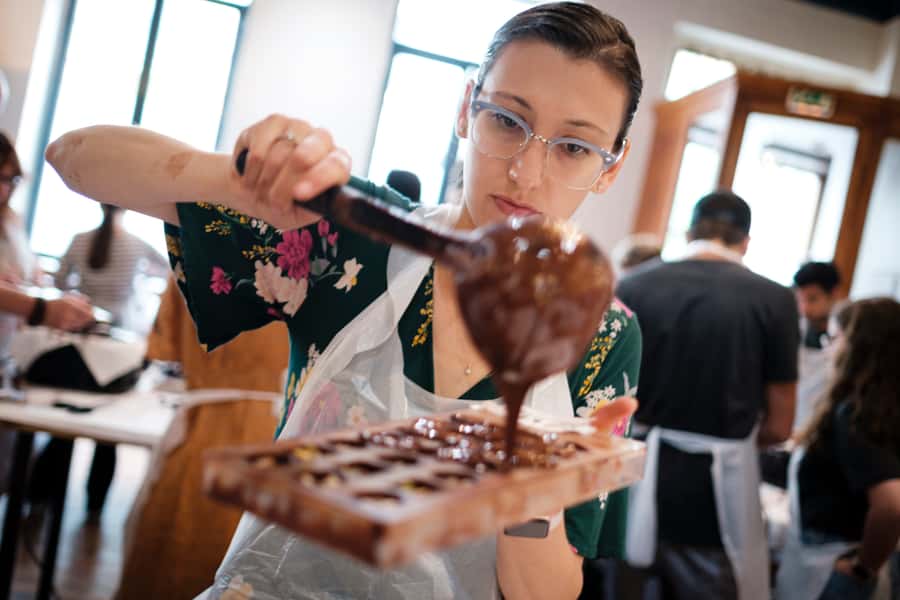
This is a 150-minute workshop where you learn to make Belgian-style pralines and mendiants from scratch, then personalize fillings using local and organic toppings. You also taste a hot chocolate made during the session, and you get a box packed with your creations to share (or hoard, no judgment).
More that leaves from a Cusco hotel door
- Cusco: Humantay Lake Tour with Breakfast and Buffet Lunch★ 4.9 · 2,976 reviews
- From Cusco: Moray, Maras Salt Mines & Chinchero Weavers Tour★ 4.8 · 1,925 reviews
- From Cusco: Full-Day Group Tour of Machu Picchu★ 4.7 · 1,767 reviews
- Machu Picchu Day Trip from Cusco★ 4.5 · 1,644 reviews
Key points worth your attention
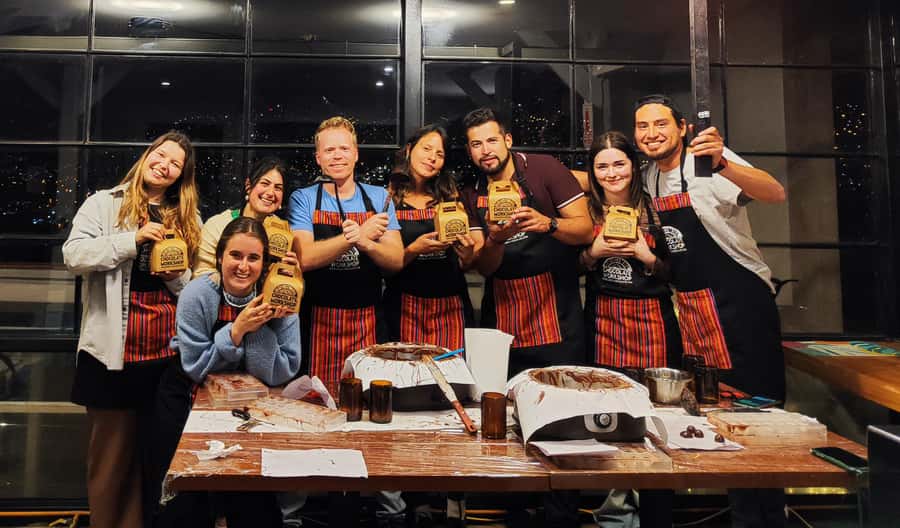
- Chuncho cacao focus: the workshop centers on 100% organic, artisanal cacao from the Cusco jungle.
- Belgian-style bonbons: you make pralines and mendiants with classic technique and structure.
- You build the fillings: ganache you make, local jam, and a range of nuts and toppings.
- A real take-home box: you make enough to bring home roughly 21 pralines and 10 mendiants.
- Hot chocolate included: you taste it and learn how it comes together.
- Small, hands-on energy: instructors like David, Ken, Angel, Marco, and Alex keep it social and interactive.
Why Chuncho cacao matters in a Cusco chocolate workshop
In Peru, cacao can taste like chocolate because it is chocolate, not just because it is sweet. In this workshop, the big story is Chuncho cacao, described by the team as one of the best organic cacaos in the world, and it comes from the jungle of the Cusco region. That matters because you are not just learning techniques on anonymous chocolate. You are learning on a specific ingredient with a regional identity.
I also like that they connect the flavor to the broader context of chocolate culture. Before you start working, you explore the history and culture of chocolate so your pralines are not just a craft project. You start to understand why Peruvian cacao can taste different from the chocolate you are used to.
If you are a chocolate fan, this ingredient-first approach is where the value lives. If you are new to cacao, it is still approachable because the workshop is structured around guided steps and tasting.
Limbus Restobar, panoramic Cusco views, and meeting the team
You do not get picked up, so build in time to get to the meeting point yourself. You will meet at Limbus Restobar, and the staff will direct you at the reception as soon as you say you are coming for the Chocolate workshop (el taller de chocolate).
The venue is a bonus that is actually practical. You arrive in Cusco and immediately get a clear sense of the city layout from the panoramic view. That makes the experience feel more like a scheduled evening out than a quick class in a back room.
The instructors bring the momentum. In recent sessions, names you may meet include David, Ken, and Angel, and I have also seen Marco and Alex involved. The common theme is energy with real explanations, not just “watch me do it.”
One quick note for your planning: the workshop does not allow spectators. So if you are traveling with friends who want to hang out and watch, you will need to book them too, or arrange separate plans.
The 150-minute flow: from cacao culture to tempering
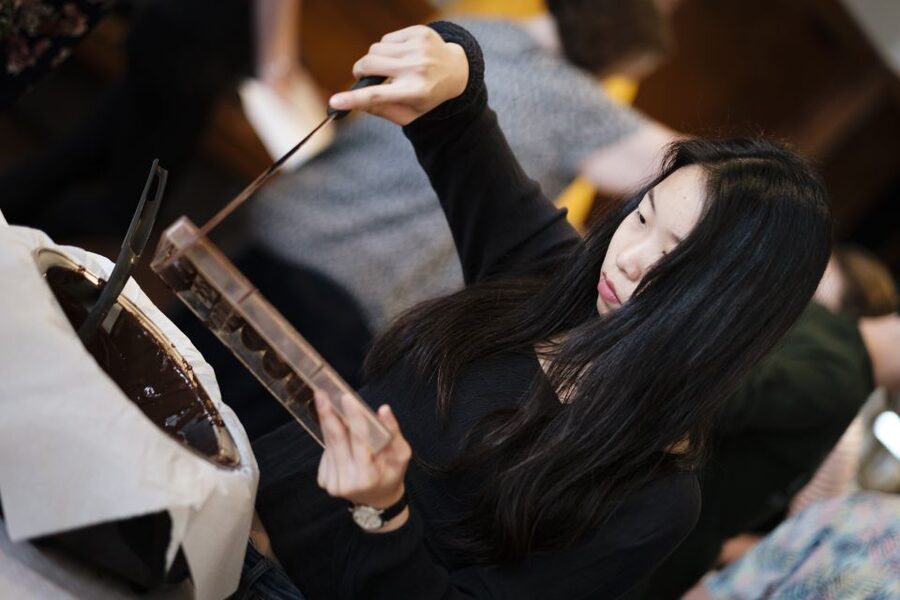
This is a two and a half hour class, and the pacing is part of its success. You get time to learn the why and then time to do the how.
A typical flow looks like this:
First, you meet and get oriented at the restobar venue. Then you take in a short introduction to the history and culture of chocolate, plus a practical grounding in what makes their cacao special.
Next comes the hands-on work. You learn the Belgian-style approach to making pralines and mendiants. That includes technique, like tempering so your chocolate sets properly and has that right snap. You also do demonstrations, so you can copy what matters rather than guessing.
Then you move into customization. You choose fillings and toppings and assemble your bonbons. You also taste hot chocolate during the session, so there is an edible payoff while you are still learning.
A small consideration: the focus stays on making and assembling. If you are expecting a long, detailed walkthrough of roasting and opening cacao beans, you may feel the class moves on before every bean step gets airtime. The tradeoff is you get more time producing actual bonbons.
More around Cusco, if this one is not quite the fit
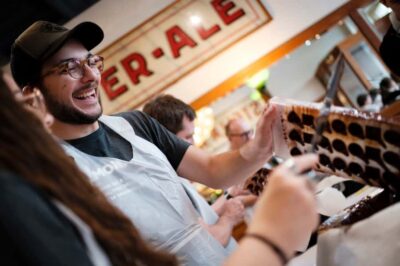
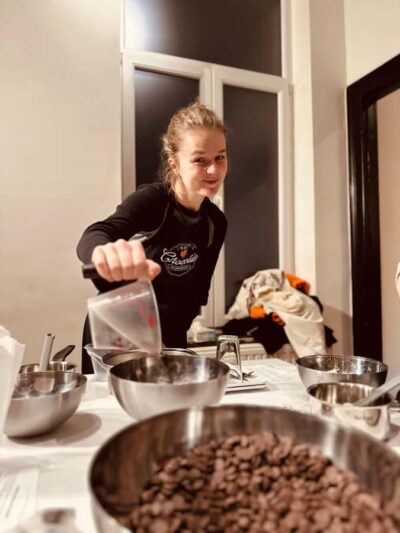
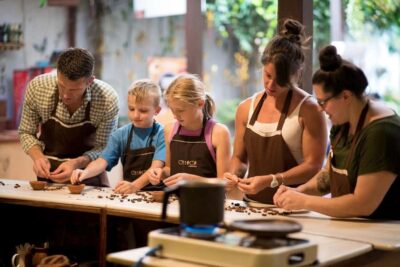
What you make: pralines, mendiants, and custom fillings
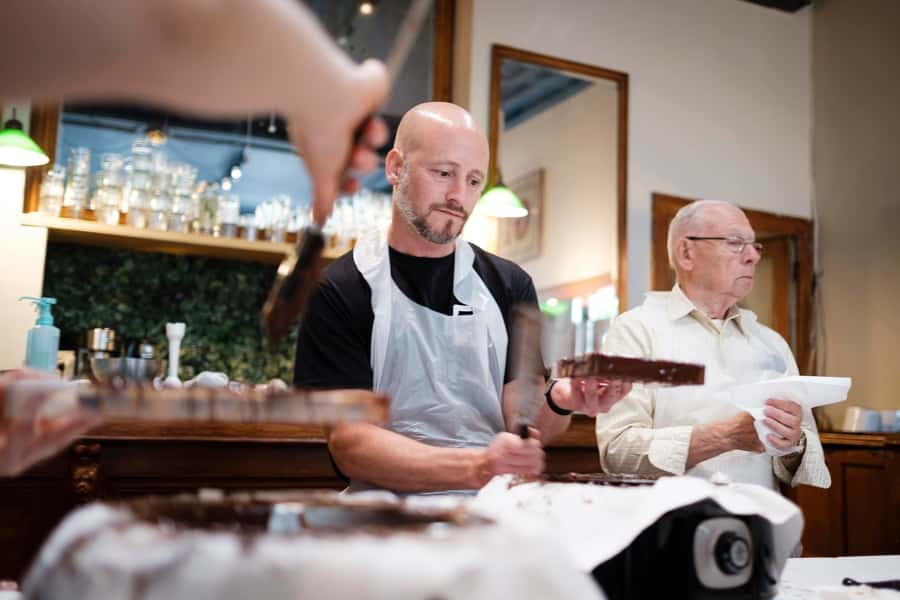
The workshop title can sound simple, but the craft is specific. You are making pralines and mendiants in a Belgian style, which means structure matters. You are not just coating something in chocolate and hoping it works.
What you can expect to take home is a lot. The class is designed so you leave with around 21 pralines and 10 mendiants, plus a personalized box. That is a generous amount for a single session, and it is why the $47 price feels more like a mini workshop and less like a tiny tasting.
Pralines
Pralines are your main building project. You make them with chocolate and fillings, and you get to pick what goes inside. A highlight here is that you can make ganache yourself during the workshop. That choice matters because it gives you control over texture and flavor.
You can also choose from local options, including homemade local jam. So you can build something that feels very Peruvian, not just generic sweets.
Mendiants
Mendiants are where toppings take center stage. You select from an extensive range of local and organic nuts and other ingredients. The goal is balance, so you do not end up with a bonbon that is all one note.
I like that the class does not treat toppings as random add-ons. It helps you think about what the topping does once the chocolate sets.
Hot chocolate, and why it is more than just a drink
During the workshop, you learn how to make hot chocolate and you taste it. This is useful because it gives you a quick, sensory reference while you are working with cacao.
If you are paying attention, you can compare the chocolate flavor you get in a drink versus in a solid bonbon. That helps you understand texture, sweetness, and how cacao flavor shows up differently.
Value check: $47, 300 grams, and what you truly take home
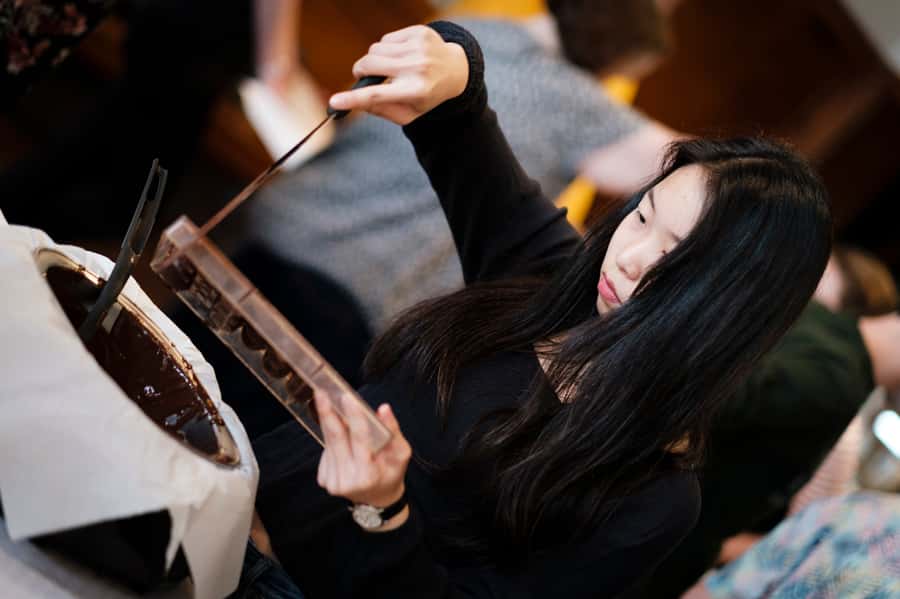
Price is always tricky in Cusco, because you want to avoid overpaying for a “thing to do.” Here, you can judge value with what is clearly included.
You are paying for:
- A 2.5-hour workshop
- 300 grams of chocolate per person
- Hot chocolate tasting
- Making pralines and mendiants from scratch
- Ingredients, utensils, and start-to-finish assistance
- A box to take your creations home
- Filtered water
That combination is what makes the workshop feel fair. You are not just watching technique. You are producing edible results you can share immediately after the class.
To me, the biggest value driver is the amount of take-home chocolate and the fact you can customize fillings and toppings. If you like bringing back food gifts, this is much easier than trying to pack fragile pastries later in your trip.
Who this is for, and who should skip it
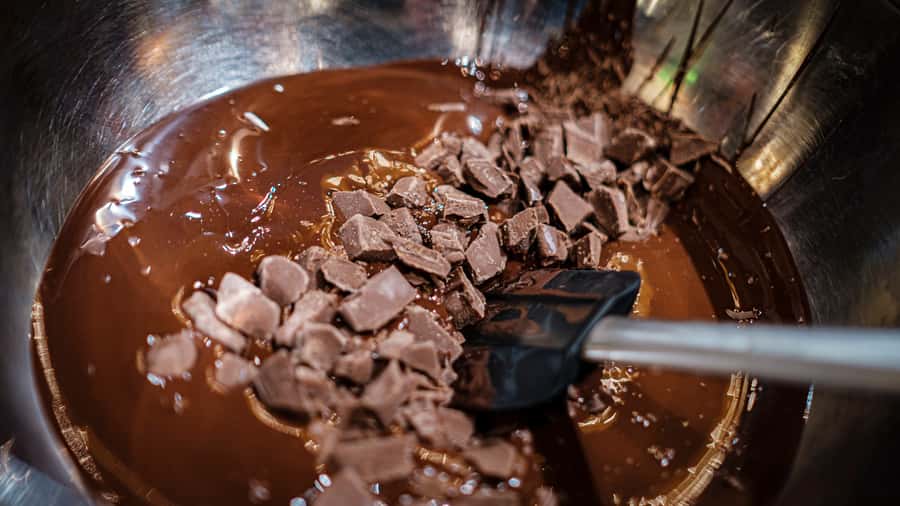
This workshop fits best if you like hands-on activities and you want a food experience tied to a real ingredient, not a generic dessert class.
You might love it if:
- You are a chocolate person, and you want to understand cacao beyond tasting bars.
- You enjoy small-group, interactive workshops.
- You want a memorable Cusco souvenir that is not just a photo.
There are also clear limits. Children under 12 are not allowed, and unaccompanied minors are not allowed. The workshop also does not allow spectators, so it is not ideal if you want a casual drop-in while friends watch.
It is also listed as not suitable for people with diabetes. That likely comes down to tasting and sugar content during the session, so you should treat it as a hard no for that specific condition.
Finally, it is instructor-led in English, Spanish, and French. That is handy if you are traveling with a mixed-language group.
Practical tips to make your workshop smoother
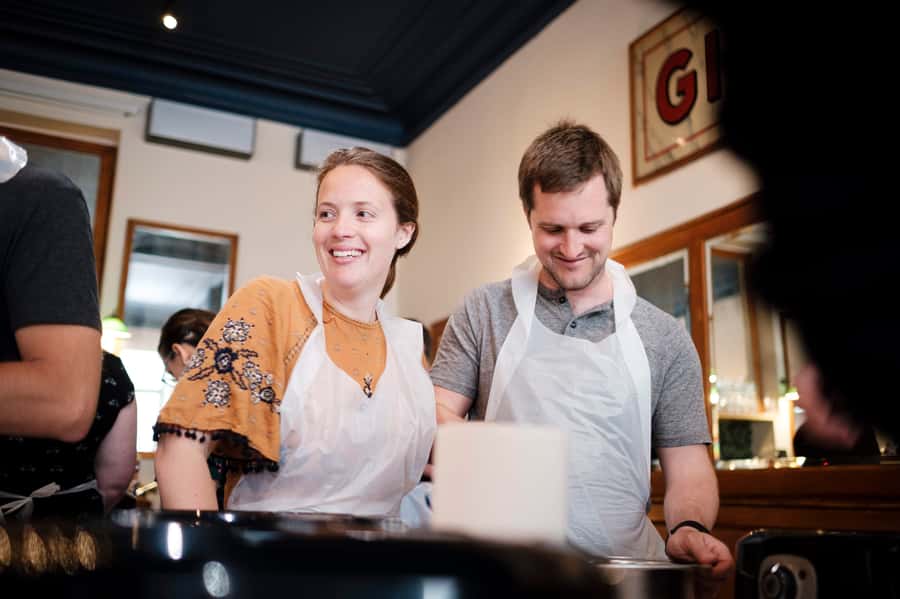
Here are the small things that will help you enjoy the process more:
- Arrive a few minutes early so you can check in at the reception and get seated without stress.
- Expect to get fully involved, since the class is hands-on and does not allow spectators.
- Bring your curiosity about toppings. The customization part is a major part of the fun, so you will have more enjoyment if you are ready to choose.
- If you are buying this as a gift, ask yourself if you are okay with a food item you made that may not look perfect. That is part of the charm, and the class is built to help you get a good result.
Also keep in mind there is no pick up. Cusco streets can be slower than you expect, so plan your timing accordingly.
Should you book the Cusco chocolate workshop?
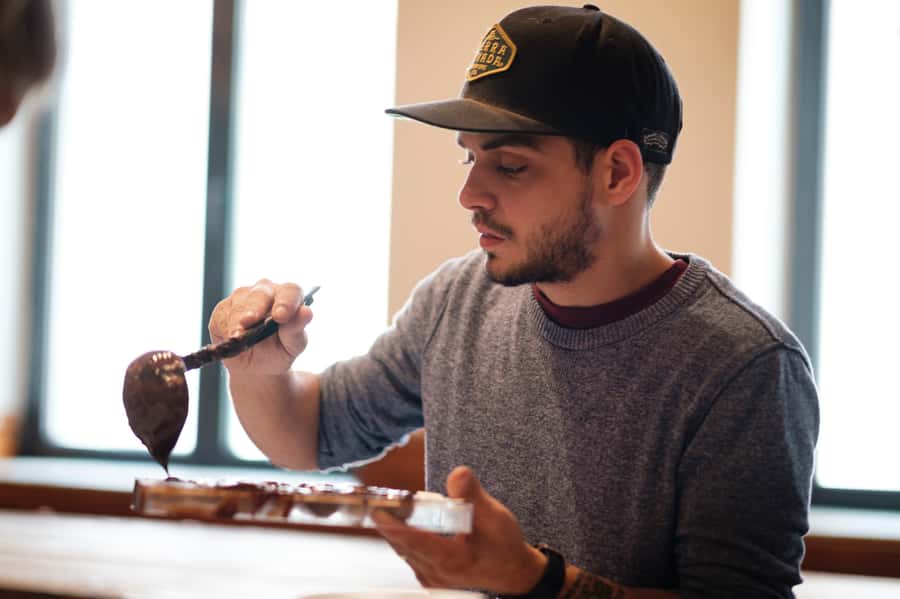
I think you should book this if you want a high-value Cusco experience that combines technique, local cacao, and a real take-home result. The Chuncho cacao focus is the story, and the Belgian-style pralines and mendiants give you something tangible you made in a short time. The panoramic view at Limbus Restobar is a bonus that makes the evening feel special.
Skip it if you mainly want a tour about cacao production steps, like roasting and opening beans in deep detail. This workshop is about making bonbons, and the craft time comes first.
If your schedule allows, it is a strong choice for food lovers, couples, and small groups who want to do something different in Cusco without needing special equipment or prior experience.
FAQ
Where do I meet for the Cusco chocolate workshop?
You meet at Limbus Restobar in Cusco. At the reception, indicate that you are coming for the Chocolate workshop (el taller de chocolate), and the receptionist will lead you to the experience.
How long is the workshop?
The duration is 150 minutes (about 2.5 hours).
What will I make during the class?
You will make Belgian-style pralines and mendiants from scratch. You will also learn how to make and taste hot chocolate.
Do I get a take-home box?
Yes. At the end of the workshop, you receive a personalized box with the chocolates you made. The workshop aims to produce around 21 pralines and 10 mendiants per person.
Is hot chocolate included?
Hot chocolate tasting is included in the workshop, and the class also teaches you how to make it.
Is pick up included?
No. You meet directly at the workshop location, and there is no pick up service.
Are children allowed?
Children under 12 are not allowed. Unaccompanied minors are also not allowed.
Is this suitable for people with diabetes?
No. The workshop is listed as not suitable for people with diabetes.
What languages are the instructors?
The instructor speaks English, Spanish, and French.
More Dessert Tours in Cusco
- Chocolate Workshop in Cusco with Premium Organic Cacao
★ 5.0 · 75 reviews - 1.5h Cusco Chocolate Workshop – Truffles & Hot Chocolate
★ 4.3 · 8 reviews - Cusco: Bean to bar chocolate workshop
★ 5.0 · 3 reviews
More Tour Reviews in Cusco
- Cusco: Humantay Lake Tour with Breakfast and Buffet Lunch
★ 4.9 · 2,976 reviews - From Cusco: Moray, Maras Salt Mines & Chinchero Weavers Tour
★ 4.8 · 1,925 reviews - From Cusco: Full-Day Group Tour of Machu Picchu
★ 4.7 · 1,767 reviews - Machu Picchu Day Trip from Cusco
★ 4.5 · 1,644 reviews - Cusco: Half-Day City Tour with Sacsayhuaman and Q’enco
★ 4.6 · 1,129 reviews
More Leaving From Cusco
- Cusco: Humantay Lake Tour with Breakfast and Buffet Lunch
★ 4.9 · 2,976 reviews - From Cusco: Moray, Maras Salt Mines & Chinchero Weavers Tour
★ 4.8 · 1,925 reviews - From Cusco: Full-Day Group Tour of Machu Picchu
★ 4.7 · 1,767 reviews - Machu Picchu Day Trip from Cusco
★ 4.5 · 1,644 reviews - Cusco: Half-Day City Tour with Sacsayhuaman and Q’enco
★ 4.6 · 1,129 reviews
Fresh in from Cusco


Workshops, compared.
 ★ 4.9Peruvian Cooking Class, Cocktails & Local Market TourFrom $67512 reviews
 ★ 5.0Cooking class and market tour with a local chefFrom $57186 reviews
 ★ 4.0The First Class Machu Picchu Train by Inca RailFrom $855182 reviews
 ★ 5.0The Textile Workshop Experience in Cusco RegionFrom $79118 reviews
 ★ 5.0Sacred Valley Textile Workshop – Dyeing & Weaving in CuscoFrom $42092 reviews
 ★ 5.0Chocolate Workshop in Cusco with Premium Organic CacaoFrom $4575 reviews
 ★ 5.0Private Andean Cooking Class, PachamancaFrom $15054 reviews
 ★ 4.5Pisco Sour Secrets: Hands-On Mixology in Historic CuscoFrom $3550 reviews
Browse the lists this tour appears in