
REVIEW · SACRED VALLEY TOURS
Sacred Valley Textile Workshop – Dyeing & Weaving in Cusco
Cusco color comes from plants. This day pairs botanical dyeing with patient backstrap weaving so you leave with something you actually made, not just watched. The tradeoff is time: you start at 8:30am and the drive from Cusco can take about an hour and a half each way, so plan for a full day and lots of sitting.
I especially love how the workshop is led around Ruth Pimentel, Peru’s UNESCO-awarded Indigenous master weaver, and how the instruction stays practical from yarn to finished textile. Another plus I can’t ignore is that you’re fed well along the way, with lunch plus coffee or tea included, so the day feels steady instead of rushed.
One consideration: weaving takes effort. Even when you get help, it can be genuinely challenging, and you should go in with patience rather than expecting instant perfection.
Key highlights worth putting on your radar
- Meet Ruth Pimentel in a private atelier and learn why Andean textile craft keeps getting passed down
- Pick seasonal botanicals and make natural dyes the traditional way, then dye premium baby-alpaca yarn
- Backstrap loom time that’s hands-on so you actively weave a piece, not just observe
- Lunch plus coffee or tea included, with plenty of breaks built into the day
- You leave with your own finished textile in elegant packaging, plus a signed provenance card
- Private transport pickup from your hotel so you do not have to figure out the logistics
More of the valley floor, from Pisac to Ollantaytambo
- Cusco: Sacred Valley, Pisac, Ollantaytambo, Salt Mines Moray★ 4.6 · 1,058 reviews
- Cusco:Chinchero,Moray & Salt Mines drop-off in Ollantaytambo★ 4.8 · 793 reviews
- Sacred Valley: Chinchero, Moray, Ollantaytambo & Pisac+Lunch★ 4.8 · 501 reviews
- Sacred Valley: Maras & Moray by Quad Bike from Cusco★ 4.6 · 418 reviews
Meet Ruth Pimentel, and see why textile craft is more than a souvenir
This workshop is built around a real person, Ruth Pimentel, described here as Peru’s only UNESCO-awarded Indigenous master weaver. That matters because it changes the whole tone of the day. You’re not walking through a demo set. You’re learning craft as a living skill, tied to community teaching and family lines, and explained in human terms.
What I like is that Ruth’s role is more than name recognition. You start with a warm introduction that includes her lineage and the traditions her work helps preserve. Then the day quickly shifts into doing: you select dye materials, work with yarn, and finally set your hands on the loom.
From the way the day is organized, you can feel the focus on respect. Several people mention the worry they had about exploitation or feeling like a tourist in someone else’s home. The workshop addresses that by keeping you in the work process, learning the same steps the community uses, and making room for conversation at the meal table. If you care about authenticity, that’s the point.
Getting started in Cusco: 8:30am pickup and the countryside drive
The start time is 8:30am, with hotel pickup by private transport offered. In practice, this is one of those easy-day setups: you show up, you get handled, and you can stop thinking about getting stuck in confusing local directions.
Be ready for travel time. One consistent note: the drive from Cusco can be about an hour and a half, and that stretches the day. It is not a problem if you treat it like a morning adventure, enjoy the views, and accept that weaving is only part of the schedule. But if you want a short outing you can stack with other plans, this will feel long.
A smart move is to pack for comfort. You will be riding, then sitting on the workshop floor for weaving time. Even if you are fit, backstrap weaving requires posture discipline, breaks, and support from the weavers when your hands get stuck. Also, if you are acclimating to altitude, starting early can help you pace the day without rushing later.
Plant dyeing in the Sacred Valley style: from gathering to color baths
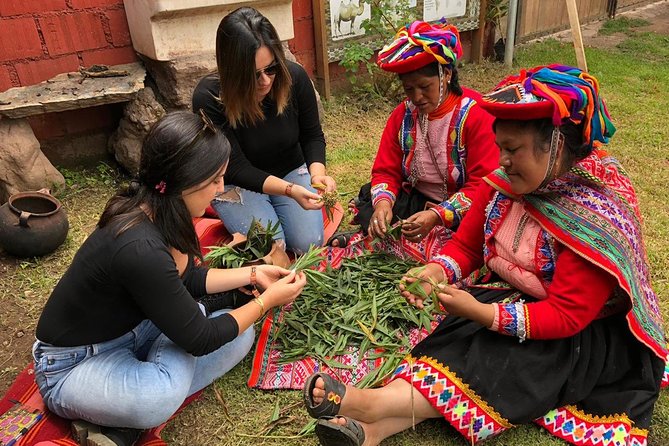
This is where the day really earns its keep. You do not just talk about natural dyes. You select seasonal botanicals and learn what they do, then use them to dye premium baby-alpaca yarn.
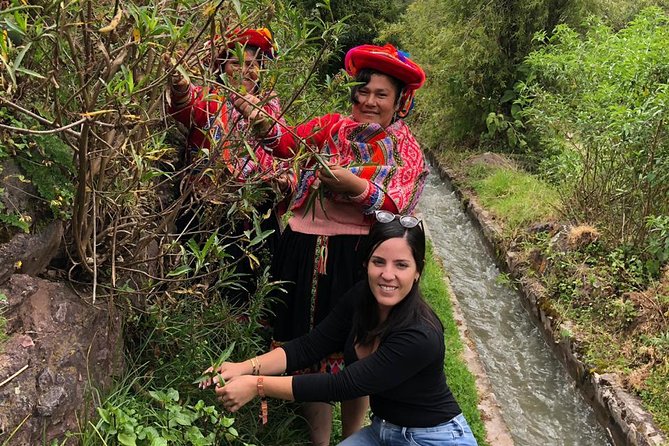
The process typically includes a walk to collect leaves or plant materials. In multiple accounts, this part becomes a highlight because it turns dyeing into something physical and visual. You see the ingredients up close, you learn how they are prepared for the dye bath, and you understand why the final color is not random.
What I love about plant dyeing is the “slow knowledge” effect. It forces you to notice details. You learn that dye is chemistry, timing, and technique, not magic. When someone shows you how to prepare the dye, how to treat the yarn, and how to move through each step, you start to appreciate why these methods have stayed relevant for generations.
If you are coming in thinking you will get a quick craft lesson, recalibrate. This workshop is structured as a full chain of work: gather, prepare, dye, and only then weave. That step-by-step flow makes the day feel coherent.
Spinning and yarn prep: the behind-the-scenes work most tours skip
After the dye work starts, you learn how alpaca yarn becomes usable fiber for weaving. The workshop includes spinning and yarn-making steps in the typical flow, including preparing yarn so it is ready for dyeing and later weaving.
If you’re a textile nerd, this is the section you want. Several participants describe learning the process from the wool stage through dye preparation and into usable yarn. Even if you are not a hobbyist, you’ll still feel the difference between dyed fiber and weaving-ready thread.
This is also where your appreciation grows in a practical way. You see why the final textiles look effortless when they are actually the result of many careful tasks. Yarn preparation takes time, and it sets the foundation for how the weaving behaves on the backstrap loom.
I’d go in with the mindset of patience, not speed. You do not need to be an expert. The instructors guide you, and help is part of the design. But you will still do real work with your hands.
More that leaves from a Cusco hotel door
Backstrap weaving: where you actually make the textile
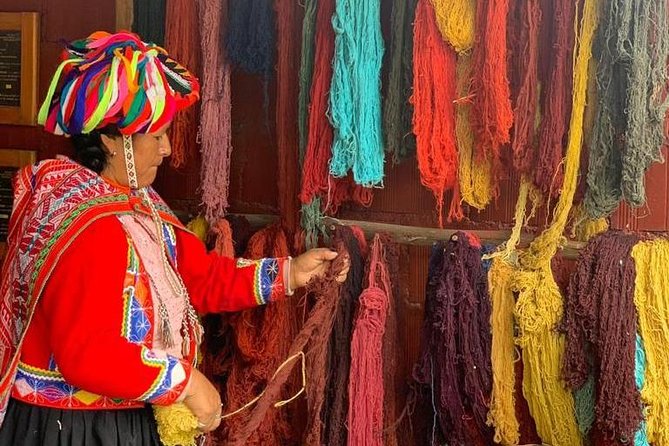
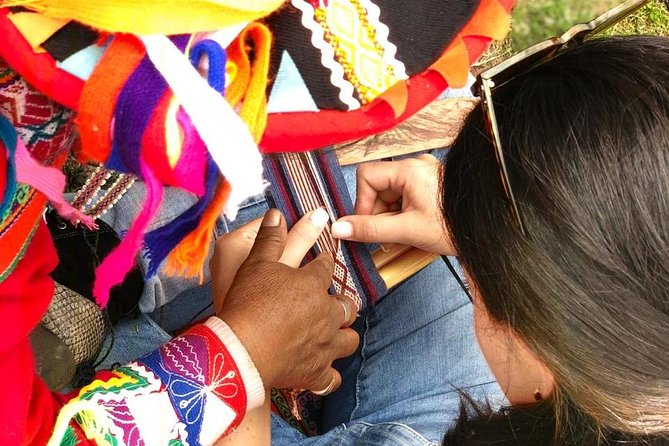
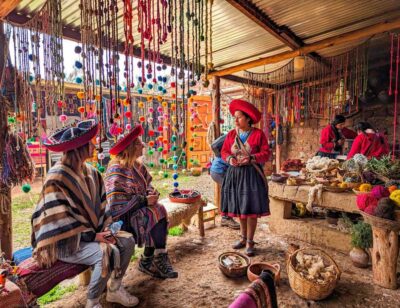
Then comes the loom, and this is the heart of the experience. You learn the meditative art of backstrap weaving, using the same technique passed down through generations of Andean women. It is backstrap weaving, not a simplified loom simulator.
What to expect: you help set up or start on a backstrap loom, then weave your own piece. People mention bracelets as a common end product, with bookmarks offered as an option too. Another participant describes making a headband (often called a bincha), and others note different choices depending on what they wanted to make that day.
The weaving portion is often described as genuinely challenging, which is a good sign. If it were too easy, you would not get the sense of craftsmanship. You will probably make small adjustments while you learn tension, rhythm, and the way each pass locks into the pattern. The weavers help you when needed, but the goal is that your hands do the work.
By the end, you should expect more than a finished item. You’ll have a story you can tell, because you know the steps: dye materials, yarn work, loom setup, and weaving mechanics. That knowledge makes the textile feel personal, not bought off a shelf.
Lunch, coffee or tea, and conversation at the community table
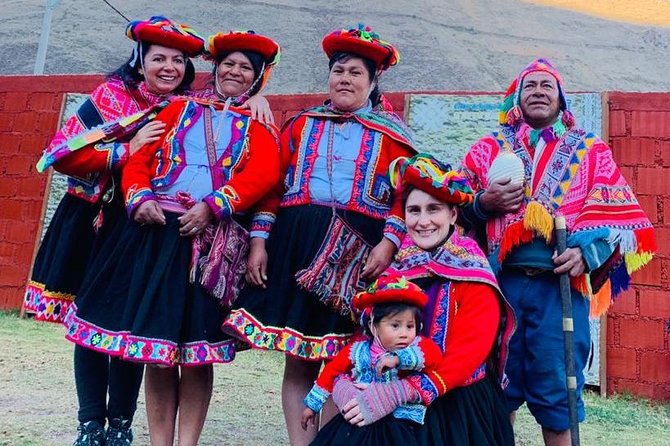
This workshop includes lunch and coffee or tea, and it is not treated like filler between “real activities.” The day is paced so you can sit down, eat, and reset before weaving continues.
The meal is described as delicious and homecooked. People also mention the chance to chat with the facilitators and weavers, often with a translator present for language support. One account mentions a guide named Edwin and another highlights translators such as Edwin’s team member Edwin (also referenced as Edwin Pimentel) or separate translators like Edwin in combination with the weavers.
Some guests mention trying local foods, with one specific note of guinea pig (cuy). I would not assume it will be served for everyone, but the broader point is clear: you’re not eating a tourist sandwich. You’re eating food from the home base of the workshop experience.
If you’re worried about language barriers, you’ll likely be fine. At least some days use a translator, and the weavers communicate through action too. Even when your Spanish is limited, you will understand what happens next because the process is hands-on and visual.
Finishing touches: packaging, provenance, and taking your work home
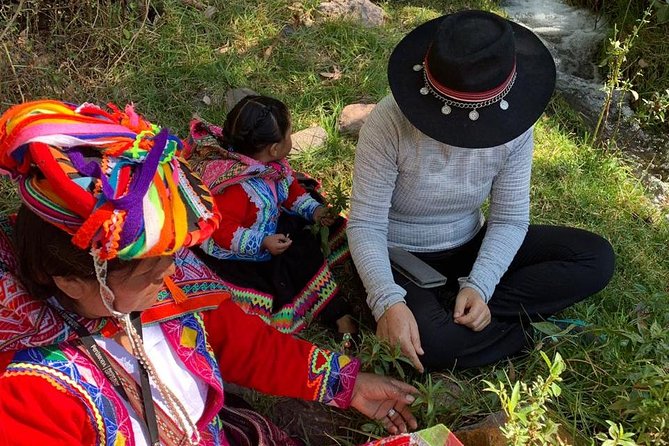
Your creation is finished on-site and presented in elegant packaging, with a signed provenance card. That is a big deal for value. It turns your purchase into documented craft, where you can explain what you made and where the methods come from.
Several people also mention being able to take the yarn they dyed home. That means you can keep learning after the day ends, and you do not have to treat this as a one-off souvenir moment. You may even find yourself using your dyed yarn later for small projects, or gifting it to someone who cares about craft.
There’s also time to visit the shop. People note it is not as overpriced as expected, and that you can buy handmade textiles directly. I like this part because it’s practical. If you see something you genuinely want, you can purchase it after you’ve learned how the work is done.
Price and logistics: why $420 feels fair for what you get
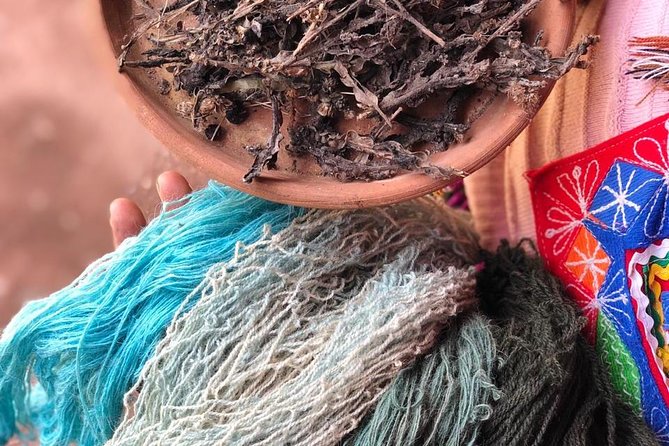
At $420 per person, this is not a bargain workshop. It is also not priced like a mass-market cultural show.
Here’s what you are paying for, and why it makes sense:
- You get private transport pickup from Cusco, which removes the hassle cost and time stress
- You receive instruction from a UNESCO-awarded master weaver figure and supporting master weavers from the community
- You do the multi-step process: dyeing, yarn work, and backstrap weaving
- Lunch plus coffee or tea are included
- You take home a finished piece, plus packaging and a signed provenance card
Also, the day is long enough that it cannot be a rushed class. Multiple descriptions emphasize the full chain of work, from collecting dye ingredients through weaving. That structure costs time, and time costs money.
So, the value question becomes simple: do you want a craft experience you can genuinely understand, not just watch? If yes, $420 starts to look like a fair price for a full-day lesson with real outcomes. If you want something shorter or more casual, you might feel it’s expensive for the time commitment.
Who should book this Cusco textile workshop, and who might hesitate
This workshop suits:
- Anyone who loves textiles, yarn, or craft and wants to learn how it’s actually done
- Couples and small groups who want a shared activity with conversation built in
- Solo travelers who want a guided day that includes hands-on instruction and a sit-down meal
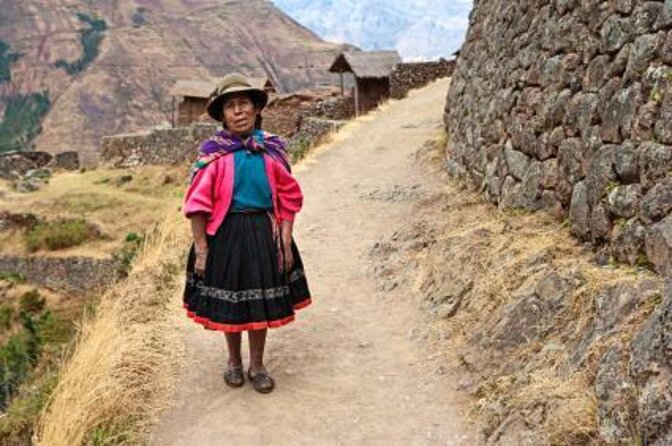
- People who care about doing something off the main tourist loop, because the setting is outside central Cusco and focused on community work
I’d hesitate if:
- You hate long drives and want a half-day plan
- You dislike sitting on the floor for hours, since weaving time is part of the day
- You expect an easy, instant-result craft, because backstrap weaving takes practice
The good news is that help is part of the program. Many participants mention patient instruction and hands-on support throughout the loom work. You do the steps, but you are not left struggling alone.
Should you book Sacred Valley Textile Workshop with Ruth Pimentel?
I think you should book it if your travel style includes making things with your hands and learning craft as a process. The best part is that you do not just get a finished product. You get the chain of work behind it: dye ingredients, dye baths, yarn prep, and backstrap weaving.
If the long drive will bother you, or if you’re looking for a quick photo stop, then skip it and choose a shorter Cusco activity. But if you want a day that feels purposeful, respectful, and genuinely educational, this is one of the stronger uses of a day in the region.
In short: if you want a textile piece you can explain from start to finish, and you’re willing to spend a full day learning, this is an excellent match.
FAQ
What time does the workshop start?
The start time is 8:30am.
How long does the experience take?
It lasts about 8 hours.
Is hotel pickup included?
Hotel pickup by private transport is offered for an easy start to your day.
Is this a private tour?
Yes. This is a private tour or activity, and only your group participates.
What do I get to make?
You will be involved in dyeing and weaving your own textile piece, using alpaca yarn. You’ll finish your creation on-site. Options mentioned include bookmarks, and some people make bracelets.
Is lunch included?
Yes. Lunch and coffee or tea are included.
Who can participate?
Most travelers can participate.
What if the weather is bad?
The experience requires good weather. If it’s canceled due to poor weather, you’ll be offered a different date or a full refund.
Can I get a full refund if I cancel?
Yes, you can cancel for a full refund up to 24 hours in advance of the experience’s start time.
More Tour Reviews in Cusco
- Cusco: Humantay Lake Tour with Breakfast and Buffet Lunch
★ 4.9 · 2,976 reviews - From Cusco: Moray, Maras Salt Mines & Chinchero Weavers Tour
★ 4.8 · 1,925 reviews - From Cusco: Full-Day Group Tour of Machu Picchu
★ 4.7 · 1,767 reviews - Machu Picchu Day Trip from Cusco
★ 4.5 · 1,644 reviews - Cusco: Half-Day City Tour with Sacsayhuaman and Q’enco
★ 4.6 · 1,129 reviews
More Leaving From Cusco
- Cusco: Humantay Lake Tour with Breakfast and Buffet Lunch
★ 4.9 · 2,976 reviews - From Cusco: Moray, Maras Salt Mines & Chinchero Weavers Tour
★ 4.8 · 1,925 reviews - From Cusco: Full-Day Group Tour of Machu Picchu
★ 4.7 · 1,767 reviews - Machu Picchu Day Trip from Cusco
★ 4.5 · 1,644 reviews - Cusco: Half-Day City Tour with Sacsayhuaman and Q’enco
★ 4.6 · 1,129 reviews
Keep Going Down the Valley
- Cusco: Sacred Valley, Pisac, Ollantaytambo, Salt Mines Moray
★ 4.6 · 1,058 reviews - Cusco:Chinchero,Moray & Salt Mines drop-off in Ollantaytambo
★ 4.8 · 793 reviews - Sacred Valley: Chinchero, Moray, Ollantaytambo & Pisac+Lunch
★ 4.8 · 501 reviews - Sacred Valley: Maras & Moray by Quad Bike from Cusco
★ 4.6 · 418 reviews - Pisac Indian Market and Ollantaytambo Fortress with Lunch
★ 4.5 · 395 reviews
Fresh in from Cusco



Sacred Valley Tours, compared.
 ★ 4.8Sacred Valley & Maras Salt Mines Tour with LunchFrom $282,227 reviews
 ★ 4.6Sacred Valley, Pisac, Ollantaytambo, Salt Mines MorayFrom $281,058 reviews
 ★ 4.8Chinchero,Moray & Salt Mines drop-off in OllantaytamboFrom $27793 reviews
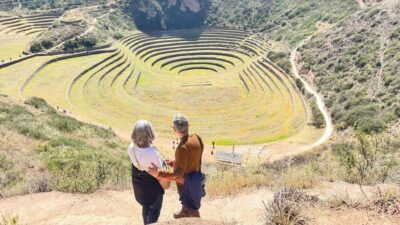 ★ 4.8Sacred Valley: Chinchero, Moray, Ollantaytambo & Pisac+LunchFrom $25501 reviews
 ★ 4.6Sacred Valley: Maras & Moray by Quad Bike from CuscoFrom $39418 reviews
 ★ 4.5Pisac Indian Market and Ollantaytambo Fortress with LunchFrom $84395 reviews
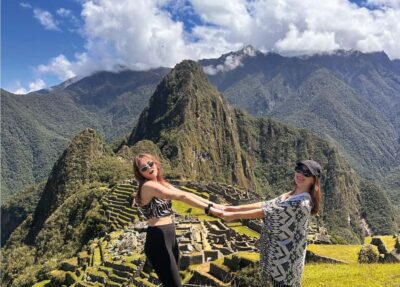 ★ 4.62-Day Trip to the Sacred Valley and Machu PicchuFrom $370265 reviews
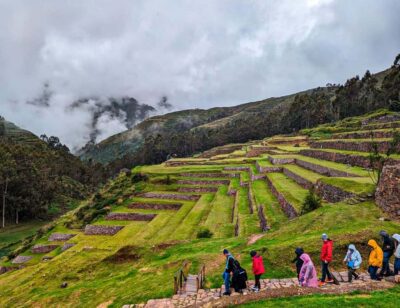 ★ 4.8Sacred Valley Pisaq,Ollantaytambo,Chinchero with LunchFrom $28183 reviews
Browse the lists this tour appears in