
REVIEW · WORKSHOPS
Cusco: Bean to bar chocolate workshop
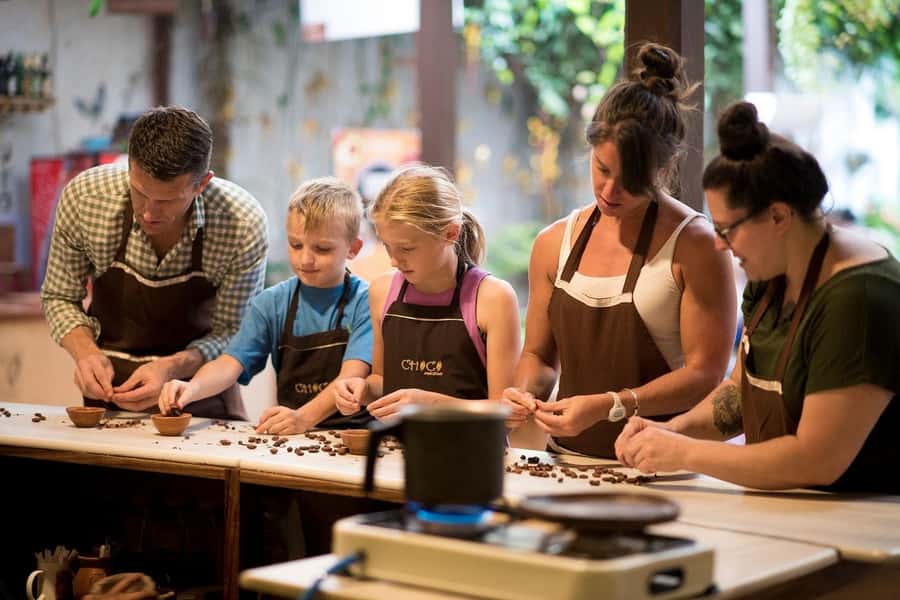
In Cusco, this bean-to-bar chocolate workshop and museum walks you through the full path from cacao to a finished bar, and it is hands-on the whole way. You get to do the key techniques yourself, then taste hot chocolate and local-style drinks like the Maya and the conquistadores.
I love the practical payoff: you roast beans, remove the husk, grind the nibs on a metate with a mano, and refine the cacao paste in a melangeur. I also like that you leave with handmade organic chocolates you shaped and can tailor to your own tastes.
One thing to consider is time. Everything, including tasting and making your chocolate bar, packs into a 2-hour session, so you will want to stay focused if you dislike rushing.
Key things to know before you go
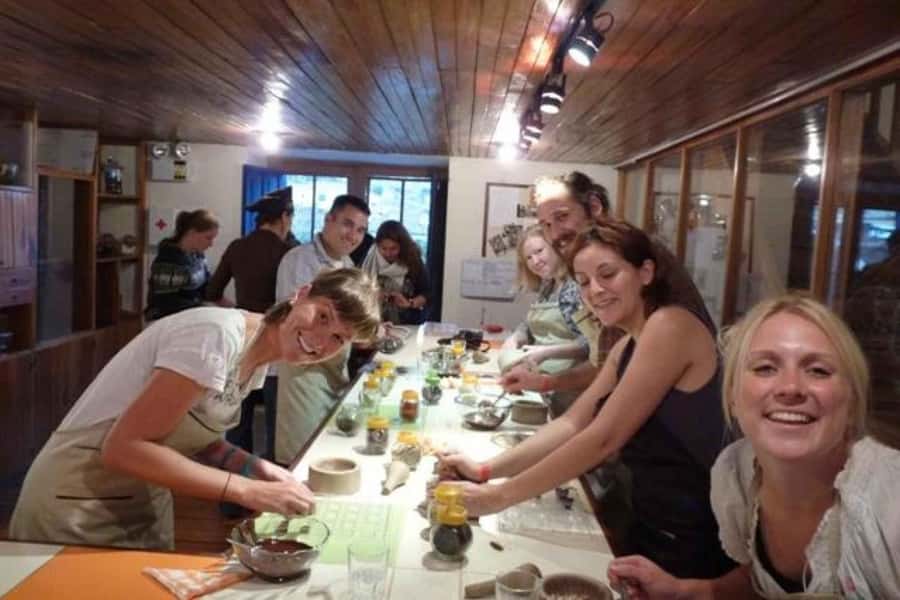
- You do the steps yourself, not just watch a demo.
- Metate and mano grinding gives you real “from scratch” understanding.
- Melangeur refining shows the industrial step in an approachable way.
- Hot chocolate plus drinks like the Maya and the conquistadores.
- Ingredient choice means your bar tastes like you, not like a fixed sample.
- Workshop plus museum gives context on cacao history and Cusco’s reputation.
More that leaves from a Cusco hotel door
- Cusco: Humantay Lake Tour with Breakfast and Buffet Lunch★ 4.9 · 2,976 reviews
- From Cusco: Moray, Maras Salt Mines & Chinchero Weavers Tour★ 4.8 · 1,925 reviews
- From Cusco: Full-Day Group Tour of Machu Picchu★ 4.7 · 1,767 reviews
- Machu Picchu Day Trip from Cusco★ 4.5 · 1,644 reviews
A 2-Hour Bean-to-Bar Lesson in Cusco
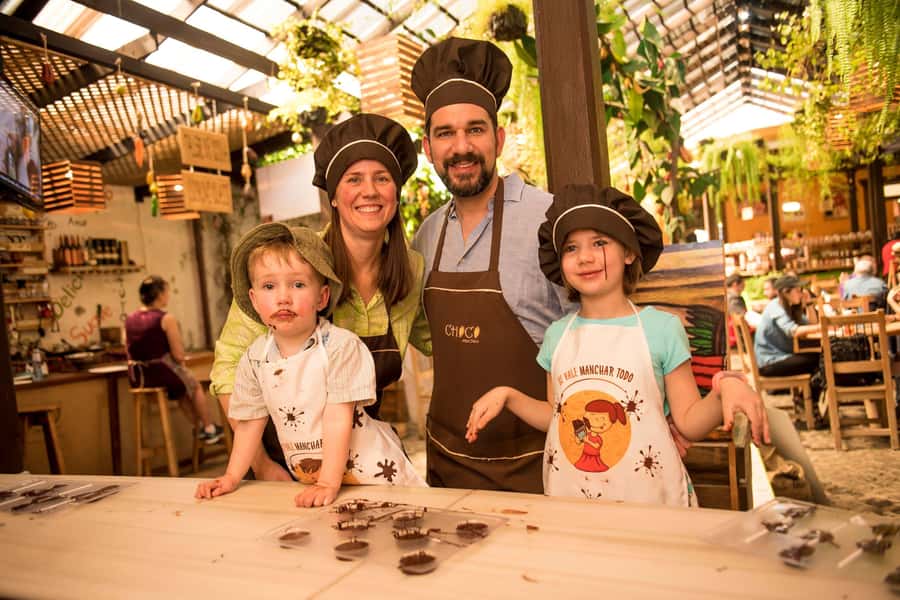
This is the kind of activity that works well in Cusco when you want something cultural that still feels practical. You are not only learning about chocolate. You are making it.
The format is a guided, interactive tour of a chocolate workshop and museum in the Cusco Region. The time is short at 2 hours, but the experience is dense in a good way. You move through the transformation step-by-step and end with your own finished results: hot chocolate and a custom chocolate bar made from your chosen ingredients.
I also appreciate that the workshop frames the story beyond sweetness. You get history on famous cacao beans, plus an explanation of why the Cusco area is associated with high-quality chocolate. Even if you already know the basics, the hands-on part helps the history stick.
Roasting the cacao beans: the first flavor shift
The workshop starts at the beginning, with cacao beans and what happens before chocolate ever reaches your spoon. You learn the first of the four main processes: roasting the cacao beans.
This step matters because roasting changes everything you taste later. The workshop approach is simple and direct: you see how the beans go from raw form toward a chocolate flavor base. Then you understand that the later steps are not separate tricks. They are part of a chain where each one affects texture and taste.
If you care about real flavor, this is where you start making sense of why “chocolate” can taste so different across places. When the tasting and the grinding come later, you will have a reference point in your mind, because you did the roast.
Husk off, nibs on: learning the “clean” stage
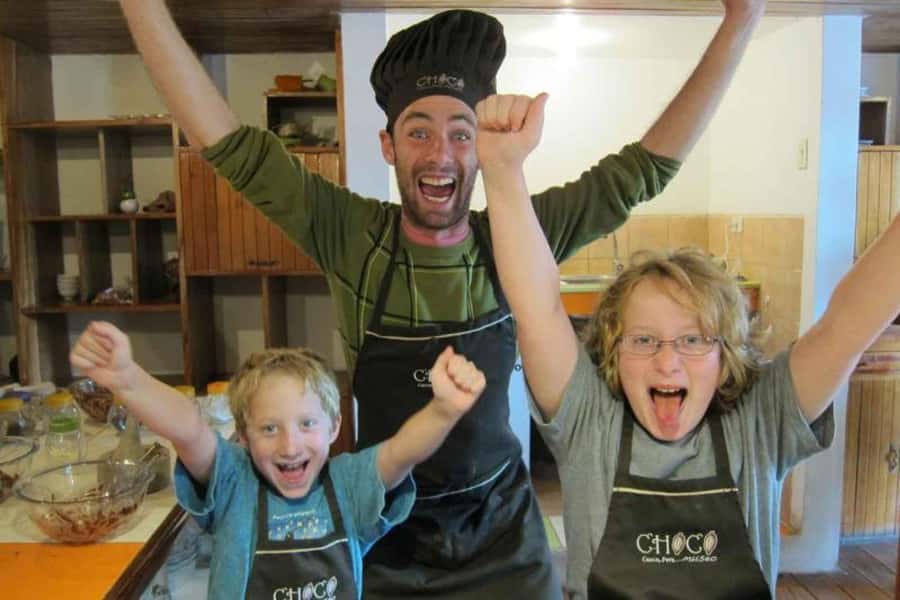
Next comes the second process: removing the cacao husk. The husk is the outer shell. The workshop focuses on separating what is useful from what is not, so you are working with the cacao interior, the nibs.
This is a good moment to pay attention to how the workshop guides you. It is not about perfection. It is about understanding the logic. Chocolate is built from the part that can become paste and eventually smooth bar texture. Once you see the husk removal, you start to grasp why chocolate is more than “just grind it and heat it.”
You also start building the habit of thinking like a chocolatier. You do not just follow steps. You notice how each action prepares the next step.
Grinding nibs the old way on a metate with a mano
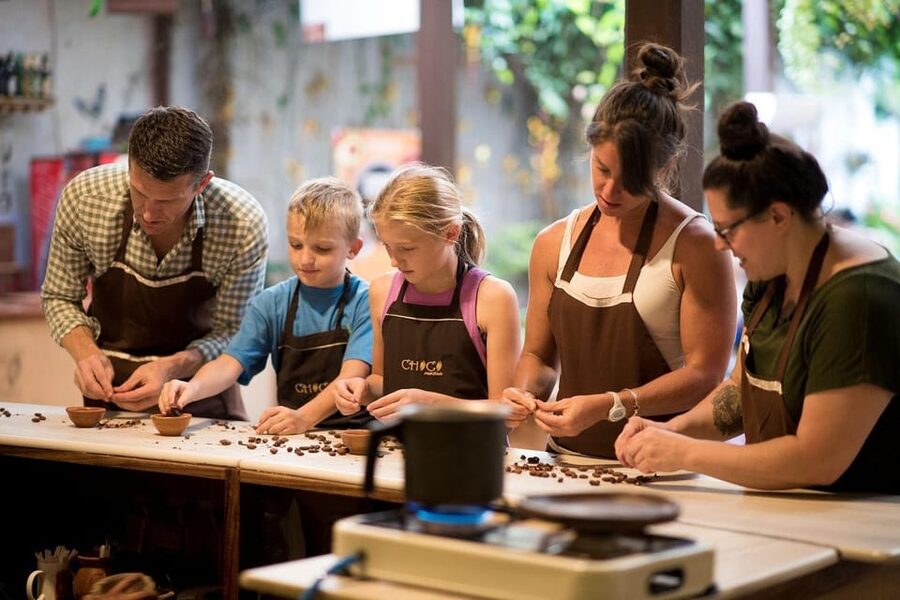
Then you hit one of the most memorable parts of the class: grinding the cacao nibs on a metate with a mano.
The workshop explicitly ties this method to Aztec tradition, which makes it more than a cool craft moment. It becomes a bridge between modern chocolate making and older ways of processing cocoa. You are doing the motion, feeling the work, and watching how raw nibs change form as they break down.
Practically, this is the part that makes you slow down in a good way. Grinding takes effort, and effort gives you understanding. You learn how texture develops and why nibs need time and pressure to become something that can be refined.
And yes, it is also just fun. You get that hands-on satisfaction you do not get from many “food experiences” that are mostly watching.
More around Cusco, if this one is not quite the fit
Refining the cacao paste in a melangeur
After grinding comes the fourth process: refining the cacao paste in a melangeur. This is the step where the class gets especially helpful for anyone who cares about texture.
Even if you do not know the technical details, you can feel the difference in how refined cacao becomes smoother and more consistent for bar-making. This step helps you understand the transition from a thick, chunky mixture toward a paste that will behave better during molding.
Think of it like the difference between rough chopped ingredients and a sauce that actually coats a spoon. The melangeur stage is where chocolate becomes chocolate in the sense that you expect: smoother mouthfeel and better structure.
Molding and creating your own chocolate bar
At this point, you shift from processing to creating. You get to make a chocolate bar and personalize it with your ingredient choices.
This is one of the biggest “value” wins for the class, even without looking at a price tag. Many workshops end with a small taste and a take-home item that feels pre-made. Here, your bar is part of the learning curve and part of the reward. You are not only seeing how chocolate gets made. You are shaping the final result.
The workshop also has you create hot chocolates during the session. That means your process and your tasting happen together. You do not have to wait until the end to connect what you did with what you enjoy.
Tasting hot chocolate, plus the Maya and conquistadores drinks
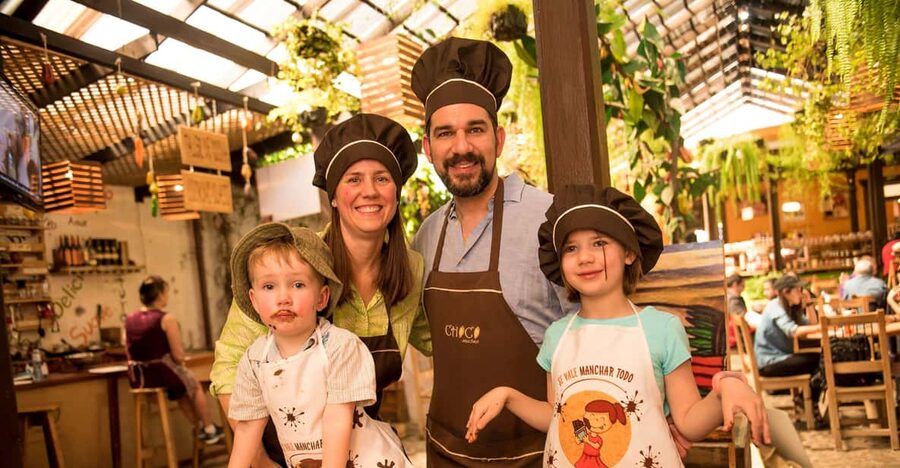
The workshop includes tasting drinks tied to chocolate culture, including Maya and the conquistadores. I like that they put drinks in the mix because cacao is not only for bars. It is a flavor and a ritual across regions, and drinks help you experience cacao in a different form.
Hot chocolate also anchors the learning. It is easier to connect early stages like roasting and husk removal with what you can taste in liquid form. If you are trying to decide whether the process “worked,” this is your feedback moment.
The key is to pay attention to how sweetness and flavor change when cacao is processed differently. Even if your drink is not dramatically different from what you have had at home, your own hands made the foundation, so you will notice more.
Cusco cacao, history context, and why the museum matters
This activity is not just a workshop floor. It also includes a museum component, with explanations about the history behind famous cacao beans and why Cusco is associated with some of the finest chocolate around the world.
I find museum add-ons can either feel like filler or like the part that ties the whole experience together. Here, the museum content is useful because it answers the big question you will have while you are working: why does cacao matter, and why here?
Cusco sits in a place where chocolate is not just an imported treat. It is part of local agricultural and cultural stories. When the guide connects your steps to cacao’s background, the workshop stops being only a skill lesson. It becomes a cultural memory too.
What you take home (and what to eat first)
You leave with your handmade chocolates. The workshop experience is explicit that you can take home all of your handmade chocolates, unless you already ate them on the spot.
That matters for two reasons:
- You get a tangible souvenir that is tied directly to what you did.
- You can share it, which helps your learning stick. You can tell someone about the roasting, husk removal, metate grinding, and melangeur refinement, and suddenly it is not an abstract activity. It becomes a story.
If you want to experience everything fully in one go, I would suggest saving any “most special” piece for later. But that is just my personal approach. In a workshop like this, it is normal to sample right away because the whole session builds toward tasting.
Who this workshop is best for
This class is a strong fit if you like food experiences that are active, not passive. You will enjoy it if you:
- want a hands-on introduction to bean-to-bar chocolate
- like learning by doing, especially with steps like metate grinding
- care about organic chocolate and customizing your bar
- want an activity that works well within a short Cusco time window
It can also be a good option for couples and solo travelers. The guided format keeps you on track, and the making process gives you a clear role throughout the session.
If you are the type who hates physical tasks, the grinding stage might feel like work. But it is not extreme labor, and it is part of what makes the experience meaningful.
Also, consider language comfort. The tour guide offers English and Spanish, so you can follow along in the language you are most comfortable with.
Practical things that affect your experience
Because the session is only 2 hours, you will get the best results if you show up ready to focus. Follow the guide instructions promptly, especially during roasting-related steps, grinding, and molding, since timing keeps everything flowing.
For communication, the workshop asks you to provide your contact number correctly with your country code and to have WhatsApp. For last minute reservations, the supplier asks you to check availability by email before booking.
If you are coming from a Cusco sightseeing day, build in a little buffer. You do not want to feel rushed walking in, and you will enjoy the tasting more if you arrive settled.
Value in real terms: why this is more than a sweet souvenir
I looked at the overall rating pattern, and this workshop comes through strongly. In the feedback I reviewed, the class shows a 5 out of 5 rating with 3 verified bookings. That is a small sample, but the consistency matters.
Here is why the value feels strong, even when you compare it to other Cusco activities:
- You complete the full chain from cacao processing to finished chocolate bar.
- You get both tasting (hot chocolate, drinks) and creation (molding your own bar).
- You learn the major steps of chocolate making, including roasting, husk removal, metate grinding, and melangeur refining.
- You take home your chocolates, not just photos and a story.
In other words, you leave with a skill you understand, a product you created, and a local connection you can explain.
Should you book the Cusco bean-to-bar workshop?
If your ideal Peru day includes learning by doing, I would book this. It is a short 2-hour class, but it covers the core steps of chocolate making and gives you a customized result you can actually eat later. The metate and mano part alone makes it feel grounded and authentic rather than staged.
Skip it only if you are looking for something mostly scenic or mostly relaxing. This is focused on making. You will be participating. If that sounds like your kind of day, you will likely walk away with both a chocolate bar and a better understanding of why Cusco is linked with top cacao.
FAQ
How long is the Cusco bean-to-bar chocolate workshop?
The workshop duration is 2 hours. Check availability to see starting times.
What do I make during the class?
You make your own chocolate using the bean-to-bar process, and you create hot chocolate and your own chocolate bar with your choice of ingredients.
Do I learn the full bean-to-bar process?
Yes. The class covers four processes: roasting the cacao beans, removing the cacao husk, grinding the cacao nibs on a metate with a mano, and refining the cacao paste in a melangeur.
What drinks are included?
You can try drinks like the Maya and the conquistadores, along with hot chocolate.
Can I take the chocolate home?
Yes. You can take home all of your handmade chocolates, unless you have already eaten them.
What if I need to cancel?
You can cancel up to 24 hours in advance for a full refund.
More Drinking Tours in Cusco
- Cusco Pub Crawl: Bar Tour, Drinks And Club with no waiting lines
★ 5.0 · 76 reviews - Cusco: Pub Crawl with Skip-the-Line Access and Drinks
★ 4.6 · 57 reviews
More Tour Reviews in Cusco
- Cusco: Humantay Lake Tour with Breakfast and Buffet Lunch
★ 4.9 · 2,976 reviews - From Cusco: Moray, Maras Salt Mines & Chinchero Weavers Tour
★ 4.8 · 1,925 reviews - From Cusco: Full-Day Group Tour of Machu Picchu
★ 4.7 · 1,767 reviews - Machu Picchu Day Trip from Cusco
★ 4.5 · 1,644 reviews - Cusco: Half-Day City Tour with Sacsayhuaman and Q’enco
★ 4.6 · 1,129 reviews
More Leaving From Cusco
- Cusco: Humantay Lake Tour with Breakfast and Buffet Lunch
★ 4.9 · 2,976 reviews - From Cusco: Moray, Maras Salt Mines & Chinchero Weavers Tour
★ 4.8 · 1,925 reviews - From Cusco: Full-Day Group Tour of Machu Picchu
★ 4.7 · 1,767 reviews - Machu Picchu Day Trip from Cusco
★ 4.5 · 1,644 reviews - Cusco: Half-Day City Tour with Sacsayhuaman and Q’enco
★ 4.6 · 1,129 reviews
Fresh in from Cusco

Workshops, compared.
 ★ 4.9Peruvian Cooking Class, Cocktails & Local Market TourFrom $67512 reviews
 ★ 5.0Cooking class and market tour with a local chefFrom $57186 reviews
 ★ 4.0The First Class Machu Picchu Train by Inca RailFrom $855182 reviews
 ★ 5.0The Textile Workshop Experience in Cusco RegionFrom $79118 reviews
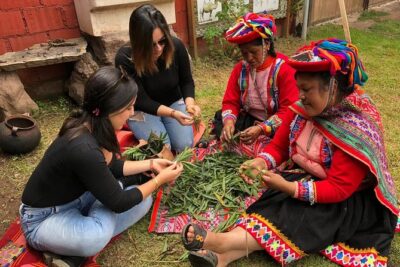 ★ 5.0Sacred Valley Textile Workshop – Dyeing & Weaving in CuscoFrom $42092 reviews
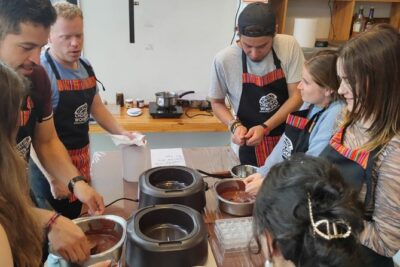 ★ 5.0Chocolate Workshop in Cusco with Premium Organic CacaoFrom $4575 reviews
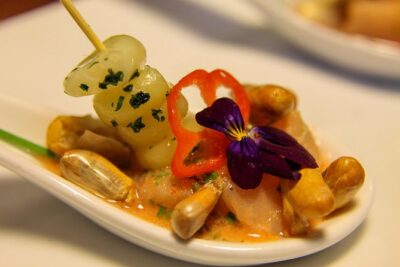 ★ 5.0Private Andean Cooking Class, PachamancaFrom $15054 reviews
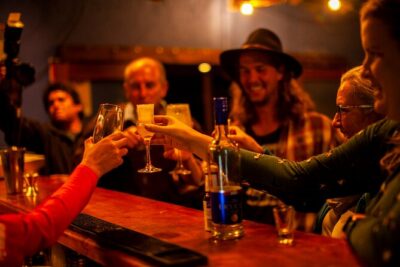 ★ 4.5Pisco Sour Secrets: Hands-On Mixology in Historic CuscoFrom $3550 reviews
Browse the lists this tour appears in