
REVIEW · COOKING CLASSES
Private Andean Cooking Class, Pachamanca
Cusco can feel like a nonstop tour circuit, so it helps to have a hands-on food plan. This private Pachamanca-themed cooking class turns you into an active cook, not a spectator, with Andean techniques plus Peruvian classics and cocktails. You learn in a way that works for first-timers and confident home cooks alike, guided by chefs like Alejandro, Fernando, Jose, and Christina.
I especially like the way the experience blends a market-to-kitchen rhythm with tasting along the way. You don’t just chop ingredients, you learn why they matter, then you cook and taste what you’re using. Another strong point is the focus on sauces and drinks, because Peru’s flavors often live there: marination, uchucuta pepper sauce, chicha tasting, and pisco-style cocktails.
One thing to consider before you go: you need to provide your original passport at the start of the course for tax purposes. If you travel light, that’s a detail worth planning for.
Key highlights worth penciling into your Cusco day
- Private class format where only your group participates, with a professional chef leading the pace
- Andean tamales using ancestral corn techniques, plus hands-on guidance from start to finish
- Uchucuta pepper sauce training, including how traditional heat gets balanced into a usable sauce
- Chicha tasting tied to an Inca-style fermented tradition, so the drink is more than a sip
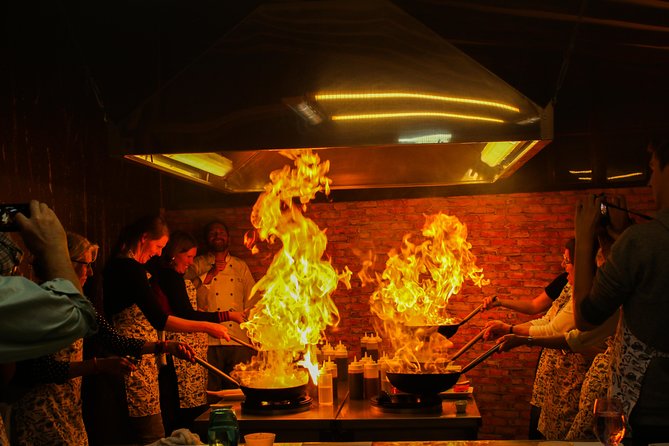
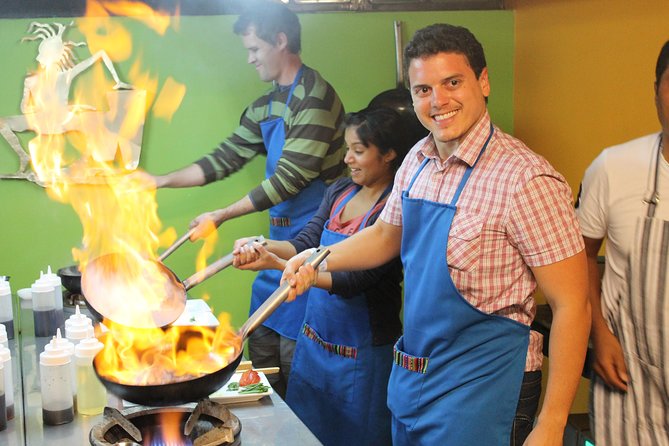
- Pisco cocktails and Peruvian classics like ceviche and lomo saltado, often with showy cooking moments
- Final tasting in clay pots, so the last meal feels connected to the Andes, not just a classroom plate
The same ground, privately
- City Tour in Cusco & visit Museum South American Camelid Private.★ 5.0 · 147 reviews
- Private Tour to Sacred Valley and Machu Picchu from Cusco★ 5.0 · 133 reviews
- Private Rainbow Mountain Full Day Tour from Cusco★ 5.0 · 129 reviews
- Full Day Private Guided Tour in Machu Picchu★ 5.0 · 115 reviews
The real appeal of this Cusco Pachamanca cooking class
A good cooking class gives you two things. First, a meal you can actually recreate at home. Second, a clearer sense of what makes the food taste like itself.
This one hits both. You start with marination, then you move into Andean corn work with Andean tamales. After that, you build core flavor tools like uchucuta pepper sauce, then you finish with a tasting experience cooked in clay pots. The class also includes a drink arc, with chicha tasting and pisco-based cocktails, plus Peruvian staples that show up in many sessions, including ceviche and lomo saltado.
The private format matters in Cusco. You are not competing with a crowd, so you get more direct coaching when something moves too fast or tastes too sharp. It also makes a difference if you’re traveling with mixed ages or different comfort levels in the kitchen, which is exactly how several people describe this class.
Meeting up at Marcelo Batata and setting the pace (9:00 am start)
The class meets at C. Palacio 135, Cusco 08002, Peru, starting at 9:00 am. It ends back at the same meeting point.
That timing is useful if you want a break from ruins and museums later. A morning class also gives you a full lunch, so you’re not hunting for food again right after. And since the session runs about 3 hours, it fits well between day trips.
What I like about the flow is that it doesn’t treat cooking like a single recipe. It layers skills: marinate, cook, sauce, drink, then eat. That structure helps you remember what matters when you try it later.
Step-by-step cooking: marination to set flavor before heat
Everything starts with marination. In practical terms, marination is where Peruvian flavor often begins, because acidity, aromatics, and spices do the heavy lifting before the pan ever touches the food.
You’ll work on preparing meats and other ingredients in a special sauce meant to boost flavor and prep the food for cooking. Even if you’ve cooked before, marination is worth paying attention to. Get the balance right and the final dish tastes like it was planned, not guessed.
If you are the type who usually under-season or over-season, this part helps you adjust your instincts. You’re learning a method, not copying a blind list.
Andean tamales: learning corn in an old, real way
Next you get into Andean tamales made from corn. Corn is not just a base ingredient here, it is a connection point to the region’s agricultural identity and long culinary technique.
What’s useful for you as a cook is the way this section teaches approach. Corn-based dishes can be either comforting or bland, depending on how the texture and flavor are handled. By making tamales as part of the class, you learn how the corn work fits into Peruvian cooking logic: ingredients first, then seasoning, then shaping into something that can hold flavor.
Also, tamales tend to slow you down in a good way. You are not rushing through a quick fry. You are practicing patience, which usually makes the next steps easier.
More kitchens that will let you in
The private market stop: what you should look for and why
After the early cooking work, you head to a private market. The point is not just sightseeing. You are there to see Andean products you can identify and explain, from ancient grains to superfoods, plus other staples tied to local diets and culture.
Even with no special knowledge, you’ll come away with clearer “ingredient literacy.” You’ll understand what you are buying, why it’s used, and how it connects to what you will cook later.
Practical advice for you: when the chef points out ingredients, watch for two things.
- how the ingredient is described, not just how it looks
- how it’s used in the class menu, so you can connect the dots later
This is the part that tends to make people feel like they earned their meal, not just paid for dinner.
Uchucuta pepper sauce: the art of balancing heat
Next is uchucuta, a spicy pepper sauce described as something consumed by the Incas, using traditional techniques passed down through generations.
Pepper sauces can easily go wrong. Too hot and nothing else matters. Too mild and the sauce feels like decoration. This step is valuable because it teaches sauce-making as balance.
You are learning how heat becomes structure, not just burn. That’s the kind of skill that transfers to home cooking, because you can apply the same balance logic to other peppers, other cuisines, and other dishes you already make.
If you are worried about spice, don’t. A private class format gives you room to adjust. Just tell your chef what you like and what you avoid before you start cooking.
Chicha tasting: fermented tradition in a teachable moment
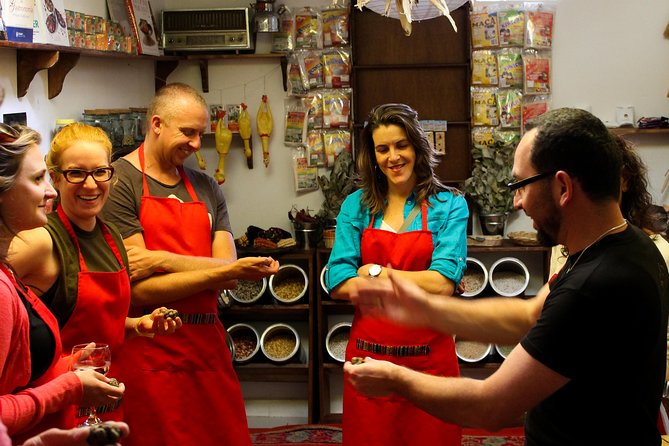
Then comes chicha tasting, described as the drink of the Incas, built on ancestral fermentation.
This isn’t just a sip to say you tried it. It’s a cultural and sensory lesson. You’ll notice that fermentation changes aroma and flavor in ways that can surprise you, especially if your only reference points are modern sodas or beers.
For a traveler, this part makes the class feel more grounded. Food in Peru is not separated into tiny categories like drink versus dish. Here, the class treats drinks as part of the same flavor system.
Pisco cocktails and classic dishes: where the fun usually spikes
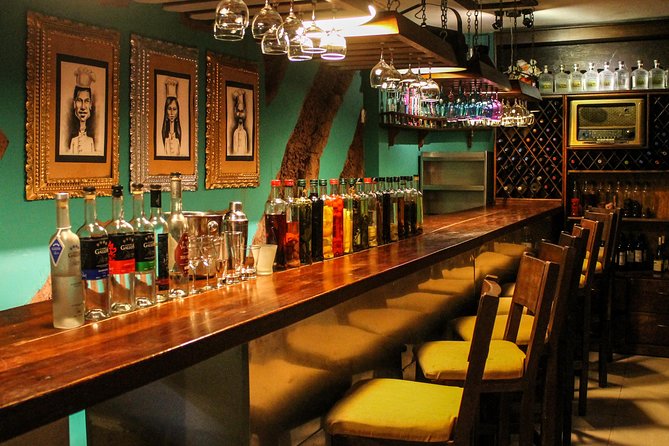
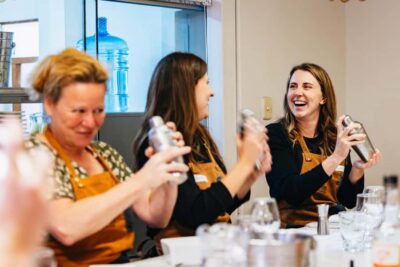
Many sessions include pisco tasting and then pisco-style drinks. People also describe making cocktails and learning how to mix them. In several class accounts, the cooking continues into Peruvian favorites such as ceviche and lomo saltado.
Chef energy is a big deal here, and the reviews line up on one pattern: the chef instructors make the kitchen feel friendly while still teaching professionally. Names that come up often include Alejandro, Fernando, Jose, and Christina. One description highlights a flambé moment while cooking lomo saltado, and that kind of wow-factor is memorable in a way that still teaches you something about heat control and timing.
You’ll likely eat what you cook. You should also expect to taste along the way, because tasting is how the class teaches you to adjust seasonings without guessing.
Final clay-pot tasting: eating the lesson
The last part is the moment when everything connects. You enjoy the richness of aromas and flavors of what was cooked in clay pots, tying the final meal to the land and history of the Peruvian Andes.
This matters because it changes how you experience the class. You don’t only learn steps. You watch those steps turn into a finished plate with real texture and depth. Clay-pot cooking can create a different feel than stainless steel or nonstick pans, and the sensory payoff is part of the reason people remember this class as a highlight of Cusco.
Lunch, beverages, and what’s included in the $150 price
At $150 per person for about 3 hours, the value comes from what’s included and how much time you get as a group.
You get:
- beverages
- a private tour format, so only your group participates
- a professional chef
- lunch including 01 appetizer and 01 main
- bottled water
When you compare that to the cost of eating plus booking a guided experience separately, this package usually feels fair. You’re paying for the chef’s instruction, the market stop, the ingredients and cooking time, and the meal.
Also, the private format is a pricing driver. For couples, families, or groups with different comfort levels, privacy is often worth it. One plus you can plan around: vegetarian option is available, but you need to advise when booking.
Who this class suits best (and who might want a different plan)
This is a great fit if you want:
- a practical Cusco experience that isn’t another museum stop
- hands-on cooking, not just watching
- a way to learn about Peruvian food through sauces, corn traditions, and regional ingredients
- a private class format for families, couples, or mixed-experience groups
It also works well if you like drinks and food together, since chicha tasting and pisco cocktails are part of the overall arc.
If you hate spice or you prefer ultra-simple cooking with no fermentation or pepper sauces, you might still enjoy it, but you should flag your preferences early so the chef can adjust what you taste and cook.
Quick tips before you go (so the morning runs smooth)
- Bring your original passport at the beginning of the course for tax purposes.
- Tell the team any dietary requirements right away. Vegetarian options are available, but you need to request them.
- Choose your language preference since the class is operated in Spanish or English based on your request.
- Arrive on time for the 9:00 am start, since this is a compact 3-hour window and the flow depends on staying on schedule.
One more thing: some chefs are known for sending recipes afterward, which can help you recreate your favorite parts at home. If that matters to you, ask during the class.
Should you book this private Cusco cooking class?
Yes, I’d book it if you want a memorable Cusco break that still feels connected to the region. The combination of Andean tamales, uchucuta pepper sauce, chicha tasting, and a clay-pot finish gives you more variety than a typical cooking class. Add in the private format and the chance to learn classic dishes and pisco drinks, and it becomes a strong “one afternoon, many skills” kind of day.
I’d think twice only if you want strictly traditional home-cooking with zero spice, zero fermentation, and minimal market time. Otherwise, this is exactly the kind of experience that makes you leave with both full stomach and real cooking confidence.
FAQ
How long is the Private Andean Cooking Class in Cusco?
The class lasts about 3 hours.
Is the class private or shared with other travelers?
This is a private tour or activity. Only your group will participate.
What language is the cooking class taught in?
The class is operated in Spanish or English depending on your request.
Do you offer a vegetarian option?
Yes. A vegetarian option is available, and you should advise at the time of booking.
What is included in the price?
The class includes beverages, a private tour, a professional chef, lunch with 01 appetizer and 01 main, and bottled water.
What do I need to bring?
You need to provide your original passport at the beginning of the course for tax purposes.
FAQ
What are the cancellation rules?
You can cancel for a full refund if you cancel up to 24 hours in advance of the experience start time. If you cancel less than 24 hours before the start time, the amount paid is not refunded.
What if the tour is canceled due to low minimum travelers?
If it is canceled because the minimum number of travelers is not met, you will be offered a different date or a full refund.
Cusco by the Plateful
- Cusco: Peruvian Cooking Class, Cocktails & Local Market Tour
★ 4.9 · 512 reviews - Cooking class and market tour with a local chef
★ 5.0 · 186 reviews - Vegan Peruvian Cooking Class Cocktails and Local Market in Cusco
★ 5.0 · 46 reviews - Cusco Cooking Class by ChocoMuseo in Cusco
★ 5.0 · 29 reviews - Cusco: Peruvian Cooking Class & Market Tour
★ 4.9 · 19 reviews
The Same Ground, Privately
- City Tour in Cusco & visit Museum South American Camelid Private.
★ 5.0 · 147 reviews - Private Tour to Sacred Valley and Machu Picchu from Cusco
★ 5.0 · 133 reviews - Private Rainbow Mountain Full Day Tour from Cusco
★ 5.0 · 129 reviews - Full Day Private Guided Tour in Machu Picchu
★ 5.0 · 115 reviews - Sacred Valley Full-Day Private Tour from Urubamba & Ollantaytambo
★ 5.0 · 112 reviews
More Tour Reviews in Cusco
- Cusco: Humantay Lake Tour with Breakfast and Buffet Lunch
★ 4.9 · 2,976 reviews - From Cusco: Moray, Maras Salt Mines & Chinchero Weavers Tour
★ 4.8 · 1,925 reviews - From Cusco: Full-Day Group Tour of Machu Picchu
★ 4.7 · 1,767 reviews - Machu Picchu Day Trip from Cusco
★ 4.5 · 1,644 reviews - Cusco: Half-Day City Tour with Sacsayhuaman and Q’enco
★ 4.6 · 1,129 reviews
Fresh in from Cusco

Cooking Classes, compared.
 ★ 4.9Peruvian Cooking Class, Cocktails & Local Market TourFrom $67512 reviews
 ★ 5.0Cooking class and market tour with a local chefFrom $57186 reviews
 ★ 5.0Vegan Peruvian Cooking Class Cocktails and Local Market in CuscoFrom $6946 reviews
 ★ 5.0Cusco Cooking Class by ChocoMuseo in CuscoFrom $5429 reviews
 ★ 4.9Peruvian Cooking Class & Market TourFrom $6519 reviews
 ★ 4.73-Hour Peruvian Cooking ClassFrom $4916 reviews
Browse the lists this tour appears in