
REVIEW · SACRED VALLEY TOURS
Super Sacred Valley
A single day, five Inca stops. It is interesting because the itinerary moves efficiently from Chinchero to Moray and Maras, then lands you in Ollantaytambo and Pisac without the stress of planning. I like the way you see the Sacred Valley as a working place, from farming terraces to salt extraction, and I like that lunch is handled for you at Urubamba. One consideration: the day can include craft and textile stops, and if you get a small 17-seat bus, legroom may feel tight.
I also appreciate that the guide is truly bilingual, English and Spanish, and some guides (like Emil) are known for repeating key explanations in Spanish so the history actually sticks. That matters when you are hopping between sites all day and you want more than just facts on a sign.
You start around 7:00 am and you are back in Cusco at about 7:00 pm, so it is a real full-day outing, not a slow amble. If you prefer lots of downtime, you might feel the pace.
Key things to watch for
- Big sites in one day: Moray, Maras, Ollantaytambo, and Pisac, plus Chinchero.
- Agriculture meets salt mining: you connect farming terraces with how Incas used local resources.
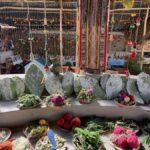
- Market time you can act on: Pisac’s indigenous market is a practical spot for crafts.
- Ollantaytambo’s living feel: strong “last living Inca city” energy for photos and wandering.
- Lunch is included: buffet lunch at Urubamba means fewer timing worries.
- Comfort and shopping stops: you may face tighter bus seating and quick craft-focused stops.
More of the valley floor, from Pisac to Ollantaytambo
- Cusco:Sacred Valley Pisaq,Ollantaytambo,Chinchero with Lunch★ 4.8 · 183 reviews
- from Urubamba & Ollantaytambo:Sacred Valley Full-Day Private★ 4.9 · 31 reviews
- Super Sacred Valley★ 3.8 · 6 reviews
- Cusco: Sacred Valley and Salt Mines Ending in Ollantaytambo★ 4.6 · 5 reviews
How the 7:00 am to 7:00 pm loop works
This is a classic one-day Sacred Valley circuit, designed to hit the major stops without you burning a second day. Pickup happens at your Cusco hotel around 7:00 am, and the day runs until roughly 7:00 pm back in Cusco. That long block of time is why the tour can pack so much in.
The big win for you is logistics. You do not have to figure out where to go first, what order makes sense, or how to coordinate transport between Chinchero, Moray, Maras, Ollantaytambo, and Pisac. The tradeoff is pace. Expect a busy schedule where the best experience comes from staying focused and moving smartly, rather than lingering for hours at every viewpoint.
Transport is round trip, and it is a shared ride. One past group described a smaller 17-seat bus. If you are tall or you hate cramped seating, plan for it mentally, and consider bringing a small travel pillow or wearing shoes you can stand in comfortably for short periods.
Chinchero: Inca wall lines and the textile moment
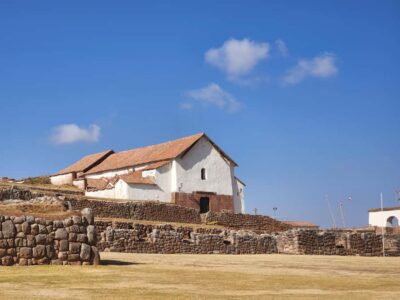
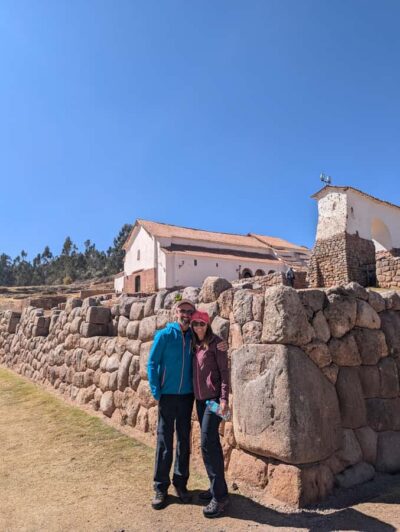
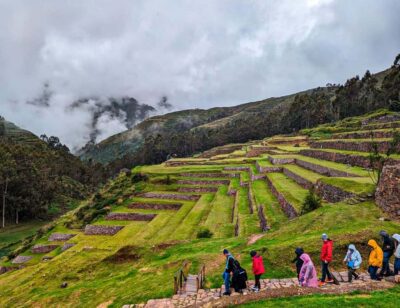
You start in Chinchero, a town that gives you an easy introduction to the region’s layers. The itinerary includes Inca wall constructions and a colonial church, so you get the sense of how centuries stacked on top of each other in one place.
Chinchero also has a textile center where the schedule includes a small participation. This is your chance to see how locals work with textiles, not just to pass by a shop window. For me, the practical value here is context. When you later browse craft items at Pisac, you are not starting from zero.
One thing to keep your expectations grounded: if you care most about ruins and views, textile stops can feel like a detour. The day does include market browsing later, so if you want crafts, you will have time. If you do not, keep your attention on the historic fabric of the church and the stonework, which is why this stop exists in the first place.
Moray’s circular terraces: why it matters for Inca farming
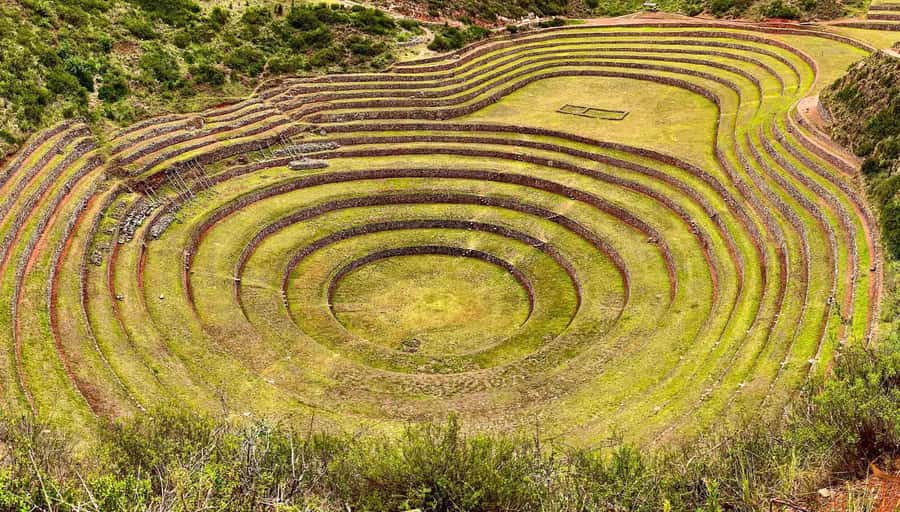
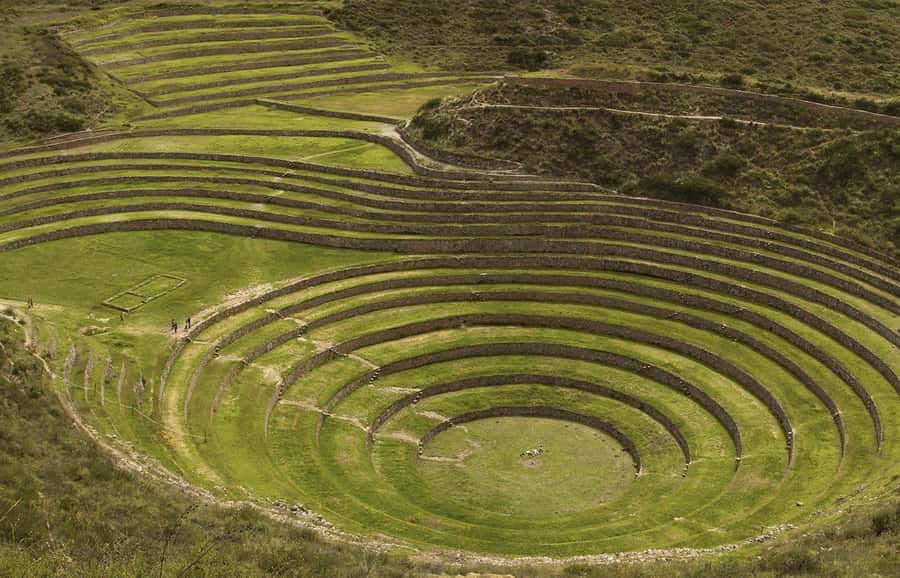
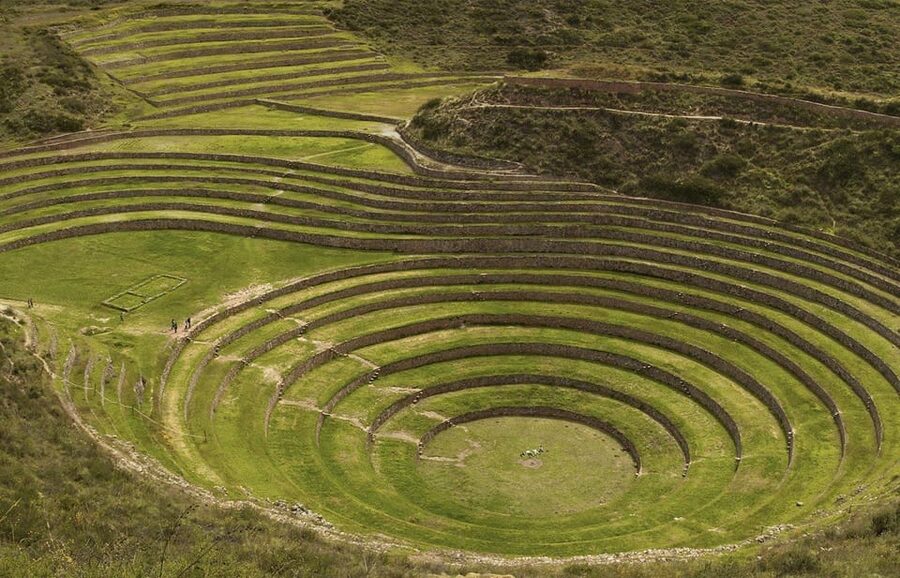
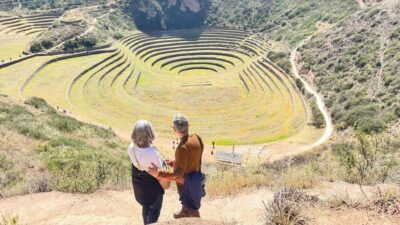
Moray is where the tour shifts from “places to visit” into “ideas you can understand.” You will see the famous circular farming terraces, an Inca archaeological site that was important during the Inca era, especially in agriculture.
The reason Moray works so well on a one-day tour is that it gives you a clear visual explanation of agriculture. The terraces are not just pretty shapes. They suggest how the Incas used the environment for cultivation. You end up looking at the slopes differently, thinking about how temperature, exposure, and elevation could affect crops.
In a tight itinerary, Moray is a smart stop because it feels technical, not just scenic. It gives you something to interpret on the ground, instead of only reading about a long-lost city.
Maras Salt Mines: walking among more than 3,000 wells
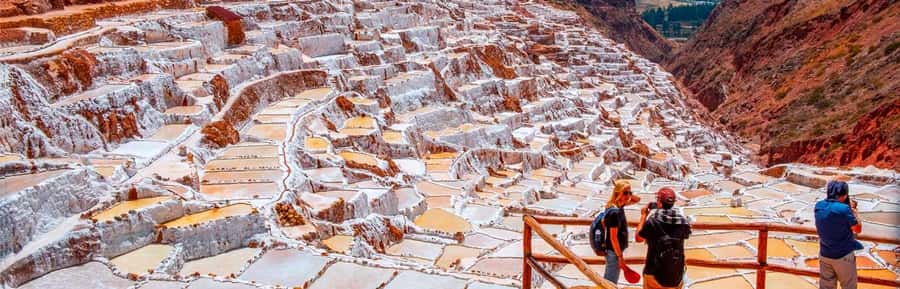
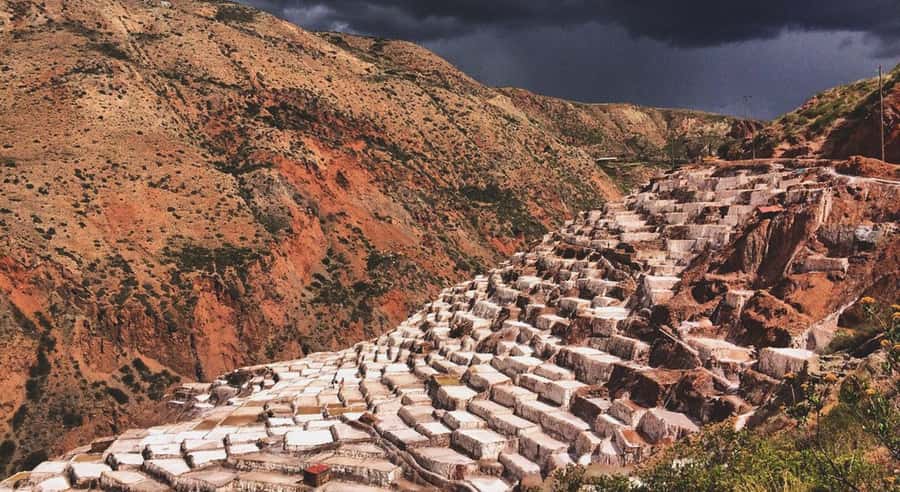
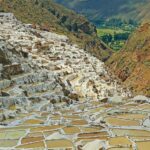
Then you descend to the salt mines of Maras. This is one of the stops that most people remember because the scene is visual and tactile. The tour includes visiting more than 3,000 salt wells, and the salt is described as having been used by the Incas for consumption.
What you should know is that Maras is more than a photo stop. It is a working-style landscape where you can see the patterning of the wells across the mountainside. Even without a deep background, you can understand why salt mattered. It is a basic commodity, and controlling it meant controlling flavor, preservation, and trade.
The one downside is crowd flow and movement. You will likely spend time walking around to take it in, and it helps to wear shoes with solid grip. Also, keep your camera ready, but do not get stuck at just one overlook. The mines have a rhythm as you move through them, and you get a better sense of scale by walking a bit.
Urubamba buffet lunch: a real break from site hopping
After Moray and Maras, you arrive in Urubamba. Here you get a buffet lunch. This is included, and it is one of those “small” inclusions that makes the whole day feel easier.
A buffet matters on tours like this because you are not guessing what will be available at the next stop. You eat and you move. You also reset your body for the remaining ruins visits.
If you care about getting the most out of the afternoon, use this time to plan. Look at the rest of your day and decide which site you want to focus on most. For many people it is Ollantaytambo, because it is described as the last living Inca city and tends to deliver the strongest wandering experience.
Ollantaytambo: the last living Inca city feeling
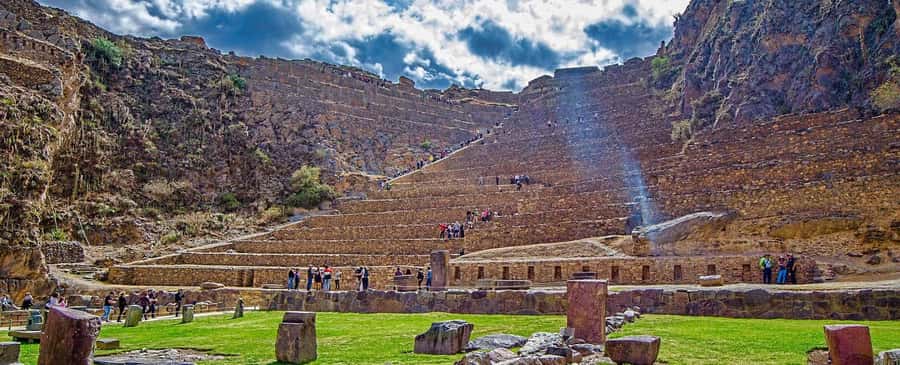
Ollantaytambo is a highlight for a reason. The itinerary frames it as The Last Living Inca City, and the experience is that you are not only looking at stone. You are visiting a place where history still feels present in the way people live and move through the area.
This stop is also where good guiding pays off. The tour includes a professional English/Spanish speaking guide, and some guides, like Emil, are especially helpful at explaining what you are seeing and then repeating the explanation in Spanish so nothing gets lost. That is valuable at Ollantaytambo because the site can feel complex if you only have a quick glance.
Practical tip: at Ollantaytambo, choose one direction and keep walking. Do not stop every 30 seconds. Let your feet do some of the work of discovery. You will see more, and the stonework starts to make a story instead of a puzzle.
Also remember that entrance tickets are not included in the tour price. You will need to pay a tourist ticket (PEN 70.00) that covers several sites, including Ollantaytambo.
Pisac: indigenous market crafts and the archaeological park
Pisac is two experiences in one day: time in the indigenous market and time at the archaeological park. You will visit Pisac after Ollantaytambo, with the town described as on the slopes of the Intihuatana hill, the place where the Sun is moored.
The market is your best chance to buy crafts that feel connected to local life. The itinerary notes it as one of the best places to buy crafts, and you get the chance to enter the indigenous market itself, rather than only seeing crafts from the roadside. This is also where your Chinchero textile stop can pay off. You start noticing techniques and materials more quickly.
After the market, you move to the Archaeological Park of Pisac, with Inca archaeological sites and finely assembled, polished stone buildings. This is the final major ruins stop in the loop, so it works well as a closing act. If you have the energy, stick with it and do not rush. The stonework details are easier to appreciate when you are fresh enough to look closely.
Price and value: what $50 covers, plus tickets
The price is listed at about $50 per person for a full day. In value terms, you are paying for round-trip transportation from your Cusco hotel, a professional English/Spanish speaking guide, a buffet lunch in Urubamba, and safety basics like a first aid kit and an oxygen bottle for emergencies.
What is not included is your entry ticket cost. You will pay PEN 70.00 for the tourist ticket for Chinchero, Moray, Ollantaytambo, and Pisac. You will pay an additional PEN 10.00 for the Maras Salt Mines. So your total day cost is not only the tour price. It is tour price plus those site tickets.
Is it still a good deal? Usually, yes, because buying transport and a guiding service across multiple sites in one day is the hard part to DIY. The bigger question is how you feel about the day’s stops. If you really want zero craft stops and only ruins, this tour may feel slightly too structured. If you like a mix, it is efficient and practical.
Guide quality and group comfort (the real deciding factors)
The tour is built around guided explanations, and this is not just about speaking. It is about making the sites understandable while you are moving through them. One guide name you may hear in this kind of program is Emil, and he is described as giving clear information and explaining in English, then repeating in Spanish for better comprehension.
That bilingual style can be a big deal when you want history without needing to study beforehand. It is also helpful if your group language skills vary.
Comfort is the other factor. One past group noted a smaller bus, described as 17 places, with limited space for legs. That does not mean every departure is exactly the same, but it does mean you should assume you might be in tighter seating than on larger coaches. Pack accordingly: wear layers, bring water, and plan to sit for long stretches.
Who should book Super Sacred Valley
This tour makes the most sense if you are short on time and want a concentrated Sacred Valley day. It also fits well if you want a guided explanation across multiple sites, not just a grab-and-go photo run.
You might also like it if you enjoy craft culture at a reasonable pace. Chinchero includes a textile center participation, and Pisac includes indigenous market time. That gives you more than ruins, and it can help you find meaningful souvenirs without turning the day into only shopping.
If you dislike anything that feels like a shopping detour, go in with a clear mindset. The itinerary includes craft-focused stops, and some people find that frustrating when they thought they were paying to spend every minute at sites. If that is you, consider reserving extra time on a separate day for pure ruins.
Should you book this 1-day Sacred Valley tour?
If you want the Sacred Valley highlights in one day, this is a strong option. The mix of Ollantaytambo, Moray terraces, Maras salt wells, and Pisac gives you variety, and the included lunch plus hotel pickup lowers the stress factor. The guide experience, especially when it includes repeated explanations in Spanish, can turn a packed day into something you actually remember.
I would only skip it if you have a strict preference for ruins only and you know you get annoyed by any structured craft stops. In that case, you may prefer a smaller, more site-focused itinerary.
FAQ
What time does pickup happen?
Pickup is approximately 7:00 am from your Cusco hotel.
What sites are included in the itinerary?
The tour includes Chinchero, Moray, the Maras Salt Mines, Urubamba for lunch, Ollantaytambo, and Pisac (both the indigenous market and the archaeological park).
Is lunch included?
Yes. You’ll have a buffet lunch in Urubamba.
Are entrance tickets included in the price?
No. A tourist ticket of PEN 70.00 is required for Chinchero, Moray, Ollantaytambo, and Pisac. The Maras Salt Mines have an additional ticket of PEN 10.00.
What languages will the guide speak?
The guide provides English/Spanish interpretation.
What’s included for safety?
The tour includes a first aid kit and an oxygen bottle for emergencies.
Is free cancellation available?
Yes. You can cancel up to 24 hours in advance for a full refund.
More Tour Reviews in Urubamba
- Cusco:Sacred Valley Pisaq,Ollantaytambo,Chinchero with Lunch
★ 4.8 · 183 reviews - Machu Picchu: Group Guided Tour
★ 4.7 · 102 reviews - Machu Picchu: Tour Guide Service & Entrance Ticket Circuit-2
★ 4.6 · 90 reviews - From Cusco: Chinchero, Moray, Maras and Ollantaytambo
★ 4.5 · 83 reviews - from Urubamba & Ollantaytambo:Sacred Valley Full-Day Private
★ 4.9 · 31 reviews
Keep Going Down the Valley
- Cusco:Sacred Valley Pisaq,Ollantaytambo,Chinchero with Lunch
★ 4.8 · 183 reviews - From Cusco: Chinchero, Moray, Maras and Ollantaytambo
★ 4.5 · 83 reviews - from Urubamba & Ollantaytambo:Sacred Valley Full-Day Private
★ 4.9 · 31 reviews - Cusco: Sacred Valley and Salt Mines Ending in Ollantaytambo
★ 4.6 · 5 reviews - From Cusco:Chinchero, Moray, Maras, Ollantaytambo with lunch
★ 5.0 · 3 reviews
Fresh in from Urubamba
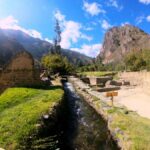
Sacred Valley Tours, compared.
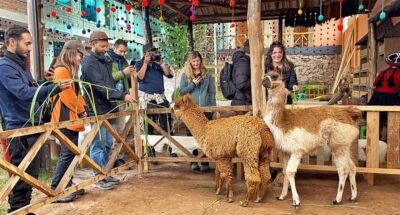 ★ 4.8Sacred Valley & Maras Salt Mines Tour with LunchFrom $282,227 reviews
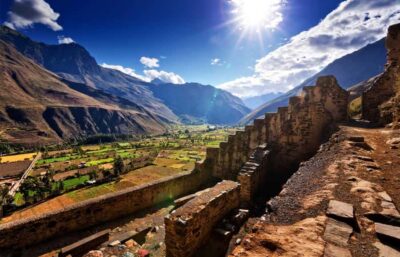 ★ 4.6Sacred Valley, Pisac, Ollantaytambo, Salt Mines MorayFrom $281,058 reviews
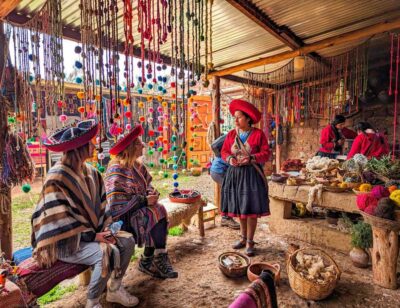 ★ 4.8Chinchero,Moray & Salt Mines drop-off in OllantaytamboFrom $27793 reviews
 ★ 4.8Sacred Valley: Chinchero, Moray, Ollantaytambo & Pisac+LunchFrom $25501 reviews
 ★ 4.6Sacred Valley: Maras & Moray by Quad Bike from CuscoFrom $39418 reviews
 ★ 4.5Pisac Indian Market and Ollantaytambo Fortress with LunchFrom $84395 reviews
 ★ 4.62-Day Trip to the Sacred Valley and Machu PicchuFrom $370265 reviews
 ★ 4.8Sacred Valley Pisaq,Ollantaytambo,Chinchero with LunchFrom $28183 reviews
Browse the lists this tour appears in