
REVIEW · MARAS, MORAY & CHINCHERO TOURS
Cusco: Sacred Valley and Salt Mines Ending in Ollantaytambo
One day, four Sacred Valley stops. I love the fast-moving mix of Inca agriculture and local culture, and I like that the guide can work in both English and Spanish. The main drawback is timing, it can feel like you are jumping from one viewpoint to the next.
You start with a hotel pickup in Cusco, then wind into the Sacred Valley to see crop fields, terraces, and salt evaporation basins. I also like that the day ends in Ollantaytambo around 3:30 PM, which makes it easier to line up onward train plans without an extra scramble.
Key highlights at a glance
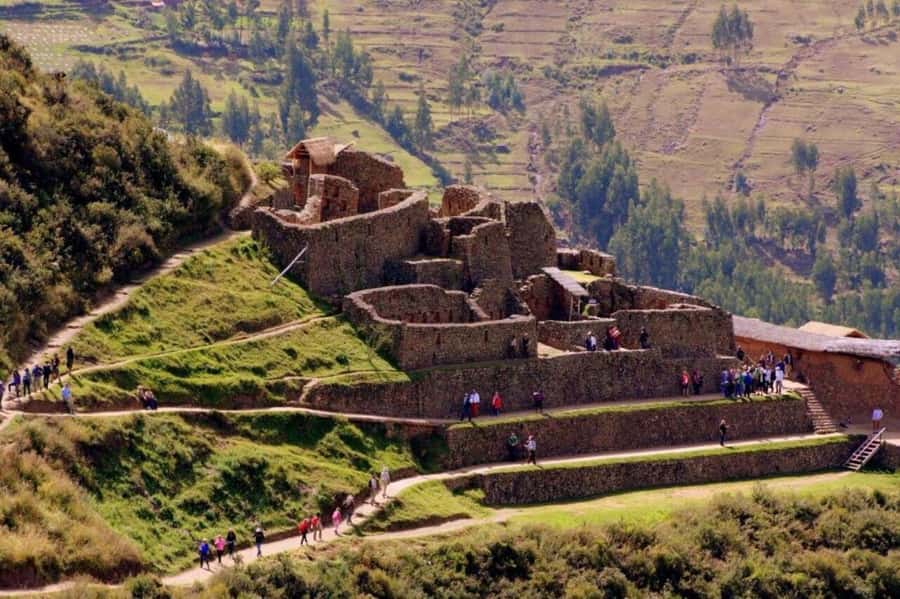
- Chinchero market and textiles with barter-friendly local life, plus a 17th-century colonial church
- Moray’s circular terraces and the experimental way the Incas tested crops
- Maras Salt Mines with more than 4,000 salt wells, still worked today
- Urubamba buffet-style lunch stop to refuel before the final stretch
- Ollantaytambo fortress views as the living Inca city anchors the day
More of the valley floor, from Pisac to Ollantaytambo
- Cusco:Sacred Valley Pisaq,Ollantaytambo,Chinchero with Lunch★ 4.8 · 183 reviews
- from Urubamba & Ollantaytambo:Sacred Valley Full-Day Private★ 4.9 · 31 reviews
- Super Sacred Valley★ 3.8 · 6 reviews
- Cusco: Sacred Valley and Salt Mines Ending in Ollantaytambo★ 4.6 · 5 reviews
Cusco Pickup to Sacred Valley Road Trip: The pace that sets the tone
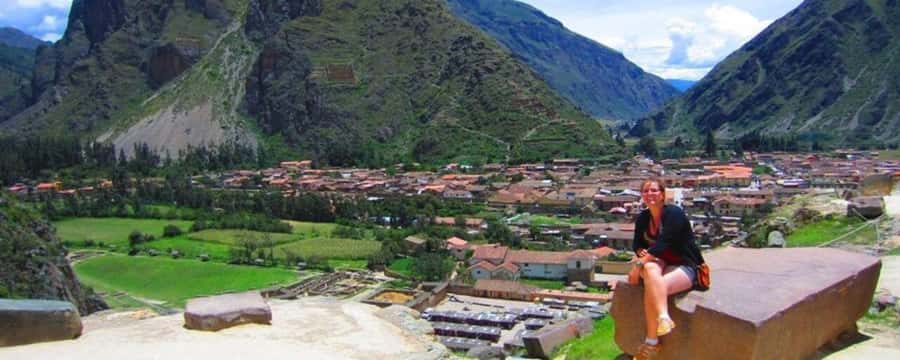
This is a 12-hour guided day built around getting you out of Cusco early enough to hit major Sacred Valley sites in one sweep. You get hotel pickup in Cusco and tourist transport the whole day, so you avoid the headache of coordinating separate rides for Chinchero, Moray, and Maras.
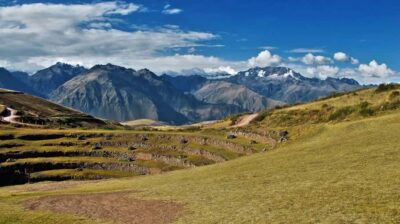
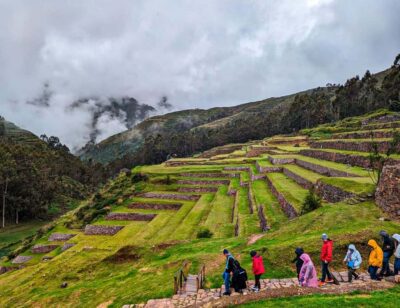
The drive itself is part of the show. As you move through the valley, you get that classic Andean mix: snow-capped mountain backdrops, terraced slopes, and patchwork fields that look almost too planned to be real. This is where the Sacred Valley concept clicks. It is not just ruins, it is a working landscape shaped by altitude and water management.
One practical note: you are starting in Cusco and reaching high points like Chinchero (3,772 meters). Even if you acclimate well, keep your water close and expect slower walking. Your shoes matter more than you think on uneven ground.
Chinchero: Church art, a real market, and textiles made by hand
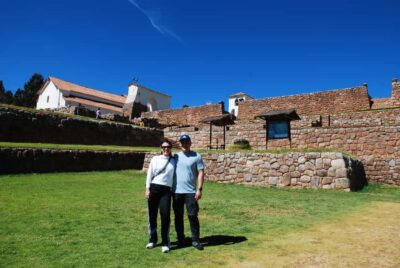
Chinchero is a standout stop because it mixes the sacred and the everyday. It sits at 3,772 meters, so the air feels thinner and the views are sharper. The town has archaeological elements to explore, but it also feels like a place you could wander for hours, not just a quick photo stop.
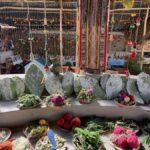
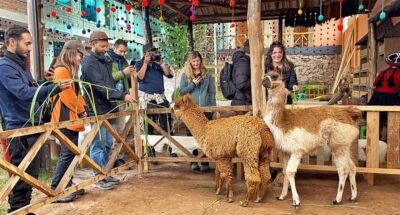
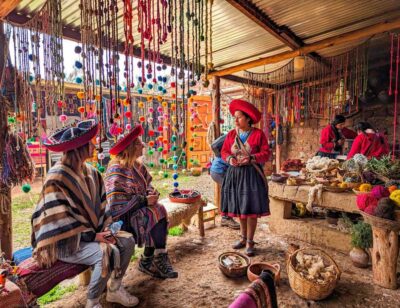
What I like most is how Chinchero connects culture to daily life. You can see and learn about traditional textiles handmade by Andean women, which gives the fabrics a human story instead of treating them like souvenirs. The town also has a typical market where bartering still happens, so you get a taste of how locals shop and negotiate.
Then there is the 17th-century colonial church, plus canvases associated with the Cusco School. That art detail matters because it shows how Spanish colonial influence blended with local styles rather than simply replacing them. You end up with more than scenery. You get context for what people kept and what changed.
If you want the best experience here, go in with two mindsets:
- Take time to look at fabric patterns, not just colors.
- Ask questions, especially about how the textiles are made and used.
Moray’s circular terraces: Experimental agriculture with a science-meets-spiritual vibe
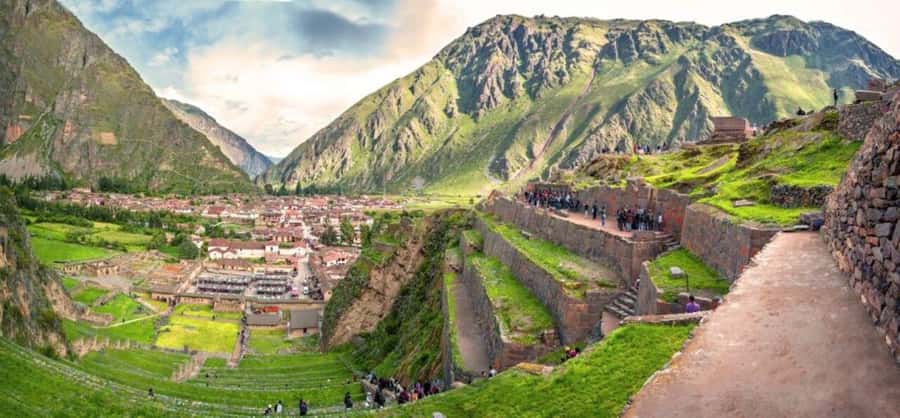
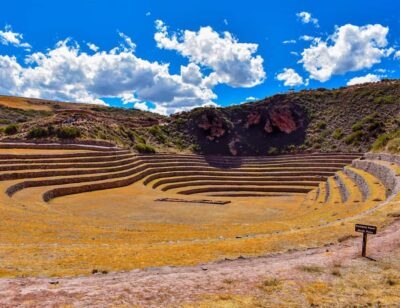
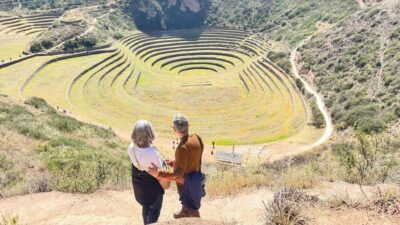
Moray is the kind of place that makes you stop mid-walk. The layout is unusual for visitors used to straight rows. Those circular agricultural terraces are easy to recognize, and they make the site feel like a giant outdoor experiment.
Moray is described as an experimental agricultural center. That is the big takeaway. This is not a fortress or a ceremonial temple first. It is about experimentation with growing conditions. The circles and terraces suggest how different levels can create different microclimates, which matters in a region where crop success depends on altitude, temperature, and water.
The views help, too. From the terraces you can see how the landscape stretches out around you. It is a great place to understand that the Incas were doing practical engineering as well as building impressive structures.
A drawback to note: if you are expecting a long, slow ruin walk, Moray may feel shorter than you want. You are moving through the day on a schedule, and the site is one stop among several major ones.
Maras Salt Mines: 4,000+ wells and a process you can actually picture
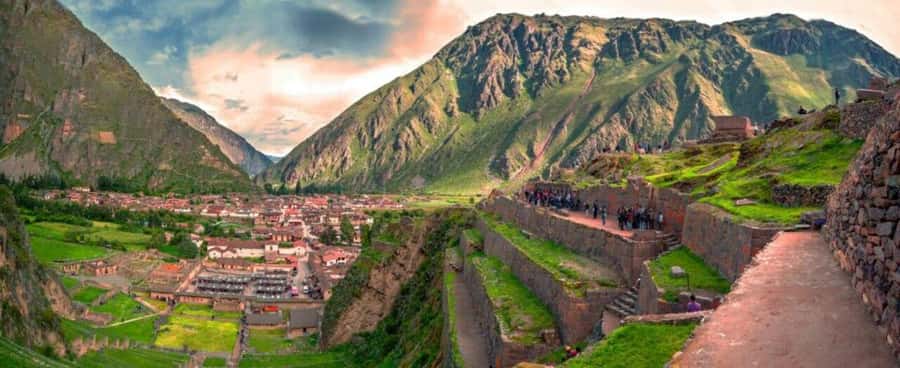
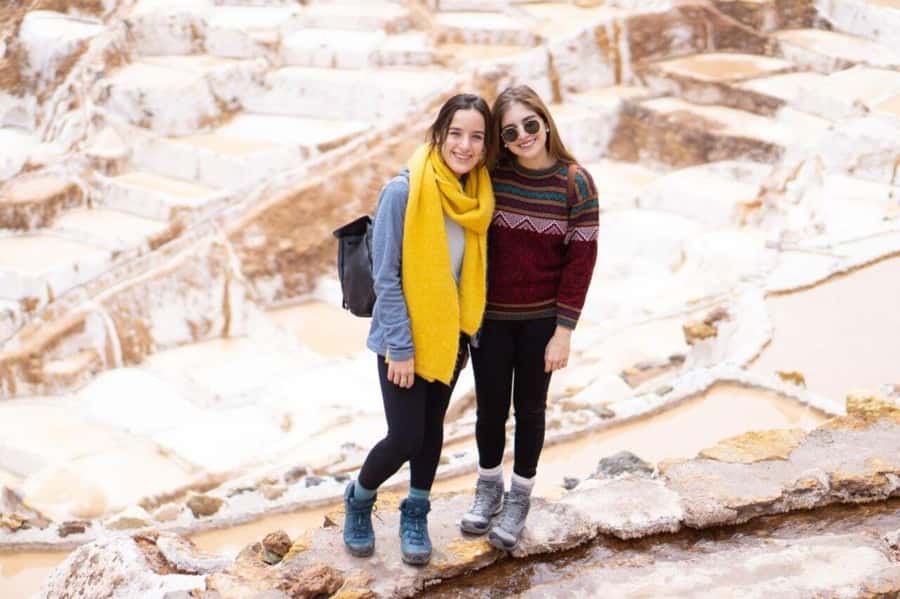
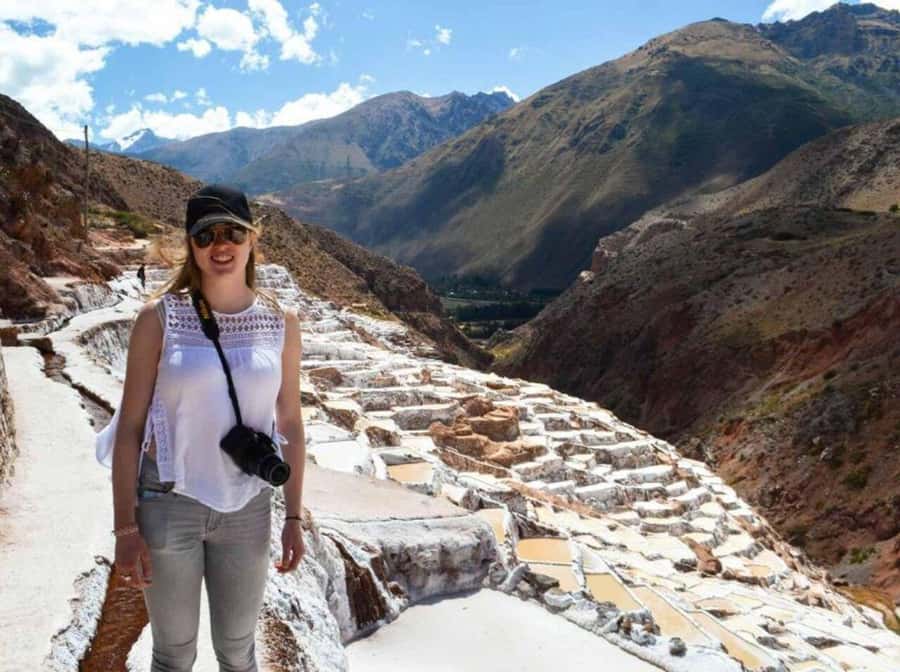
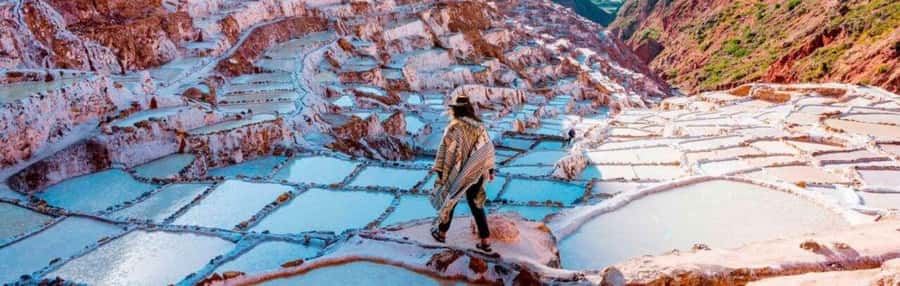
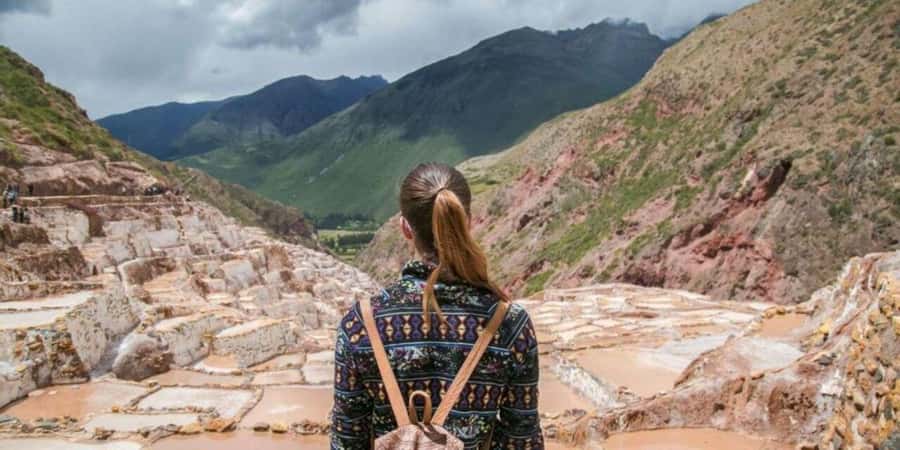
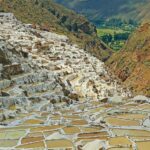
Maras Salt Mines are the kind of sight that sticks to your memory after you leave. The mines contain more than 4,000 wells, and you can see the salt harvesting setup in a way that feels active, not frozen in time.
The salt extraction is still part of what people do here, and the mines are known for producing some of the best salt in the world. Even if you do not remember the exact story of salt trade from class, you will understand it on the ground. The grid of channels and shallow pools makes the process visually obvious.
I like Maras for how it turns a natural resource into a human-scale system. It is not just a view from above. You can look for patterns in how water flows and where evaporation happens.
Quick practical tip: bring sun protection. You are outdoors much of the time, and the salt flats can reflect light. A hat and sunscreen are not optional, they are smart travel gear.
More salt pans, terraces and weaving villages
Urubamba buffet lunch: Eat like locals, then get ready for the last leg
Urubamba is where the day slows just enough to reset. The plan includes a buffet lunch at a typical local restaurant, so you can sample flavors from the region before heading deeper into the end-game stop at Ollantaytambo.
One thing to double-check: lunch is listed as not included in the activity details. At the same time, the description clearly frames lunch as part of the day. That mismatch usually means you may pay lunch directly on-site or it may vary by ticket. Either way, budget some extra cash so you are not caught off guard.
If you tend to get hungry on the move, plan to eat fully here. After lunch, you still have the final stretch and walking time in Ollantaytambo. A solid meal also helps if you feel altitude fatigue in the afternoon.
Ollantaytambo: A living Inca city and a fortress built for defense
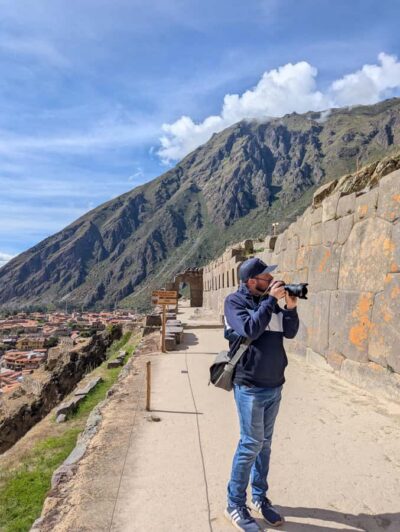
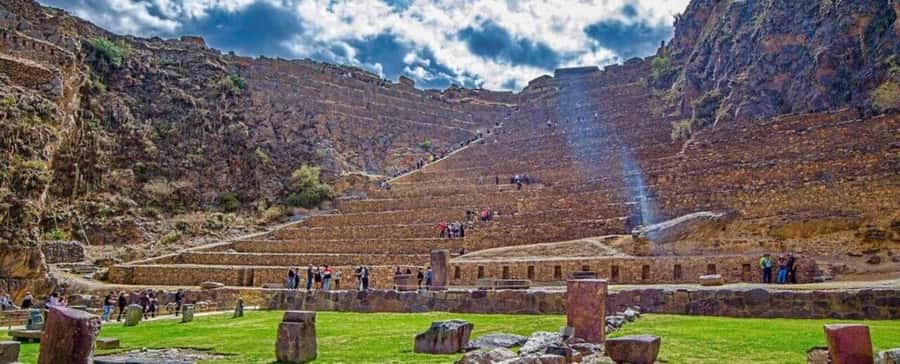
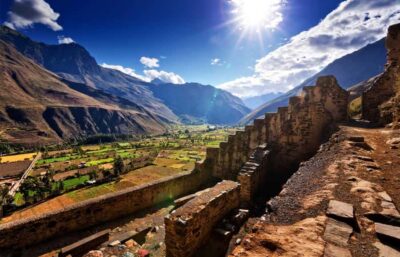
The tour ends in Ollantaytambo, a “living Inca city” feel in the way the town’s layout and stonework connect to daily life. The big draw is the military fortress, built to protect the Sacred Valley from potential invaders.
Even if you only have a limited window, the fortress idea is easy to grasp. You can see why a settlement here would matter for control of the valley. The location gives you defensive advantage and movement awareness across the terrain.
What I like about finishing here is timing. The tour drops you off around 3:30 PM near the Ollantaytambo train station. That is useful if you are heading toward Machu Picchu next, because it reduces your “how do I get there” stress.
Price and value: What $40 really buys you
At about $40 per person, this is one of those deals that feels almost too simple. For that price, you get hotel pickup in Cusco, transport, a live guide, and visits to the main sites in the Sacred Valley circuit: Chinchero, Moray, Maras Salt Mines, plus a final stop in Ollantaytambo.
The value comes from bundling the day into one guided experience. You do not have to coordinate separate drivers, you do not have to figure out timing between sites, and you have someone to explain why each place matters. One review also highlighted a guide named Johnathan for switching between languages smoothly, which is a big deal if you want real understanding, not just “here is the view.”
What lowers the cost is also what you have to plan for:
- Entrance fees for Moray and Maras are not included.
- Lunch details may depend on your exact ticket, since lunch is mentioned but also listed as not included.
So here is the practical way to judge it: the tour price covers the structure of the day. You just need to budget separately for entrances and likely lunch.
What to bring (so the day feels easy, not annoying)
Bring practical gear because the day is outdoors and involves walking on uneven ground. I recommend:
- Comfortable shoes (real tread)
- Water (especially with Cusco altitude)
- Hat and sunscreen (sun can hit hard)
- Camera (this day is picture-heavy)
- A light layer, because temperatures can change
If you have a sensitive stomach or you get queasy at altitude, eat carefully at lunch and go slow during the early walking segments.
Should you book this Sacred Valley day from Cusco?
Book it if you want a one-day sweep of the Sacred Valley that includes both culture and landscape. It is ideal for first-timers who want the major hits without organizing transportation between stops, and it works well if you value a live guide who can explain what you are looking at in English and Spanish.
Skip or adjust your expectations if you hate rushed days. The structure is efficient, and one review note specifically pointed out that it can feel rushed from stop to stop. If you want long, slow exploration at fewer sites, you might prefer a slower itinerary type.
Also, plan your budget with entrances in mind. Since Moray and Maras entrance fees are separate, you will enjoy the day more if you do not have to think about it once you are there.
If you are planning onward travel, the 3:30 PM drop near the Ollantaytambo train station is a strong reason to choose this tour. It is a tidy way to keep the rest of your itinerary running smoothly.
FAQ
How long is the Cusco to Sacred Valley and Salt Mines tour?
The tour duration is 12 hours.
What is the price per person?
The price is listed as $40 per person.
Does the tour include hotel pickup in Cusco?
Yes, it includes hotel pickup in Cusco.
What stops are included during the day?
The tour includes Chinchero, Moray, the Maras Salt Mines, a lunch stop in Urubamba, and it ends in Ollantaytambo.
Is the buffet lunch in Urubamba included?
The description includes a buffet lunch stop in Urubamba, but the activity details list the buffet lunch as not included. You should confirm what your exact ticket covers.
Are entrance fees included for Moray and Maras?
No. Entrance fees for Moray and Maras are not included and must be paid separately.
What languages will the live guide speak?
The live tour guide is listed as English and Spanish.
When does the tour end and where is the drop off?
The tour ends at 3:30 PM, with transport dropping you off near the Ollantaytambo train station.
What should I bring for the day?
Bring comfortable shoes, a hat, a camera, sunscreen, and water.
More Leaving From Urubamba
- Cusco:Sacred Valley Pisaq,Ollantaytambo,Chinchero with Lunch
★ 4.8 · 183 reviews - From Cusco: Chinchero, Moray, Maras and Ollantaytambo
★ 4.5 · 83 reviews - Cusco: One Day Tour to Machu Picchu with Train Transfers
★ 4.8 · 28 reviews - Cusco: River Rafting Adventure Full Day | Adrenaline Tour
★ 4.9 · 23 reviews - Cusco in 3 days: city tour, Rainbow Mountain and Machupicchu
★ 4.9 · 7 reviews
Maras, Moray and Chinchero Again
- Cusco:Sacred Valley Pisaq,Ollantaytambo,Chinchero with Lunch
★ 4.8 · 183 reviews - From Cusco: Chinchero, Moray, Maras and Ollantaytambo
★ 4.5 · 83 reviews - From Cusco:Chinchero, Moray, Maras, Ollantaytambo with lunch
★ 5.0 · 3 reviews - From Cusco: Sacred Valley & Moray, Salt Mines with Lunch
★ 4.6 · 3 reviews - Cusco | Visit Maras, Moray, Chinchero, Pisac | Valle Vip
★ 4.4 · 3 reviews
Keep Going Down the Valley
- Cusco:Sacred Valley Pisaq,Ollantaytambo,Chinchero with Lunch
★ 4.8 · 183 reviews - From Cusco: Chinchero, Moray, Maras and Ollantaytambo
★ 4.5 · 83 reviews - from Urubamba & Ollantaytambo:Sacred Valley Full-Day Private
★ 4.9 · 31 reviews - Super Sacred Valley
★ 3.8 · 6 reviews - From Cusco:Chinchero, Moray, Maras, Ollantaytambo with lunch
★ 5.0 · 3 reviews
Fresh in from Urubamba
Maras, Moray & Chinchero Tours, compared.
 ★ 4.8Sacred Valley & Maras Salt Mines Tour with LunchFrom $282,227 reviews
 ★ 4.8Moray, Maras Salt Mines & Chinchero Weavers TourFrom $151,925 reviews
 ★ 4.6Sacred Valley, Pisac, Ollantaytambo, Salt Mines MorayFrom $281,058 reviews
 ★ 4.8Chinchero,Moray & Salt Mines drop-off in OllantaytamboFrom $27793 reviews
 ★ 4.8Sacred Valley: Chinchero, Moray, Ollantaytambo & Pisac+LunchFrom $25501 reviews
 ★ 4.6Sacred Valley: Maras & Moray by Quad Bike from CuscoFrom $39418 reviews
 ★ 4.7Quad bike tour Moray and Salt MinesFrom $27314 reviews
 ★ 4.8Sacred Valley Pisaq,Ollantaytambo,Chinchero with LunchFrom $28183 reviews
Browse the lists this tour appears in