
REVIEW · MARAS, MORAY & CHINCHERO TOURS
From Cusco: Sacred Valley & Moray, Salt Mines with Lunch
Salt and stone in one long day. This Cusco day trip strings together Chinchero, Moray, and the Maras salt ponds, then adds two major Sacred Valley towns so you get the full Inca-to-everyday-life picture in 12 hours.
What I like most is the way the route balances hands-on culture with dramatic engineering: textiles in Chinchero, farming terraces at Moray, and the salt ponds at Maras. I also like the practical setup, like a bilingual guide (English and Spanish), plus buffet lunch in Urubamba, which keeps you from hunting for food between sights.
One drawback to keep in mind: it’s packed. You’ll be moving from place to place most of the day, including a climb of over 200 steps at Ollantaytambo, so bring comfortable shoes and expect to keep up.
Key things to know before you go
- Chinchero textiles with living Inca-style techniques: You’ll see weaving traditions that are still part of daily life.
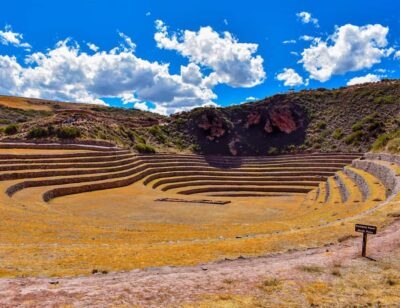
- Moray’s circular terraces: A rare look at how Incas used hillside terrain for crop experiments.
- Maras salt mines at scale: Think 5,000-plus salt ponds right next to Moray.
- Urubamba buffet lunch: A real break in the middle, served as a buffet.
- Ollantaytambo’s stepped fortress: Expect a serious stair climb and big views over the town.
- Pisac market time: Browse crafts and pick up souvenirs with a guided stop that helps you shop smarter.
More of the valley floor, from Pisac to Ollantaytambo
- Cusco:Sacred Valley Pisaq,Ollantaytambo,Chinchero with Lunch★ 4.8 · 183 reviews
- from Urubamba & Ollantaytambo:Sacred Valley Full-Day Private★ 4.9 · 31 reviews
- Super Sacred Valley★ 3.8 · 6 reviews
- Cusco: Sacred Valley and Salt Mines Ending in Ollantaytambo★ 4.6 · 5 reviews
A fast Sacred Valley day built around Inca problem-solving
This is the kind of tour that makes sense if you’re short on time in Cusco but still want more than just one ruined site. The big theme is Inca engineering applied to real life: how to grow food on difficult slopes, and how to preserve it using salt.
Because the tour is built around multiple stops, the pacing feels like a highlight reel. That’s good when you want maximum value per hour. It’s not ideal if you want long, slow hangs at each place or you hate stairways.
Still, for the price point, you get a lot: hotel pickup, round-trip van transport between stops, a bilingual guide, and lunch. The only things you truly need to budget separately are the partial tourist ticket and the salt mine entrance ticket.
Pickup, group size, and why the 12 hours matters
The day runs about 12 hours, and it starts with pickup from your Cusco hotel. Your guide meets you at the hotel reception, then you’re on a van route that links all the major Sacred Valley stops.
The group is small, limited to 15 people. That tends to help with questions, tighter timing, and less waiting than big group tours. You’ll still feel the schedule, though, since the day includes several guided segments plus shopping time.
My practical take: if you’re the type who gets tired from constant moving, this might feel long. If you’re energized by seeing a lot and learning quickly, it’s a strong match.
Chinchero District: textiles first, then a shop you can actually enjoy
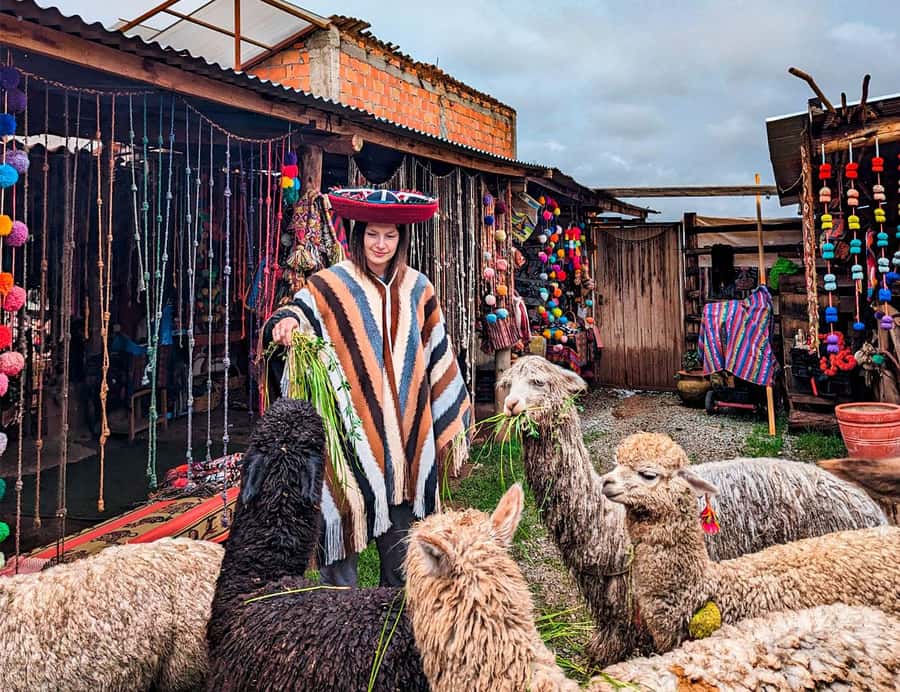
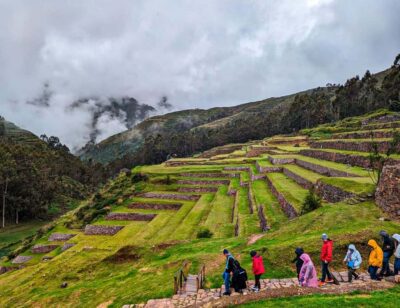
Most Sacred Valley tours start with ruins. This one starts with people and craft, with a visit to the Chinchero District.
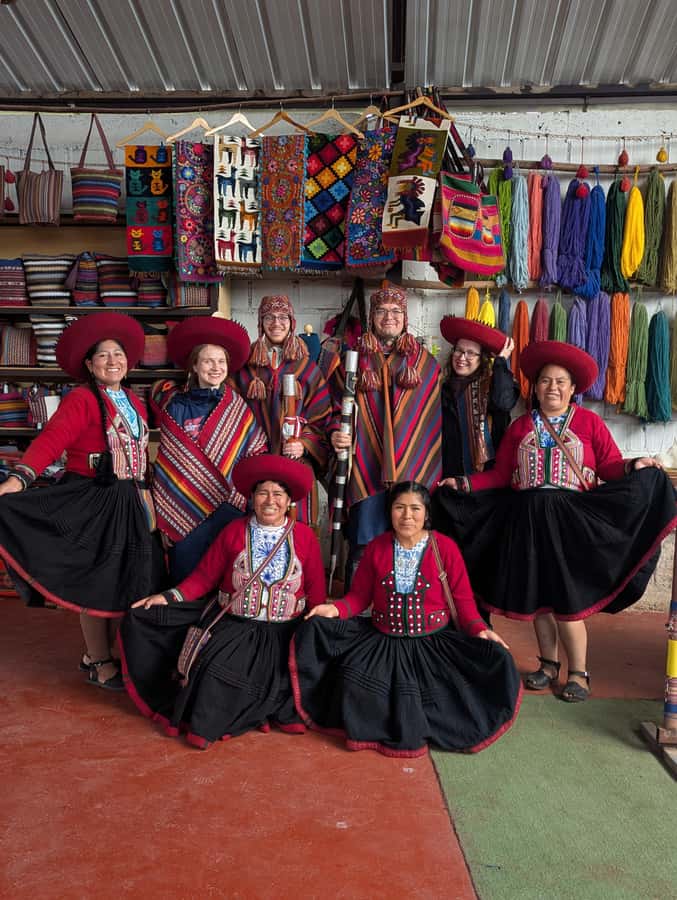
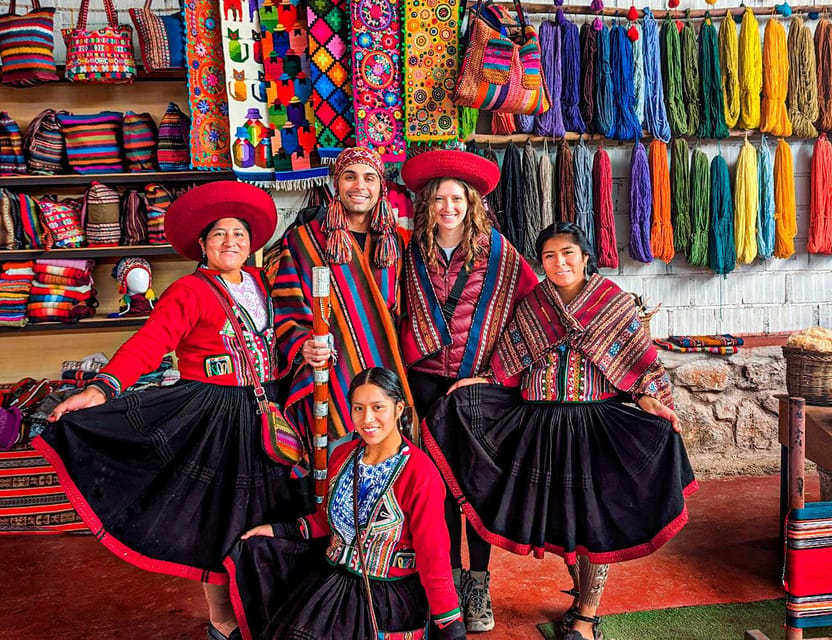
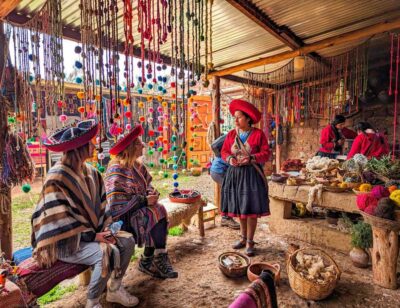
You’ll get photo stops, a guided tour, and time for shopping. The focus is textiles made with traditional Incan weaving techniques, in a small town with a long tradition of textile weaving. That matters because it turns the usual souvenir routine into something more meaningful. You’re not just buying items, you’re seeing how the patterns and methods are rooted in daily culture.
What to watch for: take your time with the explanations. Even if you’re not buying anything, learning what makes one textile different from another helps you shop without guesswork. This is also a good stop for cameras, since the weaving scene and local materials are visually rich.
One more tip for your comfort: Chinchero is a small rustic town, so dress for sun and plan for uneven ground around photo spots.
Moray terraces: circular farming experiments on steep hillsides
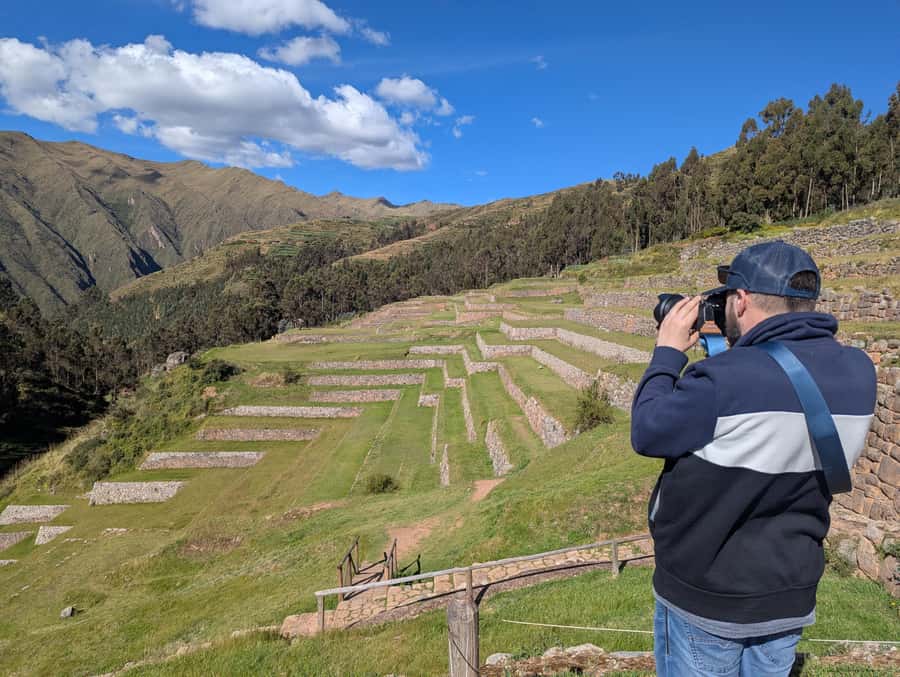
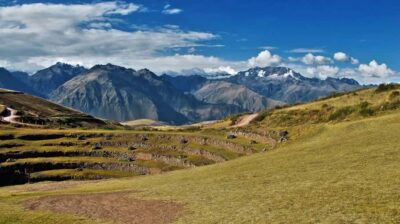
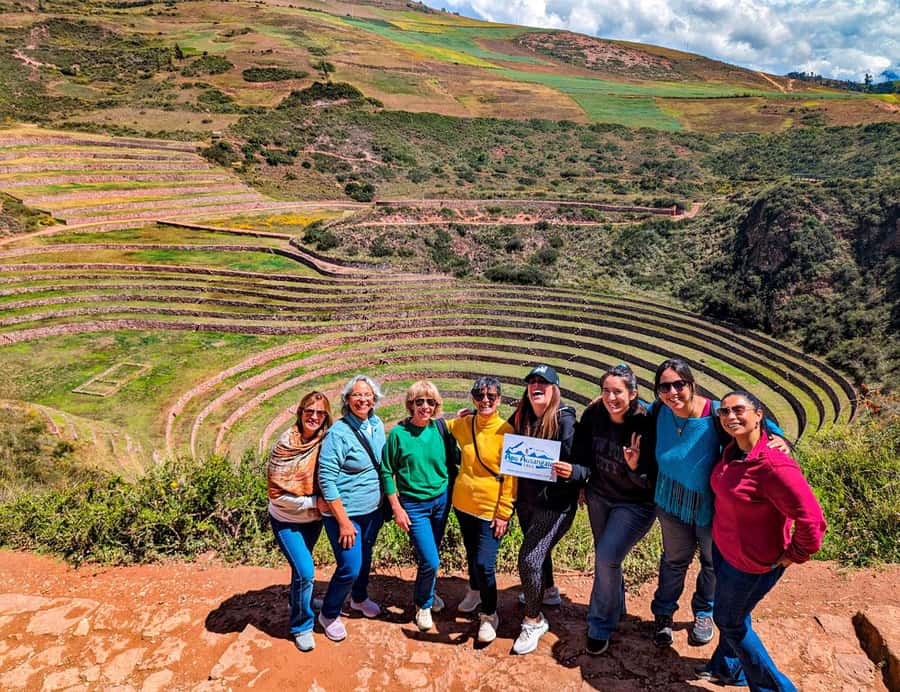
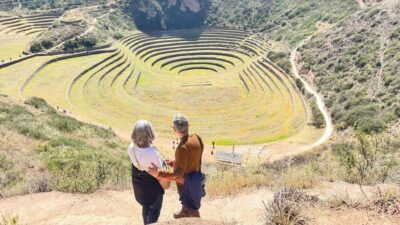
Next comes Moray, where the center attraction is the famous agricultural terraces built into the hillsides. The Incas constructed terraces to create growing conditions in terrain that was less than ideal.
Moray’s most striking feature is the design itself: circular terraces that reflect a clever approach to climate and crop variety. You’re basically looking at stone-built “farming zones,” where elevation and exposure help support different agricultural needs.
You’ll have a photo stop plus a guided tour here, usually a shorter stop compared with the towns. That’s normal for a day tour, but it also keeps things from dragging. You get the key ideas fast: how terraces expanded cultivable land and how Incas adapted agriculture to challenging landscapes.
If you’re sensitive to altitude or fatigue, take it slow during the walking. Moray can be a good learning stop, but you’ll want to conserve energy so the rest of the day feels manageable.
More salt pans, terraces and weaving villages
Maras salt mines: 5,000-plus ponds you can see working
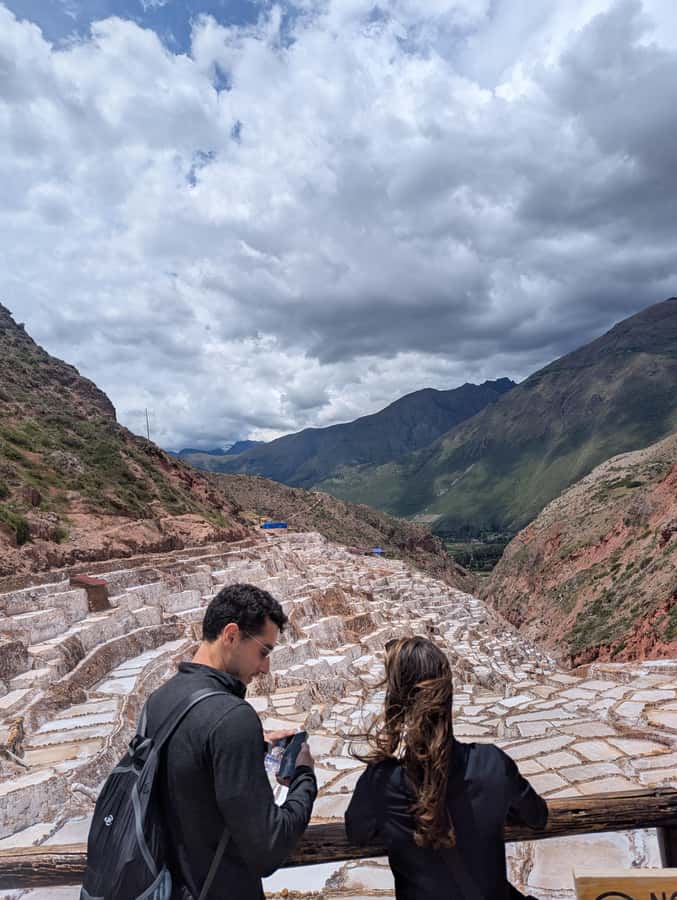
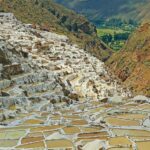
Right next to Moray is the Maras Salt Mines, also called Maras salt ponds. This is where the tour changes gears from farming engineering to food preservation.
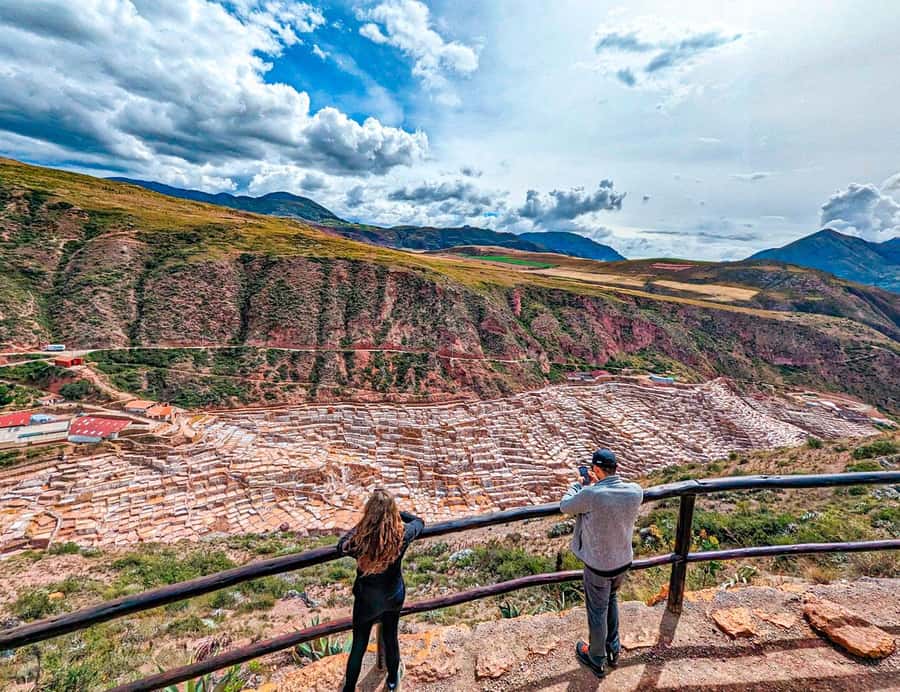
You’ll visit the salt mines with a photo stop and a guided tour. The most important detail to keep in mind is the scale: there are over 5,000 salt ponds. Historically, these were used by ancestors to preserve foods for long periods.
When you stand there, you start to understand why salt mattered so much. It wasn’t just for seasoning. It was a practical tool for keeping food edible when weather and seasons could be unpredictable.
The tour also includes shopping time in Maras. You can browse locally made items, and it’s often an easier place to pick up small crafts without having to power through the busier parts of a bigger market.
Practical note: sun glare can be intense around salt ponds, so your sunglasses and sunscreen will earn their keep.
Urubamba buffet lunch: the break that keeps the whole day working
After the morning stops, you head to Urubamba for lunch. Urubamba is described as the capital of the Sacred Valley, and it’s a logical place for a meal since it sits in the middle of the action.
Lunch is a buffet in Urubamba, with about 45 minutes allotted. Drinks are not included, so plan on buying water or other non-alcoholic drinks there.
This is one of the most valuable parts of the day because it protects you from the all-too-common Sacred Valley mistake: skipping lunch, then walking around hungry and cranky. With a buffet, you can choose what you can handle energy-wise after altitude and sun exposure.
My advice: eat steadily, not heroically. If you’re the type who gets a light stomach, choose simple plate options and save your appetite for the afternoon climbs and walking.
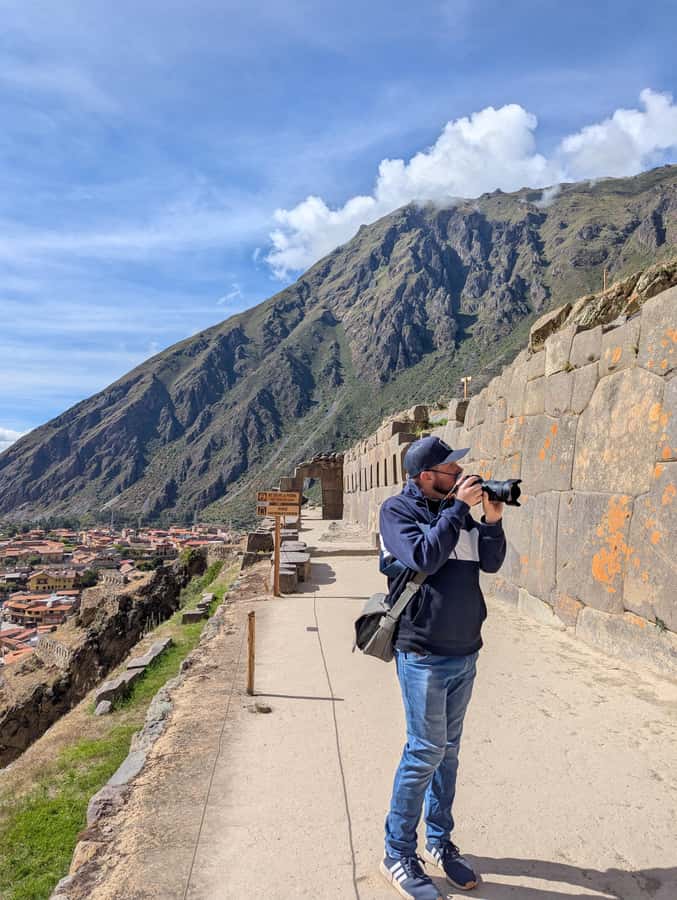
Ollantaytambo: megalithic fortress views and a 200-step reality check
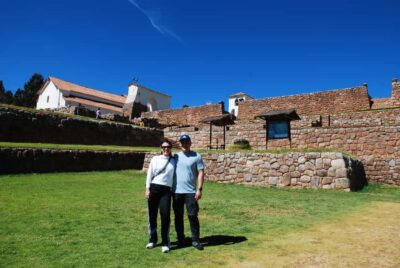
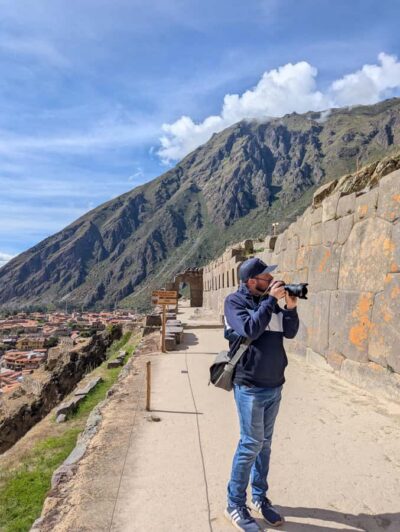
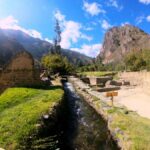
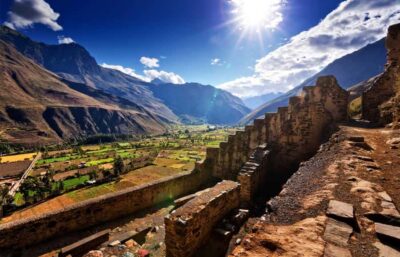
Ollantaytambo is one of the most important cities of the Sacred Valley, known for impressive megalithic buildings. The tour doesn’t just point at stones, it includes a key physical moment: you’ll climb over 200 steps to reach the top of the ancient terraced fortress.
That climb is part of the experience. At the top, the fortress overlooks the town, so you’re rewarded with the best perspective of the settlement layout. It also helps you understand why the site mattered defensively during Incan times, not just as a dramatic backdrop.
A guided tour runs here for about 30 minutes. That’s just enough time to grasp what you’re looking at without turning it into a slow marathon.
But be honest with yourself: if stairs wreck you, this is the part you’ll notice most. Wear shoes with grip, pace yourself, and don’t let adrenaline push you faster than your breath.
Pisac: market browsing and a workshop-style stop
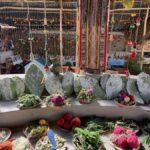
In the afternoon you head to Pisac. The tour includes time for a workshop stop and guided time through Pisac, with a market and crafts focus.
Pisac is famous for market energy, and that’s why this stop works well after Ollantaytambo. Your legs get a bit of relief from climbing, and your brain gets something new to do. Shopping here is more than random wandering because you’ll have guidance, which can help you understand what you’re seeing and how to approach purchases.
You’ll have both guided walking time and market time, so you can split your attention between learning and browsing. It’s also a great place to look for small, giftable crafts and textiles related to the region.
If you’re shopping, I suggest setting a simple budget early. It keeps the market time fun instead of stressful.
Price and logistics: why this tour is a good value at $32
At $32 per person, this is a budget-friendly way to combine the Sacred Valley highlights into one day. Here’s why the value works for many people:
- Hotel pickup and van transport are included, so you’re not arranging separate rides.
- The bilingual guide is included, which matters because Chinchero and the agriculture stops make more sense with context.
- Lunch is included as a buffet in Urubamba, saving you from spending extra on meals during the busiest part of the day.
What’s not included matters for planning:
- A partial tourist ticket can be purchased at the first site for 70 Nuevos Soles.
- Entrance ticket for the salt mine can be purchased on site for 20 Nuevos Soles.
- Drinks are not included.
I’d call this a fair deal if you want the highlights without the hassle of private logistics. If you already know you’ll buy the tickets anyway, you’re basically paying for transport, guiding, and a full-day structure.
What to bring and what to skip for a smoother day
Because you’re moving through outdoor sites, the basics matter. Bring sunglasses, a sun hat, sunscreen, and water. A camera is a must, since every segment offers photo opportunities, from textiles to terraces to the salt ponds.
Also bring cash for the extra tickets and any shopping. Since the tour includes time for shopping in Chinchero and Maras, you’ll likely want some spending flexibility.
Two things to remember:
- Drones are not allowed.
- Alcohol and drugs are not allowed.
If you keep it simple, the day feels much easier. If you show up underprepared, you’ll feel it fast in sun and walking time.
Who should book this Sacred Valley and salt mines tour
This tour is a strong fit if you want:
- One-day coverage of Chinchero, Moray, Maras, Urubamba, Ollantaytambo, and Pisac.
- A guided explanation for stops tied to agriculture, defense, and textiles, not just ruins.
- A small group experience, limited to 15 people.
It might feel too intense if you:
- Hate stairs or have mobility limits, since Ollantaytambo includes a climb over 200 steps.
- Prefer slow travel with lots of downtime at each site.
- Want a meal with lots of time to linger, since lunch is about 45 minutes.
Should you book it
Book it if you’re trying to make Cusco days count and you like structured learning with a full itinerary. The combination of textiles, Inca terrace farming, salt ponds, and two major towns gives you a real snapshot of how the region works, not just one famous view.
Skip it or choose something gentler if you know you’ll struggle with a busy 12-hour schedule. The tour is built to fit a lot in, and Ollantaytambo’s steps are not optional if you want the top views.
If you do book, plan for sun, pace your breathing on the stairs, and budget for the two extra ticket costs and your drinks. Do those three things, and you’ll get a full day that feels worth the time.
FAQ
How long is the tour from Cusco?
It’s listed as 12 hours total.
Does the tour include hotel pickup?
Yes. Pickup is included from your hotel, with your guide meeting you at the hotel reception.
What languages is the guide available in?
The live tour guide speaks English and Spanish.
How large is the group?
This is a small group with a limit of 15 participants.
Is lunch included?
Yes. Lunch is a buffet in Urubamba.
What tickets are not included and need to be bought separately?
A partial tourist ticket can be purchased at the first site for 70 Nuevos Soles, and the salt mine entrance ticket can be purchased on site for 20 Nuevos Soles.
Are drinks included with lunch?
No. Drinks are not included.
Is free cancellation available?
Yes. You can cancel up to 24 hours in advance for a full refund.
Can I bring a drone or alcohol?
No. Drones are not allowed, and alcohol and drugs are not allowed.
More Leaving From Urubamba
- Cusco:Sacred Valley Pisaq,Ollantaytambo,Chinchero with Lunch
★ 4.8 · 183 reviews - From Cusco: Chinchero, Moray, Maras and Ollantaytambo
★ 4.5 · 83 reviews - Cusco: One Day Tour to Machu Picchu with Train Transfers
★ 4.8 · 28 reviews - Cusco: River Rafting Adventure Full Day | Adrenaline Tour
★ 4.9 · 23 reviews - Cusco in 3 days: city tour, Rainbow Mountain and Machupicchu
★ 4.9 · 7 reviews
Maras, Moray and Chinchero Again
- Cusco:Sacred Valley Pisaq,Ollantaytambo,Chinchero with Lunch
★ 4.8 · 183 reviews - From Cusco: Chinchero, Moray, Maras and Ollantaytambo
★ 4.5 · 83 reviews - Cusco: Sacred Valley and Salt Mines Ending in Ollantaytambo
★ 4.6 · 5 reviews - From Cusco:Chinchero, Moray, Maras, Ollantaytambo with lunch
★ 5.0 · 3 reviews - Cusco | Visit Maras, Moray, Chinchero, Pisac | Valle Vip
★ 4.4 · 3 reviews
Keep Going Down the Valley
- Cusco:Sacred Valley Pisaq,Ollantaytambo,Chinchero with Lunch
★ 4.8 · 183 reviews - From Cusco: Chinchero, Moray, Maras and Ollantaytambo
★ 4.5 · 83 reviews - from Urubamba & Ollantaytambo:Sacred Valley Full-Day Private
★ 4.9 · 31 reviews - Super Sacred Valley
★ 3.8 · 6 reviews - Cusco: Sacred Valley and Salt Mines Ending in Ollantaytambo
★ 4.6 · 5 reviews
Fresh in from Urubamba
Maras, Moray & Chinchero Tours, compared.
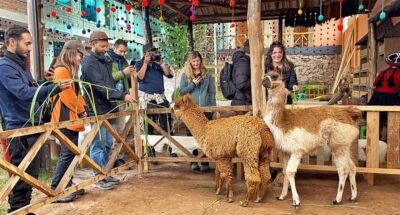 ★ 4.8Sacred Valley & Maras Salt Mines Tour with LunchFrom $282,227 reviews
 ★ 4.8Moray, Maras Salt Mines & Chinchero Weavers TourFrom $151,925 reviews
 ★ 4.6Sacred Valley, Pisac, Ollantaytambo, Salt Mines MorayFrom $281,058 reviews
 ★ 4.8Chinchero,Moray & Salt Mines drop-off in OllantaytamboFrom $27793 reviews
 ★ 4.8Sacred Valley: Chinchero, Moray, Ollantaytambo & Pisac+LunchFrom $25501 reviews
 ★ 4.6Sacred Valley: Maras & Moray by Quad Bike from CuscoFrom $39418 reviews
 ★ 4.7Quad bike tour Moray and Salt MinesFrom $27314 reviews
 ★ 4.8Sacred Valley Pisaq,Ollantaytambo,Chinchero with LunchFrom $28183 reviews
Browse the lists this tour appears in