
REVIEW · SACRED VALLEY TOURS
Sacred Valley Tour 1 Day
A full day in the Sacred Valley moves fast. For about $39, I like that you get bilingual guidance and comfortable transport that strings together Chinchero, Maras, Moray, Urubamba, Ollantaytambo, and Pisac in one plan. The day really peaks with Pisac and Ollantaytambo, two places you will remember.
One thing to plan for is extra money at the sites, because entrance fees are not included, so you need the Boleto Turistico. Also, it is a moderate day with some walking up at high altitude.
I also appreciate the rhythm of the route, with built-in breaks, plus a buffet lunch in Urubamba to recharge before the best views of the afternoon. In the reviews, the guide Auqui gets shout-outs for clear explanations and keeping the day moving.
Key highlights worth your time
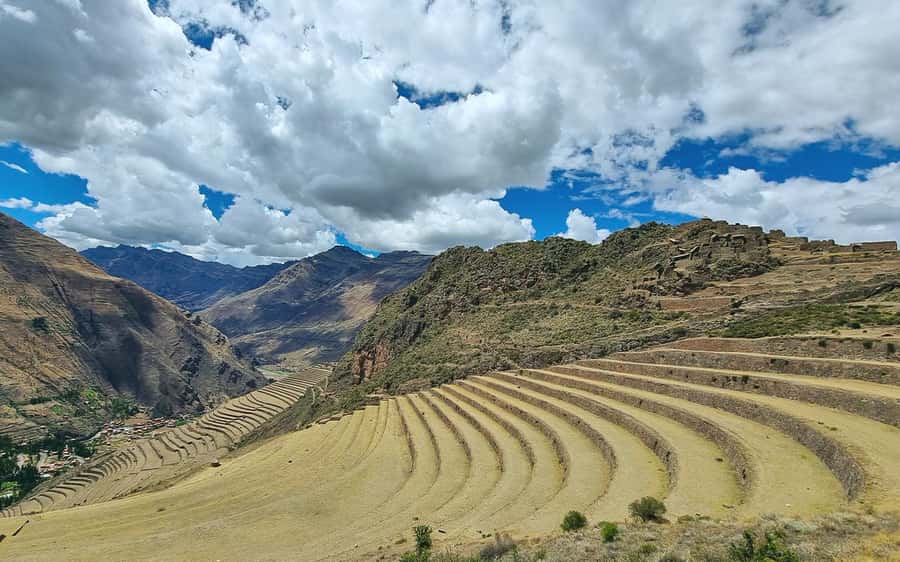
- Pisac and Ollantaytambo are the high points, with ruins and views that make the long day feel worth it
- Chinchero textiles add a living culture stop, not only stone ruins
- Maras Salt Mines show shimmering salt pans with big photo potential
- Moray terraces give you a rare look at an Inca-era agricultural experiment theory
- Bilingual guide plus audio helps you understand what you are seeing
- Urubamba buffet lunch keeps energy up before you climb and explore more
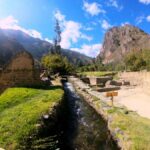
More of the valley floor, from Pisac to Ollantaytambo
- Cusco:Sacred Valley Pisaq,Ollantaytambo,Chinchero with Lunch★ 4.8 · 183 reviews
- from Urubamba & Ollantaytambo:Sacred Valley Full-Day Private★ 4.9 · 31 reviews
- Super Sacred Valley★ 3.8 · 6 reviews
- Cusco: Sacred Valley and Salt Mines Ending in Ollantaytambo★ 4.6 · 5 reviews
Why this 1-day Sacred Valley route is a good value
At $39 per person, this is one of those days that makes sense when you are short on time but still want the main Sacred Valley hits. You are not just hopping between two towns. You cover multiple stops: Chinchero, Maras Salt Mines, Moray, Urubamba, Ollantaytambo, and Pisac. That is a lot for one day, and the price includes the big essentials: a professional bilingual guide, round-trip transportation from Cusco, and a buffet lunch.
The other value point is context. A guide in both English and Spanish (plus an audio guide in both languages) means you spend more time understanding the site and less time wondering what you are looking at. When you visit ruins like Moray or the fortress at Ollantaytambo, it helps to know why the Incas built where they built.
Just keep your wallet ready for the Boleto Turistico, since the tour covers several archaeological and cultural stops but entrance fees are not included. That is the one cost surprise people forget until they arrive.
Cusco departure, then Chinchero terraces and living textiles
Most of the day starts early from Cusco, because you want daylight for the views and time to move between locations without rushing. The route heads to Chinchero first, which is a smart opener because it immediately connects you to Andean daily life, not only history in stone.
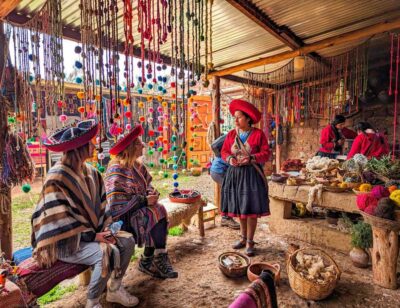
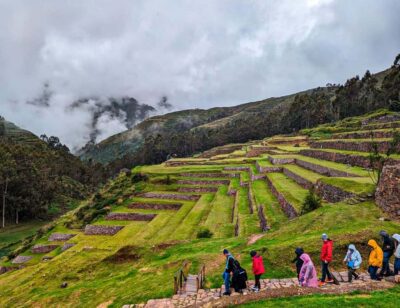
In Chinchero, you focus on textiles and terraces. You will see intricate weaving tied to local techniques, and the stop is meant to show living tradition, not museum replicas. It is also where you learn why these communities keep passing skills down through generations.
You also get terrace scenery. Chinchero is at the highest point on the route at around 3,700 meters. That means the air feels thinner. The walking here is usually manageable, but you will want to take it slow, sip water, and avoid sudden sprints to viewpoints.
Practical tip: dress for cool-to-warm shifts. In high-altitude areas, mornings can feel crisp even when the sun warms things up later.
Maras Salt Mines: what you see and what to watch for
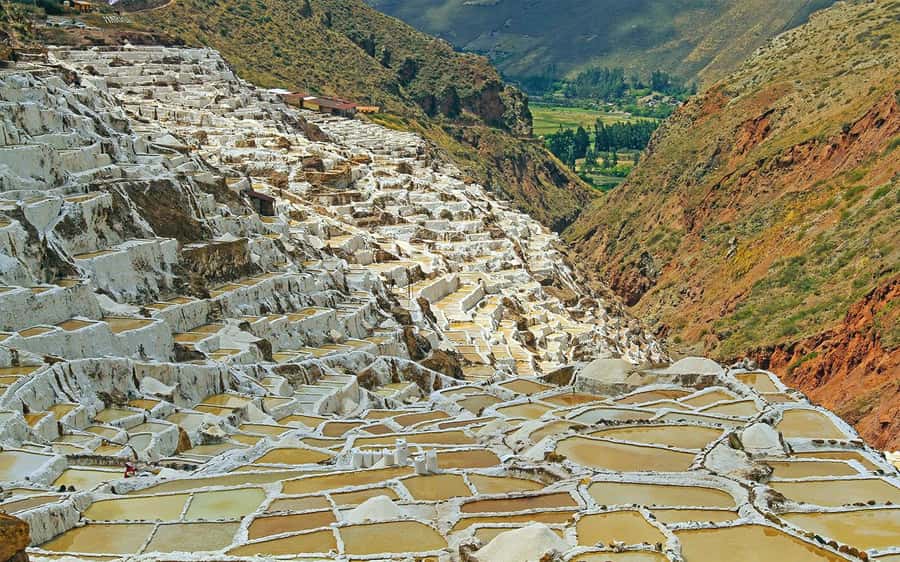
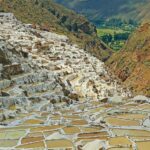
Next come the Maras Salt Mines, where you walk through patchwork salt pans that have been used since Incan times. The big visual here is contrast: bright salt pools against the green and brown mountain slopes.
This is one of those stops where good timing matters. The light can change fast, and if you want the best photos, it helps to stay near the viewing areas your guide points out and be ready to shoot when the colors look strongest. Bring goggles if you can. The tour’s packing list specifically includes goggles, which suggests you might want eye protection around reflective surfaces and dust.
Also, remember this part of the day is still high-altitude. The salt pans sit above the valleys, so your body may need a bit of time to adjust. Take breaks when offered, and do not treat this as a speed-walk photo mission.
Moray terraces and the Inca-era farming experiment theory
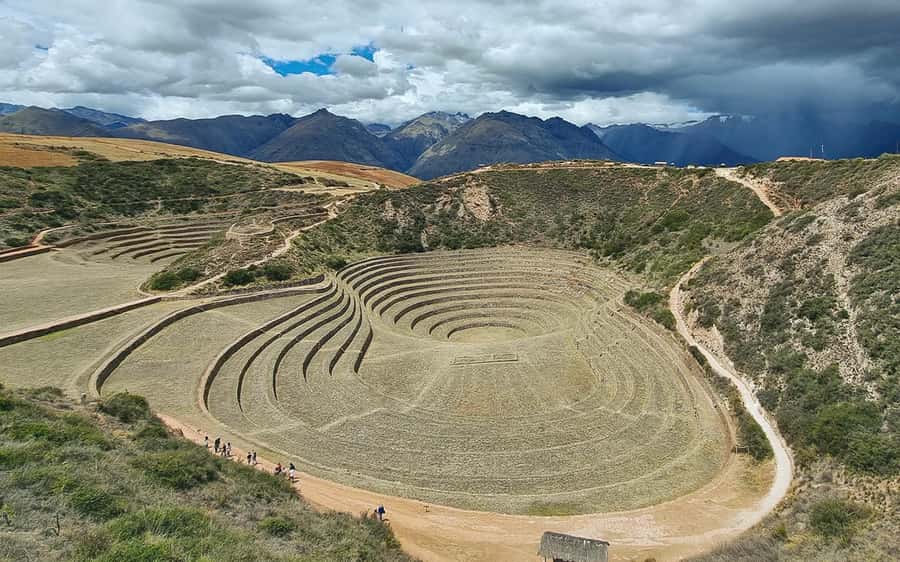
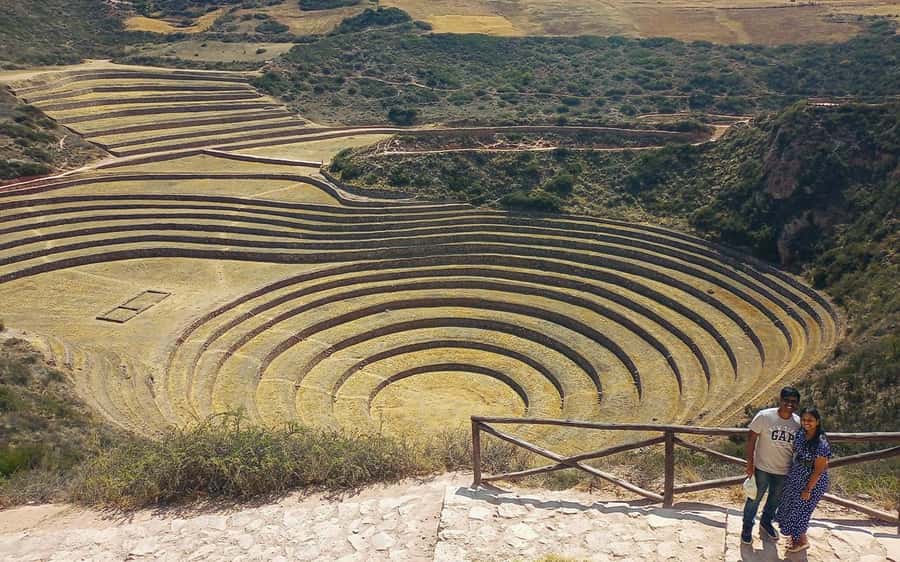
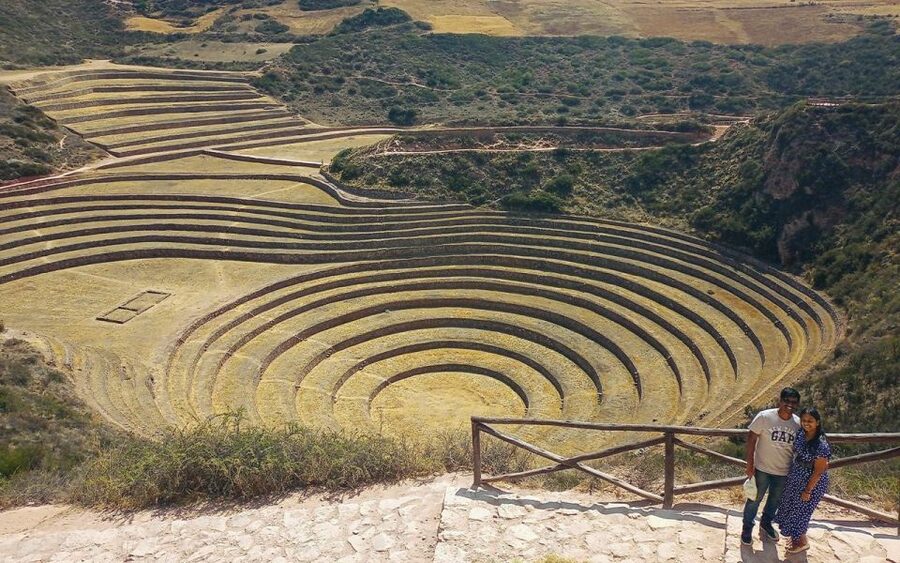
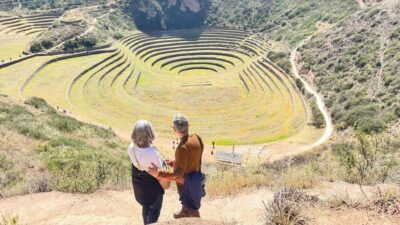
Moray is the stop many people remember for its unusual shape. You are not looking at a fortress or a city block. You are looking at circular terraces, and the common explanation is that they were part of an agricultural experiment.
The idea is that the design could influence microclimates, letting the Incas test how different growing conditions might work. Even if you only catch the basic concept, it adds something important to your Sacred Valley day. It shifts you from trade and monuments to how people managed the land.
You will explore with your guide, and this is where the bilingual commentary really helps. When you understand what you are supposed to look for, the terraces stop being just impressive circles and start making sense as a system.
Tip for comfort: wear clothes you do not mind getting dusty. The tour includes guidance to bring clothes that can get dirty, and that is practical for Moray-style outdoor ruins and uneven ground.
More single-day runs from Urubamba
Urubamba buffet lunch, then the long scenic push
After Moray, the route heads into Urubamba, which sits lower than Chinchero at about 2,792 meters. That altitude drop can feel like a small win when you are tired. It is also where you get your included buffet lunch.
This lunch matters more than it sounds. A long day like this stacks multiple sites, and energy makes the difference between enjoying views and counting minutes until the bus. The buffet is included, and the tour notes that it offers options to fit different tastes and dietary requirements.
The practical move here is to eat enough that you feel steady, not stuffed. If you tend to get lightheaded at altitude, a solid meal helps more than you would think.
Then you refuel, and the afternoon turns toward Ollantaytambo, one of the big names in the Sacred Valley.
Ollantaytambo: climbing ruins with real strategic weight
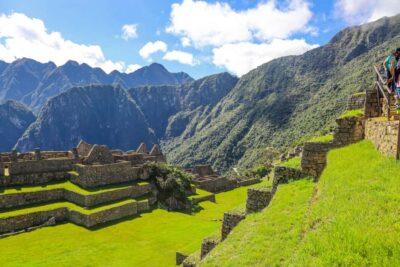
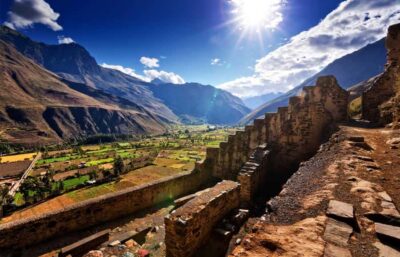
Ollantaytambo is often the anchor point for the Sacred Valley because it feels both monumental and close. You are visiting a massive Inca fortress, and your guided time includes climbing terraces and getting spectacular views.
Your guide will explain the site’s strategic significance. Even with only a short visit, you can usually see why the Incas chose this spot: control of approaches, strong defensive positioning, and a layout that makes use of the terrain.
This is also one of the parts of the day that gets mentioned as a highlight. The tour description calls Pisac and Ollantaytambo the day’s peak, and that lines up with what stands out in the reviews.
Keep expectations realistic: you will walk and climb some terraces. The tour is listed as moderate, with some walking at high altitude. If you pace yourself, take rest stops when the group does, and keep your breathing controlled, you should be fine. If you push too hard early, you might feel it later at Pisac.
Pisac market and ruins: color, craft, and a satisfying finish
Pisac usually lands best when you arrive with enough energy to enjoy it. This stop is famous for a colorful market and impressive archaeological ruins, and the format gives you both.
You will explore the ruins and then stroll the market. That market portion is where the day feels more like travel and less like site-checking. You can look at handcrafted goods sold by local artisans, and you get a sense of what people are actually buying and using day to day.
This is the other reason people love this route. You end with both history and street-level culture. The ruins give you context for how the Incas shaped the area, and the market shows what the region still trades in today.
Practical advice: bring some cash. The tour includes cash on the packing list and mentions comfort stops where you can purchase snacks or souvenirs along the way. At Pisac, you will likely want to pick up small items if you find something you love.
Transportation, guide setup, and what the group day feels like
This is a group experience, and that is part of the value. Group days typically cost less than private tours, and you also get the guide’s explanation timed to what you are looking at, instead of reading it yourself and missing details.
You are picked up and returned to a designated meeting point in Cusco. The guide will be identifiable by a Red 69 Explorer jacket, which helps when you arrive early and the streets are busy.
There are also comfort stops built in, including opportunities for restrooms and to buy snacks or souvenirs. You will not go hungry, but those extra buys are personal expenses, not part of the included buffet lunch.
And one more practical point: you get audio guide support in English and Spanish. If you like having your own pace, audio helps when you want to linger slightly longer at a viewpoint.
Cost check: the $39 price and the one extra you should budget for
Let’s be honest about the money. The headline price is $39 and it includes transport, guide, and buffet lunch. That is a lot for one day in the Sacred Valley.
But entrances are not included, so you will need to buy the Boleto Turistico for the sites you visit. That is the main extra cost to plan for. It is not a small detail because multiple stops are involved, so you might spend more than you think if you assume everything is paid for.
Other costs can add up too, like souvenirs and snacks outside the buffet, plus any drinks you buy beyond the included lunch. The tour explicitly lists personal expenses and additional beverages as not included.
If you want to keep the day smooth financially, do this:
- Budget for the Boleto Turistico entrance fees
- Bring some cash for market browsing and extra snacks
- Keep your lunch day as your main food plan
Getting your feet and body ready for altitude and uneven ground
This tour is labeled moderate. That means you should expect some walking and climbing, often on uneven ground.
It also means altitude is part of the equation. Chinchero is the high point at about 3,700 meters, and Urubamba is the low point at about 2,792 meters. You will be moving through different elevations all day, so the safest approach is pacing.
The tour’s packing list is actually pretty useful, because it reads like someone planned for real conditions:
- Insect repellent (helps in outdoor stops)
- Goggles (especially helpful for bright salt reflections)
- Headphones (practical for audio guidance)
- Clothes that can get dirty (for ruins and salt areas)
- Change of clothes and a daypack
- Cash and a credit card (since markets and extras happen)
If you are the type who tends to get cold in the morning, bring layers. If you are the type who gets sunburn fast, wear a hat and use sunscreen, even though sunscreen is not listed. The tour does not mention it, so I will not claim it is included, but high-altitude sun is real.
Medical and safety note: the activity lists it as not suitable for people with claustrophobia, non-swimmers, or epilepsy. If any of those apply to you, you should take that seriously and check with the provider about alternatives.
Who should book this Sacred Valley day trip
This tour is a great fit if you:
- Want the core Sacred Valley stops in one go, without arranging separate transport
- Appreciate a bilingual guide who can explain what you are seeing
- Like a structured day with rest stops, a lunch break, and clear route order
- Want the market side of Pisac, not only stone ruins
It may not be the best fit if you:
- Hate long days with multiple sites and moderate walking
- Get altitude symptoms easily and do not handle 3,700 meters well
- Prefer flexible, unstructured exploring over a timed route
One more practical fit note: if you love photos, this itinerary gives you plenty of subjects. Salt pans at Maras and terraced ruins at Moray and Ollantaytambo can all turn into great shots when you bring patience and take your time.
Final call: should you book Sacred Valley Tour 1 Day?
If you have only one day and you want a strong introduction to the Sacred Valley, I would book this. The value is in the combination: multiple iconic stops, a bilingual guide, transportation from Cusco, and an included buffet lunch. The reviews also put a spotlight on the guide’s explanations, with Auqui specifically praised for making the day feel clear and well paced.
You should think twice only if you cannot manage the walking and high-altitude movement, or if you want entrances fully included in the base price. If you budget for the Boleto Turistico and pack smart with goggles, layers, and comfortable shoes, this is one of those days that turns your limited time into real understanding.
FAQ
How much does the Sacred Valley 1-day tour cost?
The price is $39 per person.
How long is the tour?
It is listed as approximately 11 hours, with a note that the duration is around 10 hours.
What locations are included in the itinerary?
The day includes Chinchero, Maras Salt Mines, Moray, Urubamba (for lunch), Ollantaytambo, and Pisac (market and ruins).
Is lunch included?
Yes, a buffet lunch is included.
Do I need to pay entrance fees?
Entrance fees to sites are not included. You need the Boleto Turistico.
What languages are the guide and audio available in?
The live guide is available in English and Spanish, and the audio guide is included in English and Spanish.
Where do I meet the guide in Cusco?
Meet the guide with the Red 69 Explorer jacket at the designated meeting point in Cusco.
What should I bring for the day?
Bring an ID or passport, change of clothes, camera, food and drinks, insect repellent, headphones, cash, clothes that can get dirty, a daypack, goggles, and a first aid kit (plus any other personal essentials you prefer).
Is the tour suitable for everyone?
No. It is not suitable for people with claustrophobia, non-swimmers, or people with epilepsy.
Can I cancel and get a refund?
Yes. You can cancel up to 24 hours in advance for a full refund.
More Tours in Urubamba
- Machu Picchu: Group Guided Tour
★ 4.7 · 102 reviews - Machu Picchu: Tour Guide Service & Entrance Ticket Circuit-2
★ 4.6 · 90 reviews - Cusco: One Day Tour to Machu Picchu with Train Transfers
★ 4.8 · 28 reviews - Machu Picchu: historical and photographic guided tour
★ 4.9 · 27 reviews - Cusco: River Rafting Adventure Full Day | Adrenaline Tour
★ 4.9 · 23 reviews
More Tour Reviews in Urubamba
- Cusco:Sacred Valley Pisaq,Ollantaytambo,Chinchero with Lunch
★ 4.8 · 183 reviews - Machu Picchu: Group Guided Tour
★ 4.7 · 102 reviews - Machu Picchu: Tour Guide Service & Entrance Ticket Circuit-2
★ 4.6 · 90 reviews - From Cusco: Chinchero, Moray, Maras and Ollantaytambo
★ 4.5 · 83 reviews - from Urubamba & Ollantaytambo:Sacred Valley Full-Day Private
★ 4.9 · 31 reviews
Keep Going Down the Valley
- Cusco:Sacred Valley Pisaq,Ollantaytambo,Chinchero with Lunch
★ 4.8 · 183 reviews - From Cusco: Chinchero, Moray, Maras and Ollantaytambo
★ 4.5 · 83 reviews - from Urubamba & Ollantaytambo:Sacred Valley Full-Day Private
★ 4.9 · 31 reviews - Super Sacred Valley
★ 3.8 · 6 reviews - Cusco: Sacred Valley and Salt Mines Ending in Ollantaytambo
★ 4.6 · 5 reviews
Fresh in from Urubamba
Sacred Valley Tours, compared.
 ★ 4.8Sacred Valley & Maras Salt Mines Tour with LunchFrom $282,227 reviews
 ★ 4.6Sacred Valley, Pisac, Ollantaytambo, Salt Mines MorayFrom $281,058 reviews
 ★ 4.8Chinchero,Moray & Salt Mines drop-off in OllantaytamboFrom $27793 reviews
 ★ 4.8Sacred Valley: Chinchero, Moray, Ollantaytambo & Pisac+LunchFrom $25501 reviews
 ★ 4.6Sacred Valley: Maras & Moray by Quad Bike from CuscoFrom $39418 reviews
 ★ 4.5Pisac Indian Market and Ollantaytambo Fortress with LunchFrom $84395 reviews
 ★ 4.62-Day Trip to the Sacred Valley and Machu PicchuFrom $370265 reviews
 ★ 4.8Sacred Valley Pisaq,Ollantaytambo,Chinchero with LunchFrom $28183 reviews
Browse the lists this tour appears in