
REVIEW · HIKING & TREKKING
Classic Choquequirao Trek – 5 Days / 4 Nights
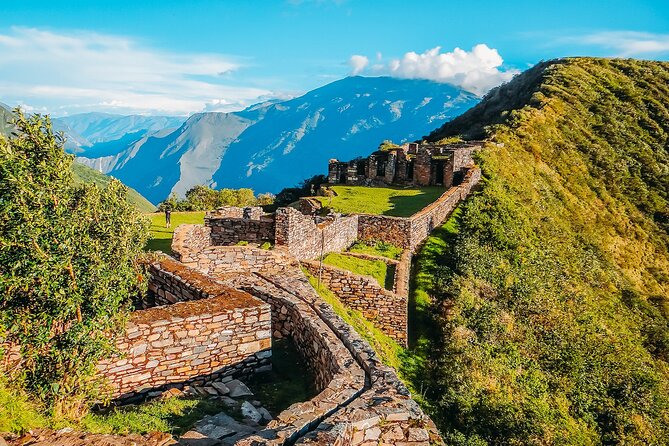
Choquequirao feels like a secret city. This Classic Choquequirao Trek pairs small-group camping support with a full day exploring Choquequirao, tucked into steep Andean canyon country. I like that your heaviest hiking burden is reduced, thanks to porters and a carry plan that keeps your hands free for the real work: the trail.
Two things stand out for me: the guided, all-day ruins visit (not a quick look) and the day-by-day pacing that mixes steep sections with real recovery moments, including a riverside break and a home welcome in Chiquisca. The one big drawback to weigh is straightforward: this is a challenging, altitude-sensitive trek, starting with an early morning departure and requiring strong fitness, plus you’ll need your own sleeping bag and trekking poles.
Key Highlights You Should Know Before You Go
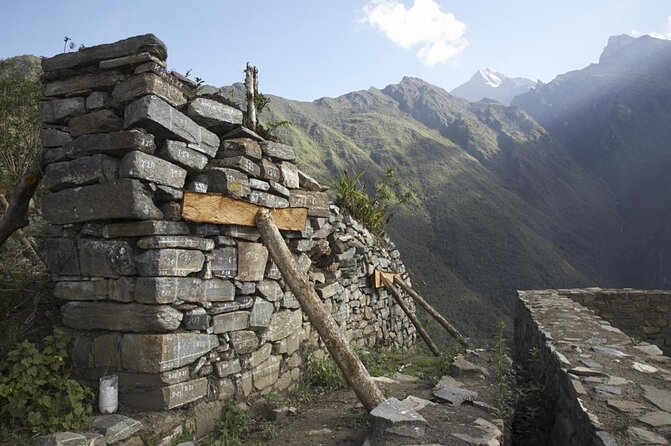
- Choquequirao gets a full guided day, with time for plazas, temples, terraces, and even the famous carved stone llamas.
- Camping is handled well, with quality tents, an inflatable mattress, and personal comfort extras like a rain poncho.
- Porters reduce your load, including transport of camping equipment and a duffel bag for up to 5 kg.
- Apurímac canyon views are the show, especially around sunset, when the mountains and valley glow orange.
- Safety tech is built in, with walkie-talkies, emergency satellite phones, first aid, and an oxygen supply.
- Day 5 adds real extras, including the Saywite Monolith and hot springs before you reach Cusco.
More trails out of Cusco
- From Cusco: 7 Lakes Ausangate Trek with Breakfast and Lunch★ 4.8 · 360 reviews
- Cusco: Rainbow Mountain Tour and Red Valley Hike (Optional)★ 4.7 · 149 reviews
- Cusco: Full-Day Rainbow Mountain & Red Valley Trekking Tour★ 4.5 · 121 reviews
- Salkantay Trek Challenge – 3 Days / 2 Nights★ 5.0 · 101 reviews
Why Choquequirao Is Worth the Long Walk
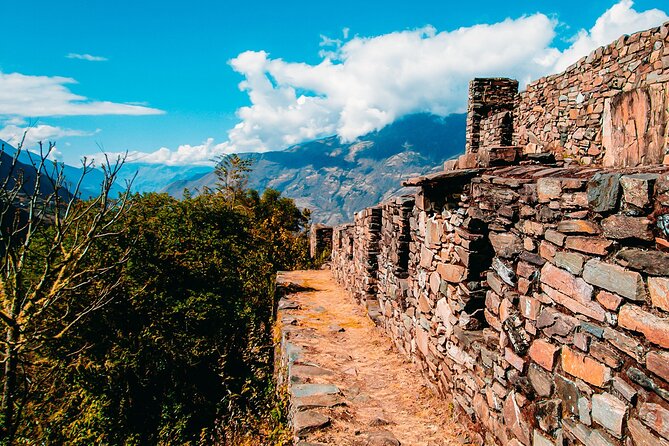
Choquequirao is one of those places that rewards people who are willing to work for the view. It sits high in the Andes, hidden by mountains and edged by one of the deepest canyons in the region. And the best part is the payoff: this complex is described as larger than Machu Picchu, which gives you a sense that you are not doing a quick stop.
During your trek, the ruins are framed by a changing set of environments. You start near glacier views, then spend days moving through valley villages and river sections, before dropping into Choquequirao’s world. That means you arrive with context, not just photos.
Hotel Pickup, Early Departures, and the Kind of Support That Matters
You start early, with pickup around 4:00 am and a departure from Cusco around 4:30 am. That early start is not for drama. It helps you beat heat later in the day, and it gives the team time to move you from Cusco to the trek’s first base area.
This is built as a licensed bilingual guide trip with a maximum of 12 travelers, and it’s also described as a small-group tour for up to 10 people. Either way, you avoid the feeling of being one face in a crowd, and the guide can actually manage pacing and questions.
I also like the practical safety layer. The tour includes walkie-talkies and emergency satellite phones, plus a first aid kit and oxygen supply. That means when altitude and exhaustion are in the picture, you are not left with only vibes.
Day 1: Glacier Views at Cachora, Then Down to Warm Chiquisca
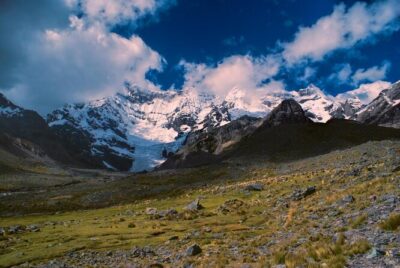
Day 1 starts with a private ride out of Cusco toward Cachora. From there, you get time to look out over glacier scenery, with views of the Salkantay and Humantay glaciers. It’s a strong opening scene, especially because you are seeing it while your body is still waking up.
After breakfast, you move on to Capuliyoc, where the team of cooks and muleteers meets you. This is when you set the tone for the trek: your camping and most gear logistics are handled for you, so you can focus on hiking.
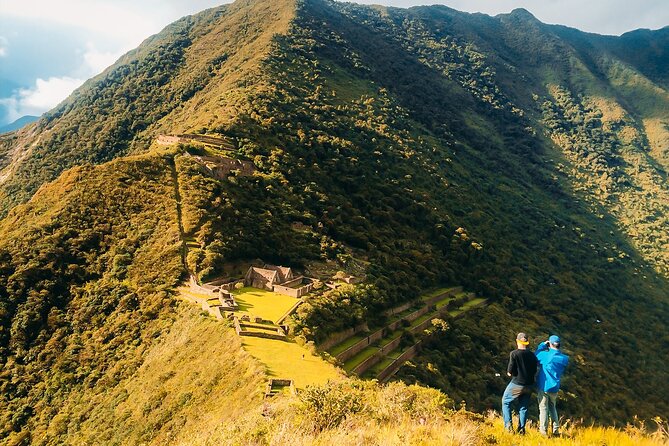
Then comes the hike itself. You begin with a 3-hour descent to Chiquisca, a small village surrounded by fruit crops. Along the trail, you’ll take in the Apurímac Valley and peaks like Padreyoc and Qoriwayrachina, and you may even catch condors circling overhead if you’re lucky.
In the afternoon, you arrive at warm Chiquisca camp. Dinner and sleep come quickly, which is exactly what you want after Day 1’s downhill work. Your body is learning the rhythm: walk, rest, repeat.
Day 2: The Playa Rosalina Drop, Zigzags to Marampata, and Canyon Sunset
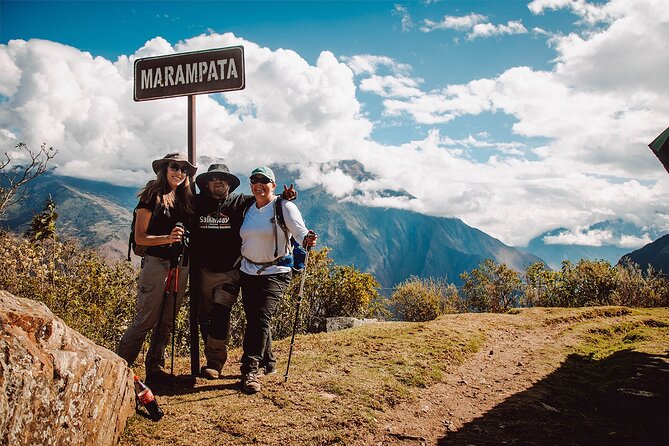
Day 2 starts with a climb out of Chiquisca toward Marampata. It’s a warm-up in reverse, after Day 1’s descent, and it helps you settle into uphill effort before the real valley drama starts.
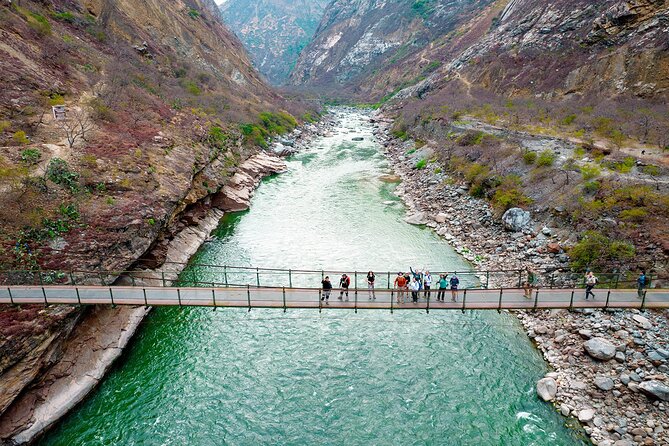
Next you head to Playa Rosalina, beginning with a one-hour descent to the lowest point in the valley. After crossing the footbridge, the hardest section begins. This is the day where the trek turns into real work, with down and up movement that forces you to keep your footing and pace steady.
You stop for lunch in Santa Rosa, then continue zigzagging uphill for about 3 more hours to reach Marampata camp. The route is physically demanding, but it’s also visually rewarding. When you step into the Sendero a Choquequirao, you get views of impressive canyons, including the sense of how massive the region’s drop-offs really are.
Late afternoon brings a classic Andean color shift. The sun paints the mountains and the Apurímac Valley in orange tones, and at nightfall you get a clear starry sky with dinner and rest. Day 2 is where the trek stops feeling like travel and starts feeling like a mountain routine.
More around Cusco, if this one is not quite the fit
Day 3: A Whole Day Inside Choquequirao Inca Citadel
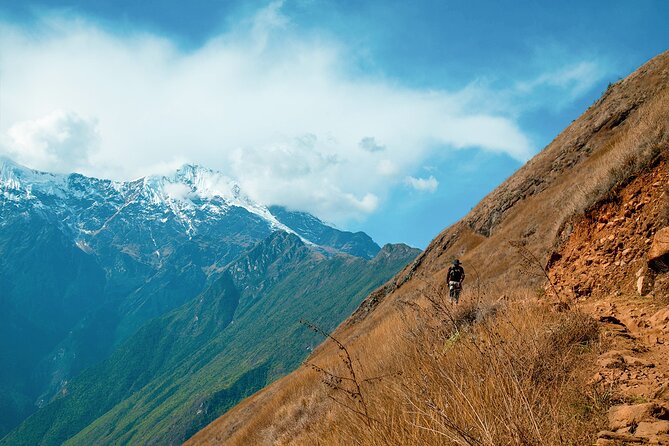
This is the day most people will remember, because you get time to do Choquequirao right. After breakfast, you hike for about an hour along Sendero a Choquequirao to reach the Choquequirao Inca Citadel.
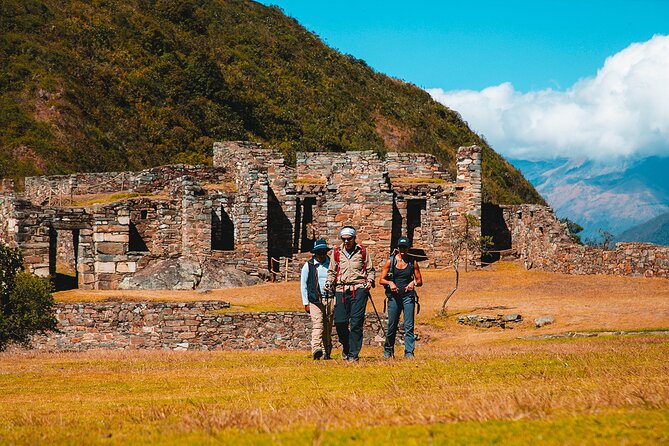
You spend the day exploring with your guide, and Choquequirao is listed at 3,050 m / 10,007 ft. Your guided time matters because Choquequirao’s size can surprise you. It’s described as even larger than Machu Picchu, and you’re shown plazas, temples, and agricultural terraces that demonstrate Inca engineering.
One detail you should not miss is the carved stone work. The ruins have famous white llamas carved in stone on the platforms. The tour notes that you only see about 40% of the site, which explains why you should take your time, not rush to the first viewpoint.
You also get a picnic lunch, which is a smart setup because it keeps you from searching for food while you are already worn out. When the day ends, you return to Marampata camp for dinner and rest, ready for Day 4’s reverse journey.
Day 4: Santa Rosa Lunch, Rosalina River Time, and Chiquisca Home Welcome
Day 4 brings the return hike toward Choquequirao’s departure point. You start from Sendero a Choquequirao and say farewell to the site with a last view of the canyon from Marampata. It’s one of those moments where you get the landscape from a different angle, because you’ve already spent the day inside.
From there, you walk about 2 hours to Santa Rosa, where you have lunch. Then you shift into a cooling-off segment, heading to Playa Rosalinas. The tour includes time to cool off in the cold waters of the Apurímac River before you ascend back toward Chiquisca.
When you reach Chiquisca, you get something special that you do not always see on trek itineraries. A local family welcomes you into their home, giving you a chance to learn about Andean customs and the community’s connection to Pachamama. After dinner, you rest at the campsite.
This day matters because it adds cultural meaning without slowing the pace too much. You’re still hiking, but you’re also reminding yourself why people live here, not just why visitors come.
Day 5: Capuliyoc Goodbye, Saywite Monolith, and Cconoc Hot Springs
The last day starts early to avoid intense sun, and you’ll hike with the sound of the Apurímac River nearby. You walk about 2 hours in the morning to Capuliyoc, where you say goodbye to the hiking team.
Next comes a transition from trekking to sightseeing. You travel by private transport to visit Saywite Monolith, a sacred site valued by the Incas for its more than 200 carved figures. It’s a good change of pace on the final day, since you are already tired from five days of movement.
After Saywite, you head toward Cusco and stop at Baños Termales de Cconoc. You enjoy the hot springs on the way back before lunch. This is not a random add-on. It helps your legs recover, and it gives you a satisfying sense that the trek ends with comfort, not just travel.
You arrive in Cusco around 6:00 pm and are transferred to your accommodation. That timing is helpful because it gives you enough evening to eat, shower, and sleep like a normal person.
Meals, Camping Setup, and What You Must Bring Yourself
One of the biggest practical wins here is that the tour handles your everyday trekking needs. You get breakfast 5 times, lunch 5 times, and dinner 4 times (Day 5 dinner in Cusco is not included). You also receive water, tea time, and daily snacks on the trail.
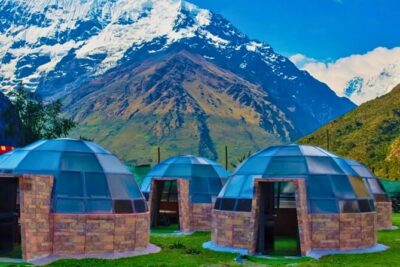
Camping is also well covered. You’ll have 3 nights in high-quality tents for 2 people, plus a cook and dining setup with chairs. Extras like an inflatable mattress, a bag cover, and a rain poncho are included, which is a big deal when the weather is unpredictable.
Comfort and sanitation aren’t forgotten either. You’ll have a portable travel toilet, small hygiene items (small towel and soap), and ongoing hygiene products. There’s also mention of walkie-talkies and emergency satellite phones, plus first aid and oxygen, which matters when you are sleeping on the move.
What you still need to bring yourself: a sleeping bag and trekking poles are not included. If you skimp here, you’ll feel it. A bad night in camp can wipe out the next day’s enjoyment.
Diet is handled with flexibility. The tour states vegetarian and vegan options are available if you request it at booking. In at least one highlighted experience, a guide was attentive to a gluten-free diet, so it’s worth telling your operator about any restrictions.
Price and Value: What $735 Actually Buys You
At $735 per person, this trek is not a casual purchase. But it is also not just a trail ticket. You are paying for a package that includes major cost drivers: licensed bilingual guide, private transportation and transfers, camping accommodation and equipment, cooks, and porters.
You also get transportation of personal belongings and a duffel bag carried by porters (up to 5 kg / 11 lb). That means you hike with what you can comfortably carry, while the system moves the heavy stuff for you. Add in entrance to the Choquequirao archaeological site, plus the inclusion of Saywite and Cconoc hot springs on Day 5, and the cost starts to make more sense.
Finally, you’re not just buying scenery. You’re buying reduced planning stress. The team takes care of meals, tents, safety gear like satellite phones and oxygen, and daily pacing with walkie-talkie communication. If you’ve ever tried to stitch together a multi-day high-altitude camp trek on your own, you know how much time and risk that can add.
Who This Trek Is Best For (and Who Should Rethink It)
This is for you if you want a serious mountain hike with real cultural and archaeological payoff. You should have strong physical fitness, because you’re facing multiple long hiking days, plus steep sections like the tough part after Playa Rosalina.
It’s also a good fit if you like small groups and structured support. The guide, cook, and muleteer team are part of the experience, and people highlight how encouraging and friendly the guiding style can be. Names that show up in past groups include Guido, Roman, Franz, George, Carlos, and Caesar, which suggests the company invests in guides who can manage both effort and morale.
This trek is not ideal if you hate early starts or if you’re looking for a mostly flat walk. And if altitude is new to you, you should plan ahead. The tour recommends arriving in Cusco at least 2 days before to adjust.
Children can participate if they are 12 and over, and they must be accompanied by an adult. Service animals are allowed.
Should You Book the Classic Choquequirao Trek?
If you want a less crowded, high-effort trek where the main reward is an awe-inspiring Inca site, I think this is a strong match. You’re getting a full guided day at Choquequirao, serious canyon scenery over multiple days, and a Day 5 mix of Saywite Monolith and hot springs that feels like a reward, not a chore.
Book it if you can handle steep, long hiking days and you can arrive in Cusco early for altitude adjustment. Skip it if you prefer gentle hikes or you are not ready for a challenge. For the right person, this trek is exactly the kind of trip that turns into a life memory for all the right reasons.
FAQ
What time does the trek start?
The start time is 4:00 am. The itinerary also notes departure from Cusco around 4:30 am on Day 1.
How long is the Classic Choquequirao Trek?
It runs 5 days (about 4 nights).
Where does the trek take place?
It is based in Cusco, Peru, and the route includes Choquequirao Inca Citadel, as well as visits tied to Saywite Monolith and hot springs near Cusco.
What is included in the price?
Included items include the Choquequirao archaeological entrance, a licensed bilingual guide, all transportation and transfers during the tour, camping accommodation and equipment, porters, daily trail water and snacks, emergency safety equipment (including oxygen and satellite phones), and most meals. It also includes Saywite Monolith and Baños Termales de Cconoc on Day 5.
What meals are covered?
You receive 5 breakfasts, 5 lunches, and 4 dinners. Day 5 dinner in Cusco is not included.
Do I need to bring my own trekking gear?
Yes. You must bring a sleeping bag and trekking poles. Tents and camping equipment are provided, and there are also items like an inflatable mattress and rain poncho included.
How many people are in the group?
The tour is described as small-group, capped at 12 travelers, and also listed as up to 10 people for the small-group format.
What fitness level do I need?
The trek is described as challenging, and you should have a strong physical fitness level.
Do they offer vegetarian or special diets?
Vegetarian or vegan options are available if you advise the operator at booking. The tour data also indicates attention to diet needs when requested.
When should I arrive in Cusco?
It’s recommended that you arrive in Cusco at least 2 days before the trek to adjust to altitude.
More 5-Day Experiences in Cusco
- Small Group 5 Days Salkantay and Machu Picchu by Llactapata Tour
★ 5.0 · 88 reviews - Machu Picchu: 5-Day Salkantay Trek with Panoramic Train
★ 5.0 · 79 reviews - Ausangate Trek 5 Days
★ 5.0 · 74 reviews - Ultimate Lares Trek & Inca Trail 5 days
★ 5.0 · 47 reviews - Wonderful Cusco 5-Day Tour with Entrance to Machupicchu
★ 5.0 · 46 reviews
More Trails Out of Cusco
- From Cusco: 7 Lakes Ausangate Trek with Breakfast and Lunch
★ 4.8 · 360 reviews - Cusco: Rainbow Mountain Tour and Red Valley Hike (Optional)
★ 4.7 · 149 reviews - Cusco: Full-Day Rainbow Mountain & Red Valley Trekking Tour
★ 4.5 · 121 reviews - Salkantay Trek Challenge – 3 Days / 2 Nights
★ 5.0 · 101 reviews - From Cusco: Rainbow Mountain Trek
★ 4.5 · 98 reviews
More Tour Reviews in Cusco
- Cusco: Humantay Lake Tour with Breakfast and Buffet Lunch
★ 4.9 · 2,976 reviews - From Cusco: Moray, Maras Salt Mines & Chinchero Weavers Tour
★ 4.8 · 1,925 reviews - From Cusco: Full-Day Group Tour of Machu Picchu
★ 4.7 · 1,767 reviews - Machu Picchu Day Trip from Cusco
★ 4.5 · 1,644 reviews - Cusco: Half-Day City Tour with Sacsayhuaman and Q’enco
★ 4.6 · 1,129 reviews
Fresh in from Cusco
Hiking & Trekking, compared.
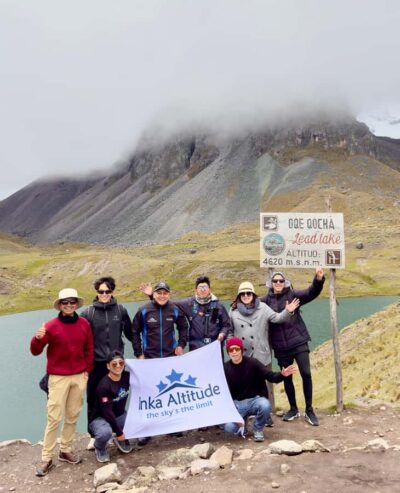 ★ 4.87 Lakes Ausangate Trek with Breakfast and LunchFrom $29360 reviews
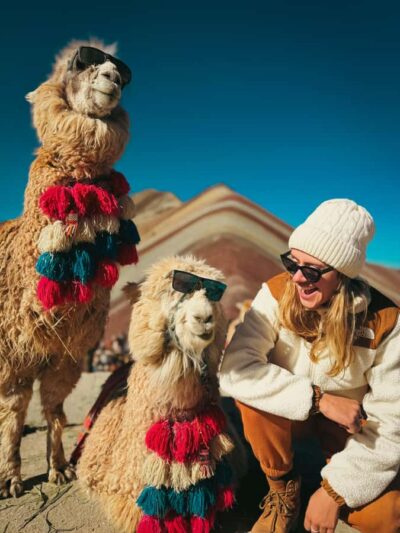 ★ 4.7Rainbow Mountain Tour and Red Valley Hike (Optional)From $29149 reviews
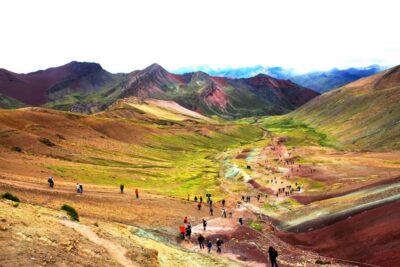 ★ 4.5Full-Day Rainbow Mountain & Red Valley Trekking TourFrom $145121 reviews
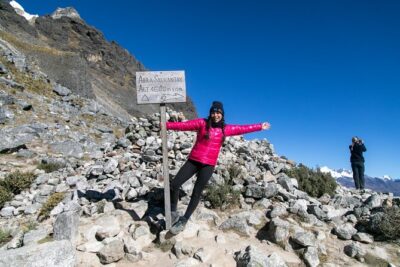 ★ 5.0Salkantay Trek Challenge – 3 Days / 2 NightsFrom $680101 reviews
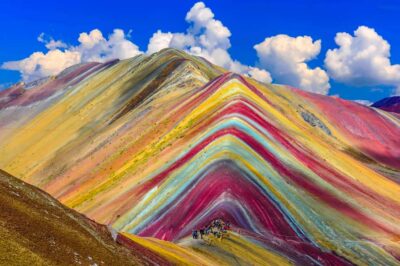 ★ 4.5Rainbow Mountain TrekFrom $6198 reviews
 ★ 5.0Private Palccoyo Rainbow Hike Without the CrowdsFrom $19986 reviews
 ★ 5.0Choquequirao Trek 4 days and 3 nightsFrom $69881 reviews
 ★ 5.0Machu Picchu: 5-Day Salkantay Trek with Panoramic TrainFrom $65579 reviews
Browse the lists this tour appears in