
REVIEW · MACHU PICCHU & AGUAS CALIENTES TOURS
Machu Picchu: 5-Day Salkantay Trek with Panoramic Train
Machu Picchu from your own campsite sounds wild. This 5-day Salkantay trek strings together Humantay Lake and Llactapata camping with real meals, and then finishes with Machu Picchu at sunrise. The main consideration is altitude, especially on Day 1 and again at the Salkantay Pass.
I like how this trip balances effort with comfort. You hike with a small group (up to 16), you get glamping along the way, and you also get cultural stops like a traditional Pachamanca and coffee tasting. If your group is led by guides like Cesar, Roger (with Alex), or Jose, you’ll likely feel both supported and well-paced, not rushed.
Quick Highlights You Should Know Before You Go
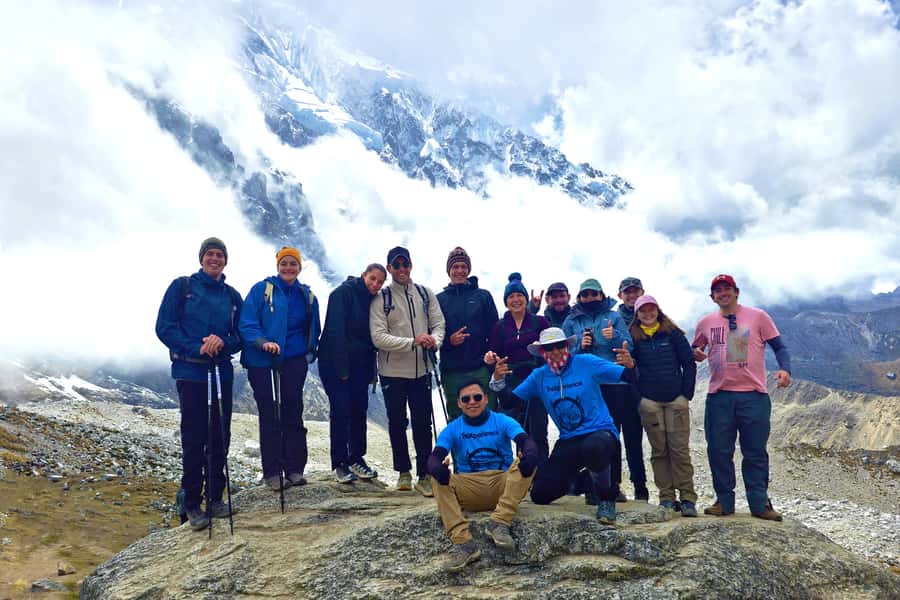
- Humantay Lake at high altitude, turquoise water at around 4,200 m
- Salkantay Pass challenge (the trek’s highest point at about 4,630 m)
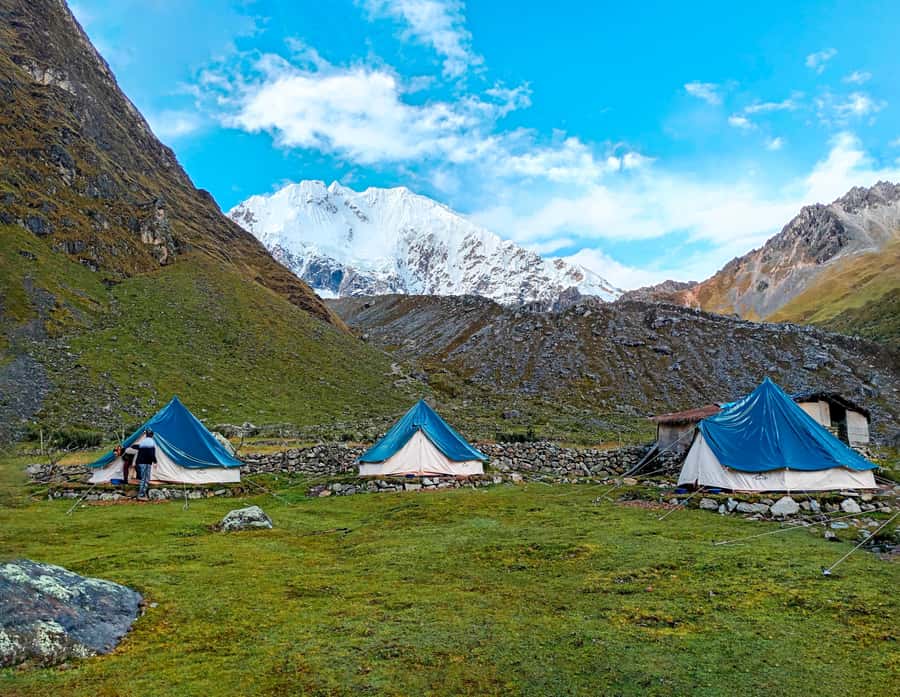
- Glamping plus camping: cozy tents first, then Andean huts, then a Machu Picchu view from Llactapata
- Pachamanca and coffee experience built into the hike, not tacked on at the end
- Train return option: Panoramic Vistadome or 360° from Ollantaytambo, plus a van ride back to Cusco
Other ways into the citadel, side by side
- Machu Picchu Day Trip from Cusco★ 4.5 · 1,644 reviews
- Machu Picchu: Full-Day Tour from Cusco with Optional Lunch★ 4.6 · 927 reviews
- Cusco: 4-Day Inca Trail to Machu Picchu with Accommodation★ 4.8 · 432 reviews
- From Cusco: 2-Day Trip to the Sacred Valley and Machu Picchu★ 4.6 · 265 reviews
Why This Salkantay Route to Machu Picchu Feels Different
Most Machu Picchu trips focus on the ticket. This one builds the story first, then hands you the payoff.
You start near Cusco with a very early pickup (around 4:30 am). That early start matters, because it gets you into position for the long day hikes, and it also reduces the chaos you can hit on bus schedules later. The trek itself moves through very different altitudes and climates, so each day feels like a new chapter, not the same “walk and wait” rhythm.
What I appreciate most is that the trip doesn’t make you choose between adventure and having your basics covered. You get a duffel bag (up to 7 kg) carried by muleteers, plus a sleeping pad, pillow, rain poncho, and hand towels. That means you can pack like a hiker but sleep like a human, even when you’re camping. And safety gear is part of the plan, including a satellite phone, first-aid kit, and an oxygen tank.
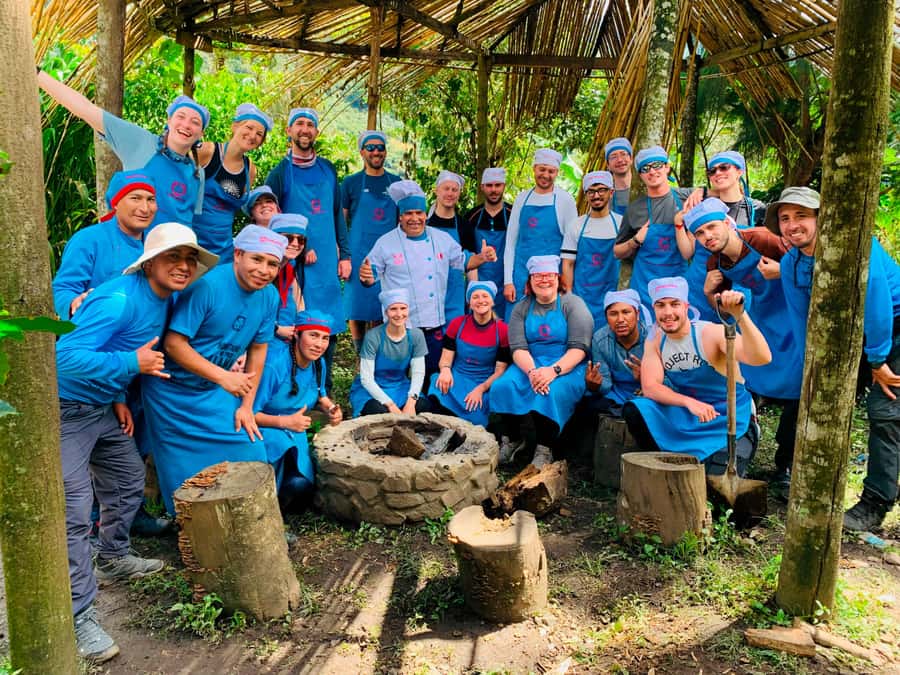
The cultural touchpoints are also practical. The Pachamanca and coffee experience help you understand what you’re seeing, instead of just taking photos and moving on.
Day 1: Cusco to Humantay Lake, then Glamping at Salkantay
Day 1 starts with that early pickup around 4:30 am from your hotel or Airbnb near Cusco’s historic center. You drive for about 3 hours to Mollepata. This is where you’ll get your breakfast, and it’s also a good buffer if your first morning in Peru runs a little behind.
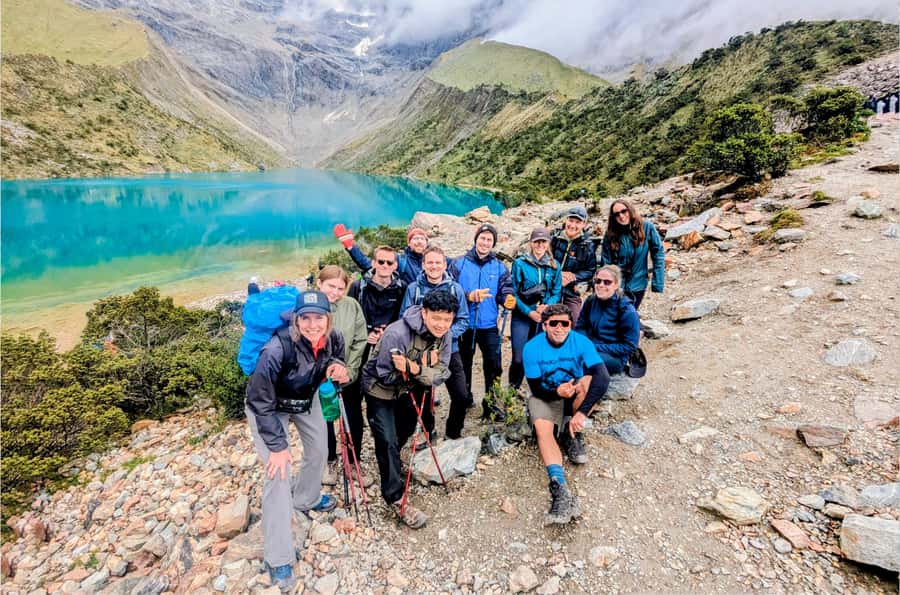
Then you hike roughly 3 hours to Humantay Lake at around 4,200 m. The lake’s bright turquoise color is the moment your brain finally stops thinking about logistics and starts thinking about views. It can still feel like a “workout,” though, because you’re already at serious altitude. You’ll want to pace, sip water, and keep breathing steady.
After time at the lake, you descend to Soraypampa for lunch. From there, you start a gentle climb for about 2 hours to the Salkantay Glamp campsite at around 4,150 m. “Glamping” here is not a hotel, but it is a real step up from basic trekking camping. You get a warm dinner, plus stargazing is part of the vibe, since nighttime skies at altitude can be stunning when weather cooperates.
Practical drawback: Day 1 can hit harder than expected because you’re already climbing at elevation. If you feel slow or slightly nauseated, that’s not a character flaw. It’s the altitude, and you should tell your guide so they can adjust your pace.
Day 2: Salkantay Pass to the Cloud Forest, with Andean Hut Nights
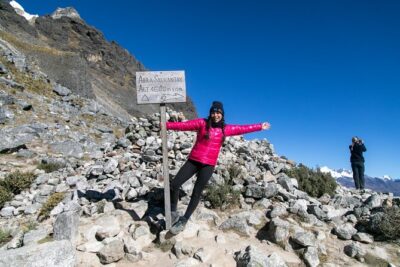
Morning on Day 2 begins with coffee or coca tea, which is a nice touch before the effort ramps up. You hike up to Salkantay Pass at about 4,630 m, the trek’s highest point. There’s also a stop near a nearby glacial lake during the climb, which breaks the ascent into something you can look forward to.
Then comes the long descent. This is where your legs do most of the work, not just your lungs. After lunch at Wayracmachay, the trail drops into shifting terrain, and eventually you move toward the lush cloud forest area. That change in vegetation is real, and you’ll likely notice it in your breathing too, because conditions can feel cooler and wetter as you descend.
In the evening, you reach Collpapampa at around 2,770 m and sleep in comfortable Andean huts. This is an important day for morale: your body gets challenged at the pass, then rewarded with a clear sense of progress as the terrain softens.
A small but meaningful detail: your meals and snacks keep showing up on schedule. Several people emphasize that the food is better than you’d expect in a trekking context, and that constant fueling helps with both stamina and mood. You’ll also get clean water refills each day, which keeps you from spending energy thinking about bottles and purification.
Day 3: Pachamanca, Coffee Farms, and Your First Big Machu Picchu View at Llactapata
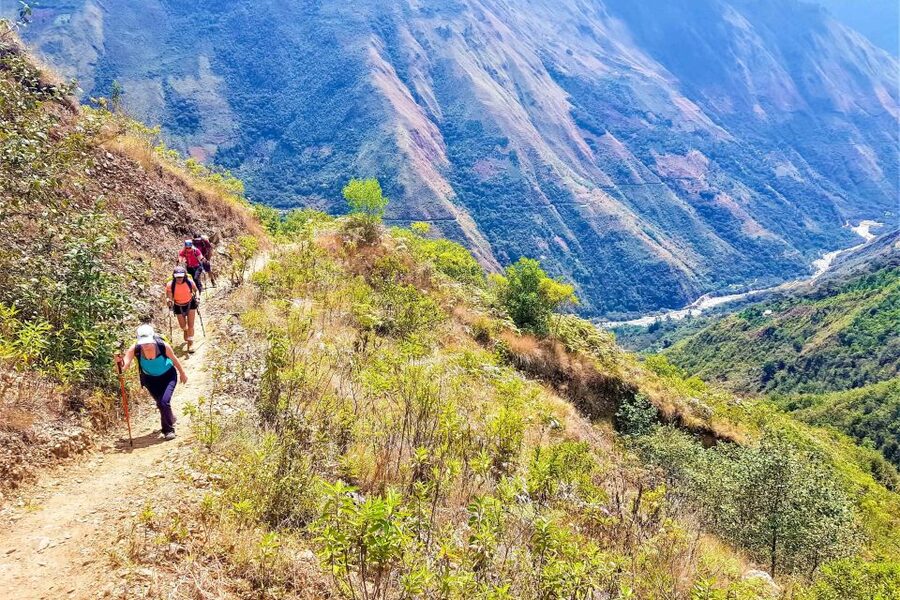
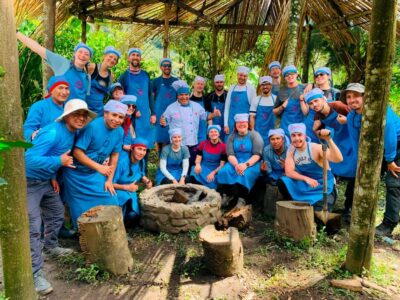
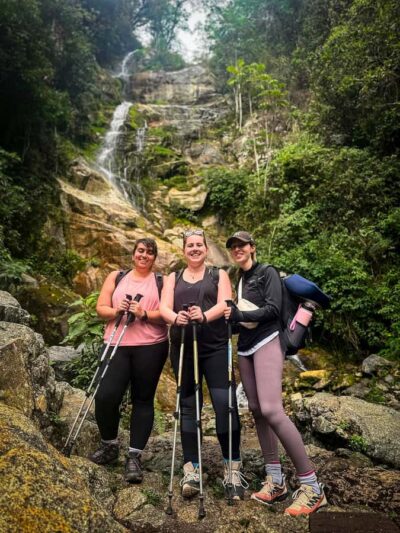
Day 3 is the “culture plus viewpoint” day, and it’s a favorite for a reason. After breakfast, you travel along scenic trails, crossing wooden bridges and passing waterfalls and plantations. At around Lucmabamba (about 2,000 m), you stop for a traditional Pachamanca Barbecue.
Pachamanca is one of those Peruvian traditions that feels like more than a meal. You’re basically watching how people cook and celebrate with local ingredients, and it ties the trek to the land you’re walking through. You don’t need to be a food person to enjoy it, but if you are, this part tends to land.
Later, you visit local coffee farms and taste freshly brewed coffee. Coffee in Peru is not just a drink, it’s also part of everyday life for many families. The practical win for you is that this stop breaks up the hike and gives your body a “reset” before the tougher final push of the day.
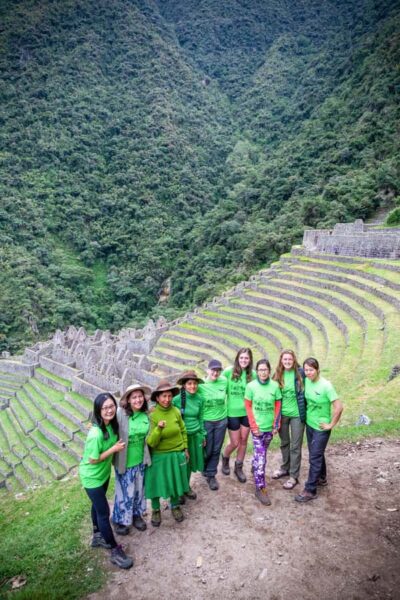
In the afternoon, you follow the Inca Trail segment for about 3 hours to reach Llactapata (around 2,750 m). Llactapata is an Inca site with your first stunning view of Machu Picchu. And then you camp overnight with the citadel in sight.
Why this day matters: it changes the way you look at the last two days. Once you see Machu Picchu from Llactapata, it stops being a distant myth and becomes a destination you can almost touch.
Possible drawback to plan for: you’re doing a mix of hiking and cultural stops. If you prefer a pure trekking day with fewer scheduled activities, Day 3 might feel a little busy. Still, most people find the flow worth it.
The Salkantay route, run by other outfits
Day 4: Machu Picchu Views from Camp, Hydroelectric, and Hot Springs in Aguas Calientes
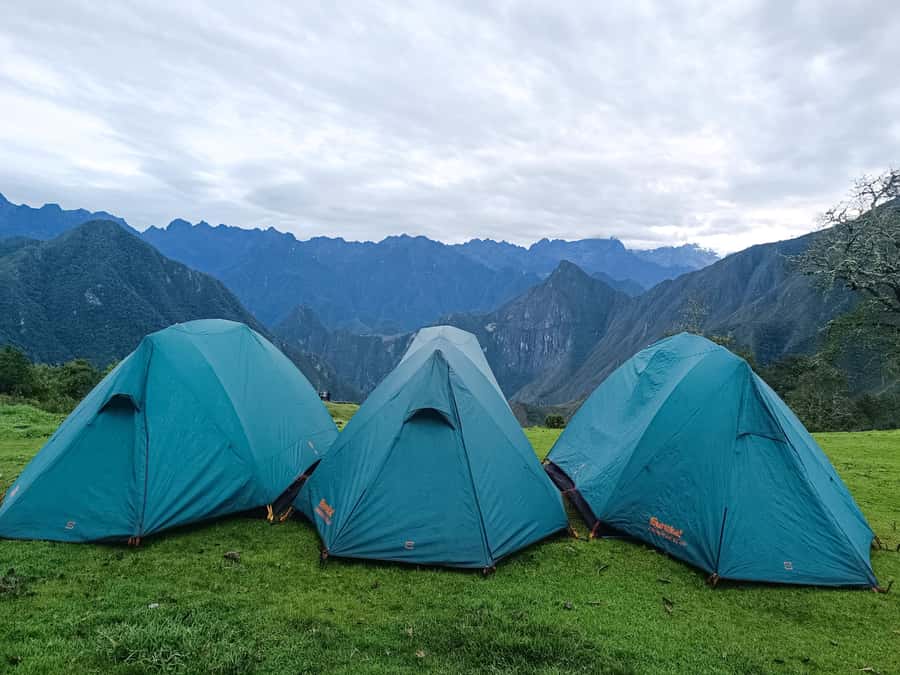
Day 4 begins with an early view of Machu Picchu from your tent, plus coffee. That moment alone makes the Llactapata night feel more than a “sleeping stop.”
You descend for about 2 hours to the hydroelectric station, and you’ll have a final brunch with your trekking team. After that, you hike about 3 hours along the railway and the Urubamba River to Aguas Calientes.
There’s also a stop at Mandor Botanical Gardens, known for birdlife and orchids. This is a nice palate cleanser before Machu Picchu, especially if you’ve been in mountain air for days.
Then you check into a 3-star hotel in Aguas Calientes. The evening is flexible, and that matters on Day 4 because your body needs decompression. Hot springs are an obvious choice if you want to loosen up your legs. You can also just wander town and eat a normal meal at a local restaurant.
Here’s the practical thing I’d watch: after several days of planned meals, it can feel odd to switch to a slower dinner schedule. If you can, eat early enough that you still sleep well. Machu Picchu morning is early, and a good night’s rest helps.
Day 5: Machu Picchu Sunrise, Guided Citadel Time, and the Vistadome or 360° Return
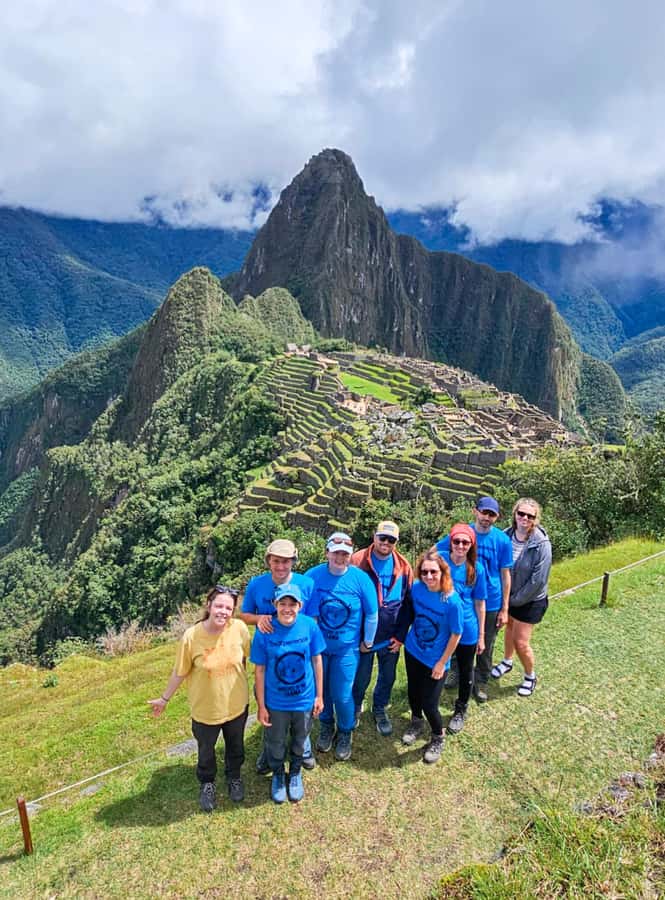
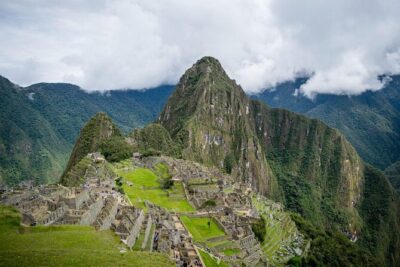
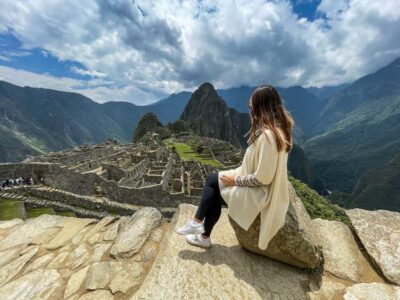
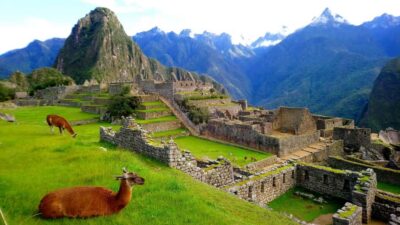
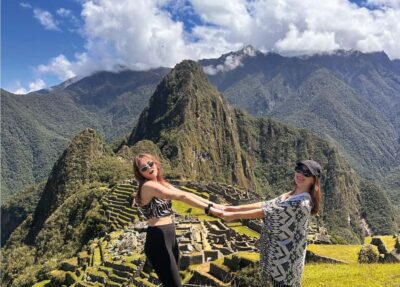
On Day 5, you start with an early breakfast, then take a bus to Machu Picchu for sunrise. Watching the citadel in morning light is the kind of moment that reorders your brain. You won’t just see ruins, you’ll understand why people build stories around this place.
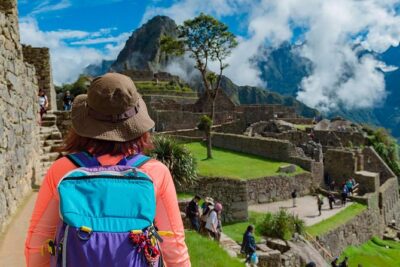
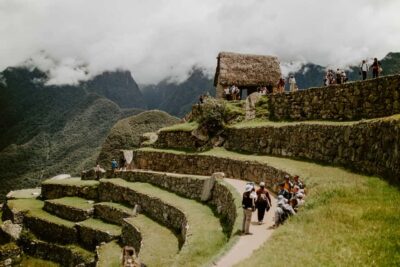
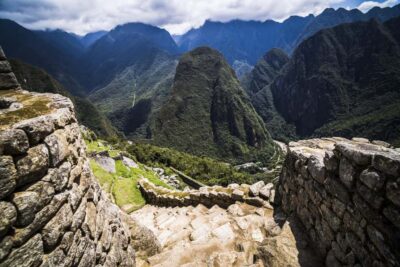
You get a guided tour of the citadel, usually around 2 to 3 hours. That guide time matters because Machu Picchu is not obvious. The layout, terraces, water control, and viewpoints all connect. With a strong guide, you’ll walk away feeling like you learned how it worked, not just what it looks like.
After the guided portion, you can explore on your own. If you want the extra challenge, you can hike Huayna Picchu or Machu Picchu Mountain, but passes need to be booked in advance. If you do not have those passes, you can still enjoy plenty of walking routes inside the site.
After touring, you head back to Aguas Calientes for lunch. Then the travel rhythm turns from footpower to rails: you board the Panoramic Vistadome or the 360° train to Ollantaytambo. A private van brings you back to Cusco, typically arriving around 7:30 pm.
Why the train is worth talking about: you end the trip without a long bus grind. Train windows also give you a relaxed chance to look back at the region you just hiked through.
Price and Value: Is $655 a Good Deal Here?
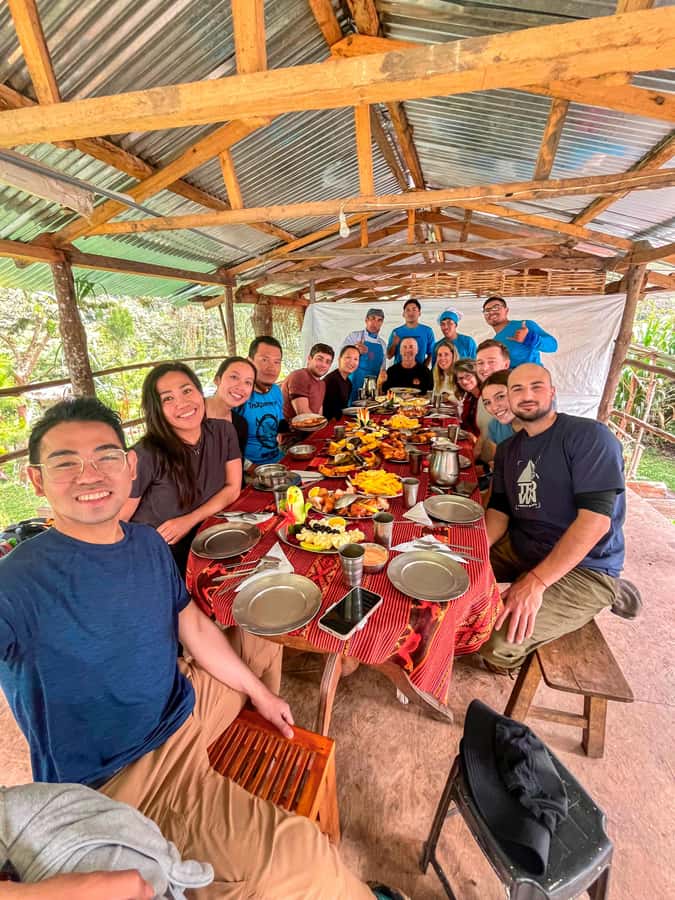
$655 per person is not cheap, but it’s also not just a ticket price. This cost bundles the high-expense parts most DIY hikers end up paying for separately.
In the included package, you’re getting:
- Entrance tickets for the Salkantay Trek and Machu Picchu
- A professional guide and a pre-trip safety briefing
- Meals across the trek (you’ll receive 4 breakfasts, 3 lunches, and 3 dinners, plus daily snacks and water)
- Camping gear support like the duffel bag handling, sleeping pad, pillow, rain poncho, and hand towels
- A move-heavy travel day plan, including bus to Machu Picchu and the Vistadome or 360° train ride back
Where you can lose value is if you already planned to do Machu Picchu with a packed schedule and you still need to rent or buy your own trekking setup. Here, some basics are provided, but you still may need rentals like a sleeping bag, inflatable mattress, or trekking poles. Also, optional mountain passes for Huayna Picchu or Machu Picchu Mountain are not included and must be booked separately.
The biggest value here is that the trip reduces decision fatigue. You’re not spending your vacation solving logistics at altitude. When people have train chaos in Cusco, it also helps to have guides who know how to get you to the right connections. Some groups mention that guide teams handled timing problems so you could focus on the trek.
What Altitude Really Means for You (and How to Prepare)
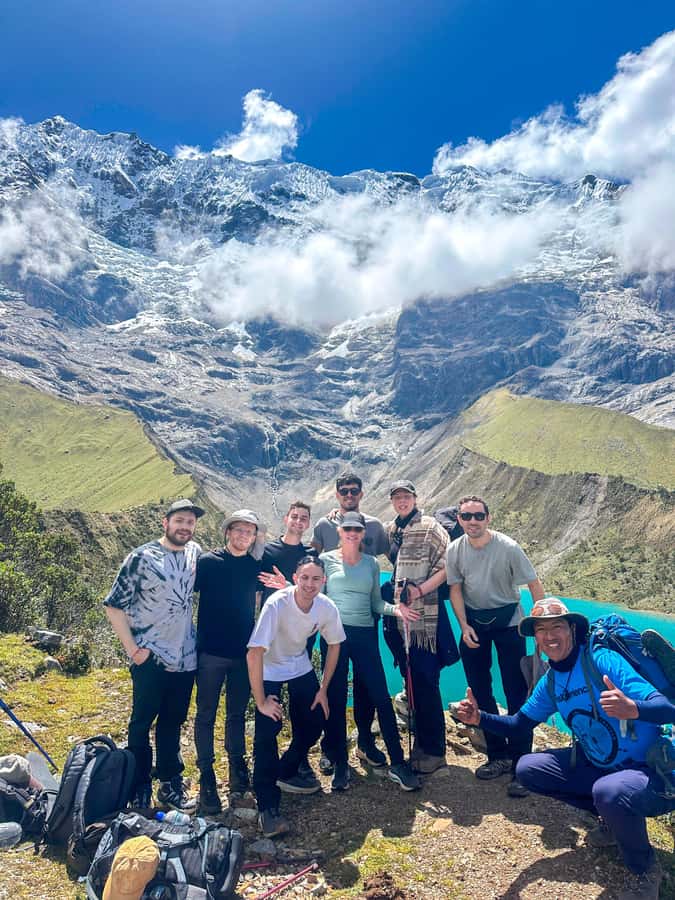
This trek includes multiple high points:
- Humantay Lake around 4,200 m
- Salkantay Pass around 4,630 m
- Several nights spent above 2,700 m, including camping and hut stays
- Then you drop to much lower elevations like Lucmabamba around 2,000 m
That pattern is great for hiking variety, but it also means your body will have to adjust. Day 1 is where a lot of people feel it most, and then Day 2 becomes the next altitude test.
A practical tip from real experiences: some hikers choose to discuss acetazolamide with their doctor before traveling and bring it if it’s appropriate for them. I’m not going to pretend medicine is a one-size fix, but altitude planning is smart. Also, bring warm layers. Nights at camps can feel cold even when daytime sun is strong.
What to do on the trail:
- Walk slower than you think you need to
- Keep sipping water regularly
- Tell your guide early if you feel off
- Use the breaks and snacks you’re offered
You also get oxygen backup and first-aid support as part of the safety setup, which helps you feel less alone if something goes wrong. Still, no safety gear replaces good pacing and common sense.
Packing Tips That Keep the Trek Easy
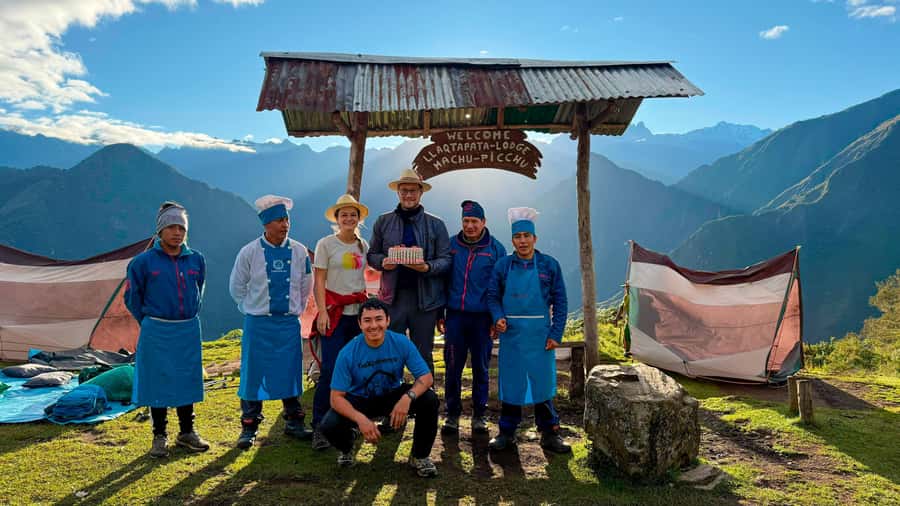
This trip gives you some essentials, but you still carry the rest. Plan around what you need for Machu Picchu too.
Key packing guidance:
- Bring your passport, since Machu Picchu entry depends on it
- Wear comfortable hiking shoes, and consider trail shoes that handle uneven ground
- Bring sunglasses and a sun hat, because high altitude sun is intense
- Pack sunscreen and insect repellent
- Bring rain gear and warm layers, even if the forecast looks sunny
- Keep extra cash on hand, since you might need it for small purchases
- A lightweight backpack is recommended, no larger than 25 L, since larger bags cannot go into Machu Picchu
Also, if you’re renting items, check what you want ahead of time. Sleeping bag, inflatable mattress, and trekking poles can be rented, but they’re not included by default.
Who This Trek Fits Best (and Who Should Rethink It)
This experience is built for people who want a meaningful challenge and don’t mind hiking days with steep stretches. It’s designed for physical travelers comfortable with long walks, big elevation changes, and camping nights.
It’s specifically described as not suitable for:
- Pregnant women
- People with back problems
- People with mobility impairments
- People with heart problems
- Wheelchair users
If you fit those categories, it may be worth looking for a different Peru plan with less elevation pressure. If you’re generally healthy and you’re willing to pace slowly, this trek can be a rewarding blend of mountain drama and cultural stops.
Group size matters too. With a maximum of 16 participants, you’re more likely to get attention from your guides, and that matters on tough days like the pass.
Should You Book This 5-Day Salkantay Trek with Panoramic Train?
Book it if you want:
- A trek that ends with Machu Picchu sunrise and a guided citadel walk
- High-altitude highlights like Humantay Lake and Salkantay Pass
- Real comfort touches, including glamping and organized meals
- A cultural day with Pachamanca plus coffee
- A smoother finish to Cusco via Vistadome or 360° train
Skip it or reconsider if:
- You know altitude hits you badly and you’re not ready to manage it with your doctor’s guidance
- You need a fully non-camping style trip
- You prefer your days to be less structured, since this plan has set hiking segments and scheduled cultural moments
If you’re on the fence, choose your future self. If you’re willing to hike, pace, and follow your guide’s advice, this is one of the most complete ways to experience Salkantay and Machu Picchu in five days.
FAQ
What is included in the tour price?
The price includes a professional guide, safety briefing, entrance tickets for Salkantay Trek and Machu Picchu, hotel pickup and drop-off near Cusco, round-trip bus to Machu Picchu, and the Panoramic Vistadome or 360° train return. It also includes most meals (4 breakfasts, 3 lunches, 3 dinners), daily snacks, water, camping accommodations, and several safety items.
Do I need a sleeping bag for this trek?
A sleeping bag is not included. You can rent one, along with other optional items like an inflatable mattress or trekking poles.
How early is the pickup, and how does the day start?
Pickup is around 4:30 am from your hotel or Airbnb near Cusco’s historic center.
What train do I take back to Cusco?
You’ll take either the Panoramic Vistadome or the 360° train from Ollantaytambo. After the train, a private van returns you to Cusco, arriving around 7:30 pm.
Is Machu Picchu sunrise part of this experience?
Yes. On Day 5 you take one of the first buses to Machu Picchu to watch sunrise, then enjoy a guided tour of the citadel.
Are mountain hikes at Machu Picchu included?
Huayna Picchu Mountain and Machu Picchu Mountain passes are not included. If you want those hikes, you need to book the passes in advance.
What should I bring for the trek?
Bring your passport, comfortable hiking shoes, sunglasses and sun hat, sunscreen, rain gear, warm layers, insect repellent, basic toiletries, personal medication, and cash. A lightweight backpack is recommended, no larger than 25 L, since larger bags cannot go into Machu Picchu.
More Trains to the Mountain
- Cusco: Machu Picchu 2-Day Inca Trail with Panoramic Train
★ 4.9 · 260 reviews - The First Class Machu Picchu Train by Inca Rail
★ 4.0 · 182 reviews - From Cusco: 1-day Machu Picchu Tour by Train
★ 4.6 · 138 reviews - 2-Day Machu Picchu Tour by train from Cusco ( All included )
★ 5.0 · 85 reviews - From Cusco: Sacred Valley & Machu Picchu 2-Day Tour by Train
★ 4.9 · 79 reviews
Salkantay, Other Operators
- Salkantay Trek Challenge – 3 Days / 2 Nights
★ 5.0 · 101 reviews - Small Group 5 Days Salkantay and Machu Picchu by Llactapata Tour
★ 5.0 · 88 reviews - Salkantay Trek 4 Days to Machu Picchu by Glamping Sky Lodge Dome
★ 5.0 · 68 reviews - Salkantay Trek to Machu Picchu in 4 days
★ 4.5 · 50 reviews - Salkantay Trek Standard 5D/4N
★ 5.0 · 48 reviews
Machu Picchu, Three More Ways
- From Cusco: Full-Day Group Tour of Machu Picchu
★ 4.7 · 1,767 reviews - Machu Picchu Day Trip from Cusco
★ 4.5 · 1,644 reviews - Machu Picchu: Full-Day Tour from Cusco with Optional Lunch
★ 4.6 · 927 reviews - Cusco: 4-Day Inca Trail to Machu Picchu with Accommodation
★ 4.8 · 432 reviews - From Cusco: 2-Day Trip to the Sacred Valley and Machu Picchu
★ 4.6 · 265 reviews
Fresh in from Cusco

Machu Picchu & Aguas Calientes Tours, compared.
 ★ 4.7Full-Day Group Tour of Machu PicchuFrom $3211,767 reviews
 ★ 4.5Machu Picchu Day Trip from CuscoFrom $3361,644 reviews
 ★ 4.6Machu Picchu: Full-Day Tour from Cusco with Optional LunchFrom $283927 reviews
 ★ 4.84-Day Inca Trail to Machu Picchu with AccommodationFrom $470432 reviews
 ★ 4.62-Day Trip to the Sacred Valley and Machu PicchuFrom $370265 reviews
 ★ 4.9Machu Picchu 2-Day Inca Trail with Panoramic TrainFrom $582260 reviews
 ★ 4.22-Day Inca Trail to Machu PicchuFrom $290244 reviews
 ★ 4.9Machu Picchu: Inca Trail 2-Day Overnight Guided TourFrom $585203 reviews
Browse the lists this tour appears in