
REVIEW · HIKING & TREKKING
Choquequirao Trek 4 days and 3 nights
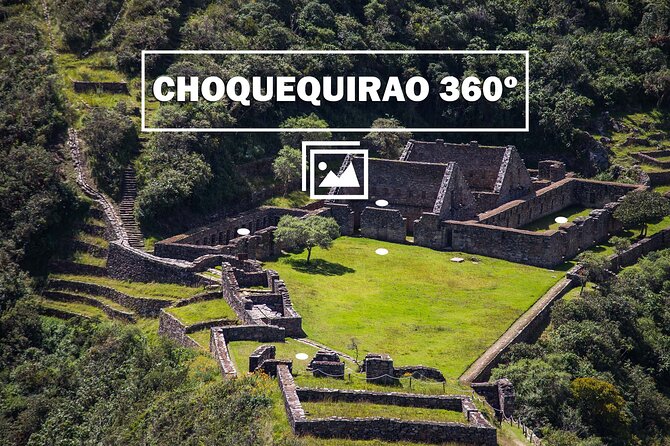
Four days of Incas, minus the crowds. This Choquequirao trek gets you off the usual main trail, starting with early Cusco pickups and a long downhill start toward Choquequirao viewpoints over the Apurimac Canyon. You’ll hike through high Andean terrain that starts to feel more lush as you drop, then finish with a quieter, personal way of exploring the ruins.
I especially like the round-trip support built into the schedule, with hotel or airport pickup, a pre-departure briefing, and private transport parts where you do not want to figure things out. Second, I love the chef-run meals on the trail. Multiple people highlight how fresh, varied food can be when you are hiking all day at altitude, including options for vegetarians.
One consideration: you start early, right around 4:30 am, and you’ll be walking for long stretches each day. It is labeled moderate, but you still need a solid baseline fitness, plus light packing, since key comfort items like a sleeping bag and poles are not included.
Key highlights you’ll care about
- Quiet-feeling Choquequirao time: small-group pacing and a sunrise start help you experience the ruins without feeling rushed.
- Chef-run food that changes: expect full meals, not snack-board vibes, with vegetarian options available.
- Porter support for 7 kg per person: you can keep your pack sane and focus on your footing.
- Apurimac Canyon viewpoints built into Day 1: early downhill trekking gives you dramatic canyon panoramas.
- Multiple camp zones: Santa Rosa and Chiquiska show up as key names as you move through the route.
- Saywite rock on the final day: you finish with a separate archaeological stop after the climb back to Capuliyoc.
More trails out of Cusco
- From Cusco: 7 Lakes Ausangate Trek with Breakfast and Lunch★ 4.8 · 360 reviews
- Cusco: Rainbow Mountain Tour and Red Valley Hike (Optional)★ 4.7 · 149 reviews
- Cusco: Full-Day Rainbow Mountain & Red Valley Trekking Tour★ 4.5 · 121 reviews
- Salkantay Trek Challenge – 3 Days / 2 Nights★ 5.0 · 101 reviews
Why Choquequirao Feels More Personal Than the Usual Big Hits
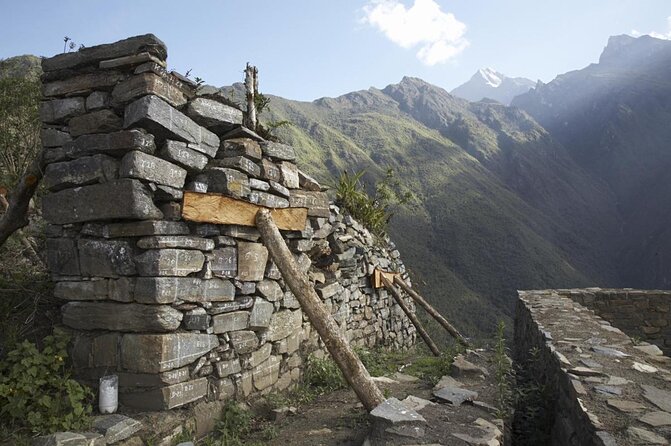
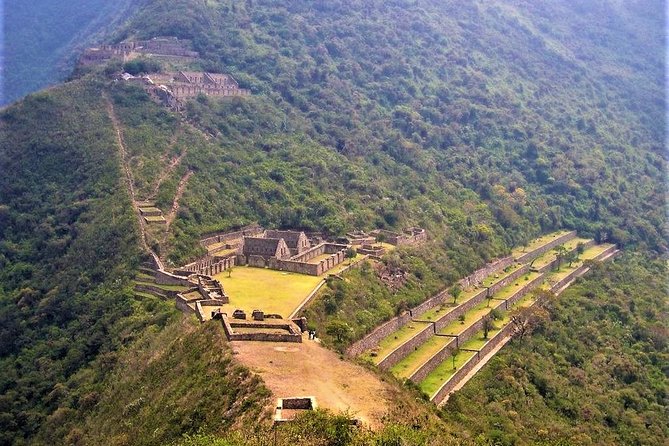
Choquequirao is often described as a lost Inca city, and what you feel on this route is the payoff of walking in for it. You are not just seeing a site, you are working toward it, step by step, while the canyon views open up around you.
The big value here is timing and group size. This trek is capped tightly, with the operator advertising limited numbers (often 12) and the activity description listing a maximum of 16 travelers. That tighter cap matters when you want time to look closely at stonework and sit with the place instead of constantly dodging crowds.
Even people who are normally hard to impress keep coming back to the same theme: once they got to Choquequirao, the area felt close to their own. That does not mean it is empty, but it does suggest the pacing is designed to keep you from being swept along in a big pack.
Price and What You Actually Get for $698 in Peru
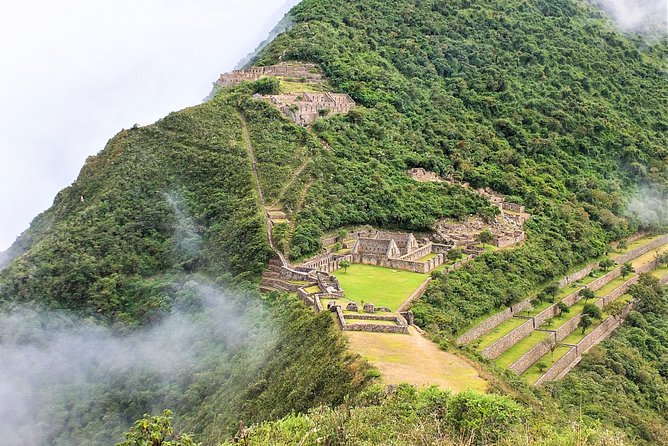
At $698 per person, this trek is not cheap. But the price is not just “a guide and a hike.” You are paying for a working team and the daily logistics that add up fast in Peru: transfers, meals, campsite support, and included admission tickets.
Here’s what the package includes that you would otherwise pay for or organize yourself:
- Round-trip transportation, including pickup from your Cusco hotel (and possibly airport options depending on your booking).
- A before-departure briefing the night before.
- Professional English-speaking tour guides.
- A chef who prepares all meals on the trek.
- Porters, including a personal porter for your personal staff up to 7 kg.
- Breakfast and lunch each day, plus dinner on three evenings.
What is not included is also important. Sleeping bag, mattress, and trekking poles are optional. If you travel light already, you may be fine with your own gear plus a rental or advice from the operator. If you are arriving from the other side of Peru and you have nothing, budget a little time to sort your comfort gear.
Cusco Morning Logistics: Pickup, Briefing, and the 4:30 am Reality
You start early, between 4:30 am and 5:00 am, with meeting time around 4:30 am. You get driven out across the Andes to Capuliyoc, reaching it roughly around 8:30 am. That timing is a two-part trade:
1) You get the cooler morning temperatures for the descent.
2) Your body has to handle an early wake-up and a long day.
The good news is that the transfer is handled for you. You are not coordinating taxis at dawn or trying to read bus schedules on a phone that is losing battery. You also get a briefing the night before at 6:00 pm, which helps you understand expectations and pack your day correctly.
For many people, the “smooth” part is what makes a hard hike feel doable. The route is challenging enough on its own. You want the travel day and the decision fatigue to be handled.
Day 1: Capuliyoc Downhill, Chiquiska Lunch, and Santa Rosa Camps
Day one starts with Capuliyoc at high elevation, listed at about 2,911 m (9,550 ft). After breakfast, you begin your first trekking push downhill, around four hours, to Chiquiska for lunch.
This is where you get your first real payoff: early panoramas over the Apurimac Canyon, described as one of the deepest canyons in Peru. You can expect big shifts in what you see as you descend, from higher Andean zones into areas that feel more like cloud forest, with denser vegetation.
After lunch, you continue downhill for about two more hours to Santa Rosa, where you camp for the night. The numbers provided are:
- Distance: 10.8 km (6.7 miles)
- Total hiking time: about 6 hours
- Camp elevation: about 1,478 m (4,849 ft)
- Difficulty: moderate
A practical note: downhill hiking can still be tough, especially on knees. If you have trekking poles, they help with the “feet-meet-stone” moments. If not, take your time and keep steps short.
More four-day routes
Day 2: Marampata to Choquequirao Area, More Descent, Another Campsite Night
Day two keeps the early rhythm, again leaving Cusco in the pre-dawn window. You drive across the Andes and arrive around 8:30 am, then you start hiking after breakfast.
The route details you are given focus on moving downhill through the same general zone: Chiquiska comes up again for lunch, then you continue to Santa Rosa for the night. The timing and distance listed match the day-one hiking block:
- Distance: 10.8 km (6.7 miles)
- Approximate hiking time: 6 hours
- Highest elevation crossed: 2,911 m (9,550 ft)
- Camp elevation: about 1,478 m (4,849 ft)
- Difficulty: moderate
The heading also calls out Marampata and Choquequirao. Even when the numbers repeat, the experience usually changes. You are building altitude comfort and learning your pace. By now, you have the routine down: breakfast, steady walking, lunch recharge, then camp.
If you want a quieter feel, this is also the day when you stop thinking like a tourist with photos and start moving like a hiker who notices birds, flowers, and water sounds. That sets you up well for day three, when the ruins take center stage.
Day 3: Sunrise at Choquequirao, Then Long Moves Between Santa Rosa and Chiquiska
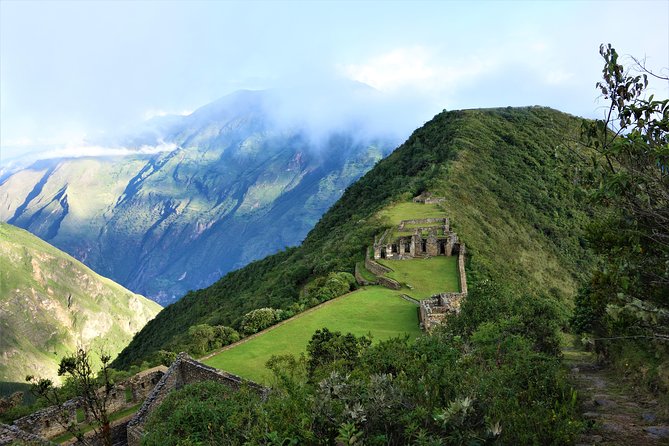
Day three is the star day. You wake up and watch sunrise at Choquequirao, then eat breakfast before heading downhill again.
After breakfast, you have about a three-hour downhill walk to Santa Rosa for lunch. Then you continue with more hiking: two hours downhill and two hours uphill until you reach the campsite at Chiquiska.
The trail metrics listed for day three:
- Distance: 8 km (11.32 miles)
- Approximate hiking time: 8 hours
- Highest elevation crossed: about 3,100 m (9,300 ft)
- Camp elevation: about 1,450 m (4,350 ft)
- Difficulty: moderate
The route here is more varied than day one and two because you do both down and up. That is often what makes this day feel longer, even with fewer kilometers.
Also, this is the day where the natural details become memorable. The description mentions lots of flowers, birds, and distant waterfalls. It is a reminder that you are not just hiking between ruins, you are passing through a living mountain environment.
Day 4: The Uphill Back to Capuliyoc, Lunch, and Saywite Rock
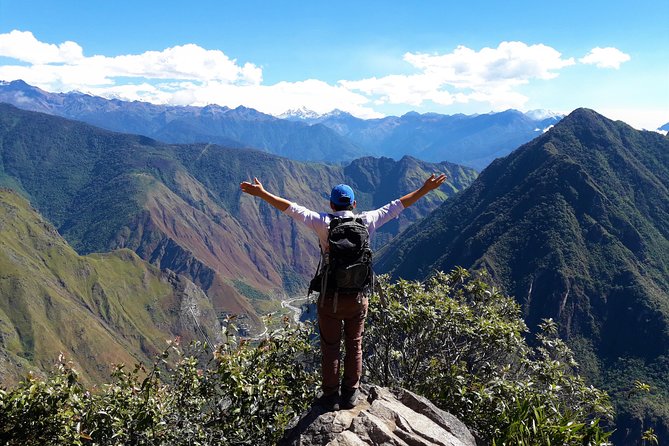
Final day is both a finish line and a reminder that Peru does not do gentle endings. You get breakfast, then you do a final uphill trek of about four hours back to Capuliyoc, where you have lunch. After that, you say goodbye to the team and transfer by private transportation to Saywite.
Saywite is described as a mysterious rock archaeological site. You get time to explore before you are dropped back at your hotel around 5:00 pm.
Key numbers provided for day four:
- Distance: 8 km (11.32 miles)
- Approximate hiking time: 8 hours
- Highest elevation crossed: about 2,850 m (9,407 ft)
- Difficulty: moderate
You might wonder why hiking time is listed as 8 hours if the uphill portion is about 4 hours. The likely answer is simple: the full day includes lunch time, Saywite exploration, and transfers. Plan for a long day, even if the hardest climbing is concentrated in the morning.
The Team Matters: Guides, Chef, and Porters That Lift the Burden
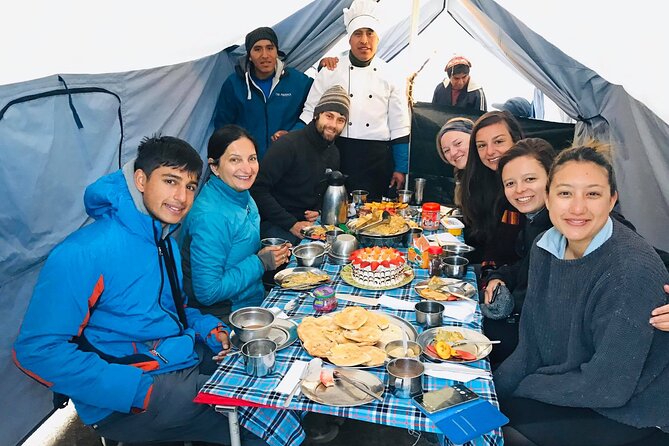
The real difference between a miserable trek and a memorable one is rarely the scenery. It is how you are supported.
This trek is built around a guide, a chef, and porters. Meals are fully handled by the chef, who prepares breakfast, lunch, and dinner. The personal porter concept is also huge: you get a porter for your personal staff up to 7 kg. That means you can pack like an adult, not like a pack mule, and keep your load closer to what your back can comfortably manage.
Guides on this kind of trek are not just there to keep you from getting lost. They also help keep the day moving smoothly. Multiple past groups highlight the calm, supportive style of guides and the way the team steps in when someone is struggling with steep steps or mental fatigue.
A practical tip: even with porters, you should pack smart. Put your warm layers and essentials at the top. When the weather shifts or you stop for a long break, you want to get comfortable fast.
Food on the Trail: Why the Chef Setup Changes Everything
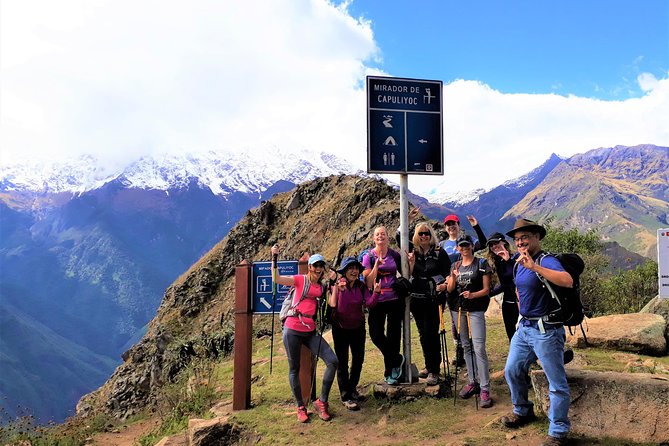
Expect proper meals, not basic trekking fuel. The schedule includes four breakfasts, four lunches, and three dinners. That is a real pattern, day after day.
What people praise most is variety. In multiple accounts, guests mention never eating the same meal twice and being surprised by how good food can be at altitude. You also have a vegetarian option available, as long as you tell the operator at booking and mention dietary requirements.
This matters because food is your energy plan. When you are hiking 6 to 8 hours a day, your body needs more than water and grit. A good meal at the right time is what helps you keep moving instead of “just surviving.”
Gear, Fitness, and Altitude: What to Prepare Before You Go
This trek is labeled moderate, but do not treat “moderate” like “easy.” You are walking in the high Andes, with elevations that hit around 2,911 m (9,550 ft) and day three listing a high point around 3,100 m (9,300 ft). Even if you have hiked before, altitude can change your pace.
You will walk:
- About 6 hours on days one and two
- About 8 hours on day three
- About 8 hours on day four, including transfers and exploration
Also, what gear you bring changes your comfort. Sleeping bag, mattress, and trekking poles are not included. The operator says they can guide you, so if you are missing gear, ask early. If you already have poles and a sleeping setup, you will travel lighter and sleep better.
Finally, packing matters. Since you get only up to 7 kg carried by a personal porter for your personal staff, bring what you truly need. Layering beats bulk. And keep your essential items you might need during the day somewhere you can reach without digging.
Who Should Book the Choquequirao Four-Day Trek?
You should consider this trek if:
- You want a challenging hike with real daily structure and support.
- You like smaller-group travel and prefer feeling more “arrived” when you reach the ruins.
- You care about food and comfort enough that you want a chef and camp routine rather than improvising.
- You have moderate fitness and you can handle long hiking days and some uphill at the end.
This is also a good match if you want Choquequirao experience without the sense of being herded. Some people specifically mention that once they reached the site, they felt they had room to explore.
If you want a fully comfortable, minimal-walking vacation, this is not that. The payoff is earned.
Should You Book This Trek to Choquequirao?
If you like hiking, want a quieter feel at the Inca ruins, and appreciate strong logistical support, I think this one is worth booking. The price includes the stuff that matters most on a multi-day trek: transfers, guides, chef-prepared meals, and porter support.
Before you lock it in, do two things:
- Confirm the group size for your exact departure, since the operator advertises a cap in the 12 to 16 traveler range.
- Plan your gear. If you need a sleeping bag, mattress, or poles, sort that early since they are not included.
If your goal is to walk into Choquequirao with time to look, time to breathe, and a team handling the hard parts, this is the kind of trek that tends to leave people grateful, not just tired.
FAQ
What time does the Choquequirao trek start in Cusco?
The tour meeting time is 4:30 am, and departures are scheduled between 4:30 am and 5:00 am from Cusco.
How long is the trek and how many nights are included?
It is four days and three nights.
What is included with the $698 per person price?
The price includes all transportation from start to finish, a pre-departure briefing the night before, a chef to prepare meals, a personal porter for up to 7 kg of personal staff, pickup from your hotel, professional English-speaking guides, and meals (four breakfasts, four lunches, and three dinners). Admission tickets are also included.
Are vegetarian meals available?
Yes. A vegetarian option is available, and you should advise the operator at booking, along with any specific dietary requirements.
Do I need to bring a sleeping bag or trekking poles?
Sleeping bag, mattress, and trekking poles are not included. The operator says it can offer guidance, so ask what to arrange if you do not have your own gear.
What fitness level do I need for this trek?
The trek is for travelers with a moderate physical fitness level. Each day includes multiple hours of hiking, and the itinerary lists moderate difficulty overall.
More Four-Day Routes
- Cusco: 4-Day Inca Trail to Machu Picchu with Accommodation
★ 4.8 · 432 reviews - 4 Day Tour to the Manu National Park
★ 5.0 · 81 reviews - Cusco Sacred Valley and Machupicchu 4 Days
★ 5.0 · 80 reviews - Ancascocha Trek To Machu Picchu 4 Days And 3 Nights
★ 5.0 · 77 reviews - 4 Day Inca Trail Trek to Machu Picchu Multi day tour
★ 5.0 · 70 reviews
More Trails Out of Cusco
- From Cusco: 7 Lakes Ausangate Trek with Breakfast and Lunch
★ 4.8 · 360 reviews - Cusco: Rainbow Mountain Tour and Red Valley Hike (Optional)
★ 4.7 · 149 reviews - Cusco: Full-Day Rainbow Mountain & Red Valley Trekking Tour
★ 4.5 · 121 reviews - Salkantay Trek Challenge – 3 Days / 2 Nights
★ 5.0 · 101 reviews - From Cusco: Rainbow Mountain Trek
★ 4.5 · 98 reviews
More Tour Reviews in Cusco
- Cusco: Humantay Lake Tour with Breakfast and Buffet Lunch
★ 4.9 · 2,976 reviews - From Cusco: Moray, Maras Salt Mines & Chinchero Weavers Tour
★ 4.8 · 1,925 reviews - From Cusco: Full-Day Group Tour of Machu Picchu
★ 4.7 · 1,767 reviews - Machu Picchu Day Trip from Cusco
★ 4.5 · 1,644 reviews - Cusco: Half-Day City Tour with Sacsayhuaman and Q’enco
★ 4.6 · 1,129 reviews
Fresh in from Cusco

Hiking & Trekking, compared.
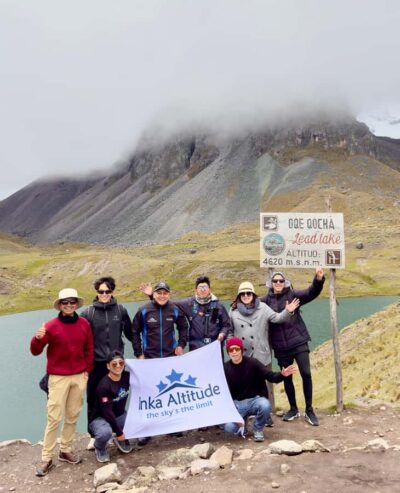 ★ 4.87 Lakes Ausangate Trek with Breakfast and LunchFrom $29360 reviews
 ★ 4.7Rainbow Mountain Tour and Red Valley Hike (Optional)From $29149 reviews
 ★ 4.5Full-Day Rainbow Mountain & Red Valley Trekking TourFrom $145121 reviews
 ★ 5.0Salkantay Trek Challenge – 3 Days / 2 NightsFrom $680101 reviews
 ★ 4.5Rainbow Mountain TrekFrom $6198 reviews
 ★ 5.0Private Palccoyo Rainbow Hike Without the CrowdsFrom $19986 reviews
 ★ 5.0Machu Picchu: 5-Day Salkantay Trek with Panoramic TrainFrom $65579 reviews
 ★ 5.0Ancascocha Trek To Machu Picchu 4 Days And 3 NightsFrom $73077 reviews
Browse the lists this tour appears in