
REVIEW · MACHU PICCHU & AGUAS CALIENTES TOURS
Ancascocha Trek To Machu Picchu 4 Days And 3 Nights
A waterfall and Inca ruins, then real mountain pain. This 4-day Ancascocha trek to Machu Picchu trades the busiest trails for a smaller-group route with camping, cooking, and guided history along the way. I especially liked the small-group feel, which keeps the pace human and the guide easy to ask questions to.
What I also liked is that the first day already hits real altitude and meaningful sites, starting at Soqma (10,512 ft) and climbing to Kuychiccasa pass (14,599 ft). The main drawback to consider is the required strong physical fitness level, since it includes steep ascents and high-elevation hiking.
Why this Ancascocha trek feels different
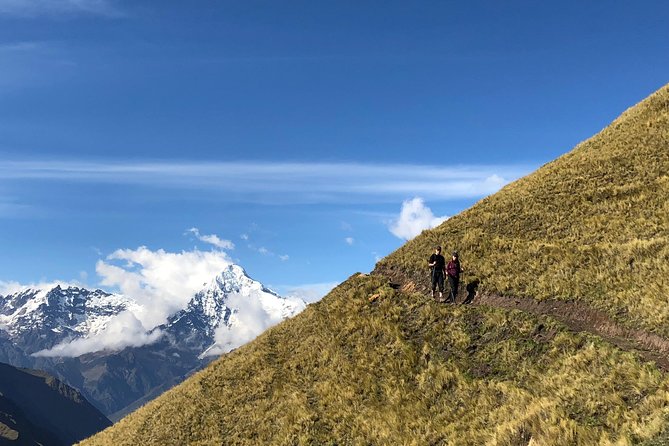
Instead of walking the same classic corridors as the Inca and Salkantay routes, you get a more remote mix of Inca ruins, Andean villages, and dramatic viewpoints. You still end at Machu Picchu with a guided visit, but the journey there feels more like Peru on foot, not Peru in a crowd.
Other ways into the citadel, side by side
- Machu Picchu Day Trip from Cusco★ 4.5 · 1,644 reviews
- Machu Picchu: Full-Day Tour from Cusco with Optional Lunch★ 4.6 · 927 reviews
- Cusco: 4-Day Inca Trail to Machu Picchu with Accommodation★ 4.8 · 432 reviews
- From Cusco: 2-Day Trip to the Sacred Valley and Machu Picchu★ 4.6 · 265 reviews
Quick hits you will care about
- Avoid the busiest Machu Picchu trail crowds, by hiking the Ancascocha route instead of the classic Inca and Salkantay corridors
- Camping, meals, and national park fees are included, so you are not doing math every day
- Day 1 sets the tone with waterfall views and an Inca site, plus a pass climb over 14,500 ft
- A small group (max 30) means more attention from your guide when the altitude gets real
- Your Machu Picchu day includes a guided ruins tour, but the Aguas Calientes to Machu Picchu bus is not included
Cusco pickup, then straight to the trail
This trek starts in Cusco, with hotel pickup and then a drive of about 1 hour 45 minutes to Soqma. That transfer matters. If you have ever tried to jump straight into altitude hiking without warming up, you know how quickly things can get messy.
Once you reach the starting point, the trek immediately goes to work. You are not easing into a flat warmup walk. Even on day 1, you move through viewpoints and ruins, then push upward to lunch at Rayan, then keep climbing toward the high pass.
Also, the trek includes a mobile ticket, which usually means fewer last-minute paper headaches. Add in the fact that you will finish with a guided Machu Picchu visit, and you get a trip that is pretty “hands-on” without feeling overly packaged.
Day 1: Soqma, the waterfall lookout, then the pass climb
Day 1 is where this trek shows its personality. It is scenic early, then turns athletic as you gain altitude.
You begin with a 2-hour walk to the Perolniyoc cascade lookout. The waterfall is described as breathtaking, and the route is long enough that you feel like you earned it. This is a good moment to pace yourself. Don’t sprint for the lookout, even if everyone around you looks fresh. Altitude loves to punish early enthusiasm.
From the waterfall area, you hike about 45 minutes more to the Inca site of the same name. The ruins sit on a cliff-top, with broad valley views. Your guide shares history and you also get time to wander through the site. The free wandering time is underrated. It lets you slow down, take photos without a time leash, and actually look at the stonework.
Then the day pivots into the harder climb. You make a steep ascent for around 1 hour to reach Rayan for lunch at 12,139 ft. One practical thing I love about this design is that lunch comes after the rough climb, not after an easy stroll. Your body knows what is coming, and you can refuel before the next uphill push.
In the afternoon, you tackle the 3-hour uphill hike to Kuychiccasa pass (14,599 ft). Expect more rustic houses of local farmers along the way, plus constant mountain views of the Nevadas peaks, and even llamas as you climb. This is the day’s big effort, so it pays to take short pauses, sip water, and keep your breathing steady. If you are the type who tries to power uphill, consider switching to a slower rhythm here.
At the top, you take a break to absorb the Chancachuco Valley views. After that, it is a 45-minute downhill to camp at about 14,147 ft. Since the campsite is already prepared, you can switch into warmer clothing when you arrive. That matters because nights at altitude can feel brutally cool even if you started warm.
Days 2 and 3: Inca ruins, villages, and two nights camping
Specific stop-by-stop details for days 2 and 3 are not laid out here, but the overall trek promise is clear: you hike past ancient Inca ruins, through traditional Andean villages, and through dramatic scenery. You also sleep two nights camping, with camping gear included.
This is where Ancascocha earns points for being more personal than the big-name routes. A small group helps, because you are not forced into one rigid line. You can ask your guide what you are seeing and why it matters, like how Inca settlement and trail placement shaped everyday life.
Camping also changes your experience in a subtle but real way. Daytime hiking is your workout. At night, you reset with a routine. You will eat included meals and settle in at camp after hiking. If you have ever done a trek where you spend the entire day waiting for the next van transfer, camping gives you the opposite. It turns your attention back to the trail and the people doing the work around it.
The food setup is another strong point. The inclusions list includes breakfast, plus buffet lunch and buffet dinner, and the trek is known for having dedicated cooks and support staff. Even without a detailed menu, the takeaway is practical: you are not expected to hunt for snacks or plan meals in a remote area.
More trails out of Cusco
Day 4: Aguas Calientes, then the guided Machu Picchu ruins visit
You finish with the Machu Picchu portion, supported by an included one-night B&B in Aguas Calientes. That overnight is valuable because it keeps you from rushing the day of your ruins visit. Aguas Calientes is where you base yourself before heading up toward Machu Picchu.
The trek also includes a guided tour of the ruins, so you are not wandering around Machu Picchu with only the map app and your best guess. A guide adds context on what you are looking at, how the Inca used the site, and what makes the layout so purposeful.
One important logistics note: the round trip bus tickets from Aguas Calientes to Machu Picchu on day 4 are not included. That is not a deal-breaker, but you should budget for it. It is also smart to plan your timing based on whatever bus schedules you are assigned, so you are not scrambling at the last minute.
What makes the small-group approach matter
This trek is capped at a maximum of 30 travelers. That is not tiny, but it is small enough to feel more like a group of people than a moving crowd. In practice, that tends to mean:
- You can hear instructions clearly at key moments
- Your guide can slow down for altitude-struggling hikers
- You have more chances to ask questions about Inca sites and village life
- Breaks feel flexible instead of forced
The reviews tied to this kind of experience repeatedly highlight the guides as a major strength, with names like Lino, Eddie, Christian, and Eddy showing up often. You also see other crew members credited for support and meals, including cooks such as Lina and Mario, plus horseman support like Oskar and Elsa in some versions of the trek. While not every group will have the same crew, it signals that Action Peru Treks puts real attention into the people running the experience.
If you care about human interaction, this style fits. If you want a silent hike where nobody talks, it might feel like you are getting more than you planned. But most people doing this are there for the combination of walking and meaning.
Price and value: what you actually get for $730
The price is $730.00 per person for 4 days (approx.) and 3 nights. The value is not just the headline cost. It is what is bundled.
Included items that reduce friction:
- Camping gear and meals (breakfast, buffet lunch, buffet dinner)
- National park fees
- Local guide
- Hotel pickup and drop-off
- Two nights camping
- One night at a B&B in Aguas Calientes
Not included items that you should budget for:
- Round trip bus tickets between Aguas Calientes and Machu Picchu on day 4
- Alcoholic drinks
- Anything labeled as an optional add-on, like excess luggage charges
When a trek includes park fees and your main food plan, it usually means fewer surprise costs mid-trip. That is especially helpful when altitude hiking limits how easily you can improvise. You show up with the right gear, and the trip handles the rest.
Fitness, altitude, and how to prepare without overthinking it
The tour is for travelers with a strong physical fitness level. Day 1 gives you a clear map of why: you start around 10,512 ft, hike through a waterfall lookout, then reach 12,139 ft for lunch, and hit Kuychiccasa pass at 14,599 ft.
A smart approach is to train for hiking stamina, not just speed. Practice hiking on uneven terrain if you can. If you cannot, do stairs, long walks, and short climbs. Once you are on the trail, focus on controlled effort, short pauses, and steady breathing.
You will also want layers. Daytime can feel manageable, then you camp at altitude and switch into warmer clothing. The trek specifically calls out changing into warmer gear after you reach camp, so bring what you need to stay comfortable at night.
Who should book this trek
This trek is a great match if you want:
- Machu Picchu, but with a quieter approach than the big crowds
- A small group where the guide is part of the experience
- Camping and included meals, without constantly planning logistics
- A day 1 that mixes views, ruins time, and a real pass climb
It is also a good pick if you enjoy nature plus history. You will see waterfall scenery and Inca ruins, not just one or the other.
It may be less ideal if you are injured, easily winded, or prefer flat walking only. The altitude and steep segments are not optional vibes on this one.
Should you book Ancascocha now?
I’d book it if you want Machu Picchu with a more personal trail experience. The combination of included camping, meals, national park fees, and a guided ruins tour gives you a lot of value for the money, and the route’s main pitch is very clear: avoid the most crowded corridors.
I would hold off if you are not confident in your ability to hike uphill at high altitude, especially with a pass climb on day 1. If you are ready for that challenge, the rewards start immediately, from the waterfall lookout to cliff-top Inca ruins, then into big valley views.
If you do book, plan for the one missing piece you will likely pay for yourself, the bus from Aguas Calientes to Machu Picchu on day 4, and make sure your packing matches cool high-altitude nights.
FAQ
How long is the Ancascocha trek to Machu Picchu?
It runs for about 4 days and 3 nights.
What is the price per person?
The price is $730.00 per person.
Do you get hotel pickup in Cusco?
Yes, hotel pickup and drop-off are included.
What does the trek include for camping and meals?
The trip includes two nights camping, national park fees, breakfast, lunch, and dinner (buffet meals are listed), plus camping gear.
Do I get a guided tour of Machu Picchu?
Yes. You visit Machu Picchu and enjoy a guided tour of the ruins.
Is the bus to Machu Picchu included on day 4?
No. Round trip bus tickets from Aguas Calientes to Machu Picchu on day 4 are not included.
Where do I stay overnight at the end?
One night at a B&B in Aguas Calientes is included.
How many people are in the group?
The maximum group size is 30 travelers.
What cancellation flexibility do I have?
You can cancel up to 24 hours in advance for a full refund.
What fitness level do I need?
The trek notes that travelers should have a strong physical fitness level.
More Trails Out of Cusco
- From Cusco: 7 Lakes Ausangate Trek with Breakfast and Lunch
★ 4.8 · 360 reviews - Cusco: Rainbow Mountain Tour and Red Valley Hike (Optional)
★ 4.7 · 149 reviews - Cusco: Full-Day Rainbow Mountain & Red Valley Trekking Tour
★ 4.5 · 121 reviews - Salkantay Trek Challenge – 3 Days / 2 Nights
★ 5.0 · 101 reviews - From Cusco: Rainbow Mountain Trek
★ 4.5 · 98 reviews
More Tour Reviews in Cusco
- Cusco: Humantay Lake Tour with Breakfast and Buffet Lunch
★ 4.9 · 2,976 reviews - From Cusco: Moray, Maras Salt Mines & Chinchero Weavers Tour
★ 4.8 · 1,925 reviews - From Cusco: Full-Day Group Tour of Machu Picchu
★ 4.7 · 1,767 reviews - Machu Picchu Day Trip from Cusco
★ 4.5 · 1,644 reviews - Cusco: Half-Day City Tour with Sacsayhuaman and Q’enco
★ 4.6 · 1,129 reviews
Machu Picchu, Three More Ways
- From Cusco: Full-Day Group Tour of Machu Picchu
★ 4.7 · 1,767 reviews - Machu Picchu Day Trip from Cusco
★ 4.5 · 1,644 reviews - Machu Picchu: Full-Day Tour from Cusco with Optional Lunch
★ 4.6 · 927 reviews - Cusco: 4-Day Inca Trail to Machu Picchu with Accommodation
★ 4.8 · 432 reviews - From Cusco: 2-Day Trip to the Sacred Valley and Machu Picchu
★ 4.6 · 265 reviews
Fresh in from Cusco

Machu Picchu & Aguas Calientes Tours, compared.
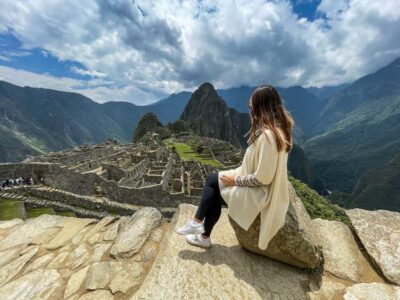 ★ 4.7Full-Day Group Tour of Machu PicchuFrom $3211,767 reviews
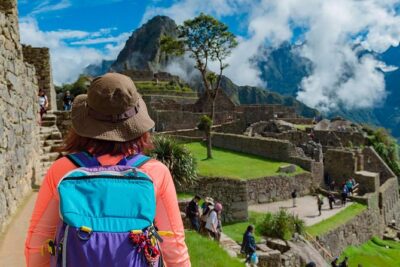 ★ 4.5Machu Picchu Day Trip from CuscoFrom $3361,644 reviews
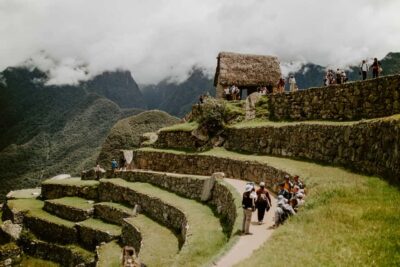 ★ 4.6Machu Picchu: Full-Day Tour from Cusco with Optional LunchFrom $283927 reviews
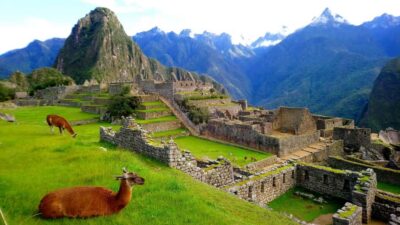 ★ 4.84-Day Inca Trail to Machu Picchu with AccommodationFrom $470432 reviews
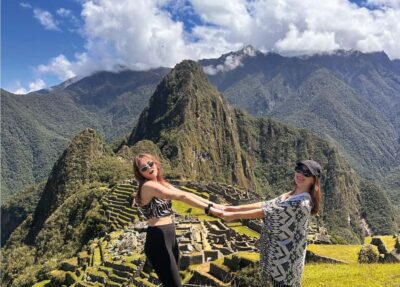 ★ 4.62-Day Trip to the Sacred Valley and Machu PicchuFrom $370265 reviews
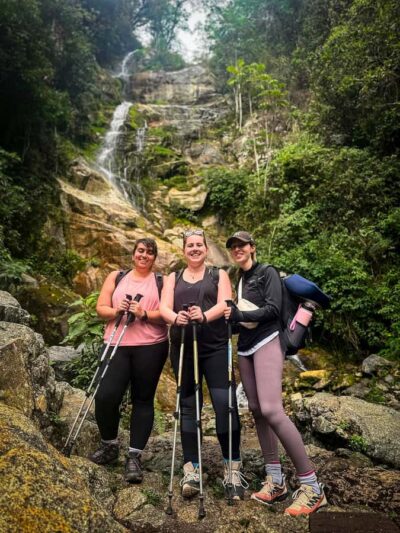 ★ 4.9Machu Picchu 2-Day Inca Trail with Panoramic TrainFrom $582260 reviews
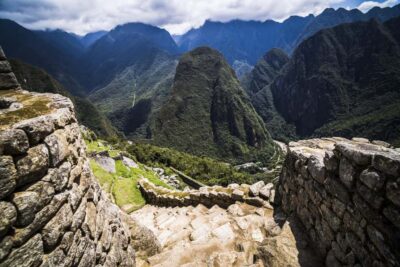 ★ 4.22-Day Inca Trail to Machu PicchuFrom $290244 reviews
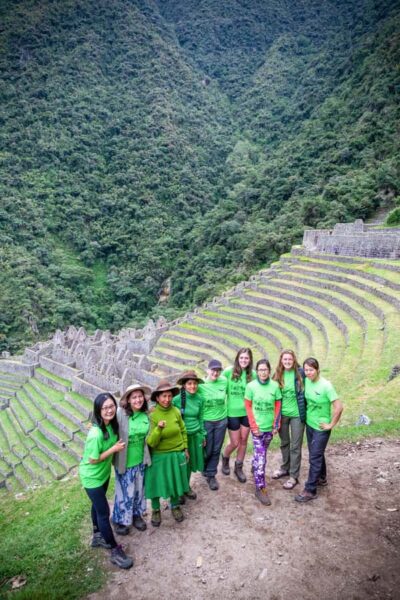 ★ 4.9Machu Picchu: Inca Trail 2-Day Overnight Guided TourFrom $585203 reviews
Browse the lists this tour appears in