
REVIEW · MACHU PICCHU & AGUAS CALIENTES TOURS
4 Day Inca Trail Trek to Machu Picchu Multi day tour
High altitude, ancient stones, and a front-row view.
This 4-day trek from Cusco to Machu Picchu is built around the classic Inca route from Km 82 to the Sun Gate, with camping and guided ruins that make the final day feel earned.
I really like that this tour takes care of the hard logistics for you, with a guide, a professional trekking chef, and a team of porters. I also like the comfort touches that matter on a mountain hike, like Eureka tents (2 people per tent) and an emergency kit that includes oxygen.
The main drawback to plan around is effort and altitude. You reach the trail’s high point at Dead Woman’s Pass, 4,215 meters, and the pace can feel serious if you are not used to thin air and steep climbs.
Key things that make this trek worth your time
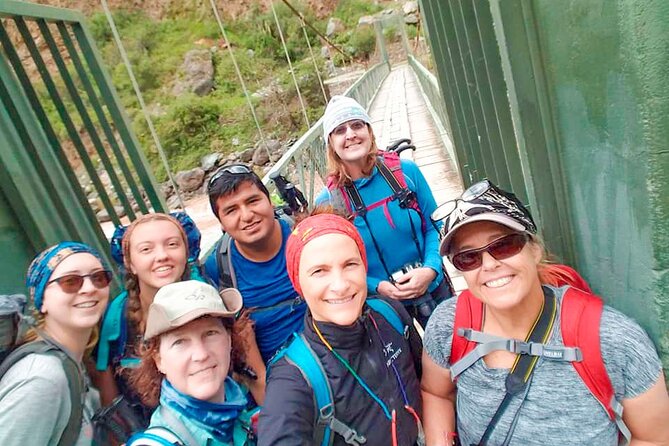
- Km 82 start and Sun Gate finish, so you feel the route build toward Machu Picchu.
- Chef-led camp meals plus water at every campsite, which is a big deal when you are tired.
- Porter support for your duffel bag (up to 7 kg), so you carry only what you need day to day.
- Multiple Inca ruins along the way, including Phuyupatamarca and Wiñay Wayna.
- Maximum group size of 16, which helps your guide manage pace and attention.
- Real safety support, including emergency oxygen in the first-aid kit and a rain poncho included.
Other ways into the citadel, side by side
- Machu Picchu Day Trip from Cusco★ 4.5 · 1,644 reviews
- Machu Picchu: Full-Day Tour from Cusco with Optional Lunch★ 4.6 · 927 reviews
- Cusco: 4-Day Inca Trail to Machu Picchu with Accommodation★ 4.8 · 432 reviews
- From Cusco: 2-Day Trip to the Sacred Valley and Machu Picchu★ 4.6 · 265 reviews
The Inca Trail to Machu Picchu: what you are really signing up for
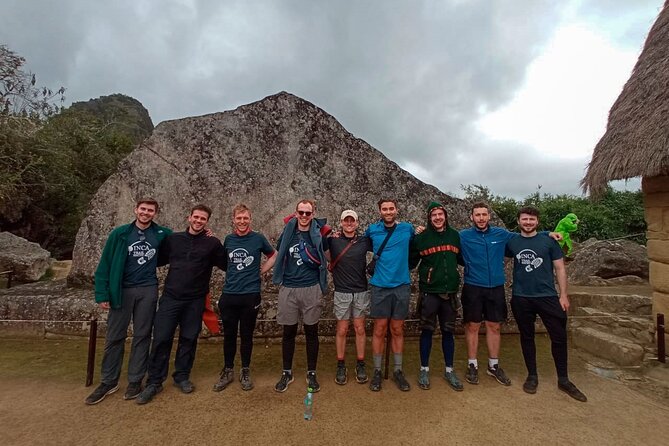
If you want Machu Picchu without cheating, this is the way to do it. The trail runs through high passes, cloud forest stretches, and down toward subtropical terrain, so you are hiking through several climates in a few days. The route is also famous for a reason: it turns the final approach into a payoff, not just a bus ride.
What makes this specific version appealing is how much the trip is set up to help you finish. You get pickup from Cusco, transfers to Km 82, all the Machu Picchu permit pieces, and then the return train and bus. In other words, you spend energy on the trail, not on figuring out the system.
Still, I would treat this as a serious hike. The itinerary climbs over major passes, and you are camping while your body adjusts. If you know you can handle steep days and early starts, you will love it. If not, you might spend day two focused on surviving, not enjoying.
Price and logistics: why $930 covers more than a ticket
At $930 per person, the price looks steep until you break it down. You are not just paying for walking. You are paying for a full support team, permits, camping gear, guided entry to Machu Picchu, and your return transport.
Here is what you should see in the value math:
- Inca Trail permit and Machu Picchu entrance fee are included, which is usually one of the biggest cost drivers.
- 3 nights of camping with equipment, cooking setup, and a toilet tent, so you are not responsible for the camp infrastructure.
- Train and buses to get you back to Cusco via Ollantaytambo and a shuttle down from Machu Picchu to Aguas Calientes.
- Guide and trekking chef, plus water at every campsite, which keeps the rhythm steady.
There are also some smart extras included. You get a plastic rain poncho, a first-aid kit with emergency oxygen, and even a t-shirt to remember the hike. There is also an option to sponsor planting native trees during the trek, which adds a meaningful layer beyond photos.
What is not included is mostly gear and a couple of meals. You will need to plan for a sleeping bag (listed as $25), optional hiking poles ($20), and an inflatable rest mattress option ($20). Plus, you will want travel insurance, since that is not included.
Starting at Km 82: Cusco pickup at 4:30 am and that first stretch
Your day really begins early. Start time is 4:30 am, with hotel pickup in Cusco and a drive through the Urubamba Valley to Km 82, where the trail starts. The early start matters because the Inca Trail is a timed, managed route, and getting onto the trail helps you start in daylight and good conditions.
Once you cross the Vilcanota River, the walking begins along the ancient Inca road. Day one is about 12 kilometers (7.5 miles) and roughly 8 hours, rated moderate. You will hike beside the Urubamba River and you will also pass through Huayllabamba, where you may get chances to interact with locals.
What I like about day one is that it gives you time to settle in. The goal is not to sprint. It is to find a rhythm, warm up, and mentally lock in that this is a multi-day effort. If you start too fast, the altitude and long days can punish you later.
Day 1 stops and why they matter on the trail
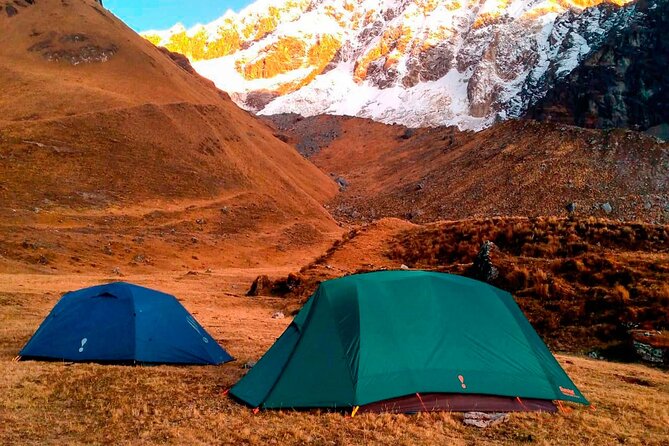
Even though day one feels like the warm-up, it still sets your expectations for the whole trek. The river route gives you steady views and helps you judge your pace. When the terrain starts to feel steeper later, you will be glad you practiced breathing control on day one.
You also get small moments that make the route feel human. The chance to interact with local people around Huayllabamba can be brief, but it adds texture. You start to see the trail as more than a museum path.
Potential drawback: because day one is “moderate,” it is easy to overdo it. If you go hard early, day two can feel cruel. I would treat day one as the day you learn your pace, not the day you prove fitness.
Still weighing up the trail? More Inca Trail departures
Day 2: Warmiwañusca (Dead Woman’s Pass) and Pacaymayo camp
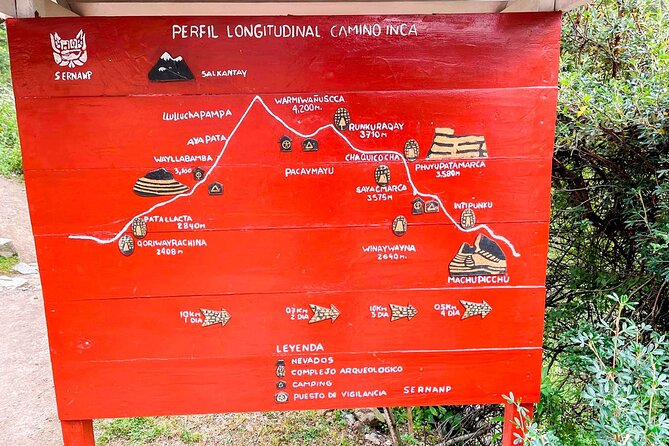
Day two is where the trek turns serious. You wake early, have breakfast, and then climb gradually toward Warmiwañusca, also known as Dead Woman’s Pass, at 4,215 meters. This ascent is described as challenging, and it is also the kind of climb that can feel slower than the numbers suggest because your body has to work harder for oxygen.
After reaching the top, you get a rest and then you descend into the Pacaymayo Valley for the campsite. Along the way, the trail shifts through different terrain types, from high-altitude grasslands into cloud forest. The mix of orchids and bromeliads is the kind of detail you notice when you are not rushing.
Why day two is such a highlight: it is the moment the trek becomes dramatic. The views from the pass are the big “earned view” moment, and your sense of accomplishment starts to click into place.
How to make day two easier on yourself:
- Keep your pace controlled on the climb.
- Plan to drink and eat even if you are not hungry.
- Expect your breathing to be different at altitude, even if you are fit.
Potential drawback: you should assume the high point will affect your sleep and appetite at camp. That is normal at altitude. If you can stay calm and steady, you are setting up a better day three.
Day 3: Runkurakay, Sayacmarca, Phuyupatamarca, and Wiñay Wayna
Day three keeps stacking up both altitude and archaeology. You continue uphill to the second pass, Runkurakay, at 3,970 meters, then descend into cloud forest. From there, the route moves through major ruin stops and smaller ruins along the way.
Key ruins you will walk through:
- Sayacmarca (around 3,624 meters), where the setting feels like the trail has slowed down for you.
- Phuyupatamarca (around 3,670 meters), which sits at a high spot and makes the ruins feel perched and exposed.
- Wiñay Wayna (around 2,650 meters), with terraces and ritual bath features, plus impressive agricultural layouts.
This day ends at the Wiñay Wayna campsite, with views over the surrounding mountains. It is one of the days when you feel the reward of camp support. After long hours, having porters and a chef running the logistics makes the difference between being miserable and being proud of finishing.
The most praised part from guide and staff feedback in this kind of experience is usually how the team helps you stay moving without turning it into a race. You will see that pattern in how guides keep pace, answer questions, and keep energy up during rough patches.
Potential drawback: day three can feel long because you are walking and also stopping for context and viewpoints. If you dislike waiting, you may find it breaks your walking flow. The trade-off is that you understand what you are seeing instead of just hiking past it.
Day 4: Sun Gate (Inti Punku) into Machu Picchu, then train back
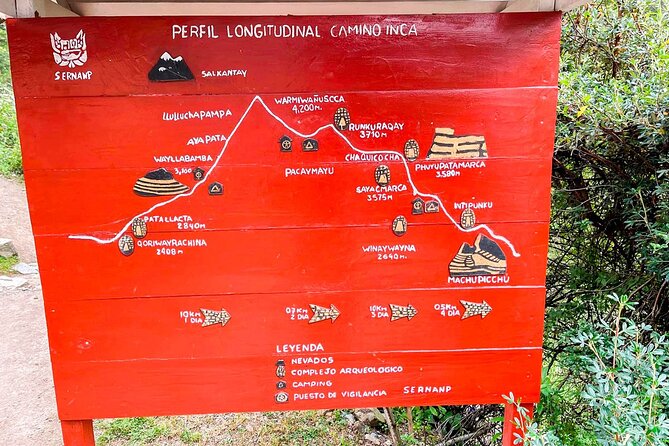
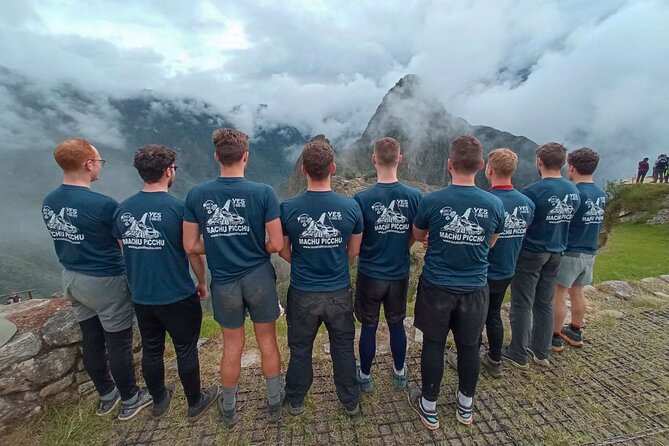
Day four begins with breakfast and then the final push to the checkpoint that allows you into the last stretch of the Inca Trail. Then you reach Inti Punku, the Sun Gate, where you get your first wide view of Machu Picchu. This is the moment most people remember, because it transforms “photos” into scale. The citadel looks different when you approach it under your own effort.
From Sun Gate, you head to Machu Picchu for a guided tour of the ruins. The site was rediscovered by Hiram Bingham in 1911, and your guide will help you connect the layout to the story of Inca life and how the site was used.
After the tour, you take the bus down to Aguas Calientes for a celebratory lunch. Then you ride the tourist train back to Ollantaytambo, and finish with the bus back to Cusco.
What makes day four feel good is that it is not just sightseeing. It is the finishing sequence of the whole trek: first sight, then ruins, then a return that actually respects your energy. The shuttle bus down from Machu Picchu to Aguas Calientes also matters because it prevents day four from turning into another long slog.
Potential drawback: Machu Picchu days can feel crowded at the site itself, and you may move through groups and schedules. The upside is that you have a guided plan and then you still get your seat on the train and a straightforward return to Cusco.
Camping setup and meals: the comfort you notice after Day 2
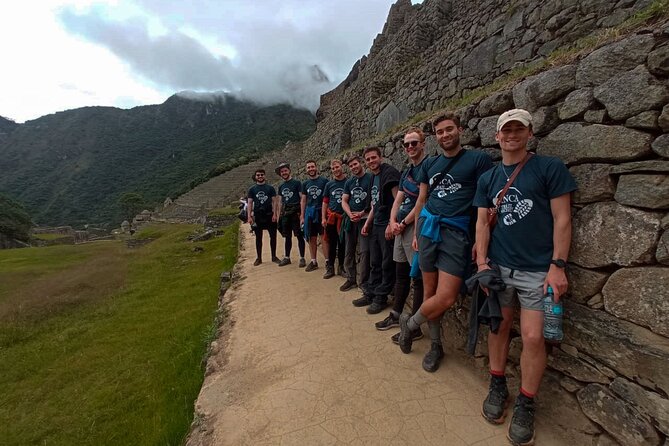
The camping experience here is set up to reduce the common pain points of multi-day treks. You get 3x camping nights, with an Eureka tent configuration where 2 people occupy each 4-person tent. That matters because you get more room per person and better luggage security than the typical “everyone in one big tent” setup.
You also get the core camp infrastructure: kitchen and dining tents, cooking equipment, tables and chairs, plus a toilet tent. And yes, it helps morale that there is a system for meals.
The trekking chef is a big reason people rate these trips so highly. Camp food on the Inca Trail is harder than it sounds, yet the team is set up to provide breakfast (3), lunch (3), and dinner (3) during the trek days. Water is provided at every campsite by the chef, so you are not guessing.
If you want one practical tip, it is to eat like it matters on day two and day three. You need calories for altitude and effort. The included meals are part of that formula, and they also reduce the chance you waste money on expensive snacks along the route.
The support team: porters, super porters, and guides like Nico, Cesar, and Plinio
Inca Trail success is not just legs. It is also how well your team keeps the trip running, especially when the weather turns.
This tour includes:
- An experienced tour guide
- A professional trekking chef
- A personal super porter who carries your duffel bag for personal belongings up to 7 kg (11 lbs)
- Additional porters who carry food, camping, and cooking equipment
That 7 kg detail is worth planning around. Pack smart so your duffel holds the things you truly need overnight and for mornings, and keep your day items in a smaller pack. The point is to take weight off your back so you can focus on steady walking.
Guide names that show up in feedback include Nico Raul, Cesar Pérez, Josias, Plinio, Pepe (Pinyo), Yijo, and Juve. Across these experiences, the pattern is consistent: attentive guides, clear explanations about what you are seeing, and pace management that helps a group handle tough moments.
What to pack (and what you can rent or buy later)
The tour includes a plastic rain poncho and a first-aid kit with emergency oxygen bottle, which covers the big “just in case” items. You still need your own basics.
Sleeping bag is not included. The price list shows sleeping bag around $25, so if you do not want to carry one or buy one at home, plan to bring cash for that add-on. Trekking poles are also not included (listed at $20), and an inflatable rest mattress is offered (listed at $20).
If you want a simple packing strategy:
- Bring layers for high-altitude mornings and warmer lower stretches.
- Keep essentials dry, using a small dry bag or waterproof liner.
- Pack for altitude and long days, meaning you want clothing that works when you are sweaty and then cold.
You will likely get wet at some point. Cloud forest days and mountain weather do not care about your itinerary, so treat rain as normal, not a surprise.
Who should book this trek, and who should rethink it
This is best for you if you:
- Have a strong physical fitness level
- Enjoy long hikes and steep climbs
- Want a guided, culturally focused approach, not just a “route to a photo”
- Are comfortable camping at altitude
This is a tough fit if you:
- Struggle with high altitude climbs
- Want a fully relaxed, low-effort trip
- Are not ready for early starts and long walking days
The group size also matters. Maximum is 16 travelers, which usually keeps things manageable. Solo travelers also do fine with this format, since you are paired with a team and you have built-in support and schedules.
Should you book the 4-day Inca Trail trek to Machu Picchu?
I think you should book this if your goal is Machu Picchu with effort and meaning. The route from Km 82 to Sun Gate, the inclusion of permits and entrance fees, and the full support structure (chef, porters, camping gear, transport back) make it a rare mix of adventure and convenience.
I would only hesitate if you are unsure about altitude or you know you will not be able to hike uphill for hours. In that case, you might still love Peru, but you might be happier choosing a less demanding Machu Picchu approach.
If you do book, your biggest win will be treating the hike like a climb, not a contest. Pace yourself on day one, respect Dead Woman’s Pass on day two, and let day three and day four reward your patience. That is how this trail turns into a memory that lasts.
FAQ
What time does the trek pickup start in Cusco?
The start time is 4:30 am, with pickup from your hotel in Cusco before you head toward Km 82.
Does the price include the Inca Trail permit and Machu Picchu entrance?
Yes. The Inca Trail permit and entrance fee to Machu Picchu are included in the tour price.
Are camping accommodations and equipment included?
Yes. You get 3 nights of camping, including Eureka tents, comfort sleeping roll mattress, toilet tent, and kitchen and dining equipment.
Who carries luggage during the hike?
A personal super porter carries your duffel bag for personal belongings up to 7 kg (11 lbs). Other porters carry food and camping and cooking equipment.
What should I bring if I do not have trekking gear?
A sleeping bag is not included (listed at $25), and hiking poles are also not included (listed at $20). An inflatable rest mattress option is listed at $20.
Is the booking refundable if I cancel?
No. The experience is non-refundable and cannot be changed for any reason. If you cancel or ask for an amendment, the amount paid is not refunded.
More Tour Reviews in Cusco
- Cusco: Humantay Lake Tour with Breakfast and Buffet Lunch
★ 4.9 · 2,976 reviews - From Cusco: Moray, Maras Salt Mines & Chinchero Weavers Tour
★ 4.8 · 1,925 reviews - From Cusco: Full-Day Group Tour of Machu Picchu
★ 4.7 · 1,767 reviews - Machu Picchu Day Trip from Cusco
★ 4.5 · 1,644 reviews - Cusco: Half-Day City Tour with Sacsayhuaman and Q’enco
★ 4.6 · 1,129 reviews
Other Inca Trail Departures
- Cusco: 4-Day Inca Trail to Machu Picchu with Accommodation
★ 4.8 · 432 reviews - Cusco: Machu Picchu 2-Day Inca Trail with Panoramic Train
★ 4.9 · 260 reviews - From Cusco: 2-Day Inca Trail to Machu Picchu
★ 4.2 · 244 reviews - Machu Picchu: Inca Trail 2-Day Overnight Guided Tour
★ 4.9 · 203 reviews - Short Inca trail to MachuPicchu || 2days – 1nigth ||
★ 5.0 · 103 reviews
Machu Picchu, Three More Ways
- From Cusco: Full-Day Group Tour of Machu Picchu
★ 4.7 · 1,767 reviews - Machu Picchu Day Trip from Cusco
★ 4.5 · 1,644 reviews - Machu Picchu: Full-Day Tour from Cusco with Optional Lunch
★ 4.6 · 927 reviews - Cusco: 4-Day Inca Trail to Machu Picchu with Accommodation
★ 4.8 · 432 reviews - From Cusco: 2-Day Trip to the Sacred Valley and Machu Picchu
★ 4.6 · 265 reviews
Fresh in from Cusco

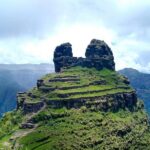
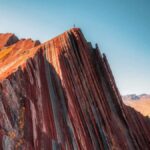
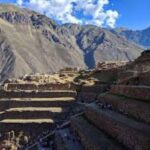
Machu Picchu & Aguas Calientes Tours, compared.
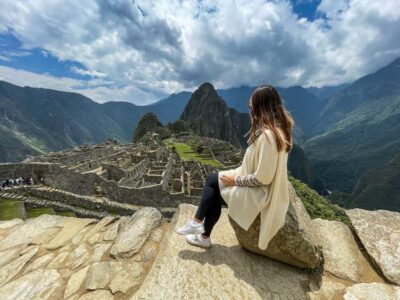 ★ 4.7Full-Day Group Tour of Machu PicchuFrom $3211,767 reviews
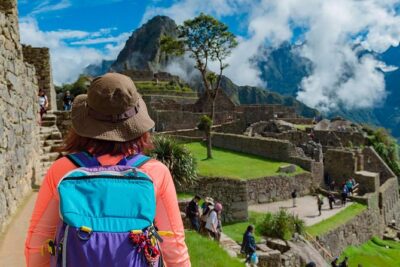 ★ 4.5Machu Picchu Day Trip from CuscoFrom $3361,644 reviews
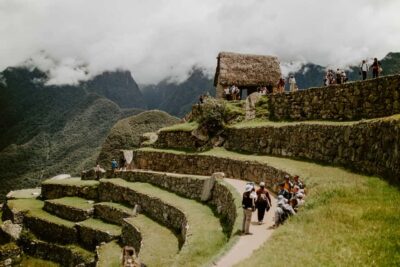 ★ 4.6Machu Picchu: Full-Day Tour from Cusco with Optional LunchFrom $283927 reviews
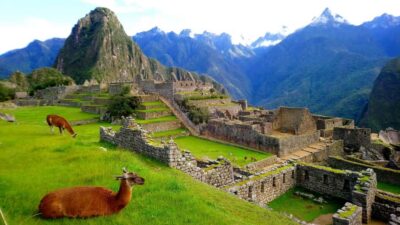 ★ 4.84-Day Inca Trail to Machu Picchu with AccommodationFrom $470432 reviews
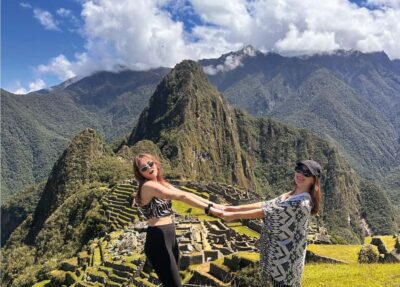 ★ 4.62-Day Trip to the Sacred Valley and Machu PicchuFrom $370265 reviews
 ★ 4.9Machu Picchu 2-Day Inca Trail with Panoramic TrainFrom $582260 reviews
 ★ 4.22-Day Inca Trail to Machu PicchuFrom $290244 reviews
 ★ 4.9Machu Picchu: Inca Trail 2-Day Overnight Guided TourFrom $585203 reviews
Browse the lists this tour appears in