
REVIEW · INCA TRAIL TOURS
Ultimate Lares Trek & Inca Trail 5 days
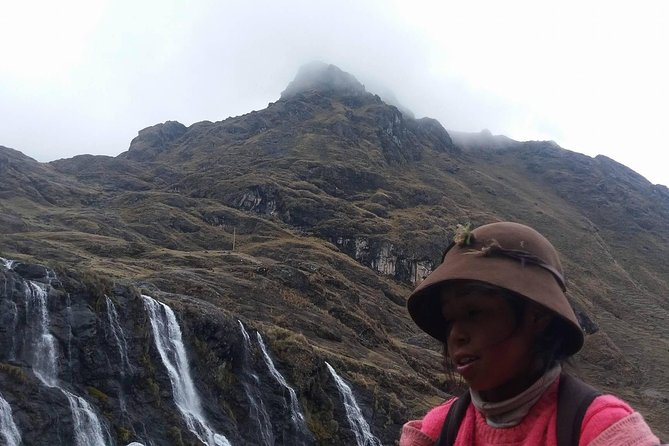
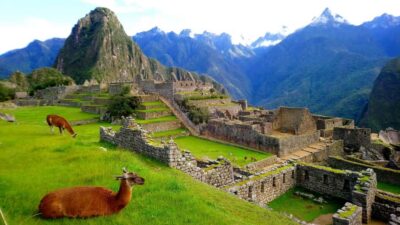
Morning starts early, but the trek feels calm. This 5-day route takes the quieter Lares Trek up toward UNESCO-listed Machu Picchu while helping you avoid the biggest crowd patterns. You also get the payoff of arriving later and touring with time to breathe, not just shuffle with everyone else.
What I like most is the way the trip is run like a smooth team operation, with standout guiding and food that keeps showing up hot and plentiful. You’ll feel it from the morning hot drinks and the campsite setup, all the way to camp meals cooked far above town life.
One thing to plan for: it is not a gentle stroll. Day 2 tops out around Condor Pass at 4700 m, and the long hike plus altitude is the main challenge.
Key highlights worth planning for
- Quiet Lares route to Machu Picchu: fewer crowds than the most famous trail options, with a more peaceful feel in the Andes
- Hot springs on Day 1: medicinal pools at Sacred Valley to prep your body before hiking
- Altitude focus on Day 2: Condor Pass (4700 m) with a steep uphill and big views
- A real off-grid village stop: Cancha Cancha runs with limited or no modern technology and Quechua language
- Machu Picchu timing that helps: you can experience the citadel at a time when it feels less hectic
- Food is a feature here: multiple meals plus a Pachamanca cooking demonstration, all handled by your chef crew
Still weighing up the trail? More Inca Trail departures
- Cusco: 4-Day Inca Trail to Machu Picchu with Accommodation★ 4.8 · 432 reviews
- Cusco: Machu Picchu 2-Day Inca Trail with Panoramic Train★ 4.9 · 260 reviews
- From Cusco: 2-Day Inca Trail to Machu Picchu★ 4.2 · 244 reviews
- Machu Picchu: Inca Trail 2-Day Overnight Guided Tour★ 4.9 · 203 reviews
Cusco to Lares, the kind of quiet Andes day you want
Cusco is the launch point, and you do not linger in bed. Pick-up is listed with an early start around 4:30 am, and the first drive segment gets you to the Sacred Valley area so you can reach the medicinal hot springs around 8:00 am.
This trek’s charm is the route choice. Instead of pushing you straight into the busiest “headline” corridors, it threads you through smaller villages, quieter valleys, and long stretches where the world feels wide. You end at Machu Picchu, but the path there is the point.
Day 1 in the Sacred Valley: markets, medicinal pools, and first steps
Your morning begins with hotel pick-up and a drive to the Sacred Valley. You stop at a local market, then continue on to the Lares thermo-medicinal baths, where the pools are set at different temperatures.
I love this pacing because it functions like a reset. Your body gets heat, your mind calms down, and you start Day 1 with a win instead of immediately turning into a hike simulator.
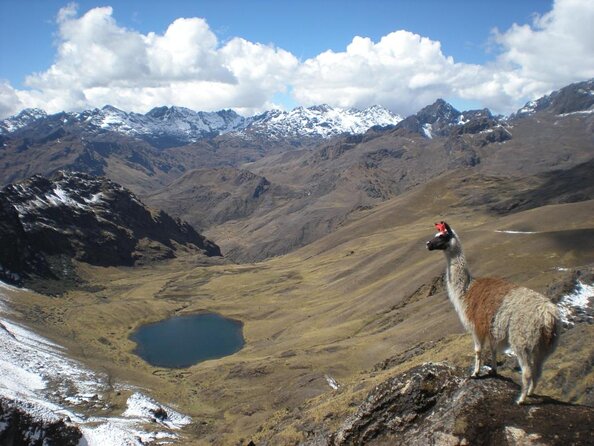
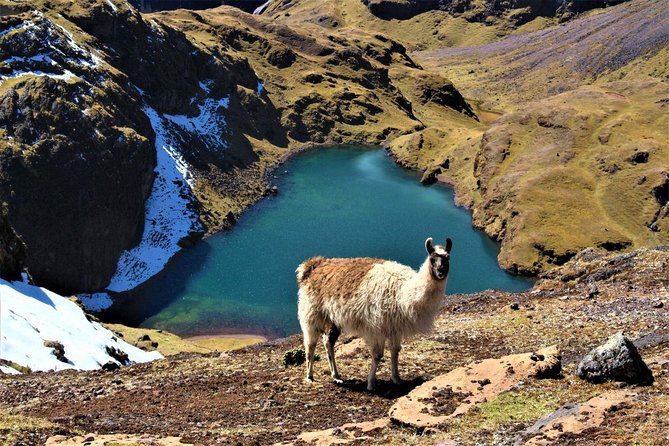
After breakfast, you hike uphill for about 2 hours to Kiswarani village. Lunch follows, then you continue for another 2 hours to your campsite on the bank of a beautiful blue lake at 3750 m. You arrive to tents already set up and a hot cup of tea waiting, which matters when you’re high, tired, and figuring out layers.
Campsite life here is part of the experience too. You get time to relax, stargaze, and learn about Inca astronomy. That is a smart add-on because you’re not just collecting photos, you’re learning how people made sense of the sky.
Practical note: even on the “easy” day, altitude plus early starts can feel like more work than distance alone suggests.
Day 2: Condor Pass, Cancha Cancha, and the highest day
Day 2 wakes you up in your tent with something warm, coffee or cocoa tea. Then you start the climb that sets the rhythm for the whole trek.
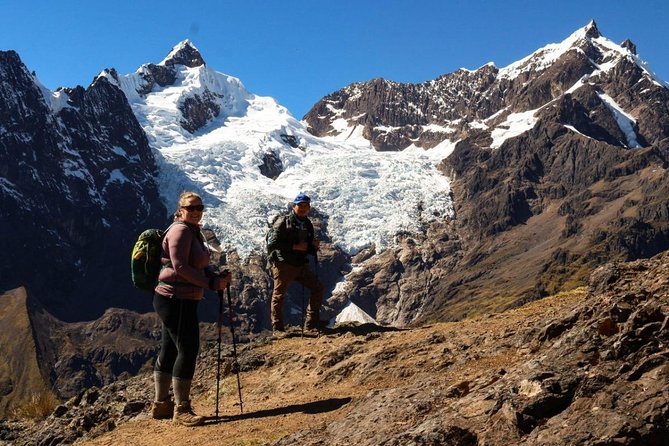
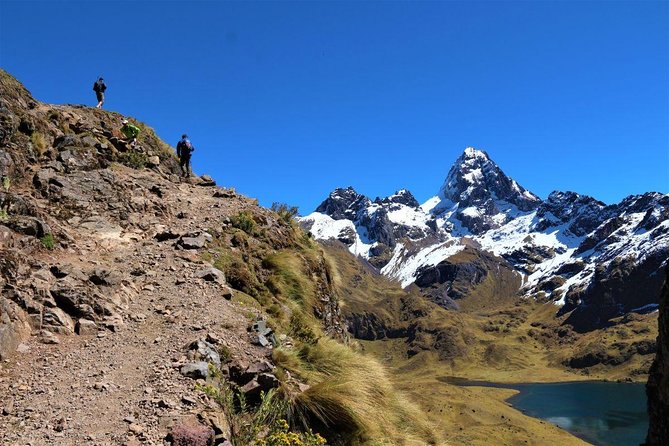
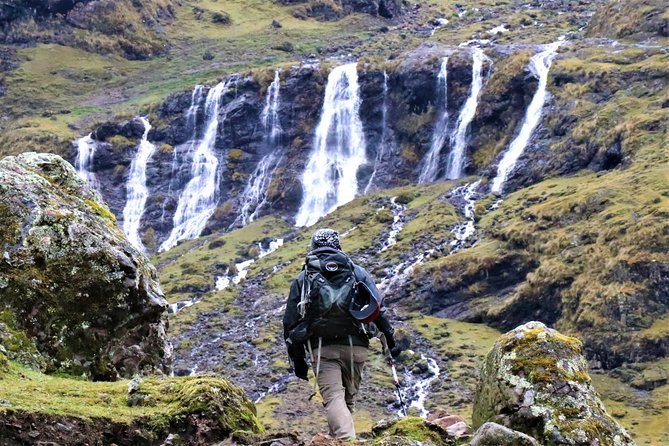
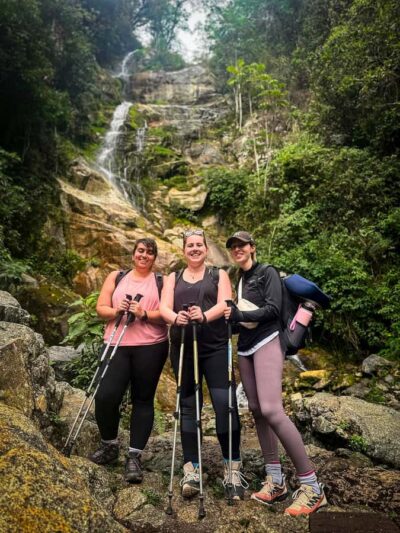
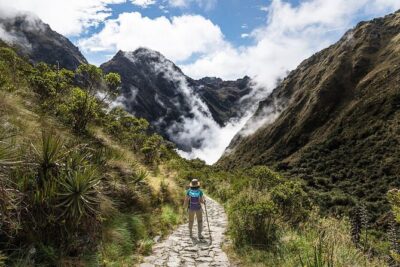
You hike uphill for about 4 hours to Condor Pass (4700 m). At the summit, you explore the area before beginning a 3-hour descent through big Andean views. This is the day where altitude becomes real, even if you pace slowly.
By evening, you reach Cancha Cancha at 3750 m, described as the only village in the Lares Valley cut off from modern technology. That means no electricity, no computers, no internet, and no cellphone service, and the community language is Quechua.
That mix of remote setting and human-scale village life is exactly why I like this trek. It gives you context for the Inca story without forcing it through a theme-park filter. You are walking in places where traditions still matter day to day.
You’ll have dinner together and then sleep, once again, in the mountains. Meals are included, and the setup is designed so you’re not scrambling to figure out logistics after a hard day.
One consideration: because this is your highest day, you should take altitude seriously. Go slower than you think you need to, drink water steadily, and keep your layers on hand.
Day 3: downhill to Huaran, Salineras, Ollantaytambo, and a more settled night
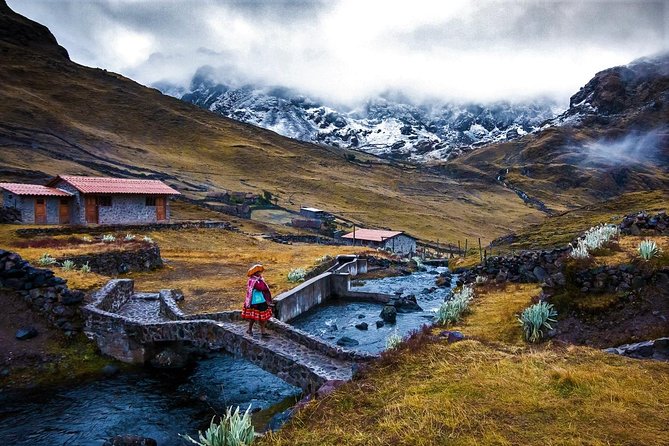
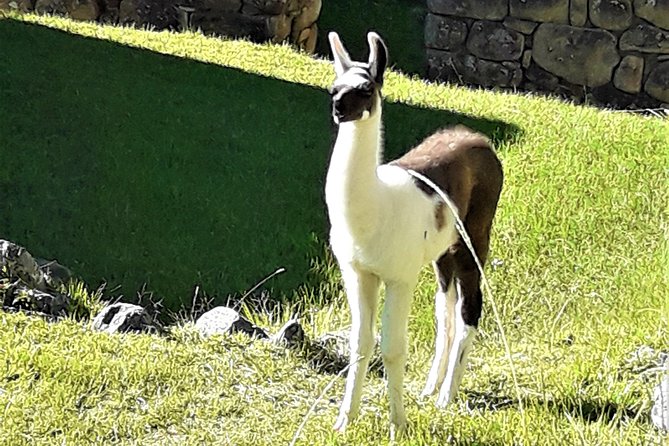
Day 3 starts in a village atmosphere with llamas and alpacas nearby. After breakfast, you trek downhill for around 4 hours to Huaran (2700 m), where the walking portion of your TreXperience in this part of the route concludes.
From there, you get a private bus to Salineras and Ollantaytambo. Ollantaytambo is presented as the “last living Incan city,” and you have time to explore its ancient streets and the water channel still in use since Inca times.
This day is a nice balance. You trade altitude trekking for cultural time, plus you get dinner at a local restaurant and a more standard overnight in a 3-star hotel in Ollantaytambo. That hotel night is not just comfort. It is also a chance to reset your legs before Machu Picchu.
If you want a trek that feels like progress, not whiplash, Day 3 delivers. You leave high ground, see the living Inca engineering in Ollantaytambo, then sleep somewhere with stable routines.
More trails out of Cusco
Day 4: train to km 104, cloud forest hiking, and the Sun Gate moment
Machu Picchu day starts early again, with a walk from your hotel to the train station around 6:00 am. You take a train ride along the Urubamba River for 1 hour 30 minutes, ending at km 104 in Chachabamba in the cloud forest zone.
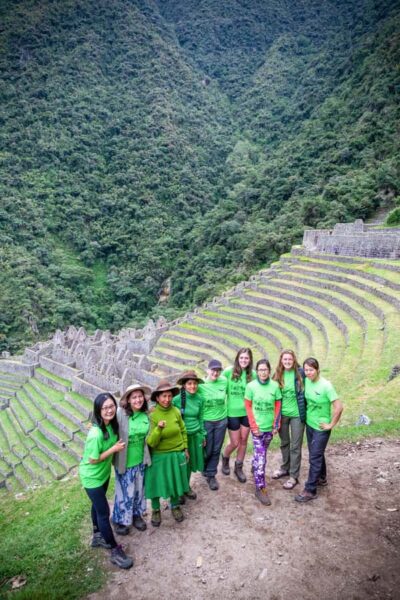
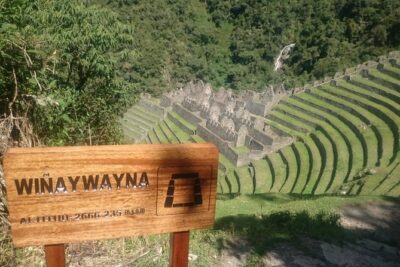
From km 104, you hike for about 4 hours and visit Chachabamba, an Inca ruin stop, before reaching Wiñay Huayna, described as the place that never gets old. A packed lunch and refreshments are included.
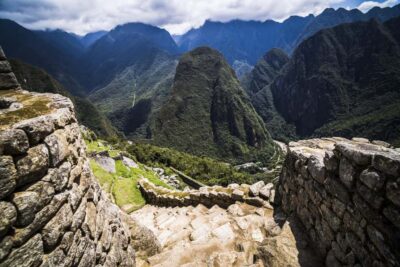
After that, you continue onward to the Sun Gate for your first major glimpse of Machu Picchu. Then you walk about 1 hour downhill into the city, with the advantage of arriving later so you can experience the citadel at a time that feels less frantic.
You then take the bus down to Aguas Calientes. Dinner is included, and you sleep in a hotel there for the night.
One small reality check: even if the day is well paced, Day 4 still includes a train, a hike, and then more walking in Machu Picchu. Wear solid shoes and keep your daypack light.
Day 5: early buses, a guided tour, and optional climbs
Your final morning begins with an early wake-up and breakfast in Aguas Calientes. You take early buses up to the citadel so that, on a clear day, you can watch sunrise over Machu Picchu.
Your guide leads a 2 to 3-hour tour, with time to learn the “why” behind what you see. After that, you can explore on your own or choose to climb Huayna Picchu or Montaña if you have tickets. Those specific climb tickets are noted as optional, and you should book them in advance if you want them.
After your time in the citadel, your guide explains how to take the bus back down to Aguas Calientes for lunch, which is not included. Then you return to Cusco by Panoramic train and bus, and your team meets you off the train to get you back to your hotel.
This day is about balancing wonder and time management. You get the sunrise option, a structured guided walk first, and then freedom for your own pace.
The food and team side: why the trek feels easier than it looks
This is one of those treks where the crew can make or break your experience, and the feedback style here is consistent: the food is a major highlight, and the team runs like they have done this a thousand times.
Across guides and chefs named in feedback, you’ll see the pattern. People mention guides such as Elias, Sara, Manolo, and Jose Abad Cortez, plus chef teams like Augusto, Oscar, and assistants like Beto. You also see horsemen like Toribio, Demetrio, Gregorio, L’andros, and others keeping the move smooth behind the scenes.
I especially like how meals are treated as part of the trekking plan, not an afterthought. You get breakfast each day, plus lunch and dinner on the trekking and transition days. There are also warm drink moments, including hot tea at camp and hot coffee or cocoa in the morning setup.
There’s even a Pachamanca cooking demonstration included. That is valuable because it connects food to place, instead of just keeping you fed.
If you have dietary needs, you should tell the team at booking. Vegetarian options are available if you ask in advance.
Camping and comfort: what’s included, what you might still bring
Two nights are spent camping in the mountains, with comfortable equipment provided. That matters, because high-altitude sleeping can make or break Day 2 and Day 3 recovery.
A practical detail: you’re also told that an optional mattress and sleeping bag are available, plus trekking pole guidance. So if you tend to feel cold at night, it can be worth asking what they recommend for your comfort level.
Also, your personal carrying setup includes a duffle bag up to 7 kilos carried by horse. That pushes you to pack a small daypack for the walk and rely on the horse team for heavier essentials.
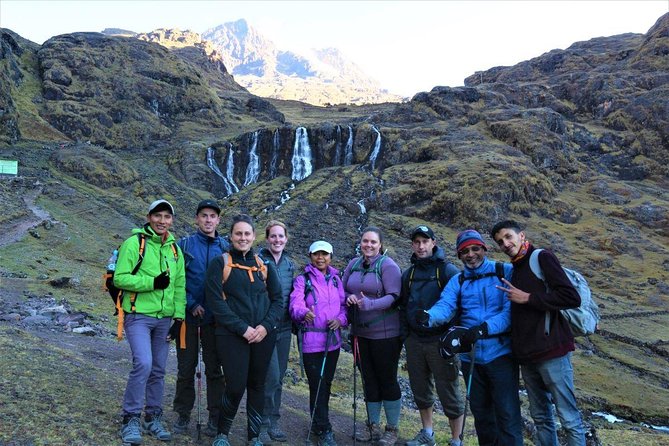
Group size is capped at 12 travelers, which generally helps keep the pace human and the experience less chaotic.
Price and value: what you’re paying for at $980
At $980 per person for 5 days, the value comes from what is bundled together. You get hotel nights in Ollantaytambo and Aguas Calientes, plus all transport during the trek. You also get guided time, porters and chefs, and the included sightseeing and admissions tied to Machu Picchu.
You are not just buying walking time. You’re buying the system that makes it work: cooks who can handle camp kitchens, horse support that takes load off your back, and transport that moves you from Cusco to the Sacred Valley, then to Ollantaytambo, then to Machu Picchu, then back again.
The main costs you might still add depend on your Machu Picchu choices. Entrance tickets for Huayna Picchu or Montaña are noted as optional extras. If you care about those climbs, plan ahead.
Also remember: the experience requires good weather, and it is listed as non-refundable with no changes. That is not a small detail. If your travel dates are flexible, good. If they are not, at least go in with eyes open.
Who should book this trek
This route fits best if you want a Machu Picchu trip that feels more like real travel and less like a conveyor belt.
You will likely enjoy it if:
- You want the quieter Lares route and are okay trading some “famous trail bragging rights” for calm mountain time
- You value strong guiding and especially strong camp meals
- You are willing to work on altitude, not fight it
You might think twice if:
- You struggle with long hikes or you know you get altitude symptoms easily
- You want a low-effort trek with minimal time at high elevation
Families with teens may find the pacing manageable as long as everyone takes altitude seriously and follows the guide’s pace guidance.
Should you book the Ultimate Lares Trek & Inca Trail?
I’d book it if your goal is a quieter path to Machu Picchu, with a real mountain rhythm, excellent camp food, and small-group energy. The included support structure is a big deal, especially on days when you’re tired and still need everything to run smoothly.
If you’re set on optional Machu Picchu climbs, make sure you plan those tickets early. If you want a trip that is primarily sightseeing with minimal hiking effort, you might prefer a gentler itinerary.
If you like the idea of hot springs, high passes, off-grid village life in Quechua-speaking Cancha Cancha, and then sunrise at Machu Picchu, this one is a strong match.
FAQ
What time does the tour start?
The meeting time is listed as 4:30 am, with early morning pick-up from your hotel.
How many people are in the group?
The group has a maximum of 12 travelers.
What kind of lodging is included during the trek?
You get 2 nights camping in the mountains with comfortable equipment, and 2 nights in 3-star hotels in Ollantaytambo and Aguas Calientes.
What is the hardest day on the route?
Day 2 is the most challenging, with a hike uphill to Condor Pass at 4700 m, followed by a longer descent. It is listed as moderate to challenging.
Are Machu Picchu entrance fees included?
Admission tickets are included for Machu Picchu as part of the Machu Picchu days. Optional tickets for Huayna Picchu or Montaña are not included and should be booked ahead.
Do I need to bring a sleeping bag or trekking poles?
Comfortable camping equipment is included, and optional mattress and sleeping bag services are available. Trekking poles are also optional, with guidance provided.
Is vegetarian food available?
Yes, there is a vegetarian option. You should advise your dietary requirements at booking.
What documents do I need?
You need a current valid passport. Passport name, number, expiry date, and country are required at the time of booking.
What if the weather is bad?
The experience requires good weather. If it is canceled due to poor weather, you are offered a different date or a full refund.
More Trails Out of Cusco
- From Cusco: 7 Lakes Ausangate Trek with Breakfast and Lunch
★ 4.8 · 360 reviews - Cusco: Rainbow Mountain Tour and Red Valley Hike (Optional)
★ 4.7 · 149 reviews - Cusco: Full-Day Rainbow Mountain & Red Valley Trekking Tour
★ 4.5 · 121 reviews - Salkantay Trek Challenge – 3 Days / 2 Nights
★ 5.0 · 101 reviews - From Cusco: Rainbow Mountain Trek
★ 4.5 · 98 reviews
More Tour Reviews in Cusco
- Cusco: Humantay Lake Tour with Breakfast and Buffet Lunch
★ 4.9 · 2,976 reviews - From Cusco: Moray, Maras Salt Mines & Chinchero Weavers Tour
★ 4.8 · 1,925 reviews - From Cusco: Full-Day Group Tour of Machu Picchu
★ 4.7 · 1,767 reviews - Machu Picchu Day Trip from Cusco
★ 4.5 · 1,644 reviews - Cusco: Half-Day City Tour with Sacsayhuaman and Q’enco
★ 4.6 · 1,129 reviews
Other Inca Trail Departures
- Cusco: 4-Day Inca Trail to Machu Picchu with Accommodation
★ 4.8 · 432 reviews - Cusco: Machu Picchu 2-Day Inca Trail with Panoramic Train
★ 4.9 · 260 reviews - From Cusco: 2-Day Inca Trail to Machu Picchu
★ 4.2 · 244 reviews - Machu Picchu: Inca Trail 2-Day Overnight Guided Tour
★ 4.9 · 203 reviews - Short Inca trail to MachuPicchu || 2days – 1nigth ||
★ 5.0 · 103 reviews
Fresh in from Cusco

Inca Trail Tours, compared.
 ★ 4.84-Day Inca Trail to Machu Picchu with AccommodationFrom $470432 reviews
 ★ 4.9Machu Picchu 2-Day Inca Trail with Panoramic TrainFrom $582260 reviews
 ★ 4.22-Day Inca Trail to Machu PicchuFrom $290244 reviews
 ★ 4.9Machu Picchu: Inca Trail 2-Day Overnight Guided TourFrom $585203 reviews
 ★ 5.0Short Inca trail to MachuPicchu || 2days – 1nigth ||From $670103 reviews
 ★ 5.02-Day Inca Trail To Machu PicchuFrom $55078 reviews
 ★ 5.04 Day Inca Trail Trek to Machu Picchu Multi day tourFrom $93070 reviews
 ★ 5.0Classic Inca Trail 4 Days to Machu PicchuFrom $82069 reviews
Browse the lists this tour appears in