
REVIEW · MACHU PICCHU & AGUAS CALIENTES TOURS
Classic Inca Trail 4 Days to Machu Picchu
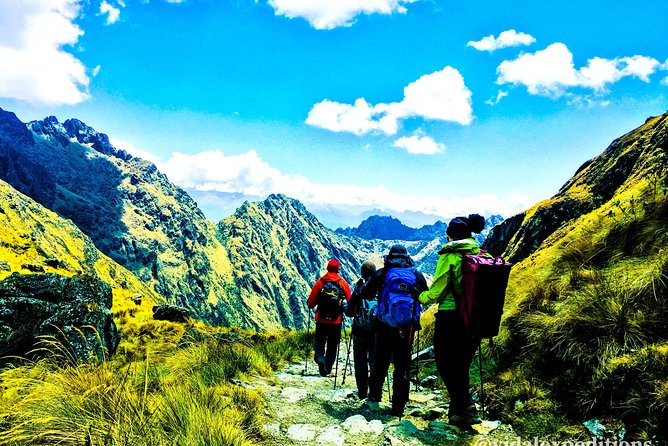
Earn Machu Picchu views after four hard days. This Classic Inca Trail trek out of Cusco mixes guided Inca stops with the big finale at Inti Punku Sun Gate, then hands you a structured Machu Picchu tour with admission included. I like the fact that the pace is built around daily milestones, not just distance, so you know what you are working toward each morning.
My favorite part is the overall camp support, from the porters and cook carrying shared gear to a chef who keeps meals satisfying at altitude. The main consideration is the difficulty level, especially day 2 with the hike to the highest pass around 4,216 m, plus high camps near 3,600 m that make acclimatization worth taking seriously.
Key Things I’d Know Before You Go
- Small group size (max 8 travelers): you get a more controlled, safer-feeling trek rhythm.
- Day 2 highest pass near 4,216 m: this is the hardest section of the entire 4-day plan.
- Camp life handled for you: tents for 2 and basic sleeping pads are provided, with porters and cook carrying shared camping equipment.
- Admissions built in: key Inca sites and Machu Picchu are included, so you are not budgeting for every gate.
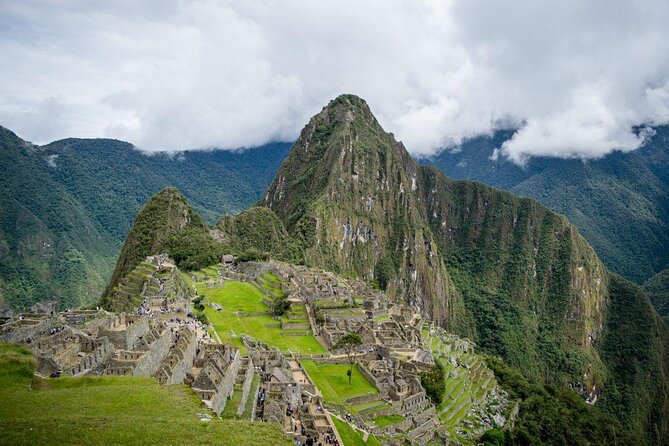
- Sun Gate approach on day 4: you hike through dense high rainforest, arrive for the first Machu Picchu view, then continue for the guided exploration.
Other ways into the citadel, side by side
- Machu Picchu Day Trip from Cusco★ 4.5 · 1,644 reviews
- Machu Picchu: Full-Day Tour from Cusco with Optional Lunch★ 4.6 · 927 reviews
- Cusco: 4-Day Inca Trail to Machu Picchu with Accommodation★ 4.8 · 432 reviews
- From Cusco: 2-Day Trip to the Sacred Valley and Machu Picchu★ 4.6 · 265 reviews
The Big Picture: What This Classic Inca Trail Gets You
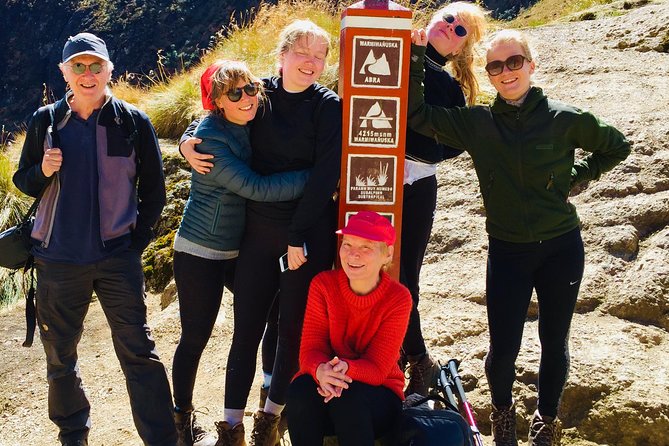
This trek is designed to connect three things you probably want most: a working hiking challenge, Inca archaeology along the way, and a guided arrival at Machu Picchu that feels earned.
The schedule is built in a classic rhythm. You start with an early archaeological warmup at Llactapata, then you move into the steepest climbing day 2. Day 3 balances high passes with cloud-forest style scenery, and day 4 finishes with the Sun Gate approach and a guided Machu Picchu visit before heading back to Cusco.
The itinerary also does something helpful for planning: it names the passes and camping area on the hardest day. When you know the highest point is around 4,216 m, you can take training and acclimatization seriously instead of guessing.
Meeting in Cusco and the Trek Start at Km 82
Your trek starts in Cusco, with hotel pickup for trekkers, then a drive to Km 82. After the checkpoint, you begin your first hike toward the initial Inca archaeological area.
This first day matters more than it sounds. You are not just moving to day 1 ruins. You are transitioning from city altitude and routine into trail life, and the early stop gives you a reason to focus on the walk instead of thinking only about the next day’s big pass.
You also get a guided explanation on the sites you visit. On a trek like this, the difference between seeing ruins and understanding them is huge, and the plan is clearly built around that.
Day 1: Llactapata, Views, and a Gentle Archaeology Warmup
Day 1’s first stop is the Llactapata Archaeological Zone. The plan is to reach it via a hike after the Km 82 checkpoint, then take time to explore and learn, before moving on to more Llactapata time for views and history.
This is a smart opening for two reasons. First, it gives you your earliest chance to feel how fast the air can change as you walk at altitude. Second, you get your first taste of Inca engineering and siting choices, with the added bonus of wide-ranging views in the area.
You do not need this day to be easy, but it should be manageable. If you treat it like a training hike, you set yourself up better for the day 2 climb that follows.
Day 2: The Inca Trail’s Toughest Climb and Pacaymayu Camp
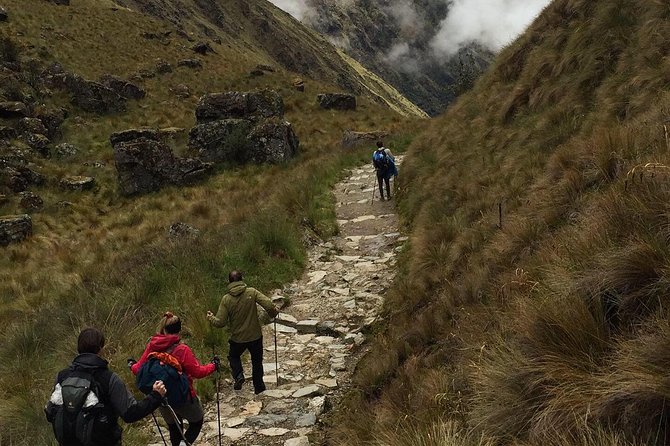
Day 2 is the big one. You hike through the Inca Trail as the Incas used it, then climb to the highest pass around 4,216 m. The itinerary calls out roughly 5 hours to reach that high point, which is a clear signal that you should not sprint early.
Once you reach the summit, you rest and take in the surrounding views. Then the day shifts from climbing to descending for a few hours until you reach the lunch spot and the campsite for your second night, at about 3,600 m in the Pacaymayu area.
Here is the practical part. High passes feel different depending on your acclimatization. If you arrive in Cusco only the night before, you are more likely to feel it harder on this day. If you give yourself time to adjust, you have a better shot at enjoying the views instead of fighting your breathing.
This is also where good guide pacing and group management pay off. The trek is set up so you keep moving through the hardest segment with a plan, not just a route and a prayer.
Still weighing up the trail? More Inca Trail departures
Day 3: Puyupatamarca and the Cloud-Forest Style Rhythm
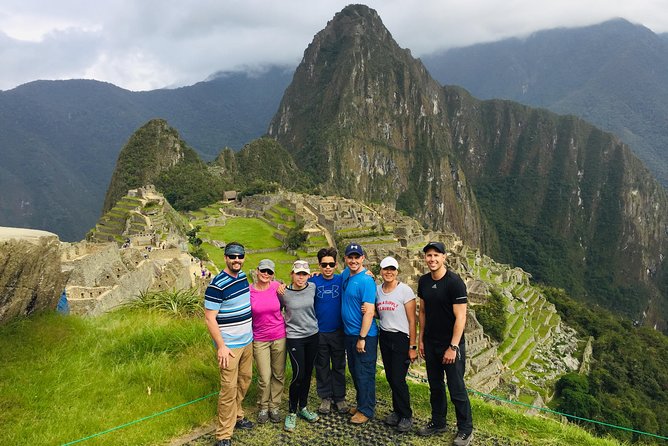
Day 3 starts with Puyupatamarca, and it is described as one of the most beautiful sections of the trail because of how it mixes the high mountain feel with cloud-forest type terrain.
Morning hiking includes hours leading to the next pass at about 3,960 m, then descending for lunch. During that morning section, you explore an Inca site again, with your guide explaining what you are seeing and how it fits into Inca life.
After lunch, you gradually climb to the last pass around 3,660 m. From that viewpoint, you get a line of sight to the Machu Picchu mountain, which adds a real emotional lift. Then you descend for a couple hours to reach camp, and in the afternoon you visit additional Inca sites with impressive views.
The day ends with dinner, plus a guided ceremony arranged by the guide to say thanks to the team, and then you take another path toward town.
Even if you are not a ceremony person, this is one of those details that can change how the trek feels. It reminds you that this is not just a checklist. You are walking through a living cultural landscape, alongside the people who keep the trek running.
Runkuracay on Day 3: Time for Photos and Explanations
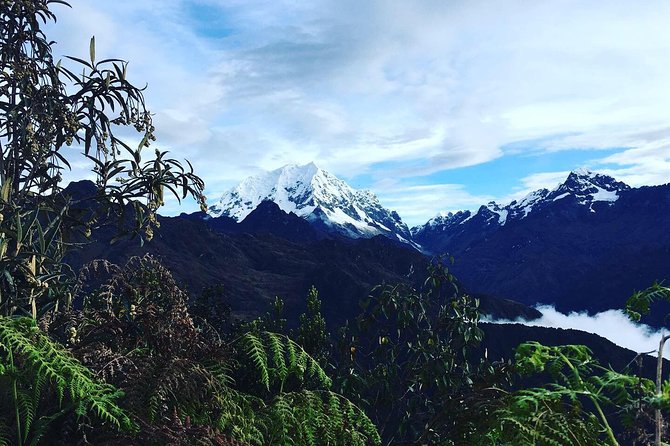
Also on day 3, you visit Runkuracay. The plan includes time to explore and capture photos after your guide explains the history.
This stop is short, but it is valuable because it breaks up the day. You get a photo moment without losing the guided context, so you are not left wondering what the stones are or why the site looks the way it does.
Day 4: Inti Punku Sun Gate, First Machu Picchu Views, Then the Guided Tour
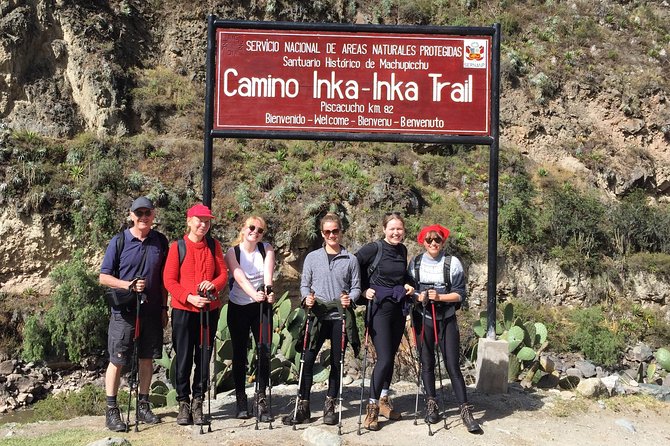
Day 4 begins with a checkpoint and a hike to Inti Punku Sun Gate. The trail through dense high rainforest is part of what makes the final day feel cinematic.
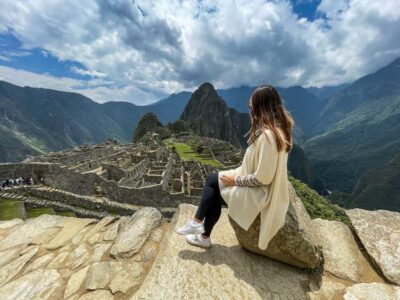
After a few hours, you arrive at the Sun Gate for your first view of Machu Picchu. You get time for a snack and a breather to take it in, then you continue down to Machu Picchu for classic photo timing and entry into the site experience.
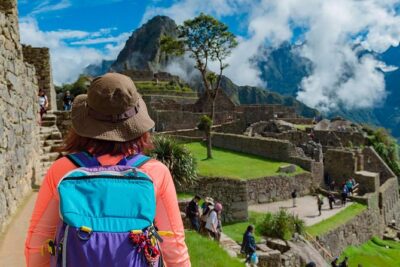
Once inside, you take time to explore additional areas, with your guide explaining what you are looking at. The plan also includes time to leave Machu Picchu, use restrooms, and enjoy a coffee if you want one.
After the Machu Picchu visit, you go down to Aguas Calientes for lunch, then you say goodbye to your guide. In the afternoon you take the train to Ollantaytambo for about 2 hours, then bus back to Cusco.
Two practical tips for this day. One, expect the moment you see Machu Picchu for the first time to feel emotional even if you have studied photos. Two, pace yourself for the site walking after the long approach, because the day combines hike time, site time, and transit.
Value Check: What $820 Really Buys You
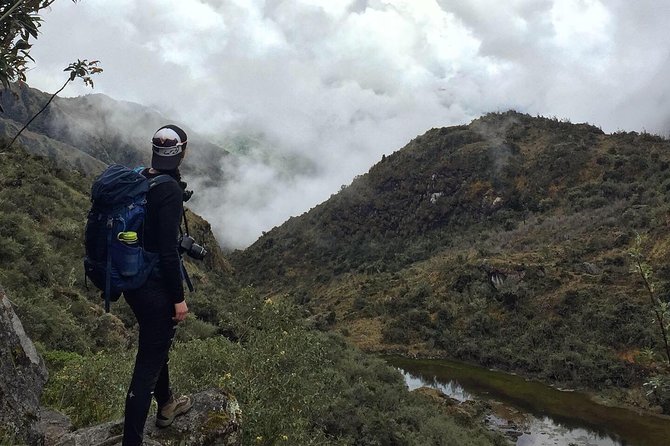
At $820 per person for roughly four days, you are paying for far more than a walking route.
Here is what is included:
- Professional bilingual guide on both the trek and the Machu Picchu tour
- Train Aguas Calientes to Ollantaytambo (2 hours)
- Camping accommodation during the trek, including a tent for 2 and a basic sleeping pad
- Porters and cook to carry shared camping equipment
- Meals: breakfast (3), lunch (3), dinner (3)
- Admission tickets included for the listed sites, including Machu Picchu
That matters because it removes a lot of the hidden costs people forget when they compare trek packages. You are not building your own camp gear system. You are not separately booking guide time for Machu Picchu. And admissions at the key stops are already handled.
What is not included, so you can plan:
- Day 1 breakfast and Day 4 lunch
- Bottled water
- A sleeping bag
- Optional extras, like an inflatable sleeping mattress for $15 USD for the trek
- Tips are optional
If you add up the cost of a guide, campsite help, admissions, and transit connections, the price starts to look less like a flat fee and more like a complete operation around your time and physical effort.
Vidal Expeditions in Real Life: Small Group Feel and Camp Support
This trek runs with maximum 8 travelers, and that small group size is one of the strongest reasons to choose this style of company-run trail.
The camp setup is also part of why people feel safe and cared for. You get porters and a cook handling shared camping equipment, plus a guide who keeps the route moving and explains the sites. In the experience writeups, the chef and team are described as attentive, and there is even mention of a birthday cake baked for a birthday celebration during the trek.
That may sound like an extra, but it actually signals something important. When food and camp morale are taken seriously, you recover better. Better recovery means you enjoy the next climb instead of just enduring it.
How Hard Is It, Really? Fitness, Altitude, and Common Mistakes
This tour is best for people with at least moderate physical fitness. That is not marketing fluff. Day 2 includes the toughest climb to a pass around 4,216 m, and you also hike multiple high passes on day 3.
Even if you are fit, altitude changes the game. The plan includes high points and camps around 3,600 m, so you should plan time to acclimatize in Cusco. A practical approach is to arrive a few days early so your body has time to adjust before the trek starts.
Also, take the hike seriously on day 2. That summit day is where people often burn energy too fast early on. If you walk steady from the start, the day becomes challenging, not chaotic.
Weather and Safety: The Trek Depends on Conditions
This experience requires good weather. If the trek is canceled due to poor weather, you are offered a different date or a full refund. That is a reminder that high-elevation hiking is still outdoors hiking, not a controlled indoor event.
Dense high rainforest on day 4 also hints at damp conditions. Even if you do not know what the weather will be, pack your brain for rain and plan to be comfortable walking in wet, cool air.
If You Like Structure, This Itinerary Works
Some treks feel like you walk, then stop, then walk again. This one has a tighter framework:
- archaeologic stop time early
- a named toughest climb day with a clear summit target
- day 3 scenery and passes that build toward Machu Picchu mountain views
- day 4 Sun Gate arrival, then guided exploration
That structure is valuable if you want to enjoy the experience without constantly making decisions about pacing, timing, and what you are looking at.
It also helps if you want the Machu Picchu part to feel guided, not just ticket time. The plan includes a main 3 hour Machu Picchu block with site exploration and explanations.
Who Should Book This Trek, and Who Might Skip It
This is a strong match if you:
- want a classic Inca Trail experience with guided context
- like small group trekking with a professional bilingual guide
- want camping logistics handled by porters and a cook
- are excited by reaching Machu Picchu via Sun Gate
You might reconsider if you:
- are not ready for a serious altitude day, especially the climb to around 4,216 m
- cannot travel to Cusco ahead of time for acclimatization
- would struggle with sleeping on a basic sleeping pad in camp and do not want to add a sleeping mattress option
Should You Book This Classic Inca Trail 4 Days to Machu Picchu?
I think this trek is worth it if you want the full arc: Inca sites along the way, a real climbing challenge, camp support, and a guided Machu Picchu day that starts with the Sun Gate approach.
Book it if you plan ahead for altitude. Give yourself a buffer in Cusco. Bring what the tour does not include, especially a sleeping bag. And be honest with yourself about fitness on day 2.
If those boxes are checked, you are set up for a trip that feels like more than a destination. It is an earned arrival.
FAQ
What is included in the Classic Inca Trail price?
The price includes a professional bilingual guide for the trek and Machu Picchu, train tickets from Aguas Calientes to Ollantaytambo, camping accommodation during the trek (tent for 2 people and a basic sleeping pad), porters and cook for shared camping equipment, meals (3 breakfasts, 3 lunches, 3 dinners), and admission tickets for the listed sites including Machu Picchu.
What is not included, and what should I bring?
Not included are Day 1 breakfast, Day 4 lunch, bottled water, optional extras like an inflatable sleeping mattress for $15 USD, and a sleeping bag. Tips are also not included, and tipping is optional depending on the service you received.
How many travelers are in the group?
This tour has a maximum of 8 travelers, which keeps the group small.
What is the hardest part of the itinerary?
Day 2 is the most challenging day, with hiking to the highest pass at about 4,216 meters. It is also the day you ascend to a summit, rest, then descend to lunch and your campsite near about 3,600 meters.
What is included for Machu Picchu on day 4?
On day 4 you hike to Inti Punku Sun Gate, then go down to Machu Picchu for exploration with your guide. The Machu Picchu portion is listed as 3 hours with an admission ticket included.
Where do we meet in Cusco?
The ticket redemption point is VIDAL EXPEDITIONS PERU, Urb, Santiago, Cusco 08007, Peru. The listed opening hours are Monday through Friday, 9:00 AM to 8:00 PM.
More Tour Reviews in Cusco
- Cusco: Humantay Lake Tour with Breakfast and Buffet Lunch
★ 4.9 · 2,976 reviews - From Cusco: Moray, Maras Salt Mines & Chinchero Weavers Tour
★ 4.8 · 1,925 reviews - From Cusco: Full-Day Group Tour of Machu Picchu
★ 4.7 · 1,767 reviews - Machu Picchu Day Trip from Cusco
★ 4.5 · 1,644 reviews - Cusco: Half-Day City Tour with Sacsayhuaman and Q’enco
★ 4.6 · 1,129 reviews
Other Inca Trail Departures
- Cusco: 4-Day Inca Trail to Machu Picchu with Accommodation
★ 4.8 · 432 reviews - Cusco: Machu Picchu 2-Day Inca Trail with Panoramic Train
★ 4.9 · 260 reviews - From Cusco: 2-Day Inca Trail to Machu Picchu
★ 4.2 · 244 reviews - Machu Picchu: Inca Trail 2-Day Overnight Guided Tour
★ 4.9 · 203 reviews - Short Inca trail to MachuPicchu || 2days – 1nigth ||
★ 5.0 · 103 reviews
Machu Picchu, Three More Ways
- From Cusco: Full-Day Group Tour of Machu Picchu
★ 4.7 · 1,767 reviews - Machu Picchu Day Trip from Cusco
★ 4.5 · 1,644 reviews - Machu Picchu: Full-Day Tour from Cusco with Optional Lunch
★ 4.6 · 927 reviews - Cusco: 4-Day Inca Trail to Machu Picchu with Accommodation
★ 4.8 · 432 reviews - From Cusco: 2-Day Trip to the Sacred Valley and Machu Picchu
★ 4.6 · 265 reviews
Fresh in from Cusco
Machu Picchu & Aguas Calientes Tours, compared.
 ★ 4.7Full-Day Group Tour of Machu PicchuFrom $3211,767 reviews
 ★ 4.5Machu Picchu Day Trip from CuscoFrom $3361,644 reviews
 ★ 4.6Machu Picchu: Full-Day Tour from Cusco with Optional LunchFrom $283927 reviews
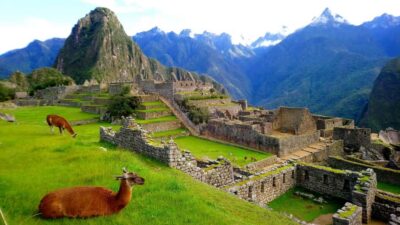 ★ 4.84-Day Inca Trail to Machu Picchu with AccommodationFrom $470432 reviews
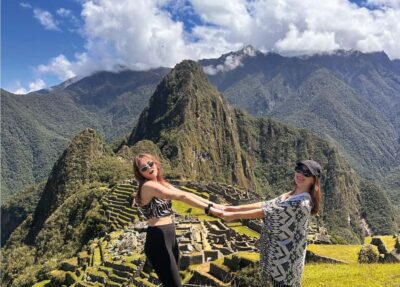 ★ 4.62-Day Trip to the Sacred Valley and Machu PicchuFrom $370265 reviews
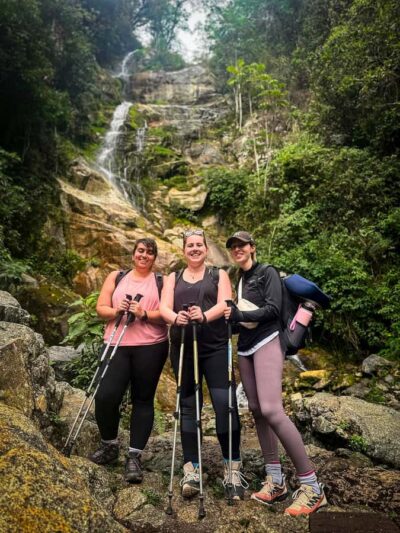 ★ 4.9Machu Picchu 2-Day Inca Trail with Panoramic TrainFrom $582260 reviews
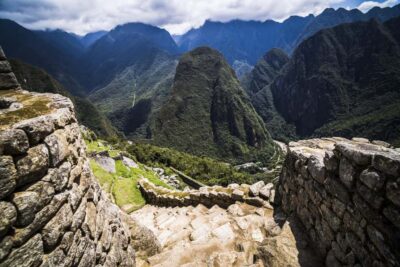 ★ 4.22-Day Inca Trail to Machu PicchuFrom $290244 reviews
 ★ 4.9Machu Picchu: Inca Trail 2-Day Overnight Guided TourFrom $585203 reviews
Browse the lists this tour appears in