
REVIEW · MARAS, MORAY & CHINCHERO TOURS
From Ollantaytambo: Moray, Maras, and Chinchero Guided Tour
Three Sacred Valley stops in one day. The mix is smart, from Inca farming experiments to still-working salt pools, plus textiles in Chinchero, all with round-trip transport from Ollantaytambo. You get to connect the dots between Moray (agriculture), Maras (salt), and Chinchero (crafts), instead of bouncing around randomly.
I especially like how Moray’s terraces are explained. You’ll hear how the circular design creates microclimates, and how water management fed the whole system. It’s the kind of place where a guide turns photos into real understanding.
The salt pools at Maras are another standout for me. Seeing roughly 2,000 salt pools that local families still use makes the story feel current, not museum-quiet. One heads-up, though, based on recent bookings: communication from the operator Inspires Viagens can be shaky, including a no-show case, so it’s worth confirming pickup details close to departure.
Key highlights to watch for
- Moray’s circular terraces and the idea of microclimates you can actually picture
- Maras salt pools still harvested by local families
- Chinchero textile interpretation center, from sheep or cotton to yarn
- Natural dye learning, using pigments instead of industrial shortcuts
- Scenic Sacred Valley drive, often timed so you may reach key spots before big bus groups
More of the valley floor, from Pisac to Ollantaytambo
- From Ollantaytambo:Moray, Salt Mines, Chinchero end in Cusco★ 5.0 · 42 reviews
- From Cusco: Sacred Valley ending in Ollantaytambo and Lunch★ 4.3 · 36 reviews
- From Cusco: Chinchero, Moray, Maras, Ollantaytambo and Pisaq★ 4.6 · 11 reviews
- From Ollantaytambo: Moray, Maras, and Chinchero Guided Tour★ 4.5 · 11 reviews
Moray terraces: the Inca experiment in microclimates
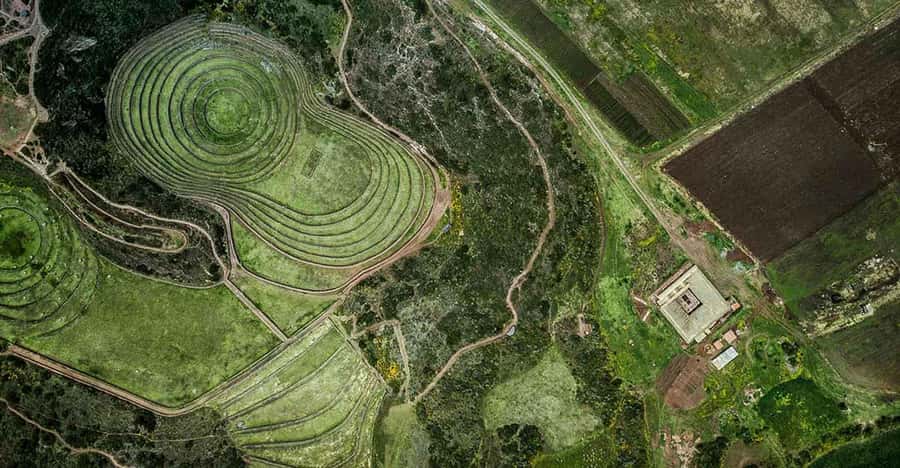
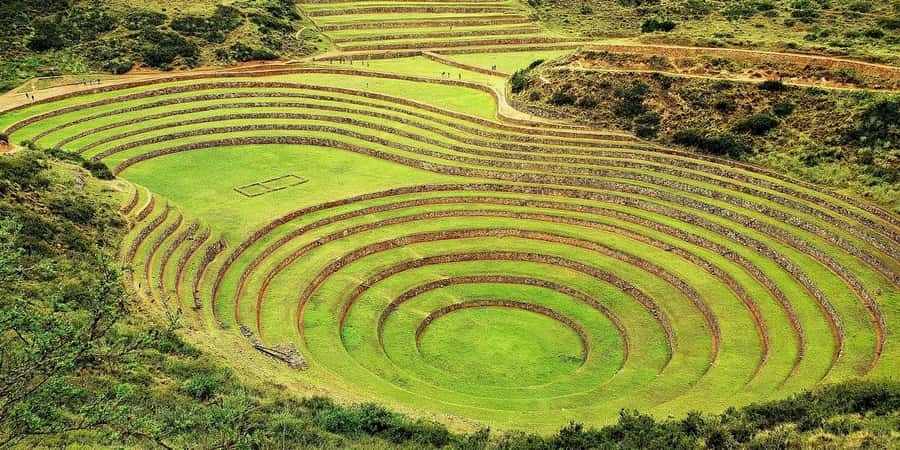
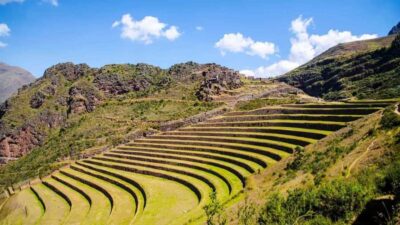
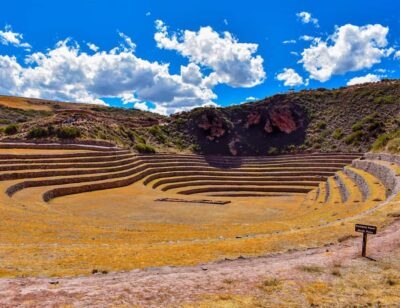
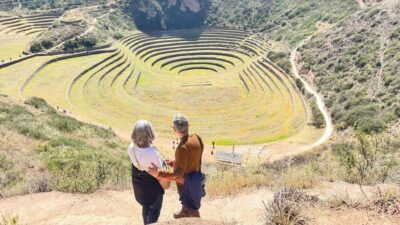
Moray is one of those Sacred Valley stops that rewards slow looking. The main feature is the series of circular terraces, an old Inca agricultural laboratory with a design that suggests planning at a very detailed scale. Your guide will point out how the terraces shape conditions, including temperature and sun exposure, so different plants could be tested in one place.
What I like about Moray on a guided tour is the way you learn the logic behind it. It’s not only that the terraces look cool. It’s that the irrigation system and layout are part of a working concept: control water, control conditions, and run experiments. If you’ve ever wondered how the Incas wrung variety out of limited land, this is where it starts to make sense.
Practical note: Moray involves uneven ground and some stair-like movement between terrace levels. Comfortable shoes matter more here than fashion boots. Bring your camera, because the geometry of the terraces is photograph-friendly, especially when the light hits the edges of each ring.
A small drawback is the tour pace. This is still a one-day route, so Moray won’t be an all-afternoon wander. If you love agriculture history, you’ll want to ask your guide a few extra questions while you’re there, then spend your leftover energy on photos and quiet terrace views.
Maras salt mines: 2000 working pools and living tradition
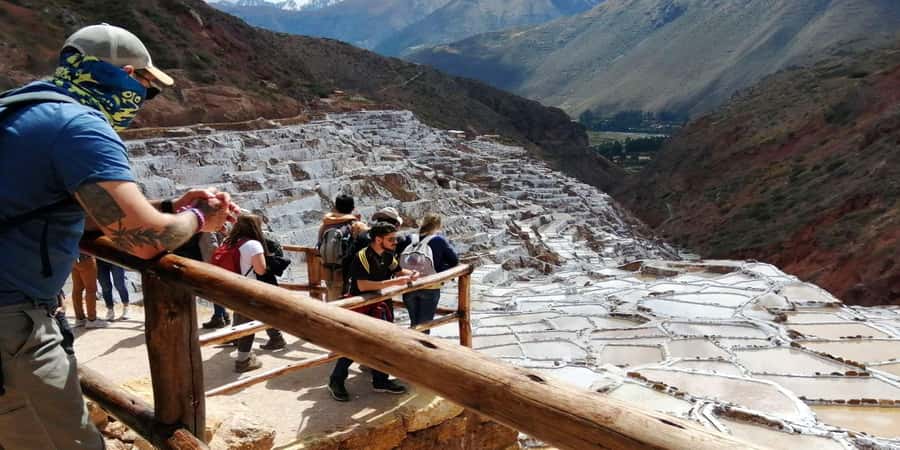
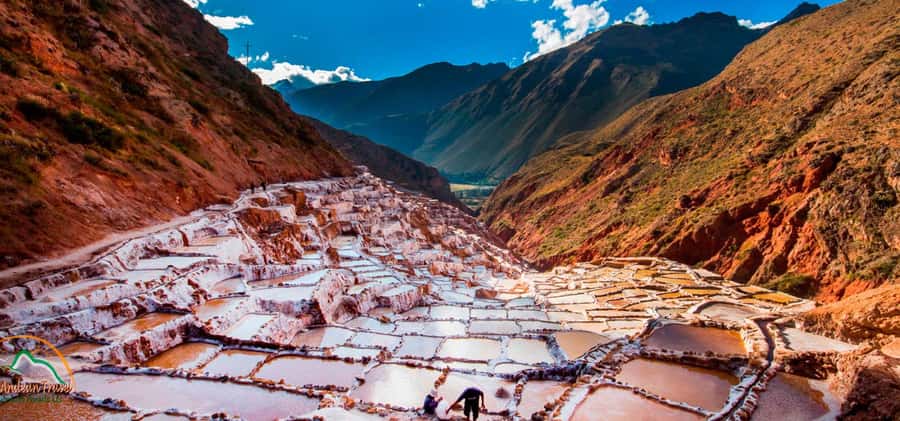
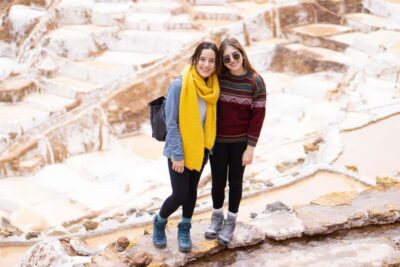
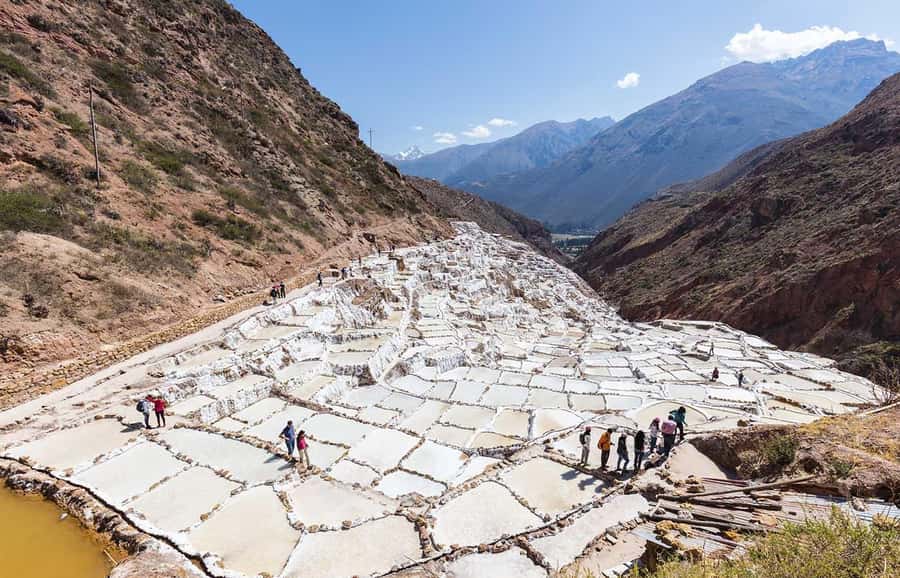
Maras is the Sacred Valley at its most practical. You’ll visit the salt mines of Maras and see the famous pools that are still used to extract salt. You’re looking at around 2,000 salt pools, and the key word is still. Local families continue the work, so the place feels active, not staged.
Your guide should give you context on how the salt mining works and why the site is suited to this kind of extraction. Even if you’re not a science person, the explanation helps you notice details: the way the pools are laid out, how the water reaches the salt areas, and why the whole operation is possible here. It’s one thing to see pictures, and another to understand the infrastructure.
Photo tip: don’t rush. Maras offers a lot of visual texture, from the pool grids to the contrast between salt residue and darker stone. If the group moves quickly, you can still get good shots, but try to pause at least once to frame the pools from a slightly different angle.
This stop also has a “climate” rhythm. You may feel sun and glare more than you expect, depending on the day. That’s why a hat and sunscreen are not optional. Also, while you’re at it, keep an eye on your footing around the pool areas. Even when it looks flat, the ground can be uneven.
Chinchero textile center: wool, cotton, and natural dyes
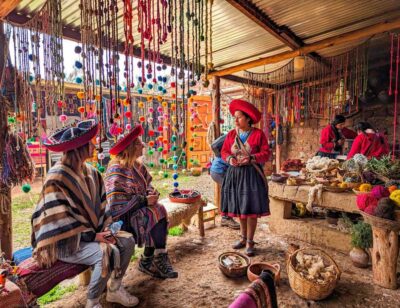
Chinchero is where the tour balances out the agriculture and minerals with hands-on craft knowledge. In the town, you’ll visit a textile interpretation center and learn how locals transform wool and cotton into yarn. Pay attention to the steps your guide explains, because once you understand the process, you’ll notice it in the materials and even the way colors are discussed.
What makes Chinchero valuable is the dye part. You’ll see how yarn is dyed using natural pigments, not chemical shortcuts. Your guide will connect the method to tradition, and it helps you understand why the colors often look softer and more organic than the bright industrial shades you might expect.
If you like cultural details, Chinchero is a great place to slow down and ask questions. For example, ask what the guide thinks matters most in the fiber process, or what people look for in the yarn before dyeing. With a good guide, these conversations make the craft feel alive rather than like a sales-focused display.
One consideration: textile centers can feel more indoor or semi-directed than the outdoor stops. If you’re hoping for wide-open walking time, Chinchero may feel shorter than Moray or Maras. Still, the payoff is in understanding the “how,” and not just seeing textiles as a souvenir category.
Sacred Valley views on the road from Ollantaytambo
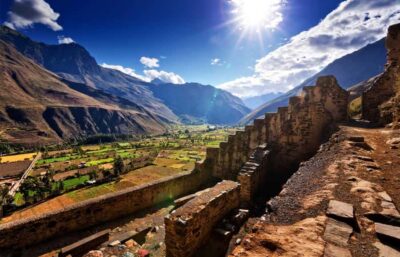
The drive from Ollantaytambo through the Sacred Valley is not just transport. It’s part of the experience. Along the way, you’ll get stunning views, and those windows are when you can reset mentally between sites. I also like the logic of this route: Moray first, then Maras, then Chinchero keeps the day organized and avoids backtracking.
Timing can matter for crowd levels. One booking described the route as fortunate for arriving before large tour buses rolled in. That’s not something you can guarantee, but it’s exactly the kind of thing a good guide and planning can influence. If you care about calmer photos, arrive early to any meeting point you’re assigned, and stay ready for a prompt departure.
This is a full-day flow, so you should expect your day to be structured. You’ll start with pickup from Ollantaytambo and end back in Ollantaytambo after Chinchero. Plan your pace around that. The more you stay mentally flexible, the more you’ll enjoy the views instead of worrying about every minute.
And yes, you’ll want a water bottle and sun protection for the ride and stops. The Sacred Valley sun can be intense, and you’ll feel it before you’re even thinking about it.
More salt pans, terraces and weaving villages
Price and entrance costs: budgeting the $80 plus tickets
The tour price is $80 per person for a one-day route. For that, you get pickup at the meeting point in Ollantaytambo, tourist transportation, and a professional guide. That’s a real value if you’d otherwise have to coordinate rides between Moray, Maras, and Chinchero on your own.
But you should budget for entrances too. Tickets are not included. The Cusco Tourist Ticket is listed as 40 soles for nationals and 70 soles for foreigners, and entrance to Salineras (Maras salt pools) is an additional 20 soles. In other words, the $80 covers the guide and logistics, while the on-site entry fees are your responsibility.
Here’s how I think about value in plain terms: you’re paying for convenience and context. The guide work is what turns each stop into more than scenery, especially for Moray and Chinchero. If you love explanations and photo framing with purpose, that added guidance is worth it.
Also, consider this practical tip: if you already plan to use a Cusco Tourist Ticket, it can cover entry for multiple locations. One recent description mentioned using it for two locations, which suggests it can reduce surprises if you’re carrying the right pass. When in doubt, ask your guide what the ticket covers for the stops you’re visiting, before you pay extra at the gate.
Guides and group reality: when Inspires Viagens communication matters
This tour lives or dies on two things: the guide and the logistics. The guide part sounds excellent in multiple cases. People specifically praised guides like Juan Carlos for clear English, local knowledge, and even taking plenty of pictures. Another booking highlighted Yasmina as amazing, and another mentioned Yesica as a great guide.
The logistics part is where you need to be more cautious. Recent bookings include complaints about poor communication, false confirmations, and even a no-show situation where people were left waiting about 1.5 hours at the meeting spot and then had to catch the tour the next day. There’s also a note about rude staff when concerns were raised, followed by lack of response.
What does that mean for you? It means this tour can be worth it for the actual sights and guide quality, but you should not treat meeting-time details as automatic. You’ll want to confirm pickup timing and location the day of the tour. One guide used WhatsApp for a last-minute message, so if you receive any contact details in your booking, keep an eye on your phone and messages.
If you’re the kind of traveler who hates uncertainty, build in your own buffer. Get to the meeting point earlier than the stated time. Keep your expectations realistic, because when communication fails, your day can suffer even if the guide ends up being great.
What to bring and how to pace your day
This route is outdoors, sun-forward, and generally active. Follow the basics: comfortable shoes, a sun hat, camera, sunscreen, and water. The guide and transportation help with structure, but you’ll still be doing walking and changing levels at different sites.
Also, plan for hunger. One description mentioned lunch happened around 13:30, and the group returned around 15:30. That suggests there’s usually a meal window early afternoon, but it may not be a long one. If you tend to get cranky when meals get delayed, bring a small snack so you can stay comfortable.
Not suitable for wheelchair users is listed. That’s important because terrace and mine areas can involve uneven steps or ground. If mobility is an issue, don’t assume the route is adaptable.
For photos, this is a good day to use short bursts. Spend time at each stop, but keep moving with intention so you don’t miss how the light changes. At Moray and Maras, the site geometry is strong, so even quick photos can turn out well if you’re positioned properly.
Should you book the Ollantaytambo Moray Maras Chinchero tour?
I’d book it if you want a one-day sampler of the Sacred Valley with three focused themes: Inca agriculture at Moray, active salt harvesting at Maras, and textile craft knowledge in Chinchero. It’s also a practical choice if you’re starting from Ollantaytambo and want round-trip transportation without planning drives or ticket logistics.
I’d be cautious if your travel style depends on perfect communication. Since there have been reports of missed pickups and weak responses from Inspires Viagens, you should confirm details close to departure and plan a bit of extra buffer time. If you do that, the odds of a great day improve, especially given the strong guide feedback you can get for this route.
If you already have the Cusco Tourist Ticket, you may be able to reduce the amount of ticket-paying you do on the day. If you don’t, budget for it now, and you’ll feel in control instead of reacting at gates.
Bottom line: the sites are worth it, the guide can make it excellent, and your main job is to keep your logistics tight, especially around meeting time.
FAQ
How long is the Moray, Maras, and Chinchero tour from Ollantaytambo?
The duration is listed as 1 day, with starting times that vary based on availability.
What is included in the price?
The tour includes pickup at the meeting point in Ollantaytambo, tourist transportation, and a professional live guide.
What tickets are not included?
A tourist ticket is not included. Nationals are listed at 40 soles and foreigners at 70 soles. Entrance to Salineras (Maras salt pools) is also listed as not included at 20 soles.
What languages is the guide available in?
The live tour guide is listed as available in Spanish and English.
Where does the tour start and end?
It starts with pickup from Ollantaytambo and ends with a return back to Ollantaytambo after visiting the stops.
What should I bring with me?
You’re advised to bring comfortable shoes, a sun hat, a camera, sunscreen, and water.
Is this tour wheelchair accessible?
No. It is listed as not suitable for wheelchair users.
More Tour Reviews in Ollantaytambo
- From Cusco: Sacred Valley & Maras Salt Mines Tour with Lunch
★ 4.8 · 2,227 reviews - From Ollantaytambo:Moray, Salt Mines, Chinchero end in Cusco
★ 5.0 · 42 reviews - From Cusco: Sacred Valley ending in Ollantaytambo and Lunch
★ 4.3 · 36 reviews - From Cusco: Chinchero, Moray, Maras, Ollantaytambo and Pisaq
★ 4.6 · 11 reviews - From Cusco: Sacred Valley Group Tour with Buffet Lunch
★ 5.0 · 9 reviews
Maras, Moray and Chinchero Again
- From Cusco: Sacred Valley & Maras Salt Mines Tour with Lunch
★ 4.8 · 2,227 reviews - From Ollantaytambo:Moray, Salt Mines, Chinchero end in Cusco
★ 5.0 · 42 reviews - From Cusco: Chinchero, Moray, Maras, Ollantaytambo and Pisaq
★ 4.6 · 11 reviews - From Ollantaytambo:Private tour to Maras and Moray half day
★ 4.6 · 7 reviews - Cusco: Sacred Valley + Maras and Moray
★ 4.5 · 4 reviews
Keep Going Down the Valley
- From Cusco: Sacred Valley & Maras Salt Mines Tour with Lunch
★ 4.8 · 2,227 reviews - From Ollantaytambo:Moray, Salt Mines, Chinchero end in Cusco
★ 5.0 · 42 reviews - From Cusco: Sacred Valley ending in Ollantaytambo and Lunch
★ 4.3 · 36 reviews - From Cusco: Chinchero, Moray, Maras, Ollantaytambo and Pisaq
★ 4.6 · 11 reviews - From Cusco: Sacred Valley Group Tour with Buffet Lunch
★ 5.0 · 9 reviews
Fresh in from Ollantaytambo

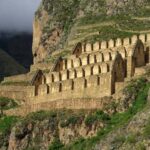
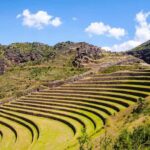
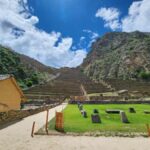
Maras, Moray & Chinchero Tours, compared.
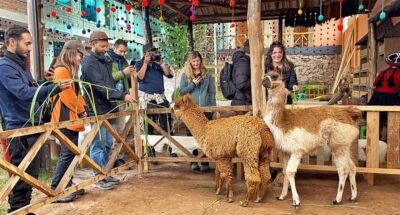 ★ 4.8Sacred Valley & Maras Salt Mines Tour with LunchFrom $282,227 reviews
 ★ 4.8Moray, Maras Salt Mines & Chinchero Weavers TourFrom $151,925 reviews
 ★ 4.6Sacred Valley, Pisac, Ollantaytambo, Salt Mines MorayFrom $281,058 reviews
 ★ 4.8Chinchero,Moray & Salt Mines drop-off in OllantaytamboFrom $27793 reviews
 ★ 4.8Sacred Valley: Chinchero, Moray, Ollantaytambo & Pisac+LunchFrom $25501 reviews
 ★ 4.6Sacred Valley: Maras & Moray by Quad Bike from CuscoFrom $39418 reviews
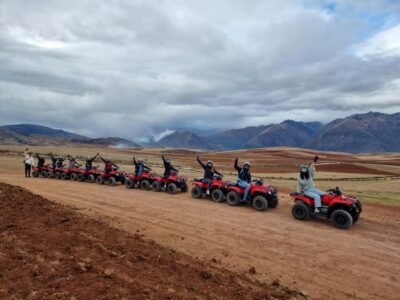 ★ 4.7Quad bike tour Moray and Salt MinesFrom $27314 reviews
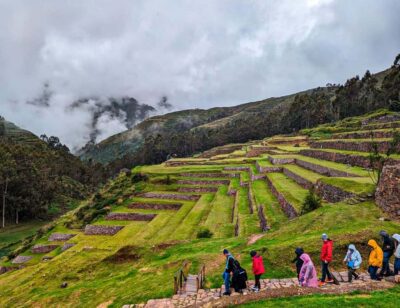 ★ 4.8Sacred Valley Pisaq,Ollantaytambo,Chinchero with LunchFrom $28183 reviews
Browse the lists this tour appears in