
REVIEW · MARAS, MORAY & CHINCHERO TOURS
From Cusco: Chinchero, Moray, Maras, Ollantaytambo and Pisaq
One long day, five Inca stops, and plenty of big views. What makes this route special is how it strings Sacred Valley highlights into a single, guided timeline. You also get a focused look at Ollantaytambo and Pisaq without needing to plan the driving yourself.
I love that the tour includes both interpretation and practical structure: a professional Spanish and English guide explains what you are seeing, and the pacing keeps moving. I also like the lunch setup, a buffet in Urubamba that gives you time to reset before the afternoon ruins.
The main tradeoff is time pressure. This is a full day, with several short stops, plus some shop-style stops along the way, so you might feel rushed if you like lingering.
Key highlights worth your attention
- Bilingual guide (Spanish and English) for clear explanations at each site
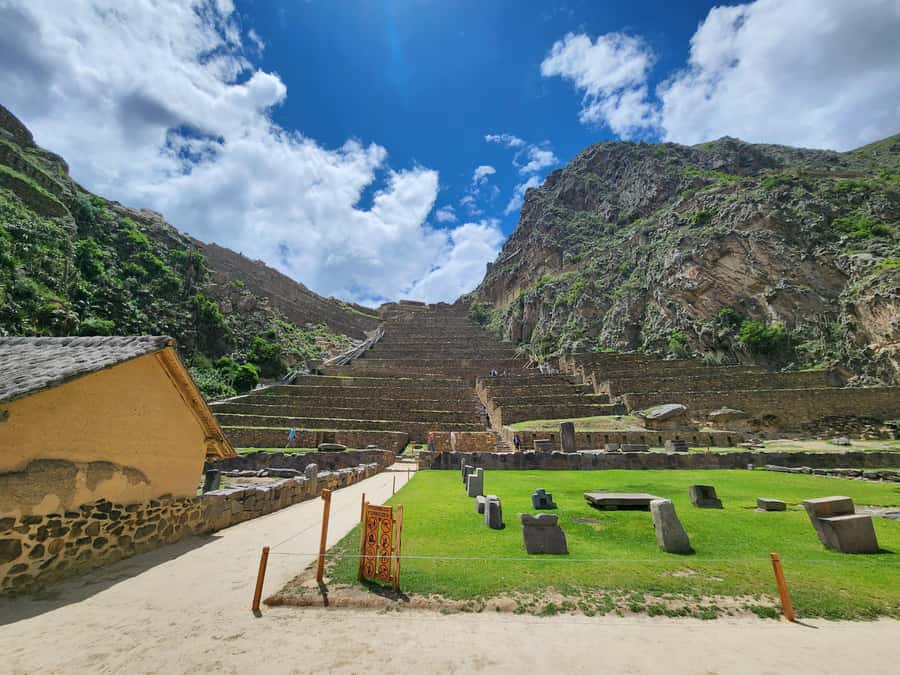
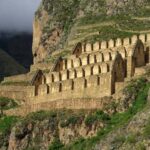
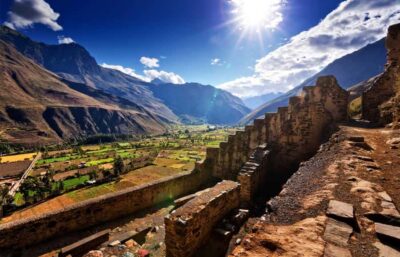
- Inca town of Ollantaytambo with terraces, temples, and a strong sense of place
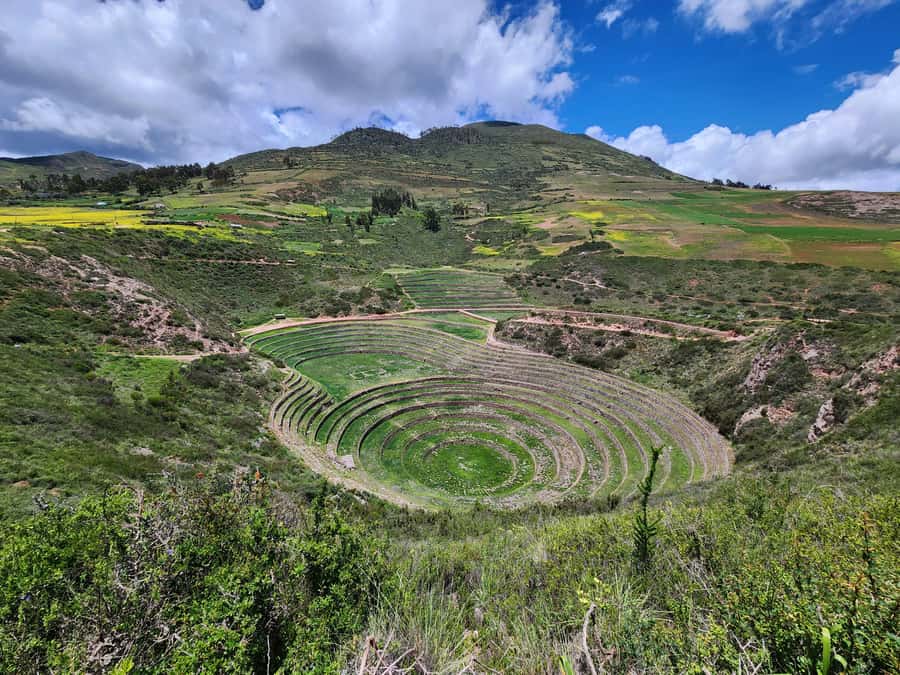
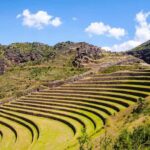
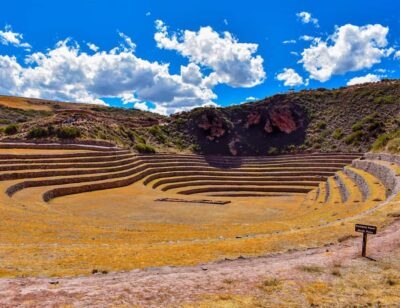
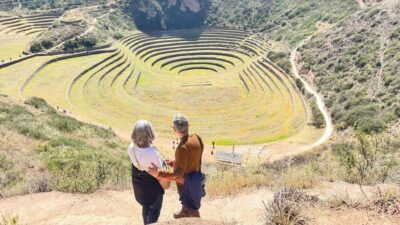
- Moray’s circular terraces that show how Incas experimented with farming
- Maras salt mines with thousands of small brine pools worth photos
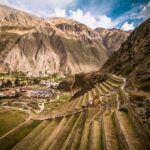
- Pisaq’s dramatic ruins set against mountains, often the biggest visual payoff
- Lunch buffet in Urubamba included, so you do not have to hunt for food
More of the valley floor, from Pisac to Ollantaytambo
- From Ollantaytambo:Moray, Salt Mines, Chinchero end in Cusco★ 5.0 · 42 reviews
- From Cusco: Sacred Valley ending in Ollantaytambo and Lunch★ 4.3 · 36 reviews
- From Cusco: Chinchero, Moray, Maras, Ollantaytambo and Pisaq★ 4.6 · 11 reviews
- From Ollantaytambo: Moray, Maras, and Chinchero Guided Tour★ 4.5 · 11 reviews
Why this one-day Sacred Valley route is a smart use of your time
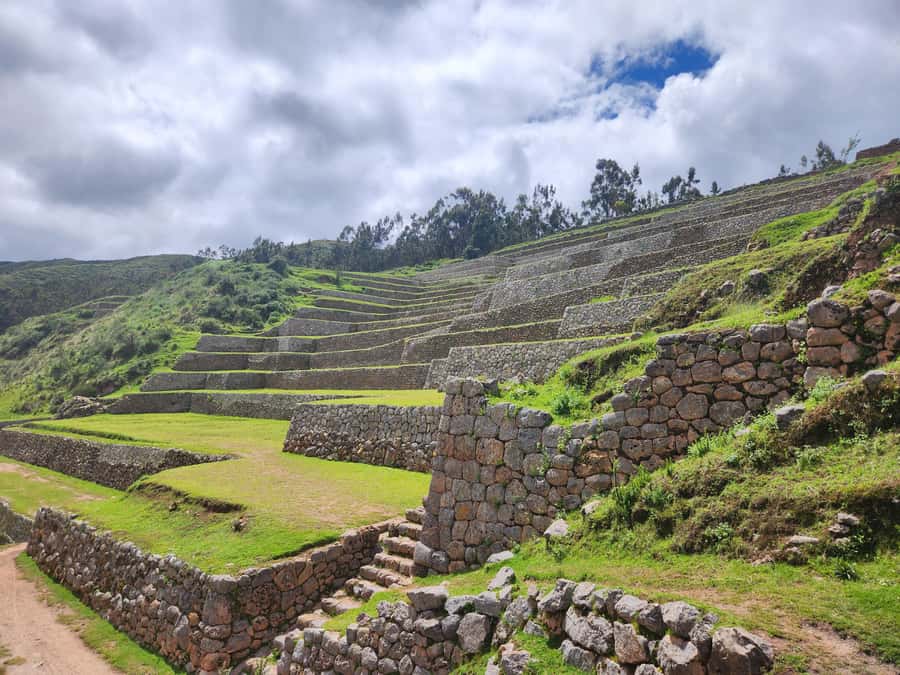
If you only have one full day in the Cusco area, this kind of tour makes sense. The Sacred Valley is spread out, and doing it on your own can turn into lots of waiting, confusing directions, and paying for taxis multiple times. This route keeps you in a van for the big transfers, then switches to walking at the stops where it matters.
The value here is not just the number of sites. It is the order and the way the guide ties them together. You go from smaller village culture in Chinchero, into the agricultural and engineering story at Moray and Maras, then into administrative and ceremonial power at Ollantaytambo and Pisaq. That arc makes the landscape feel less like random ruins and more like a system.
Just know what kind of traveler you are. If you want a slow, museum-like experience at each place, a one-day loop can feel tight. But if you want to leave with photos, context, and a sense of the Inca worldview, this day format is hard to beat.
Morning pickup from Cusco and the drive that sets the mood
The day starts with a hotel pickup in Cusco, then you head out by van. Expect about a 40-minute drive before the first stop, Chinchero. After that, you keep moving in short, logical legs, generally 20 to 30 minutes between stops, with a longer transfer later on toward the Pisaq area.
Even if you feel the altitude in the Cusco region, the rhythm helps. You get some time to adjust while you ride, then you walk in bursts. The earlier start matters too. You have a better shot at seeing the sites with fewer crowds, and you spend less time overheating in the late-day sun.
Practical tip: treat the first hour like a warm-up. Sip water, go easy on stairs and sudden climbs, and save your biggest effort for the places where you really want the photos.
Chinchero: Inca leftovers plus today’s weaving culture
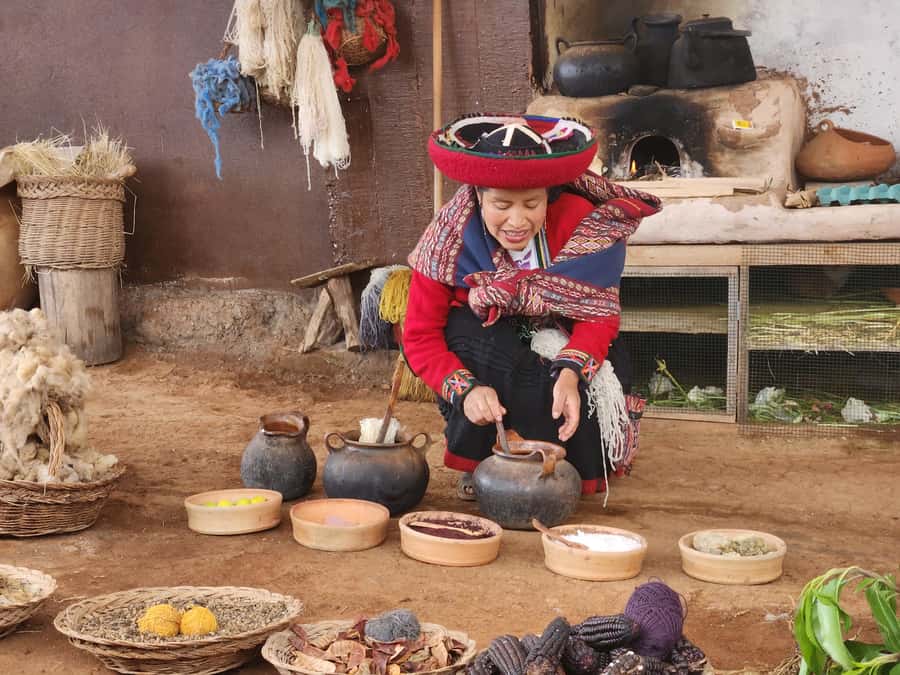
Chinchero is a village stop that works on two levels. You get the colonial church area, and near it you also see Inca remains. That mix is a big theme in the Cusco region, where old foundations and newer religious buildings overlap.
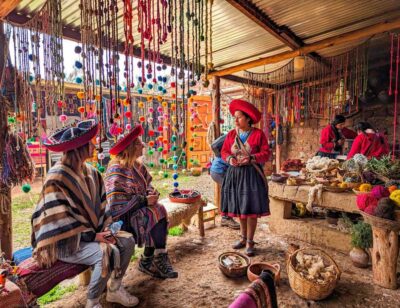
What I like most is the weaving angle. The tour typically includes a visit to a local weaving cooperative, where you can watch traditional methods and learn how Andean textiles are made. This is not just a sales pit stop. It is a chance to connect what you see at archaeological sites to living culture in the same valleys.
You should plan for a short visit. Chinchero is usually around an hour total, including photo time and the guided walk. That means you will get orientation, not deep exploration.
If weaving demonstrations are not your thing, you might wish the stop were shorter. On the other hand, it is one of the few parts of the day that explains how heritage shows up in everyday life.
Moray’s circular terraces: engineering you can actually see
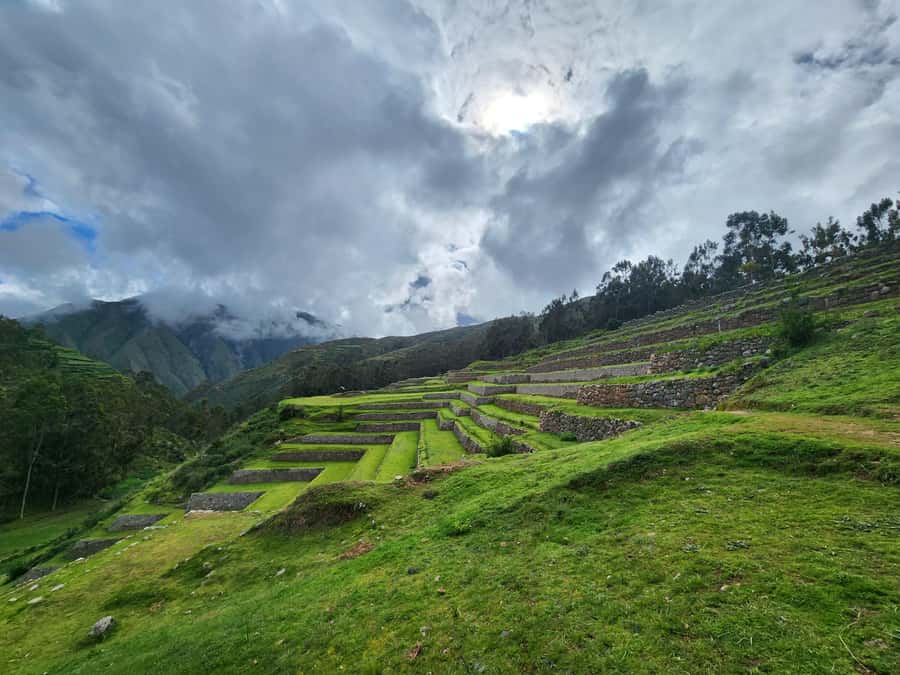
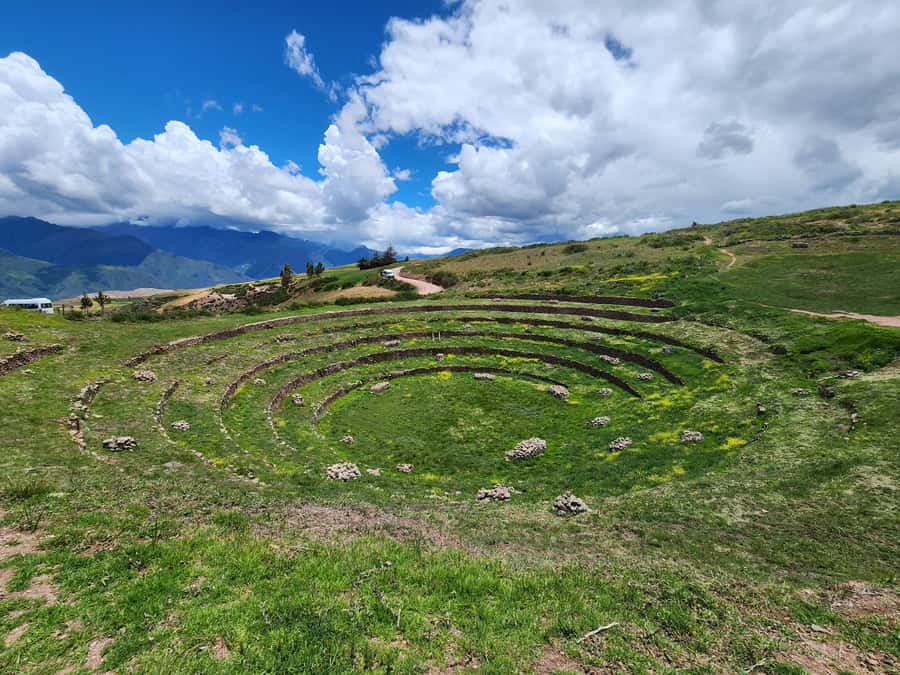
Moray stands out because it looks like a design project. Instead of a typical ruin layout, you see circular agricultural terraces stacked like rings. The guide explains that the Incas likely used these terraces to experiment with crops by using differences in exposure and altitude.
Why it works: your brain can “read” the terraces. You can see how the design creates micro-environments without needing a lot of imagination. The circular geometry is the story, and a guided explanation helps you look at what might otherwise feel like just impressive stonework.
The typical time at Moray is about 30 minutes, including a photo stop. That is enough to understand the concept and walk around at a manageable pace, but it is not enough if you want to study every detail.
One caution: the walk can feel more demanding than you expect if you are already a bit tired from the morning altitude. Wear comfortable shoes and take it slow on any uneven ground.
More salt pans, terraces and weaving villages
Maras salt mines: a working landscape of thousands of brine pools
Maras is famous for its salt mines, where thousands of small pools collect brine. You are not visiting a museum display. It is a functioning landscape, and that changes how it feels. You can look at the patterns and think about labor and resource control, themes that show up across the Inca world.
The tour usually includes a guided visit plus photo time, roughly 30 minutes. You will see plenty of salt-pool views, but you will not have hours to wander. If this is your top priority photo spot, arrive ready to move efficiently.
Also plan your expectations. Depending on the day, the light and the angle matter a lot for photos. The sun can be intense, and you will likely be outside for most of your time here. Hat and sunscreen are not optional, they are your comfort upgrades.
There is an entrance ticket for Maras that is not included, so bring enough cash to cover that extra cost.
Urubamba lunch buffet: fuel up without losing the afternoon
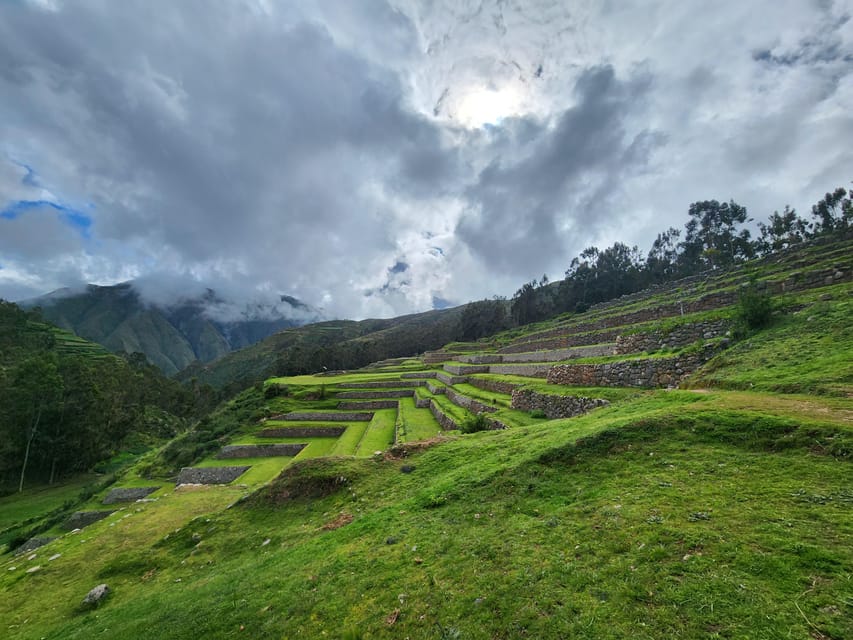
Lunch is built into the schedule with a buffet stop in Urubamba, around 45 minutes. That matters because after the salt mines, you want something solid and predictable.
This kind of lunch is also helpful at altitude. You get a chance to sit down, recover a bit, and eat at normal speed instead of grabbing random snacks. If you are sensitive to high altitude, take your time with your drink and choose foods that sit well with you.
Practical tip: eat, then drink water. You are about to do two more major archaeological stops.
And yes, lunch can feel rushed if you are hoping for a long sit-down. But if you want the full route completed, 45 minutes is usually the balance point.
Ollantaytambo: where the Inca town still feels alive
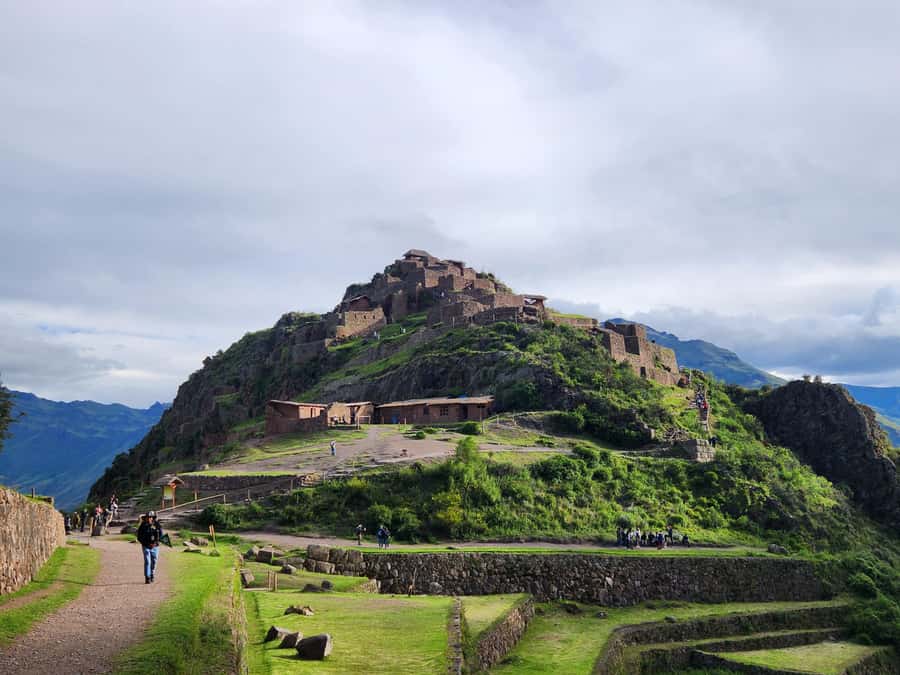
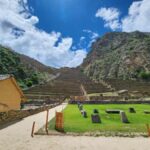
Ollantaytambo is often the emotional center of this loop. The site is a well-preserved Inca town with terraces, temples, and a ceremonial area. You also get a sense of why it mattered administratively and religiously during the Inca Empire.
What makes Ollantaytambo special for a first-time visitor is that it reads like a real place, not just a set of scattered stones. Even during a relatively short guided visit, you can understand the layout: how people moved through terraces, how the architecture supports ritual or administration, and why the location is strategic.
The tour time is commonly around 40 minutes for Ollantaytambo, including guided touring and photo stops. That is enough to walk key sections, but again, it is not a slow wander.
If your guide is strong at explaining, Ollantaytambo becomes more than photos. It becomes a story you can follow with your feet: terrace to temple, temple to view, view back to the sense of power and planning.
Pisaq ruins: big scenery payoff, but manage the time
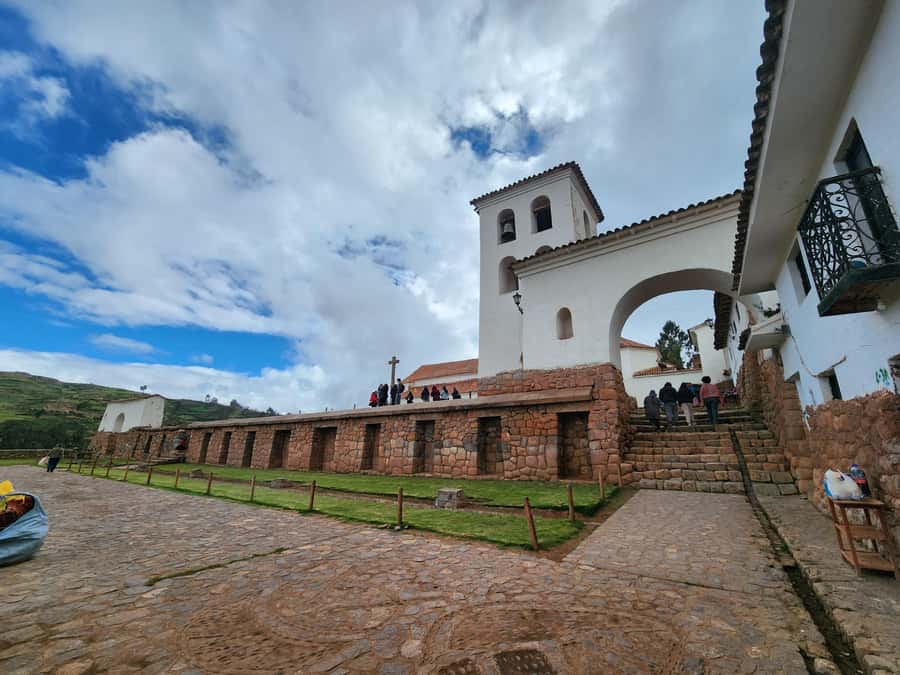
Pisaq is often the final major archaeological stop, with about 30 minutes for guided exploration and photo time. The setting is dramatic, with terraces, tombs, and religious structures against a mountainous backdrop. This is the kind of site where the visuals hit you before the details do.
The challenge is timing. Some days, tour schedules can run a little tight, and you might arrive close to closing time. If you care deeply about photographing every terrace or walking an extra spur, you will feel the squeeze.
Here is how to handle it:
- Prioritize which areas you want most, terrace views or tomb zones.
- Bring your camera strap plan so you can move fast when the group moves.
- If you want extra photos, ask your guide to point out the best angles early in your stop so you are not chasing them near the end.
Even with time pressure, Pisaq is usually still worth it. The scale and the mountain backdrop make the short visit feel like more than its minutes.
Price and logistics: where your $35 goes, and what extra soles may be needed
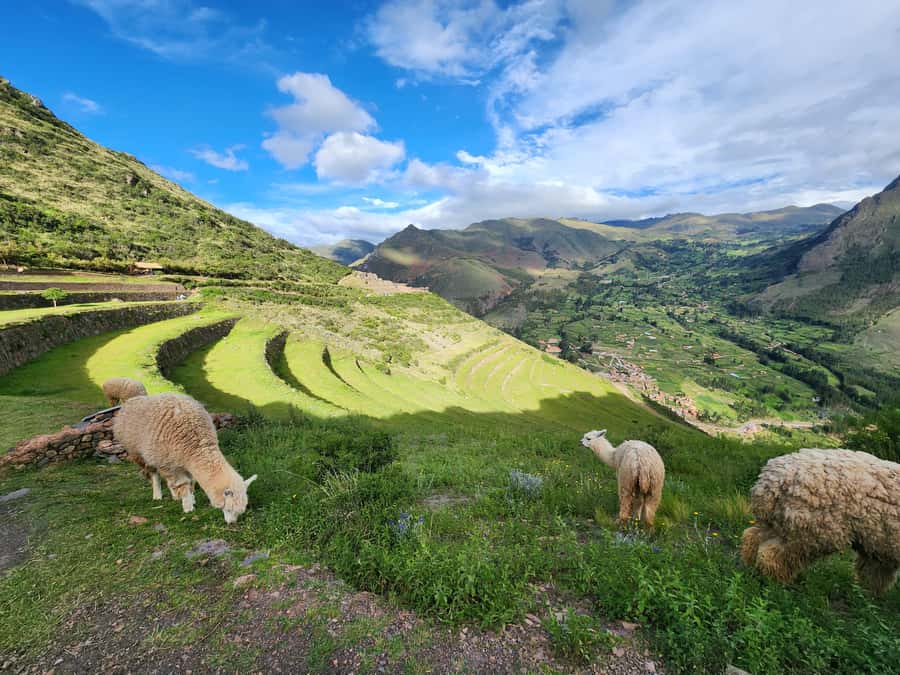
The listed price is $35 per person for a full-day guided tour. In practical terms, you are paying for four things:
1) hotel pickup in Cusco
2) round-trip transportation by van
3) a professional guide in Spanish and English
4) a lunch buffet
That is solid value if you prefer one organized plan over cobbling together transport, entry tickets, and a guide. A day like this is also a good fit if you want to see multiple sites but do not want to drive on your own in the Sacred Valley.
The two extra costs you should plan for are:
- Tourist ticket: 70 soles
- Maras entrance: 20 soles
Because these are not included, budget for them early so you do not end up scrambling mid-day. Also have some local currency on hand for small purchases and tips, since the day includes shopping stops along the way.
One more logistics note: drones are not allowed.
What to bring and how to stay comfortable in a long Sacred Valley day
This tour is mostly outdoors and involves walking at multiple stops. Pack like it is a full hike day, even if the distances are broken into smaller segments.
Bring:
- comfortable walking shoes
- a hat
- camera
- sunscreen
- water
Then plan for altitude variation. Even though you are in a van for transfers, you can still feel the altitude shift across the valley. Go slow, drink water regularly, and do not push your breathing on the first steep sections you see.
If you get cold easily, also consider a light layer. Conditions can change through the day, and your body rhythm will depend on how much you walk.
Who should book this tour, and who might want a slower plan
This one-day tour is a good match if you:
- have limited time in Cusco
- want an organized route through major Sacred Valley sites
- like guided explanations that connect ruins to Inca systems
- value lunch and transport included
It may be less ideal if you:
- hate short museum-style visits and prefer hours at one site
- want zero shopping or product-focused stops
- get frustrated when the schedule feels tight
The reviews show a clear pattern: people love the guide explanations and the fact that you cover the key landmarks in one day. The most common complaint is that the day can feel rushed, with multiple stops that are more sales-oriented than archaeological. If that is your pet peeve, you may want to either ask the operator how shop time is handled or choose a slower half-day or point-to-point option.
Should you book this Sacred Valley day trip?
I would book it if your priority is maximum Sacred Valley coverage in one day with a guide who explains what you are seeing and a lunch plan that keeps you fueled. The combination of Chinchero culture, Moray’s agricultural design, Maras salt production, Ollantaytambo’s Inca-town feel, and Pisaq’s mountain-set ruins makes it a strong first-timer route.
I would hesitate if you are the type who needs long quiet time at ruins or you hate schedule pressure. In that case, you might enjoy a slower alternative more, or at least be ready to accept shorter site visits in exchange for seeing everything.
Bottom line: if you want the highlights and the story, this is good value for the $35 base price, especially once you add your tourist ticket and Maras entrance into your budget. Just set your expectations for pace, keep your shoes on standby, and you will get a full day that feels worth it.
FAQ
What’s the duration of the tour?
It’s a one-day experience.
Where does the tour start and end?
Pickup is from your hotel in Cusco, and the tour finishes at Plaza Regocijo.
What does the price include?
The price includes hotel pickup, transport by van, a professional guide (Spanish and English), and a lunch buffet.
What entrance fees are not included?
You should budget for the tourist ticket (70 soles) and an entrance ticket for Maras (20 soles).
How long is the lunch break?
Lunch is included in Urubamba and lasts about 45 minutes.
What language is the guide available in?
The guide works in both Spanish and English.
What should I bring for the day?
Bring comfortable shoes, a hat, a camera, sunscreen, and water.
Are drones allowed?
No, drones are not allowed on this activity.
More Leaving From Ollantaytambo
- From Cusco: Sacred Valley & Maras Salt Mines Tour with Lunch
★ 4.8 · 2,227 reviews - From Ollantaytambo:Moray, Salt Mines, Chinchero end in Cusco
★ 5.0 · 42 reviews - From Cusco: Sacred Valley ending in Ollantaytambo and Lunch
★ 4.3 · 36 reviews - From Cusco: Sacred Valley Group Tour with Buffet Lunch
★ 5.0 · 9 reviews - Cusco: Sacred Valley + Maras and Moray
★ 4.5 · 4 reviews
Maras, Moray and Chinchero Again
- From Cusco: Sacred Valley & Maras Salt Mines Tour with Lunch
★ 4.8 · 2,227 reviews - From Ollantaytambo:Moray, Salt Mines, Chinchero end in Cusco
★ 5.0 · 42 reviews - From Ollantaytambo: Moray, Maras, and Chinchero Guided Tour
★ 4.5 · 11 reviews - From Ollantaytambo:Private tour to Maras and Moray half day
★ 4.6 · 7 reviews - Cusco: Sacred Valley + Maras and Moray
★ 4.5 · 4 reviews
Keep Going Down the Valley
- From Cusco: Sacred Valley & Maras Salt Mines Tour with Lunch
★ 4.8 · 2,227 reviews - From Ollantaytambo:Moray, Salt Mines, Chinchero end in Cusco
★ 5.0 · 42 reviews - From Cusco: Sacred Valley ending in Ollantaytambo and Lunch
★ 4.3 · 36 reviews - From Ollantaytambo: Moray, Maras, and Chinchero Guided Tour
★ 4.5 · 11 reviews - From Cusco: Sacred Valley Group Tour with Buffet Lunch
★ 5.0 · 9 reviews
Fresh in from Ollantaytambo

Maras, Moray & Chinchero Tours, compared.
 ★ 4.8Sacred Valley & Maras Salt Mines Tour with LunchFrom $282,227 reviews
 ★ 4.8Moray, Maras Salt Mines & Chinchero Weavers TourFrom $151,925 reviews
 ★ 4.6Sacred Valley, Pisac, Ollantaytambo, Salt Mines MorayFrom $281,058 reviews
 ★ 4.8Chinchero,Moray & Salt Mines drop-off in OllantaytamboFrom $27793 reviews
 ★ 4.8Sacred Valley: Chinchero, Moray, Ollantaytambo & Pisac+LunchFrom $25501 reviews
 ★ 4.6Sacred Valley: Maras & Moray by Quad Bike from CuscoFrom $39418 reviews
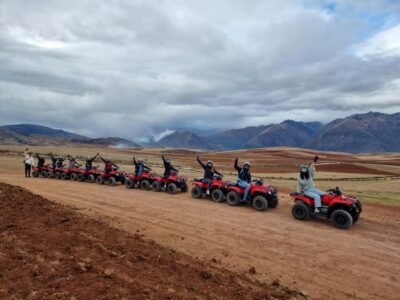 ★ 4.7Quad bike tour Moray and Salt MinesFrom $27314 reviews
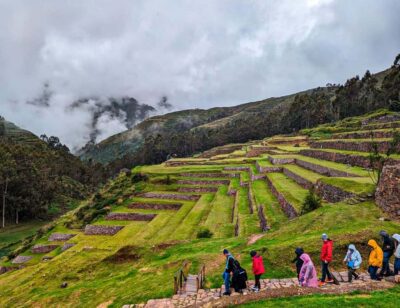 ★ 4.8Sacred Valley Pisaq,Ollantaytambo,Chinchero with LunchFrom $28183 reviews
Browse the lists this tour appears in