
REVIEW · SACRED VALLEY TOURS
From Cusco: Ollantaytambo Fortress Half-Day Private Tour
Stone steps still feel alive in Ollantaytambo.
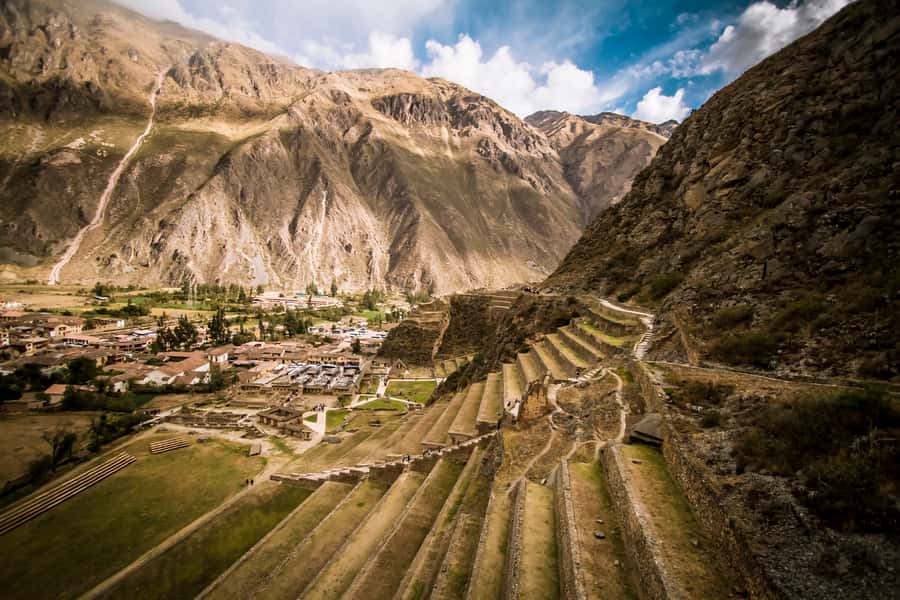
This half-day private tour takes you through the Sacred Valley with a guide, from cobblestone streets and ancient stonework to a fortress climb tied to major Inca history.
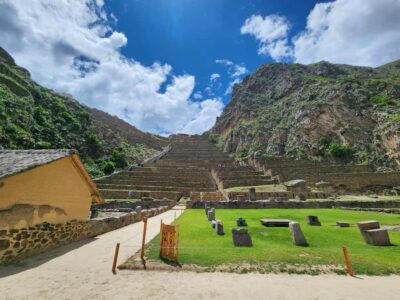
I love that you get a focused walk up to the Temple of the Sun and the Terrace of the Ten Niches, including the climb of 150 steps, instead of just a quick stop and photo. I also like the way the town visit feels practical, you can see how Inca urban planning still shapes everyday life, from shared central patios to narrow streets leading toward the Urubamba River.
One thing to consider, you’ll be on your feet a lot, and wheelchair access is not suitable, so plan for comfortable shoes and a steady pace. Also, you’ll need the Cusco Tourist Ticket (BTC) for the fortress.
Key things that make this tour worth your time
- 150-step fortress climb that brings you from the lower area up to the summit perspective.
- Temple of the Sun details, including six monoliths of pink granite weighing more than 50 tons.
- Terrace of the Ten Niches, a distinctive feature you can actually walk around and study.
- Ollantaytambo as a religious, military, and agricultural hub, not just ruins for sightseeing.
- Inca town layout still in use, with house blocks organized around shared patios and narrow streets.
- Private group pacing, giving you time to look closely at stonework and streets rather than rush.
More of the valley floor, from Pisac to Ollantaytambo
- From Ollantaytambo:Moray, Salt Mines, Chinchero end in Cusco★ 5.0 · 42 reviews
- From Cusco: Sacred Valley ending in Ollantaytambo and Lunch★ 4.3 · 36 reviews
- From Cusco: Chinchero, Moray, Maras, Ollantaytambo and Pisaq★ 4.6 · 11 reviews
- From Ollantaytambo: Moray, Maras, and Chinchero Guided Tour★ 4.5 · 11 reviews
Ollantaytambo’s “place to see down” view from Cusco
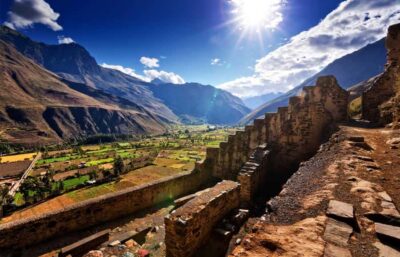
Ollantaytambo is only about 80 km from Cusco, and it’s also about 40 km from Machu Picchu, so it sits right in the thick of the Sacred Valley route. The name itself is a clue to what the place is about. Ollantaytambo comes from the Quechua Ulla-nta-wi, meaning place to see down. That’s exactly the feeling you get when you’re up higher on the fortress grounds, because the whole layout is designed for commanding views and control.
I also appreciate that this tour doesn’t treat Ollantaytambo like a one-note ruin. The site was a religious, military, and agricultural center. That means you see evidence of different kinds of “work” by the Incas, from big ceremonial stone structures to terrace systems meant for survival. When your guide ties these together, the stone stops being just pretty and turns into a living map of how people organized power and food.
You’re doing all of this as a private half-day, with pickup and drop-off from Cusco hotels in the Historic Center. At $126 per person for a guided, private experience with transport, it’s not the cheapest option in the area, but it is a sensible one if you want clear context and a smoother schedule than piecing together buses and tickets on your own.
Entering the fortress complex and planning your climb
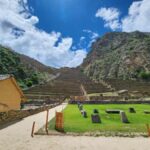
The heart of the tour is the Ollantaytambo archaeological complex, and the first big reality check is the 150 steps. Those steps are the link between the “low” part and the summit area where the fortress features concentrate. If you’re the type who likes to photograph carefully, the steps will still work, just pace yourself. You do not need to sprint. A steady climb is better because you’ll want your breathing under control when the views open up.
Your bilingual guide (English and Spanish) helps you understand what you’re looking at as you go, and that matters here. Fortress stonework can feel repetitive if you just scan it. With guidance, the layout connects. You start to see how the stone platforms and imposing buildings more than four meters high fit into the site’s overall plan.
And yes, you’ll want to factor in the practical stuff. This half-day is designed for walking on stone, uneven surfaces, and stairs. Bring comfortable shoes and expect the climb to be the main physical effort of the day.
The Temple of the Sun and the six monoliths
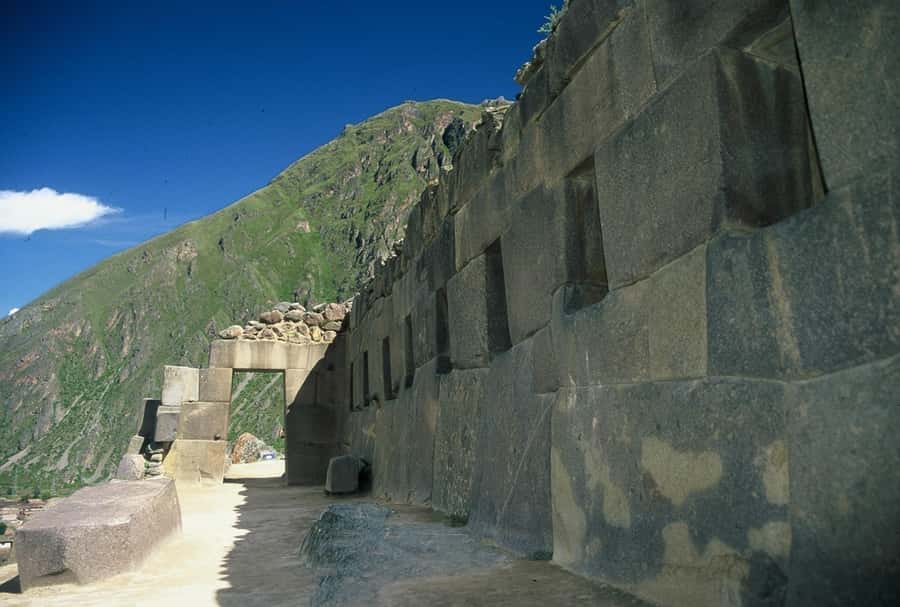
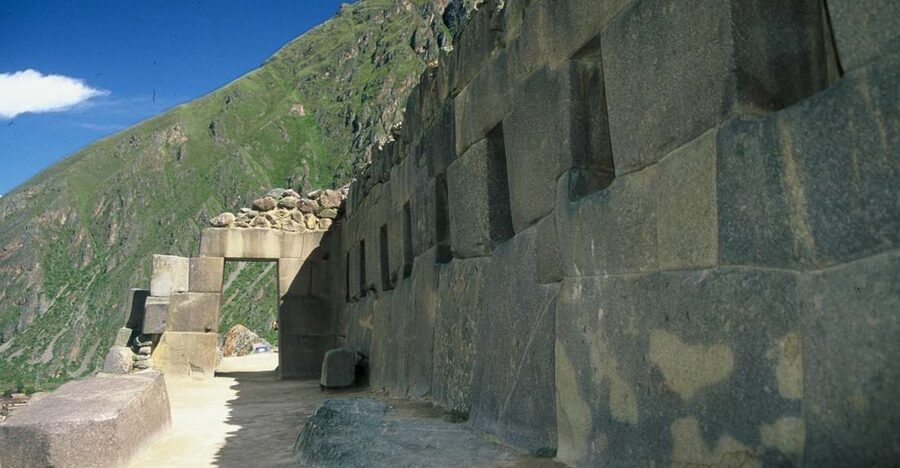
The Temple of the Sun is one of the standout areas for a reason, it’s not a vague ruin. The temple is described with six huge monoliths of pink granite, each with a weight of more than 50 tons. That’s the kind of detail that instantly makes you slow down, because it forces you to picture the logistics behind moving and placing stone of that size.
As you explore, focus less on memorizing names and more on how the monoliths relate to the space around them. The Temple of the Sun wasn’t just about aesthetics. It was part of a religious center, and the scale tells you it was meant to be a powerful focal point. If you’re traveling from Cusco with limited time, this is a strong use of your hours, because the temple gives you a clear, memorable anchor for understanding Inca ceremonial life.
Also, since this tour is private, you can pause longer if you want. In a bus-group setting, you might get 90 seconds and move on. Here, you’re more likely to be able to take in the stonework from a few angles.
The Terrace of the Ten Niches: why it’s not just a photo stop
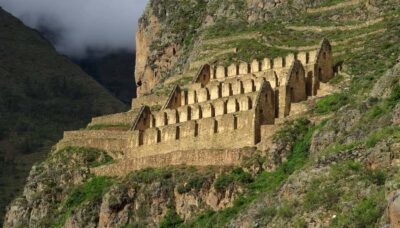
Right along the fortress experience is the Terrace of the Ten Niches. Niches are small architectural features, so it’s tempting to treat them like decoration. But at Ollantaytambo, they make more sense when you remember the site served multiple roles: religious, military, and agricultural.
When you’re standing near the niches, try looking at them as part of the larger platform system. Terraces weren’t only for planting. They also helped shape movement, viewpoints, and how people gathered in specific places. With a guide, you’ll understand the terrace logic rather than just noting there are ten recessed spaces in the stone.
If you like archaeology that still feels functional, this is one of the best parts of the tour. Even though it’s ancient, the terrace system reads like a designed machine for organizing space.
More that leaves from a Ollantaytambo hotel door
Inca stonework built for power, defense, and food
Ollantaytambo is famous for the drama, but the best educational angle is how practical the Incas were. This fortress complex was strategic in the sense that it combined authority and supply. As you move through the site, keep in mind that the complex preserved stone-worked platforms, imposing buildings, and terrace areas meant for agriculture.
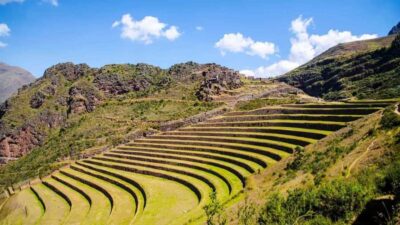
It helps to think about what agriculture means in a mountainous landscape. Terraces transform steep slopes into cultivable land and can help manage water. The information provided for this tour mentions canals and that the zone preserves the houses, streets, and canals from the Tahuantinsuyo era. That’s a big deal. It means you’re not only seeing ceremonial architecture, you’re seeing the infrastructure that supported daily life and local survival.
Then there’s the military story. Manco Inca faced Spanish troops led by Hernando Pizarro here, and he was victorious. That historical detail adds pressure to your visual reading. You’re standing in a place where people weren’t just building for beauty, they were defending a world under threat.
Ollantaytambo town: Inca urban planning still affects daily life
After the fortress climb, the tour finishes with a short visit to Ollantaytambo town, and this is where the experience becomes more human. The town is described as a typical example of Inca urban planning, and the most interesting part is that residents still live according to traditions inherited from their Inca ancestors.
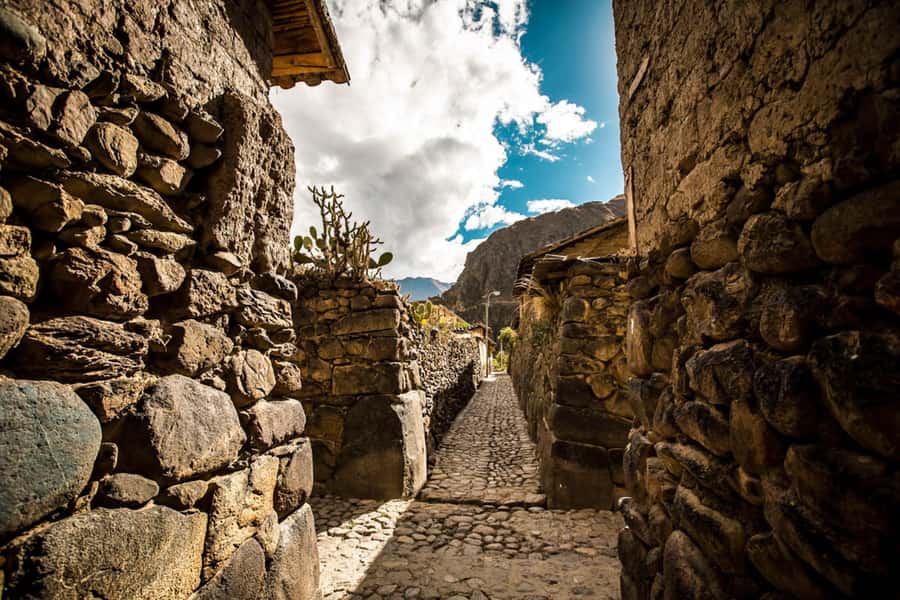
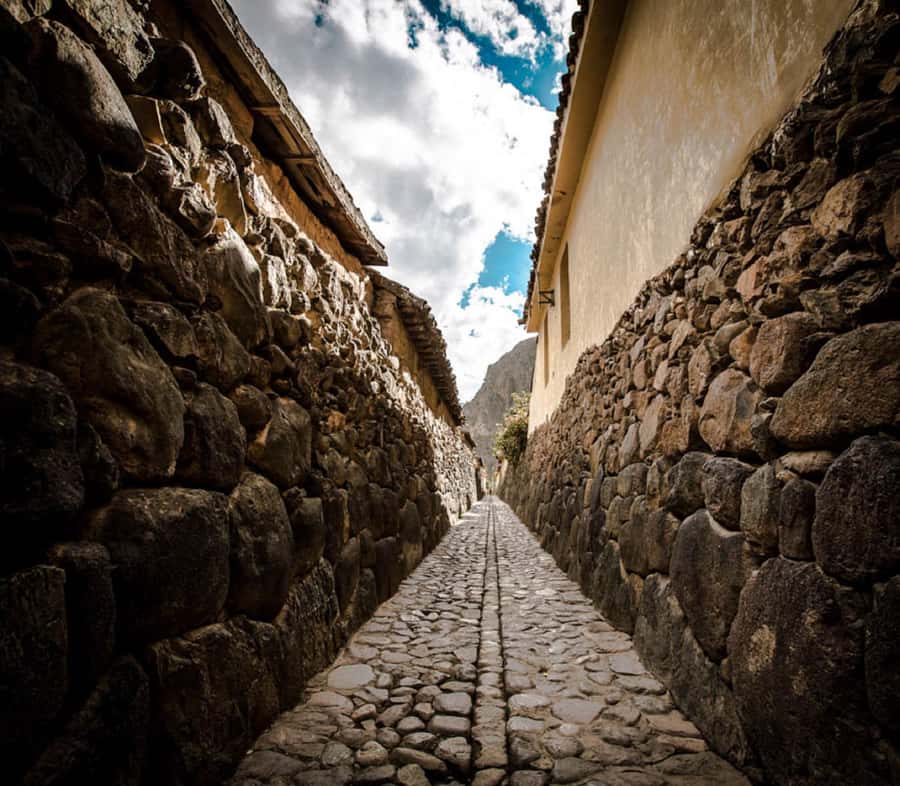
The town layout works in your imagination if you let it. Streets are narrow and cobbled, and blocks are organized into groups of houses that share the same door to a central patio. That single architectural detail tells you a lot about social organization. It also explains why the streets feel like they connect spaces rather than isolating homes.
You’ll also notice how the narrow streets open toward the Urubamba River. That’s more than scenery. It suggests the town grew with a practical relationship to movement, water, and trade. When you’re walking it, you start to understand the Inca mind for planning: build a system people can use day after day.
If you want one more reason this half-day tour is satisfying, it’s the balance. You get intense stone history at the fortress, then you finish in a live town where the geometry still matters.
Timing, pace, and what a 5-hour private tour really gives you
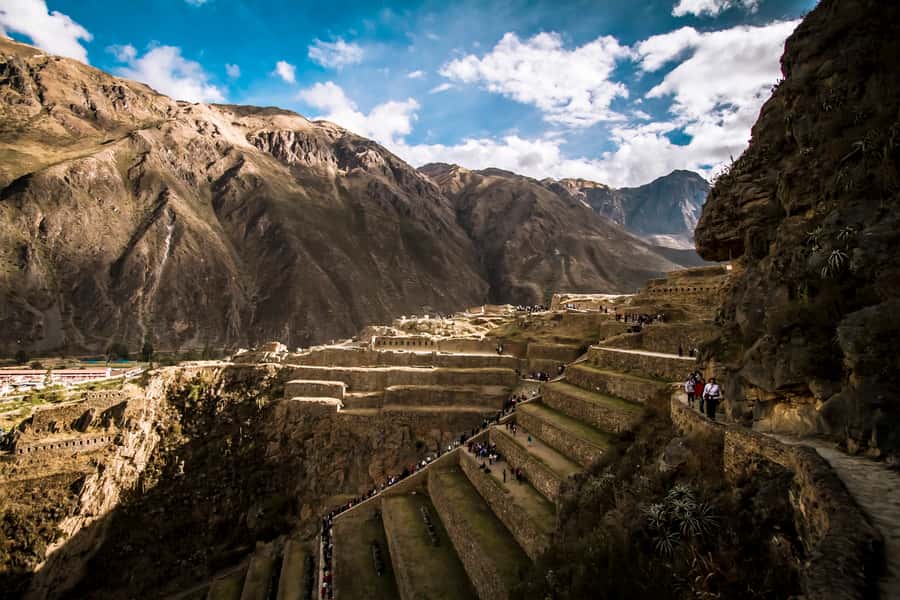
This tour runs about 5 hours, and that time box is actually a plus if you’re working with limited days in the Cusco area. You’re not trying to do a full day of travel plus two sites. Instead, you’re concentrating on one of the Sacred Valley’s most important Inca locations and pairing it with the town.
The pace is ideal if you like structure. Pickup happens from hotels located in the Cusco Historic Center, and you have a guide steering the order and explaining what you see. For most people, that means fewer questions about where to go next and less time wandering without direction.
It’s also a good fit because you’re in a private group. Private doesn’t mean luxury fluff here. It mostly means you can ask questions as they pop into your mind, and you can slow down if something catches your attention, whether it’s a stone platform edge or a town street plan.
If you’re prone to getting rushed or tired, this kind of half-day format is safer than stacking too many stops. You’ll still work your legs, but you won’t burn a whole day just to reach and read one site.
What’s included, and how to think about the $126 price
At $126 per person, you’re paying for pickup and drop-off from Cusco Historic Center hotels plus a professional bilingual guide in English and Spanish. That combination can be good value for two reasons.
First, Ollantaytambo is not just a viewpoint. It’s a complex with multiple features, and you’ll get more from a guided explanation, especially when the tour connects the fortress architecture to religious and military roles, plus the agricultural terrace thinking.
Second, transport and timing reduce friction. Cusco to Ollantaytambo requires real travel time. You’re not paying just for a driver, you’re paying so your day runs smoothly and you can spend your energy looking instead of figuring out logistics.
Two cost considerations you should factor in:
- The Cusco Tourist Ticket (BTC) is not included and is required for the fortress visit.
- The tour price also excludes personal expenses.
Also note the tour info mentions tax handling for certain travelers based on length of stay in Peru. If you’re not sure, ask the operator so you don’t get surprised.
Overall, if your goal is to understand what you’re seeing at the fortress and not just scan it, this price can feel fair. If your goal is purely to take photos and you already know your Inca architecture basics, you might decide you can DIY a simpler version. But for most visitors, the guide and private pacing are the difference between a quick stop and a satisfying half-day.
What to bring, and small things that make the walk easier
This is a practical tour, so pack like it’s a stair-and-stone day. The basics listed are exactly what you want:
- Comfortable shoes
- Sunscreen
- Comfortable clothes
Even in cooler Andes weather, sun exposure at altitude can be strong, especially when you’re looking across open areas around the fortress. Water isn’t listed in the provided details, so I won’t claim it’s included. But you should plan to drink enough for your own comfort, since the climb and walking can add up.
Also, the tour does not allow pets, and it does not allow unaccompanied minors. That’s helpful to know when you’re deciding if this fits your group.
Should you book the Ollantaytambo half-day private tour?
I think you should book this tour if you want a guided, efficient introduction to Ollantaytambo without a full-day commitment. The fortress climb gives you a strong sense of place, and the explanations tied to the Temple of the Sun, the Terrace of the Ten Niches, and the site’s religious, military, and agricultural roles can turn stonework into a story you actually understand.
Skip it or choose another option if stairs and uneven stone are a problem for your mobility. This is also a better fit if you’re interested in learning, not just sightseeing. At the end of the day, you’ll get the bonus of the town visit, where Inca-style planning is still part of daily life, and that combo is hard to beat for a 5-hour schedule.
If you’re traveling with limited time in the Sacred Valley, this is one of the more focused ways to use your hours well, especially because you leave with both the fortress perspective and the lived-in town layout.
FAQ
How long is the Ollantaytambo Fortress half-day private tour from Cusco?
The tour lasts about 5 hours.
Is hotel pickup and drop-off included?
Yes. Pickup and drop-off are included from hotels located in the Cusco Historic Center. If you stay at a private residence like an Airbnb outside that area, you’ll need to coordinate a meeting point with the operator in advance.
Do I need the Cusco Tourist Ticket (BTC) to visit the fortress?
Yes. The tour notes that you must acquire the Cusco Tourist Ticket (BTC) to visit the Ollantaytambo fortress.
What’s included in the tour price?
Included items are pickup and drop-off (from Cusco Historic Center hotels) and a professional bilingual tour guide in English and Spanish.
What languages will the guide speak?
The guide speaks English and Spanish.
Is this tour private or group-based?
It’s private group service.
Is the tour suitable for wheelchair users?
No, it is not suitable for wheelchair users.
What should I bring?
Bring comfortable shoes, sunscreen, and comfortable clothes.
What can’t I bring or do on the tour?
Pets are not allowed, and unaccompanied minors are not allowed.
What’s the cancellation policy?
You can cancel up to 24 hours in advance for a full refund.
More Tour Reviews in Ollantaytambo
- From Cusco: Sacred Valley & Maras Salt Mines Tour with Lunch
★ 4.8 · 2,227 reviews - From Ollantaytambo:Moray, Salt Mines, Chinchero end in Cusco
★ 5.0 · 42 reviews - From Cusco: Sacred Valley ending in Ollantaytambo and Lunch
★ 4.3 · 36 reviews - From Ollantaytambo: Moray, Maras, and Chinchero Guided Tour
★ 4.5 · 11 reviews - From Cusco: Chinchero, Moray, Maras, Ollantaytambo and Pisaq
★ 4.6 · 11 reviews
More Leaving From Ollantaytambo
- From Cusco: Sacred Valley & Maras Salt Mines Tour with Lunch
★ 4.8 · 2,227 reviews - From Ollantaytambo:Moray, Salt Mines, Chinchero end in Cusco
★ 5.0 · 42 reviews - From Cusco: Sacred Valley ending in Ollantaytambo and Lunch
★ 4.3 · 36 reviews - From Cusco: Chinchero, Moray, Maras, Ollantaytambo and Pisaq
★ 4.6 · 11 reviews - From Cusco: Sacred Valley Group Tour with Buffet Lunch
★ 5.0 · 9 reviews
Keep Going Down the Valley
- From Cusco: Sacred Valley & Maras Salt Mines Tour with Lunch
★ 4.8 · 2,227 reviews - From Ollantaytambo:Moray, Salt Mines, Chinchero end in Cusco
★ 5.0 · 42 reviews - From Cusco: Sacred Valley ending in Ollantaytambo and Lunch
★ 4.3 · 36 reviews - From Ollantaytambo: Moray, Maras, and Chinchero Guided Tour
★ 4.5 · 11 reviews - From Cusco: Chinchero, Moray, Maras, Ollantaytambo and Pisaq
★ 4.6 · 11 reviews
Fresh in from Ollantaytambo

Sacred Valley Tours, compared.
 ★ 4.8Sacred Valley & Maras Salt Mines Tour with LunchFrom $282,227 reviews
 ★ 4.6Sacred Valley, Pisac, Ollantaytambo, Salt Mines MorayFrom $281,058 reviews
 ★ 4.8Chinchero,Moray & Salt Mines drop-off in OllantaytamboFrom $27793 reviews
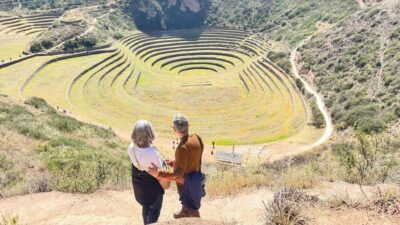 ★ 4.8Sacred Valley: Chinchero, Moray, Ollantaytambo & Pisac+LunchFrom $25501 reviews
 ★ 4.6Sacred Valley: Maras & Moray by Quad Bike from CuscoFrom $39418 reviews
 ★ 4.5Pisac Indian Market and Ollantaytambo Fortress with LunchFrom $84395 reviews
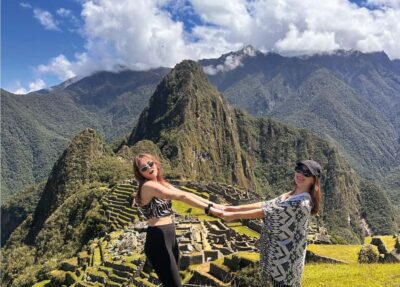 ★ 4.62-Day Trip to the Sacred Valley and Machu PicchuFrom $370265 reviews
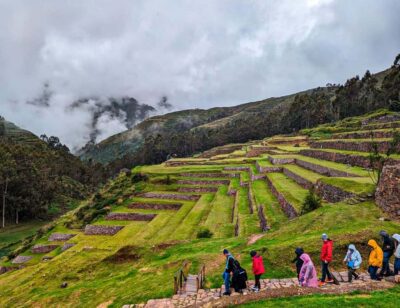 ★ 4.8Sacred Valley Pisaq,Ollantaytambo,Chinchero with LunchFrom $28183 reviews
Browse the lists this tour appears in