
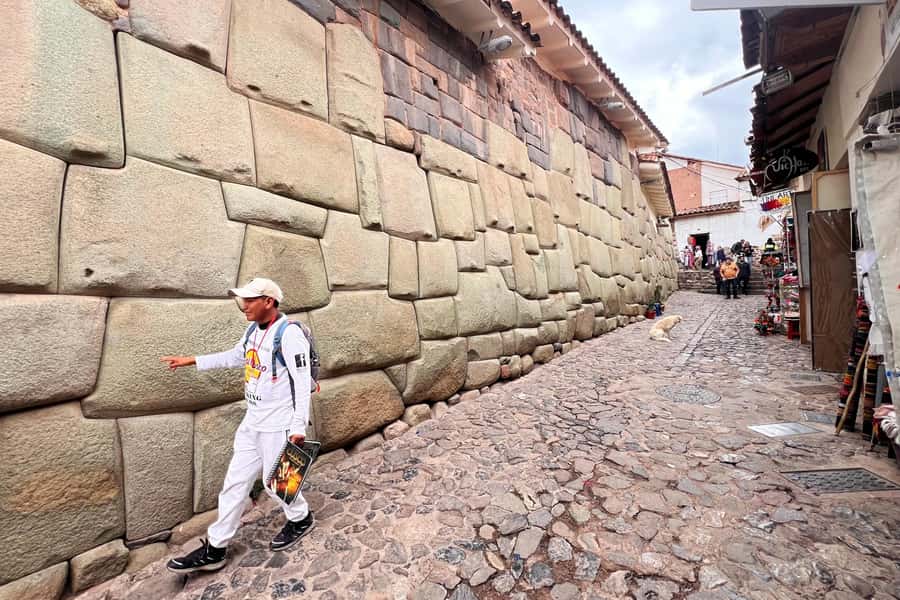
REVIEW · HISTORICAL TOURS
Cusco: Historic Walking Tour with Pisco Sour and Music Show
Cusco clicks into place fast. This 2-hour historic walking tour threads Plaza de Armas, Qoricancha, and San Blas, plus a luthier stop, Andean music, and an included drink to close it out.
I like how the route connects Inca stone details to major colonial landmarks, from the Cathedral to the Company of Jesus. I also love that you finish with an included Pisco Sour or Chicha Morada, so you get both culture and a local sip without extra planning.
One consideration: it is a real walking tour with several stops, and it is not suitable for wheelchairs or people with hearing limitations, plus it is not built for very young kids or seniors in the oldest bracket.
Key things that make this Cusco tour worth your time
- Small group size (up to 10) keeps the guide’s explanations personal.
- Plaza de Armas start point is easy to find, next to the Inca Fountain, with your guide holding a white umbrella.
- Qoricancha and the Andean stone details include standout sights like the 12 and 13 angled stones and the Andean Trilogy carvings.
- San Blas walking lanes take you toward the city’s famous photo stretch at 7 Borreguitos Street.
- A luthier workshop plus an Andean music show adds a hands-on side to the history.
- End with a drink included: pisco sour (alcoholic) or chicha morada (non-alcoholic).
More that leaves from a Cusco hotel door
- Cusco: Humantay Lake Tour with Breakfast and Buffet Lunch★ 4.9 · 2,976 reviews
- From Cusco: Moray, Maras Salt Mines & Chinchero Weavers Tour★ 4.8 · 1,925 reviews
- From Cusco: Full-Day Group Tour of Machu Picchu★ 4.7 · 1,767 reviews
- Machu Picchu Day Trip from Cusco★ 4.5 · 1,644 reviews
Finding the tour start: Plaza de Armas and that white umbrella
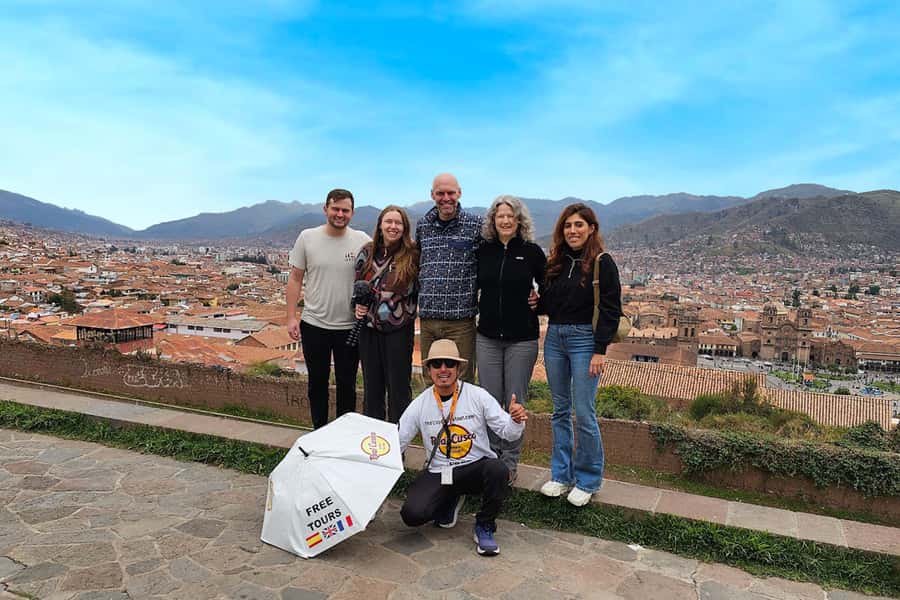
Your tour meets next to the Inca Fountain in the Plaza de Armas, which is the heart of Cusco. Your guide holds a white umbrella, so you do not have to play guessing games while you are trying to orient yourself in the streets.
If you like being precise, the coordinates given for the meeting point are -13.516772, -71.9787231. I like meeting points that are concrete, especially in Cusco where streets can feel like they all braid into each other.
This is also a smart time to start if you want an efficient first look at the city’s main landmarks, because you are not burning a half-day just figuring out where things are.
From the Cathedral to the Company of Jesus: seeing Cusco’s mix of eras
After you check in, you work your way through Cusco’s central sights. You begin at Cusco Main Square and then head past the Cathedral, which helps set the colonial-era context right away.
From there, you’ll see the Company of Jesus. The value here is practical: Cusco’s look comes from layers, and when your guide ties those layers together on foot, it makes the city feel less like a pile of monuments and more like a story with a timeline.
This part of the walk also tends to be where you start noticing the small patterns, like how Inca-era foundations and Spanish-era buildings sit side by side. That contrast becomes a theme as you move toward the Inca sites later.
Qoricancha and the 12 and 13 angled stones: the details that make it click
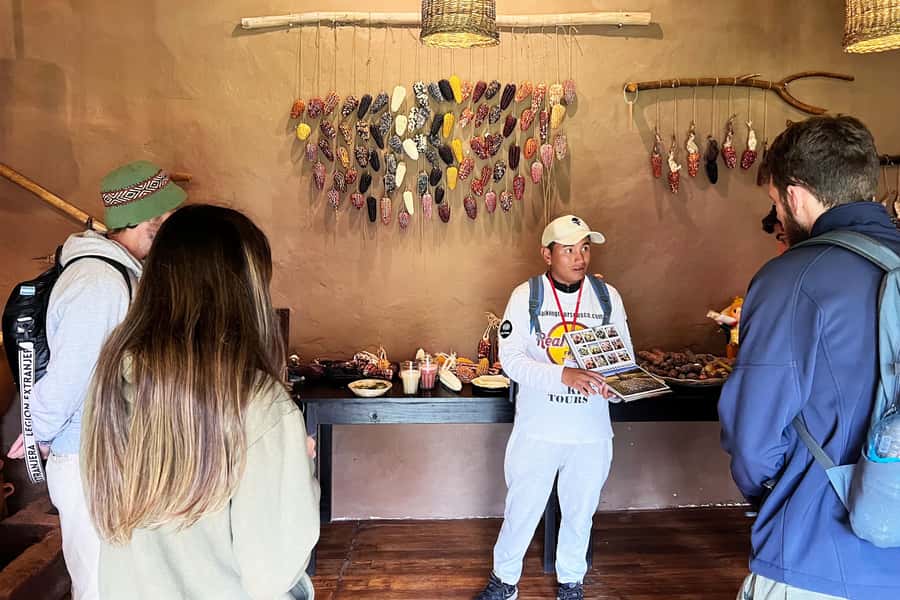
One of the main anchors is Qoricancha, the Sun Temple. You get more than a quick look. Your guide points out the big ideas behind why this place mattered and what you are actually seeing when you look at the structure and stonework.
As you walk, you also stop for two specific Cusco details that are easy to miss without a cue. First, there is a famous balcony view that lets you look up and across the city streets. Second, you’ll pause at the legendary 12 and 13 angled stones, a landmark that connects geometry, Inca engineering, and the way locals read the built environment.
Then comes a highlight most people would not think to seek out on their own: the Andean Trilogy. You’ll learn about the silhouettes of the Condor, Puma, and Snake carved into an Inca wall. This is the kind of stop where the guide’s explanation matters, because the carvings are more than decoration once you understand the story behind them.
If you care about symbolism, do not rush this segment. Take a moment to look slowly, then let the guide put the meaning into your head.
San Blas streets and the view breaks that feel like a reset
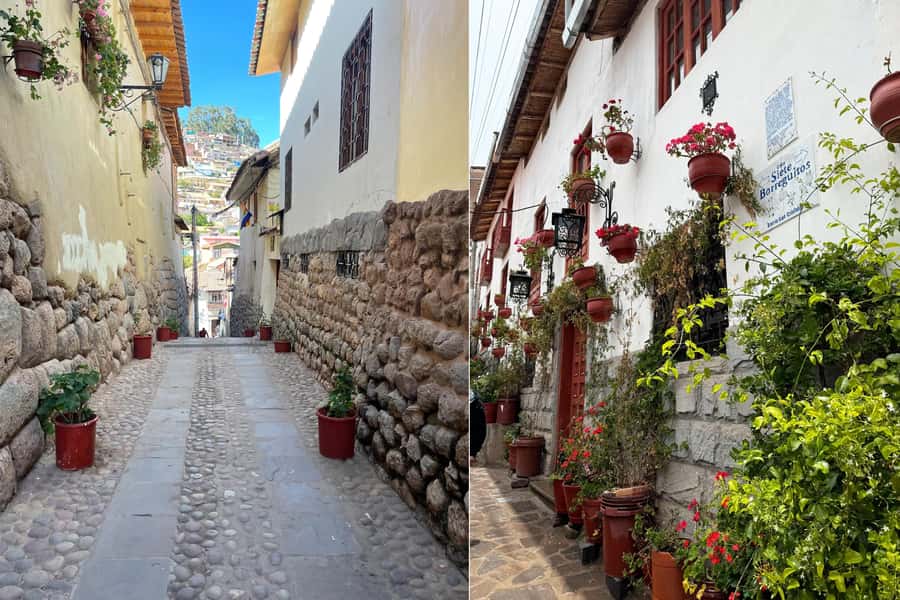
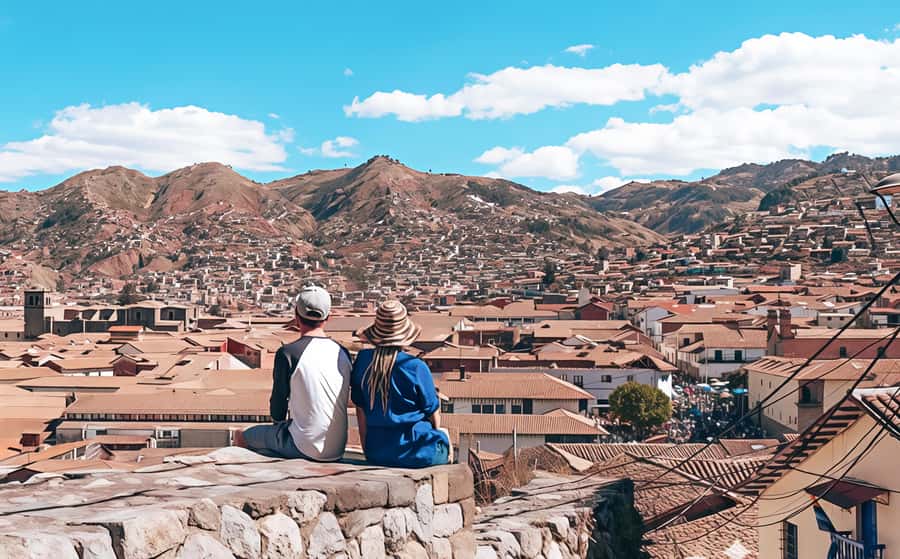
After the central stops, the tour shifts into the San Blas neighborhood. This is where the walk starts to feel less like checking off landmarks and more like drifting through a crafts-and-courtyard side of Cusco.
Your guide leads you along charming streets in San Blas, and you get a chance for views. There is also a key photo stop at 7 Borreguitos Street, a spot known for being one of the most picturesque streets in the city.
What I like about this part of the route is pacing. You are not sprinting from one famous wall to the next. You get breathing room, and your brain starts to map Cusco visually. That helps a lot if you plan to explore on your own afterward.
More around Cusco, if this one is not quite the fit
Luthier workshop and Andean music: why instruments belong in a history tour
Next up is a stop that adds a hands-on layer: a luthier’s workshop. A luthier is an instrument maker, and this is the kind of visit that turns abstract music history into something you can actually connect to real objects.
After the workshop, you watch an Andean music show. This matters because it gives your tour a sound track, not just a visual one. Cusco’s culture is not stuck behind stone walls. Music keeps the connection alive.
One practical tip: if the music show timing or local setup changes on a given day, your guide will often try to keep the experience moving. This is especially relevant with smaller venues. I would still treat this stop as a highlight of the tour, but keep a flexible mindset in case the schedule needs adjusting.
This segment is also a good moment to ask questions. Your guide is bilingual, and if you want context around what you are seeing and hearing, this is when it lands best.
Temple of Manco Capac: finishing with an Inca perspective
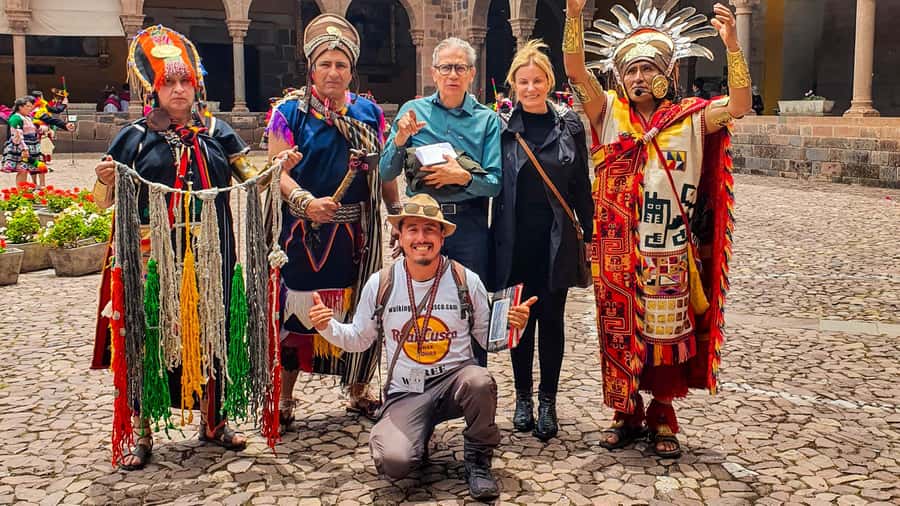
To close out the sightseeing, you head to the Temple of the First Inca Ruler, Manco Capac. This final stop brings the story back toward the Inca foundation of Cusco, after you have moved through Cathedral, colonial institutions, and the Sun Temple area.
I like endings that feel thematic. Here, it does not feel random. You finish with a major Inca reference point, which makes the whole walk feel organized rather than like a chain of unrelated stops.
Depending on how quickly your group moves, you may have time for one more look around the area before you head to the drink portion.
Pisco Sour or Chicha Morada: the included finale that makes it feel local
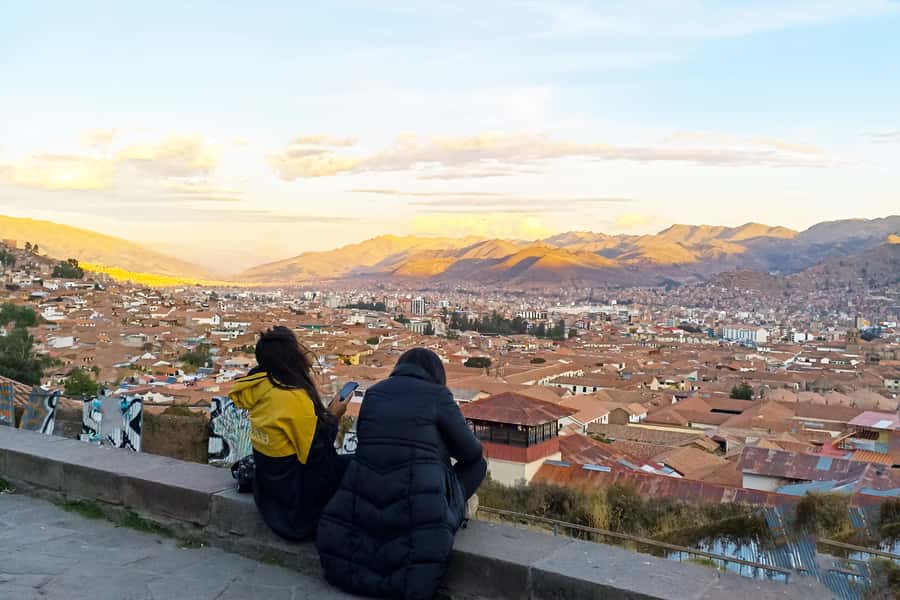
The tour ends with a treat. You choose between a Pisco Sour or Chicha Morada.
Pisco Sour is Peru’s national drink, and it is a classic way to close a Cusco tour because it connects your trip to the wider Peruvian culture beyond just the stones and streets. Chicha Morada is non-alcoholic and made from purple corn, so it gives you a safe option if you want the taste without alcohol.
Value-wise, this is one reason the $10 price feels fair. You are not only paying for the guide and the walk. You also get the drink included, plus the luthier workshop and the music show experience built into the same 2-hour window.
Price and pacing: is $10 a good deal for this kind of tour?
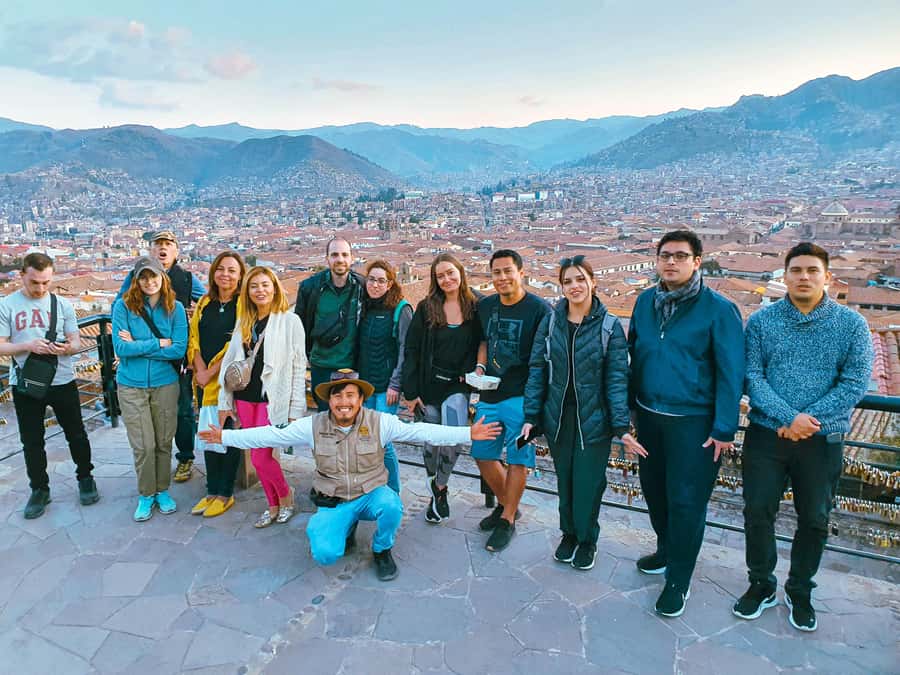
At $10 per person for a 2-hour small-group walk (limited to 10 participants), the price is strong, especially because several real experiences are included: a bilingual guide, a visit to a luthier’s workshop, and your choice of drink.
Also, this tour is designed for efficient orientation. If you are short on time or you want your first day in Cusco to feel structured, this format works. You are not paying for long museum entry time either, since museum tickets are optional and not included.
About pacing: it is active, which is exactly what you want for a walking tour. The flipside is that it is not meant for people who need mobility accommodations. If you are not sure, it is safer to choose something with clearer accessibility support than to force this one.
Who should book this Cusco historic walking tour?
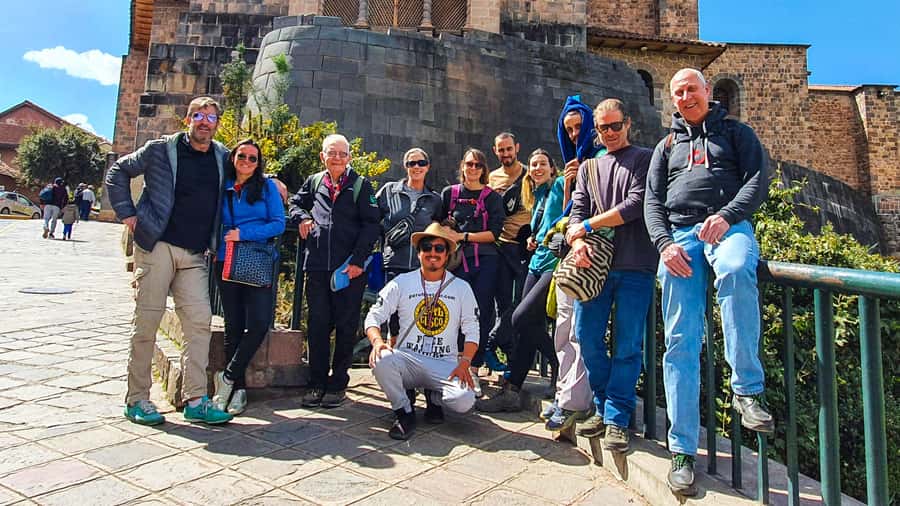
This is a great fit if you want:
- A short Cusco introduction that covers the main landmark cluster and the San Blas change of scenery
- A guide-led explanation that connects Inca details (like the Andean Trilogy and Qoricancha) to the colonial-era buildings
- A cultural add-on beyond sightseeing, thanks to the luthier workshop and Andean music show
- A low-risk way to sample local drinks, because the tour includes your choice of pisco sour or chicha morada
It is less of a fit if you:
- Use a wheelchair or need mobility support
- Have hearing limitations
- Travel with babies under 1 year
- Are over 95 years old
Also, keep in mind the French option depends on a minimum number of customers (four) to proceed.
Final verdict: should you book it?
If you want a practical, well-paced way to understand central Cusco, this one is worth booking. The combination of Qoricancha, the story behind specific stone details, the San Blas walking stretch, and the included drink makes it feel more complete than a basic city wander.
I would skip it if accessibility is an issue for you. Otherwise, book it early in your trip so the route becomes a map in your mind, then go back on your own at a calmer pace for anything you want to linger on.
FAQ
How long is the Cusco historic walking tour?
The tour duration is 2 hours.
What is the price per person?
The price is $10 per person.
Where do we meet for the tour?
Meet next to the Inca Fountain in Plaza de Armas. Your guide will be holding a white umbrella.
What are the tour’s coordinates?
The meeting point coordinates provided are -13.516772, -71.9787231.
What languages is the guide available in?
The tour is offered with guides in English and Spanish.
How big is the group?
It is a small group limited to 10 participants.
What is included in the price?
Included items are a bilingual tour guide, a visit to a luthier’s workshop, and a pisco sour or a non-alcoholic drink.
Are museum entries included?
Entry to museums is optional and not included.
Who is the tour not suitable for?
It is not suitable for people with mobility impairments, wheelchair users, babies under 1 year, people over 95 years, and hearing-impaired people.
What is the cancellation policy and is pay later available?
Free cancellation is available up to 24 hours in advance for a full refund. There is also a reserve now and pay later option.
More Tours in Cusco
- Cusco: Humantay Lake Tour with Breakfast and Buffet Lunch
★ 4.9 · 2,976 reviews - From Cusco: Moray, Maras Salt Mines & Chinchero Weavers Tour
★ 4.8 · 1,925 reviews - From Cusco: Full-Day Group Tour of Machu Picchu
★ 4.7 · 1,767 reviews - Cusco: Half-Day City Tour with Sacsayhuaman and Q’enco
★ 4.6 · 1,129 reviews - Machu Picchu: Full-Day Tour from Cusco with Optional Lunch
★ 4.6 · 927 reviews
More Tour Reviews in Cusco
- Cusco: Humantay Lake Tour with Breakfast and Buffet Lunch
★ 4.9 · 2,976 reviews - From Cusco: Moray, Maras Salt Mines & Chinchero Weavers Tour
★ 4.8 · 1,925 reviews - From Cusco: Full-Day Group Tour of Machu Picchu
★ 4.7 · 1,767 reviews - Machu Picchu Day Trip from Cusco
★ 4.5 · 1,644 reviews - Cusco: Half-Day City Tour with Sacsayhuaman and Q’enco
★ 4.6 · 1,129 reviews
More Leaving From Cusco
- Cusco: Humantay Lake Tour with Breakfast and Buffet Lunch
★ 4.9 · 2,976 reviews - From Cusco: Moray, Maras Salt Mines & Chinchero Weavers Tour
★ 4.8 · 1,925 reviews - From Cusco: Full-Day Group Tour of Machu Picchu
★ 4.7 · 1,767 reviews - Machu Picchu Day Trip from Cusco
★ 4.5 · 1,644 reviews - Cusco: Half-Day City Tour with Sacsayhuaman and Q’enco
★ 4.6 · 1,129 reviews
Fresh in from Cusco


Historical Tours, compared.
 ★ 4.5Historical Guided City Tour with 4 Inca RuinsFrom $2399 reviews
 ★ 5.0Machu Picchu Private Archaeological and Historical Guided TourFrom $8086 reviews
 ★ 5.06-Day Cultural Tour to Machu PicchuFrom $99976 reviews
 ★ 4.5Pisco Sour Secrets: Hands-On Mixology in Historic CuscoFrom $3550 reviews
 ★ 4.9Machu Picchu: historical and photographic guided tourFrom $8027 reviews
 ★ 4.7Aymara Route Mystical Cultural TourFrom $3227 reviews
 ★ 4.6Full-Day Sacred Valley History TourFrom $4514 reviews
 ★ 4.1Puno: History and Culture Walking TourFrom $2013 reviews
Browse the lists this tour appears in