
REVIEW · SACRED VALLEY TOURS
Cusco: Full-Day Sacred Valley History Tour
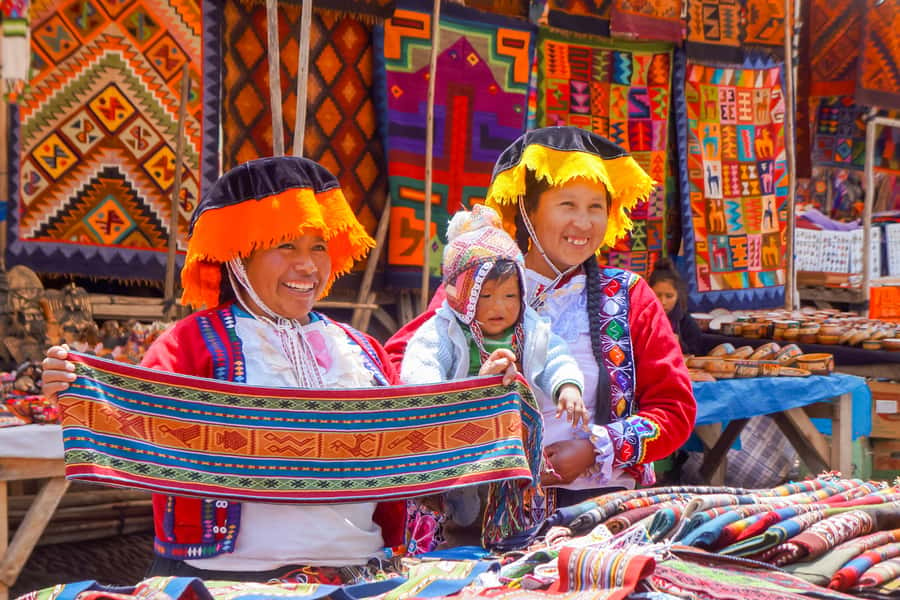
Cusco’s Sacred Valley day feels like a story tour. I love the Inca architecture at Ollantaytambo, especially the stone area linked to Wiracocha, and I also like how Chinchero shows everyday Quechua textile life, from natural dyes to knitting. The main downside is the long day, around 11 hours, and lunch timing can feel a bit drawn out.
You’ll spend the day riding north from Cusco, watching the high-Andes scenery change as you pass villages and alpacas, then you’ll end back in town around 7:00PM. Guides tend to be strong and bilingual, and names like Eddy and Manuel show up for a reason, they explain history in English and Spanish and keep the stops moving.
Sacred Valley in One Long Day, and Why It Works
This full-day Sacred Valley tour is built around a simple idea: you get a “best-of” route that makes sense geographically and historically. You start in Cusco and gradually move through the Sacred Valley, hitting market life, agricultural stonework, major Inca construction, and living textile traditions in one loop.
If you’re short on time, this kind of organized full-day circuit is often the easiest way to see a lot without planning buses, hiring separate guides, or stitching together transport between sites. It also helps with context, because you’re not just taking photos. You’re getting the why behind the stops, like why terracing and irrigation mattered in the fertile high plains.
More of the valley floor, from Pisac to Ollantaytambo
- Cusco: Sacred Valley, Pisac, Ollantaytambo, Salt Mines Moray★ 4.6 · 1,058 reviews
- Cusco:Chinchero,Moray & Salt Mines drop-off in Ollantaytambo★ 4.8 · 793 reviews
- Sacred Valley: Chinchero, Moray, Ollantaytambo & Pisac+Lunch★ 4.8 · 501 reviews
- Sacred Valley: Maras & Moray by Quad Bike from Cusco★ 4.6 · 418 reviews
Key Stops That Make the Day Feel Complete
- El Mirador viewpoint for first context before you even reach the sites
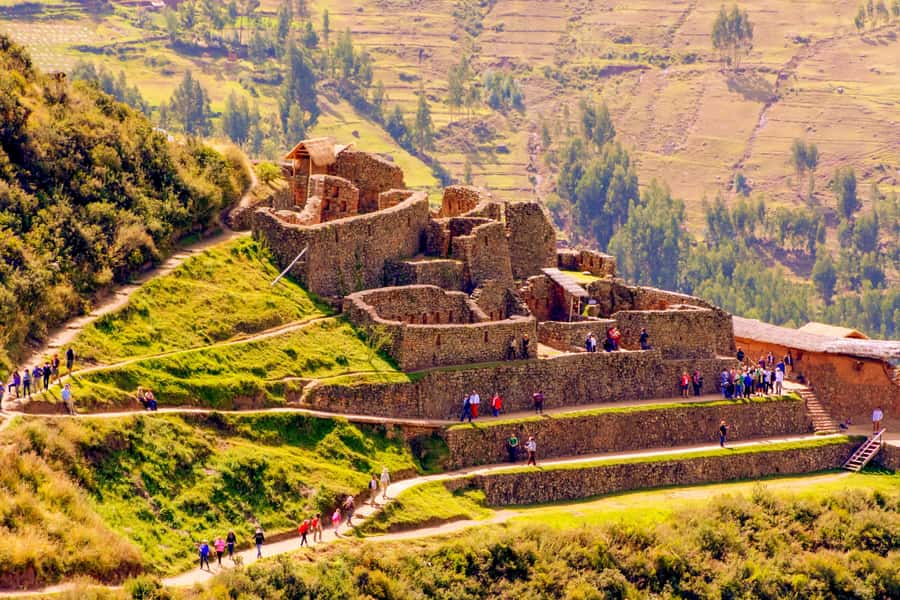
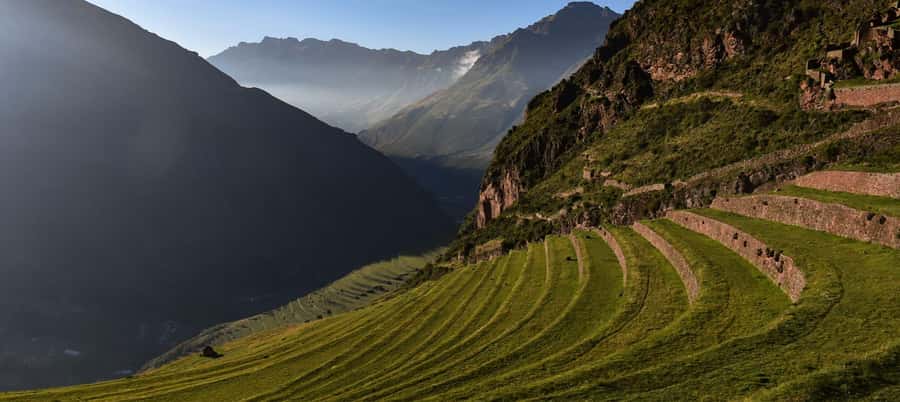
- Pisac market for color, stone terraces, and Inca-era agriculture vibes
- Urubamba River drive as the scenery shifts from villages to valley walls
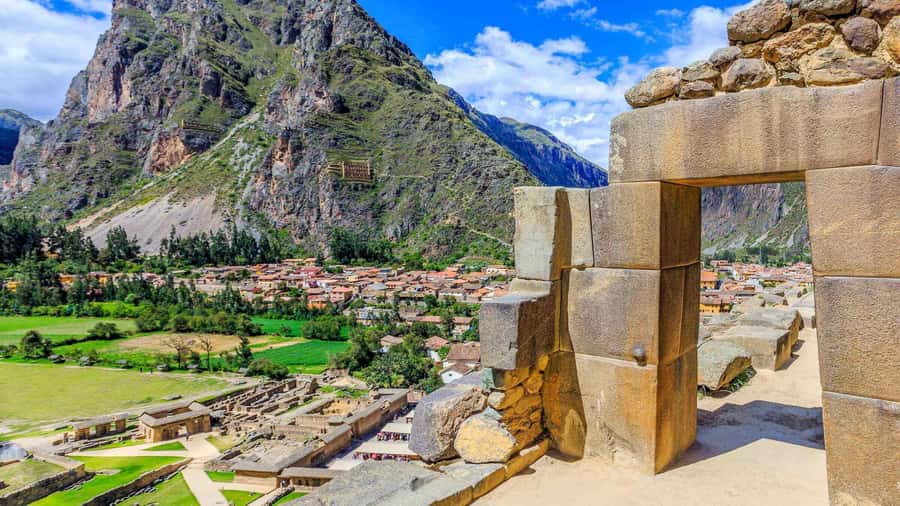
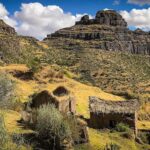
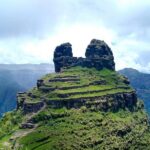
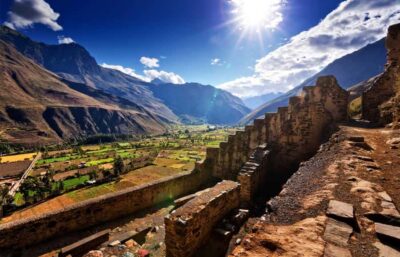
- Ollantaytambo ruins with standout Inca construction and Wiracocha-linked rock forms
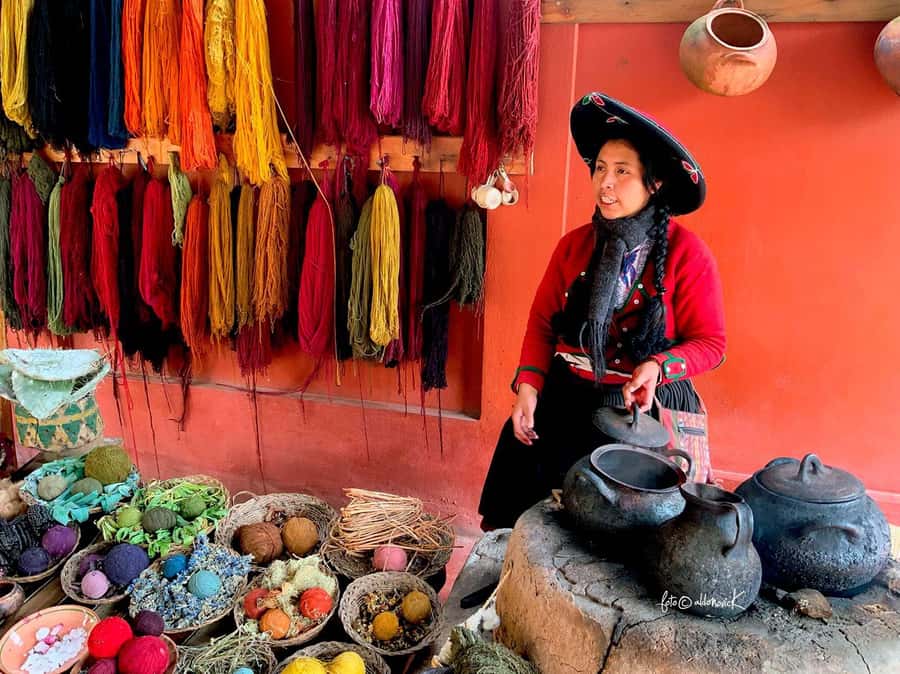
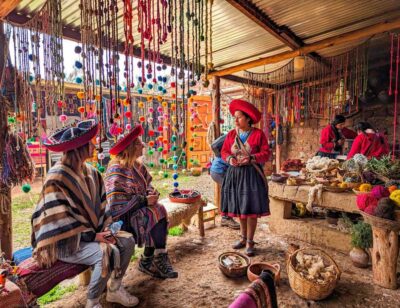
- Chinchero textiles with natural dyeing and knitting methods still practiced by locals
Morning Pickup From Cusco, Then a View That Sets the Stage
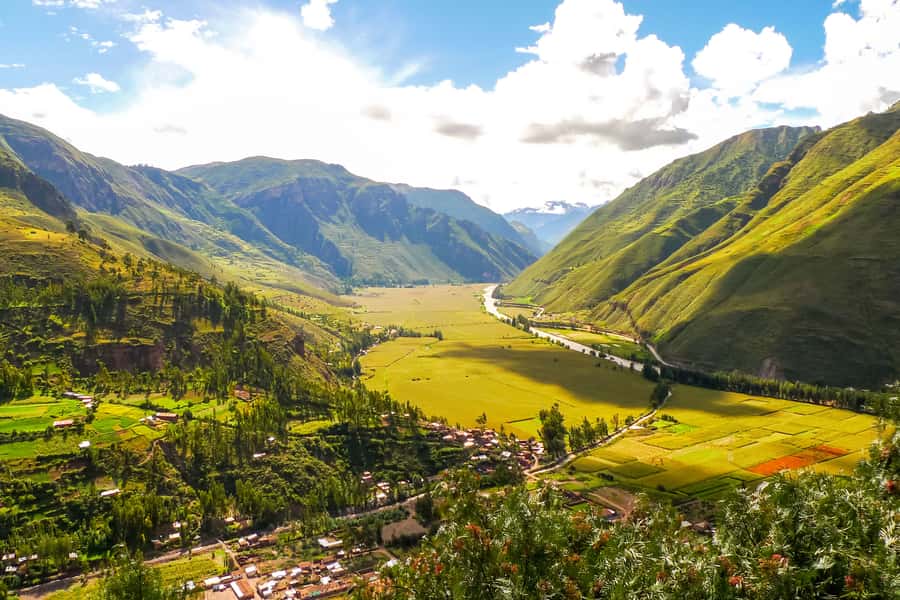
You’ll be picked up from your hotel in Cusco’s historic center at around 7:30AM. The ride north starts quickly, with a road that winds around the mountains, and there’s a stop at El Mirador, a lookout point where you can see the Sacred Valley spread out.
I like this choice because it changes how you experience the rest of the day. From the viewpoint, the valley stops being a name on a map and becomes a physical place: you understand why people settled here, and you start noticing how the terrain funnels movement and farming.
A small practical note: the early morning schedule is a moving target, and there’s a chance you’ll sit a little before the tour officially kicks off. Build in patience and water. Cusco days often begin with more waiting than you’d expect back home.
El Mirador Lookout: History in Plain Sight
At El Mirador, you’ll get an orientation on Inca history and why this area mattered. The Sacred Valley was a major settlement zone because the high Andes here include fertile plains, which are unusual for the altitude.
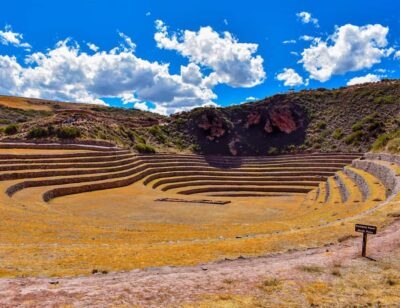
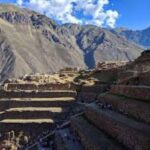
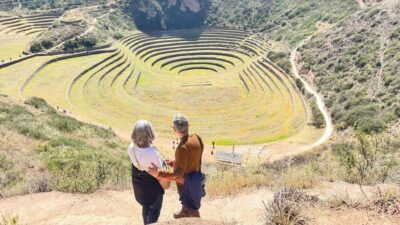
You’ll also see the groundwork of the Incas in a very visual way, like contour terracing and irrigation channels left behind in the landscape. Even if you’re not into archaeology, terracing is the kind of engineering you can read with your eyes: it shows effort, planning, and survival logic.
This is also where the tour’s pacing gets set. Instead of jumping straight into ruins, you’re prepped. That makes the later stops feel more connected, not like random stops stitched together.
Pisac Market and Ruins: Color, Stone, and Agricultural Craft
Pisac is where the day’s energy shifts. You’ll drive toward Pisac and have time to explore the ruins area and the market, known for its color and local life.
More that leaves from a Cusco hotel door
What you should look for in Pisac
At Pisac, focus on three things:
- The stone art and agricultural terraces that show how the Incas managed slopes and crops
- The scale of the works of stone around the ruins area
- The market atmosphere, where you can see how local culture remains active
The market itself is a highlight. It’s the kind of place where you can slow down and watch people work, bargain, and move between stalls. It’s also a good spot to pick up small items if you want souvenirs with a local connection.
One more practical thing I suggest in Pisac: expect a possible quick detour for shopping or demonstrations. Some tours include a stop tied to local crafts, and it can include explanations about jewelry styles connected to Incan traditions.
Urubamba Lunch and the River Drive: A Break With a View
After Pisac, you’ll head to Urubamba. Lunch is a buffet in Urubamba, and between lunch and the next sites you’ll also ride along the Urubamba River, which helps break up the day’s intensity with scenery.
How lunch fits the schedule
Lunch is included, but timing can be tricky. One solid practical takeaway: if you need a tight meal window because of hunger or altitude rhythm, be ready for the possibility that lunch starts later than you would plan yourself.
That said, Urubamba is a sensible choice. You’re not eating on the bus, and you’re positioned to continue into Ollantaytambo after lunch without losing too much time. If you want value, use lunch time to reset and refuel, then drink water and go easy with heavy food.
Ollantaytambo Ruins: Inca Architecture That Feels Alive
Ollantaytambo is the big Inca construction stop on the route. Once you arrive, you’ll visit the ruins, a major center of Inca architecture built in the Inca heyday.
Why this site hits hard
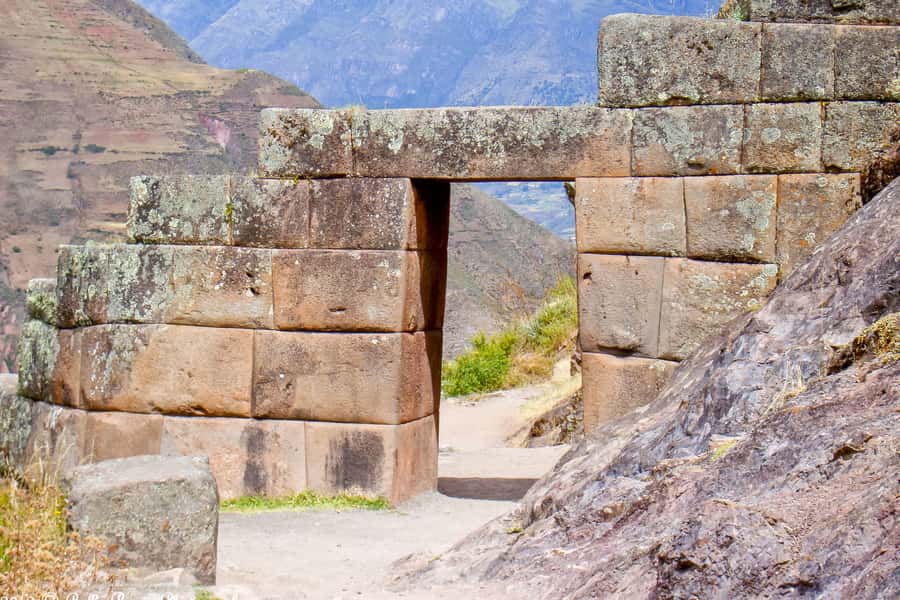
Ollantaytambo is one of those places where the stones look intentional because they are. Instead of distant ruins you can barely imagine, you get a sense of structure and meaning. You’ll also encounter rock formations tied to the Inca god Wiracocha, which adds a layer of myth and symbolism to what you’re seeing.
This is a great stop for photography, yes, but also for understanding. Terraces, stonework, and the way buildings sit in the terrain help you connect the dots with what you learned earlier at El Mirador and Pisac.
A realistic expectation
Bring comfortable shoes and plan on some uneven walking. The ruins are worth it, but the terrain can be more tiring than a flat city stroll. If you’re traveling with aching knees, take slower steps and pause often.
Chinchero: Textile Traditions, Natural Dyes, and Quechua Life
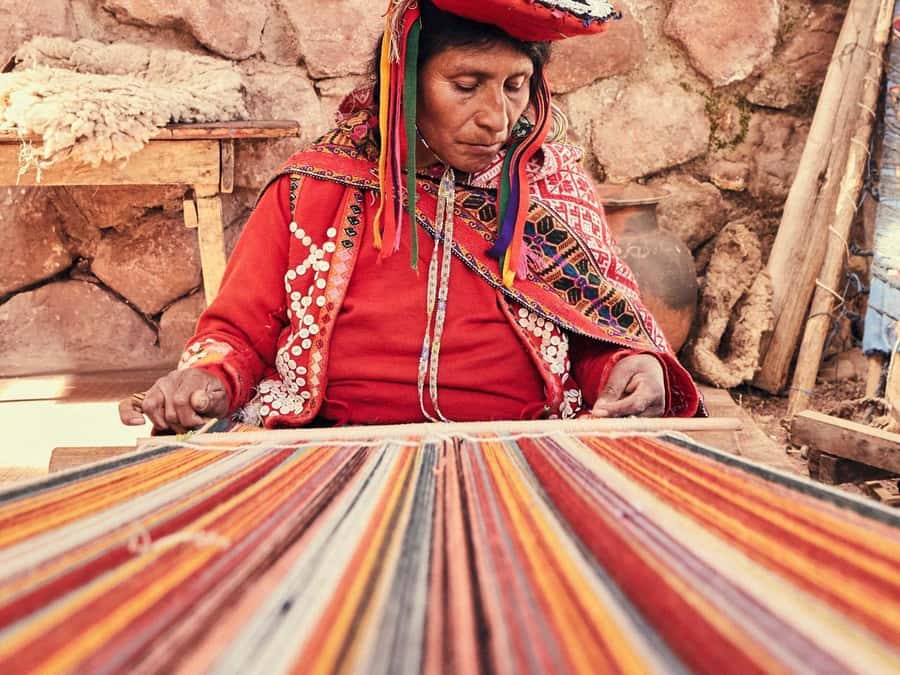
After Ollantaytambo, you’ll continue to Chinchero, a town famous for textile work and local traditions. This is where the tour becomes less about monuments and more about daily craft.
What you’ll see in Chinchero
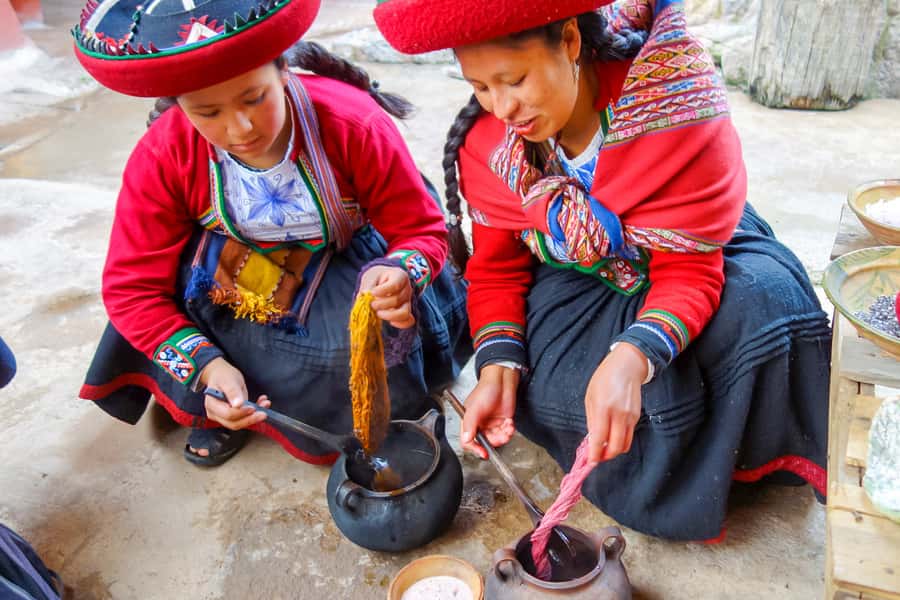
You can learn how natural dyes are made for artisanal textiles, and the town’s residents practice dyeing and knitting methods often described as Inca techniques. You’ll also notice how traditional life continues: multi-colored clothing, Quechua language, and dwellings and conditions that feel close to ancestral patterns.
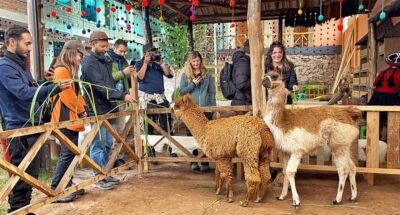
This stop is also where you’re likely to see very beautiful alpacas up close, and it’s a good moment to slow down. If you like culture that still feels lived-in, Chinchero delivers.
What I recommend bringing
If you want to buy any textiles or small crafts, bring cash. Some people will make purchases on the spot, and it saves time if you do not have to hunt for an ATM later.
The Guide Matters: Bilingual Explanations That Tie the Day Together
A strong guide can turn Sacred Valley from sightseeing into understanding. In this tour, the guide is bilingual, with English and Spanish, so you’re not stuck if you prefer one language over the other.
In particular, Eddy and Manuel both come through in real-world feedback as well-informed and clearly able to explain the “why” behind each stop. That’s the difference between visiting ruins and actually learning how people used this landscape.
If your Spanish is basic or nonexistent, don’t worry. The tour is designed to support both languages, and the guiding approach is what keeps the full-day route from feeling rushed.
Price and Value: $45 Plus the Touristic Ticket Question
The tour price is listed at $45 per person, lasting about 11 hours. That’s a reasonable value when you consider what’s included: hotel pickup in Cusco’s historic center, transportation, a bilingual guide, a buffet lunch in Urubamba, and entrances to ruins if the option is selected.
However, there’s one extra cost to watch for. A touristic ticket can apply, listed at S/70.00 per person. The key practical point is this: entrances might be included depending on the selected option, so you should confirm what you’re paying for when you book.
Also, entrances and ticketing are often the difference between “good value” and “surprisingly expensive.” If you plan for the ticket in advance, the day becomes much smoother.
Timing, Comfort, and How to Have the Best Day
This is a full day, around 11 hours. You’ll go early, ride between locations, walk in ruins areas, and spend meaningful time at multiple towns. That’s great if you want a lot in one day, but it does mean you should pack like you’re moving.
Here’s what actually helps:
- Wear comfortable shoes for uneven walking and ruins surfaces
- Keep water handy, especially if you’re sensitive to altitude
- Expect the day to be structured around travel time, not just sightseeing time
- Use the lunch break to recharge, since later stops are still active
Also note that the tour isn’t suitable for wheelchair users. If mobility is limited, you’ll want a different style of tour.
Should You Book This Sacred Valley History Tour?
I’d book this tour if you want a practical Cusco-to-Sacred-Valley route that covers the highlights without you doing logistical work. The strongest reasons to go are the combination of Ollantaytambo ruins and the living textile culture in Chinchero, plus the way a bilingual guide helps you connect El Mirador, Pisac, and the valley landscape into one story.
I’d think twice if your biggest priority is a super relaxed pace or very predictable meal timing. This day is long, and like many full-day tours in the Andes, the schedule can feel stretched.
If you do go, plan for comfort, confirm entrance ticket details before you leave, and bring cash for small purchases in Chinchero. Then enjoy the big payoff, seeing the Sacred Valley as a working landscape, not just a set of ruins.
FAQ
How long is the Cusco Sacred Valley history tour?
It runs for about 11 hours.
What time does the tour pick me up in Cusco, and when will I return?
Pickup is around 7:30AM, and you’ll be back in Cusco around 7:00PM.
Where are pickup and drop-off locations?
Pickup is from hotels in the historic center of Cusco. Drop-off is at Plaza Regocijo.
Is lunch included?
Yes. You’ll have a buffet lunch in Urubamba.
Do I need to pay extra for entrance tickets?
A touristic ticket is listed as S/70.00 per person. Entrances to ruins are included only if the option is selected.
What places are visited during the day?
You’ll visit El Mirador, Pisac (market and ruins area), Urubamba, Ollantaytambo (ruins), and Chinchero (natural dyeing and textile techniques).
Are the guides bilingual?
Yes. The guide works in both English and Spanish.
How big is the group?
The tour is a small group limited to 15 participants.
Is the tour wheelchair accessible, and what should I bring?
It is not suitable for wheelchair users. Bring comfortable shoes.
More Tour Reviews in Cusco
- Cusco: Humantay Lake Tour with Breakfast and Buffet Lunch
★ 4.9 · 2,976 reviews - From Cusco: Moray, Maras Salt Mines & Chinchero Weavers Tour
★ 4.8 · 1,925 reviews - From Cusco: Full-Day Group Tour of Machu Picchu
★ 4.7 · 1,767 reviews - Machu Picchu Day Trip from Cusco
★ 4.5 · 1,644 reviews - Cusco: Half-Day City Tour with Sacsayhuaman and Q’enco
★ 4.6 · 1,129 reviews
More Leaving From Cusco
- Cusco: Humantay Lake Tour with Breakfast and Buffet Lunch
★ 4.9 · 2,976 reviews - From Cusco: Moray, Maras Salt Mines & Chinchero Weavers Tour
★ 4.8 · 1,925 reviews - From Cusco: Full-Day Group Tour of Machu Picchu
★ 4.7 · 1,767 reviews - Machu Picchu Day Trip from Cusco
★ 4.5 · 1,644 reviews - Cusco: Half-Day City Tour with Sacsayhuaman and Q’enco
★ 4.6 · 1,129 reviews
Keep Going Down the Valley
- Cusco: Sacred Valley, Pisac, Ollantaytambo, Salt Mines Moray
★ 4.6 · 1,058 reviews - Cusco:Chinchero,Moray & Salt Mines drop-off in Ollantaytambo
★ 4.8 · 793 reviews - Sacred Valley: Chinchero, Moray, Ollantaytambo & Pisac+Lunch
★ 4.8 · 501 reviews - Sacred Valley: Maras & Moray by Quad Bike from Cusco
★ 4.6 · 418 reviews - Pisac Indian Market and Ollantaytambo Fortress with Lunch
★ 4.5 · 395 reviews
Fresh in from Cusco


Sacred Valley Tours, compared.
 ★ 4.8Sacred Valley & Maras Salt Mines Tour with LunchFrom $282,227 reviews
 ★ 4.6Sacred Valley, Pisac, Ollantaytambo, Salt Mines MorayFrom $281,058 reviews
 ★ 4.8Chinchero,Moray & Salt Mines drop-off in OllantaytamboFrom $27793 reviews
 ★ 4.8Sacred Valley: Chinchero, Moray, Ollantaytambo & Pisac+LunchFrom $25501 reviews
 ★ 4.6Sacred Valley: Maras & Moray by Quad Bike from CuscoFrom $39418 reviews
 ★ 4.5Pisac Indian Market and Ollantaytambo Fortress with LunchFrom $84395 reviews
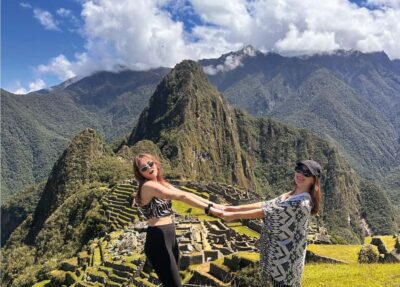 ★ 4.62-Day Trip to the Sacred Valley and Machu PicchuFrom $370265 reviews
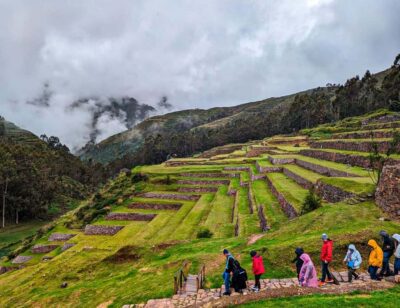 ★ 4.8Sacred Valley Pisaq,Ollantaytambo,Chinchero with LunchFrom $28183 reviews
Browse the lists this tour appears in