
REVIEW · WALKING TOURS
Cusco: Walking Tour with a Local Guide
Cusco rewards slow wandering, and this walking tour keeps it practical and meaningful. You start right in the center, then you move through the streets that connect Inca foundations, colonial buildings, and everyday life in San Blas. I like how the route teaches context as you walk, not in a lecture you have to survive. You get Plaza de Armas orientation plus stops that explain why the city’s past still shows up in daily streets and architecture.
Two things I especially like: the guide-led pacing, and the way the tour points out sights you’d likely miss on your own. In one booking, Enrique was singled out for an excellent pace that felt right, and for explaining the history clearly enough that you actually remember it afterward. The main consideration is simple: there’s moderate walking, and it’s not a fit for wheelchair users or anyone who needs step-free routes.
Key Highlights Worth Your Time
- Plaza de Armas orientation so you understand where you are and what you’re seeing
- Inca and colonial mix across Loreto Street and other landmark areas
- Qoricancha (Temple of the Sun) focused on the sun’s importance in Inca culture
- Cusicancha site where an Inca palace and temple is now a church
- San Blas neighborhood walk with artisan workshops and local daily life
- Mirador de San Blas finish for a final viewpoint after the walking
More that leaves from a Cusco hotel door
- Cusco: Humantay Lake Tour with Breakfast and Buffet Lunch★ 4.9 · 2,976 reviews
- From Cusco: Moray, Maras Salt Mines & Chinchero Weavers Tour★ 4.8 · 1,925 reviews
- From Cusco: Full-Day Group Tour of Machu Picchu★ 4.7 · 1,767 reviews
- Machu Picchu Day Trip from Cusco★ 4.5 · 1,644 reviews
Entering Cusco Through Plaza de Armas
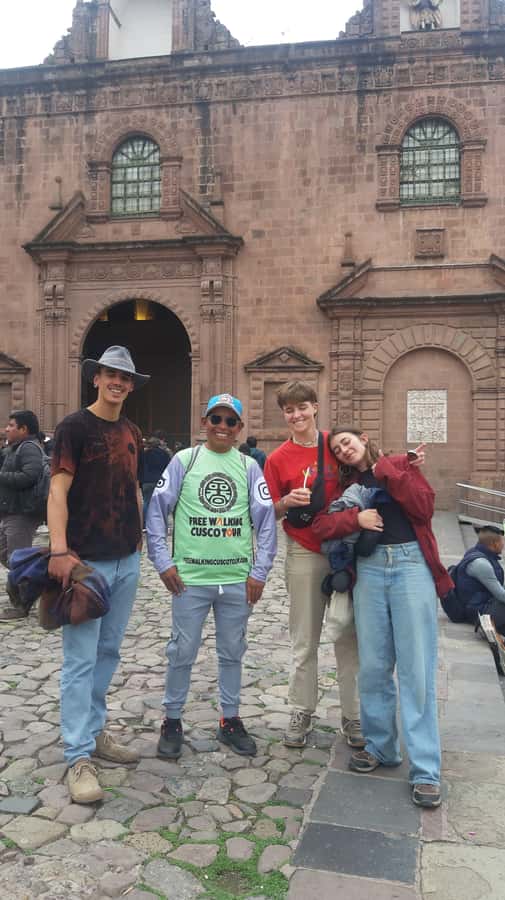
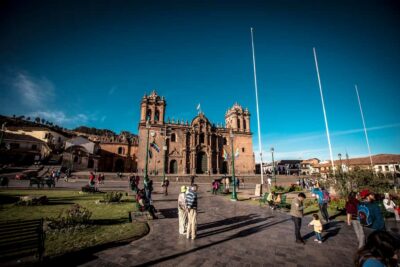
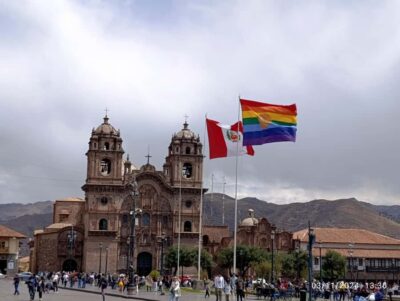
Most people arrive in Cusco and immediately feel the scale of the place. The streets are steep, the views are constant, and it’s easy to lose your bearings fast. Starting at Plaza de Armas fixes that. You begin in the city’s main square, and your guide sets the scene with what the plaza represents and how the surrounding colonial buildings relate to earlier Inca legends.
This start is more than photo-taking. You’re learning how to read the city. When you understand why a plaza sits where it does, you’ll walk the next streets with more meaning, not just momentum. And since you’re also heading toward other key sites right after, you avoid that awkward tourist cycle of wandering in circles.
If you’re short on time, this early grounding is one of the biggest reasons the tour feels like good value. It’s 150 minutes, so every block matters.
Loreto Street and the Feel of a Working Neighborhood
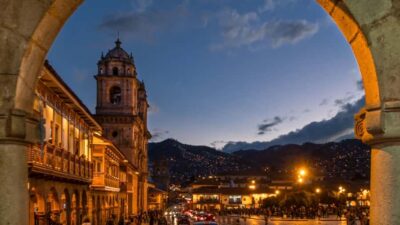
After the main square, you head toward Loreto Street, where the city’s layers show up in everyday storefronts and street life. This is where you see colonial architecture up close while still watching normal city activity around you. It’s also a nice transition from “big monument energy” to “human-scale Cusco.”
Look for what a guide tends to notice here: small artisan workshops, local shops, and street corners that don’t scream landmark. Your guide’s job is basically to help you connect the dots. Instead of only seeing buildings, you start seeing the city as a system that includes craft, daily life, and storytelling.
Practical note: Cusco streets can be uneven and narrow. Comfortable shoes matter, and so does pacing. If you show up with blister-ready footwear, you’ll spend the whole walk thinking about your feet instead of the sights.
Qoricancha (Coricancha): Temple of the Sun and Inca Architecture
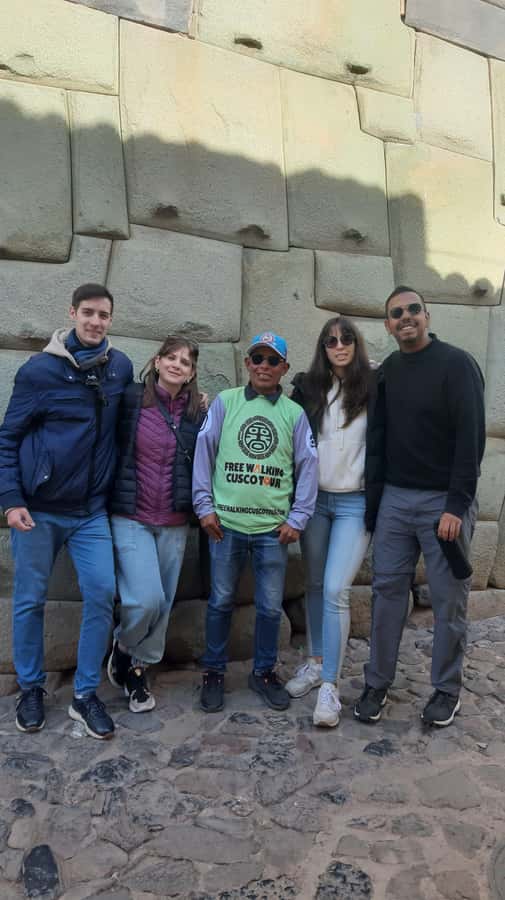
Then comes one of the tour’s anchor moments: Qoricancha, the Temple of the Sun. The focus here is clear. You learn about the importance of the sun in Inca culture, and you see the Inca architecture that remains part of this landmark’s identity.
This stop can hit differently depending on how you’ve been traveling. If you’ve been bouncing between views all week, it’s a reminder that Cusco’s big sites are also about ideas and beliefs, not just stone and scenery. The sun theme gives you a simple lens for what you’re looking at, so the architecture doesn’t feel like random sightseeing.
Also, if you want to avoid delays, this tour includes skipping the ticket line. That doesn’t just save time. It keeps your energy for the walk and the next stops, instead of losing your rhythm.
Don’t forget sunscreen here. Sun exposure in Cusco can surprise you, even when clouds do their best impression of weather you can trust.
Cusicancha and the Inca Palace That Became a Church
Next you visit the Inka Palace Cusicancha. This is described as an Inca palace and temple that is now a church. That alone makes it a memorable stop because it shows how layers of power and belief can overlap in one physical place.
For me, what makes this stop worthwhile is the contrast. You’re not just learning Inca history in isolation. You’re watching the transformation of a space over time. A guide can help you notice how the setting communicates both eras at once, without turning the tour into a messy timeline you can’t track.
This is also the kind of stop where you should slow down. If you rush, you’ll miss the details your guide points out about the site’s significance.
More around Cusco, if this one is not quite the fit
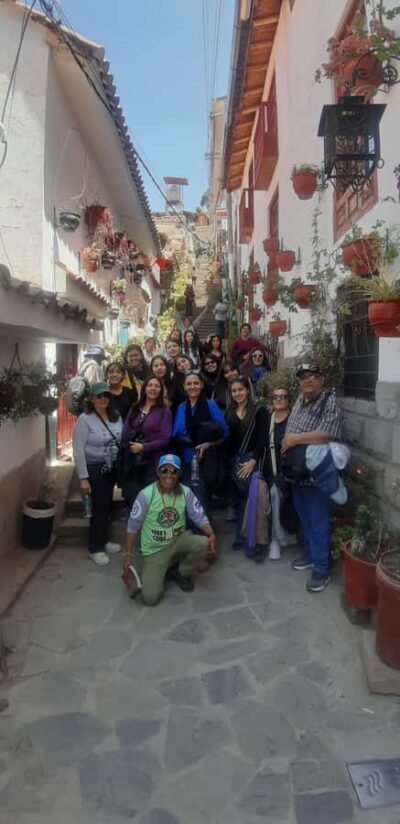
Inka Roca Street: Narrow Cobblestones and Real City Life
After the bigger monuments, Inka Roca Street brings you back to the texture of Cusco. This is narrow, cobblestoned, and full of colonial houses and daily local life. You’re walking through a corridor where the city feels lived-in rather than staged.
This part matters because it turns the tour into more than a list of sights. You see what “nearby” looks like when history is right there at street level. It also helps you understand why a neighborhood like San Blas feels different from the main-square area. You’re moving from central spectacle toward community craft and local routine.
Expect some walking effort. Even when the route isn’t extreme, the ground is uneven and the altitude can make a short stretch feel longer than it should. If you take your time and keep your water intake sensible, you’ll feel fine.
San Blas: Artisan Workshops, Churches, and Local Rhythm
San Blas is where Cusco often shifts from “places to visit” to “a place to wander.” The tour brings you into the neighborhood to see artisan workshops, colonial churches, and the daily life of Cusqueños.
This stop is practical, not just pretty. Artisan workshops give you a chance to see how craft is part of the neighborhood economy and culture. Colonial churches offer another layer of architecture and tradition. And the daily life piece is what prevents the area from becoming just another scenic zone. You’re watching people go about their day while you absorb the history around them.
You also finish at Mirador de San Blas, which is a smart ending. By the time you reach the viewpoint, you’ve built up enough context to recognize what you’re looking at from above. It’s a payoff moment. You get a final perspective without needing extra transportation or planning.
The ideal mindset here is simple: walk with curiosity. Don’t only look for landmarks. Look for how the neighborhood operates.
Price, Time, and the Value of a 150-Minute Route
At $15 per person for about 150 minutes, this tour is priced like a practical introduction to Cusco. You’re not buying hours of bus time or a complicated schedule. You’re buying a guide-led route that connects key sites into a coherent walk.
Here’s the value logic I’d use if I were deciding: if you plan to see Plaza de Armas, Qoricancha, and San Blas anyway, having a guide helps you get the “why” behind what you’re seeing. And you also save time on entry at Qoricancha since there’s ticket-line skipping. For many people, that alone offsets part of the cost.
The pace is also a key part of value. In one booking, Enrique was praised for getting the pace right. That’s important in Cusco, where you can easily overdo it on your first day. A good guide keeps you moving without turning it into a sprint.
One caution on value: food and drinks aren’t included. So factor in water and whatever snack strategy you prefer. If you’re hungry near the end, it’s easier to enjoy the viewpoint when you’ve already planned for a quick break.
What to Bring (So the Walk Feels Easy)
This is a moderate-walking experience. You don’t need to be an athlete, but you do need basics.
Bring:
- Comfortable shoes you trust on cobblestones
- Hat and sunscreen for sun protection
- Water, because you’re walking and likely adjusting to altitude
- A calm attitude for narrow streets and uneven ground
Not allowed:
- Smoking
- Flash photography
In other words, keep it respectful and keep it simple. If you want great photos, use natural light and your regular camera settings. Save your energy for the moments that matter.
Languages and What the Guide Will Actually Do
The tour runs with live guide support in Spanish and English. That matters because history works best when you can ask a quick question or follow explanations in the moment.
A strong guide here does three things:
- Sets context at each site, so the buildings mean something
- Points out architectural details you might overlook
- Connects Inca culture to later layers, including colonial-era presence
Even if you’re not a history person, this kind of guiding helps you remember what you saw. And if you are a history person, you’ll appreciate the way the route is built around specific cultural themes, like the role of the sun in Inca belief.
A Note on Reliability and Your Best Backup Plan
Most of the time, meeting a guide is smooth. Still, one verified booking indicated the guide did not show up and messages didn’t get a response. That doesn’t mean it will happen to you, but it does mean you should be ready.
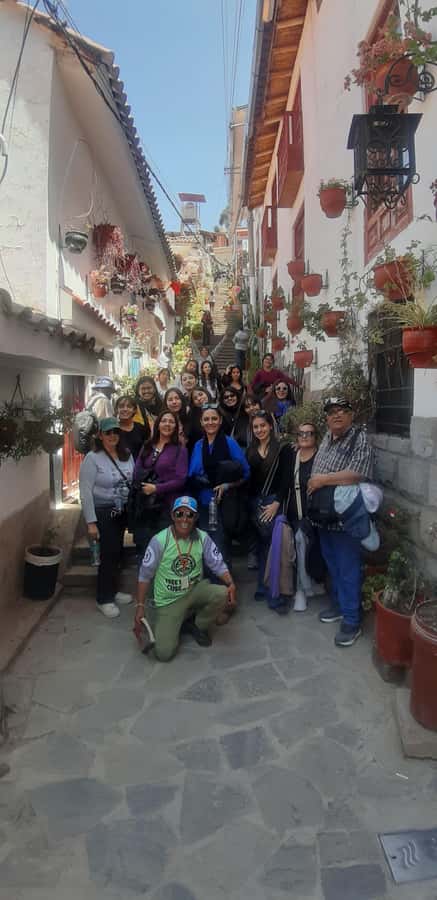
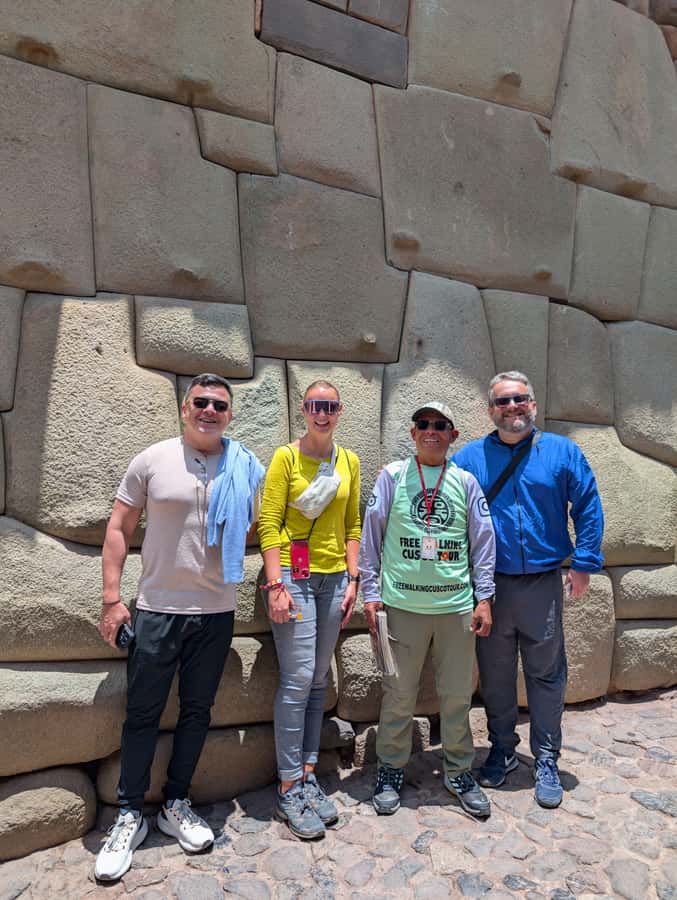
Your best backup plan is to be strict about the meeting point. Look for the guide wearing a green T-shirt, and meet between Calle del Medio and Plaza de Armas. If anything seems off, stay near the meeting location rather than wandering.
Should You Book This Cusco Walking Tour?
Book it if you want an efficient half-day that ties together Cusco’s main square, Inca landmarks, and the lived-in feel of San Blas. It’s especially worth it if you like walking with a local who can explain the significance of what you’re seeing, not just where things are.
Skip it or consider something else if:
- You can’t handle moderate walking on cobblestones
- You need step-free access
- You’re expecting food or a full-day adventure with transport included
If you’re visiting Cusco for the first time and want a grounded, guide-led route for $15, this tour is an easy yes.
FAQ
Where do I meet the guide?
Meet between Calle del Medio and Plaza de Armas. Look for a guide wearing a green T-shirt.
What’s the duration of the tour?
The tour lasts about 150 minutes.
Is pickup or drop-off included?
No. Pickup and drop-off are not included.
What is included in the price?
You get a professional guide.
What language is the guide?
The tour guide speaks Spanish and English.
Does the tour skip the ticket line?
Yes, it includes skipping the ticket line.
What should I bring?
Bring comfortable shoes, a hat, sunscreen, and water.
Are food and drinks included?
No. Food and drinks are not included.
What is the tour like in terms of walking and fitness?
Expect a moderate amount of walking, and you should have a moderate level of fitness.
What are the rules for photos and smoking?
Smoking is not allowed, and flash photography is not allowed.
More Tours in Cusco
- Cusco: Humantay Lake Tour with Breakfast and Buffet Lunch
★ 4.9 · 2,976 reviews - From Cusco: Moray, Maras Salt Mines & Chinchero Weavers Tour
★ 4.8 · 1,925 reviews - From Cusco: Full-Day Group Tour of Machu Picchu
★ 4.7 · 1,767 reviews - Cusco: Half-Day City Tour with Sacsayhuaman and Q’enco
★ 4.6 · 1,129 reviews - Machu Picchu: Full-Day Tour from Cusco with Optional Lunch
★ 4.6 · 927 reviews
More Tour Reviews in Cusco
- Cusco: Humantay Lake Tour with Breakfast and Buffet Lunch
★ 4.9 · 2,976 reviews - From Cusco: Moray, Maras Salt Mines & Chinchero Weavers Tour
★ 4.8 · 1,925 reviews - From Cusco: Full-Day Group Tour of Machu Picchu
★ 4.7 · 1,767 reviews - Machu Picchu Day Trip from Cusco
★ 4.5 · 1,644 reviews - Cusco: Half-Day City Tour with Sacsayhuaman and Q’enco
★ 4.6 · 1,129 reviews
More Leaving From Cusco
- Cusco: Humantay Lake Tour with Breakfast and Buffet Lunch
★ 4.9 · 2,976 reviews - From Cusco: Moray, Maras Salt Mines & Chinchero Weavers Tour
★ 4.8 · 1,925 reviews - From Cusco: Full-Day Group Tour of Machu Picchu
★ 4.7 · 1,767 reviews - Machu Picchu Day Trip from Cusco
★ 4.5 · 1,644 reviews - Cusco: Half-Day City Tour with Sacsayhuaman and Q’enco
★ 4.6 · 1,129 reviews
Fresh in from Cusco


Walking Tours, compared.
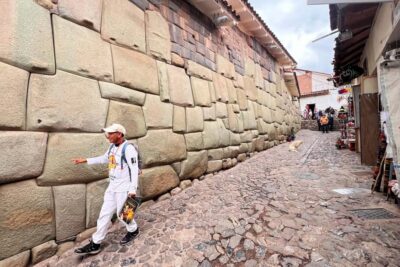 ★ 4.6Historic Walking Tour with Pisco Sour and Music ShowFrom $1065 reviews
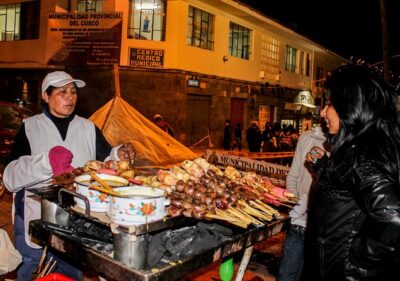 ★ 5.0Walking Culinary ExperienceFrom $7041 reviews
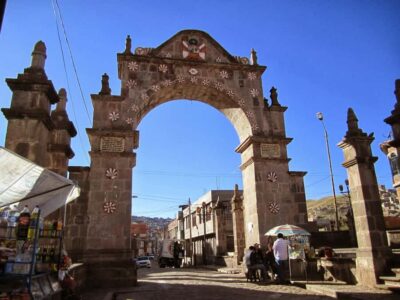 ★ 4.1Puno: History and Culture Walking TourFrom $2013 reviews
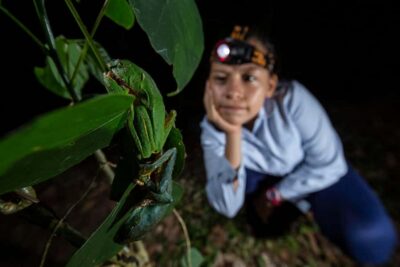 ★ 4.4Tambopata Rainforest Night Walk & River ExplorationFrom $556 reviews
 ★ 3.4Walking Tour CuscoFrom $296 reviews
 ★ 5.0Cultural Walking Tour with Local Guide⭐⭐⭐⭐⭐From $14 reviews
 ★ 3.6Best of Cusco: Private Walking Tour with a LocalFrom $203 reviews
 ★ 3.5Rainbow Mountain In Quad Bikes /walk 5 minutes/+mealsFrom $803 reviews
Browse the lists this tour appears in