
REVIEW · PUNO & LAKE TITICACA TOURS
Aymara Route Mystical Cultural Tour
Phalluses, portals, and the Aymara road.
This Aymara cultural route is interesting because it mixes big-name sites with less expected stops, then closes with time around Juli, often called the Rome of America. I especially liked the official guide who explains with maps and photos, and the drone footage that captures your group and you from above. The one thing to consider is that at Aramu Muru you may have to choose between a short walk for photos and the more ritual-focused ceremony.
The day is built for people who want guided context, not just a bus window. You get transport, tickets, and multiple stops around Puno, with frequent chances to get out, stretch your legs, and take pictures. My only caution is simple: this is still a long, outdoors-heavy day, so plan on comfort shoes and some patience with walking and uneven ground.
Key things that make this tour worth your time
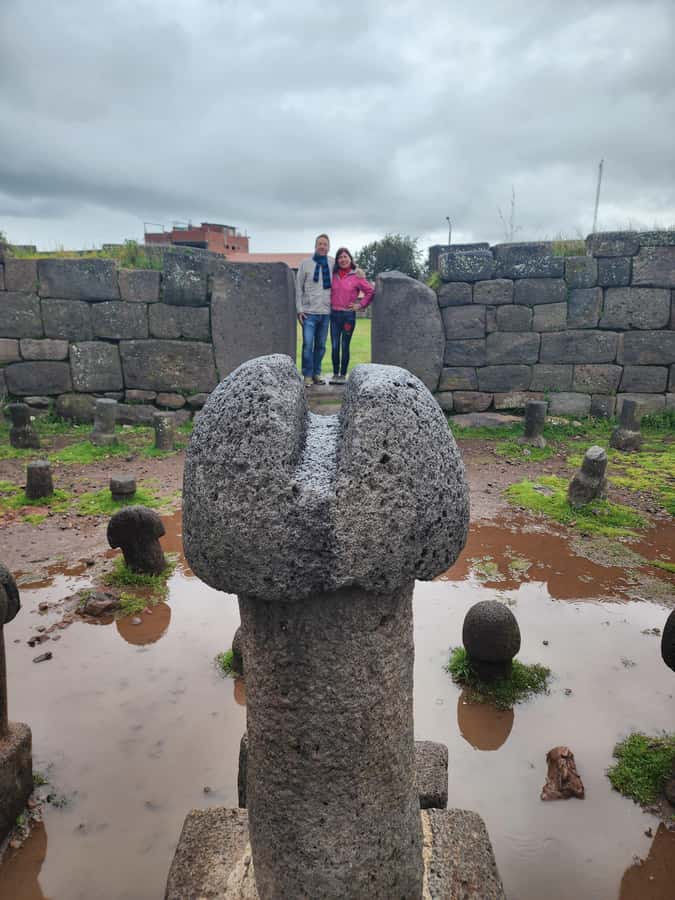
- Temple of Fertility stop with six smaller phalluses and one larger one, plus guided explanation to keep it from feeling random.
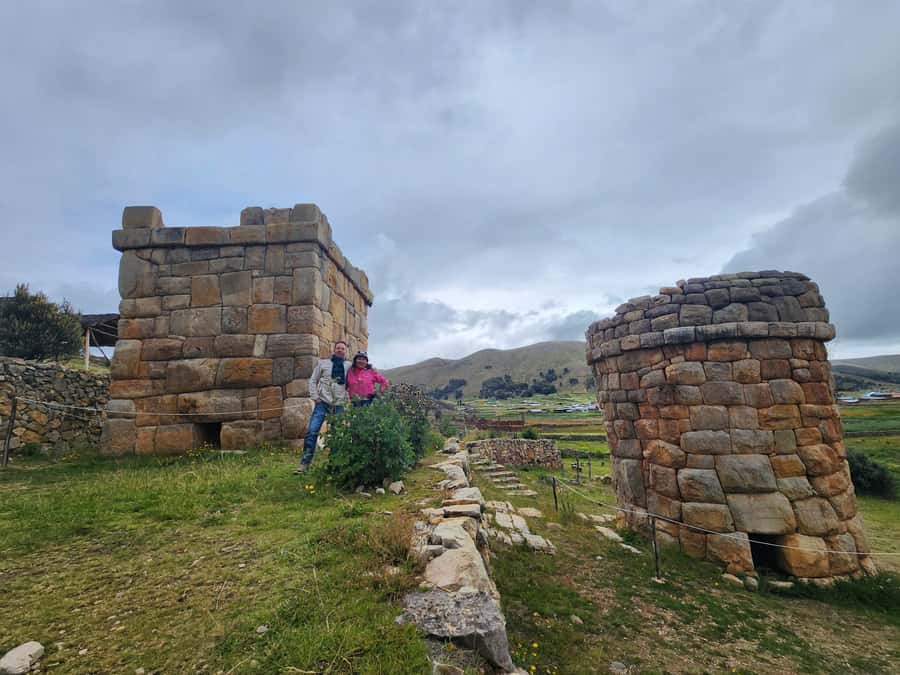
- Chullpas de Molloco style contrast: square towers plus a circular tower, unlike the look most people expect from Sillustani.
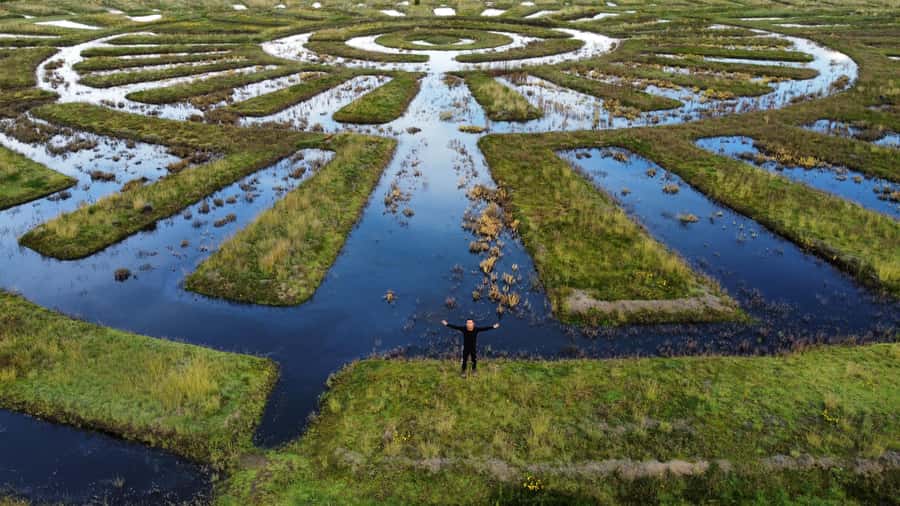
- Circular waru warus field technique presented as an ancestral “laboratory” for growing Andean grains and tubers.
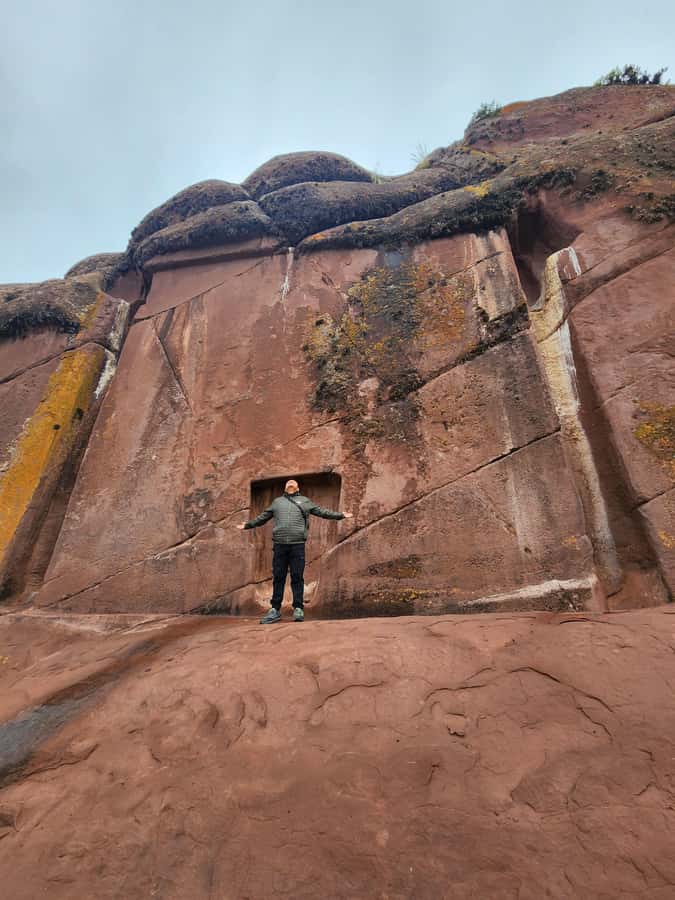
- Aramu Muru experience choice between a short mini-walk for photos and the ceremony or rite.
- Drone video add-on showing group and individual clips you cannot easily reproduce on your own.
- Comfort-first transport plus an attentive guide who checks in so the day stays smooth.
Entering the Aymara Route: what this day really feels like
This tour feels like a guided circuit of Aymara-era sites around Puno, with a very deliberate rhythm. You are not rushing through one highlight after another. You get guided time, photo stops, short walks, and a few moments of free time to breathe.
What makes it stand out is how different the stops are from each other. One moment you are looking at funerary towers, the next you are seeing farming infrastructure built for survival in tough conditions, then you hit a portal-style rock site and a ceremony-focused moment.
And yes, the day has a few “only in this region” touches. A visit that includes the Temple of Fertility is a good example. It sounds odd until you get the guided framing, and then it becomes part of a larger understanding of how people used sacred spaces.
Price and what $32 buys you near Puno
At around $32 per person for a full day, the value comes from the practical stuff. You are paying for the official guide, first-class transportation, and tickets so you do not have to line up or figure out entry details at each stop.
In other words, you are buying convenience plus context. With several separate sites spread around the Puno area, self-arranging can turn into a mix of missed timing and extra costs you only notice later.
There is also a “soft value” component. The guide is not only translating names on a map. They bring supporting materials, and they help you understand what you are seeing instead of leaving you to guess.
Pickup, transport, and the pacing from Puno to late afternoon
You start in Puno, and pickup is included. You will want to send your hotel address, plus a phone or WhatsApp number, so coordination is smooth.
The full day runs about 7 hours and 10 minutes to around 8 hours, and it typically ends around 4 to 5 pm back in Puno. Expect a steady pace with multiple stops, plus short stretches where you can wander and take pictures.
The transport matters more than people think in this region. One strong point that comes up again and again is that the bus is comfortable, described as the most comfortable in Peru by one reviewer. That matters when you sit through travel between smaller sites and pull over for quick walks.
Chucuito: a guided wander with time to photograph and stroll
One of the earlier stops is Chucuito, located south of Puno. This is a classic “get your bearings” start to the day, with a mix of photo time, a guided visit, and walking around with sightseeing breaks.
You also get time that feels more flexible than a strict museum visit. The format includes guided touring plus self-guided moments, so you can slow down for photos or just take in street life and views.
If you like your cultural tours with a bit of movement, this works well. You are not stuck waiting in the same spot for long stretches.
Acora stop: where you shift from towns to archaeology
After Chucuito, the route brings you to Acora. Here the tour continues with guided explanation, photo stops, and walking time, plus the chance to explore at your own pace for about an hour.
Acora is a good transition moment. You start the day in a town-like context, then you shift toward the archaeology and sacred-site feel that dominates the rest of the itinerary.
It is also where you can start noticing the pattern of the day. The guide connects what you see to how people lived, traveled, and built sacred structures. That makes later stops easier to understand, especially the farming and chullpa sections.
Molloco chullpas: square towers, a circular tower, and niches
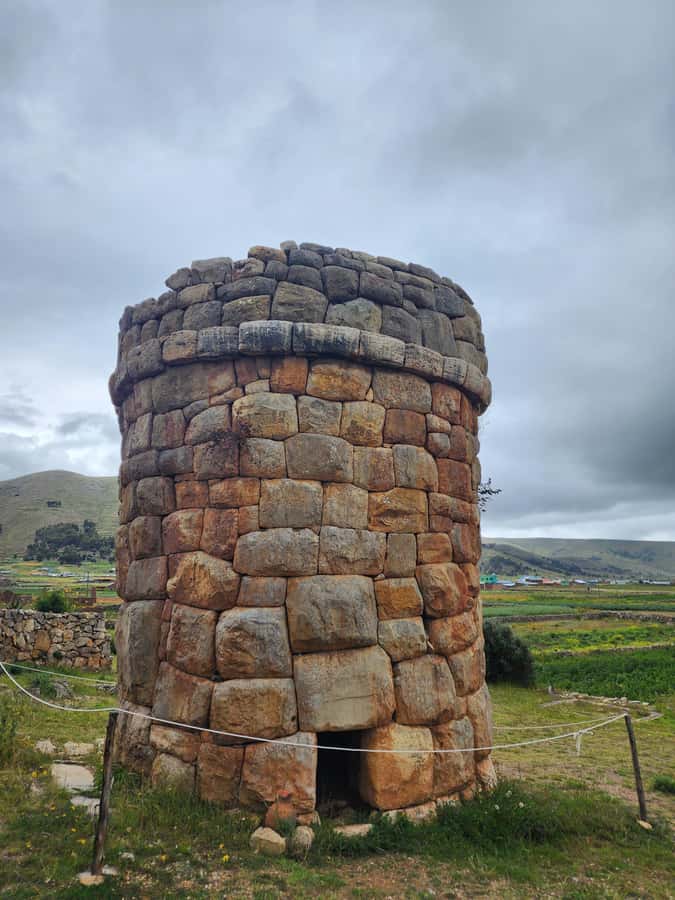
The next big archaeological beat is Chullpas de Molloco, and it is specifically worth caring about because it looks different from the better-known chullpas people compare to Sillustani.
At Molloco, you can see three square-style towers and one circular structure. There are also niches under the floor that were used as niches, which is the kind of detail your eyes can miss if you are just walking past.
This stop is where a guide earns their keep. The point is not only the architecture. It is what those shapes and features suggest about design choices, ritual storage, and the way structures were integrated into the site layout.
One practical note: this is a walking stop with outdoor viewing. Bring comfortable shoes. You want a grip for uneven ground and steps.
Waru Waru fields near Acora: ancestral farming in a visible system
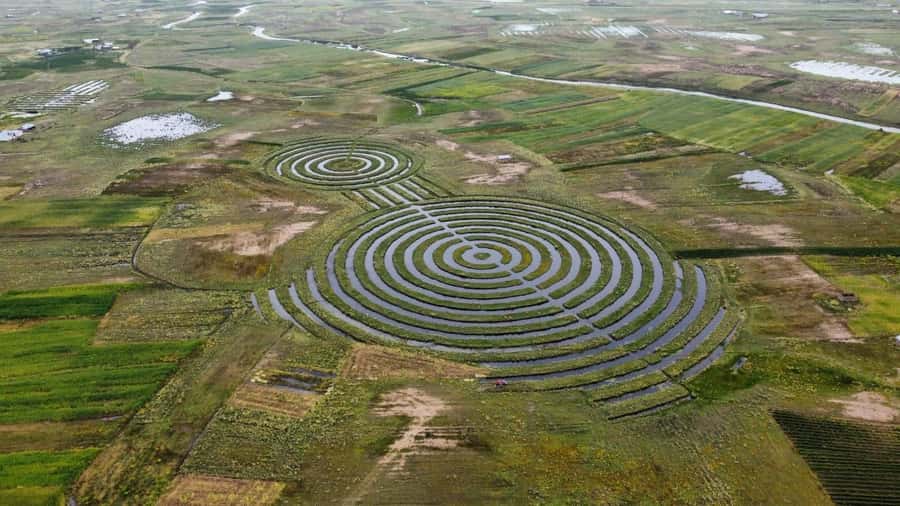
Then the route moves into Circular Andean Waru Warus. This is one of the stops I think most non-experts underestimate, because waru warus do not sound as dramatic as towers or portals.
But the way it is presented makes sense. The tour frames this circular waru waru technique as an ancestral “laboratory” for the domestication of Andean grains and tubers. Translation: you are seeing a survival system built into the landscape, not just a historical curiosity.
It helps that the stop is guided. Otherwise, waru waru features can look like earthwork patterns you do not know how to read. With context, you start connecting water management, planting, and long-term thinking.
You will also get time for pictures here. It is the kind of place where a photo helps later, because the system is easier to interpret once you have time to look again.
The Temple of Fertility: six minor phalluses and one major
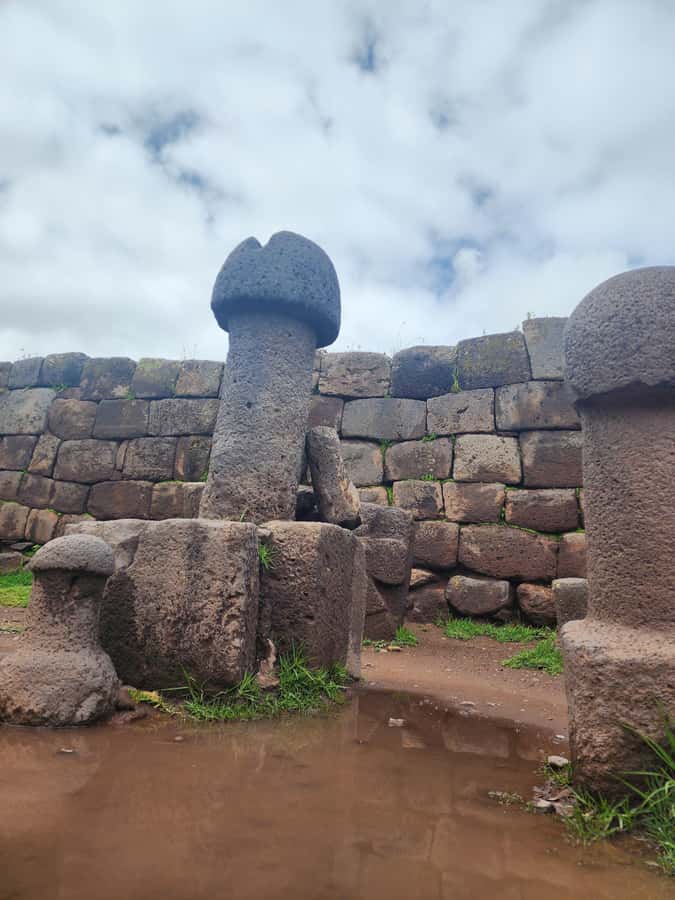
One of the most distinctive parts of the day is the Temple of Fertility visit. You can find six minor phalluses and one major phallus, and the guided explanation turns what could sound like shock-value sightseeing into a cultural site with meaning.
This is not the kind of stop where you want to mentally check out. It is exactly the type of place that benefits from having someone explain what you are seeing and why it was placed there.
If you are uncomfortable with explicit religious symbolism, you should know this stop is part of the standard route. If you are okay with that, you will probably appreciate how the tour treats it seriously rather than as a gimmick.
Aramu Muru Portal: meditation, rock formations, and the ceremony choice
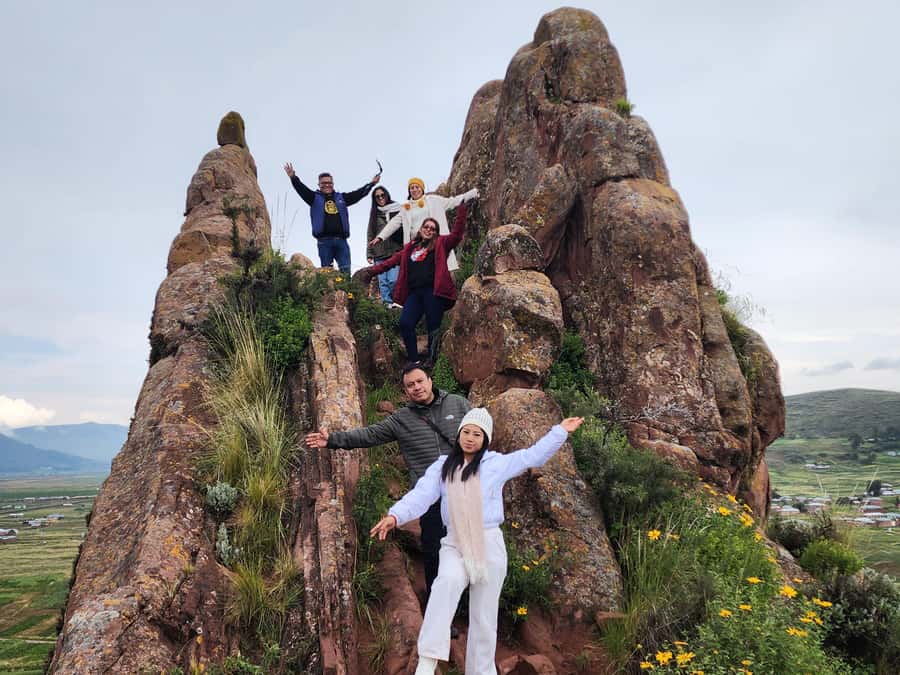
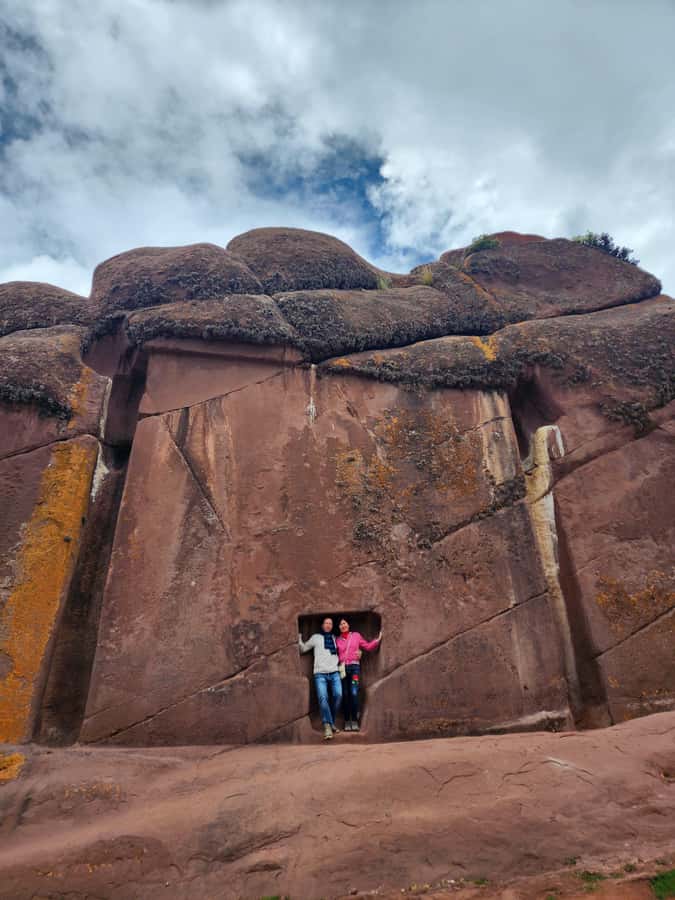
The Aramu Muru area is where the tour turns more spiritual and more physical at the same time. You will visit the Portón de Aramu Muro, where the plan includes meditation practice and time to see the rock formations.
This is also where the “choose-your-moment” tradeoff can come into play. One reviewer noted they had to choose between a mini trek, which is great for photos, and joining the ceremony. That means you should decide what you want more before you get to the site.
If you want the most photo-friendly angles, go for the mini walk time. If you want the full ritual-focused experience, pick the ceremony. Either choice can be good, but mixing them may not be realistic on the schedule.
I also like that this part of the day is not just watching from a distance. Meditation is not the same as a guided explanation, and it gives the stop a different tone.
Juli, the Rome of America: beach time and optional add-ons
Near the end, you reach Juli, described as the Rome of America. The tour includes time to see its beach area, plus other optional activities.
You will get time for photos and sightseeing, plus guided context. This is a good way to end, because the earlier archaeological stops tend to be very “look and learn.” Juli gives you a more relaxed wrap-up with a chance to enjoy the town atmosphere.
If you like shopping, the day includes opportunities along the route, and one stop includes a break with free time and shopping. Plan to carry some cash, just in case your favorite small spots do not take cards.
What the guide does well: maps, photos, and real check-ins
One of the biggest reasons this tour earns strong marks is the guide style. The guide is described as prepared, speaking with maps and photos, and shifting explanations into Spanish and English as needed.
I like that the guide checks on comfort during the day. That could mean the simple things, like making sure you are keeping up, or slowing the pace when needed. In long multi-stop tours, small check-ins prevent big frustration later.
Another standout detail is the drone component. You get drone videos that show you as a group and individually in the sites. It is the kind of memory that feels special because you cannot easily recreate the same perspective on your own.
Comfort and small-road reality checks
Road travel in Peru means occasional unpredictability. The good news is that this tour seems set up to handle small problems without derailing the day.
One example described a puncture issue handled with a substitute vehicle in about half an hour. It is not something you should plan around, but it is reassuring to know the operation is able to recover quickly if something mechanical happens.
What to bring (and why)
This tour is outdoors for parts of the day, and you move between sites. Bring:
- Comfortable shoes with grip
- Sunglasses and a hat
- Camera (or phone with enough storage)
- Comfortable clothes for changing light
- Cash for shopping or food options
- Biodegradable insect repellent
Also keep an eye on the day’s conditions. The tour info advises checking weather and social problems the day before, and having a contact number ready.
Who should book this Aymara Route
This fits you best if you want:
- An organized day with an official guide and multiple learning moments
- A mix of sacred-site symbolism, archaeology, and living farming tech concepts
- A tour with photo stops that are not just roadside pullovers
It may not be ideal if you:
- Need a fully sedentary experience
- Have mobility limits that make walking and uneven ground hard
And it is specifically noted as not suitable for people with epilepsy.
Quick, practical decision: should you go?
I think you should book this tour if you want a guided way to see a cluster of Aymara and regional sites near Puno without juggling tickets, timing, or transport logistics yourself. At $32, you are paying for convenience plus interpretation, and the drone videos and guide attention add extra value beyond the basic sightseeing.
Skip it or consider another option if you want a calmer, less ritual-heavy day, because the Aramu Muru section includes meditation and a ceremony element. Also, if you hate the idea of explicit symbolism, be prepared for the Temple of Fertility stop as part of the standard route.
FAQ
FAQ
Where does the tour start?
The tour includes pickup in Puno. You will need to send your hotel address and your phone or WhatsApp number so the team can coordinate your pickup.
How long is the Aymara Route Mystical Cultural Tour?
The duration is listed as 8 hours, with a total duration noted as 7 hours and 10 minutes.
Are tickets included?
Yes. Tickets are included, so you do not have to pay at each place you visit.
What languages is the live guide available in?
The live guide works in Spanish and English.
What should I bring with me?
Bring comfortable shoes, sunglasses, a hat, a camera, comfortable clothes, cash, and biodegradable insect repellent.
Is pickup included, and do I need to coordinate it?
Yes, pickup is included, but you must send the address of your hotel and ideally a phone or WhatsApp number for easier coordination.
Is the tour suitable for everyone?
It is not suitable for people with epilepsy.
What is the cancellation policy?
You can cancel up to 24 hours in advance for a full refund. The activity also offers reserve now, pay later.
Puno & Lake Titicaca Tours, compared.
 ★ 4.5From Puno: Uros, Amantaní & Taquile Islands 2-Day TourFrom $59452 reviews
 ★ 4.4From Puno: Floating Islands of the Uros Half-Day TourFrom $10394 reviews
 ★ 4.62-Day Tour Colca Canyon in Arequipa with end in PunoFrom $78248 reviews
 ★ 4.4Lake Titicaca 2-Day Tour to Uros, Amantani and TaquileFrom $69199 reviews
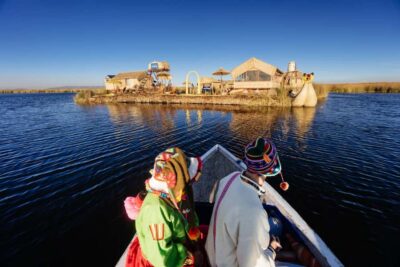 ★ 4.4Puno: Full-Day Tour of Lake Titicaca and Uros & TaquileFrom $33178 reviews
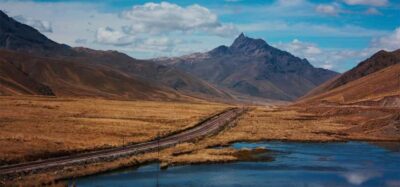 ★ 4.7Puno: Full-Day Route of the Sun Tour to Cusco with LunchFrom $44131 reviews
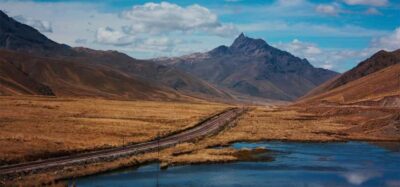 ★ 4.8Scenic Route of the Sun to Puno with Buffet LunchFrom $44101 reviews
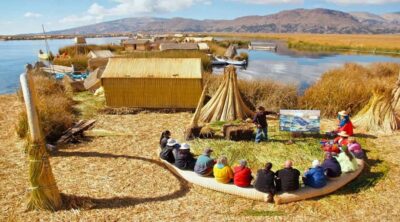 ★ 4.2Floating Islands of the UrosFrom $7101 reviews
Browse the lists this tour appears in