
REVIEW · PUNO & LAKE TITICACA TOURS
Floating Islands of the Uros
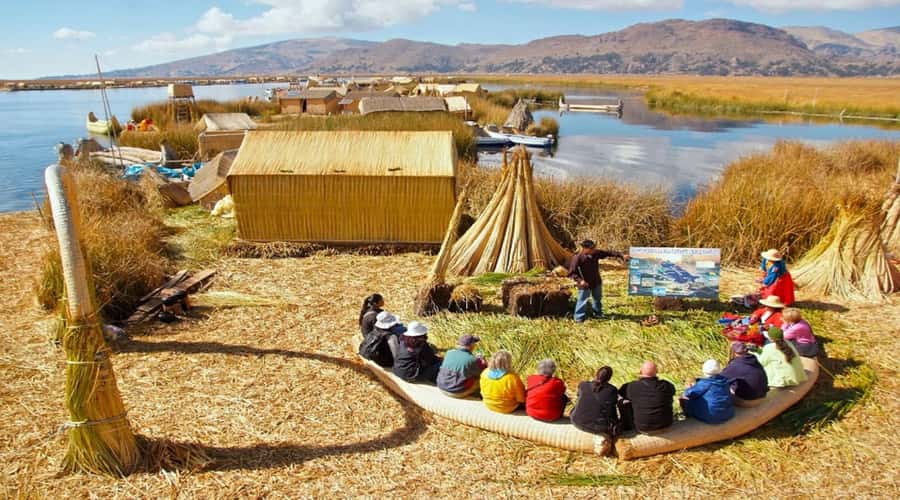
Reed islands feel like another planet. The Uros floating islands on Lake Titicaca are a living, millenary place, where homes and daily life are built from totora reeds.
I especially like the up-close guided tour, where you can see how the community works and how people explain it. I also like the chance to try a bit of Aymara language with your guide, plus the option to go on a totora raft ride if you want more lake time.
One note before you go: the whole trip is 3 hours, and the totora raft ride is not included, so you may need to budget extra if you want that experience.
Key things that make this Uros tour worth your time
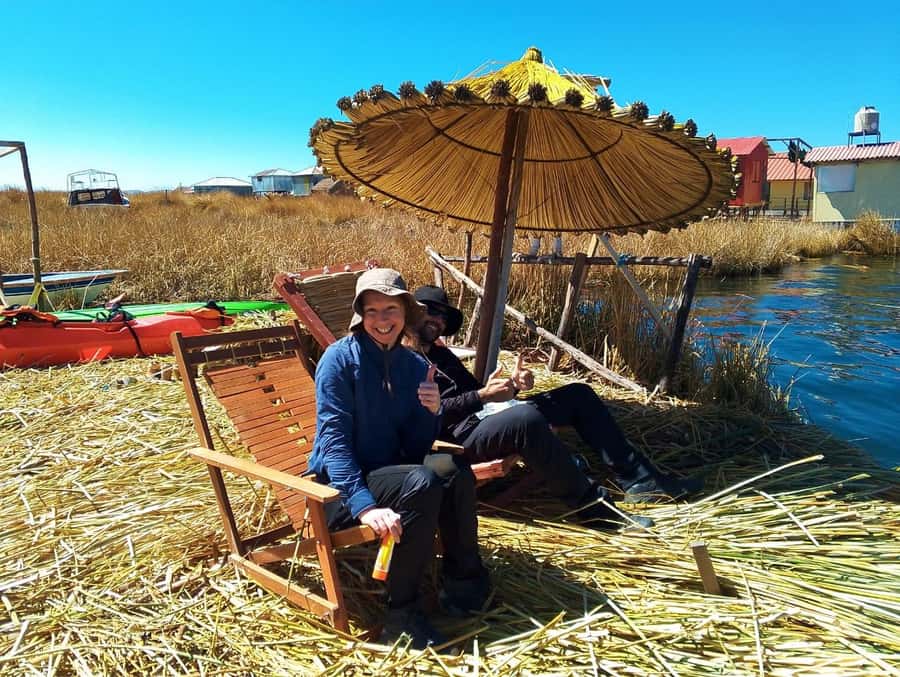
- A 2-hour stretch on the floating islands, with guided time plus a little free time to look around and take photos
- Reed craftsmanship on display, including men who help build and drive reed rafts and women who embroider rugs
- Aymara culture in practical form, like fishing, bird hunting, and collecting eggs
- A guide who helps you communicate, including simple Aymara greetings you can use with islanders
- Boat comfort included, with a normal boat, life jackets, and first aid kit
- Strong value for a low price, because transfers, entrance, and an official guide are part of the deal
More of the lake, the reeds and the islands
- From Puno: Floating Islands of the Uros Half-Day Tour★ 4.4 · 394 reviews
- Lake Titicaca 2-Day Tour to Uros, Amantani and Taquile★ 4.4 · 199 reviews
- Puno: Full-Day Tour of Lake Titicaca and Uros & Taquile★ 4.4 · 178 reviews
- Puno: Full-Day Route of the Sun Tour to Cusco with Lunch★ 4.7 · 131 reviews
Why the Uros floating islands still feel real

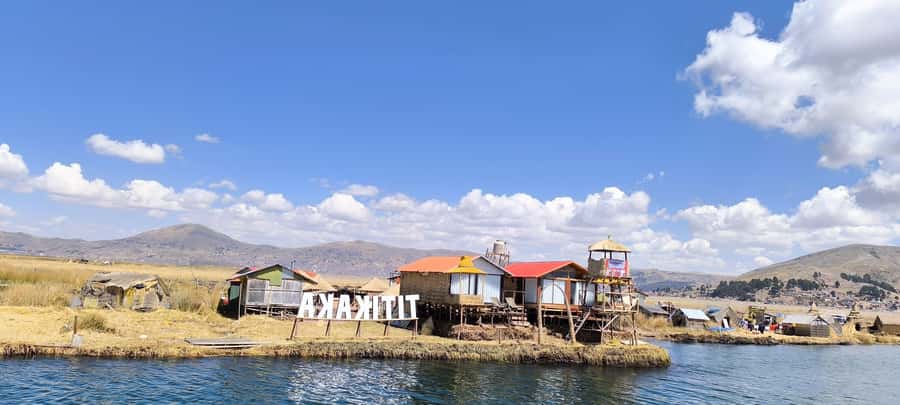
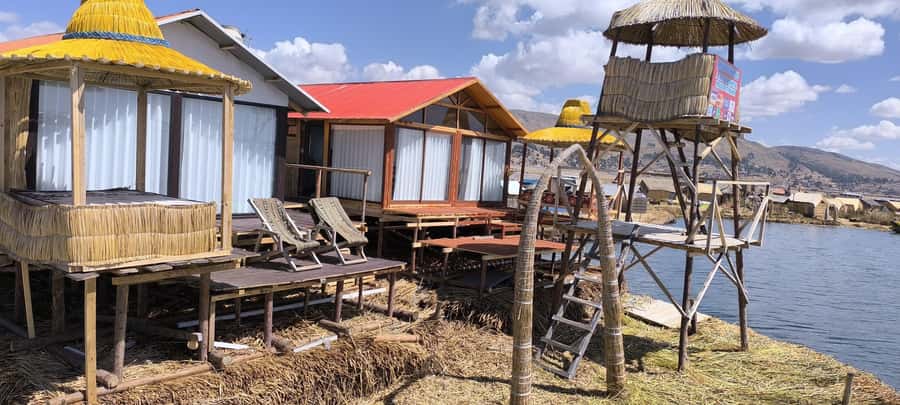
Lake Titicaca can look dramatic even from land, but the Uros islands change the feeling fast. You’re not just visiting a viewpoint. You’re stepping onto floating ground made from reeds that the community maintains.
What I like most is how the experience stays grounded in daily life. You’ll hear about how people live on and around the reeds, and you’ll see the skills that keep the islands afloat and useful. It’s a “watch how it works” kind of visit, not a staged museum stop.
The other big win is the human side. Guides often help you say a few basics in Aymara, so interactions feel more respectful and less like you’re passing through. And on some stops, you may get a chance to meet community leadership, like an account of meeting President Olga on a smaller reed island visit.
Getting from Puno to the reeds: ferries, short van rides, and timing
This tour is built for a smooth half-day feel. You start in Puno, get picked up at a downtown hotel, then move by van and boat. Expect a short van ride, a ferry crossing, and another short van transfer before you arrive at the Uros area on the lake.
A few details matter here. The boat is a normal one with comfortable seats, plus life jackets and a first aid kit. That’s reassuring on a big high-altitude lake like Titicaca, where conditions can shift. Also, there’s a skip-the-line style advantage with the entrance included, so you’re not stuck waiting around too long before you reach the main islands.
The schedule also gives you a real chunk of island time. Once you’re there, you’ll have a guided tour and photo opportunities, plus some free time to browse. If you’re trying to fit Uros into a busy Puno itinerary, this timing is practical.
On the floating islands: reeds, houses, and work you can actually see

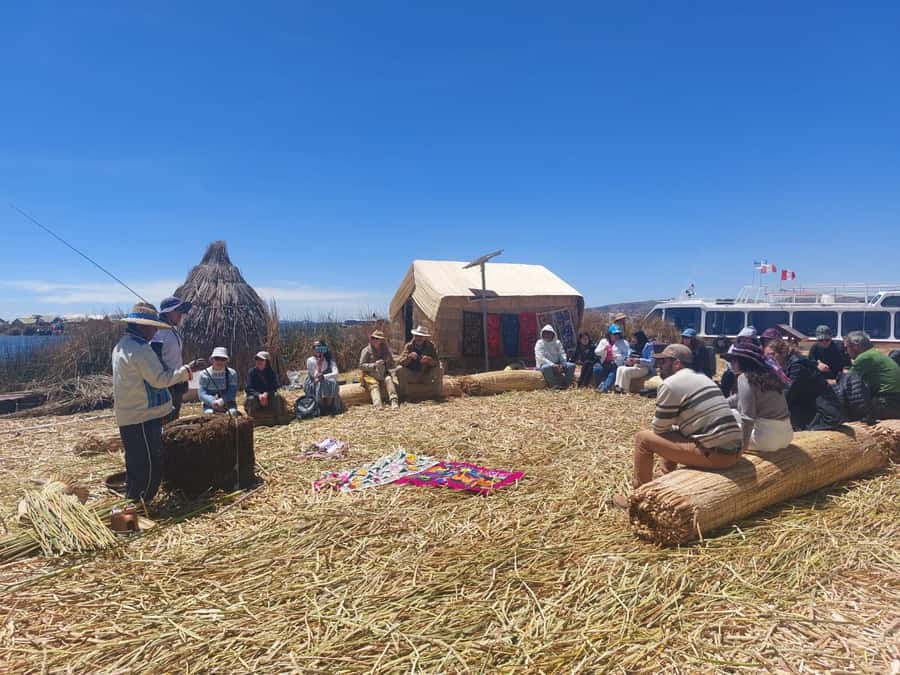
The Uros islands are often described as floating, but what makes them interesting is the work that keeps them floating and the routines that come with that. On your guided visit, you’ll walk and look across the islands while people explain their traditions in plain, everyday terms.
You’ll learn about the millenary civilization that lives inside totora reeds, including what they do to maintain the environment. Reed building isn’t just “craft” here. It’s survival math, and you’ll see that in the way people talk about construction and raft handling.
A few specific things you should expect to notice during your time on the islands:
- Men who are skilled builders and drivers of totora reed rafts
- Women who are skilled embroiderers of rugs
- How fishing, hunting birds, and collecting eggs fit into life on the lake
Even if you don’t understand every word at first, the visuals do a lot of the talking. Watching how materials are used, how structures are supported, and how work is organized gives you context you miss when you only take photos.
One practical heads-up: walking around the islands means you should wear shoes that can handle uneven, reed-based surfaces. Dress for comfort more than style, because you’ll be on your feet.
Aymara language and guide help that actually improves your visit
Culture hits harder when you can communicate a little. This tour’s official guide comes in Spanish or English, and they often help with basic Aymara to make greetings easier.
That small effort changes the tone. Instead of you pointing and photographing, you can greet people and show you’re trying. In some cases, guides like Roly are known for giving Aymara language help, and other guides (including Freddy) are described as excellent at turning the experience into something understandable fast.
You’ll also hear about community life and traditions in a way that’s meant to be clear, not complicated. Your guide explains what you’re seeing and why it matters, especially around the way the Uros maintain their skills to this day.
If you want a meaningful interaction, your best move is simple: ask questions that connect to what you see. Why are certain reeds used? How do people keep materials maintained? What part of island life is shared work? Guides can help you phrase those questions.
Totora reed raft ride: what’s included, what costs extra, and when it’s worth it
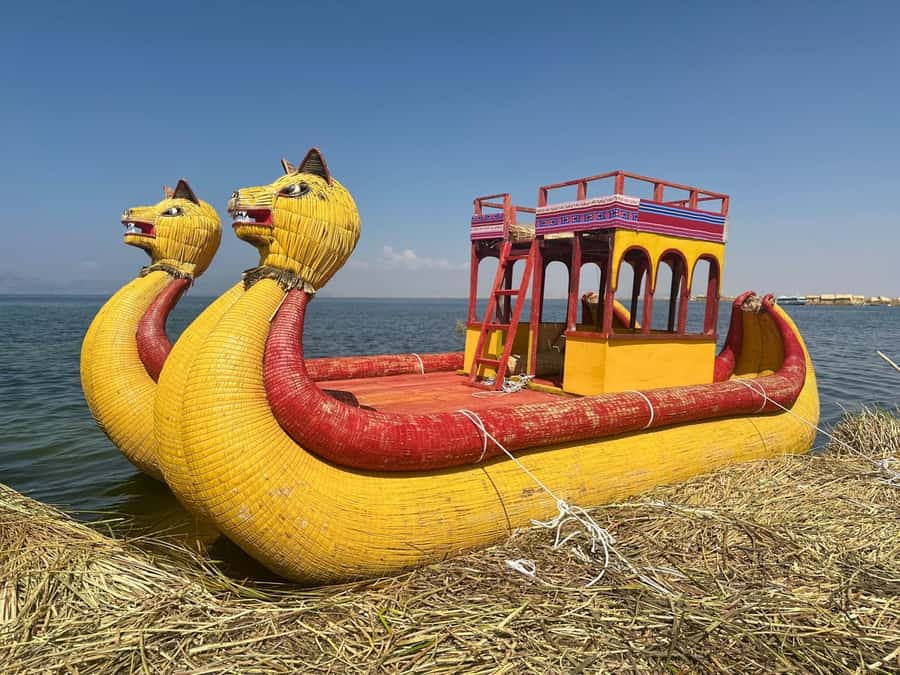
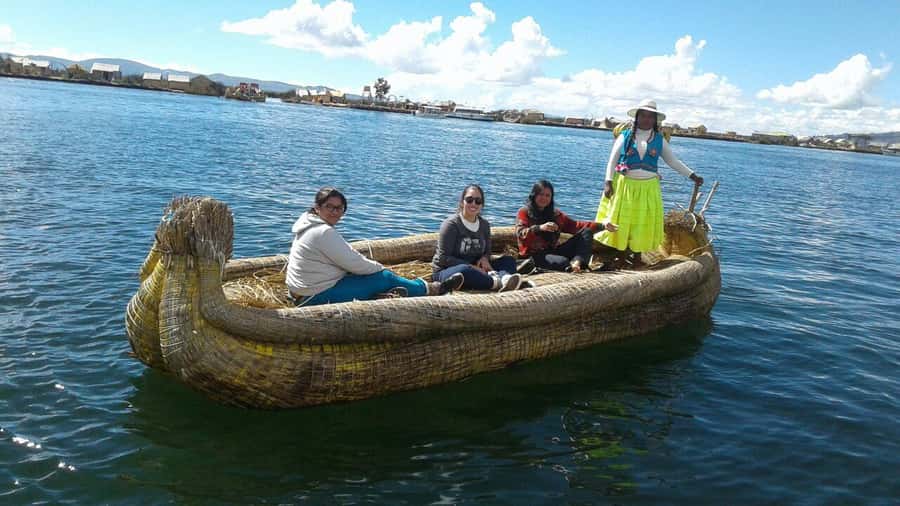
A lot of people come for the idea of a totora raft. Here’s the key point: the totora reed raft ride is not included in the base package.
That does not mean the trip is incomplete. You’ll still get island access, guided touring, and lake time by boat. But if riding a reed raft is a top priority for you, you’ll likely need to add it separately.
So when is the raft ride worth it? If you want more motion on the water, more close-up reed handling, and an extra chance for photos that feel different from standing on the island. If you’re short on time and your goal is mostly learning and walking, you may feel good skipping the extra ride.
Also, plan for comfort. You’re on the lake, and you’ll be around reeds and water surfaces. Bring water, wear grippy shoes, and keep your phone or camera secured in a way that handles splashes.
Price and value: how $7 works when transfers and entrance are included
At about $7 per person, this tour sits in the “good value” category in Puno. The reason isn’t just the low number. It’s what comes with it.
You get:
- Hotel transfer from downtown Puno to Puno Port and back
- Entrance ticket to the Uros islands
- A normal boat ride with comfortable seats, life jackets, and a first aid kit
- An official guide in Spanish or English
So you’re paying for transportation and a guide, not just a ticket. That’s why it works for people who want a classic Uros visit without building a bigger, more expensive day.
Two budget notes help you avoid surprises:
- Meals are not included, so plan to eat before you go or after you return
- The totora reed raft ride is not included, so decide in advance if you want to pay extra for it
If you’re comparing options, look for tours that actually bundle the boat, guide, and entrance. This one does that.
What to pack and how to handle the Lake Titicaca sun
On Lake Titicaca, the sun can be tough. Even if the air feels crisp, sunlight is still sunlight. This tour gives you enough time outdoors for packing to matter.
Bring:
- Sun hat
- Camera
- Sunscreen
- Water
- Comfortable clothes and comfortable shoes
Take the no-smoking rule seriously. It’s listed as not allowed, and it’s also a basic courtesy in a small community environment.
Photo-wise, you’ll get a photo stop and guided viewing time, plus free time on the islands. If your departure lines up with the light you like, you might even catch a nicer sky for pictures. One guide-managed timing note is that sunset timing can be enjoyable, so if you have flexibility in your Puno schedule, consider choosing the time of day that matches your photo goals.
Who this Uros tour fits best
This is a smart choice if you:
- Want a classic Lake Titicaca experience from Puno without a full-day commitment
- Prefer a guided explanation that helps you understand what you see
- Like cultural interaction more than just scenery
It’s also good for first-timers. The guide helps you connect the dots between reed housing, work, and tradition. And because you have time on the islands, you’re not rushed through like a drive-by.
Where it may not fit is if you want a deeper, longer stay on one island or a much longer raft experience. The trip is short, and the raft ride is an add-on.
On the positive side, it’s wheelchair accessible, which is rare enough that it matters when you’re booking.
Should you book this Uros Floating Islands tour from Puno?
Book it if you want a practical, low-cost way to experience the Uros floating islands with an official guide, real time on the reeds, and enough boat-and-island time to feel you saw the essentials. The inclusion of transfers, entrance, and guided touring for a low price is the standout value.
Skip or upgrade your plan if you know you want a long, extended raft-focused experience, or if you hate short tours. In that case, you might choose a longer Uros option or budget extra for the totora raft ride so you still get the “reed raft on the lake” moment you came for.
FAQ
How long is the Floating Islands of the Uros tour?
The tour lasts about 3 hours.
What is included in the price?
It includes hotel pickup from downtown Puno to Puno Port and the return transfer, entrance ticket to Uros, a normal boat with comfortable seats, life jackets and a first aid kit, and an official guide in Spanish or English.
Is the totora reed raft ride included?
No. The totora reed raft ride is not included.
Where does the tour start and end?
It starts with pickup in Puno and returns you back to Puno.
What language is the guide?
The official guide is available in English and Spanish.
What should I bring, and is smoking allowed?
Bring a sun hat, camera, sunscreen, water, and comfortable clothes. Smoking is not allowed.
More Tour Reviews in Puno
- From Cusco: Vinicunca Rainbow Mountain ATV Tour with Meals
★ 4.6 · 1,060 reviews - From Puno: Uros, Amantaní & Taquile Islands 2-Day Tour
★ 4.5 · 452 reviews - From Puno: Floating Islands of the Uros Half-Day Tour
★ 4.4 · 394 reviews - Lake Titicaca 2-Day Tour to Uros, Amantani and Taquile
★ 4.4 · 199 reviews - Puno: Full-Day Tour of Lake Titicaca and Uros & Taquile
★ 4.4 · 178 reviews
More of Lake Titicaca
- From Puno: Uros, Amantaní & Taquile Islands 2-Day Tour
★ 4.5 · 452 reviews - From Puno: Floating Islands of the Uros Half-Day Tour
★ 4.4 · 394 reviews - Lake Titicaca 2-Day Tour to Uros, Amantani and Taquile
★ 4.4 · 199 reviews - Puno: Full-Day Tour of Lake Titicaca and Uros & Taquile
★ 4.4 · 178 reviews - Puno: Full-Day Route of the Sun Tour to Cusco with Lunch
★ 4.7 · 131 reviews
Fresh in from Puno





Puno & Lake Titicaca Tours, compared.
 ★ 4.5From Puno: Uros, Amantaní & Taquile Islands 2-Day TourFrom $59452 reviews
 ★ 4.4From Puno: Floating Islands of the Uros Half-Day TourFrom $10394 reviews
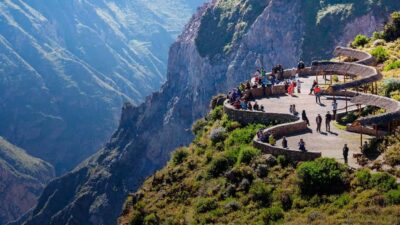 ★ 4.62-Day Tour Colca Canyon in Arequipa with end in PunoFrom $78248 reviews
 ★ 4.4Lake Titicaca 2-Day Tour to Uros, Amantani and TaquileFrom $69199 reviews
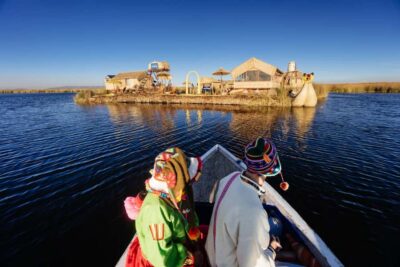 ★ 4.4Puno: Full-Day Tour of Lake Titicaca and Uros & TaquileFrom $33178 reviews
 ★ 4.7Puno: Full-Day Route of the Sun Tour to Cusco with LunchFrom $44131 reviews
 ★ 4.8Scenic Route of the Sun to Puno with Buffet LunchFrom $44101 reviews
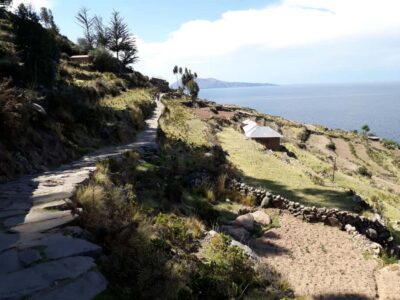 ★ 4.6From Puno: full day tour to Uros and Taquile with LunchFrom $2895 reviews
Browse the lists this tour appears in