
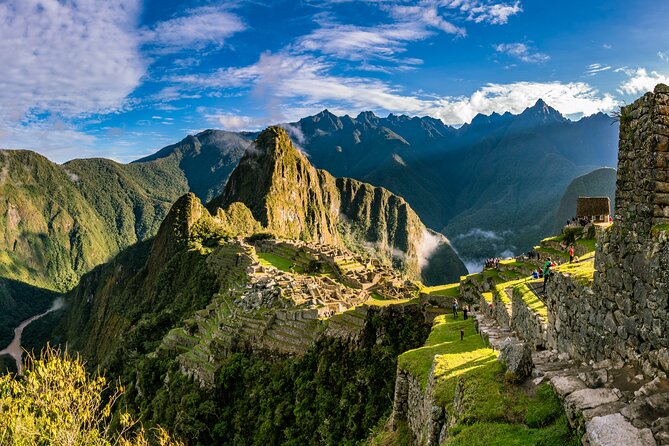
Every road starts in Cusco.
Machu Picchu by train or on foot, salt pans stacked above Maras, Vinicunca before the wind gets up and the long road to Lake Titicaca. What each day is really like, what it costs, and where to book.
The seven that fill a first week.
A glacier lake at 4,200 metres, the salt pans stepped down the hillside at Maras, one full day inside Machu Picchu and a night on a reed island. Between them they cover most of what people come to Cusco for.
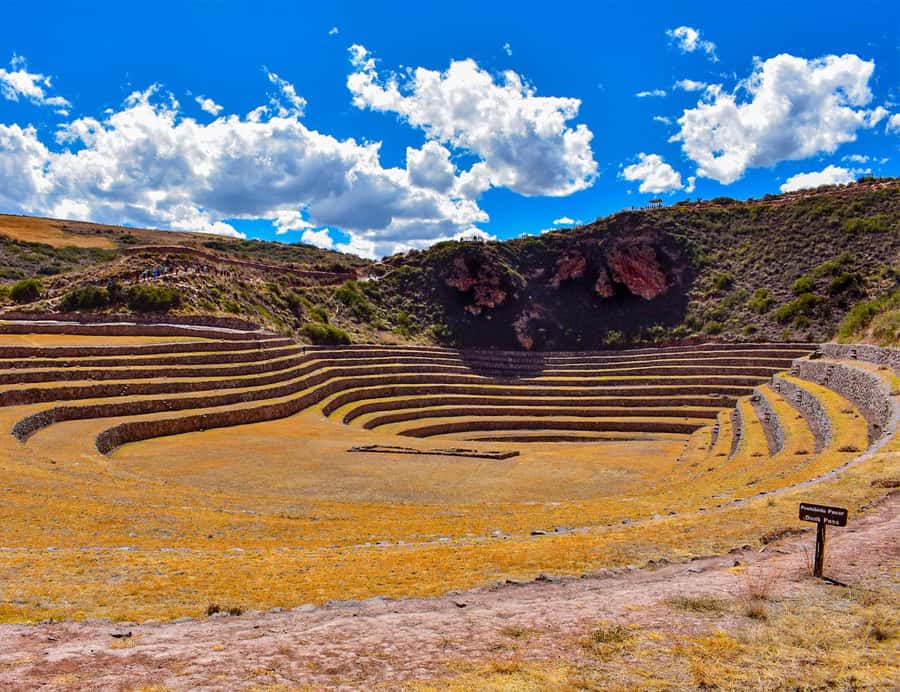
Moray, Maras Salt Mines & Chinchero Weavers Tour
Half-day Sacred Valley tour from Cusco with Chinchero weavers, Moray terraces, Maras villages, and the 3,000 salt pools at Salineras.
From $15 per person
Read the review → ★ 4.5Books out fastMachu Picchu Day Trip from CuscoFrom $3361,644 reviews
 ★ 4.6Gentle on day oneHalf-Day City Tour with Sacsayhuaman and Q’encoFrom $131,129 reviews
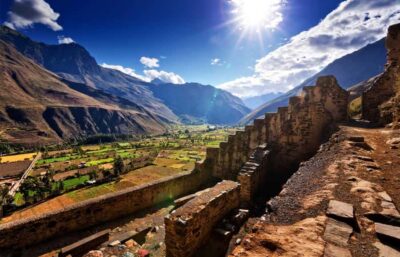 ★ 4.6Crowd favouriteSacred Valley, Pisac, Ollantaytambo, Salt Mines MorayFrom $281,058 reviews
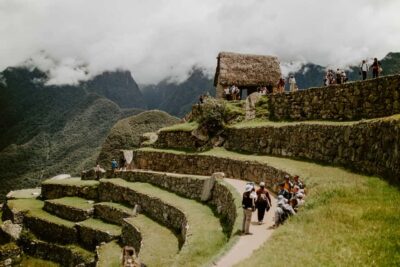 ★ 4.6Worth the 4 a.m. startMachu Picchu: Full-Day Tour from Cusco with Optional LunchFrom $283927 reviews
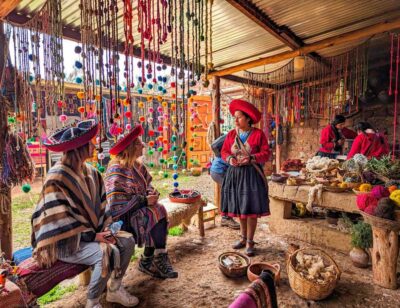 ★ 4.8Short and easyChinchero,Moray & Salt Mines drop-off in OllantaytamboFrom $27793 reviews
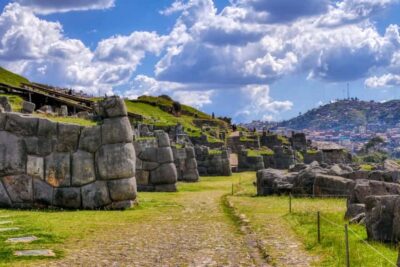 ★ 4.7Traveller favouriteCity Tour Cusco Qoricancha Sacsayhuaman y TambomachayFrom $13617 reviews
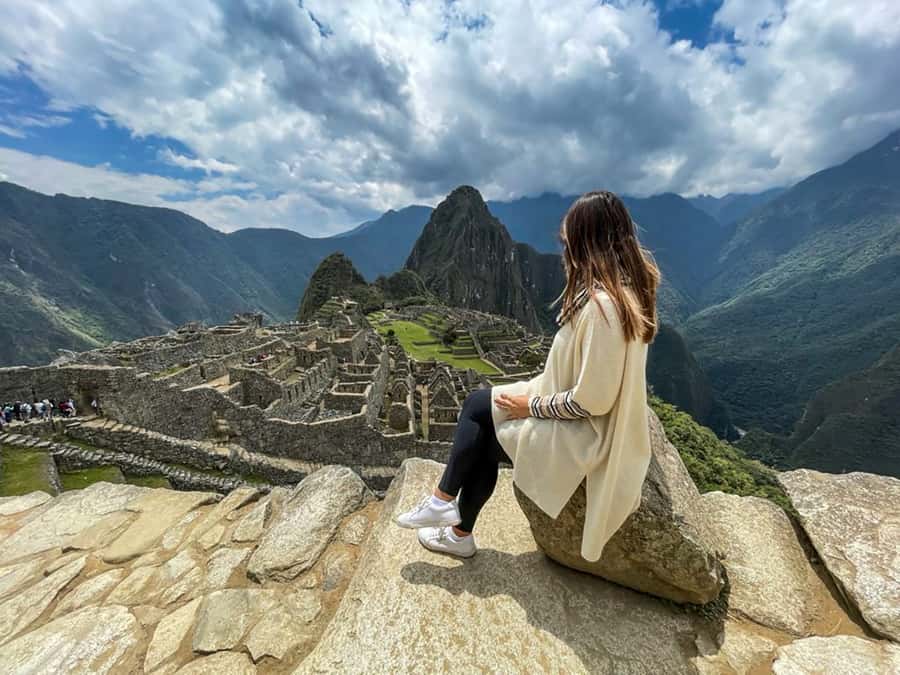
One day at Machu Picchu, done properly.
The train leaves Ollantaytambo along the Urubamba, the bus switchbacks up from Aguas Calientes, and your ticket puts you inside the gate on a timed circuit. Which circuit, which train and which entry hour decide whether you get the postcard or the back of a queue.
How do you want to arrive?
Everyone ends up at the same gate; the route there shapes the rest of the trip. Three ways up the mountain, sorted by how much walking you fancy, and every option behind them is priced and reviewed.
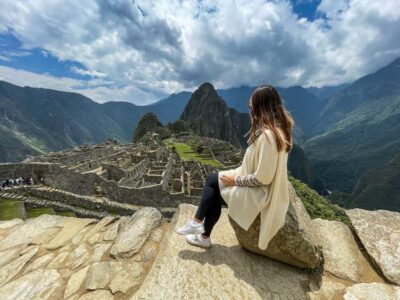 One long day
By train
12 hours · from $321 · 1,767 reviews
Out of Cusco before dawn, Vistadome or Expedition along the river, bus up from Aguas Calientes and back to your own hotel the same night. No permit, no camping, no kit list. The version that fits a short trip and the one most first visits take.
Compare the train days →
One long day
By train
12 hours · from $321 · 1,767 reviews
Out of Cusco before dawn, Vistadome or Expedition along the river, bus up from Aguas Calientes and back to your own hotel the same night. No permit, no camping, no kit list. The version that fits a short trip and the one most first visits take.
Compare the train days →
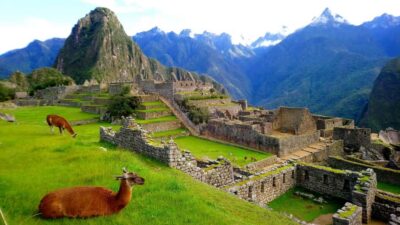 Permits sell out
The Inca Trail
4 days · from $470 · 432 reviews
Four days over Dead Woman’s Pass with porters carrying the camp, ruins nobody drives to, and the Sun Gate on the final morning. Permits are capped and released months ahead, so this is the booking you make before you buy flights.
See the Inca Trail treks →
Permits sell out
The Inca Trail
4 days · from $470 · 432 reviews
Four days over Dead Woman’s Pass with porters carrying the camp, ruins nobody drives to, and the Sun Gate on the final morning. Permits are capped and released months ahead, so this is the booking you make before you buy flights.
See the Inca Trail treks →
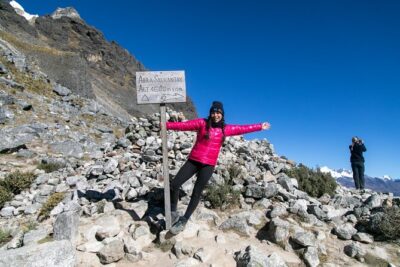 No permit needed
Over Salkantay
3 days (approx.) · from $680 · 101 reviews
Five days under a 6,200-metre glacier, cloud forest and coffee farms on the way down, then Machu Picchu at the end without a trail permit. Colder nights, thinner crowds, and the route plenty of guides pick for themselves.
See the Salkantay treks →
No permit needed
Over Salkantay
3 days (approx.) · from $680 · 101 reviews
Five days under a 6,200-metre glacier, cloud forest and coffee farms on the way down, then Machu Picchu at the end without a trail permit. Colder nights, thinner crowds, and the route plenty of guides pick for themselves.
See the Salkantay treks →
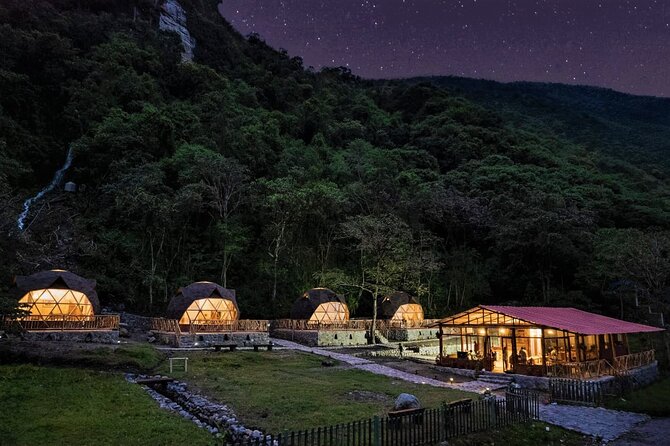
The nights are the part people describe.
Above 4,000 metres the sky loses its haze and the Milky Way turns hard-edged. Sleep in a glass dome under Salkantay, wake to frost on the guy ropes, or stay in town for the planetarium road out of Cusco and a pisco sour after. The cold earns its keep.
Cusco cooks better than it needs to.
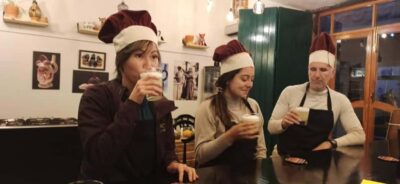
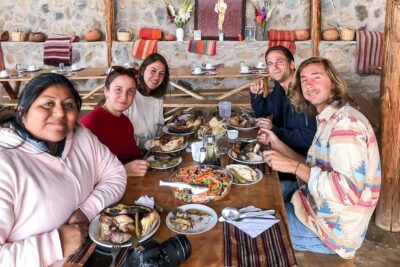
San Pedro market at opening time, cacao ground by hand in a workshop off the Plaza, pisco sours shaken in a colonial courtyard. Three hours and you finally know what is on every menu in town.

Get above the valley on wheels or a horse.
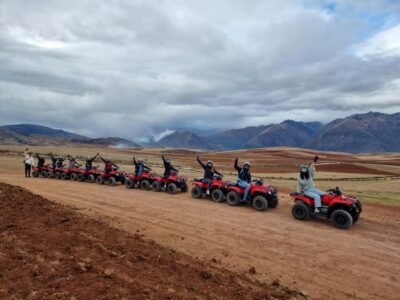
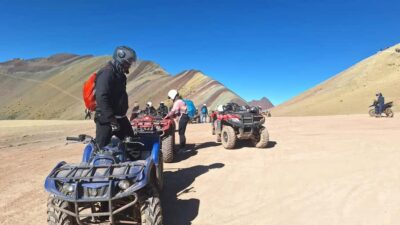
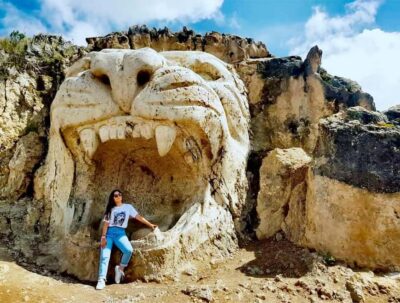
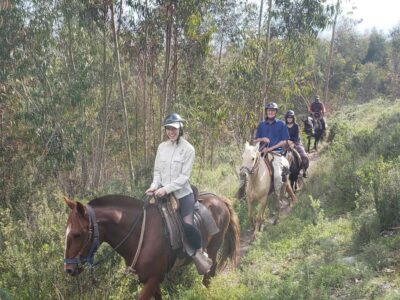
Quad bikes across the Maras plateau to the salt terraces, horses up the red track to the Temple of the Moon behind Sacsayhuamán. Both reach the places a coach cannot park.
The Sacred Valley still farms its terraces.
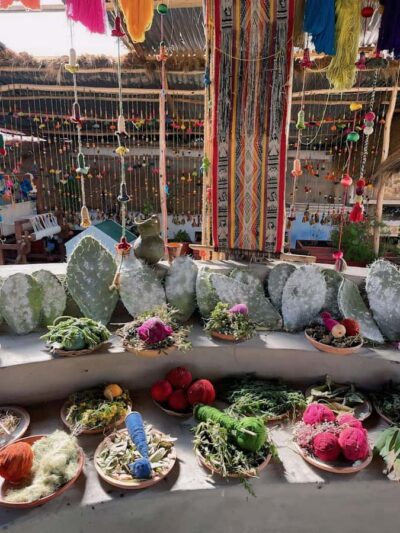
Concentric bowls at Moray where the Inca tested crops by altitude, three thousand salt pans stepped down a ravine at Maras, Chinchero weavers dyeing wool with cochineal, and Pisac’s market on the way home. Warmer than Cusco and far kinder to new lungs.
Cusco is the base, not the whole trip.
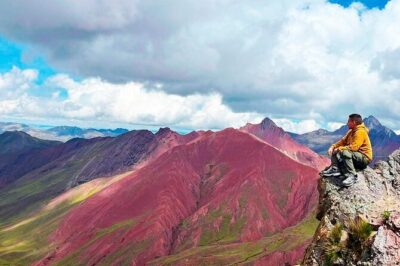
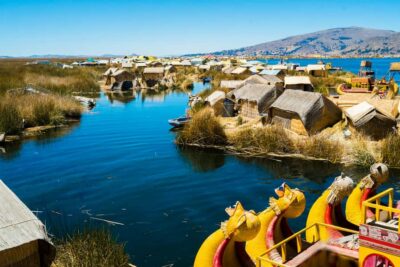
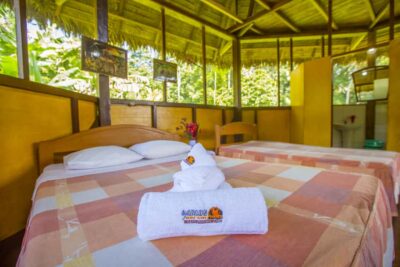
Machu Picchu for the one unmissable day. The Sacred Valley for terraces and markets. Vinicunca for colour. Titicaca for the reed islands. Tambopata if you can spare three days for the Amazon.
Pick the morning you actually want.
Some days here are twelve hours on a trail; some are three hours and a chocolate grinder. Start from the one that sounds like yours and the prices are already on the page.

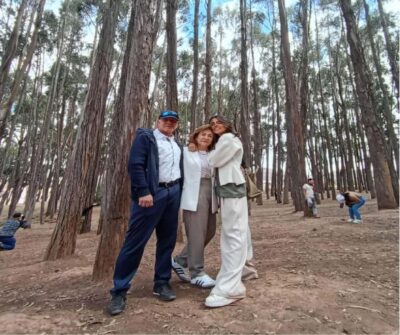
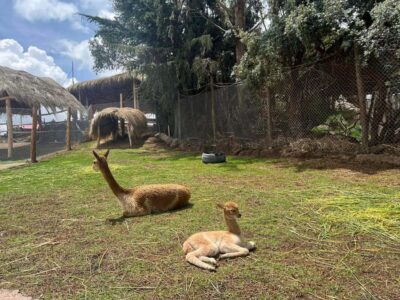
Leave before dawn, sleep in Cusco.
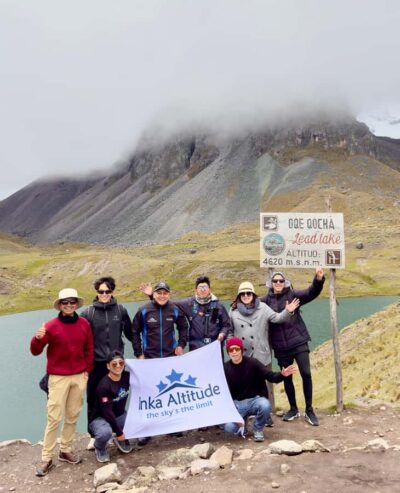
The best of it sits two to four hours out on mountain roads. Humantay and Vinicunca want a 4 a.m. pickup and a coca tea; Maras and Pisac are gentler. All of them have you back on the Plaza for dinner.
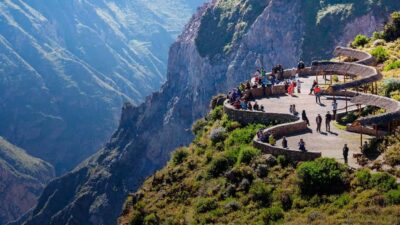
Three days, in the right order.
Altitude decides the sequence, not the map. Give the first day to Cusco itself, drop into the valley on the second, and save Machu Picchu for the third once your lungs have caught up.
Day 1
Stay high and walk slowly
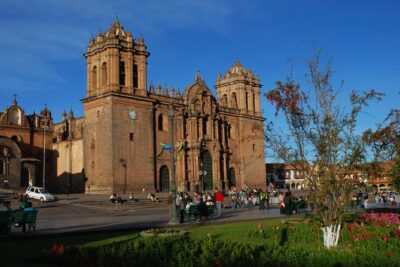
Qorikancha, the cathedral on the Plaza de Armas, then the cyclopean walls of Sacsayhuamán above town. Coca tea, an early dinner, nothing higher than the city itself.
Plan day one →
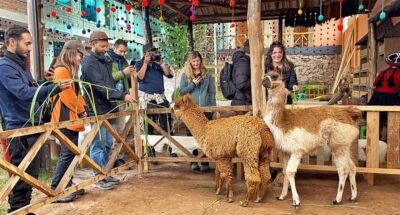 Day 2
Drop into the valley
Down to Pisac’s market and the terraces at Ollantaytambo, with Moray and the Maras salt pans if your group moves quickly. Lower, warmer, easier to breathe.
Plan day two →
Day 3
The train and the gate
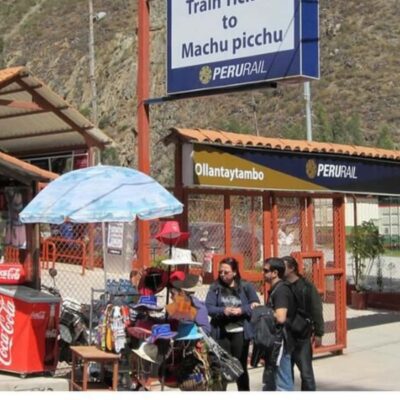
First train out of Ollantaytambo, the switchback bus up from the river, and a timed circuit through the citadel. Lock the entry hour in before anything else on this list.
Plan the Machu Picchu day →
Day 2
Drop into the valley
Down to Pisac’s market and the terraces at Ollantaytambo, with Moray and the Maras salt pans if your group moves quickly. Lower, warmer, easier to breathe.
Plan day two →
Day 3
The train and the gate
First train out of Ollantaytambo, the switchback bus up from the river, and a timed circuit through the citadel. Lock the entry hour in before anything else on this list.
Plan the Machu Picchu day →
Latest Cusco tour reviews.
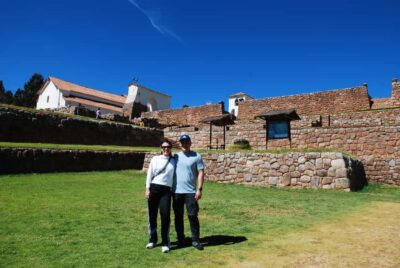 ★ 5.0Chinchero, Moray, Maras, Ollantaytambo with lunchFrom $323 reviews
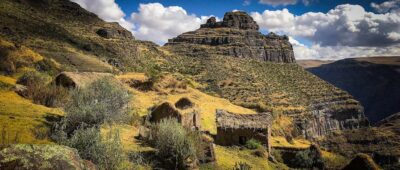 ★ 3.7Waqrapukara Hike Full-Day Tour With MealsFrom $1193 reviews
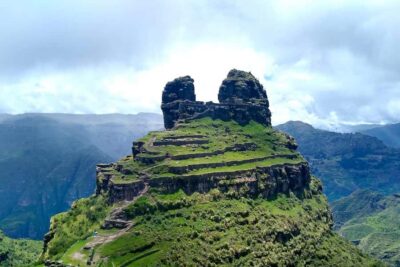 ★ 3.9Waqrapukara 1 day trekking + mealsFrom $503 reviews
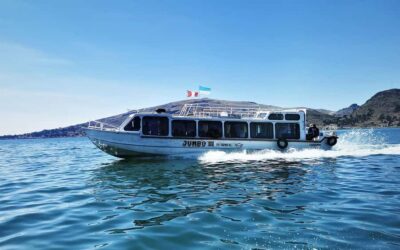 ★ 3.1Titicaca lake with the route of the sun in 2 dayFrom $1583 reviews
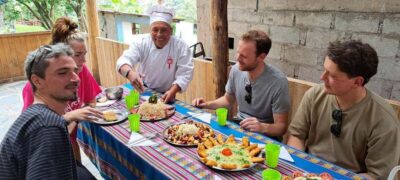 ★ 5.0Salkantay Trek to Machu Picchu 5D/4N or 4D/3NFrom $503 reviews
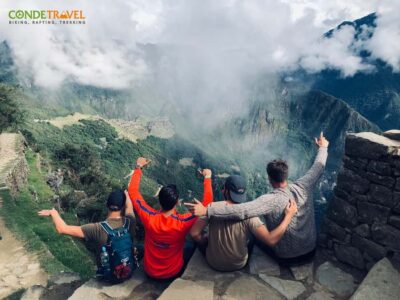 ★ 3.3Salkantay trek to Machu Picchu – 5D/4N – PremiumFrom $5103 reviews
 ★ 4.7Sacred Valley VIP Tour with Buffet LunchFrom $323 reviews
 ★ 5.05-Day Classic Salkantay Trek to Machu Picchu return by TrainFrom $6993 reviews