
REVIEW · CITY TOURS
City Tour Cusco Qoricancha Sacsayhuaman y Tambomachay
Cusco hits you fast. One day you are staring at Inca stonework, the next you are tracing how water and worship shaped everyday life. I especially liked the Qorikancha to Sacsayhuamán contrast, and how Tambomachay turns sacred engineering into something you can almost hear. The one thing to plan for is that this tour is active, with uneven ancient ruins, and the “wheelchair accessible” label conflicts with the tour noting it is not suitable for wheelchair users.
You’ll move by shared coach between stops, but you still do enough walking to feel like you got your money’s worth. The guide keeps the story moving in English and Spanish, and you also get an audio guide for extra support. If English is your priority, keep in mind the balance between languages can vary by group.
Key Highlights You Will Actually Feel
- Qorikancha’s stone walls under Santo Domingo: you see how Inca sacred space lived on, even after new buildings went up.
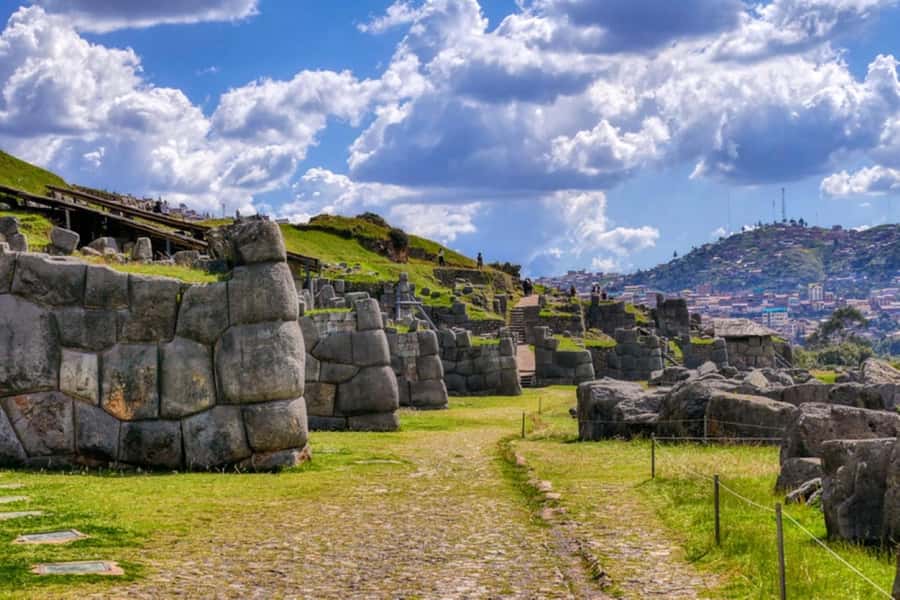
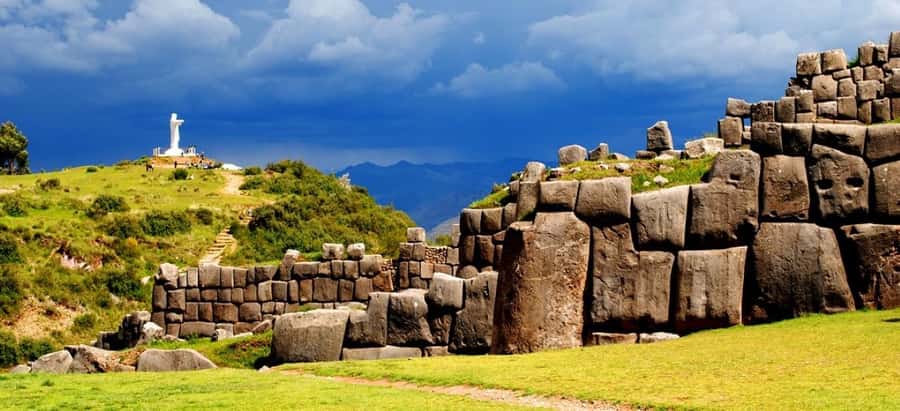
- Sacsayhuamán’s massive blocks and views: a fortress plus a viewpoint, with photo time built in.
- Ceremonial stops like Qenqo and Puka Pukara: you get rocks, altars, and clues to ritual life.
- Tambomachay’s water worship: channels and fountains still flow, so it is not just ruins in theory.
- A $13 morning-or-afternoon orientation: strong value if you already plan to buy the separate site tickets.
More that leaves from a Cusco hotel door
- Cusco: Humantay Lake Tour with Breakfast and Buffet Lunch★ 4.9 · 2,976 reviews
- From Cusco: Moray, Maras Salt Mines & Chinchero Weavers Tour★ 4.8 · 1,925 reviews
- From Cusco: Full-Day Group Tour of Machu Picchu★ 4.7 · 1,767 reviews
- Machu Picchu Day Trip from Cusco★ 4.5 · 1,644 reviews
Start at Plaza de Armas, Then Let Cusco Get Its Hooks in You
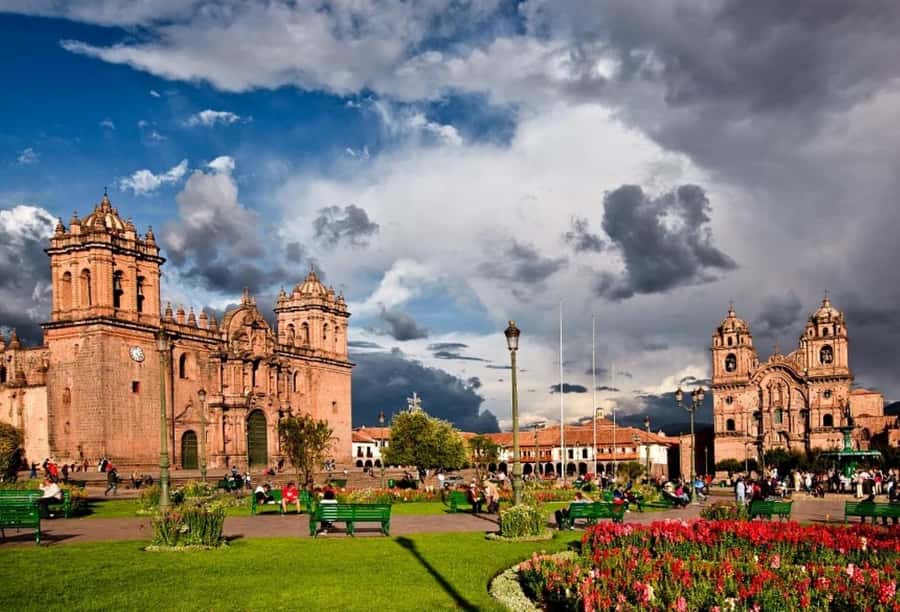
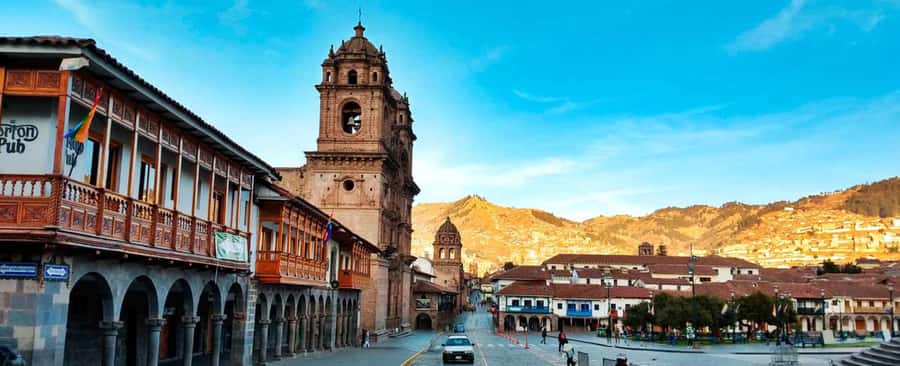
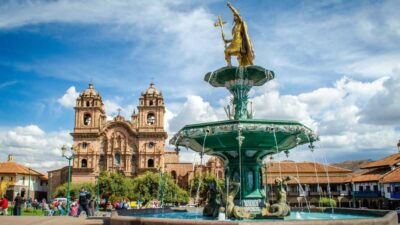
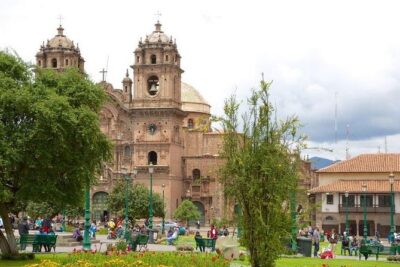
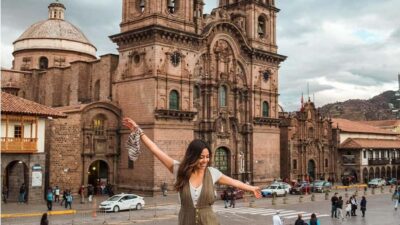
Your tour begins in Cusco’s Main Square, Plaza de Armas, next to the central fountain. You should arrive about 10 minutes early so you can find your group and not feel rushed at altitude.
From the start, you’re given a real introduction, and the guide stays with you for the whole experience. That matters in Cusco, because the city can be visually confusing on day one, especially if you are still adjusting to the altitude. Even a few short blocks of walking plus a coach ride between sites helps you understand where things are and how the historic center connects to the surrounding ruins.
You’ll feel the “small corner of America” vibe right away: Indigenous stone and Spanish-era buildings sitting side by side, with the city’s energy running underneath it all. When you finish near Plaza Regocijo, you are also back in the center where it is easiest to grab food and keep exploring.
Qorikancha and the Temple of the Sun, Plus the Convent Built On Top
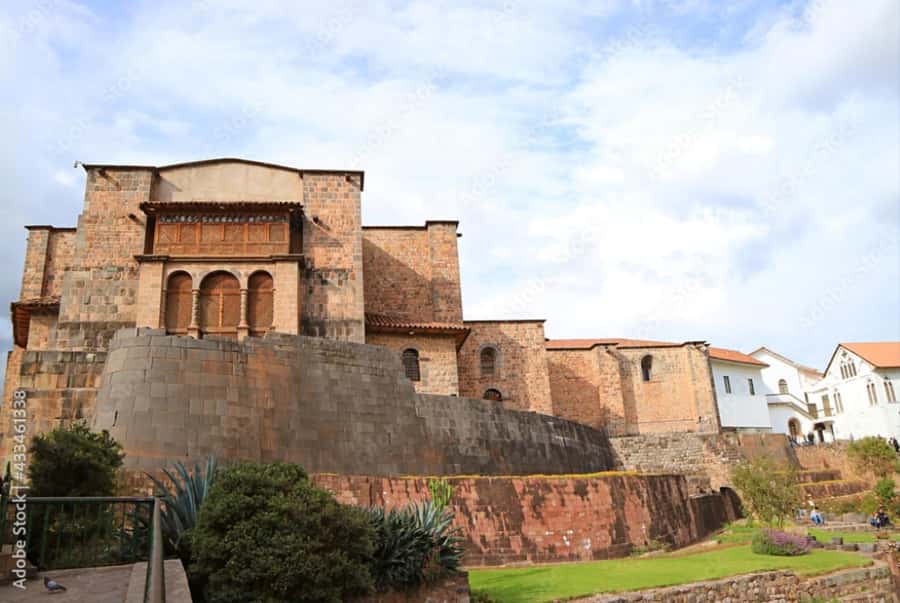
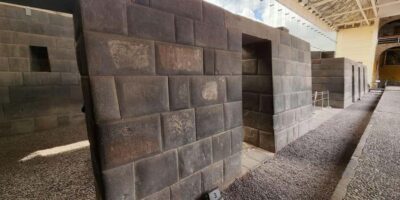
The first major stop is Qorikancha, the Temple of the Sun. This is not just a pretty landmark. It is the Inca Empire’s most important religious site, and the guide explains how the site worked for ceremonies and why the stonework was so carefully made.
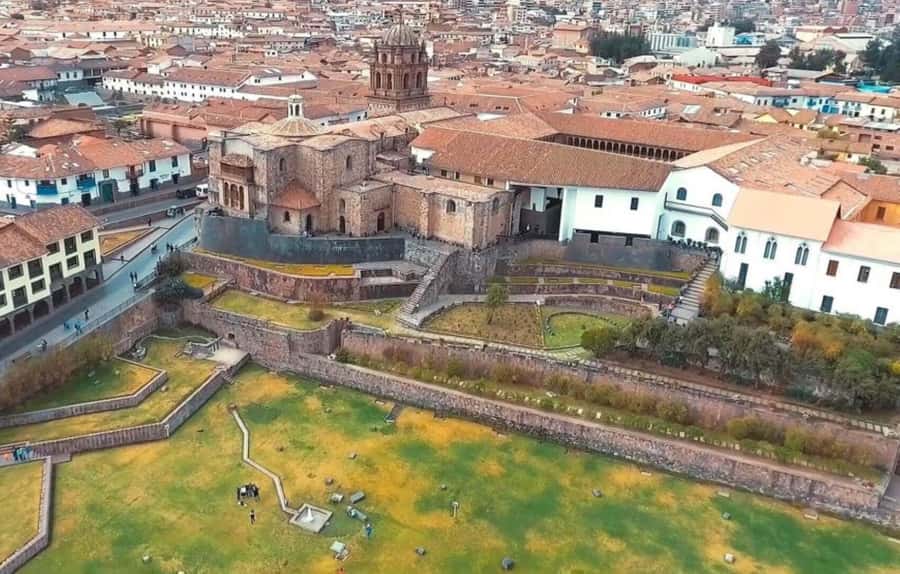
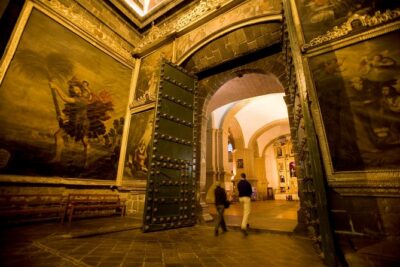
What I like here is the “before and after” layering. You learn about the finely crafted Inca walls and the sacred purpose of the complex, then you see the Santo Domingo Convent built on the foundations. That combo is a fast history lesson you can walk through, no textbook required.
Expect a photo stop and guided time at the site. Also, plan on the separate cost: the Qorikancha entrance ticket is S/ 20.00 soles and is not included in the base price. Bring cash for that, and plan your day so you do not have to scramble at the ticket line.
The Coach Ride to Sacsayhuamán, Where the Stones Look Too Big to Be Real
After Qorikancha, you ride by shared coach toward Sacsayhuamán. The drive is roughly 25 minutes, which is a good rhythm at altitude, since you get a break from walking while still moving between viewpoints.
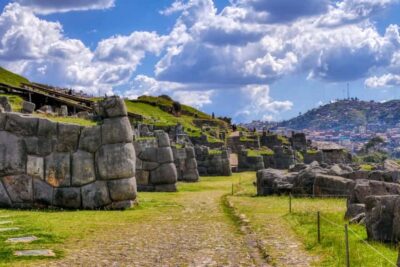
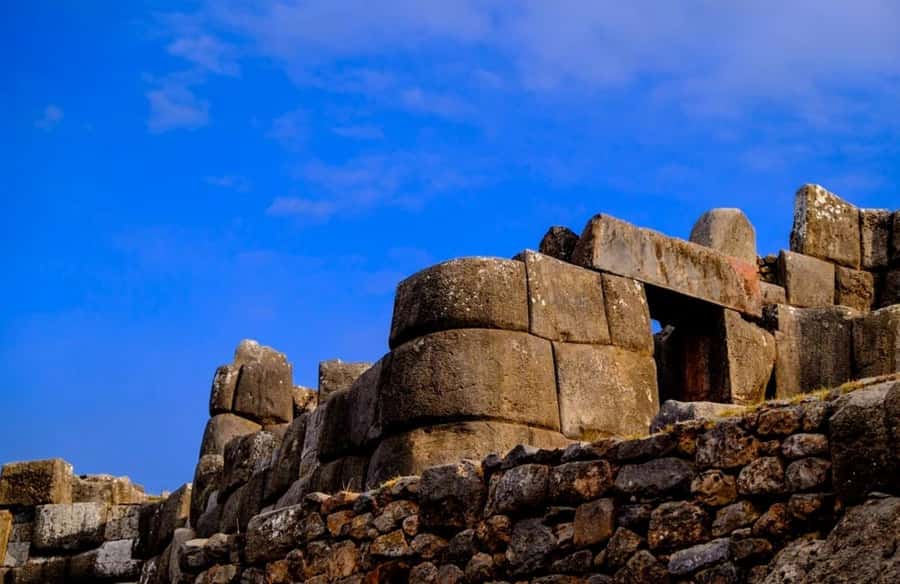
Sacsayhuamán is the fortress stop, and it is famous for a reason. You’ll get guided context on its strategic and ceremonial importance, then you’ll spend time on site for photos and a mix of walking and free time. This is where you really notice how Inca engineering can feel both defensive and intentional, like the place was designed to impress you as much as it was designed to protect.
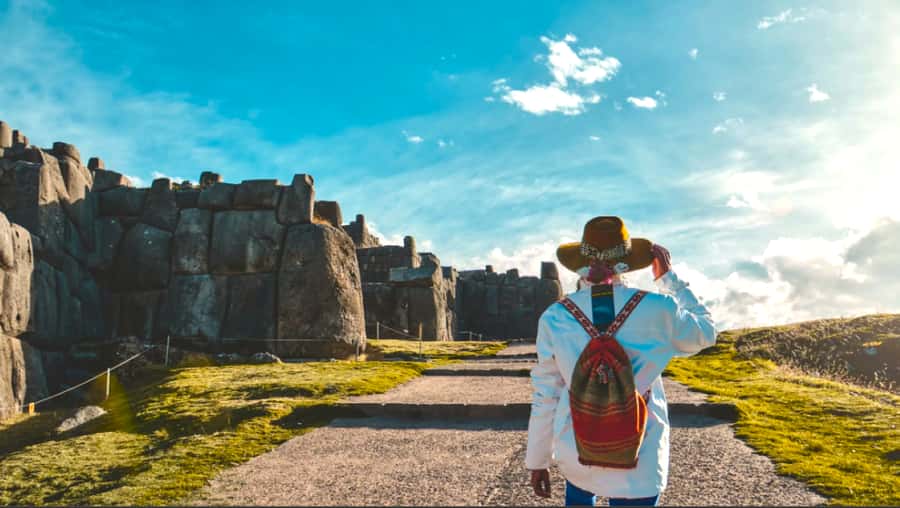
Practical tip: bring sunglasses and sunscreen. Even when Cusco feels bright but cool, the sun can still hit hard at higher elevations. Also, take advantage of the photo moments. The views over Cusco are part of the experience, not a bonus.
Qenqo: Altars, Rock Formations, and Ritual Space You Can Still Read
Next up is Qenqo, a ceremonial center. Here the story shifts from massive fortress energy to something more detailed and ritual-focused.
You’ll get a photo stop and guided time, plus walking around the complex. Qenqo is described as having altars and underground passages, and it features distinctive rock formations used for religious rituals. The way the guide explains those pieces matters, because without context you can miss why certain shapes and openings mattered to the people who built and used them.
If you like history that feels physical, not just written, Qenqo is a strong stop. It also helps you connect the dots between different sacred uses across the Cusco area, instead of treating each ruin as a separate postcard.
More of the city on foot and by open-top bus
Puka Pukara (Pucapucara): A Military and Rest Stop With Defensive Terraces
After Qenqo, you move toward Puka Pukara, which is also spelled Pucapucara in some descriptions. This stop shifts the mood again, into control and movement.
The tour frames it as an ancient military and control post, with terraces and defensive structures. There is also a practical side: it served as a resting place for Inca travelers. So you’re not only seeing a fortress mindset, you’re also seeing the travel infrastructure of an empire. That’s a detail that makes the ruins feel more like a living system, not just monuments.
Like the other sites, you’ll have photo time and guided explanation, plus time to look around. If you are short on time in Cusco, this is one of the stops that helps you understand how people actually moved and stayed safe in the region.
Tambomachay: Inca Baths and Worship of Water That Still Flows
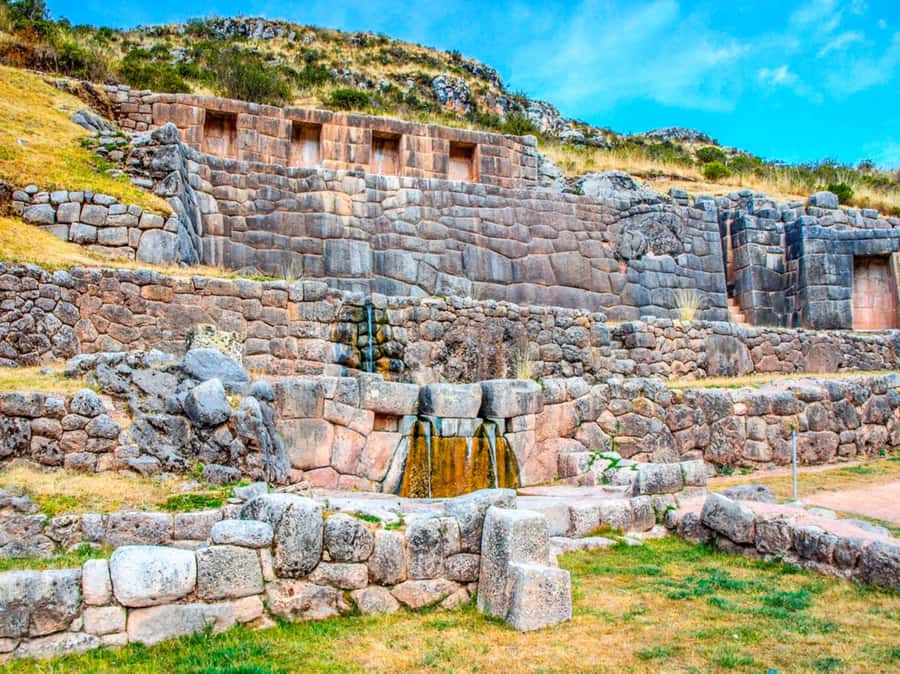
Tambomachay is the “Inca Baths” stop, and it is dedicated to water worship. This one is different from the others because it is about function you can still sense today.
You’ll have a break, photo stop, and time on site with a guided visit. The key detail: channels and fountains still flow. That means you are not only looking at stone, you are seeing the idea of water management and sacred use continue in real time.
The guide will connect Tambomachay to religious purpose, so you can understand why water channels would be more than irrigation. Even if you are not a ruins person, this stop can feel calmer and more pleasant because the sound and movement of water keeps pulling you out of “just sightseeing mode.”
Price and Tickets: What $13 Covers, and What You Still Need to Pay
The base tour price is listed at $13 per person. For a 5-hour Cusco historic circuit with a professional local guide and shared transportation, that is a solid deal.
But don’t get caught by the separate ticket costs:
- Qorikancha entrance ticket: S/ 20.00 soles, not included
- Cusco Tourist Ticket: S/ 70.00 soles, not included
Here’s how I’d think about value. If you are already planning to visit Qorikancha and do a few other sites around Cusco, paying for tickets separately can still make sense. If you plan to hit multiple major attractions over a few days, the Cusco Tourist Ticket might be the better play. The tour you’re considering is packed with multiple key stops, so do the math based on the sites you actually want to see.
Also remember: the tour ends back in the historic center around Plaza Regocijo, so you are effectively buying a guided orientation plus a full morning-or-afternoon of ruins. That tends to save you time and confusion on your next plans, which is hard to put a price on.
Language, Guide Style, and Why Your Questions Matter
The tour offers a live guide in English and Spanish, plus an audio guide in English and Spanish. That combination is helpful, because it gives you two ways to follow along when you are tired or when background noise gets loud near busy areas.
One thing I’d flag is that language balance can vary. In at least some groups, Spanish may run heavier than English, even though both are offered. If English is your main language, ask your guide at the start if they can prioritize English explanations for you. The audio guide can also help you catch the key points without relying only on what is spoken.
The guides on this route are often praised for energy and for answering questions. Some have used extra visuals, like a picture book with relevant photos, to make the history easier to grasp. I like that approach because it turns the stones into stories you can picture.
If you get a guide who shares altitude tips, take them seriously. Cusco altitude can sneak up on you during stop-and-go days. Even simple advice like pacing yourself and using breaks wisely makes the tour feel more doable.
Morning vs Afternoon: Picking the Right Shift for Your Body
You get two shifts:
- Morning: 9:00 AM to about 2:00 PM
- Afternoon: 1:00 PM to about 6:30 PM
The total experience is listed as 5 hours, so you’ll be busy and scheduled, but not trapped all day.
My practical advice is to book the first shift or the earliest day you can manage when you arrive, especially if you are still adjusting. You get orientation fast, and the guided story helps you understand what you are looking at later, whether you return to the center or wander out to other sites.
If you do the afternoon shift after a long morning, plan for it to feel more intense. Sun exposure, walking, and altitude fatigue stack up. Build in water breaks and keep your camera use efficient so you don’t lose time on every photo.
What to Bring, What to Skip, and How to Dress for Ruins
This tour is outdoors, at elevation, and full of stone surfaces. Pack for comfort and sun protection:
- Passport or ID card
- Sunglasses and sun hat
- Sunscreen
- Camera
- Comfortable clothes and a daypack
- Cash for tickets and any extras
Also keep in mind what you cannot bring. Drones are not allowed, and weapons or sharp objects are not allowed. Alcohol and drugs are prohibited. You’ll also need to follow basic site rules, like no littering and no disruptive behavior. Since this is a historic area, treat it quietly and keep things respectful.
One more thing: travelers are expected to ensure passport validity for 6 months for trips. Even if this sounds like a generic rule, it is worth double-checking before you travel.
The Bottom Line: Should You Book This Cusco City Tour?
If you want an efficient, guided Cusco orientation that connects multiple Inca sites, this is a strong pick. Qorikancha gives you the religious and architectural foundation. Sacsayhuamán gives you scale and viewpoint. Qenqo, Puka Pukara, and Tambomachay fill out the story with ritual space, control and travel logic, and water worship with living channels.
Book it if:
- You want to see several major Cusco attractions in about half a day
- You like guides who explain what you are looking at, not just where to stand for photos
- You want to get your bearings fast so the rest of your trip feels easier
Think twice if:
- You need a fully wheelchair-friendly plan. The information includes a “wheelchair accessible” label but also says not suitable for wheelchair users, so you should confirm what that means for your exact needs.
- You want an English-only experience with guaranteed equal time. The tour supports English and Spanish, but your group may lean Spanish-heavy at times.
If your goal is a well-paced first Cusco day with real context, I’d say yes, book it. Then use the extra time after to wander Plaza Regocijo and the historic center while everything is still fresh in your head.
FAQ
How long is the tour?
The duration is 5 hours.
What time does the morning shift start?
The morning shift starts at 9:00 AM and runs until about 2:00 PM.
What time does the afternoon shift start?
The afternoon shift starts at 1:00 PM and runs until about 6:30 PM.
Where do I meet the group?
Meet at Cusco’s Main Square, Plaza de Armas, next to the central fountain.
Where does the tour end?
The tour ends at Plaza Regocijo or a nearby point in Cusco’s historic center.
Is the Qorikancha entrance ticket included in the price?
No. Qorikancha entrance costs S/ 20.00 soles and is not included.
Is the Cusco Tourist Ticket included?
No. The Cusco Tourist Ticket costs S/ 70.00 soles and is not included.
What languages are offered by the guide and audio guide?
The live tour guide and the audio guide are available in English and Spanish.
Is the tour wheelchair accessible?
The activity information lists wheelchair accessibility, but it also says it is not suitable for wheelchair users. If you need wheelchair support, confirm details directly with the provider before booking.
More Tour Reviews in Cusco
- Cusco: Humantay Lake Tour with Breakfast and Buffet Lunch
★ 4.9 · 2,976 reviews - From Cusco: Moray, Maras Salt Mines & Chinchero Weavers Tour
★ 4.8 · 1,925 reviews - From Cusco: Full-Day Group Tour of Machu Picchu
★ 4.7 · 1,767 reviews - Machu Picchu Day Trip from Cusco
★ 4.5 · 1,644 reviews - Cusco: Half-Day City Tour with Sacsayhuaman and Q’enco
★ 4.6 · 1,129 reviews
Still in the City? Keep Going
- Cusco: Half-Day City Tour with Sacsayhuaman and Q’enco
★ 4.6 · 1,129 reviews - Cusco: Sightseeing Tour of the City on an Open-Top Bus
★ 4.0 · 481 reviews - Open Bus Cusco City Tour
★ 4.5 · 219 reviews - Cusco: City Tour | Half-Day Tour to 4 Archaeological Sites
★ 4.6 · 206 reviews - City Tour in Cusco & visit Museum South American Camelid Private.
★ 5.0 · 147 reviews
More Leaving From Cusco
- Cusco: Humantay Lake Tour with Breakfast and Buffet Lunch
★ 4.9 · 2,976 reviews - From Cusco: Moray, Maras Salt Mines & Chinchero Weavers Tour
★ 4.8 · 1,925 reviews - From Cusco: Full-Day Group Tour of Machu Picchu
★ 4.7 · 1,767 reviews - Machu Picchu Day Trip from Cusco
★ 4.5 · 1,644 reviews - Cusco: Half-Day City Tour with Sacsayhuaman and Q’enco
★ 4.6 · 1,129 reviews
Fresh in from Cusco

City Tours, compared.
 ★ 4.6Half-Day City Tour with Sacsayhuaman and Q’encoFrom $131,129 reviews
 ★ 4.0Sightseeing Tour of the City on an Open-Top BusFrom $12481 reviews
 ★ 4.5Open Bus Cusco City TourFrom $14219 reviews
 ★ 4.6City Tour | Half-Day Tour to 4 Archaeological SitesFrom $29206 reviews
 ★ 5.0City Tour in Cusco & visit Museum South American Camelid Private.From $49147 reviews
 ★ 4.5Cusco City Sightseeing, San Pedro Market, Cathedral and Qorikancha TempleFrom $59139 reviews
 ★ 4.2Half-Day City TourFrom $17129 reviews
 ★ 4.5Cusco City Sightseeing and Sacsayhuaman Archeological Park TourFrom $79101 reviews
Browse the lists this tour appears in