
REVIEW · CITY TOURS
Cusco: Half-Day City Tour
Cusco in six hours, with stonework you can’t ignore. I love how this tour packs Inca stonemason engineering into a tight route, and I also like that you get a bilingual guide (English and Spanish) who can explain what you are actually seeing. One thing to weigh: entrance fees are extra, and they can add up fast if you take the afternoon version that includes the cathedral and Coricancha.
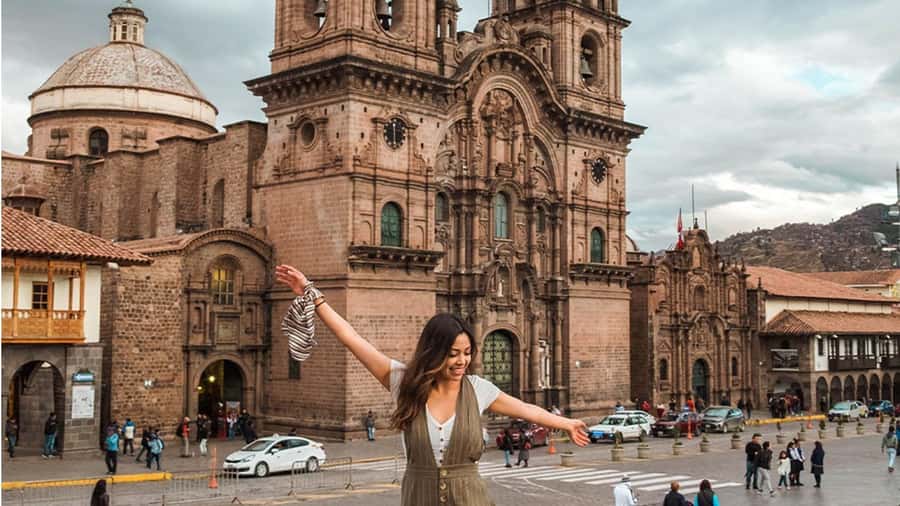
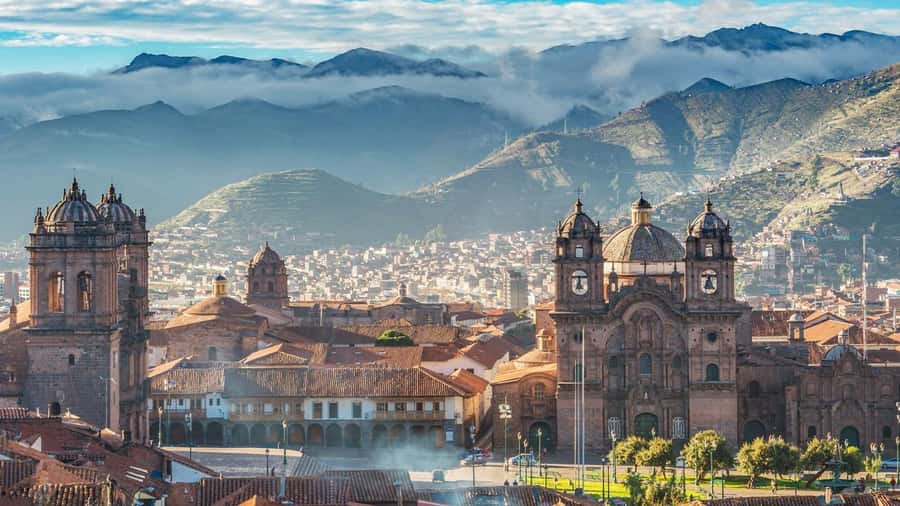
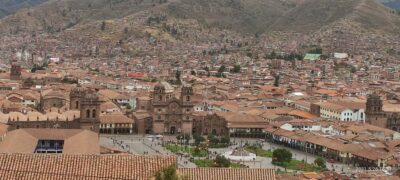
You’ll get picked up from the Centro Histórico area, ride out to the main Inca sites, then get dropped back near Plaza Mayor del Cusco. I like the pace for a first Cusco visit because you cover the big ceremonial and military sites without feeling dragged from place to place. Just keep in mind there may be time tradeoffs along the way, like a stop some people consider more shopping-oriented than ruins-focused.
Key points to know before you go
- $17 base price includes transport and a bilingual guide, but key entrances cost extra
- Morning vs afternoon changes everything, with morning focused on Qenqo, Puca Pucara, Tambomachay, and Sacsayhuaman
- Inca stone skill is the main event, from ceremonial rock to limestone defensive walls
- Tambomachay is outside the city, so plan on the archaeological ticket for sites outside Cusco
- Coricancha and the Basilica Cathedral show what happened when Inca architecture met Spanish rule
- Bring cash and a rain layer, because you will need separate fees and weather can shift
More that leaves from a Cusco hotel door
- Cusco: Humantay Lake Tour with Breakfast and Buffet Lunch★ 4.9 · 2,976 reviews
- From Cusco: Moray, Maras Salt Mines & Chinchero Weavers Tour★ 4.8 · 1,925 reviews
- From Cusco: Full-Day Group Tour of Machu Picchu★ 4.7 · 1,767 reviews
- Machu Picchu Day Trip from Cusco★ 4.5 · 1,644 reviews
How the 6-hour Cusco route changes by morning or afternoon
This is a 6-hour half-day style tour built around Cusco’s most famous Inca sites, with an easy pickup and a clear finish point. You start from your hotel in the historic center (Centro Histórico). If your hotel is not reachable by vehicle, you will meet at the closest accessible spot. Then you ride by van toward the first archaeological complex, with about 40 minutes of travel built into the schedule.
The big difference is whether you take a morning or afternoon departure. Morning tours focus on the archaeological side of Cusco, with guided time at Saksaywaman (Sacsayhuaman), Qenqo, Puca Pucara, and Tambomachay. Afternoon departures add the cultural centerpiece stops back in town, including the Basilica Cathedral (built in 1560) and Coricancha, so you see both Inca and Spanish-era Cusco in one outing.
If you are short on time, you can treat this as a “great hits” intro. If you want maximum ruins time only, pick the morning. If you want a stronger mix that includes the cathedral and Coricancha, pick the afternoon, but budget for additional entrance fees.
Qenqo: ceremonial rock cuts and the meaning of sacred space
Qenqo is where Cusco starts to feel theatrical, in the best way. The highlight here is the natural rock formation that became a ceremonial center. Even if you only get a short guided walk, the point comes across quickly: this is not random rock. It is a place where Inca-era religious and social life shaped how people moved through space.
A few practical things help you get more out of Qenqo. Wear comfortable shoes, because you will be on archaeological ground. Have water, since Cusco can be dry and sun exposure is real. And listen for the small details your guide points out about how the site was used, not just what it is called. The best guides tend to slow down for questions here, especially for families and first-timers.
One more reality check: because this tour is only about half a day, the guides keep the flow moving. You will have guided time, but you might not get the long, quiet moments you would on a slower, self-paced walk. If you are the type who loves to linger, keep that in mind and focus on what the guide is explaining.
Puca Pucara: military ruins, guard posts, and stone stairways
Puca Pucara is the contrast stop, shifting from ceremonial to strategic. This complex is described as a site of military ruins, including remains of guard posts, staircases, streets, houses, and courtyards. That list matters, because it hints that this was not just a wall or a lookout. It was a working zone, built for control and readiness.
This is a good place to pay attention to perspective. From the way the structures are laid out, you can understand why Inca planners cared about movement and visibility. Your guide will likely connect the stone layout to the broader story of how Cusco defended itself, including how different regions faced different threats.
The main drawback is simple: these places are archaeology, not museum galleries. You might spend some time transferring attention between multiple small remains. If you want one big photo moment, Puca Pucara may feel more “pattern and planning” than “single monument.” Still, it is a satisfying stop because it rounds out the Inca picture. You leave with a better sense of how religious sites and military sites fit together in the same city network.
Sacsayhuaman: limestone blocks meant to protect Cusco
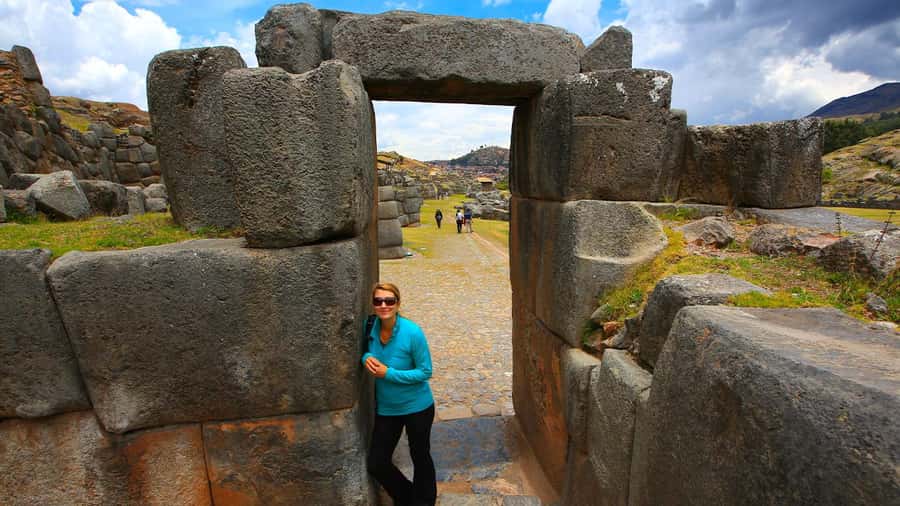
Sacsayhuaman is the stop most people picture when they think Inca architecture. The tour frames it as something chroniclers believe to be a solar shrine built by the last dynasties of the Incas. Whether or not you can prove the exact original purpose, you still get the big takeaway: the design and the construction are the point.
The engineering is described clearly, and it is hard to ignore in person. The site uses large limestone blocks, built in a way meant to protect the city from attacks coming from the east, or from the Antis. This is where you start seeing stone not as decoration, but as infrastructure. It is meant to last, to absorb forces, and to signal power.
If you like asking questions, this is often where a strong guide shines. Some guides on similar group tours are particularly good at answering curiosity about Inca life, and the energy you get here can make the visit feel more like a guided lecture you can walk through. Also, because this tour is structured, you will likely move efficiently through the key areas rather than wander aimlessly.
The main consideration is stamina. Even with short guided segments, you are doing multiple sites back-to-back. Bring long pants if you can, expect uneven ground, and don’t forget sunscreen.
More of the city on foot and by open-top bus
Tambomachay: the Baths of the Incas and the shape of water
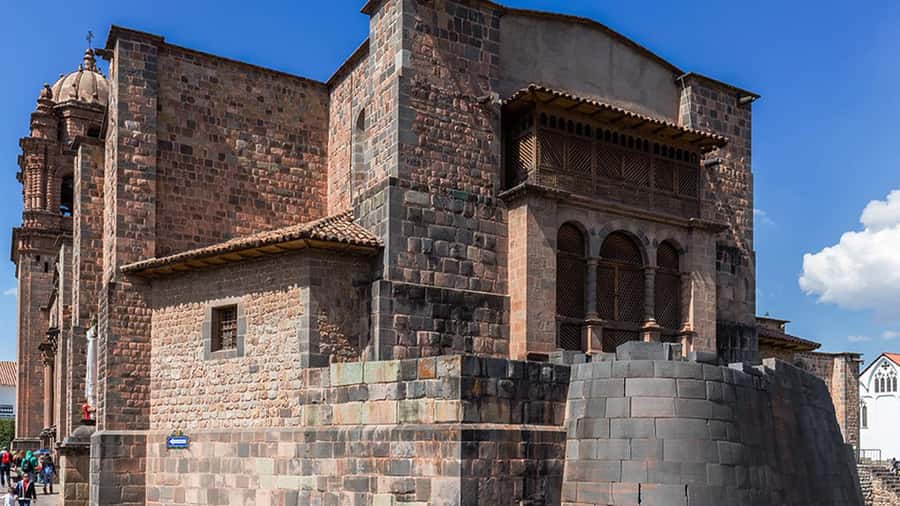
Tambomachay sits about 9 kilometers outside of Cusco, so it adds that out-of-town feeling to the tour. It is known as the Baths of the Incas because of the shape of its water source. There is also a possible religious layer in the way it is explained, with the site potentially connected to a cult of water and purification.
Why this stop is worth your time: it shows how Inca engineering wasn’t only about walls and defenses. Water management, ritual, and everyday function were linked. Tambomachay helps you see the Incas as builders who engineered nature’s flow into daily life and spiritual practice.
Because Tambomachay is outside the city, this is one of the places where the extra archaeological ticket can come into play. The tour data is specific that a tourist ticket for archaeological sites outside the city is not included, and Tambomachay is the one clearly identified outside the city limits. Pack cash for those entrance-related costs.
Also, consider weather. A waterproof jacket or raincoat is recommended. If conditions change, water-related sites can feel damp, and you’ll thank yourself for being prepared.
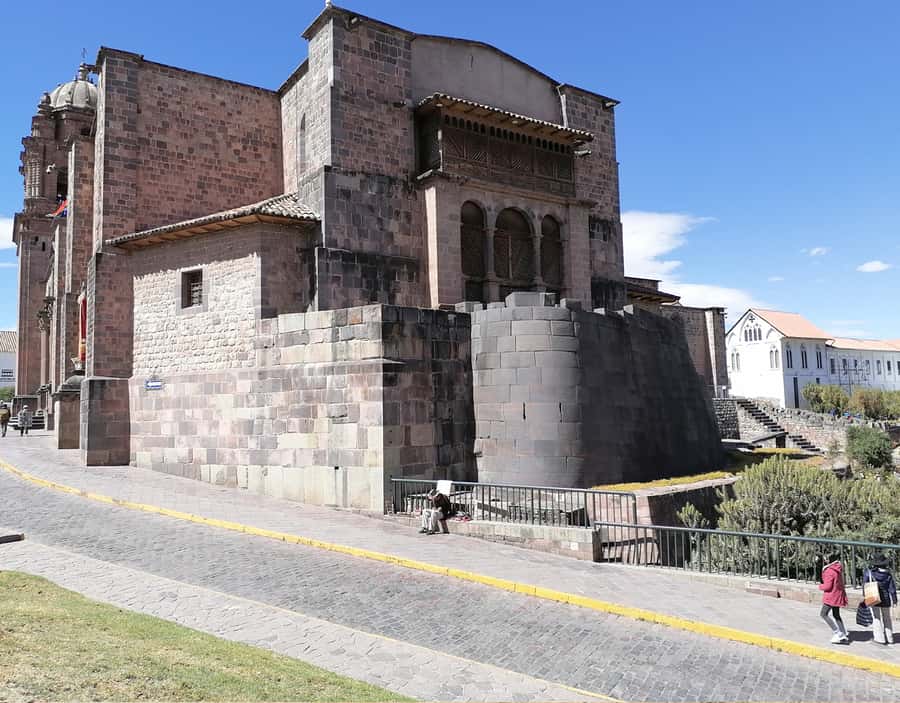
Coricancha and Cusco Cathedral: Inca temple, UNESCO core, and 1560 church
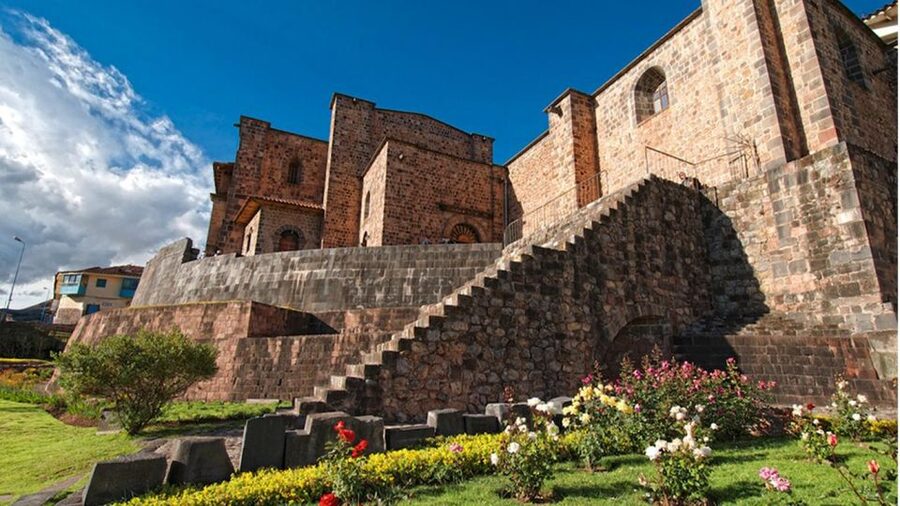
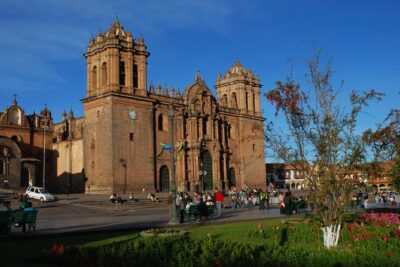
On afternoon departures, this tour becomes more than archaeological ruins. You also hit Cusco’s core cultural landmarks: Coricancha and the Basilica Cathedral built in 1560.
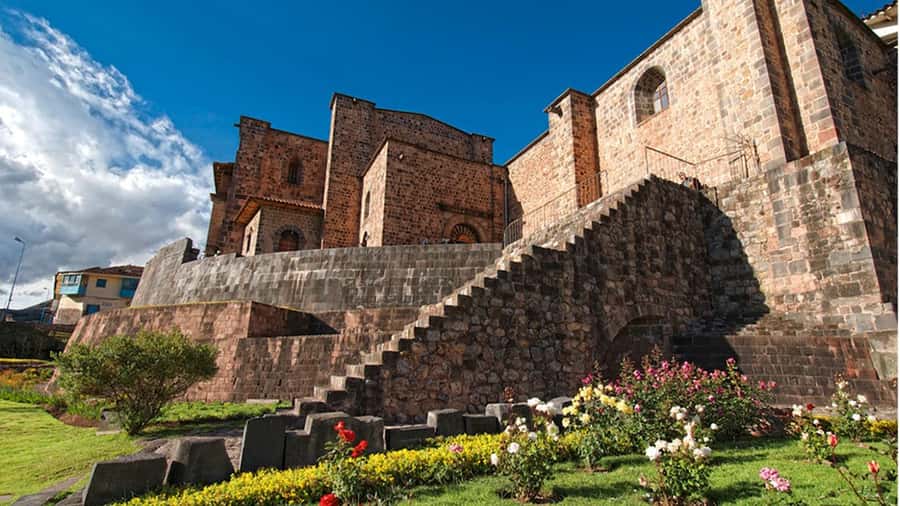
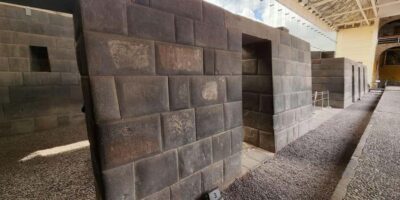
Coricancha is described as the most important temple of the Inca empire, with perfect architecture and stone construction. That description is your cue to look past the basics. The guide should help you notice how the Inca design fits together, and how the site’s significance ties to the broader empire. Coricancha is also UNESCO-listed, so it is a “big name” stop, but the best part is how it is explained as architecture with meaning.
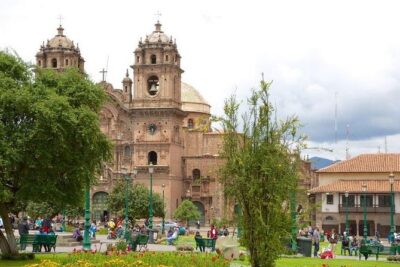
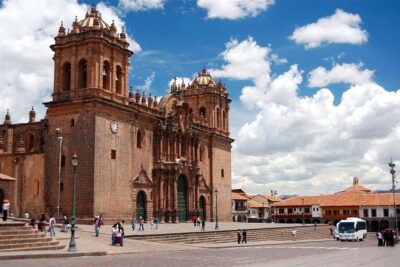
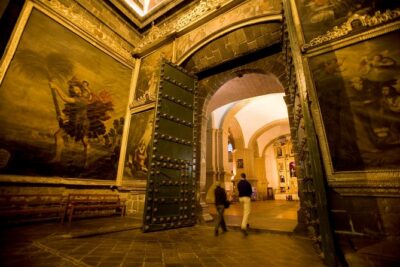
Then comes the Basilica Cathedral. Built in 1560, it gives you the Spanish-era counterpart to what you just saw. This is a great moment for understanding Cusco’s layers, because you are not just switching neighborhoods. You are seeing what happened when different powers took over the same cultural space.
Two practical costs apply here: entrance fees to the cathedral and Coricancha are not included. The tour data lists the cathedral at 40 soles and Coricancha at 15 soles. Have cash ready, and plan that these indoor or ticketed stops can change your total out-of-pocket amount even if the tour base price is low.
Price and tickets: what the $17 covers, what costs extra
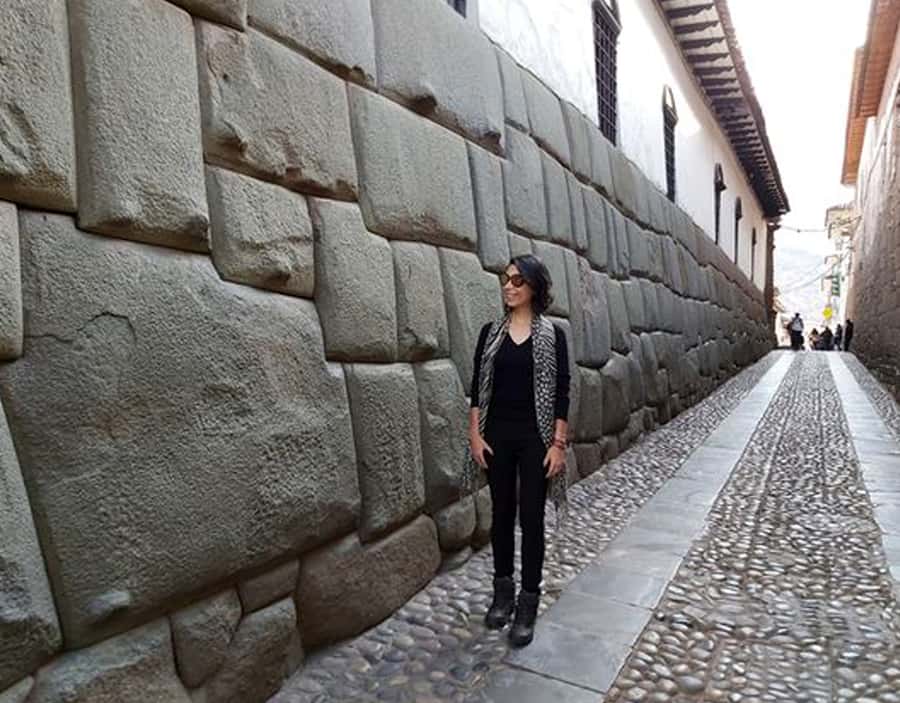
At $17 per person, the base price feels like a deal, and in many ways it is. What you are paying for is transport and a professional, bilingual guided tour (English and Spanish). For a 6-hour outing that covers multiple major sites, that is solid value.
The tradeoff is that you still need to budget for entrances. Entrance fees are not included for:
- the cathedral (40 soles)
- Coricancha (15 soles)
- the tourist ticket for archaeological sites outside the city (70 soles)
So the real question is not just whether $17 is cheap, but what you spend total. If you choose a morning departure, you are likely mostly paying the archaeological ticket that covers sites outside Cusco (Tambomachay is 9 kilometers out). If you choose an afternoon departure, you may add the cathedral and Coricancha fees on top of the out-of-city archaeological ticket.
My practical advice: bring enough cash to avoid awkward waits at the ticket point. Also, keep your expectations aligned. You are buying a guided route and transportation. You are not buying all entrances.
What to bring and how to get the most from this half-day
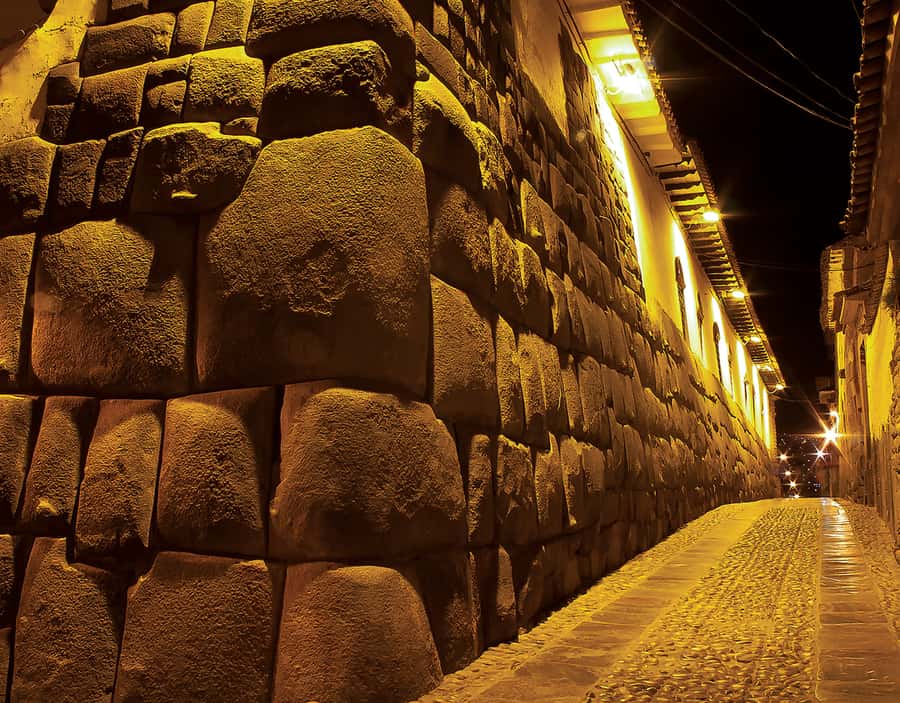
This tour is straightforward, but small prep items can make a big difference. Bring comfortable shoes because you will be walking on and around archaeological areas. Bring water, because it is a multi-stop day. A sun hat helps, and the tour recommendation is long pants as well.
For weather, plan for rain. A waterproof jacket or raincoat is recommended, and it is smart because the itinerary moves through outdoor sites. Sunscreen matters too, and the guidance calls for SPF 30 or more.
You should also bring your passport and cash. Passport use is not explained in detail, but it is listed as required to bring. Cash is listed because entrance fees and tickets are not included.
One more rule: pets are not allowed, and luggage or large bags are not allowed. Video recording is also not allowed. If you travel light, you will stay relaxed.
Finally, manage your time expectations. This is a tight route with guided segments at each stop. If you want deep reading, you may still want a second day for slower exploration. Use this day to learn the big story and get oriented.
Should you book this half-day Cusco city tour?
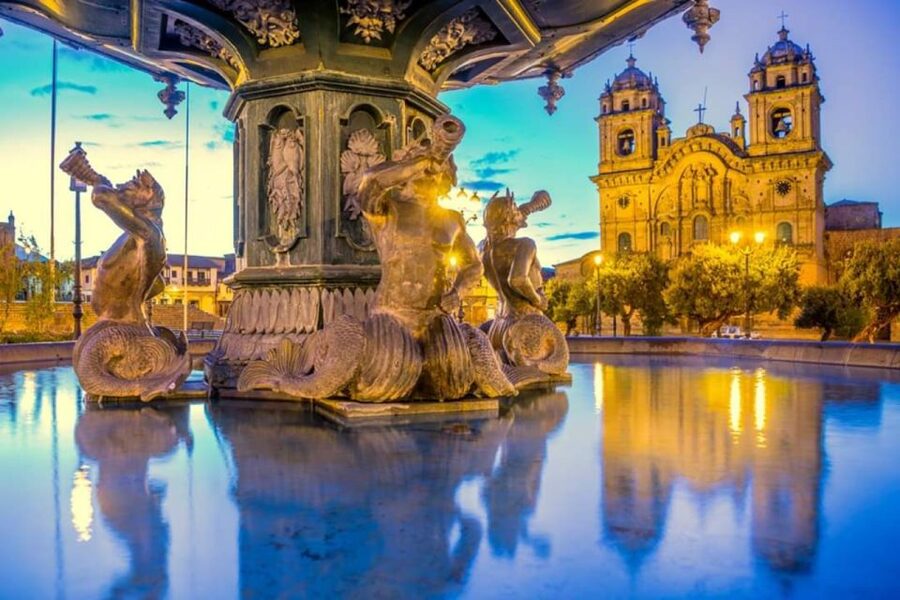
Book it if you want a fast, structured intro to Cusco’s Inca highlights, especially if you are also interested in the Spanish-era landmarks on an afternoon departure. At $17, you are getting transportation plus bilingual guidance, which is usually the hardest part to DIY when you are trying to cover multiple sites without getting lost.
Skip or reconsider if you want long, quiet time at each ruin. This tour moves from one guided stop to the next. Also, make sure you are comfortable paying extra entrance fees, particularly if you do the afternoon version with the cathedral and Coricancha.
If you fit the sweet spot of short on time, eager to learn, and willing to pay separate ticket costs, this is a good value way to see why Cusco is famous for both stone engineering and layered culture.
FAQ
How long is the Cusco Half-Day City Tour?
The tour lasts 6 hours.
Where do you get picked up and where do you end?
Pickup is from the Centro Histórico area, usually at your hotel in the historic center. The tour finishes at Plaza Mayor del Cusco.
What sites are included, and does it change by morning vs afternoon?
Morning tours visit Sacsayhuaman, Qenqo, Puca Pucara, and Tambomachay. Afternoon departures add the Basilica Cathedral and Coricancha.
Is the cathedral entrance included in the price?
No. The cathedral entrance fee is 40 soles and is not included.
Is the Coricancha entrance included in the price?
No. Coricancha entrance costs 15 soles and is not included.
Do I need tickets for archaeological sites outside Cusco?
Yes. A tourist ticket for archaeological sites outside the city is 70 soles and is not included.
What language is the guide?
The tour includes a professional bilingual guide in Spanish and English.
What should I bring?
Bring comfortable shoes, water, your passport, and cash. Long pants and sunscreen (SPF 30 or more) are recommended, plus a waterproof jacket or raincoat.
Are there any restrictions on video or luggage?
Video recording is not allowed. Pets are not allowed, and luggage or large bags are not allowed.
Can I cancel for a full refund?
Yes, you can cancel up to 24 hours in advance for a full refund.
More Tour Reviews in Cusco
- Cusco: Humantay Lake Tour with Breakfast and Buffet Lunch
★ 4.9 · 2,976 reviews - From Cusco: Moray, Maras Salt Mines & Chinchero Weavers Tour
★ 4.8 · 1,925 reviews - From Cusco: Full-Day Group Tour of Machu Picchu
★ 4.7 · 1,767 reviews - Machu Picchu Day Trip from Cusco
★ 4.5 · 1,644 reviews - Cusco: Half-Day City Tour with Sacsayhuaman and Q’enco
★ 4.6 · 1,129 reviews
Still in the City? Keep Going
- Cusco: Half-Day City Tour with Sacsayhuaman and Q’enco
★ 4.6 · 1,129 reviews - City Tour Cusco Qoricancha Sacsayhuaman y Tambomachay
★ 4.7 · 617 reviews - Cusco: Sightseeing Tour of the City on an Open-Top Bus
★ 4.0 · 481 reviews - Open Bus Cusco City Tour
★ 4.5 · 219 reviews - Cusco: City Tour | Half-Day Tour to 4 Archaeological Sites
★ 4.6 · 206 reviews
More Leaving From Cusco
- Cusco: Humantay Lake Tour with Breakfast and Buffet Lunch
★ 4.9 · 2,976 reviews - From Cusco: Moray, Maras Salt Mines & Chinchero Weavers Tour
★ 4.8 · 1,925 reviews - From Cusco: Full-Day Group Tour of Machu Picchu
★ 4.7 · 1,767 reviews - Machu Picchu Day Trip from Cusco
★ 4.5 · 1,644 reviews - Cusco: Half-Day City Tour with Sacsayhuaman and Q’enco
★ 4.6 · 1,129 reviews
Fresh in from Cusco

City Tours, compared.
 ★ 4.6Half-Day City Tour with Sacsayhuaman and Q’encoFrom $131,129 reviews
 ★ 4.7City Tour Cusco Qoricancha Sacsayhuaman y TambomachayFrom $13617 reviews
 ★ 4.0Sightseeing Tour of the City on an Open-Top BusFrom $12481 reviews
 ★ 4.5Open Bus Cusco City TourFrom $14219 reviews
 ★ 4.6City Tour | Half-Day Tour to 4 Archaeological SitesFrom $29206 reviews
 ★ 5.0City Tour in Cusco & visit Museum South American Camelid Private.From $49147 reviews
 ★ 4.5Cusco City Sightseeing, San Pedro Market, Cathedral and Qorikancha TempleFrom $59139 reviews
 ★ 4.5Cusco City Sightseeing and Sacsayhuaman Archeological Park TourFrom $79101 reviews
Browse the lists this tour appears in