
REVIEW · MACHU PICCHU & AGUAS CALIENTES TOURS
Salkantay trek to Machu Picchu – 5D/4N – Premium
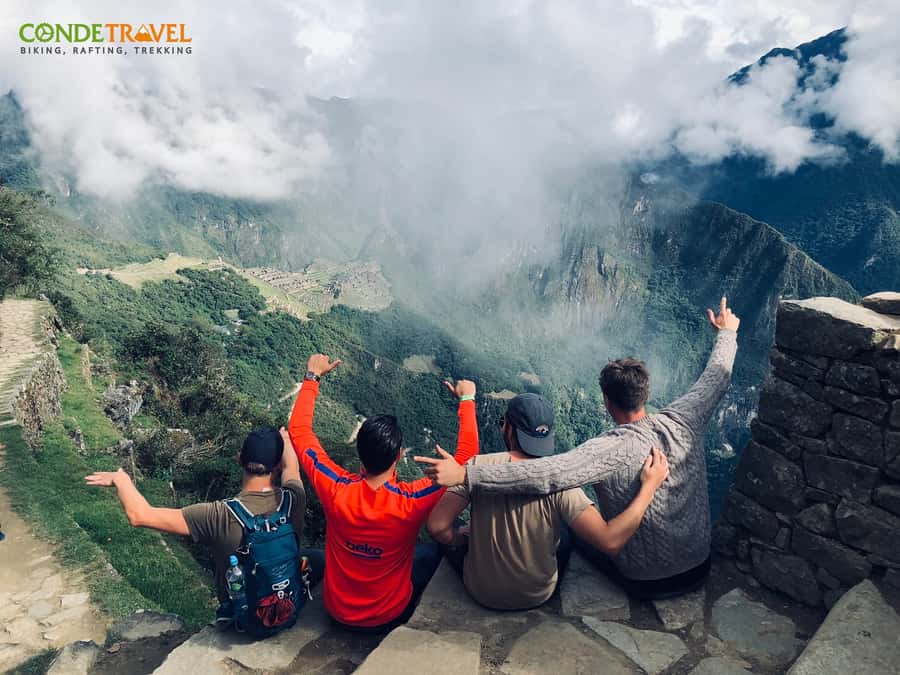
Salkantay is the mountain test before Machu Picchu. This 5 day, 4 night trek takes you from Cusco up through high passes, down into changing Andean valleys, and ends with a classic bus ride to the Machu Picchu citadel and a train return. I really liked the authentic camping setup at SalkantayPampa and the small group size (limited to 15), which keeps the pace more human and the logistics easier to manage.
The main drawback to watch for is how smoothly entry tickets and guide handoffs go at the Machu Picchu end. One traveler had delays in Machu Picchu Pueblo while sorting tickets and also experienced multiple guides instead of staying with the same guide. I’d ask your operator specific questions before you go, so you do not lose precious time on arrival day.
Key points before you set off
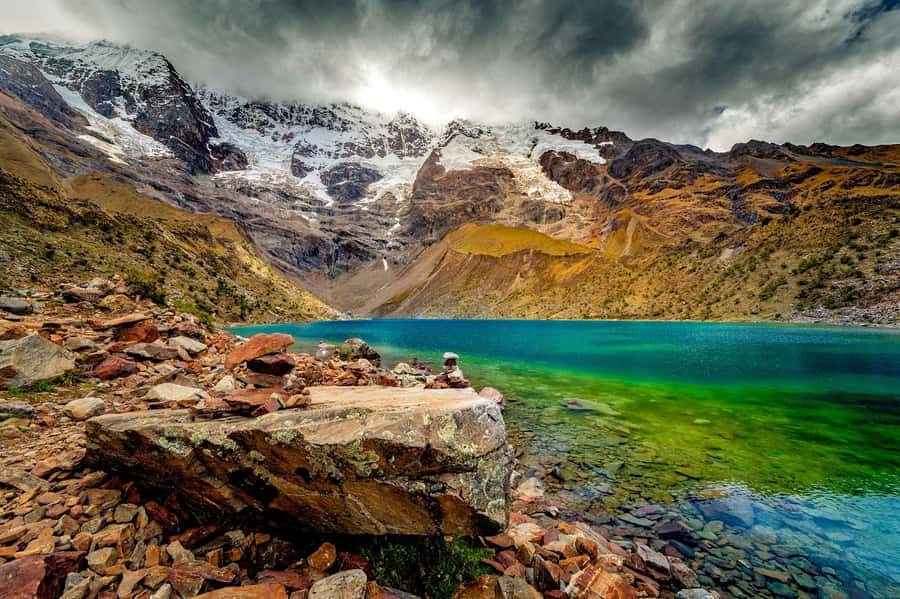
- Camping at SalkantayPampa gives you the true Salkantay feel, not just lodge hiking.
- 39 miles (64 km) in 5 days is solid for a moderate to challenging trek, not a casual walk.
- Sleeping bag plus camp kitchen and dining tent make the premium part feel real.
- Machu Picchu entry is included, but Huayna Picchu and Montaña Machu Picchu are not.
- English live guide, small group up to 15 helps you stay on schedule without feeling rushed.
- Train back to Ollantaytambo and then a transfer to Cusco keeps your ending cleaner.
Other ways into the citadel, side by side
- Machu Picchu: Private Tour Guide Service★ 4.9 · 90 reviews
- Cusco: 2-day Inca Trail to Machu Picchu★ 4.7 · 6 reviews
- Private & Flexible 3-Hour Guided Tour of Machu Picchu★ 3.0 · 4 reviews
- Machu Picchu: 1-day tour by Vistadome Observatory train★ 5.0 · 3 reviews
Why Salkantay Feels Like the Real Alternative Inca Trail
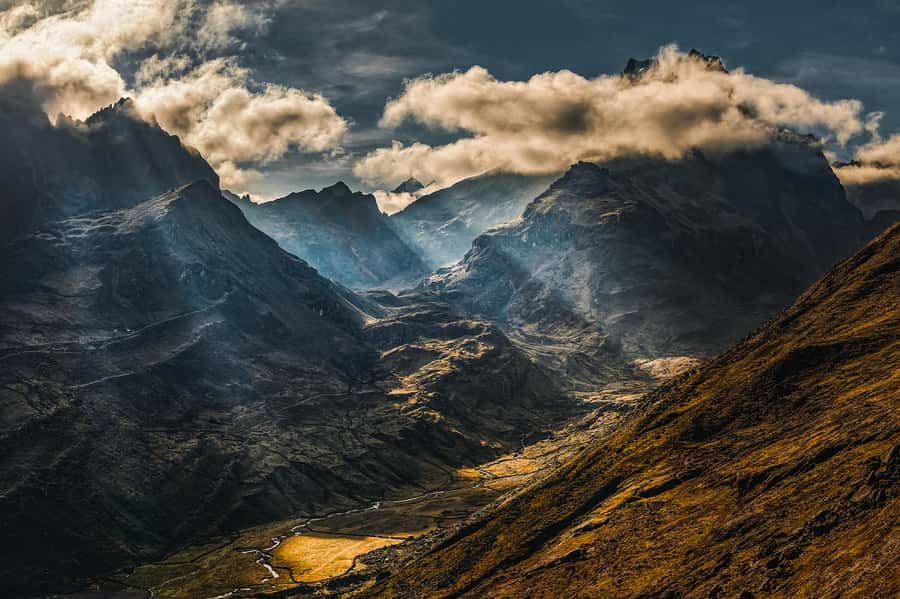
Salkantay is popular for a reason. You get big mountain drama on a route that many people pick as a substitute for the Inca Trail when they want the same kind of journey. What makes this trek stand out is the way the scenery keeps changing, so each day feels like a different chapter instead of repeating the same view over and over.
You also get a very practical kind of adventure. You are not just sightseeing, you are moving through altitude, valleys, and Andean communities while your camp team handles the food side. That is the trade. You work for the views, but you do not have to lug everything, because the trek includes key camping gear like a sleeping bag and a camp kitchen setup.
Premium 5 Days: What You Get for $510 and What to Budget Extra
At $510 per person, you are paying for the hard parts: transfers, guides, entry tickets, the return train system, and a chunk of the camping support. In other words, this is not just a guided hike, it is a packaged trek experience that tries to take weight off your shoulders.
Here is what is included that matters day to day:
- All transfer services plus train back from Aguas Calientes to Ollantaytambo, then Ollantaytambo to Cusco
- Round trip bus to the Machu Picchu citadel
- Entrance ticket to the Mollepata-Salkantay route and Machu Picchu citadel
- 3 nights campsite, plus 1 night hotel in Machu Picchu Pueblo (Aguas Calientes)
- Professional bilingual guide, chef, and assistants
- Food as mentioned in the itinerary, with vegetarian options available
- Spacious dining tent and kitchen, plus sleeping bag
- Free? No, but you do get a lot that would otherwise cost time and energy to arrange
What you should plan to pay for or manage on your own:
- First breakfast and the last day lunch and dinner are not included
- Huayna Picchu and Montaña Machu Picchu entrances are not included
- Personal care items are not included
The premium value also depends on your mindset. If you want comfort and a predictable flow, the included camp team and small group size help. If you are expecting everything to run like a hotel shuttle, mountain treks have their own rhythm. Weather and altitude are real variables.
Day 1: Cusco to Humantay Lake, Then Basecamp SalkantayPampa
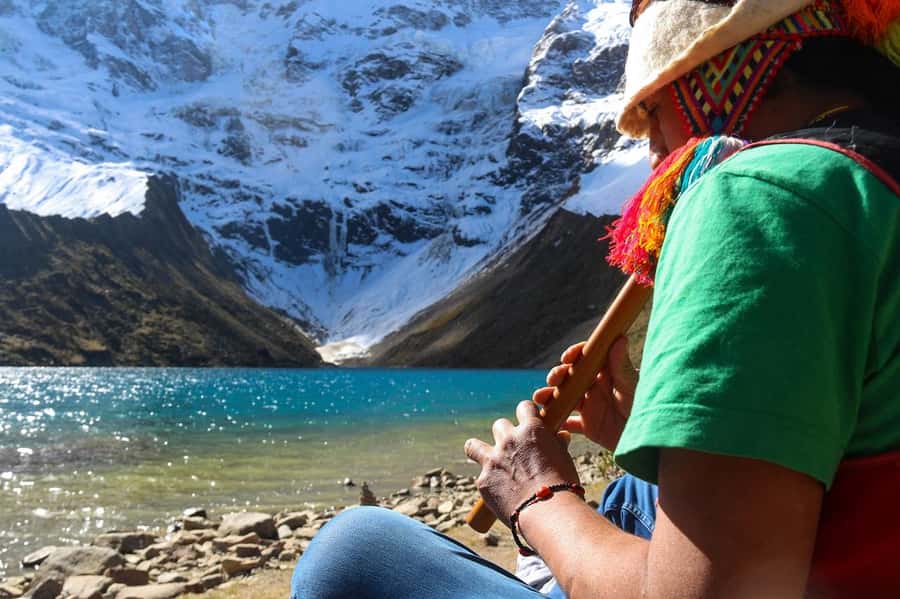
Day 1 starts with a long day, about 16 km (roughly 7 hours), moving from Cusco toward Humantay Lake and then on to camp at SalkantayPampa. Humantay Lake is a strong first hit. It is the kind of stop that makes you feel like you are entering a different world, because the hike turns from city altitude to high mountain terrain fast.
This is also where pacing matters. The best strategy on Day 1 is to keep your effort steady and avoid racing ahead. You are heading for your camp experience, not trying to win a personal record.
Why SalkantayPampa matters: having camp at SalkantayPampa is what makes this trek feel authentic. You are not just sleeping nearby, you are in the rhythm of a trekking camp. If you are the type who likes seeing how the team sets up dining space and how the kitchen runs, you will probably appreciate this day more than you expect.
Day 2: SalkantayPampa to Chaullay, 18 km of Steady Work
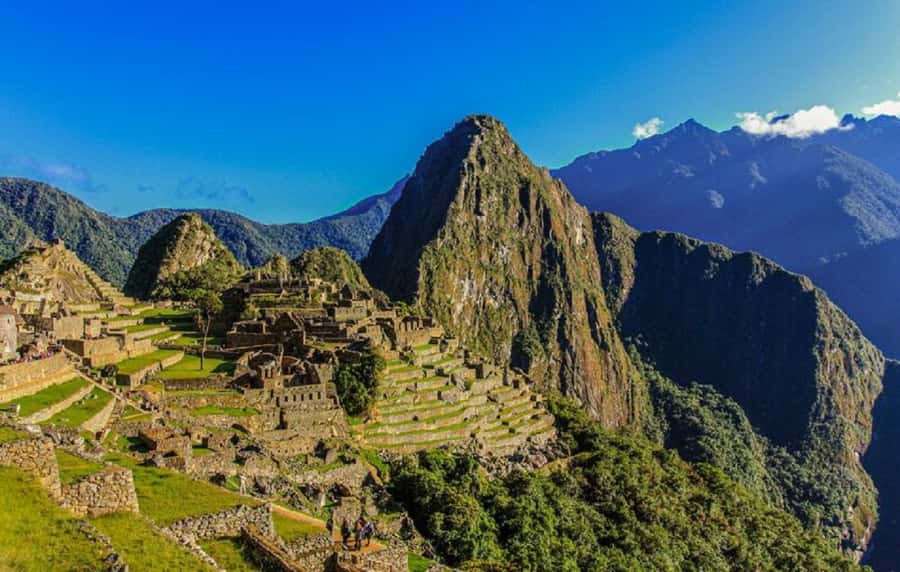
Day 2 is about 18 km (around 7 hours) from Basecamp Salkantay Pampa to Chaullay. This is the day where you really settle into the trek mindset: pack order, water rhythm, and keeping your breathing calm.
The terrain on Salkantay routes typically demands good foot control, especially as you get tired. The lesson I want you to take with you is simple: your speed is less important than your form. Closed-toe shoes matter here. Also, bring layers, because “cold” in the mountains can turn into “cold plus wind,” and you feel that fast.
Chaullay is a breather day compared to the highest sections. You are still hiking, but it is usually less about major surprises and more about building your endurance for what is next.
Day 3: Chaullay to Lucmabamba, 16 km Through Changing Valley Life
Day 3 covers 16 km (about 6 hours) from Chaullay to Lucmabamba. By now you know what your body wants: regular pauses, a consistent pace, and fewer stops that feel like you are stretching for attention.
Lucmabamba is a useful mid-trek stop because it signals that you are moving through different zones. This matters because it changes how you experience the trek. When the environment shifts, you often feel it in temperature, footing, and even how the air sits in your lungs.
If you are the kind of traveler who likes to learn as you go, this is where a strong guide earns their pay. One traveler highlighted Eduardo as giving lots of useful context about nature, traditions, and the people. Even without the same guide name in front of you, you will want someone who connects the route to local life, not just distances and timing.
Day 4: Lucmabamba to Llactapata, Hydroelectric, and Aguas Calientes
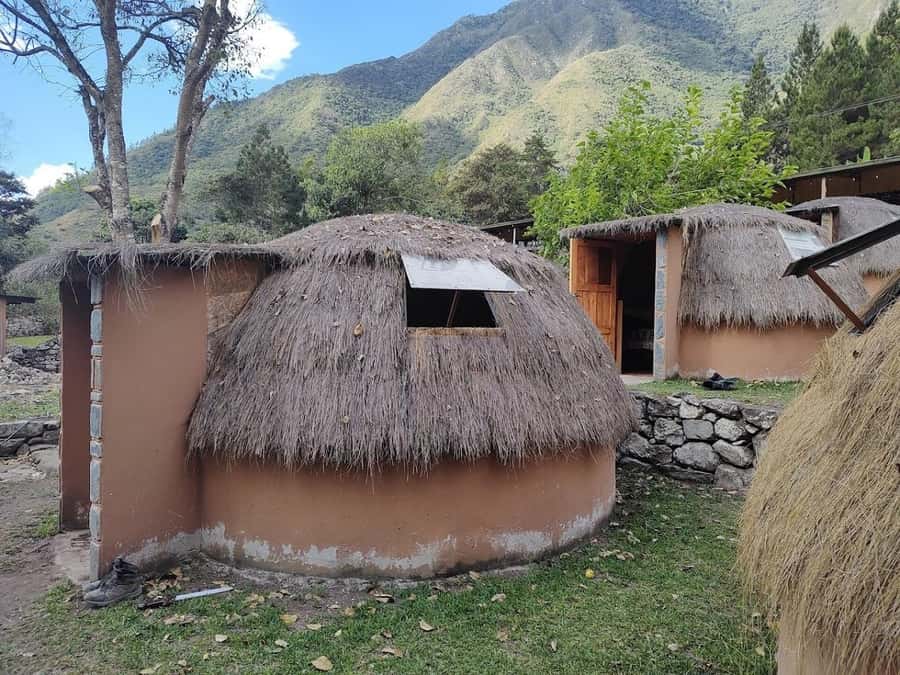
Day 4 is 14 km (about 6 hours), moving from Lucmabamba to Llactapata, then through Hydroelectric, and onward to Aguas Calientes. This day can feel like the “finish line day,” but it is not a relaxed one. You have to keep energy for the last push toward Machu Picchu.
Llactapata: a viewpoint stop that sets up your final day
Llactapata is included on the route before you reach the Machu Picchu area. It is a smart staging point, because you start to get that sense of arrival. If you want to take photos, do not wait until the end of the day. This is often your best chance for clear framing.
Hydroelectric: practical, fast moving, a bit chaotic
The Hydroelectric section is not about pretty strolling. It is about getting from the mountain route to the Machu Picchu zone. Expect a more functional, route-driven feel here. Keep an eye on your group and your footing.
Aguas Calientes: hotel night plus a day of entry logistics
You sleep in Machu Picchu Pueblo (Aguas Calientes) on night 4, with a hotel included. This matters because it puts you close to Machu Picchu early on Day 5.
One caution from real experience: a traveler reported losing time in Aguas Calientes trying to get Machu Picchu tickets, which hurt the overall flow. That is why I suggest you ask your guide or operator how entry handling works in practice, and whether your tickets are already sorted or require pickup.
Day 5: Machu Picchu Citadel, Then Train Back to Cusco
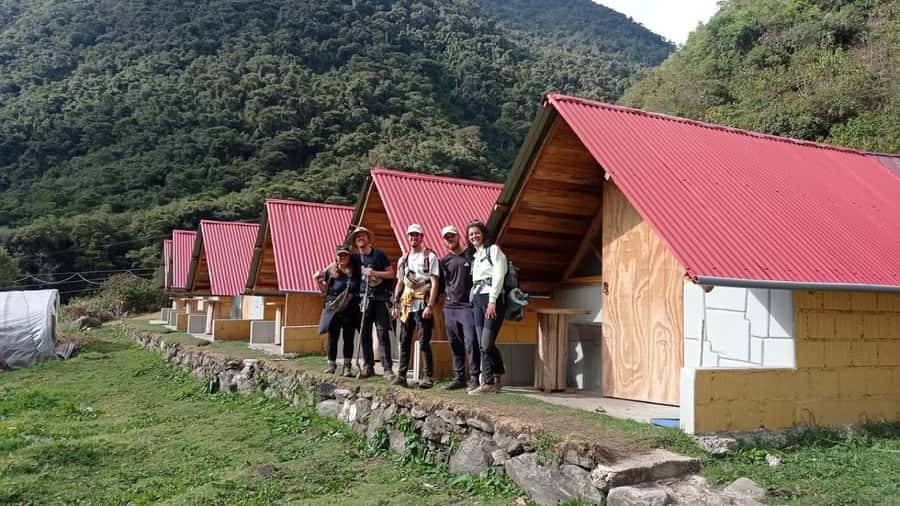
Day 5 hits the iconic part: you go to the Machu Picchu citadel by round trip bus. You then continue the journey back with train from Aguas Calientes to Ollantaytambo, and finally transportation from Ollantaytambo to Cusco.
This is where Salkantay delivers its payoff. You have earned your entrance. You arrive as someone who climbed for it, not someone who took a quick bus from Cusco and called it an effort.
A practical note: the bus and train structure is a big reason to choose a packaged trek. You do not have to solve timetables while your legs are still recovering. The included train return to Ollantaytambo is also a relief, because getting back from Machu Picchu area can be the part that turns into a stress test when you plan it yourself.
Guides, Camp Team, and the Small-Group Advantage
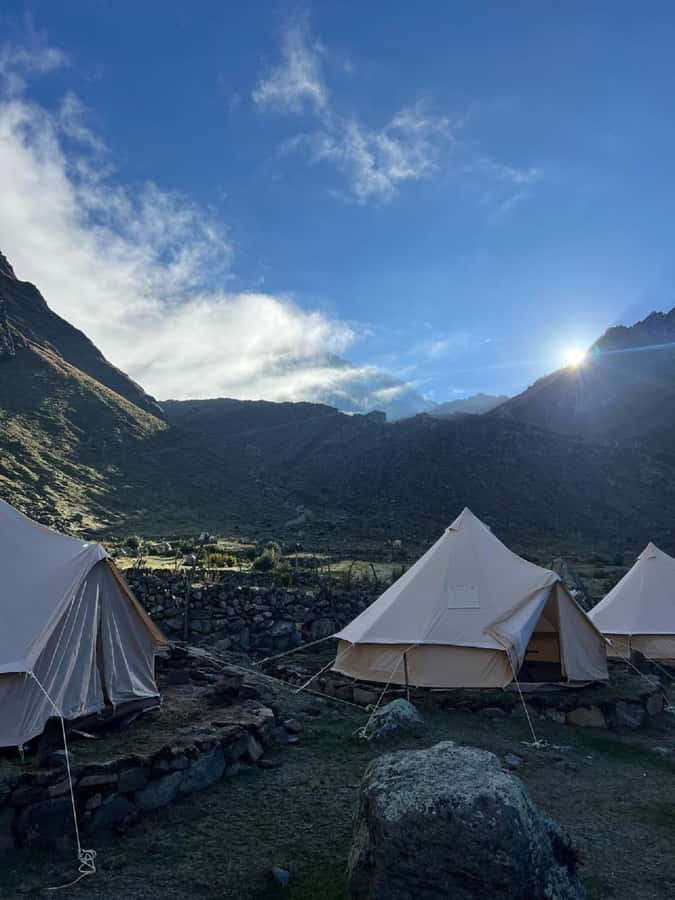
This tour runs with a professional bilingual guide plus a chef and assistants. That camp-team model is one of the best parts of premium trekking, because it affects more than comfort.
It affects your energy. If you can count on meals and setup, you spend more focus on walking and less time thinking about logistics.
Small-group limits (up to 15) also help in a very real way. With smaller numbers, it is easier for the leader to manage pace, regrouping, and the practical stuff like when to stop for water and how to keep people safe on steeper sections.
One important caution though: one traveler experienced different guides across the trek and said that part felt disappointing. I cannot guarantee every departure runs the same way, so the best move is to confirm guide continuity before you set off, especially if you care about consistency for storytelling and pacing.
What to Pack for Salkantay, Not Just What Looks Good
You will be walking in changing conditions, so your pack should support warmth, dry changes, and quick access to essentials. Here is what you should plan to bring based on the tour requirements:
- Passport
- Daypack
- Comfortable clothes plus snow clothing for colder conditions
- Hat and biodegradable sunscreen
- Change of clothes
- Closed-toe shoes
- Flashlight
- Charged smartphone
- Personal medication
- Cash
- Garbage bag
- Camera
Also remember: this trek has rules. Oversize luggage is not allowed, and open-toed shoes are not allowed. Alcohol and drugs are not allowed. There are also explicit restrictions around baby strollers, electric wheelchairs, and crutches.
If you want an easy win, bring a garbage bag. It sounds boring, but it keeps your pack from turning into a wet, smelly mess if you get dust, rain, or condensation.
Weather, Altitude, and Safety Questions Worth Asking
Salkantay is labeled moderate to challenging, and that is accurate. A 64 km trek in 5 days with altitude effort means your body will work, especially on cold starts and long walking stretches.
One traveler reported being sick on Day 1 and said there was no backup radio to call for help. I do not know how this varies by departure, but it is enough of a signal that you should ask your operator about emergency communication and medical support before you go.
If you have any medical concerns, bring your medication and be honest with your guide early. The more your leader understands your situation, the better they can help manage pace and safety.
Who This Trek Suits Best (and Who Should Skip It)
This one is not for everyone. The tour states it is not suitable for:
- Children under 5
- Pregnant women
- People with back problems
- People with mobility impairments
- People with heart problems
- Wheelchair users
- People over 70
If you are in good health and comfortable walking long hours, this is a great match. You should also enjoy camping reality, even with premium support. You are not sleeping in luxury hotels the whole time, though you do get a hotel night in Aguas Calientes.
Who will likely love it most:
- Active travelers who want an alternative to the Inca Trail
- People who like guided storytelling on the walk
- Travelers who prefer small group energy over big group chaos
Should You Book This Premium Salkantay Trek?
I think this is a strong choice if you want an iconic mountain journey that ends at Machu Picchu without trying to DIY the hardest logistics. The value looks especially good when you compare what is included: camp support with sleeping bag, entry tickets, English guide, and the train return.
But I would not book blindly if the Machu Picchu end timing matters to you. Ask these practical questions before you pay:
- How are Machu Picchu entry tickets handled in Aguas Calientes, and how much time do you actually spend sorting them?
- Will you keep the same guide for the whole trek?
- What emergency communication tools exist, and what is the plan if someone gets sick?
If your answers are clear, this trek can feel like a true adventure, not a checklist. If your answers are vague, you might still go, but go with your eyes open, and protect your time on arrival day.
FAQ
How long is the Salkantay trek to Machu Picchu on this premium option?
It is 5 days and 4 nights, with a total hiking distance of 64 km, about 39 miles.
What is the difficulty level?
The tour is listed as moderate to challenging.
How big is the group?
It is a small group limited to 15 participants.
What language is the guide?
The live tour guide is English.
What is included in the price?
Included services cover all transfers, train back from Aguas Calientes to Ollantaytambo, transportation from Ollantaytambo to Cusco, round trip bus to the Machu Picchu citadel, food as mentioned in the itinerary (with vegetarian options), entrance tickets for the route and for Machu Picchu, 3 nights camping, 1 night hotel in Machu Picchu Pueblo, and a professional bilingual guide plus chef and assistants. A spacious dining tent and kitchen, and a sleeping bag are also included.
What food is not included?
The first breakfast is not included, and on the last day the lunch and dinner are not included.
Are Huayna Picchu or Montaña Machu Picchu entrances included?
No. Only the Machu Picchu entrance ticket is included, while Huayna Picchu and Montaña Machu Picchu are not included.
How do you get back from Aguas Calientes?
You take the train from Aguas Calientes to Ollantaytambo, then transportation from Ollantaytambo to Cusco.
What should I bring?
You should bring a passport, hat, change of clothes, camera, biodegradable sunscreen, comfortable clothes, snow clothing, cash, flashlight, daypack, charged smartphone, personal medication, and closed-toe shoes. A garbage bag is also recommended.
Is this trek refundable if I cancel?
The activity is non-refundable.
More Tour Reviews in Machu Picchu
- Machu Picchu: Private Tour Guide Service
★ 4.9 · 90 reviews - Cusco: 2-day Inca Trail to Machu Picchu
★ 4.7 · 6 reviews - Private & Flexible 3-Hour Guided Tour of Machu Picchu
★ 3.0 · 4 reviews - Machu Picchu: 1-day tour by Vistadome Observatory train
★ 5.0 · 3 reviews
Machu Picchu, Three More Ways
- Machu Picchu: Private Tour Guide Service
★ 4.9 · 90 reviews - Cusco: 2-day Inca Trail to Machu Picchu
★ 4.7 · 6 reviews - Private & Flexible 3-Hour Guided Tour of Machu Picchu
★ 3.0 · 4 reviews - Machu Picchu: 1-day tour by Vistadome Observatory train
★ 5.0 · 3 reviews
Fresh in from Machu Picchu
Machu Picchu & Aguas Calientes Tours, compared.
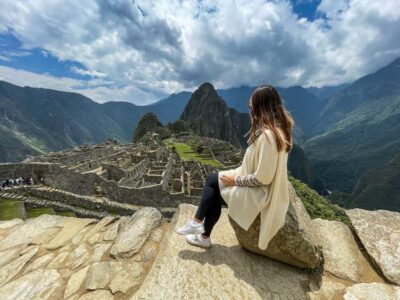 ★ 4.7Full-Day Group Tour of Machu PicchuFrom $3211,767 reviews
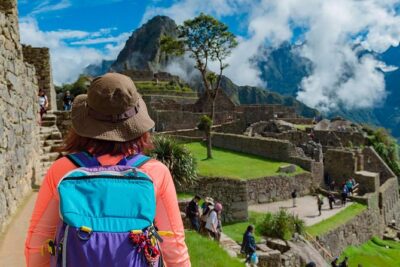 ★ 4.5Machu Picchu Day Trip from CuscoFrom $3361,644 reviews
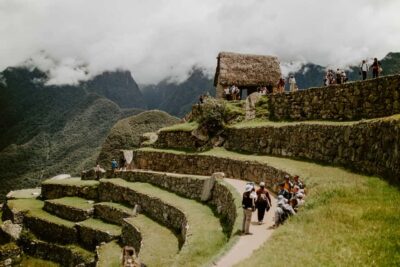 ★ 4.6Machu Picchu: Full-Day Tour from Cusco with Optional LunchFrom $283927 reviews
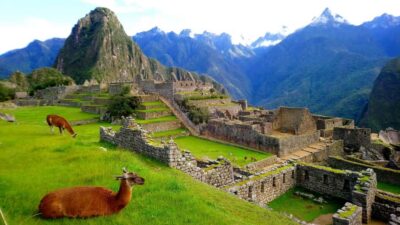 ★ 4.84-Day Inca Trail to Machu Picchu with AccommodationFrom $470432 reviews
 ★ 4.62-Day Trip to the Sacred Valley and Machu PicchuFrom $370265 reviews
 ★ 4.9Machu Picchu 2-Day Inca Trail with Panoramic TrainFrom $582260 reviews
 ★ 4.22-Day Inca Trail to Machu PicchuFrom $290244 reviews
 ★ 4.9Machu Picchu: Inca Trail 2-Day Overnight Guided TourFrom $585203 reviews
Browse the lists this tour appears in