REVIEW · CUSCO
8-Days Peru, The Rise of the Inca Empire
Inca ruins and colonial streets share the same week. This 8-day route strings together Lima UNESCO sights, Cusco’s stonework, the Sacred Valley’s farming genius, and then Machu Picchu by train plus Lake Titicaca. It is a smart way to see major landmarks without living out of taxis.
I especially like how much is organized for you, from airport transfers to getting you station to bus to site. I also like the mix of Inca and colonial-era places, so you see what changed after the conquest, not just what stayed the same. The one drawback to keep in mind is timing and pacing at Machu Picchu, plus the chance you might not have your full day plan until late the night before.
Key points to know before you go
- UNESCO Old Lima and key religious sites, including Santo Domingo and the Cusco-linked cathedral stop later in the trip
- Machu Picchu logistics are pre-arranged, including train from Ollantaytambo and the bus ride up
- Small group size (max 15) helps, even though the day still moves on a schedule
- Sacred Valley includes practical culture like textile dying and weaving demonstrations, not just ruins
- Trip ends in Puno, so you can continue toward Bolivia or head back your own way
Weighing this against something else? Here is what Lima sells out of first.
- 10-Day Taste Peru Experience: Lima, Nasca, Cusco & Machu Picchu★ 5.0 · 63 reviews
- 7 Days: Lima, Ica, Cusco & Machupicchu with local flights★ 5.0 · 52 reviews
- 8-Day Enigmas of Peru★ 5.0 · 49 reviews
- 8-Day Peru Ancestral Energies★ 5.0 · 47 reviews
Price and logistics: what you get for $1,280
At $1,280 per person for 8 days, you are paying for a “big rock” itinerary that includes a lot of the hardest-to-coordinate pieces. That includes 7 nights in selected hotels, airport transfers, multiple guided site visits, train tickets for Machu Picchu, and guided transport from Cusco to Puno with stops along the route.
The value gets stronger when you compare it to trying to piece together everything yourself: Lima city orientation, Cusco highlights, Sacred Valley stops, Machu Picchu train day, then Lake Titicaca. Here, the planning work is done for you. Your main job is showing up on time, especially for flight timing and the Machu Picchu ticket rules.
The trade-off is flexibility. This is a structured trip. If you prefer to wander for hours at each stop or want a perfectly predictable minute-by-minute plan, you will need patience and a good attitude.
Lima Day 1: UNESCO Old Lima and Museo Larco’s real Peru
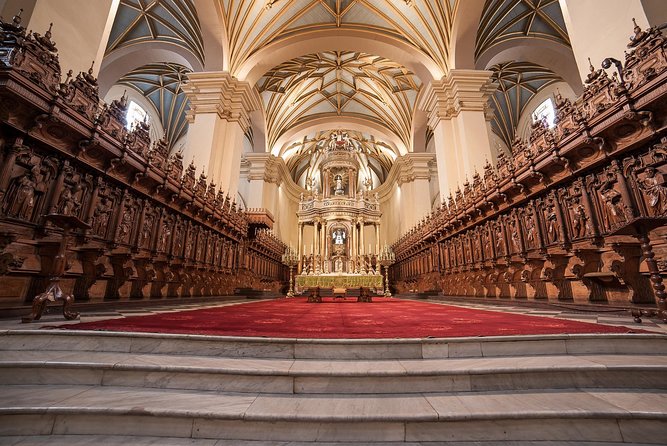
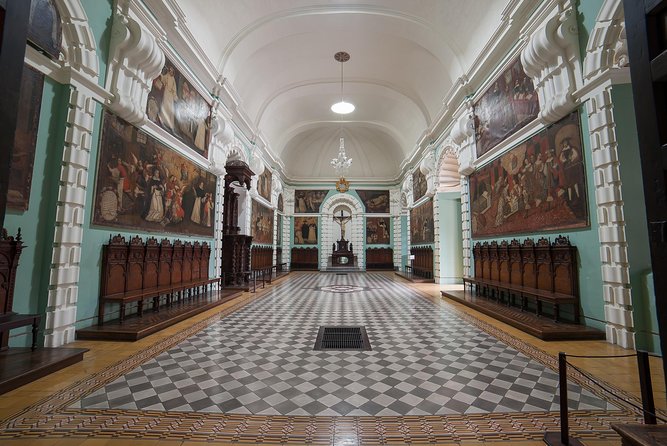
You land in Lima, get help with arrival, and then head straight into the historic center. This is not just a photo walk. You will visit the Centro Historico de Lima, a UNESCO World Heritage Site, and start at the Convent of Santo Domingo, built during the founding of Lima. You also get a strong stop at Universidad Nacional Mayor de San Marcos, which is tied to the early days of the city and includes spaces like choir stalls and a historical library collection.
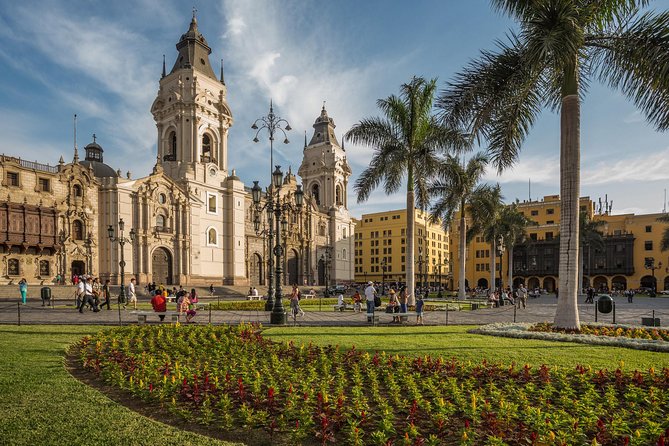
The tour keeps moving across the Plaza Mayor, with the Government Palace area and the Municipality, then ends at the Cathedral of Lima. That cathedral stop matters because it connects the colonial story to real art choices, not just architecture.
Then you shift gears to Museo Larco outside the downtown area. This museum is one of the best ways to reset your expectations about ancient Peru. You will see gold objects, textiles, and ceramics, including erotic ceramics that are part of the museum’s collection. The visit also includes a look at the museum’s warehouse, so you can understand how the collection is organized and presented.
Practical note: you start with a long day of walking. Comfortable shoes and water help a lot.
Cusco Day 2: Qorikancha, the cathedral, and a stonework masterclass
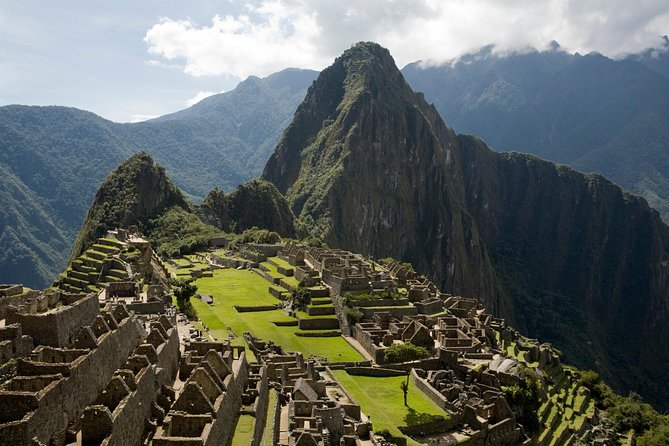
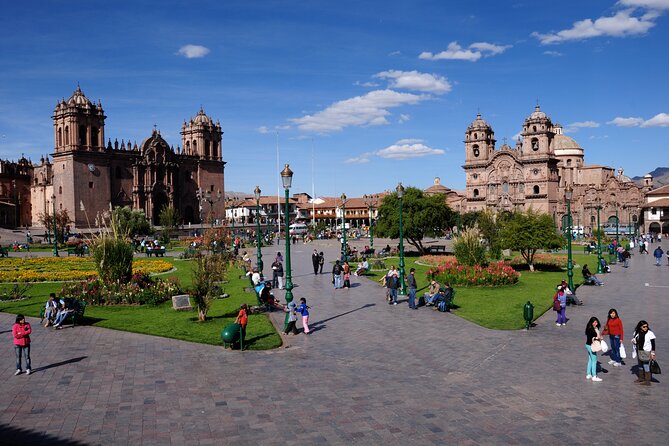
Cusco is where the tour clicks from “history lesson” to “you are standing in it.” After flying from Lima and getting settled, you start at Qorikancha. This is the old Temple of the Sun area where legends said the walls were covered in gold. Today, the key point is the layering: the Convent of Santo Domingo sits on Inca foundations. It is a visible example of how the Spanish built over Inca sacred space.
Next comes the Cusco Cathedral, built on the foundations of an Inca palace. The cathedral stop is specifically about what you can see inside: colonial-era paintings associated with the Cusco School of Art, plus notable objects like the original cross brought by early Spanish conquistadors. If you want a clear sense of how two worldviews were merged and argued over, this is one of the better places to understand it.
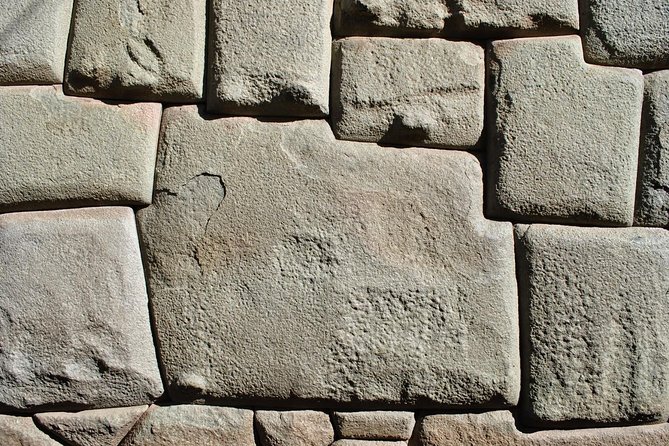
From there you go to Sacsayhuaman. This is the engineering highlight of the Cusco side. You will see huge stone blocks fitted without mortar, some over 4 meters high. The tour continues through nearby ceremonial spaces: Q’enqo with its rock-cut ceremonial altar, then Tambomachay, also known as the Inca Baths, with crafted aqueduct channels and sacred springs. On the way back, you also get panoramic views and a look at Puca Pucará, an ancient outpost.
Practical note: Cusco altitude is real. Even if you feel okay, keep moving slowly between stops.
Sacred Valley Day 3: Pisac ruins plus artisan culture you can actually shop
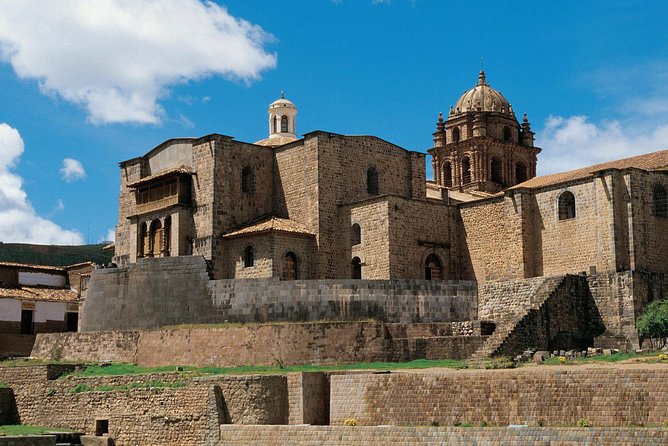
Sacred Valley day is your chance to see why the Incas cared about this region so much. The itinerary frames it well, with the Urubamba River area and the agricultural and strategic importance of the valley.
First, you visit Pisac, one of the better-preserved Inca sites in the valley. You start high, with ruins that show off Inca stonework, terraces, and religious structures. Then you descend to the village area, built on top of older Inca foundations. The point here is balance: you are not only looking at ruins, you are also meeting the living place around them.
You also get time at the artisan market, which is one of the best moments in the whole trip to do responsible shopping. It is a chance to browse handmade textiles, ceramics, and silver jewelry from local artisans who still work with techniques passed down through generations.
After that you shift into culture and interpretation with the Museo Inkariy and then the Yucay Live Culture Center. This part goes beyond “look at things.” You will see traditional textile weaving and dying, pottery and adobes, and preparation of chicha, the corn drink. There is also a close encounter with the Andean camelids: llamas and alpacas.
One consideration: this is a long day with multiple stops. You’ll appreciate it more if you keep your expectations flexible. You are going to see a lot of different formats of culture, from ruins to demonstrations.
Moray and Salinas de Maras Day 4: Inca microclimates and salt still made the old way
Day 4 is a two-stop hit that explains Inca “science” without turning it into a textbook. You start at Moray, where you can see the circular terraced layout. The common explanation is that it functioned like an agricultural laboratory, recreating different microclimates. The itinerary mentions that up to 20 microclimates were recreated, which helps you understand why this region mattered.
Then you head to Salinas de Maras, the salt mines near the village of Maras. This is a landscape of thousands of small pools cut into the mountainside, filled by salty spring water, leaving salt as the water evaporates. The detail that it has been used since pre-Inca times and is still worked by local families today makes it feel less like a theme park and more like a working tradition.
If you care about photos, this is one of your best bets. The contrast between pale salt pools and red clay hills is a big visual payoff. If you are less into photos, still go, because the sense of continuity is the point.
Machu Picchu Day 5: train ride, bus up, and ticket circuit reality
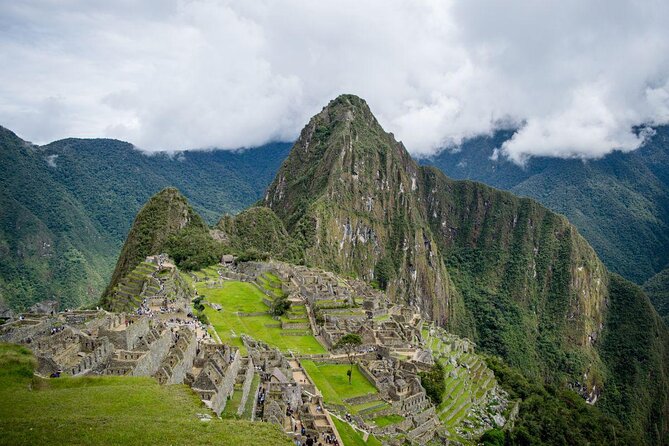
This is the flagship day. You board at Ollantaytambo station, take the train you are assigned as part of the package, and arrive at the Machu Picchu station. From there, you transfer to a bus that climbs a winding road, with a canyon view of the Urubamba River.
Once you arrive, Machu Picchu hits fast. You will walk through terraces, staircases, ceremonial areas, and the urban layout. This place has a feeling that words can’t fully handle. You also get a buffered plan around lunch, since your package includes lunch after your guided time.
Here is the part you should take seriously: Machu Picchu has new visitor circuits with three main routes. The tour says route 2 is given priority, and if it is not available, you are informed about options like circuit 3B or 1B before tickets are issued. Also, the Machu Picchu admission ticket is not refundable, and date changes are not accepted. So when you lock in your plan, you are locking it in.
Based on real-world pacing issues that can happen on tightly scheduled days, I strongly recommend you show up early for checkpoints and do not plan on a slow, linger-and-see-everything style day. If your visit time at specific areas feels rushed, it is often about lunch and circuit flow, not about you doing anything wrong.
One more practical note: you return by train to Cusco after lunch, and you stay overnight as part of the package lodging.
Cusco to Puno Day 6: Andahuaylillas, Racchi, La Raya, and a long drive with set stops
Today you travel from Cusco to Puno by bus, with sightseeing stops on the way. This is a long transit day, but it is not empty. It is structured to keep you seeing cultural highlights instead of just sitting.
You stop first at Andahuaylillas for its chapel. Then you visit Racchi, the Temple of the Wiracocha god, where the site’s walls and narrow streets are a key visual. After that you have lunch time and then you reach La Raya, described as the natural border between Cusco and Puno.
The final stops include a visit to Pucará Museum and a chance to get a local bull-shaped ceramic. You arrive in Puno at the end of the afternoon.
If you get car sick, this day matters. Bring any motion comfort you normally use. Even without altitude problems, long bus days can wear you down.
Lake Titicaca Day 7: Uros reed islands and Taquile traditions
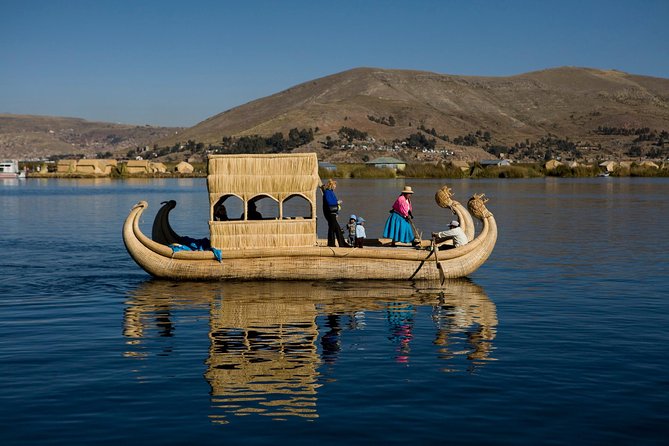
A full day on Lake Titicaca gives you a very different Peru than the ruins and the highland towns. You start with the Uros Floating Islands, built from totora reeds and maintained through careful work. The emphasis is on meeting people who live and manage these islands.
Then you head to Taquile Island, where visitors can see traditions still maintained and worn in everyday life. The itinerary notes colorful typical clothing and gives you time to explore and take in the lake views. Lunch is provided on the island as a typical meal.
This day is more about cultural contact and perspective than about squeezing in “one more ruin.” If you like your travel slower, this is one of the better days for that mood.
Timing, meals, and altitude: the small things that make or break the week
This tour includes breakfasts for 7 days and three lunches plus other specified meals like the typical lunch on Taquile. Food and drinks beyond those included items are not covered, so you will want some cash or card for snacks and water.
Altitude is mentioned directly, and it is smart that the tour encourages you to bring medicine or ask a doctor before you go. I also suggest you pace yourself in Cusco and on travel days, and do not treat altitude like a minor inconvenience. It can affect sleep, appetite, and how long you feel like walking.
One organizational consideration you should plan for: your day-by-day schedule may not feel fully clear until later communication, sometimes even the night before. That can create stress if you prefer to plan around meal times. The fix is simple: ask early for your daily timings and keep a note on your phone for morning pickup and your Machu Picchu circuit timing instructions once you receive them.
For the Machu Picchu portion, pacing can also get tight around lunch windows and circuit flow. If you want more time at viewpoints or key buildings, you may have less control than you would on a private tour.
Who should book this Peru Inca Empire trip, and who should skip it
This tour is best for you if you want a guided plan that covers big milestones: Lima, Cusco, the Sacred Valley, Machu Picchu, then Puno and Lake Titicaca. You value the convenience of pre-arranged transport and you like having admission tickets and train logistics handled.
It is a good fit for first-time visitors who want to avoid learning all the systems by yourself. It also works well if you plan to continue to Bolivia after the tour ends in Puno.
You might want to consider a different format if you are the kind of traveler who needs a very clearly timed itinerary in advance, or if you dislike feeling rushed by lunch or circuit logistics. If you want lots of free time in each town to explore at your own pace, this structured route may feel a bit strict.
Should you book this 8-day Inca Empire tour?
Yes, if you want maximum major sites with guided context, and you are comfortable trading some freedom for reliable transport and ticket handling. This itinerary does a lot of work for you, especially with Machu Picchu by train, airport transfers, and a well-sequenced route ending in Puno.
Before you book, do two things: confirm your flight timing into Cusco is morning so arrival is by noon, and mentally prepare for a tight Machu Picchu day with circuits. If you handle timing calmly and plan around lunch windows, you will get strong value out of this trip.
If you are picky about unstructured time and very clear daily scheduling, consider asking the provider for the day plan earlier, and check how Machu Picchu circuit assignment might affect your walking route.
FAQ
Where does the tour start and where does it end?
The tour starts in Lima (J Chavez Intl Airport) and ends in Puno. Your transfer at the end of the services takes you onward based on your next step.
What transport is included?
You get round-trip airport transfers, plus station to hotel and hotel to airport transfers where needed. The trip also includes travel by bus from Cusco to Puno with planned stops, and the train tickets for the Machu Picchu excursion.
What is included for Machu Picchu?
The Machu Picchu day includes the train from Ollantaytambo, bus transfer from the station up to the site, and your admission ticket. It also includes lunch at the Sanctuary’s Lodge restaurant (buffet).
Are Machu Picchu tickets refundable or changeable?
No. The Machu Picchu admission ticket is not refundable, and date changes or amendments are not accepted. If you need a different visit date, you must purchase a new entrance ticket.
What visitor circuits could you get at Machu Picchu?
The tour prioritizes circuit route 2. If it is not available, you are informed about options such as circuit 3B or circuit 1B before tickets are issued.
How many people are in the group?
The tour has a maximum of 15 travelers.
How does altitude sickness factor into the trip?
The tour notes that you should bring medicine or consult your doctor before you depart if you suffer from altitude sickness. Cusco and nearby high areas mean altitude matters.
Do you get breakfast and lunch during the tour?
Yes. The package includes 7 breakfasts and 3 lunches. Lunch on the Taquile day is also provided as a typical lunch.
Can I cancel for a full refund?
Yes, you can cancel for a full refund if you cancel at least 24 hours in advance of the experience start time. If you cancel less than 24 hours before, the amount you paid is not refunded.
More Tour Reviews in Lima
- 10-Day Taste Peru Experience: Lima, Nasca, Cusco & Machu Picchu
★ 5.0 · 63 reviews - 7 Days: Lima, Ica, Cusco & Machupicchu with local flights
★ 5.0 · 52 reviews - 8-Day Enigmas of Peru
★ 5.0 · 49 reviews - 8-Day Peru Ancestral Energies
★ 5.0 · 47 reviews - Machu Picchu, Cusco & Lima 7-Day Tour
★ 5.0 · 30 reviews