REVIEW · CUSCO
8-Day Peru Ancestral Energies
Eight days, and the Andes do not let up. What makes Peru Ancestral Energies appealing is the way it compresses a lot of must-sees into a pre-planned route, with transportation, lodging, and admissions handled for you. I especially like the coordinated Machu Picchu train day, plus the fact that the guide connects the places to Andean beliefs as you move through them.
I do notice one real consideration: with Cusco-area altitude and long, active days, the schedule can feel like you are constantly on. If you get altitude symptoms easily, plan for that now, not later.
One more plus worth flagging, since it affects your whole trip: this is a small-group style experience, capped at 15 travelers, with shared tours and an English-Spanish speaking guide. In plain terms, that usually means less hassle than a huge bus crowd.
Key things I’d bookmark before you go
- Small group size (max 15), which helps keep the pace manageable and questions answerable
- Machu Picchu built around the train plus a coordinated bus ride up to the site
- Daily guided structure that avoids dead time, while still giving you some breathing room
- Lots of altitude-relevant stops (including La Raya at 4,800m), so you can’t treat this as a casual trip
- Shared Uros and Taquile experience on Lake Titicaca, including lunch at a community restaurant
- Admissions covered on tour days, so you spend less energy on tickets and more on the sights
Weighing this against something else? Here is what Lima sells out of first.
- 10-Day Taste Peru Experience: Lima, Nasca, Cusco & Machu Picchu★ 5.0 · 63 reviews
- 7 Days: Lima, Ica, Cusco & Machupicchu with local flights★ 5.0 · 52 reviews
- 8-Day Enigmas of Peru★ 5.0 · 49 reviews
- 8-Day Peru Ancestral Energies★ 5.0 · 47 reviews
How the 8-Day Peru Ancestral Energies trip actually feels
This is the kind of Peru trip that runs on momentum. You start in Lima, then work your way through Cusco, the Sacred Valley, Machu Picchu, and finally Puno and Lake Titicaca. The main value is not just seeing famous places. It is the fact that you are guided through them with transportation and key admissions handled, so you are not spending your time figuring out logistics.
You get 7 nights of accommodation in selected hotels (subject to availability). Most importantly, your meals are partly covered: breakfast daily (7) and lunch on 4 days. That matters because Peru’s travel rhythm can otherwise get expensive fast, especially with long travel days and ticketed attractions.
The trip is also clearly set up for efficiency. It is not “pick up when you feel like it.” You get a plan, you follow it, and the upside is you see a lot. The downside is you cannot treat it like a flexible backpacking route.
Lima Historical Center, Santo Domingo, San Marcos, and Larco Museum
Lima is a great warm-up city for this route because it gives you both colonial-era and pre-Columbian context right away. Your first day begins with a transfer from Jorge Chávez International Airport to your hotel, then a guided run through the Historical Center.
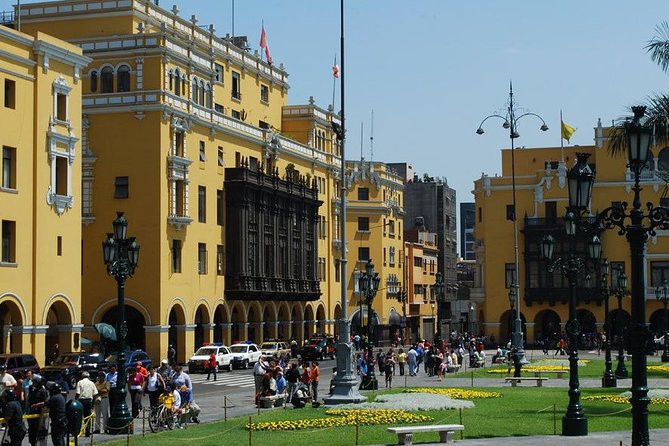
A few highlights matter here. You visit the Convent of Santo Domingo and Universidad Mayor de San Marcos, then spend time around the Plaza Mayor, the Government Palace, the Municipality, and the Cathedral of Lima. That cluster is the core of Lima’s old-city feel, and it is a smart way to get oriented fast.
Then you end with a stop at the Larco Museum, which is where the trip shifts toward deeper Peru roots. You are there for the museum’s collection of gold artifacts, textiles, and ceramics. If you like your travel to connect dots, this is a useful pivot before you jump to Cusco and the Andes.
A small practical note: in Lima, you are mostly on guided walking time and museum time. If you want a super slow start, this first day will still keep you moving.
Cusco: San Cristóbal viewpoints, San Pedro Market, and Qorikancha
Once you land in Cusco, you get a meet-and-greet and transfer to the hotel. In the afternoon, the tour focuses on the city at an eye-level and street-level pace, which I like. It is not all monument photos. It is also about how Cusco works day to day.
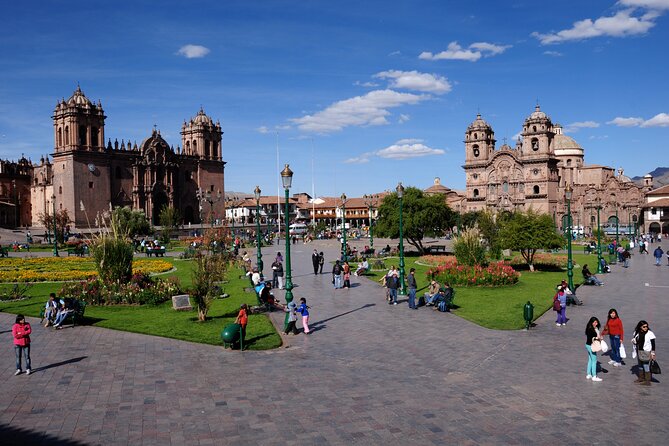
You start at Plaza de San Cristóbal for a panoramic look at the city. Then comes one of my favorite styles of travel, a market stop that teaches you what locals actually buy. At San Pedro Market, you can absorb local flavors and products and get a feel for the everyday economy of the area.
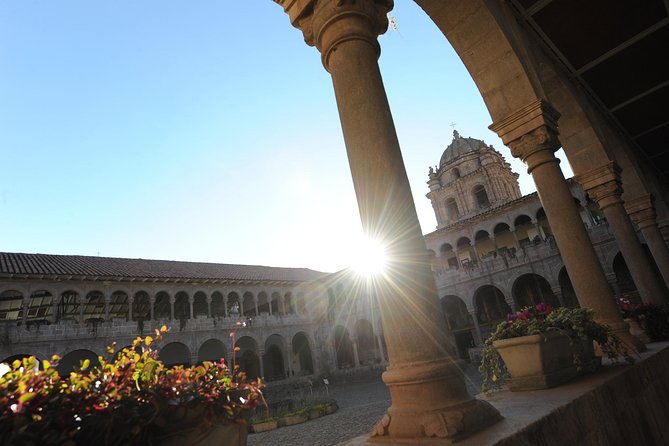
From there, you head to Qorikancha, the temple complex known for its former gold-covered walls. Next is an artisan-area walk from San Blas, following the Hatun Rumiyoc route. Along the way you see the Palace of Inca Roca, the Archbishop’s Palace, and the Twelve Angled Stone.
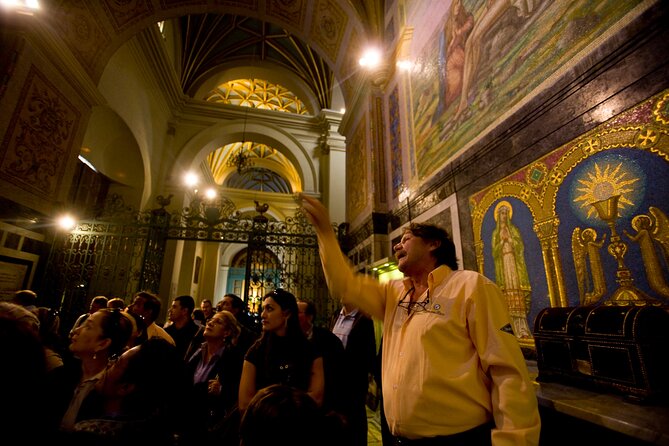
You close at Plaza de Armas to visit the Cathedral, which houses colonial works of incredible value. This sequence works well because it blends Inca legacies, Spanish colonial layers, and modern street life without feeling random.
Consideration: you are in Cusco right away, so altitude can affect how long you want to linger. If you need slow down time, use it. The itinerary gives you structure, but you can still pace yourself.
Sacsayhuaman, Q’enqo, Puca Pucará, and Tambomachay without the crowds
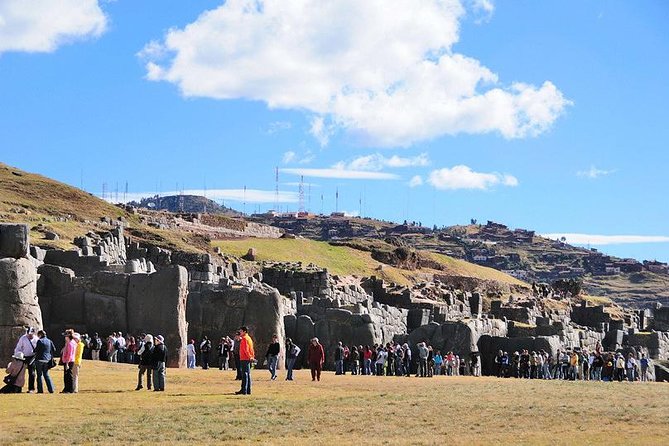
This day is built for a quieter, more focused look at major sites around Cusco. You head out in the morning to Sacsayhuaman, described as an impressive citadel of massive constructions surrounded by beautiful surroundings in communion with the environment. Even if you are not a construction nerd, you will likely feel the scale quickly. It is the kind of place where photos understate what your eyes notice.
Then you visit Q’enqo, an Inca adoratory with an altar for sacrifices embedded into the rocky structure. After that, the day continues to Puca Pucará as a lookout point, plus Tambomachay, known for architectural excellence and tied to Andean cosmovision.
What I like about this day is the flow. It moves from big-and-breathtaking (Sacsayhuaman) to more specific ritual space (Q’enqo), then ends with a view and a structure that feels like it belongs to a worldview, not just a ruin.
You also get a free afternoon in Cusco, which is valuable. Use it to rest, acclimate, and not try to win a photo contest.
Sacred Valley day: Chinchero weaving, Moray terraces, and Ollantaytambo magic
The Sacred Valley day is a heavy hitter. You leave Cusco-area energy behind and shift into a route where Inca agriculture, textiles, and settlement patterns show up clearly.
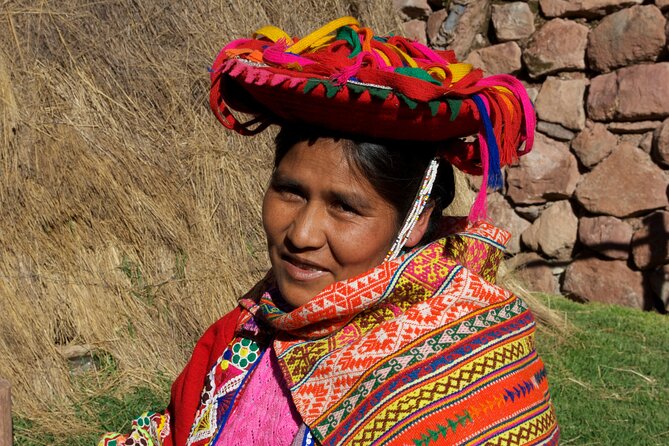
You first go to Chinchero, known for colorful traditions and especially weaving women. There is also a textiles center stop where you can appreciate older techniques for dyeing and spinning alpaca wool. If you care about cultural continuity, this is one of the most practical stops because it connects craft to daily life.
Then you visit an Inca plaza with a colonial church, and head toward Moray, a site with concentric agricultural terraces. Moray is presented as a place that worked like a lab for microclimates. That framing helps you see terraces as more than scenery.
Lunch comes in the middle of the day, and then you continue to Ollantaytambo, the last living Inca village. This is one of those places where the stone feels like it still has a job. You visit the Temple of the Ten Windows, the Bath of the Princess, and the Sun Temple. You also get postcard viewpoints from higher ground.
You end the day with lodging in the Sacred Valley area, which is a practical perk. It saves you from spending the whole day commuting back and forth.
Potential drawback: this is a long, packed day. If you want “one place per hour,” you might find it too much. If you like seeing a chain of related sites, it is a good match.
Machu Picchu: train from Ollantaytambo, bus ride up, and circuit rules
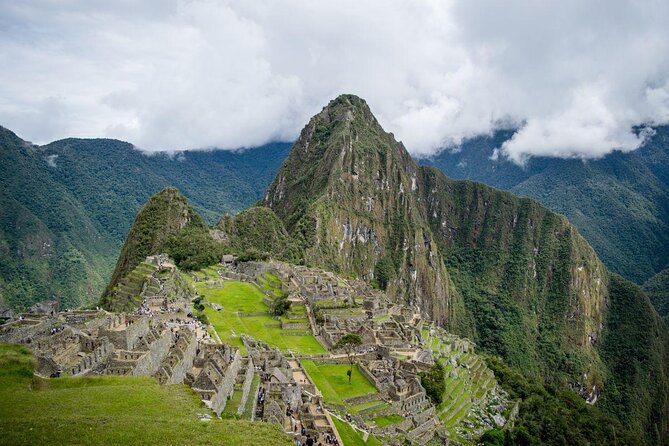
Machu Picchu is where this tour earns its reputation. The day is set up around the train departure from Ollantaytambo station. You board on the selected train, then arrive at the Machu Picchu station. From there, staff assist you as you transfer by bus up a winding road.
The bus ride includes a spectacular view of the Urubamba River as it forms a deep canyon. That part is not just scenery. It is part of the buildup, the moment when the site stops feeling like a postcard and starts feeling real.
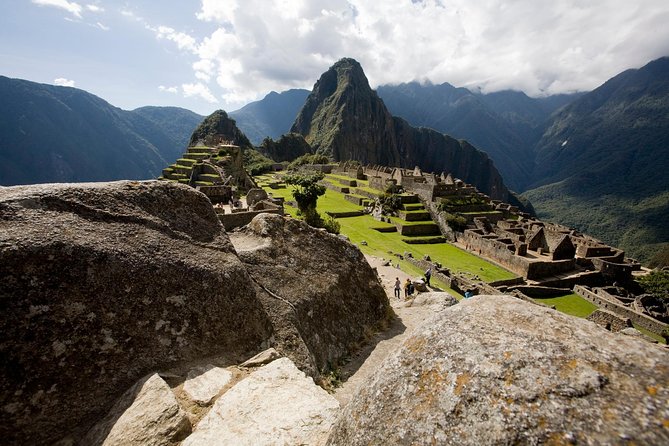
Once you reach Machu Picchu, you see terraces, staircases, ceremonial sites, and the urban areas. You get lunch there, then you return by train and transfer back to your hotel in Cusco.
Now, here is the logistics piece you should understand because it affects expectations. Machu Picchu now uses visitor circuits. The tour prioritizes route 2, and if it is not available, you are informed about options (circuit 3B or circuit 1B) so you can confirm before tickets are issued. The key rule: the Machu Picchu admission ticket is not refundable, and date changes or amendments are not accepted. So if you are hoping to shift your date based on weather or energy level, plan carefully.
I also suggest you mentally prepare for crowds and timing, even though the tour tries to manage the process. With circuits, you may have less control over exactly where you end up in what order. This is worth accepting as part of visiting a protected site.
From Cusco toward Puno by bus: Andahuaylillas, Racchi, and La Raya
The route from Cusco toward Puno is more than a transfer. It is a whole day of stops that show different sides of southern Peru.
You travel by tourist bus along the Vilcanota River, then up toward the altiplano (the plateau of Collao). Early on, you stop at the Church of Apostle St. Peter in Andahuaylillas, known as La Sixtina de América because of its 17th-century mural paintings on walls and ceilings.
Next you visit Racchi, the Temple of the God Wiracocha, where the remains of columns and walls show the monumental scale during Inca times. The day pushes higher, and you reach its highest point at La Raya (4,800m). La Raya matters because it is described as the division point of waters going toward the Amazon basin and rivers that go elsewhere. You see the geography behind the myth and the map.
You then have lunch and visit the Site Museum of Pucara, described as the cradle of the famous toritos de Pucará. After that, you arrive in Puno and get transferred to your hotel.
Altitude note: this day includes a serious high point. If you feel even slightly off at altitude, take it seriously and slow your pace. This tour is doable, but it is not a couch-to-Cusco kind of trip.
Lake Titicaca day: Uros islands, Taquile traditions, and community lunch
Lake Titicaca is the kind of finale that makes the whole Peru loop feel complete. Your day starts with a motorboat ride.
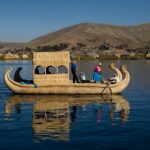
First you visit the Uros, communities that historically sought refuge on floating islands in Lake Titicaca, using ancient building techniques to keep their island structures stable. You are there to learn how they continue building and to see the way they welcome visitors.
Then you sail onward to Taquile Island. Taquile is described as maintaining traditions, clothing, and way of life, and it is noted as one of the few Quechua communities in a region that is essentially Aymara. You will have entertainment with music and dances.
Lunch is at a community restaurant. It is described as a simple meal but rich in nutrients. After lunch, you take a walk around the surrounding areas to appreciate the views of Lake Titicaca, then you return to the port in Puno and transfer back to the hotel.
What I like about this day is how it is not only about photos. You get a direct look at living culture, and you experience the lake as something you travel on, not just something you view.
Practical consideration: boat days can be cooler and more breezy. Dress in layers, and keep an extra sense of patience, because you are on lake time.
Price and logistics: does $1,264 feel like good value?
Let’s talk money honestly. At $1,264 per person for 8 days, the value depends on what you compare it to. If you were doing this with separate hotels, separate guides, and separate admission purchases, costs would add up fast. Here, you get transfers from airport to hotels, shared transfers to the train station, and all admission tickets on tours.
You also get a big ticket item handled for you: a round-trip railway ticket to Machu Picchu that fits your selected hotel category. That alone can be a pain to coordinate.
Meals: you have breakfast every day and lunch on 4 days, but you do not have blanket coverage for all meals. That means you still need a daily food budget.
Not included items also matter:
- Flights are not included, specifically Lima to Cusco and Juliaca to Lima (your team can help).
- You should plan for airport taxes, including international airport taxes, plus a $32 per person airport tax for Lima to Cusco and Puno.
Also pay attention to the flight timing rule: when you book Lima to Cusco, it must be in the morning. Arrival by noon is too late.
My bottom line on value: this price makes sense if you want a structured route, you appreciate guided explanations, and you do not want to spend your limited vacation time assembling tickets, transport, and admissions. If you love building your own schedule, you might be able to do it cheaper. But cheaper usually costs you time and stress.
My take on the pace, small-group comfort, and best-fit traveler
This is not a slow sightseeing stroll. It is an organized chain of sites with guided timing, transport between cities, and regular days that include museum or walking plus travel.
The tour is capped at 15 travelers, which is a big deal for comfort. Shared tours can sometimes feel crowded, but a 15-person group is usually easier for questions and smoother timing than a larger bus load.
Who it fits best:
- You want Machu Picchu plus Lake Titicaca in one trip without juggling multiple independent arrangements.
- You like structure, especially on the big days.
- You are okay with altitude and long travel days, and you take acclimation seriously.
Who might struggle:
- If you want lots of free time each day, this route may feel busy.
- If your altitude tolerance is low, you might need extra planning and slower pacing, since the route includes high points like La Raya (4,800m).
One last note grounded in the provided feedback: the tour provider’s reputation in the review feedback emphasizes punctuality, helpful drivers, good transport, and prompt answers. That is exactly what you want when you are transferring between cities and timing matters.
Should you book this 8-Day Peru Ancestral Energies tour?
I think you should book if your priority is seeing a full circuit of Peru highlights with less hassle: Lima’s historic core, Cusco’s major Inca and colonial sites, the Sacred Valley’s craft and agriculture stories, a coordinated Machu Picchu day, and then Uros and Taquile on Lake Titicaca.
I would pause before booking if you know you need a slower pace, or if altitude makes you miserable quickly. This trip includes a sequence of high-elevation exposure, and the schedule has no room for drifting.
If you do book, my advice is simple: choose flights that follow the morning Lima-to-Cusco rule, pack layers for wind and temperature swings, and take altitude symptoms seriously even if you feel tough in the moment.
FAQ
Where does the tour start and end?
It starts at J Chavez Intl Airport in Lima, Peru, and ends at Inca Manco Capac International Airport in Juliaca. Juliaca is listed as 36 km from Puno.
What’s included in the price?
Included are airport-to-hotel transfers, shared transfer to the train station, all admission tickets on tours, shared tours with an English-Spanish speaking guide, round-trip railway ticket to Machu Picchu based on selected hotel category, 7 nights of accommodation (subject to availability), breakfast (7), and lunch (4).
Are flights included?
No. Flights are not included, specifically Lima to Cusco and Juliaca to Lima. The sales team can assist you.
What altitude should I plan for?
The tour warns that altitude sickness can happen, and advises bringing medicine or asking your doctor for advice before you depart. It also includes a high point at La Raya, listed at 4,800 m.
How does the Machu Picchu ticket and circuit system work?
Machu Picchu uses visitor circuits. Route 2 is prioritized, and if it is not available you are informed about circuit 3B or 1B so you can confirm before tickets are issued. The Machu Picchu admission ticket is not refundable, and date changes or amendments are not accepted.
What size is the group and what language support is provided?
The tour has a maximum of 15 travelers and uses shared tours with an English-Spanish speaking guide.
More Tour Reviews in Lima
- 10-Day Taste Peru Experience: Lima, Nasca, Cusco & Machu Picchu
★ 5.0 · 63 reviews - 7 Days: Lima, Ica, Cusco & Machupicchu with local flights
★ 5.0 · 52 reviews - 8-Days Peru, The Rise of the Inca Empire
★ 5.0 · 49 reviews - 8-Day Enigmas of Peru
★ 5.0 · 49 reviews - Machu Picchu, Cusco & Lima 7-Day Tour
★ 5.0 · 30 reviews