
REVIEW · MACHU PICCHU & AGUAS CALIENTES TOURS
10-Day Taste Peru Experience: Lima, Nasca, Cusco & Machu Picchu
Peru by food, not just postcards. This 10-day Taste Peru trip strings together Lima, Nazca, Cusco, the Sacred Valley, and Machu Picchu with included hotels and transfers, so you spend less time figuring it out and more time tasting it.
What I love right away is the built-in peace of mind from the start, especially with airport, hotel, and site-to-site transfers handled for you.
My second big favorite is how much food and drink culture gets woven in. You are not just rushing through museums, you also hit a pisco bar, a seafood dinner in Lima, and a full winery day in Ica with tastings that actually make the history feel real. The Larco Museum also gives you that great “wait, that is Peru too” perspective before you go chasing Inca stones.
The main drawback is the pace and altitude reality. Cusco hits fast after sea level, and the schedule is full, so plan for a physical trip, not a slow holiday. Altitude can be no joke, so pack your meds plan before you land.
Key things that matter before you go
- Included hotels and transfers keep logistics from eating your energy
- Nazca Lines overflight gives you angles most people never get from the ground
- Pisco and food stops are not add-ons, they are core parts of the itinerary
- Sacred Valley plus Machu Picchu are timed to maximize sightseeing while still giving you breaks
- Small group size (max 20) helps tours feel organized, not chaotic
- Machupicchu circuit rules mean you should be clear on your route before tickets are issued
Other ways into the citadel, side by side
- 10-Day Taste Peru Experience: Lima, Nasca, Cusco & Machu Picchu★ 5.0 · 63 reviews
- Machu Picchu, Cusco & Lima 7-Day Tour★ 5.0 · 30 reviews
Lima first: Miraflores views, Huaca Pucllana, and a Cathedral day that makes sense
Lima can feel like a huge city at first. This trip keeps it readable. You start in Miraflores at Love Park with a Pacific view, then you roll into the older, more character-rich parts of town. It is a smart warm-up because it mixes modern coast energy with Peru’s deep past.
Your first major culture stop is Basilica Catedral de Lima, plus a walking tour through plazas and historic corridors. The Cathedral and the Santo Domingo Convent matter because they show how old Peru layered into colonial life. You also get specific connections to figures associated with the convent corridors of San Martin de Porras and San Rosa de Lima, and you will see how that tradition still hangs in the air.
Then comes the other Lima side, the one that feels like a dinner party and a show at the same time. You hit the Magic Water Circuit at Parque de la Reserva, with 13 water fountains built for color, illusion, and fantasy. This is the kind of attraction that sounds gimmicky until you are there. It breaks up the day after cathedrals and walking, and it makes Lima fun without losing cultural context.
Pisco bar, seafood dinner, and the Larco Museum’s sharp punch
I love that this trip does not treat Lima as just a stopover to Cusco. Day two leans hard into taste and atmosphere.
After your cathedral-area morning and a fountain break, you land at Pescados Capitales for dinner. The focus is seafood, and the vibe is lively. Even if you are not a seafood person, the point here is that you get a proper Lima meal, not a random late-night sandwich while you hustle to the next bus.
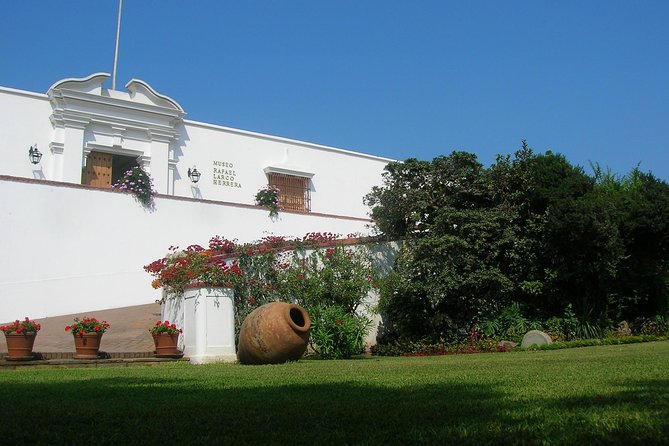
Next, you go to Museo Larco. This is a big deal on the itinerary for a reason. The museum collection helps you understand how earlier Peruvian cultures thought about life and meaning. You will see gold pieces, textiles, and erotic pottery, plus you can observe the warehouse displays during your visit. That matters because it turns the museum from a quick look into a deeper, more visual education.
After that, you swing back to something you can taste. In Pueblo Libre you visit an old pisco bar for a classic Chilcano and a butifarra sandwich. This is one of the best ways to learn pisco without drowning in a lecture. You get the flavor first, then the context sticks.
Paracas and the Nazca flight: seeing drawings the ground cannot show
Nazca Lines are famous for a reason. The issue is that from the ground you get partial impressions and long distances that blur details. This trip solves that with an overflight.
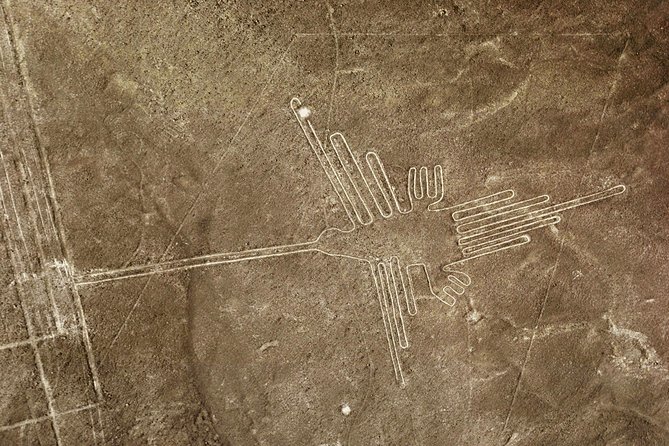
From Paracas, you take a Paracas Premium Service transfer to the Pisco airport area, then fly with Aerodiana for the Nazca Lines overflight. The plane holds up to 12 passengers, which is a helpful size because the experience feels personal and not like you are crammed into a sardine tin. You also get clear views of huge figures, including insects and animals like a monkey, hummingbird, condor, and spider.
One more note I appreciate here is the reality check. The origins of the Nazca figures are unknown, and there are theories, including an idea that they relate to an astronomical calendar. Either way, the flight is about what you can see and how quickly your brain goes from map lines to living shapes.
A practical travel tip: if you want photos, bring a phone or camera with a steady grip and be ready for quick turn angles. The flight is short enough that you do not want to spend your best moment hunting for the perfect setting.
Also, the trip notes that Nazca overflights are not recommended for children under 8. That is worth taking seriously.
Ica and Tacama winery: pisco history you can taste, plus Huacachina dunes
Day four is one of those “wow, this is Peru” days because it combines colonial history, desert scenery, and a very focused pisco lesson.
You visit Tacama, a winery dating to 1540. That date matters. It gives you a sense of how old the wine and pisco culture runs in the Ica region. You tour the estate, including a bell tower, vineyard, and wine cellar, then you head to a handcrafted pisco cellar called El Catador.
What stands out here is the detail. You can observe ancient clay vessels known as piscos and the unique oak press. That is not just trivia. When you taste pisco after seeing the tools and containers, the drink stops being just a souvenir and becomes a product of a place.
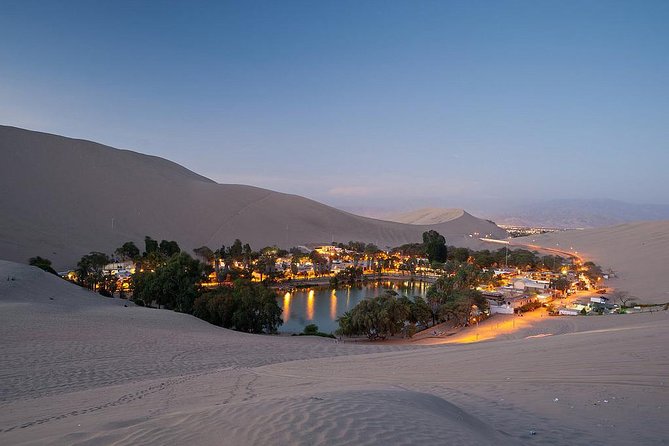
Then you head into the Ica desert for Huacachina Oasis, a palm-and-water pocket surrounded by sand dunes. The contrast is dramatic, and it is exactly the kind of scenery that makes you understand why people keep returning to this region.
Your day wraps by returning toward Lima via premium service. Even if you feel like you are “just passing through,” you are actually getting a full flavor of coastal city life, then desert Peru, then back again.

Flying into Cusco: markets, Korikancha, and square views that set the tone
Cusco is where the trip starts to feel like a story you can walk through. You fly from Lima to Cusco, and the timing note is important: your flight should be in the morning, with arrival by noon or earlier. Late arrivals can push you into a day that feels rushed, and this itinerary does not have much slack.
Once you land, you do a city tour that helps you orient fast. You get a panoramic view at San Cristobal Plaza, then you step into San Pedro Market to see local flavors and products grown in the area. Markets are the shortcut to daily life, because they show what people actually eat and sell.
Korikancha, also known as the Gold Enclosure, is a key stop. You will see the Santo Domingo Church area connected to this sacred Inca foundation. It is a powerful mix of Inca and colonial layers.
Then you walk from San Blas, the artisans’ neighborhood, along Hatun Rumiyoc street. You stop at Inca Roca Palace and the famous Twelve Angle Stone. Finally, you reach Plaza de Armas for the Cathedral and its colonial masterpieces.
This day is a great foundation because it gives you names, places, and visual clues. Later, when you see fortress walls and terraced ruins, you can connect the dots instead of just taking pictures.
Sacsayhuaman, Q’enqo, Puca Pucara, and Tambomachay: Cusco’s big stones with breathing room
Day six is designed to hit impressive sites with views and then give you time to explore on your own.
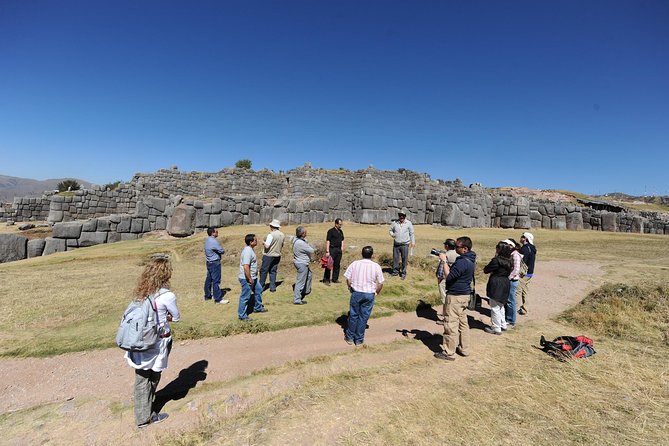
You start with Sacsayhuaman, an enormous fortress of colossal constructions. It is one of those places where scale does the explaining. You get not only walls, but also the surrounding scenery that helps you understand why Cusco’s elevation and geometry mattered.
Next is Q’enqo, with an Inca shrine and a sacrificial altar embedded in rock. Then you head to the Puca Pucara viewpoint, and finally Tambomachay. Tambomachay is described as an impressive architectural monument connected to Andean cosmology, which is exactly how you should try to approach it. Look at the workmanship, then let your brain ask why it was built this way.
The best part is the free afternoon. Use it. Even if you only stroll through nearby streets, it helps your body recover. Cusco is high, and a little downtime goes a long way.
Sacred Valley without the scramble: camelids, Pisac, and Inkariy Museum lunch
The Sacred Valley day is where the itinerary becomes more about slow discoveries than fast photo sprints.
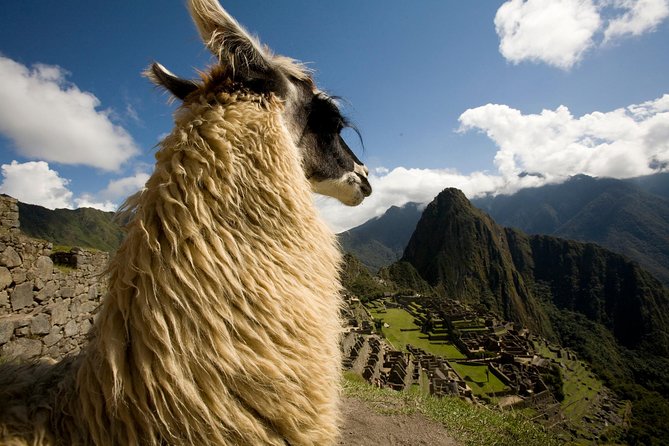
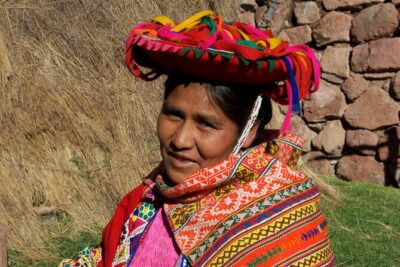
You visit Awanacancha first, where you can feed Andean camelids like llamas and alpacas. You also learn about traditional weaving and dyeing techniques from locals. That is useful because it gives you context for what you will see later in markets. You will look at textiles with more appreciation instead of thinking, nice blanket, move on.
Then you head to Pisac, with both Inca and colonial areas. You do a walking tour and get time at the handicraft market for shopping. After that you visit Inkariy Museum, where lunch is included and you get a guided tour through rooms showing pre-Hispanic civilizations.
This is a smart order. You see the valley and its craft, then you reinforce it with museum context. When you move into the more dramatic sites like Moray and Maras later, your understanding will feel stronger.
Overnight is in the Sacred Valley, which helps you avoid backtracking and keeps the trip from feeling like constant check-ins.
Yucay to Moray and Maras: where the Andes explain agriculture
Day eight adds the “scientific wonder” side of the Incas.
You start with Living Culture Yucay Museum. You visit interpretation centers focused on adobe manufacturing, traditional chicheria, and folklore. Again, this is not random. It is about how people built, brewed, and carried culture.
Then you go to Moray, the concentric terrace site. You will learn how the terraces were designed to recreate microclimates, with the idea of supporting different agricultural conditions. That makes Moray more than a pretty set of circles. It becomes a demonstration of experimentation.
After Moray comes Maras salt mines. The white wells against the green valley are made for photos, but it is also worth paying attention to how the place works. Salt production shaped local economies for centuries, and it is still visible in the pattern of the wells.
You get buffet lunch, then in the afternoon you visit Ollantaytambo. The description focuses on stoneworking techniques, which is exactly what you should look for. The walls here are not just ruins, they are engineering language in stone.
Machu Picchu timing, guided entry, and visitor circuit reality
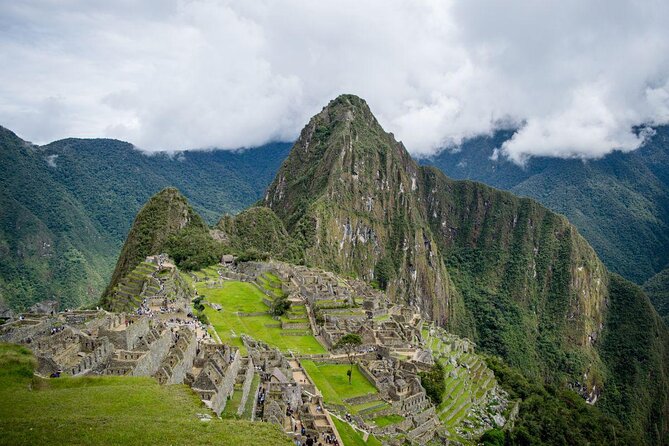
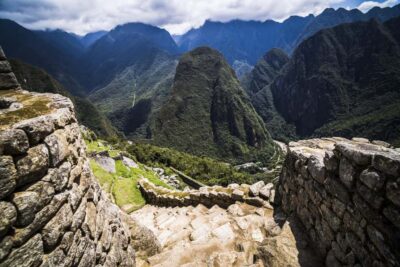
Machu Picchu day is the emotional peak of the trip for most people. You take a bus up a winding road to the site, with views over the Urubamba River and its canyon. That approach matters. You see the valley from above before you even arrive, which helps the site land with more impact.
At Machu Picchu, you get a guided visit. You will see terraces, ceremonial shrines, steps, and the urban layout. The trip notes the energy is all around you. I will translate that into practical terms: there is a lot to process, so having a guide to point out what you are seeing makes a huge difference.
Lunch is included at one of the restaurants in the area, then you return to Cusco and get transferred to your hotel.
Important practical note: Machu Picchu has implemented visitor circuits with three main routes and differences intended to manage passenger flow. Route 2 is given priority, and if it is not available, the options of circuit 3B or 1B will be offered so you can confirm before tickets are issued. The ticket is not refundable, and date changes or amendments are not accepted. If you can only travel on one date, this is one of those times you should not gamble.
Price and value: what $2,005 covers, and what you should still budget
At $2,005 per person, this is not a cheap vacation. But the value is fairly clear because a lot of the usual pain points are handled.
Here is what you are getting that makes the price feel justified:
- 9 nights of accommodation at selected hotels
- private transfers between airports, hotels, bus, and railway station
- multiple guided tours, including Lima city tour, Larco Museum, and the Magic Water Circuit
- the Nazca Lines overflight (Aerodiana) plus Paracas and Ica components
- Sacred Valley guiding and included lunches
- Machu Picchu excursion plus lunch
- breakfast is included 9 times, and lunch is included 5 times
What you should budget outside the listed price:
- Flight tickets Lima to Cusco and Cusco back (not included)
- Pisco airport tax, listed as USD 10 per person (not included)
Also, food and drinks are not included unless specified. So yes, you should expect extra spending on dinners and personal drinks beyond what the itinerary includes.
If you hate logistical uncertainty and want a plan where major sights are already stitched together, this price starts to look more like a premium organizer fee than a pure tourism markup.
Who this tour fits best, and who should think twice
This tour makes a lot of sense if you want big Peru hits without doing the math on every bus, ticket, and check-in. You also get a good mix of city life in Lima, highland history in Cusco, and dramatic geography in the Sacred Valley and Nazca.
You should also consider this trip if you enjoy guided structure. The reviews highlight VIPAC’s attention to detail and the way daily communication via WhatsApp helps the day run smoothly. You are not left guessing where to be and when.
Think twice if:
- you are very sensitive to altitude and cannot handle a schedule that goes from sea level to around Cusco altitude quickly
- you want lots of free time to wander with zero plans, because this is a busy itinerary with a lot packed in
- you want maximum flexibility on Machu Picchu dates, since the ticket is not refundable and changes are not accepted
Should you book this 10-day Taste Peru experience?
I would book it if your top goal is a well-organized Peru sampler that still includes meaningful food and drink moments. The combination of Lima museums plus pisco culture, a Nazca flight, and then the Sacred Valley leading into Machu Picchu is a strong arc. Add in included transfers and lodging, and it becomes a practical choice for first-timers.
Skip it, or at least go in with caution, if altitude and tight timing are dealbreakers for you. Be ready with your altitude plan, and treat Machu Picchu ticket timing as non-negotiable.
FAQ
What is included in the price for this 10-day Taste Peru trip?
The tour includes 9 nights of accommodation, private transfers between airports, hotels, bus and railway station, city tour, Larco Museum and Magic Water Circuit tour, Aerodiana Nazca Lines overflight, Paracas desert and Ica city stops, Tacama winery and El Catador pisco cellar experiences, several guided archaeological and market visits in the Sacred Valley, Machu Picchu excursion, plus breakfasts (9) and lunches (5). Some admissions are included where noted in the itinerary.
Are domestic flights included?
Flight tickets Lima to Cusco and Cusco to Lima are not included. The Nazca overflight is included as part of the Paracas day.
How do you see the Nazca Lines?
You fly over the Nazca Lines by plane as part of the Paracas day. The plane can hold up to 12 passengers.
Is the Pisco airport tax included?
No. The Pisco airport tax is listed as USD 10 per person and is not included.
Is Machu Picchu admission refundable?
No. The Machu Picchu admission ticket is not refundable, and date changes or amendments are not accepted. If you change your visit date, you need a new entrance ticket.
What visitor circuits are used at Machu Picchu?
You will be assigned a visitor circuit, with route 2 given priority. If route 2 is not available, options such as circuit 3B or circuit 1B will be offered so you can confirm before tickets are issued.
Are Nazca overflights recommended for children?
The tour states that Nazca overflight is not recommended for children less than 8 years old.
Can I cancel for a full refund?
Yes. You can cancel up to 24 hours in advance of the experience start time for a full refund.
Should I bring altitude sickness medicine?
The tour notes that if you suffer from altitude sickness, you should bring medicine or ask your doctor for advice before you depart.
More Tour Reviews in Lima
- 7 Days: Lima, Ica, Cusco & Machupicchu with local flights
★ 5.0 · 52 reviews - 8-Days Peru, The Rise of the Inca Empire
★ 5.0 · 49 reviews - 8-Day Enigmas of Peru
★ 5.0 · 49 reviews - 8-Day Peru Ancestral Energies
★ 5.0 · 47 reviews - Machu Picchu, Cusco & Lima 7-Day Tour
★ 5.0 · 30 reviews
More Leaving From Lima
- 7 Days: Lima, Ica, Cusco & Machupicchu with local flights
★ 5.0 · 52 reviews - Machu Picchu, Cusco & Lima 7-Day Tour
★ 5.0 · 30 reviews
Machu Picchu, Three More Ways
- 7 Days: Lima, Ica, Cusco & Machupicchu with local flights
★ 5.0 · 52 reviews - Machu Picchu, Cusco & Lima 7-Day Tour
★ 5.0 · 30 reviews
Fresh in from Lima



Machu Picchu & Aguas Calientes Tours, compared.
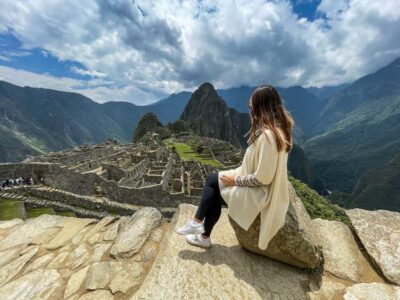 ★ 4.7Full-Day Group Tour of Machu PicchuFrom $3211,767 reviews
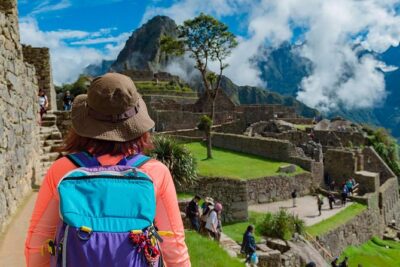 ★ 4.5Machu Picchu Day Trip from CuscoFrom $3361,644 reviews
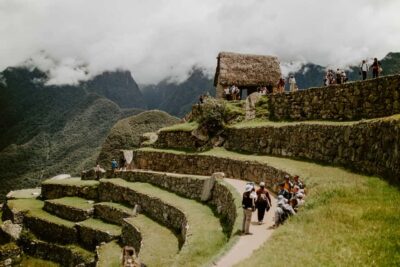 ★ 4.6Machu Picchu: Full-Day Tour from Cusco with Optional LunchFrom $283927 reviews
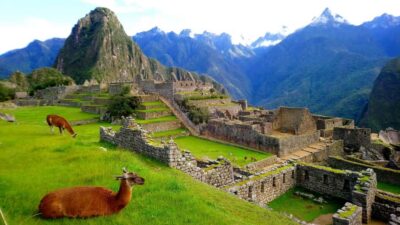 ★ 4.84-Day Inca Trail to Machu Picchu with AccommodationFrom $470432 reviews
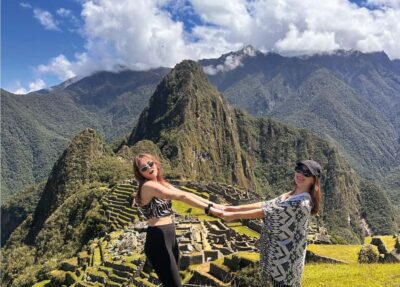 ★ 4.62-Day Trip to the Sacred Valley and Machu PicchuFrom $370265 reviews
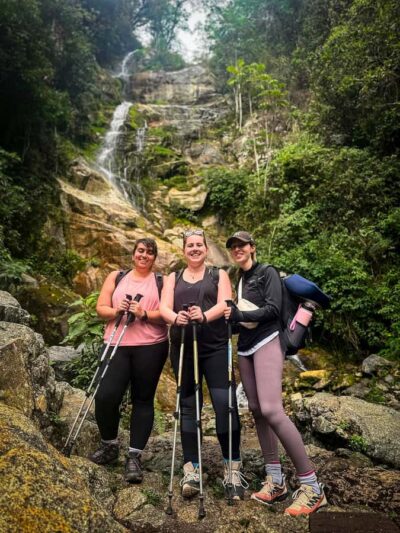 ★ 4.9Machu Picchu 2-Day Inca Trail with Panoramic TrainFrom $582260 reviews
 ★ 4.22-Day Inca Trail to Machu PicchuFrom $290244 reviews
 ★ 4.9Machu Picchu: Inca Trail 2-Day Overnight Guided TourFrom $585203 reviews
Browse the lists this tour appears in