
REVIEW · MACHU PICCHU & AGUAS CALIENTES TOURS
Salkantay Trek to Machu Picchu 5D/4N or 4D/3N by glamping
Salkantay feels like Machu Picchu minus the crowds. This route trades packed Inca Trail schedules for big mountain scenery, a more remote vibe, and a trek that feels sacred as you push toward Machu Picchu. I especially like the fresh mountain meals cooked with real effort each day, and I also appreciate the glamping-style camps that make the hard days feel more human.
Still, there is a consideration: you are climbing to high altitude early and often. Expect an early 4 a.m. pickup day one, then long uphill stretches, including a high pass day, so you need solid fitness and a calm approach to altitude.
The good news is the trip is run like a system, not chaos. You get an English/Spanish guide, a small group capped at 15, and you’ll likely hear friendly help and real local knowledge from guides such as Ruben, Roger and Reynaldo, or Tupac and Nidia.
Key highlights people should care about
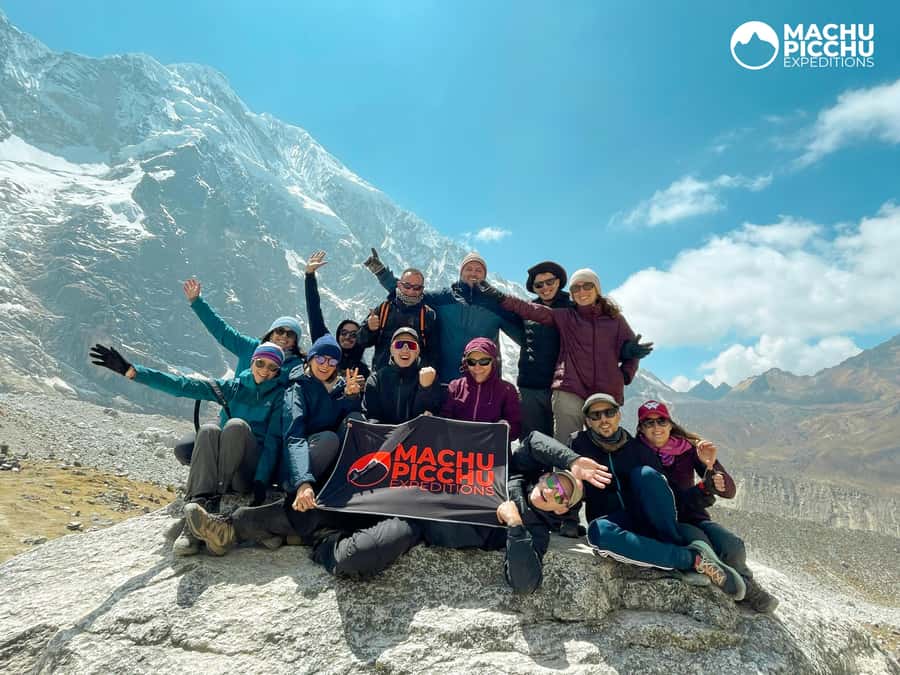
- Humantay Lake at 4,200 m: a classic payoff hike with views you feel in your chest.
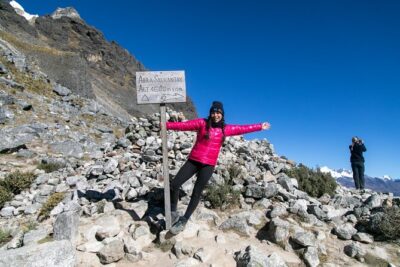
- Salkantay Pass at 4,630 m: the high point, reached via the Trail of the 7 Snakes.
- Cocalmayo hot springs plus optional zipline: choose recovery or extra fun on Day 3.
- Llactapata ruin stop on the original Inca Trail: archaeology with a Machu Picchu perspective.
- Machu Picchu guided visit starting 8:00 a.m.: Circuit 2B route plus free time for extra viewpoints.
- Camp life includes real cooking: multiple daily meals plus afternoon tea time with snacks.
Other ways into the citadel, side by side
- Machu Picchu Day Trip from Cusco★ 4.5 · 1,644 reviews
- Machu Picchu: Full-Day Tour from Cusco with Optional Lunch★ 4.6 · 927 reviews
- Cusco: 4-Day Inca Trail to Machu Picchu with Accommodation★ 4.8 · 432 reviews
- From Cusco: 2-Day Trip to the Sacred Valley and Machu Picchu★ 4.6 · 265 reviews
The Salkantay alternative: why this route feels calmer
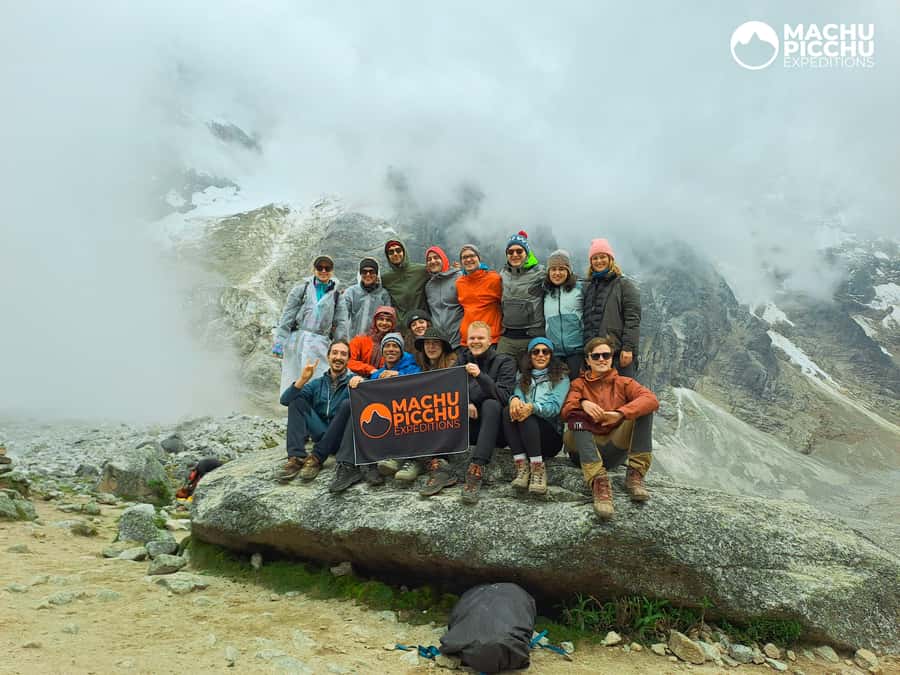
The Salkantay Trek to Machu Picchu is popular because it delivers the same end goal, without the crowds that come with the most famous route. The trail is more remote and rugged. Translation: fewer people on the path, more quiet during the hard parts, and more chances to actually take in the views.
It also helps that the itinerary builds in scenic “wins” at the right times. You don’t just grind up a mountain and hope for the best. You reach Humantay Lake, crest the big Salkantay Pass, and then move through a change in terrain that feels like the trek’s own story arc, from high Andes to warmer valleys.
Day 1 in Cusco Region: the 4 a.m. start and Humantay Lake at 4,200 m
Your day begins with a 4 a.m. pickup from your Cusco hotel in the historic center. After a bit of travel and a short break to get moving, there’s a stop in Mollepata for breakfast. Then you start hiking from Challacancha toward Soraypampa, where you settle into a private camp.
By afternoon, you hike up to Humantay Lake, at about 4,200 m. This is one of those moments where the altitude is real, but the setting feels worth the effort: steep, wild scenery, a lake that looks almost too clear, and time to breathe before day two’s big push.
Back at camp, the day ends with dinner and a sunset you can actually watch instead of just hearing about later. If you want a trek that feels organized but still has space to pause, this day is a strong example.
Practical note: bring warm layers for morning and evenings. Even if the sun shows up, the air at elevation can still feel sharp.
Day 2 over Salkantay Pass: Trail of the 7 Snakes and cozy Sky Huts
Day two wakes you up at dawn with coca tea, then breakfast before the main climb. You trek toward Salkantay Pass (4,630 m) via the Trail of the 7 Snakes. This section is described as challenging, and you should treat it that way. The pass is where the trip tests your pacing more than your willpower.
When you reach the top, you get views of Salkantay (6,271 m). That’s the kind of moment that makes the earlier grind feel like it finally has a point. Don’t rush your photos. Take a minute to stand still, breathe, and just look.
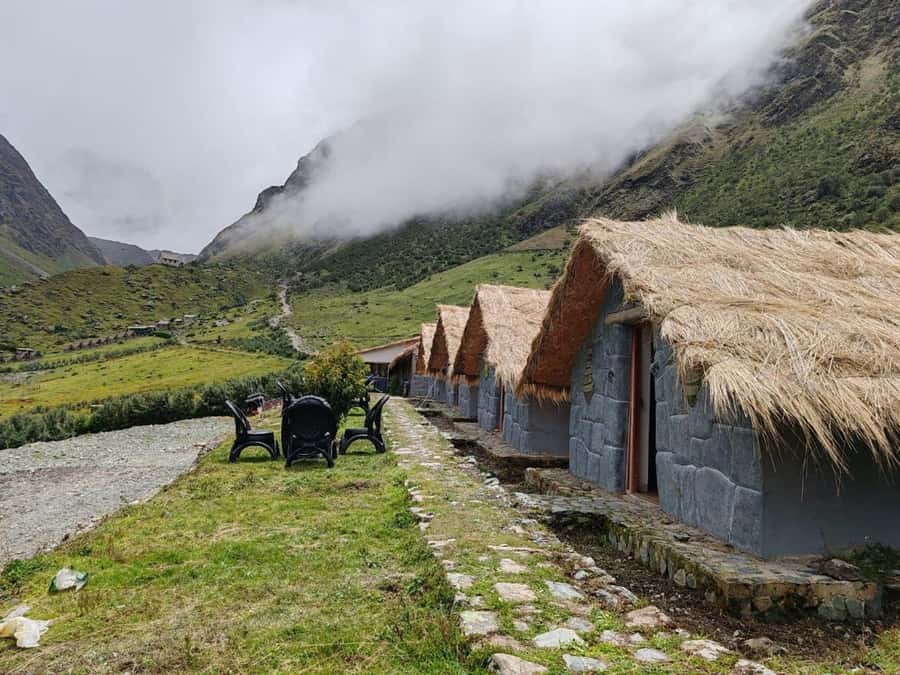
After a long day, you descend to Collpapampa (about 2,950 m) for the night. Your accommodation here is in Sky Huts, with a dinner and a restful setup to recover for Day 3.
Small comfort win: having a settled sleep spot after that kind of altitude day matters. You are tired, and you want sleep that comes fast.
Day 3 to La Playa and the Santa Teresa Valley: hot springs and Jungle Domes
The morning starts again with tea and breakfast at 6 a.m. You then head out from camp toward La Playa, walking through the Santa Teresa Valley. This is where the trek’s rhythm changes. The day still has movement, but it feels more like traveling through terrain than only climbing.
Lunch is served back at camp. Then you get time for a choice: visit Cocalmayo hot springs for a relaxing soak, or skip it and go for an easy recovery plan. There’s also an optional zipline add-on for those who want the adrenaline version of relaxing.
In the evening, tea and dinner continue the pattern that keeps the long trek from feeling like survival mode. Then you sleep in Jungle Domes. The dome style gives you that “I’m in nature” feeling, without pretending you should be roughing it.
This is a great day for pacing yourself. You’re not just chasing sights, you’re managing energy for the final leg.
The Salkantay route, run by other outfits
Day 4: Llactapata on the original Inca Trail, then Hidroeléctrica to Aguas Calientes
Day four is a big bridge day, and it’s where you start stacking the “Machu Picchu related” moments in quick succession.
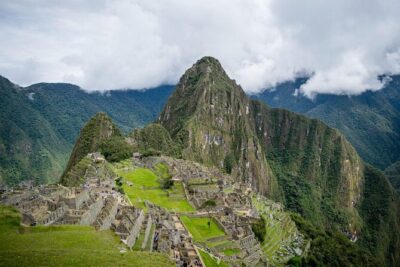
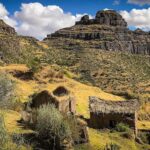
You begin with breakfast and set out for the final trekking portion, including a section of the original Inca Trail. After an uphill climb of about two hours, you reach Llactapata (about 2,700 m), an archaeological site with views toward Machu Picchu. This stop is not just a photo stop. It helps you visualize how the whole citadel sits in the Andes, and you start understanding the geography that makes Machu Picchu feel so dramatic.
Then you descend for about two hours, with glimpses of the citadel along the way. That descent can feel easier than the climb, but it still uses your legs. Proper hiking shoes matter here.
Lunch happens at Hidroeléctrica, then you continue to Aguas Calientes. You check into a three-star hotel, get dinner around 7:00 p.m., and that’s where you shift from trek mode to visit mode.
If you’re sensitive to noise, this part deserves a mention. One reported issue was a loud hotel environment and the absence of warm water on some departures. I’d plan as if you might not get perfect comfort here, because you are trading luxury for schedule and location.
Machu Picchu on Day 5: guided circuit at 8:00 a.m. plus viewpoint options
Your Machu Picchu morning starts with a guided visit of Circuit 2B, specifically listed as 6, 7, and 8, beginning at 8:00 a.m. The important value here is timing and guidance. You’re not walking in blind, and you’re not spending energy figuring out which walls matter most.
After the guided portion, you get free time to explore. You can choose to hike Huayna Picchu, or Machu Picchu Mountain. You can also visit the Sun Gate or Inca Bridge.
A reality check: those extra hikes and routes depend on what you can access that day, and they are not included in the Machu Picchu ticket price. If you care about one of these options, plan ahead and double-check what is available for your specific date.
Glamping comfort that actually helps on a hard trek
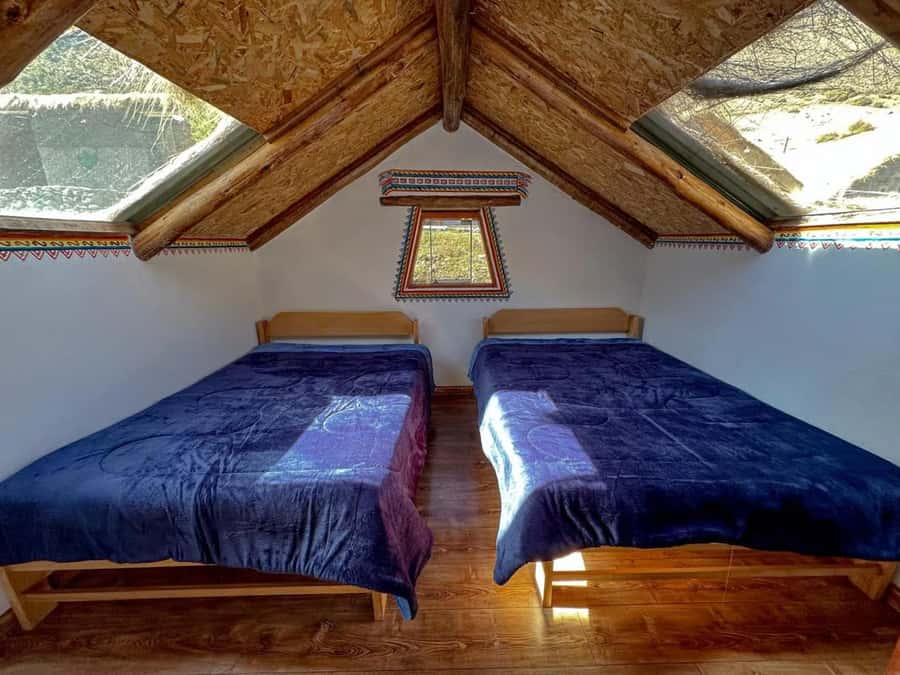
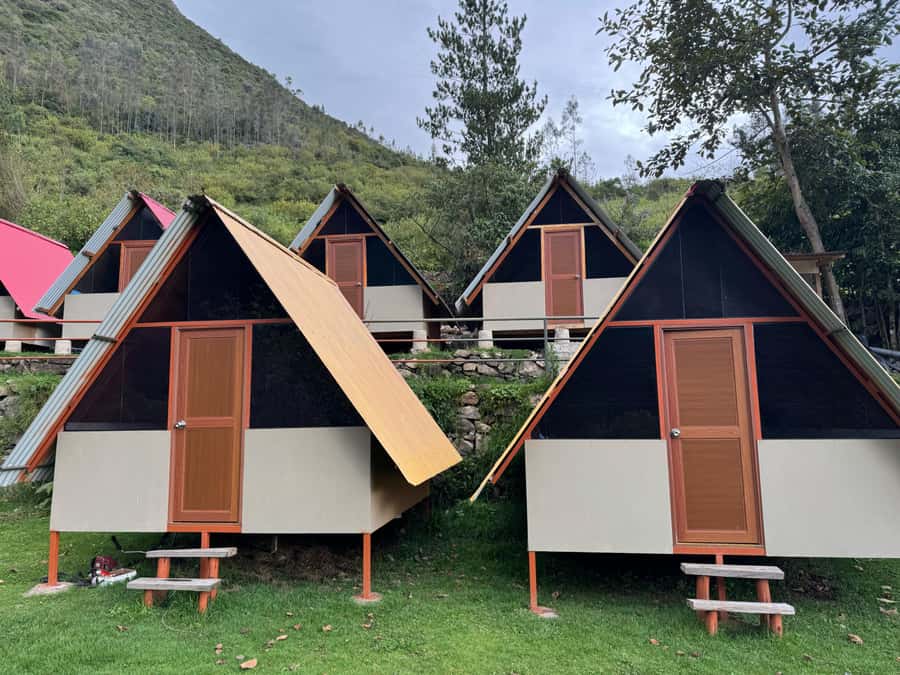
This trek is marketed with glamping, and the camps are part of why it works. Day one is a cabin with a glass roof. Day two is Sky Huts, and day three uses Jungle Domes. Then you get a three-star hotel in Aguas Calientes.
You also get a personal pad and pillow, plus free electricity in all camps so you can charge electronic devices. That last bit sounds small until you are trying to keep your phone alive for altitude photos, maps, and daylight coordination.
Also pay attention to the luggage system. You receive a duffle bag for up to 6 kilos that is carried by horses during the trek. You still carry a daypack, but this design helps you avoid the biggest mistake first-timers make, overpacking your personal load.
Food quality: the thing most likely to make you smile
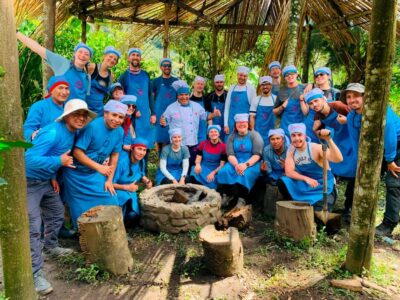
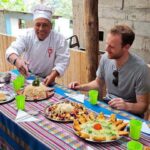
One of the most praised parts of this trip is the food. The setup includes a professional chef, cooking equipment, and multiple meals throughout the trek.
You’ll get 5 breakfasts, 4 lunches, 4 dinners, and 3 snacks. You also get three tea times every afternoon, with popcorn, cookies, chocolate, and coffee. And coca tea is used to wake you up in the camps each morning.
The best part is not just quantity. The food is cookedfresh in camp. That matters on a trek where your body is working hard and you need something satisfying and warm.
If you have dietary needs, you can request vegetarian or vegan options with no additional charges. This is huge. It means the food plan can actually fit you instead of forcing you into snack-only compromises.
Guides and group size: what 15 people changes
This tour runs as a small group limited to 15 participants, with an English/Spanish-speaking professional guide. Smaller groups usually mean a better rhythm: easier communication, fewer missed instructions, and less time waiting.
That said, mixed ages can affect pacing. One issue that showed up was waiting when participants had different walking speeds. You can reduce frustration by moving thoughtfully, starting strong only if you feel good, and asking questions early.
On the guidance side, several guide names come up as especially helpful and attentive, including Ruben, Roger, Reynaldo, Tupac, and Nidia. The common thread is what you want in mountain leadership: people who show up when you need them, explain what’s ahead, and help you adjust when you’re tired.
Price and logistics: what $35 covers, and what you must budget
The headline price is listed as $35 per person, but the actual travel cost depends on the add-ons you need.
Here’s what is explicitly included:
- Pick up from your hotel in Cusco historic center
- Private transportation to the head of the Salkantay trail
- Duffle bag for up to 6 kilos carried by horses
- English/Spanish guide
- Chef and cooking setup
- Meals: 5 breakfasts, 4 lunches, 4 dinners, 3 snacks
- Afternoon tea times with snacks and coffee
- Coca tea each morning in camp
- Glamping nights: 3 nights across cabin, Sky Huts, and Jungle Domes
- 1 night in a three-star hotel in Aguas Calientes
- Guided Machu Picchu visit (Circuit 2B, starting 8:00 a.m.)
- Free electricity in all camps
- First-aid equipment, walkie-talkies, oxygen bottle for emergencies
- Vegetarian/vegan options on request at no extra charge
Here’s what is not included and can add up:
- Machu Picchu entrance (Circuit 2B/7:00 a.m. listed at $45, subject to availability on the official Peruvian government site)
- Humantay Lake entrance (PEN 20)
- Hot springs entrance (PEN 10) plus hot springs transportation (PEN 40)
- Drinking water for bottles
- Walking sticks rental (US$10 for the whole trek)
- Sleeping bag rental (US$10 for the whole trek)
- Hot shower fees (PEN 10 from the second and third camp)
- Zipline on Day 3 (US$28 USD)
- Return trip from Hidroeléctrica to Cusco by bus ($12 USD)
- Optional train return (+ USD 90), then bus to Cusco about 2 hours
My practical take: the trek is a value if you plan for the add-ons early. If you budget only the headline price, Machu Picchu and site fees will surprise you on the last days. If you budget the main tickets and the optional activities you actually want, the rest feels like a well-run deal, especially because meals and camp comfort are included.
Who this Salkantay glamping trek suits best
You should strongly consider it if you:
- Want a Machu Picchu approach with fewer crowds
- Like a trek plan with real structure, meals, and camp comfort
- Can handle high altitude and early starts
- Enjoy nature days but also want an easier gear setup, thanks to the 6-kilo horse carry
It’s not for everyone. It lists not suitable for pregnant women, people with back problems, mobility impairments, heart problems, wheelchair users, children under 18, people with respiratory issues, people with epilepsy, and people over 70.
If you fall into any of those categories, don’t guess. Ask your doctor and be honest about your health before you commit.
Should you book this trek?
Yes, if you want the best trade: tough mountain walking with glamping comfort and serious food. The itinerary is built around high-impact moments like Humantay Lake, the Salkantay Pass, Llactapata, and a guided Machu Picchu visit starting at 8:00 a.m. That combination makes the hard days feel earned.
Wait on booking if you:
- Need warm, quiet hotel comfort in Aguas Calientes, since noise and hot water issues have been reported on some departures
- Don’t want to manage extra costs for Machu Picchu entry, hot springs, and optional activities
- Are not confident with high-altitude trekking pacing
If you’re fit, flexible, and excited by the idea of a less-crowded route to Machu Picchu, this is a smart way to go. Plan your budget for the tickets and add-ons, pack warm layers, and let the guides do their job. You focus on the views and the next step.
More Tour Reviews in Cusco
- Cusco: Humantay Lake Tour with Breakfast and Buffet Lunch
★ 4.9 · 2,976 reviews - From Cusco: Moray, Maras Salt Mines & Chinchero Weavers Tour
★ 4.8 · 1,925 reviews - From Cusco: Full-Day Group Tour of Machu Picchu
★ 4.7 · 1,767 reviews - Machu Picchu Day Trip from Cusco
★ 4.5 · 1,644 reviews - Cusco: Half-Day City Tour with Sacsayhuaman and Q’enco
★ 4.6 · 1,129 reviews
Salkantay, Other Operators
- Salkantay Trek Challenge – 3 Days / 2 Nights
★ 5.0 · 101 reviews - Small Group 5 Days Salkantay and Machu Picchu by Llactapata Tour
★ 5.0 · 88 reviews - Machu Picchu: 5-Day Salkantay Trek with Panoramic Train
★ 5.0 · 79 reviews - Salkantay Trek 4 Days to Machu Picchu by Glamping Sky Lodge Dome
★ 5.0 · 68 reviews - Salkantay Trek to Machu Picchu in 4 days
★ 4.5 · 50 reviews
Machu Picchu, Three More Ways
- From Cusco: Full-Day Group Tour of Machu Picchu
★ 4.7 · 1,767 reviews - Machu Picchu Day Trip from Cusco
★ 4.5 · 1,644 reviews - Machu Picchu: Full-Day Tour from Cusco with Optional Lunch
★ 4.6 · 927 reviews - Cusco: 4-Day Inca Trail to Machu Picchu with Accommodation
★ 4.8 · 432 reviews - From Cusco: 2-Day Trip to the Sacred Valley and Machu Picchu
★ 4.6 · 265 reviews
Fresh in from Cusco
Machu Picchu & Aguas Calientes Tours, compared.
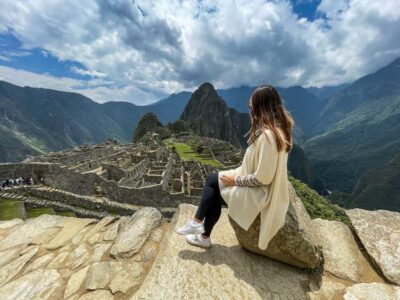 ★ 4.7Full-Day Group Tour of Machu PicchuFrom $3211,767 reviews
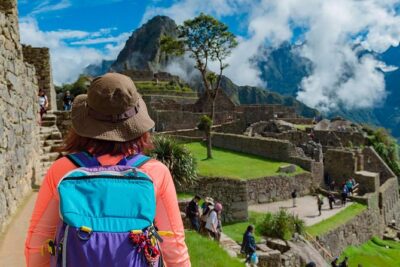 ★ 4.5Machu Picchu Day Trip from CuscoFrom $3361,644 reviews
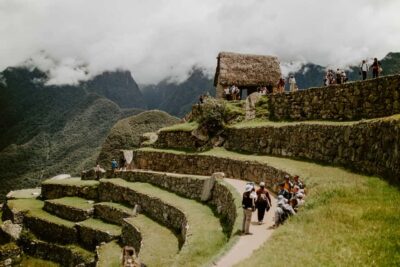 ★ 4.6Machu Picchu: Full-Day Tour from Cusco with Optional LunchFrom $283927 reviews
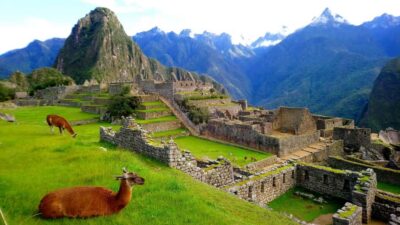 ★ 4.84-Day Inca Trail to Machu Picchu with AccommodationFrom $470432 reviews
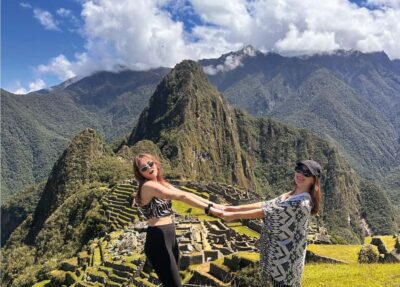 ★ 4.62-Day Trip to the Sacred Valley and Machu PicchuFrom $370265 reviews
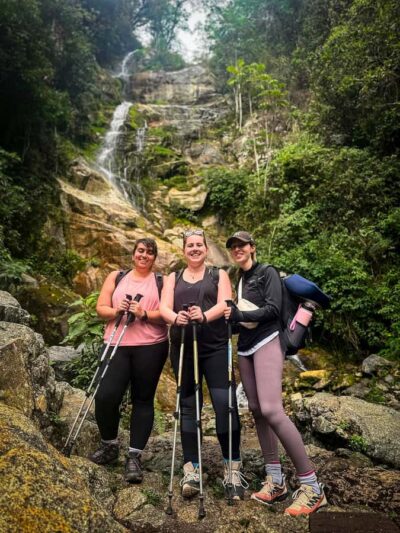 ★ 4.9Machu Picchu 2-Day Inca Trail with Panoramic TrainFrom $582260 reviews
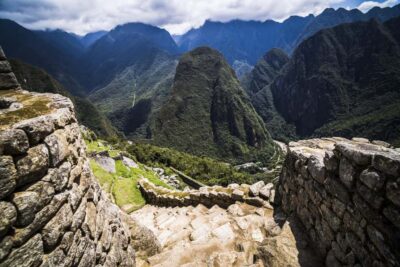 ★ 4.22-Day Inca Trail to Machu PicchuFrom $290244 reviews
 ★ 4.9Machu Picchu: Inca Trail 2-Day Overnight Guided TourFrom $585203 reviews
Browse the lists this tour appears in