
REVIEW · MACHU PICCHU & AGUAS CALIENTES TOURS
Salkantay Trek To Machu Picchu 5 Days And 4 Nights
That first morning hits different. This small-group Salkantay trek from Cusco to Machu Picchu mixes big Andes trekking with camp support that keeps you focused on the trail. I love the bilingual guide-led history stops and the meal rhythm that makes a hard hike feel manageable. The one catch is altitude, especially around the Salkantay pass.
You also get the kind of logistics that usually eat up a vacation. Tents come with mattresses and pillows, you have hot water for washing, and horses carry most gear. Then, after the Andes grind, you step into the UNESCO-listed Machu Picchu experience with train and van transfers lined up.
Key Highlights Worth Planning For
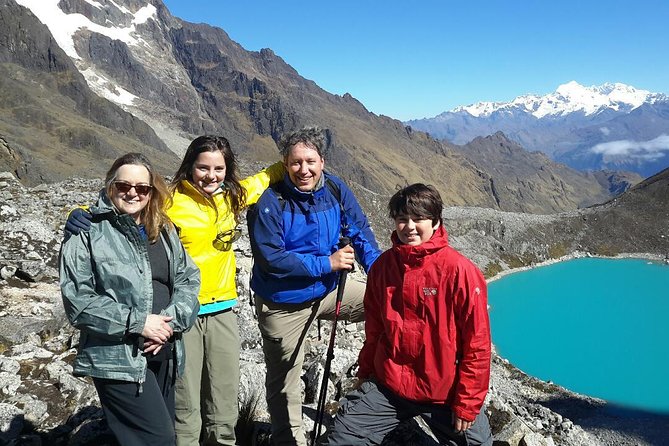
- Humantay Lake at the start, plus first real views of the Salkantay and Humantay mountains
- Salkantay Pass (15,252 ft) with an Inca offering moment and culture context from your guide
- Rainforest hiking along the Santa Teresa river path, including a major waterfall moment
- Coffee plantation tour after your midday arrival at camp on Day 3
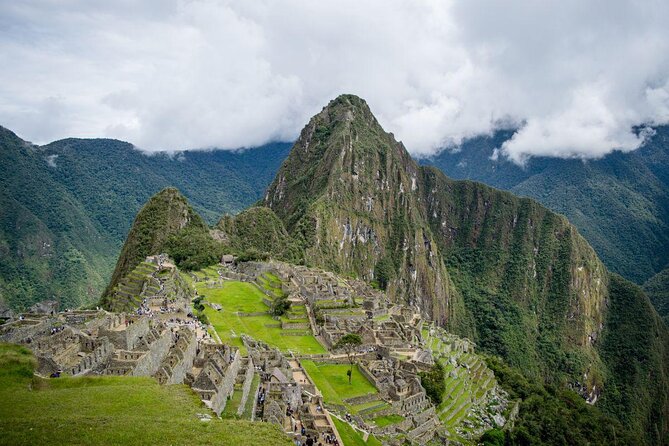
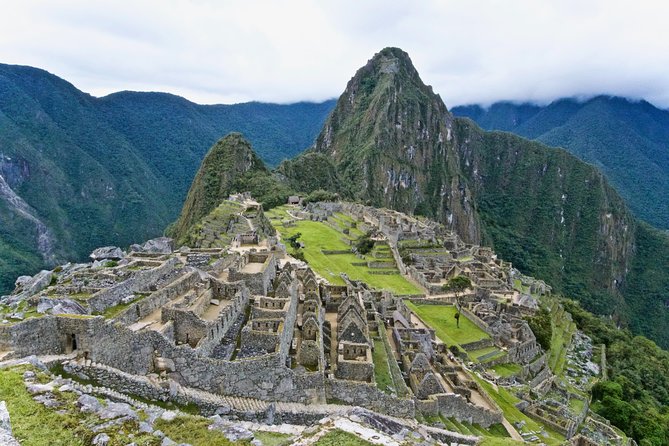
- Llactapata ruins with your first distant look at Machu Picchu
- Machu Picchu on Day 5 with a 2-hour walking tour, and an optional Huayna Picchu climb if you choose it
Other ways into the citadel, side by side
- Machu Picchu Day Trip from Cusco★ 4.5 · 1,644 reviews
- Machu Picchu: Full-Day Tour from Cusco with Optional Lunch★ 4.6 · 927 reviews
- Cusco: 4-Day Inca Trail to Machu Picchu with Accommodation★ 4.8 · 432 reviews
- From Cusco: 2-Day Trip to the Sacred Valley and Machu Picchu★ 4.6 · 265 reviews
What You’re Really Paying For: Support, Comfort, and Transfers
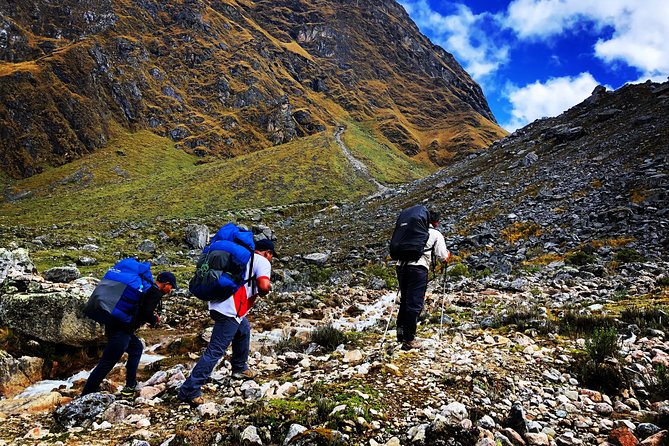
At $690 per person for about five days, this trek can feel like a lot until you see what’s handled for you. The price is buying a full moving system: guides, chef and kitchen setup, camp tents, water, medical gear, plus horses to carry equipment and even a separate horse for emergencies.
Here’s what that means in real life. You are not constantly solving small problems, like where your food comes from, how you wash at camp, or how tents and tables show up when you arrive tired. Your job is the hike, and your reward is a route that takes you from high Andean passes down into rainforest, then back up to history.
A few details that are especially good value:
- You get tents (four-person tent for each two persons) with mattress and pillow, plus a dining tent with tables and chairs.
- You get a toilet tent with a portable toilet. It is not fancy, but it is a real upgrade over the usual “figure it out” approach.
- You get hot water for washing and daily boiled and cold water to refill bottles.
- You get emergency oxygen and a medical kit, plus wranglers, horses, and an emergency horse if you need backup.
You should also know what is not included, because it affects your total cost and packing plan. Sleeping bags are not included, and the round-trip Machu Picchu bus ticket is not included. Tips for the crew are also not included.
Day 1: Cusco Pickup, Soraypampa Trailhead, and Humantay Lake
The day starts early, with pickup from your Cusco hotel and a meeting start time around 4:30 am. Then you drive about three hours to Mollepata, stop for breakfast at a local house, and continue to Soraypampa, the trek start, with views opening up along the way.
When you reach Soraypampa (about 12,467 ft), you’ll meet the support staff. This is when the team loads gear onto horses and you shift from city life to trail mode. It is also when the trek starts feeling real, because you begin with an excursion to Humantay Lake, a roughly two-hour visit.
Why this start works. Humantay gives you a payoff before you commit to the tougher days. You see snowcapped mountain scenery, and you get your first sense of what the Salkantay route is like, cold air, steep angles, and big sky.
Practical note: plan for temperature swings. Early morning is cold, and later you may warm up while walking. Bring layers you can open and close fast.
Day 2: Salkantay Pass at 15,252 ft, Inca Offering, and Colpapampa Camp
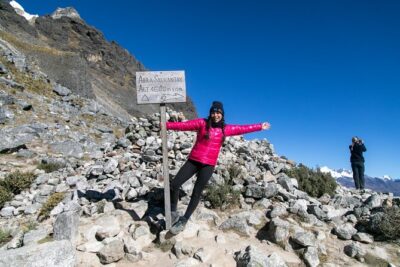
Day 2 is the one most people remember, because it climbs to the Salkantay pass at 15,252 ft. After breakfast, you start with about one hour uphill to the pass.
At the top, you’ll make an offering to Salkantay, with your bilingual guide connecting the moment to Inca culture and why this place is venerated. Even if you’re not big on ceremonies, this kind of stop is the difference between a hike that’s just a workout and one that explains what you’re walking through.
Then the pace changes. You hike downhill for about two hours to Huayrac (about 12,464 ft), where lunch is served. After lunch, the trail keeps dropping for about four more hours until you reach camp at Colpapampa (about 10,170 ft).
What to expect here:
- The first part feels steep and high. Give yourself time. Don’t try to “power through” because you think you should.
- Once you pass the high point, your body often starts to feel like it can work again, not just survive.
If there’s one drawback built into this trek, it’s this day. Altitude is not something you outsmart. Hydrate, slow down, and let the guide set a sustainable pace.
Day 3: Santa Teresa River Trail, a Waterfall Moment, and Coffee Plantation Time
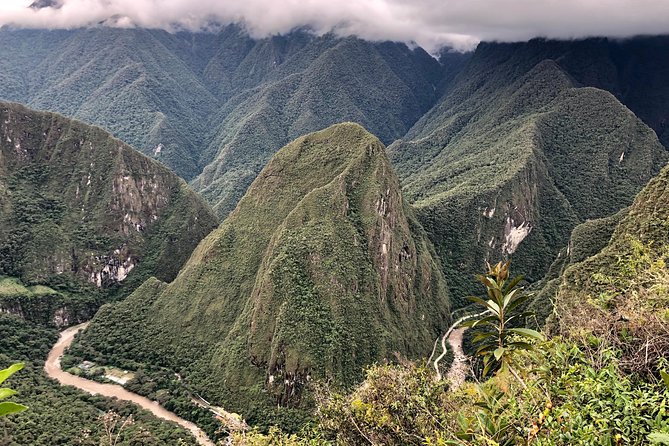
Day 3 starts after breakfast with about six hours of gentler hiking, with up-and-down segments. You move through rainforest along the Santa Teresa river path, and the day includes a highlight waterfall moment.
Around noon you reach Lucmabamba, where you’ll camp. After lunch, you get a coffee plantation tour right by the campsite. This is one of those stops that makes the trek feel connected to Peru beyond just the headline landmark at the end.
Why I like this day:
- The rainforest change of scenery helps your legs. It’s still hiking, but it feels different than the big-altitude push.
- The coffee tour gives context for what people grow and how everyday life works here.
Pack for damp air. Rain can happen even when the day starts clear. A light rain jacket is worth its weight in comfort.
The Salkantay route, run by other outfits
Day 4: Llactapata Ruins, First Far View of Machu Picchu, and the Train to Aguas Calientes
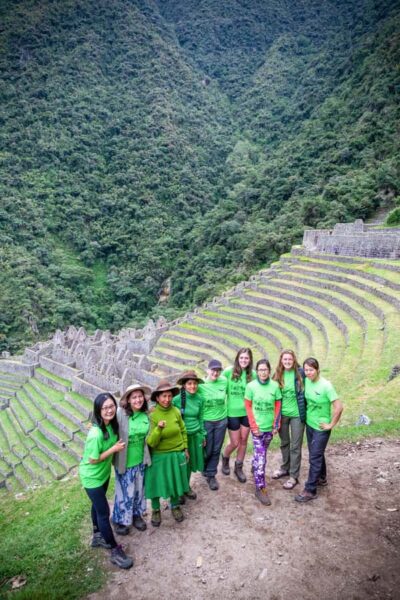
Day 4 begins early with breakfast, then a 3.5-hour climb through rainforest to Llactapata ruins (about 8,856 ft). You get a thorough tour there, and this is the moment you’re waiting for, because you’ll see your first distant view of Machu Picchu.
That distant view matters. From the pass and the camps, Machu Picchu is usually just an idea. At Llactapata, it turns into a target you can actually imagine walking toward.
After Llactapata, you descend about 2.5 hours to Hydro, where lunch is served. Then, at about 3 pm, you board the train to Aguas Calientes.
Once you arrive, you check into your hotel and have dinner at a restaurant. This day is shorter on paper than Day 2, but it still feels active because of the morning climb and the shift from hiking mode to travel mode.
Day 5: Machu Picchu Walking Tour, Optional Huayna Picchu, and Back to Cusco
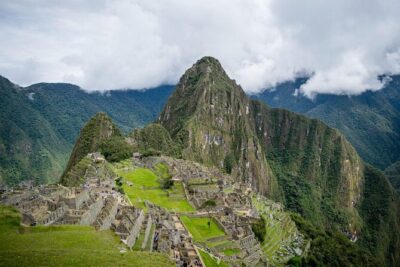
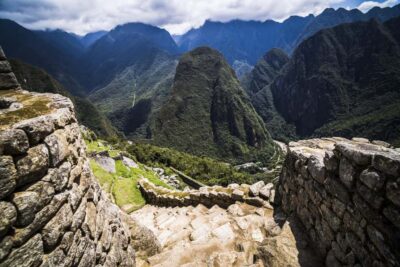
You start with breakfast at the hotel in Aguas Calientes, then take a bus to Machu Picchu. At the site, you get a 2-hour walking tour.
You also have an option: if you selected the Huayna Picchu climb, you start at 10 am. The Huayna Picchu option is not included in the package.
If you do not climb Huayna Picchu, you’ll have time to walk, take photos, and sit with the place before heading back to Aguas Calientes.
After that, it’s train time again. You board the expedition train back to either Ollantaytambo or Poroy, then transfer by private van to Cusco.
One important practical note: the Machu Picchu bus ticket is not included. So you’ll want to plan for that cost separately and not be surprised the morning of.
Sleeping Tents, Hot Water, and Why This Trek Feels Less Brutal
Comfort is not just luxury here. When you finish a long, cold day at altitude, the difference between rough camp and decent camp affects your next day.
This trek includes:
- Mattress and pillow in your tent
- A dining tent with tables and chairs
- Hot water for washing
- Daily boiled and cold water for filling bottles
You’ll also have an actual toilet setup with a portable toilet in a dedicated tent. That sounds small until you’re tired. Then it becomes a big deal.
What you should still plan for:
- A sleeping bag is not included, though you can rent one from the operator. If you already own a quality down or synthetic bag, bring it. If not, rent it so you’re not guessing your warmth needs.
- Night temps in the Andes can drop fast. Pack a warm layer for sleeping, and don’t assume your Day 1 fleece is enough.
Altitude, Packing, and Small Moves That Prevent Big Problems
This route is high. The pass tops out at 15,252 ft, and the first couple days include steep climbs that can feel punishing if you go out too fast.
Here’s how to make it easier on yourself:
- Start slow, especially on uphill segments. You are not racing.
- Use trekking poles if you have them. They’re recommended for steep descents, and you can rent them from the operator.
- Bring a head lamp. You might be up early, and light helps around camp.
- Carry sunscreen SPF 35+. High altitude sun is no joke.
- Bring insect repellent. You’ll be in rainforest on multiple days.
- Keep spare camera batteries. At altitude, batteries often drain faster.
For weight: you’re allocated a horse to carry up to 8 kg of your personal belongings, plus a duffle bag is provided. That means you should pack smart, not heavy and random.
Guides and Crew: Where the Experience Actually Gets Better
The trek is run by a bilingual English-speaking guide, with an expert chef and assistant chef, plus wranglers and horses. This is a big reason people consistently call the organization top notch.
Guide names that come up often in the operator’s history include Christian, and also Eddie. These guides are praised for combining route care with story moments, like plant discussions and tying viewpoints to what the Inca valued. If you get one of these leads, you’ll likely get the best kind of trekking companion, the one who explains what you’re seeing and also watches the group.
Meal service is also a standout. The crew supports multi-course meals across the days, which matters because it keeps your energy up for the next climb.
And yes, the horses do a lot. That means fewer strains from gear hauling, and more focus on walking.
Who This Trek Suits Best, and Who Might Want to Rethink It
This trek fits you if:
- You have moderate physical fitness and are ready for days that are long and steep.
- You want a guided route where camp comfort and logistics are handled.
- You care about more than just Machu Picchu. Humantay Lake, Llactapata ruins, rainforest trails, and coffee all add texture.
You might want to rethink or prepare extra if:
- You are sensitive to altitude or you dislike long uphill efforts.
- You are not willing to get up early and commit to a start time around 4:30 am.
- You want meals and extras with no add-ons. Since sleeping bag, the Machu Picchu bus ticket, and tips are not included, you’ll need to budget those.
Is the $690 Price a Good Deal?
For a 5-day Cusco to Machu Picchu trek, $690 is not just “a guide and a hike.” It’s paying for a whole support ecosystem:
- Pickup and transport to Soraypampa
- Camping setup with mattresses, pillows, tents, toilet setup, and dining setup
- Chef-led meals with breakfast, lunch, and dinner (multiple days)
- Horses and wranglers for equipment and your personal load
- Aguas Calientes lodging for night 4 in double occupancy
- Train from Aguas Calientes to Ollantaytambo or Poroy, plus private van back to Cusco
- Coffee plantation tour on Day 3
- Emergency oxygen and medical kit
The value goes up if you would otherwise have to coordinate those pieces yourself. If you prefer not to plan, book, and troubleshoot, this package style is exactly what you’re buying.
The main cost surprises are the things not included, especially the Machu Picchu bus ticket and the sleeping bag if you don’t already have one.
Should You Book This Salkantay Trek to Machu Picchu?
I’d book it if you want a serious Andean trek with real support, and you’re excited to earn Machu Picchu on foot. The combination of Humantay Lake, the Salkantay Pass, rainforest hiking, and then the ruins of Llactapata setting up that first distant view makes the ending feel earned, not random.
Book with confidence if you:
- Pack for cold nights and altitude.
- Start slow on uphill days.
- Bring the right gear, especially a sleeping bag plan.
If altitude scares you, or you hate early starts, you might find this too demanding. But if you can handle the climb and you want the most memorable route to Machu Picchu that still feels organized, this one is a strong pick.
FAQ
What time does the trek start?
The meeting start time is 4:30 am, with hotel pickup from Cusco.
Is the group size small?
Yes. This activity lists a maximum of 16 travelers.
What does the camping include?
You get a tent setup plus mattress and pillow, a kitchen tent, a dining tent with tables and chairs, and a toilet tent with a portable toilet. Hot water for washing is also included.
Do I need a sleeping bag?
A sleeping bag is not included, but you can rent one from the operator. Down or synthetic sleeping bags are listed as appropriate.
How is Machu Picchu handled on the final day?
You take a bus to Machu Picchu, then receive a 2-hour walking tour. If you chose the Huayna Picchu climb, it starts at 10 am, and Huayna Picchu is not included in the package.
Are meals included?
Yes. Breakfast is included for 5 days, lunch for 4 days, and dinner for 4 days.
Are trains and transfers included?
Yes. The trek includes the expedition train from Aguas Calientes to Ollantaytambo or Poroy, and a private transport from Ollantaytambo to Cusco.
What is not included that I should budget for?
Not included are the round-trip Machu Picchu bus ticket, sleeping bag, tips for the crew, and day 5 lunch in Aguas Calientes. Hiking poles are also not included, though they can be rented.
Can I get a refund if I need to cancel?
Yes. Free cancellation is available if you cancel up to 24 hours in advance for a full refund. Within 24 hours, refunds are not provided.
More Tour Reviews in Cusco
- Cusco: Humantay Lake Tour with Breakfast and Buffet Lunch
★ 4.9 · 2,976 reviews - From Cusco: Moray, Maras Salt Mines & Chinchero Weavers Tour
★ 4.8 · 1,925 reviews - From Cusco: Full-Day Group Tour of Machu Picchu
★ 4.7 · 1,767 reviews - Machu Picchu Day Trip from Cusco
★ 4.5 · 1,644 reviews - Cusco: Half-Day City Tour with Sacsayhuaman and Q’enco
★ 4.6 · 1,129 reviews
Salkantay, Other Operators
- Salkantay Trek Challenge – 3 Days / 2 Nights
★ 5.0 · 101 reviews - Small Group 5 Days Salkantay and Machu Picchu by Llactapata Tour
★ 5.0 · 88 reviews - Machu Picchu: 5-Day Salkantay Trek with Panoramic Train
★ 5.0 · 79 reviews - Salkantay Trek 4 Days to Machu Picchu by Glamping Sky Lodge Dome
★ 5.0 · 68 reviews - Salkantay Trek to Machu Picchu in 4 days
★ 4.5 · 50 reviews
Machu Picchu, Three More Ways
- From Cusco: Full-Day Group Tour of Machu Picchu
★ 4.7 · 1,767 reviews - Machu Picchu Day Trip from Cusco
★ 4.5 · 1,644 reviews - Machu Picchu: Full-Day Tour from Cusco with Optional Lunch
★ 4.6 · 927 reviews - Cusco: 4-Day Inca Trail to Machu Picchu with Accommodation
★ 4.8 · 432 reviews - From Cusco: 2-Day Trip to the Sacred Valley and Machu Picchu
★ 4.6 · 265 reviews
Fresh in from Cusco
Machu Picchu & Aguas Calientes Tours, compared.
 ★ 4.7Full-Day Group Tour of Machu PicchuFrom $3211,767 reviews
 ★ 4.5Machu Picchu Day Trip from CuscoFrom $3361,644 reviews
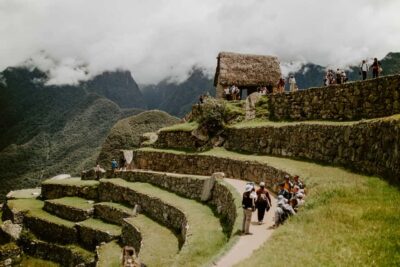 ★ 4.6Machu Picchu: Full-Day Tour from Cusco with Optional LunchFrom $283927 reviews
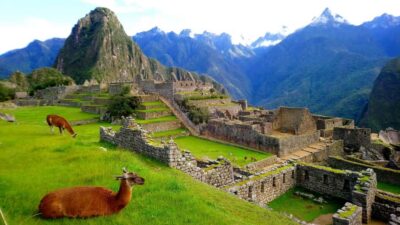 ★ 4.84-Day Inca Trail to Machu Picchu with AccommodationFrom $470432 reviews
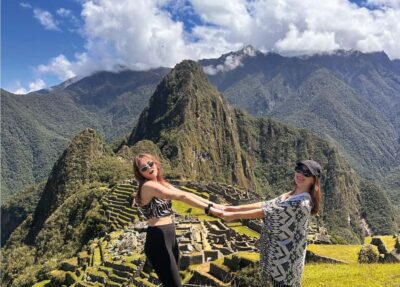 ★ 4.62-Day Trip to the Sacred Valley and Machu PicchuFrom $370265 reviews
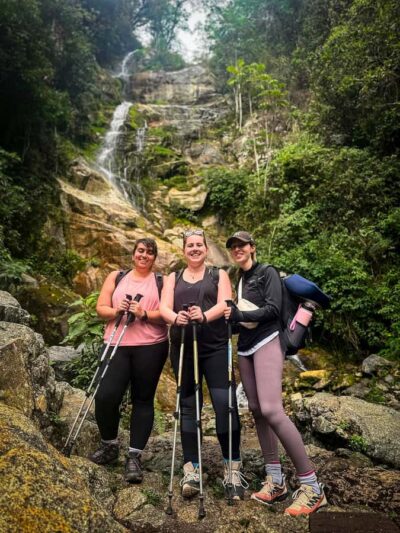 ★ 4.9Machu Picchu 2-Day Inca Trail with Panoramic TrainFrom $582260 reviews
 ★ 4.22-Day Inca Trail to Machu PicchuFrom $290244 reviews
 ★ 4.9Machu Picchu: Inca Trail 2-Day Overnight Guided TourFrom $585203 reviews
Browse the lists this tour appears in