
REVIEW · PUNO & LAKE TITICACA TOURS
Puno: Chucuito, Aramu Muru, and Juli Day Trip
Stone gates and lakeside hills, all in one day. I like how this tour connects Chucuito and Molloco’s funerary towers to Andean legend at Aramu Muru. I also like the small-group setup, capped at 15 people, so questions do not get lost. The one drawback to plan for is that the Aramu Muru stop can feel tight, with limited time to choose between options on site.
You will be outdoors at high elevation, and the weather can switch fast. Bring warm clothing and comfortable shoes, because you are walking around hills and stone paths where cold wind is part of the experience.
Key things to notice before you go
- Hilltop Chucuito views over Lake Titicaca, plus Temple of Fertility context
- Chullpas of Molloco funerary towers that help you picture life and death in the Andes
- Waru Waru Andinos (raised field irrigation) and how it works as frost protection
- Aramu Muru, the Gate of the Gods with a real legend and a spiritual add-on you may choose
- Juli’s church circuit with San Pedro, San Juan de Letrán, and Santo Domingo stops
- Small-group pacing with a guided day that fits into about 9 hours
More of the lake, the reeds and the islands
- From Puno: Floating Islands of the Uros Half-Day Tour★ 4.4 · 394 reviews
- Lake Titicaca 2-Day Tour to Uros, Amantani and Taquile★ 4.4 · 199 reviews
- Puno: Full-Day Tour of Lake Titicaca and Uros & Taquile★ 4.4 · 178 reviews
- Puno: Full-Day Route of the Sun Tour to Cusco with Lunch★ 4.7 · 131 reviews
Pickup in Puno, small-group size, and why the pace works
This is a full-day guided trip out of Puno, running about 9 hours from hotel pickup to hotel drop-off. You get transportation by van and a live guide (English or Spanish), and the group is limited to 15 people, which is a big deal in the Lake Titicaca region. With smaller groups, you spend more time listening and asking, and less time waiting around for everyone to regroup.
The overall pace is efficient rather than slow. You are not lingering for hours at any one site, so think of this as a “see the highlights with smart explanations” day. If you love one place more than the others, you may wish you had extra time at that favorite stop. That is exactly what came up most often as a fair complaint, especially around the Aramu Muru portion.
Chucuito and the Temple of Fertility above Lake Titicaca
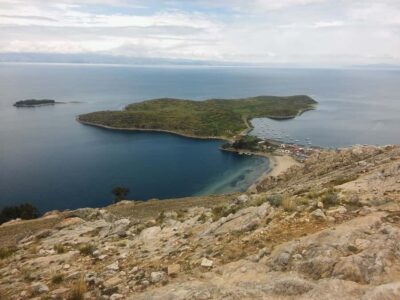
You start in Chucuito, a hill town with commanding views of Lake Titicaca. On a clear day, this is the kind of scenery that makes the region feel big, even though you are only covering a relatively compact circuit in a single day.
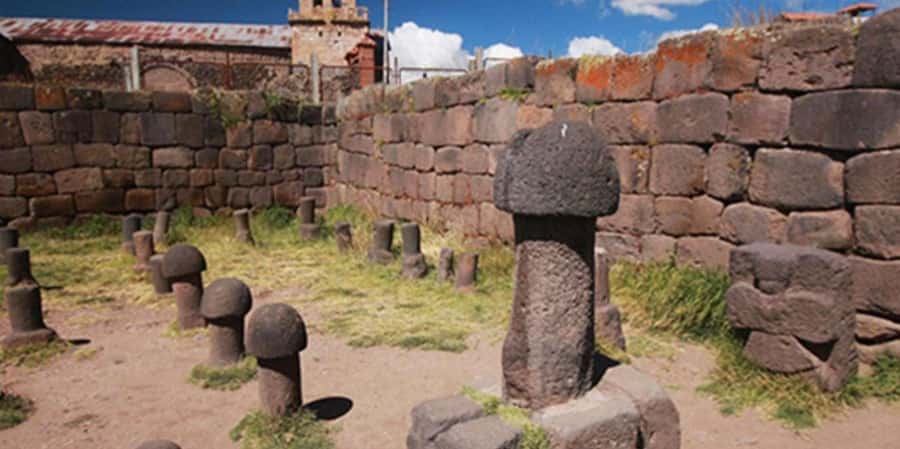
The big early stop is the Temple of Fertility. What I like here is the way the guide frames the site: it is not just stones and angles. You get the archaeological and cultural story behind why Chucuito matters, and how local traditions connect to ancient practices. That context helps you look at the landscape differently. Instead of only taking photos, you start noticing patterns in how communities used space, sacred areas, and natural surroundings.
Practical note: Chucuito is on a hill. Even if the walking is not extreme, you will feel elevation and wind. Pace yourself and keep sipping water.
Molloco chullpas and Waru Waru Andinos: where history meets engineering
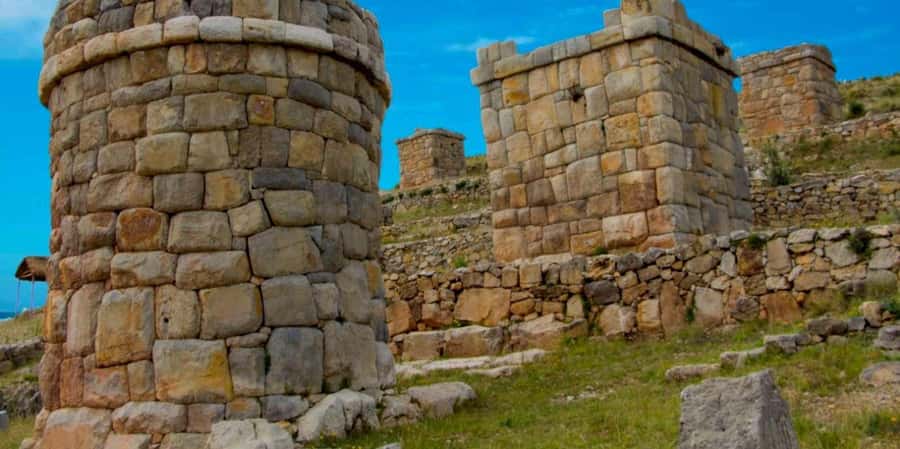
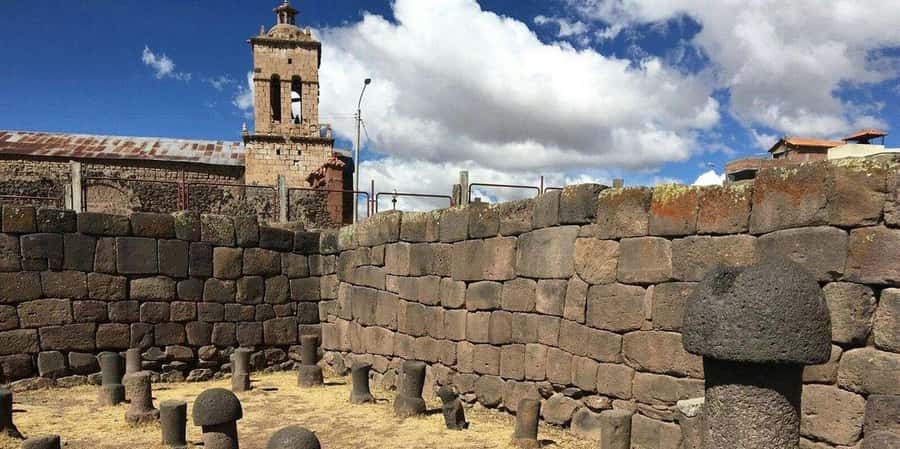
After Chucuito, you head to the Chullpas of Molloco. These are pre-Columbian funerary towers, and the best way to experience them is with the guide’s framing. Chullpas are not only “old buildings.” They are a clue to how earlier societies organized memory, status, and spiritual ideas around burial.
Next comes the Waru Waru Andinos, an ancient irrigation system. This is one of those stops that can surprise people who expect only monuments. Here you learn how raised field agriculture helped create a microclimate that protects crops from frost. In other words, these weren’t just impressive rocks and ruins. People engineered the environment for survival.
If you like applied history, this is a highlight. You will probably find yourself looking at the ground differently after you hear the explanation, because the logic of water management and temperature control becomes the story.
Aramu Muru, the Gate of the Gods, and the choice you might face
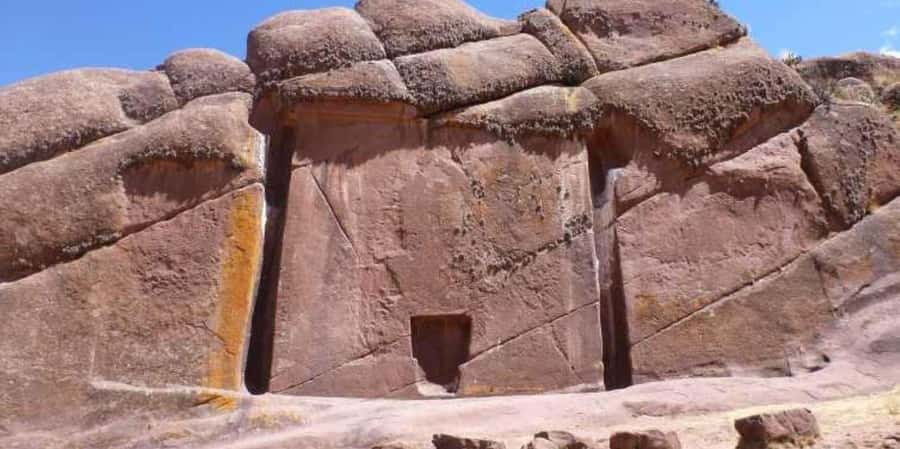
Aramu Muru is the part of the day that feels like it has two layers: a physical stone portal and a legend attached to it. It is also described as the Gate of the Gods. The story says the mysterious place will one day allow the arrival of deities to Earth. Even if you do not take legends literally, you can still appreciate why people preserve a site like this and why mystery keeps it relevant.
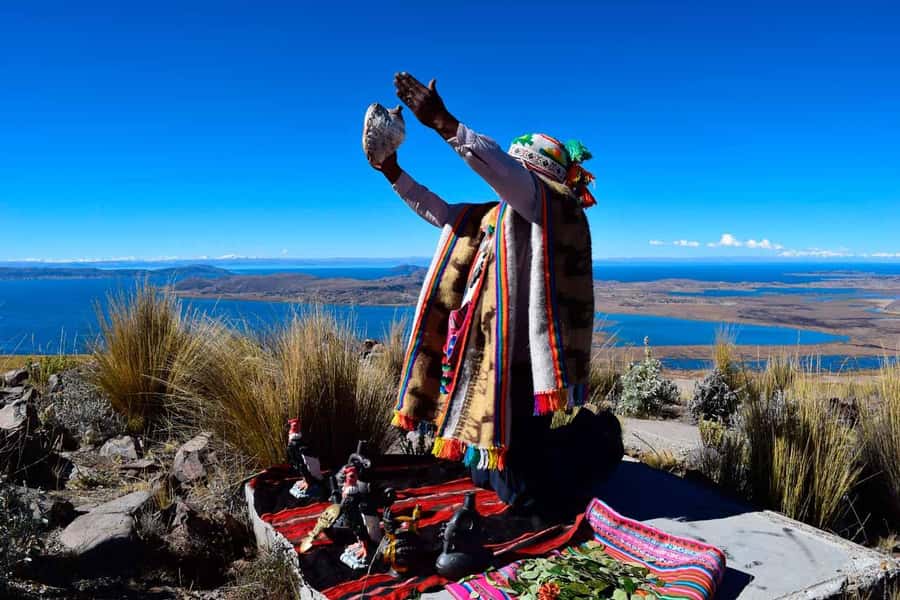
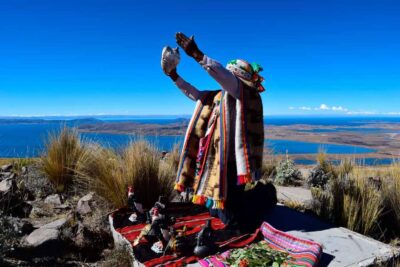
This is also the segment where time management matters. On-site, you may have a choice between taking a walk to see the view or participating in a shaman ceremony, but typically you cannot do both. That is the real drawback mentioned by at least one participant: more time here would make the experience feel less like a compromise.
If you are the type who wants the spiritual component, you will likely prefer the ceremony option. If you are mainly there for atmosphere and photography, the viewpoint walk may be your better choice. Either way, dress warmly. Stone portals and wind at altitude do not care about your plans.
More single-day runs from Puno
Juli, the Rome of Latin America, and its church stops
Then you move to Juli, known as the Rome of Latin America. You can see why once you start the church circuit. The guide brings you to stops including the Church of San Pedro, San Juan de Letrán, and Santo Domingo.
What I like about this part is the mix of architecture and art. You also get time to admire large paintings by Cusco artists. That matters because the region is not only about high-altitude ruins. Juli shows how Andean communities carried faith, style, and artistic influence into city life.
One more thing to keep in mind: because this is a guided circuit, you are not wandering completely freely. That is a plus if you like structured storytelling, and a downside if you prefer total independence. If you do like to wander, you can use short pauses to look at side details, like doorways, altars, and mural placement.
Lunch in Juli, entry fees, and avoiding the small-change problem
The tour stops for lunch in Juli at a local restaurant. However, meals are listed as not included, so you should budget for it and expect to pay at the time. The lunch stop is still valuable because it saves you from figuring out food logistics while you are moving between towns and churches.
Entrance fees are also listed as not included. That means you should plan for possible ticket costs at certain sites and churches, and it is smart to have small change or extra cash on hand. One person noted they did not have the right change and it slowed things down. That is easy to fix before you go.
If you have a sensitive stomach, bring water and eat something simple. High elevation can make food choices feel more intense than they do at sea level.
Price and value: what $40 buys you in Puno
At $40 per person, this tour sits in the middle range for a full-day itinerary. Some people feel it is worth it, others feel it is pricey compared to booking locally. Here is how I think about value for this exact day trip.
You are paying for:
- hotel pickup and drop-off within Puno
- van transport across multiple towns
- a live guide in Spanish or English
- a tight small-group format (up to 15 people)
Those things reduce friction. You do not have to coordinate transportation between Chucuito, Aramu Muru, and Juli, and you get the explanations that turn scattered stops into one coherent story.
On the other hand, if you already know how to organize a route and you mostly care about seeing the places without interpretation, you might feel you could spend less. That is the main reason the price can divide opinion. My advice is simple: if you want context, this price can make sense. If you want to DIY everything and keep costs low, compare against local agencies before you commit.
Guides and the small details that make the day smoother
The quality of a day like this depends heavily on the guide. On my day, the guide, Pablo, set the tone with careful explanations and attention to how the sites connect. One detail I appreciated was how the guide grounded the talking in references, not just impressions. It makes the story feel more solid.
Also, the van team matters. The driver, Adrian, was attentive and professional, which helps when you are dealing with tight stops, photo moments, and quick regrouping times.
If you care about visual memories, I also found it interesting that Pablo used a drone for a few shots. Not every guide does this, and it is not something to expect as a guarantee, but it points to the kind of guide who thinks about how to capture the day.
What to pack for cold, walking, and photo stops
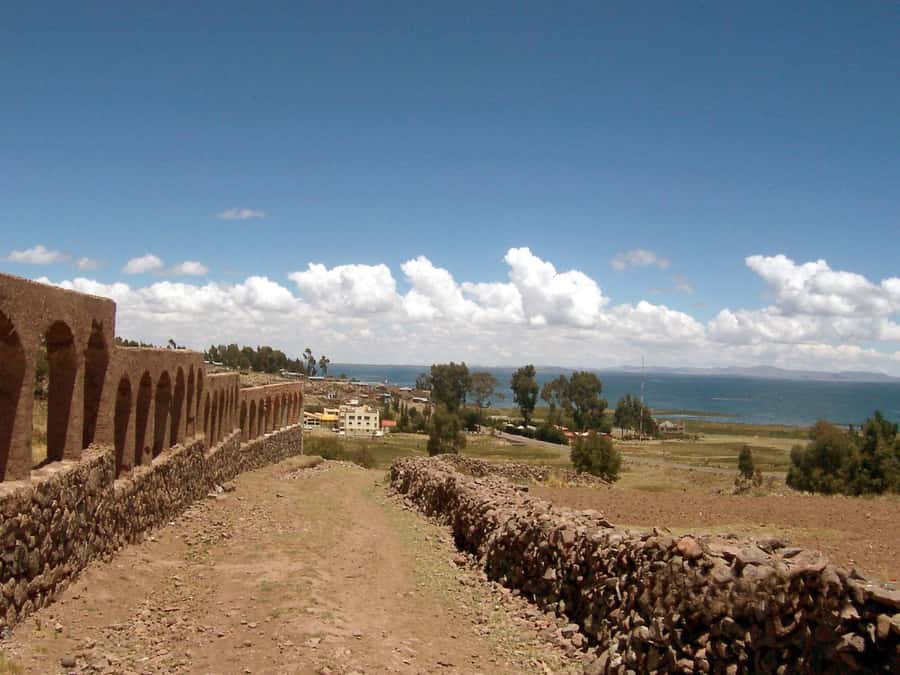
This route is mostly sightseeing, but you are still moving through hills and stone areas. You should pack like it is chilly and a little windy, even if the sun is out.
Bring:
- comfortable shoes for walking on uneven surfaces
- warm clothing
- a camera
- sunscreen
- water
And a simple behavior note: smoking is not allowed. If you like to step out for quick photos, do it safely and keep moving at your own pace.
If you get cold easily, add an extra layer. If you get dizzy at altitude, slow down and take breaks when the guide stops for photos or short breaks.
Who should book this Puno Chucuito Aramu Muru Juli trip
This day trip is a good fit if you:
- want a guided introduction to Chucuito, Aramu Muru, and Juli in one shot
- enjoy combining legends with archaeology and Andean engineering like Waru Waru Andinos
- like a small-group tour where you can ask questions
- want an easy base day from Puno without organizing transport yourself
It may not be ideal if you:
- need wheelchair accessibility, since the tour is not suitable for wheelchair users
- hate walking on hills and prefer longer, slower stays at single sites
- want a totally flexible schedule without guide structure
Should you book this tour?
Book it if you want a guided, well-paced highlights day from Puno that covers Chucuito, Molloco, Aramu Muru, and Juli with context you would miss if you went alone. The small-group cap and live interpretation are the main reasons the day feels efficient and meaningful.
I would think twice if you are the type who wants extended time at Aramu Muru. Since you may face a choice between a viewpoint walk and a shaman ceremony option, plan based on what you care about more. If you do not want any compromise, you might prefer a tour that gives a longer window at Aramu Muru.
If you are going anyway, do yourself a favor: pack warm layers, bring water, and carry some cash for lunch and any entrance fees.
FAQ
How long is the Puno Chucuito, Aramu Muru, and Juli day trip?
The tour duration is listed as 9 hours.
What is the price per person?
The price is $40 per person.
Do I get hotel pickup in Puno?
Yes. Pickup is included from any hotel in Puno. You should wait in the hotel lobby about 10 minutes before your scheduled pickup time.
What languages is the tour guide available in?
The live guide speaks Spanish and English.
How large is the group?
This is a small group limited to 15 participants.
Is lunch included?
Meals are listed as not included. The schedule includes a lunch stop in Juli, so you should plan to pay for your meal.
Are entrance fees included?
Entrance fees are listed as not included.
Is the tour wheelchair accessible?
No, the tour is not suitable for wheelchair users.
What should I bring for the day?
Bring comfortable shoes, warm clothing, a camera, sunscreen, and water.
More 1-Day Tours in Puno
- From Puno: Sun Island and Copacabana 1-Day Tour
★ 4.4 · 8 reviews - Sun island and Copacabana | From Puno or La Paz / Day Trip
★ 4.1 · 5 reviews
More Tour Reviews in Puno
- From Cusco: Vinicunca Rainbow Mountain ATV Tour with Meals
★ 4.6 · 1,060 reviews - From Puno: Uros, Amantaní & Taquile Islands 2-Day Tour
★ 4.5 · 452 reviews - From Puno: Floating Islands of the Uros Half-Day Tour
★ 4.4 · 394 reviews - Lake Titicaca 2-Day Tour to Uros, Amantani and Taquile
★ 4.4 · 199 reviews - Puno: Full-Day Tour of Lake Titicaca and Uros & Taquile
★ 4.4 · 178 reviews
More of Lake Titicaca
- From Puno: Uros, Amantaní & Taquile Islands 2-Day Tour
★ 4.5 · 452 reviews - From Puno: Floating Islands of the Uros Half-Day Tour
★ 4.4 · 394 reviews - Lake Titicaca 2-Day Tour to Uros, Amantani and Taquile
★ 4.4 · 199 reviews - Puno: Full-Day Tour of Lake Titicaca and Uros & Taquile
★ 4.4 · 178 reviews - Puno: Full-Day Route of the Sun Tour to Cusco with Lunch
★ 4.7 · 131 reviews
Fresh in from Puno


Puno & Lake Titicaca Tours, compared.
 ★ 4.5From Puno: Uros, Amantaní & Taquile Islands 2-Day TourFrom $59452 reviews
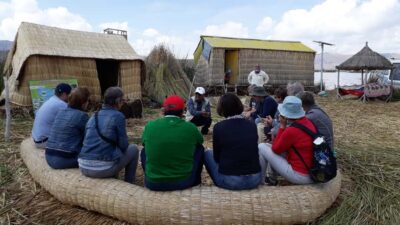 ★ 4.4From Puno: Floating Islands of the Uros Half-Day TourFrom $10394 reviews
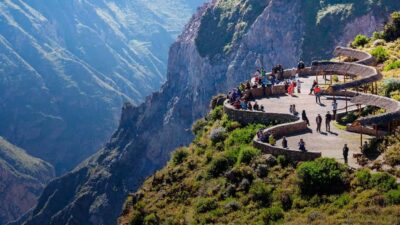 ★ 4.62-Day Tour Colca Canyon in Arequipa with end in PunoFrom $78248 reviews
 ★ 4.4Lake Titicaca 2-Day Tour to Uros, Amantani and TaquileFrom $69199 reviews
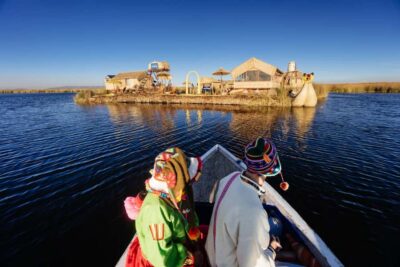 ★ 4.4Puno: Full-Day Tour of Lake Titicaca and Uros & TaquileFrom $33178 reviews
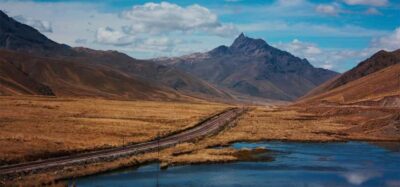 ★ 4.7Puno: Full-Day Route of the Sun Tour to Cusco with LunchFrom $44131 reviews
 ★ 4.2Floating Islands of the UrosFrom $7101 reviews
 ★ 4.8Scenic Route of the Sun to Puno with Buffet LunchFrom $44101 reviews
Browse the lists this tour appears in