
REVIEW · MACHU PICCHU & AGUAS CALIENTES TOURS
Inka Jungle trek to Machu Picchu 3 D/ 2 N
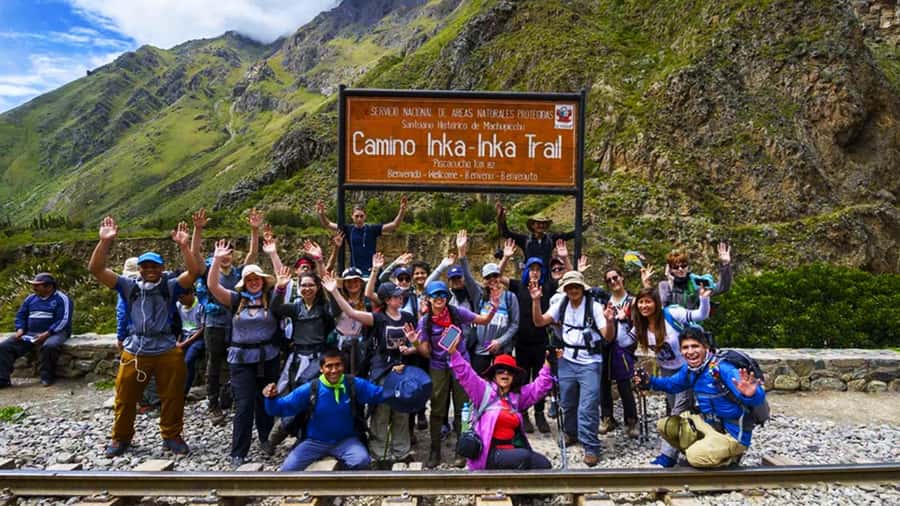
A day that starts with bikes and ends at Machu Picchu is rare. This 3 day Inka Jungle trek gives you adventure sports plus real Andean flavor, with time to see Huamanmarca, waterfalls, and local farm life on the way down. I especially love the built-in variety, cycling for hours followed by a zip line option, so the day doesn’t feel like one long hike grind. My one big caution is the rafting add-on, which is only seasonal and can be canceled due to river conditions with no refund.
I also like that the pace is tight but not chaotic. You get organized Cusco pickup at 06:00, two overnights (Santa Teresa and Aguas Calientes), guided time in Machu Picchu, and meals across the trek so you are not guessing where to eat. The group is small, limited to 18, which helps you feel more like you are part of a unit than a crowd.
Key highlights you’ll actually notice
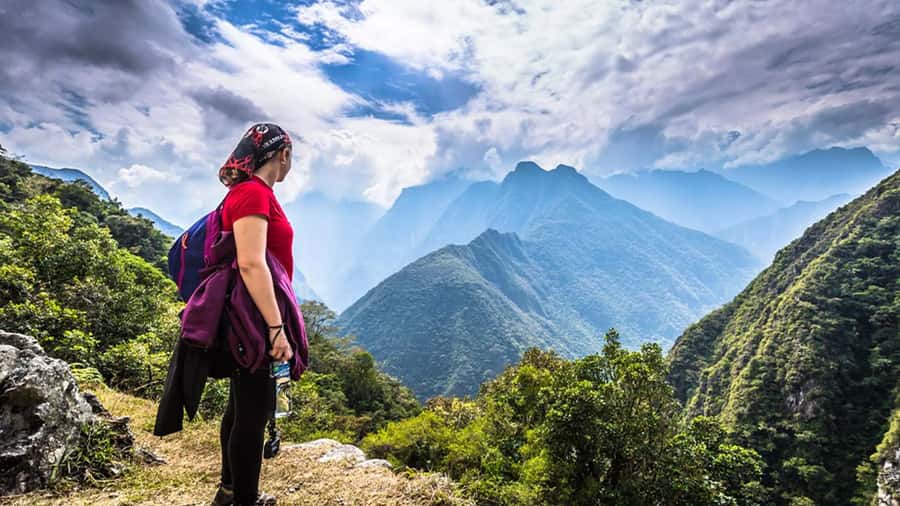
- Abra Málaga descent by bicycle for 3 to 4 hours, with jungle birds and fruit farms along the way.
- Huamanmarca archaeological stop, a quick cultural break before you drop into the warmer valleys.
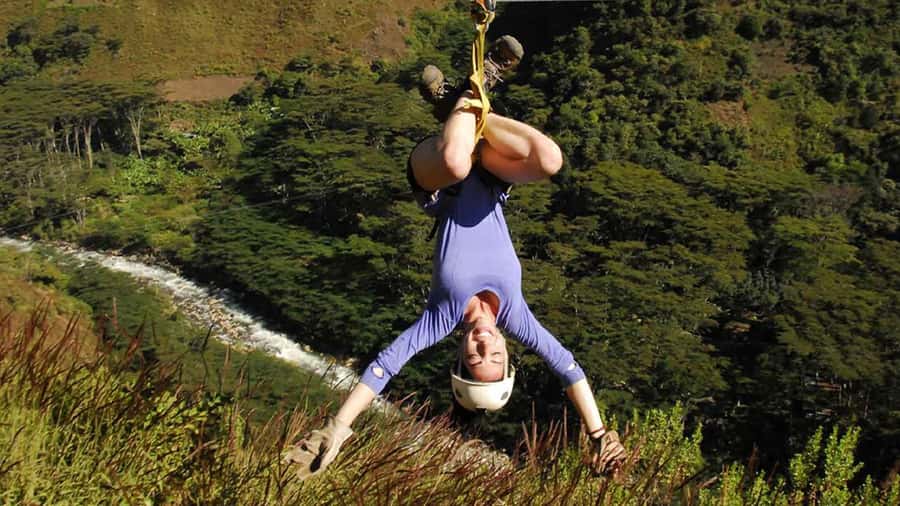
- Cola de Mono zip line option on Day 2, if you want an adrenaline hit.
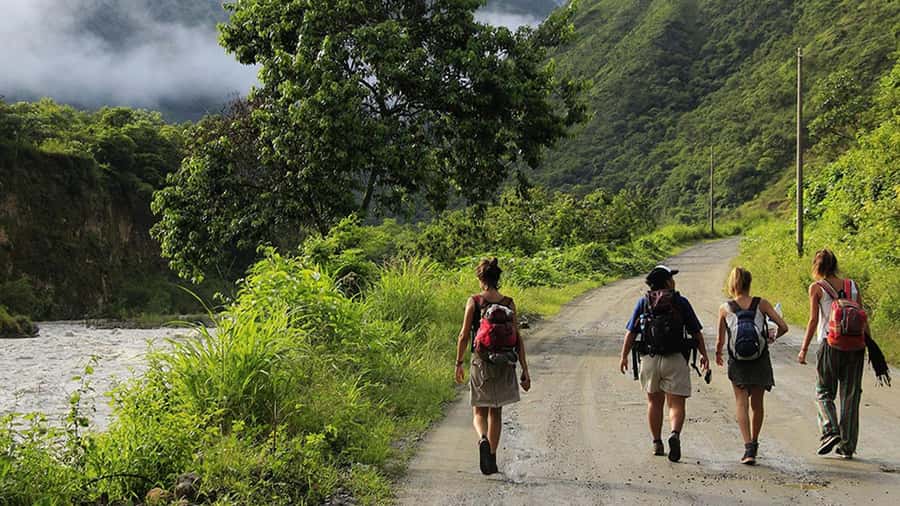
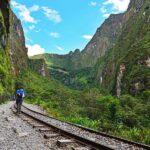
- Walk to Hidroeléctrica through a narrow canyon, with waterfalls and plantation views.
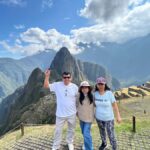
- A guided Machu Picchu circuit after sunrise, with stops like Inti Watana and the Temple of the Condor.
- Small group size (18 max), which makes early starts and transfers easier to manage.
Other ways into the citadel, side by side
- From Aguas Calientes: Machu Picchu guided tour with tickets★ 4.9 · 72 reviews
- From Cusco: Machu Picchu 2 days★ 3.6 · 29 reviews
- Cusco: Machu Picchu Day Trip with Train + Entrance ticket★ 4.5 · 17 reviews
- Rainbow Mountain tour and Machu Picchu tour by train★ 4.8 · 13 reviews
Why this Inka Jungle route can be worth the $410
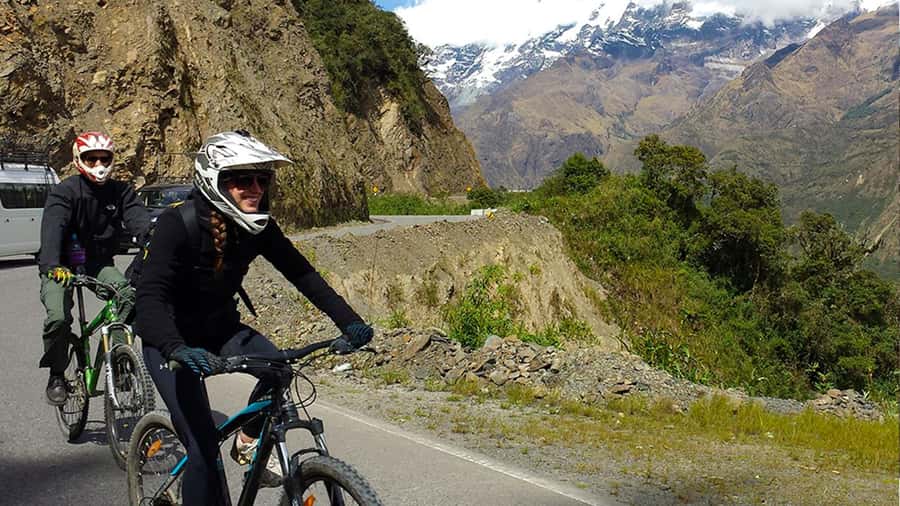
This trek works because it spreads effort across different types of movement. Day 1 gives you the long bicycle descent. Day 2 mixes walking with a canyon feel and optional zip line time. Day 3 turns that effort into a payoff: Machu Picchu at sunrise with a guide for about 2.5 hours.
Price wise, $410 per person can feel like a lot until you list what’s included. You’re getting official guiding, Machu Picchu entrance, two nights in hostels, most of your meals (2 breakfasts, 2 lunches, 2 dinners), plus major transport like Cusco to Abra Málaga, train from Aguas Calientes to Ollantaytambo, and the transfer back to Cusco. You also get equipment for biking (helmet, gloves, arm protectors, knee pads). That’s a lot of logistics handled for you.
One more plus: the tour is built around Peru’s everyday mountain to jungle transition, not just a straight line to the ruins. You pass Huamanmarca, you stop for medicinal plants and fruit like mango, pineapple, papaya, avocado, coffee, and coca leaves. You even get a look at local families going about daily routine, which is the kind of detail you don’t get from a rushed photo-stop itinerary.
Day 1: Cusco to Abra Málaga and the ride into Santa María
Day 1 starts early. You are picked up from your Cusco hotel at 06:00, then travel about 4 hours toward Abra Málaga, passing the Malaga pass where the adventure begins. This long transfer matters because it positions you for the big ride down into the warmer zone. If you go into it thinking it will feel like a quick warmup, you’ll be surprised. But if you go in ready for a full day, the timing makes sense.
Once you start cycling, expect an average 3 to 4 hours of descent into Santa María. It’s not just about speed. The route threads through a change of ecosystems, so you’ll see the shift from higher terrain into a dense, green valley. The tour also builds in breaks and context, including a stop at the archaeological center of Huamanmarca.
Huamanmarca is the kind of stop that helps you understand why the Incas placed sites where they did. Even if you’re not a hardcore archaeology person, it gives you a sense of continuity between the lived-in Andean world and the monumental Inca world. Then you continue down through a variety of jungle birds, medicinal plants, and fruit trees. The list they call out includes mango, pineapple, papaya, avocado, coffee, and coca leaves, plus other tropical crops you may spot along the way.
The local-family time is another strong point. You are not just riding through scenery. You are seeing how people use the plants and land they live with. For me, that’s what turns a transport-heavy day into a memory. You end the day in Santa María, then in the afternoon you drive by car to Santa Teresa for the overnight.
Day 1 extras: what about rafting and weather rules
The tour package includes adventure activities like biking and zip line, and it also lists river rafting as part of the mix. Here’s the key detail you should plan around: the rafting activity is subject to weather conditions between January 1st and March 31st. If the river is high on your day, the rafting will not take place, and there’s no refund.
That means you should treat rafting as an optional bonus, not a guaranteed pillar of your experience. If you are traveling outside that January to March window, you still should confirm how rafting is handled for your specific dates, since the weather-rule note is tied to that time period.
If rafting doesn’t run, the day still has plenty. You’ve already done the long bike descent, had the Huamanmarca stop, and worked your way into the Santa Teresa area. The main impact is psychological, not physical. If you put all your excitement into rafting, you may feel the loss more than you need to.
Santa Teresa night: short break, optional hot springs
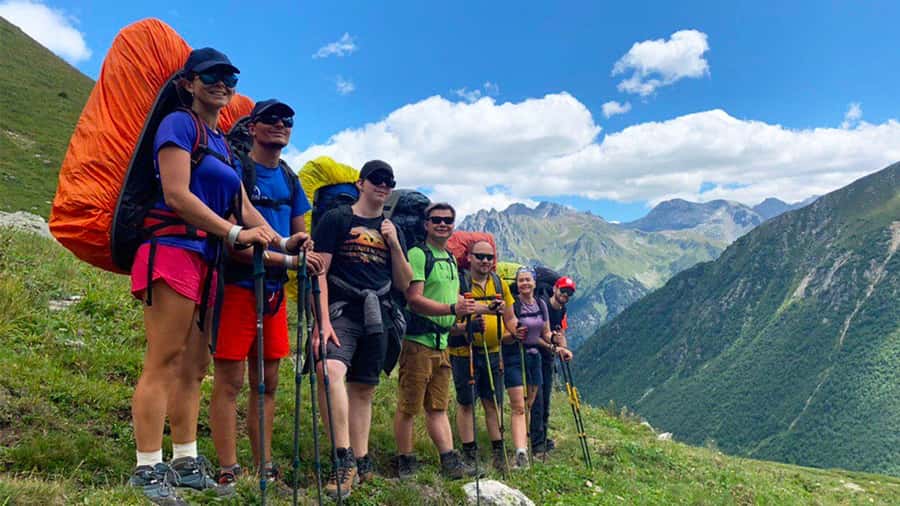
After the drive from Santa María to Santa Teresa, you get your overnight in Santa Teresa. This is a useful reset because the next day is another early, active one.
You also have an optional hot-spring idea: Cocalmayo hot springs are mentioned as an optional visit. The entrance is not included in the tour price, so you’ll pay if you want to soak. This is a classic travel tradeoff. A soak can help tired legs feel less angry, but you should decide based on your energy and budget.
If you are prone to sore knees or calves from a long descent, you may really appreciate a relaxed evening here. Just keep it practical: bring what you need for a quick dip, and avoid turning this into an all-night thing, because Day 2 involves more walking.
The Inca Jungle route, other versions
Day 2: Zip line in Cola de Mono, then the walk toward Hidroeléctrica
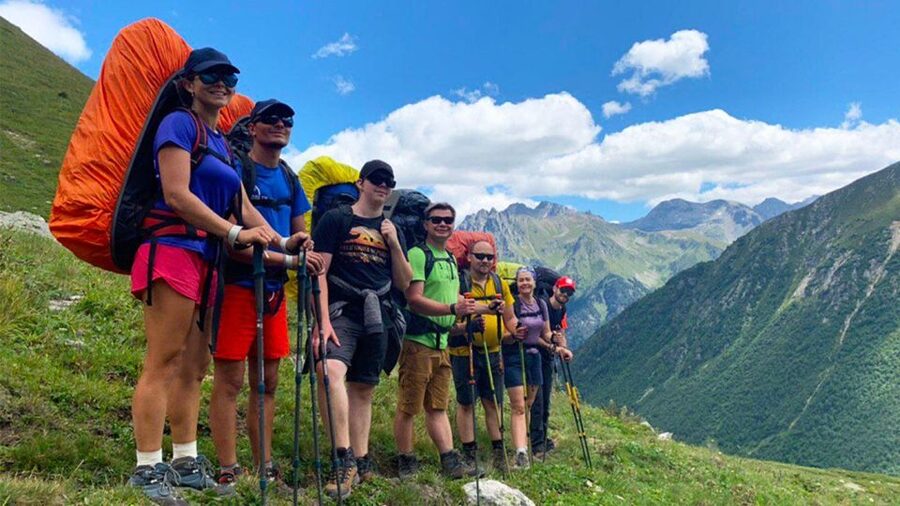
Day 2 starts with a choice. After breakfast, you can do the zip line in Cola de Mono. The fact that it’s framed as optional is smart. You can pick adrenaline today or save your energy if you’d rather focus on the trek and the views.
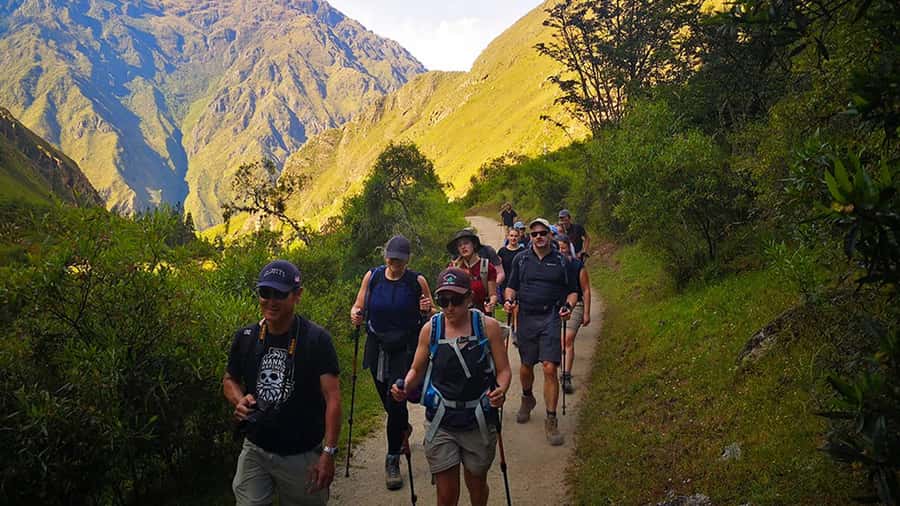
Then you begin the walk to Hidроeléctrica. The route passes through a narrow canyon, and the climate is described as pleasant. That matters because long walks in the Andes can swing from cool to warm fast. Here, the canyon setting can make the experience easier on your breathing and your comfort.
Along the way, you’ll see waterfalls and mountains covered with heavy vegetation. You’ll also pass plantations and crops such as banana, mango, avocado, cocoa, orange, and coca leaves. One nice detail is how the tour doesn’t treat these as trivia. It gives you a sense that the same Andean world that produced ruins also produces everyday food and medicinal plants.
At some point you finally get a moment that hikers love: you can see the mountain of Machu Picchu. That sight is the psychological switch that tells you you’re nearing the finish line, even though you still have time and walking ahead.
Lunch is at Hidroeléctrica, then you continue along the train tracks. After a 3-hour walk, you arrive in Aguas Calientes (Machu Picchu Pueblo). This train-track section can feel long if you expect it to be scenic nonstop, but it’s also a helpful staging moment. You slow down just enough to reset your mind before the sunrise push.
In Aguas Calientes, you have the chance to visit the town’s hot springs. The package explicitly mentions Santa Teresa hot springs entrance as not included, and it tells you you can visit hot springs in Aguas Calientes. Since pricing for the Aguas Calientes soaking is not specified, plan to pay on your own if you choose it.
Day 3: Sunrise Machu Picchu, guided time, then trains back to Cusco
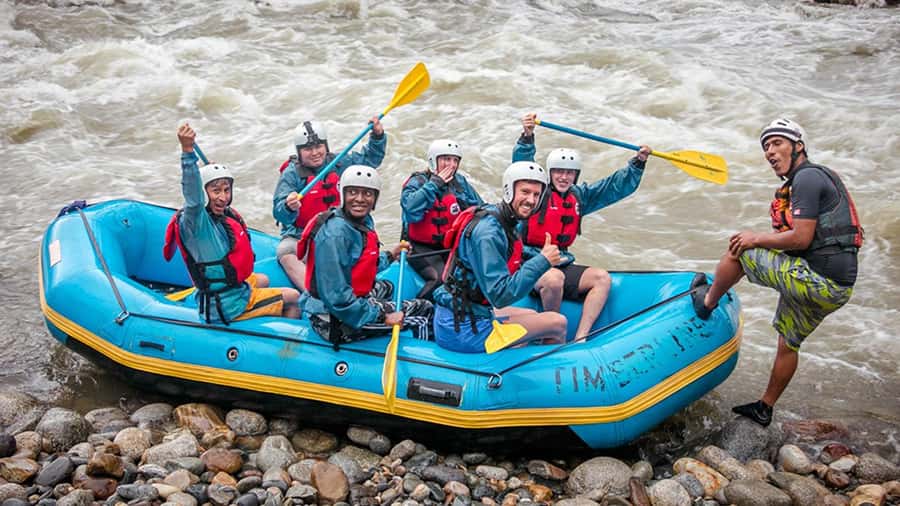
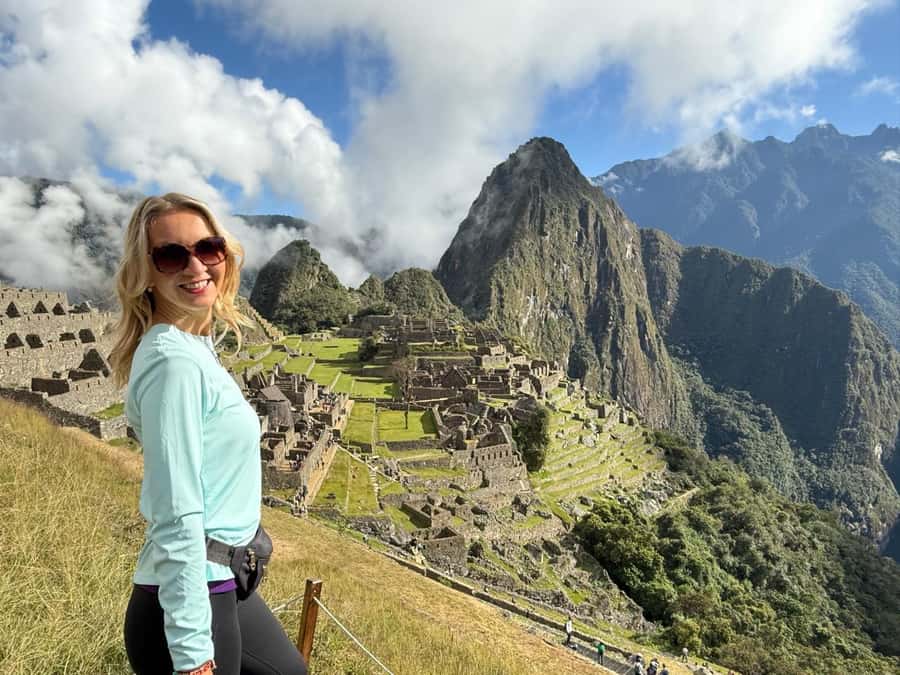
You start Day 3 early, with breakfast first, then a walk to Machu Picchu. The big promise here is sunrise and getting into the site early. The itinerary notes you’ll have the chance to be among the first groups inside, which is the kind of timing that usually means better light for photos and fewer crowds at the start.
Once you’re at the ruins, the guide takes you through the main highlights for about 2.5 hours. Expect stops such as Inti Watana, the Temple of the Condor, and the sacred rock, plus other key areas. This is where the “trek” part pays off. Cycling and canyon walking can feel like effort for effort’s sake. A guided circuit gives you something more than a view. It gives you a story you can connect to what you just earned with your legs.
After your Machu Picchu time, you descend back to Aguas Calientes to board the tourist train to Ollantaytambo. Then you get tourist transportation back to Cusco, where your tour day ends. The itinerary also offers an alternate path if you prefer to walk back to the hydroelectric plant to take the car. Either way, you’re not left dealing with the hardest route planning yourself.
Meals, timing, and what you should plan for each day
Meal coverage is decent for a 3 day adventure, but you need to know where it has gaps. The included meals are 2 breakfasts, 2 lunches, and 2 dinners. What’s not included is breakfast on the first day and lunch in Aguas Calientes.
This means you should start Day 1 without a built-in breakfast from the package. If you’re a breakfast person, grab something before pickup. Also keep an eye on energy. On a bike descent and a canyon walk, low fuel can make the day feel harder than it needs to.
The meals are described as delicious and using ingredients from the Peruvian Andes. Vegetarian and vegan options are available if you indicate it at booking. So if your diet has constraints, handle that early and clearly, and you’ll avoid stressful guesswork.
One small practical tip from your own reality check: bring snacks. The list of what to bring includes snacks, and that’s smart advice on a day with long movement. Even if meals are included, your body might want extra calories or a quick bite before a difficult stretch.
Gear rules and health tips that affect comfort
This tour asks you to travel light in a specific way. Backpacks are not allowed. That changes how you pack for a multi-day route. You’ll want to use whatever storage system the operator gives you for the route day, and keep any personal items accessible without stuffing your hands in a bag all the time.
You should also plan for sun and hydration. Sunglasses, sunscreen, and water are on the packing list. Bring a camera too, but expect you may not want to stop constantly. With biking and canyon walking, photos will be most satisfying when you keep moving.
Altitude can still matter, even if your route drops from high points into warmer zones. Coca tea is specifically suggested as something you can drink to help prevent altitude sickness. If you’re cautious, add it to your routine before exertion days.
The tour is not suitable for everyone. It’s listed as not suitable for people with back problems, pregnant women, and wheelchair users. That’s not just a legal disclaimer. Cycling time, walking sections, and transfer days all add up.
Price and value: what’s included, what costs extra
Let’s break the money down in plain terms.
Included highlights:
- Cusco to Abra Málaga tourist transport
- Qualified official tour guide for the Inka Jungle trek
- Machu Picchu entrance
- Train from Aguas Calientes to Ollantaytambo, or hydroelectric transport to Cusco
- Tourist transportation from Ollantaytambo to Cusco
- Meals across the trek (2 breakfasts, 2 lunches, 2 dinners)
- Biking equipment: bicycle plus safety gear
- Two nights accommodation in Inka Jungle hostels
- Zip line, and rafting with the weather rule
Not included:
- Breakfast on the first day, and lunch in Aguas Calientes
- Entrance to Santa Teresa hot springs
- Wayna Picchu mountain (optional USD 65)
- Bus Aguas Calientes to Machu Picchu and back (USD 24)
This is how you evaluate value. If you want a guided Machu Picchu experience plus organized multi-day transport and activities, the $410 starts to look reasonable. If you plan to add optional hot springs, Wayna Picchu, and the bus, your final spend can climb fast. So decide which extras you truly care about before you book.
Also note that the itinerary mentions English and Spanish guiding, and the group is capped at 18. That’s a value signal too. A large group can make logistics messy, especially with early starts for sunrise.
Who should book this, and who should choose something else
I think this tour is a great match if you want Machu Picchu without doing only one type of travel. You’ll be moving by bike, by foot, and by train, with zip line as an optional adrenaline add-on. You’ll also get cultural and nature moments, like Huamanmarca and the plant life on the way down.
You might also like it if you prefer small group travel. With a limit of 18, the day feels more coordinated. You’re less likely to lose the group or feel stuck waiting for people who move slower.
On the other hand, skip it if you have back issues. The walking sections and biking setup are not a friendly combo. If you’re pregnant or use a wheelchair, the tour is listed as not suitable. And if you hate uncertainty, read the rafting note carefully. The rafting add-on can be canceled depending on river conditions during January to March, and there’s no refund.
If you’re the kind of traveler who wants total control of each step, you may find the schedule firm. But if you like having the route, timing, and major transfers handled, this is built for you.
Should you book: my practical call
Book it if you want an active, varied 3 day build-up to Machu Picchu that includes professional guiding and most of your meals. The sunrise timing plus a structured 2.5 hour guided circuit makes the effort feel earned. I also think the Day 1 cycling and the Day 2 canyon walk combo is a strong way to experience the Andean to jungle transition instead of just transiting through it.
Don’t book it if rafting is your main reason for choosing this tour, especially if you’re traveling during January to March. Treat rafting like a bonus, not a promise. And if you need backpack freedom, or you have back pain concerns, this setup will likely feel restrictive.
If you go into it ready for long movement, sun, and an early sunrise start, you’ll likely feel like the value is real, not just marketing. This trek doesn’t just deliver a famous ruin. It gives you the road to it.
FAQ
Is Machu Picchu entrance included?
Yes. Machu Picchu entrance is included in the tour package.
What time is the pickup in Cusco?
You are picked up from your Cusco hotel at 06:00, and you should wait in the hotel lobby about 10 minutes early.
How long is the biking on Day 1?
After traveling to Abra Málaga, the tour descends by bicycle for about 3 to 4 hours until reaching Santa María.
Are meals included during the 3 days?
Yes. Meals included are 2 breakfasts, 2 lunches, and 2 dinners. Breakfast on the first day and lunch in Aguas Calientes are not included.
Is the zip line included?
The zip line is included, and Day 2 mentions an option to do it in Cola de Mono.
Is river rafting guaranteed?
No. River rafting is subject to weather conditions between January 1st and March 31st. If the river is high on your activity day, it will not take place, and there is no refund.
What are the key packing rules?
You should bring a passport or ID card, sunglasses, a camera, snacks, sunscreen, water, cash, and personal medication. Backpacks are not allowed, and alcohol and drugs and pets are also not allowed.
More Tour Reviews in Aguas Calientes
- From Aguas Calientes: Machu Picchu guided tour with tickets
★ 4.9 · 72 reviews - From Cusco: Machu Picchu 2 days
★ 3.6 · 29 reviews - Cusco: Machu Picchu Day Trip with Train + Entrance ticket
★ 4.5 · 17 reviews - Rainbow Mountain tour and Machu Picchu tour by train
★ 4.8 · 13 reviews - From Cusco: One-Day Round Trip to Machu Picchu by Train
★ 4.7 · 10 reviews
More of the Inca Jungle Route
- 4 Days Inca Jungle Adventure to Machu Picchu
★ 4.5 · 7 reviews
Machu Picchu, Three More Ways
- From Aguas Calientes: Machu Picchu guided tour with tickets
★ 4.9 · 72 reviews - From Cusco: Machu Picchu 2 days
★ 3.6 · 29 reviews - Cusco: Machu Picchu Day Trip with Train + Entrance ticket
★ 4.5 · 17 reviews - Rainbow Mountain tour and Machu Picchu tour by train
★ 4.8 · 13 reviews - From Cusco: One-Day Round Trip to Machu Picchu by Train
★ 4.7 · 10 reviews
Fresh in from Aguas Calientes
Machu Picchu & Aguas Calientes Tours, compared.
 ★ 4.7Full-Day Group Tour of Machu PicchuFrom $3211,767 reviews
 ★ 4.5Machu Picchu Day Trip from CuscoFrom $3361,644 reviews
 ★ 4.6Machu Picchu: Full-Day Tour from Cusco with Optional LunchFrom $283927 reviews
 ★ 4.84-Day Inca Trail to Machu Picchu with AccommodationFrom $470432 reviews
 ★ 4.62-Day Trip to the Sacred Valley and Machu PicchuFrom $370265 reviews
 ★ 4.9Machu Picchu 2-Day Inca Trail with Panoramic TrainFrom $582260 reviews
 ★ 4.22-Day Inca Trail to Machu PicchuFrom $290244 reviews
 ★ 4.9Machu Picchu: Inca Trail 2-Day Overnight Guided TourFrom $585203 reviews
Browse the lists this tour appears in