
REVIEW · MACHU PICCHU & AGUAS CALIENTES TOURS
4 Days Inca Jungle Adventure to Machu Picchu
Machu Picchu, but with mud and mountains. This 4-day Inca Jungle Adventure mixes biking, jungle hikes, and a hot-springs reset before you catch Machu Picchu at sunrise. It is a high-energy way to reach the ruins without spending days in the classic Inca Trail rhythm.
I especially love the Abra Malaga downhill bike day, because it turns big altitude views into real motion. I also like that you get both guided context and free time at Machu Picchu, so the day feels structured but not rushed.
One heads-up: this is not for anyone who needs to avoid altitude. If you struggle with heights, skip this style of trip and choose a gentler route, because the schedule starts high and stays active.
Quick hits you should know
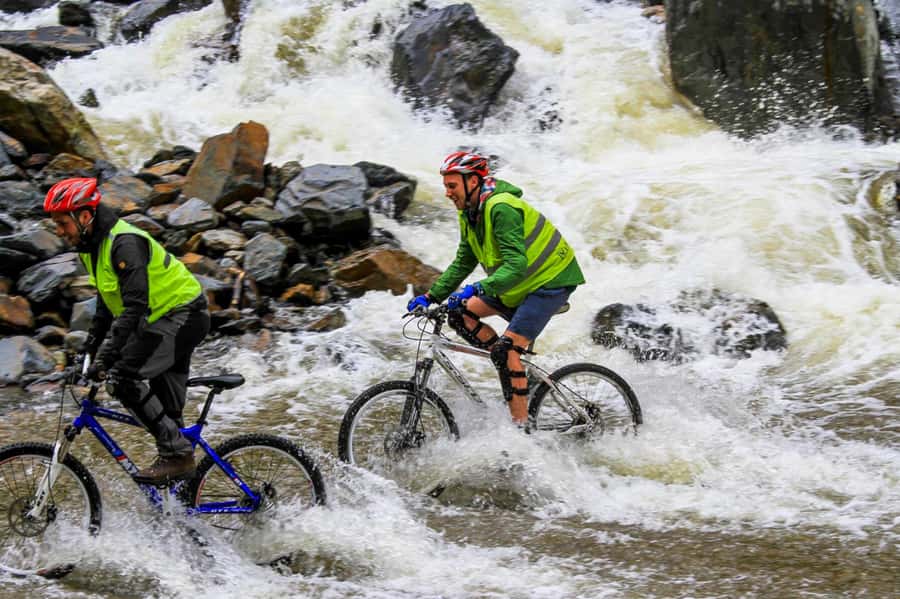
- Abra Malaga bike ride: a downhill run from about 4,350 m with protective gear included.
- Cloud forest + plantations hike: pass coca, coffee, cacao, and native fruit areas on the way to family stops.
- Vilcanota River options: rafting is optional on day 1, and the pace includes a dramatic river crossing.
- Cocalmayo hot springs: a real muscle unwind after hiking and walking.
- Hydroelectric Central Station to Aguas Calientes: scenic train-line walking with Machu Picchu Mountain views.
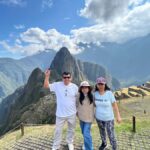
- Sunrise Machu Picchu: a guided tour plus time to climb Huayna Picchu or Machu Picchu Mountain if you book early.
Other ways into the citadel, side by side
- From Aguas Calientes: Machu Picchu guided tour with tickets★ 4.9 · 72 reviews
- From Cusco: Machu Picchu 2 days★ 3.6 · 29 reviews
- Cusco: Machu Picchu Day Trip with Train + Entrance ticket★ 4.5 · 17 reviews
- Rainbow Mountain tour and Machu Picchu tour by train★ 4.8 · 13 reviews
What this Inca Jungle Adventure is really like
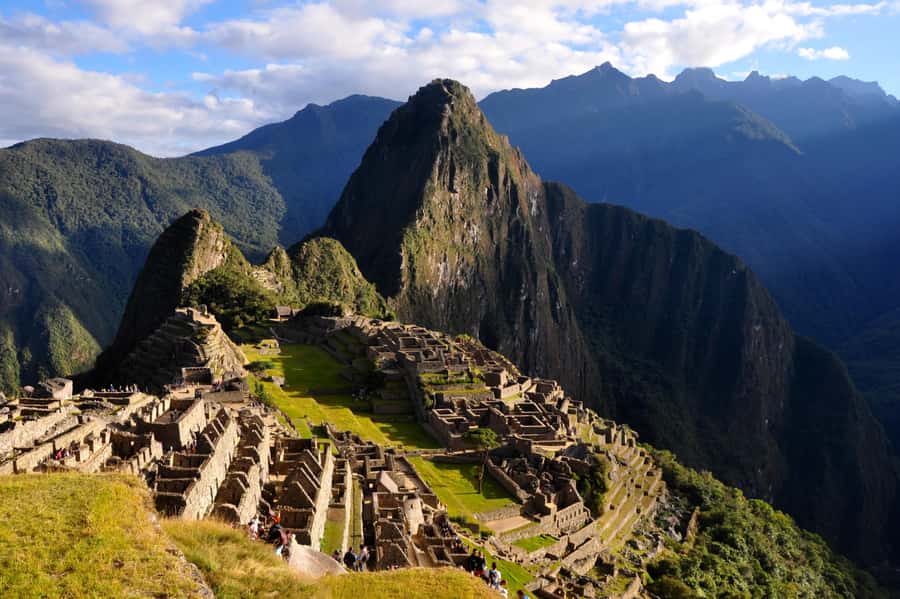
This trip is built for people who want Machu Picchu to feel earned, not downloaded. You start in the Cusco region, move through Sacred Valley style stops, then trade paved roads for dirt, trails, and river crossings. You end with a sunrise entry and a guided look at Machu Picchu that helps you understand what you are seeing, not just take photos.
The style also matters: small group, limited to 10 participants, and a bilingual guide in English and Spanish. That size keeps things from turning chaotic when you are changing activities and moving between transport legs. And you are not stuck on one mode the whole time. You bike, you hike, you zip-line if you choose, you soak your legs, and you walk part of the classic route into Machu Picchu town.
For value, the big thing is that many costs are bundled: transfers from Cusco to the start areas, bikes and protective gear, 3 nights in hostel-style lodging, most meals, and Machu Picchu entrance fees. You still pay a few small add-ons in transit and at the hot springs, but the plan is mostly set.
Day 1: Cusco start, Ollantaytambo breakfast, and biking down Abra Malaga
Your day begins with a 7:00 am hotel pickup and a ride that is meant to get you to altitude before the biking starts. You make a stop in Ollantaytambo for shopping and breakfast. Even if you are mostly focused on the adventure, this is a nice reset point, because Ollantaytambo feels more “real Peru” than a staging area. It also helps you stock up on small essentials before the day gets physical.
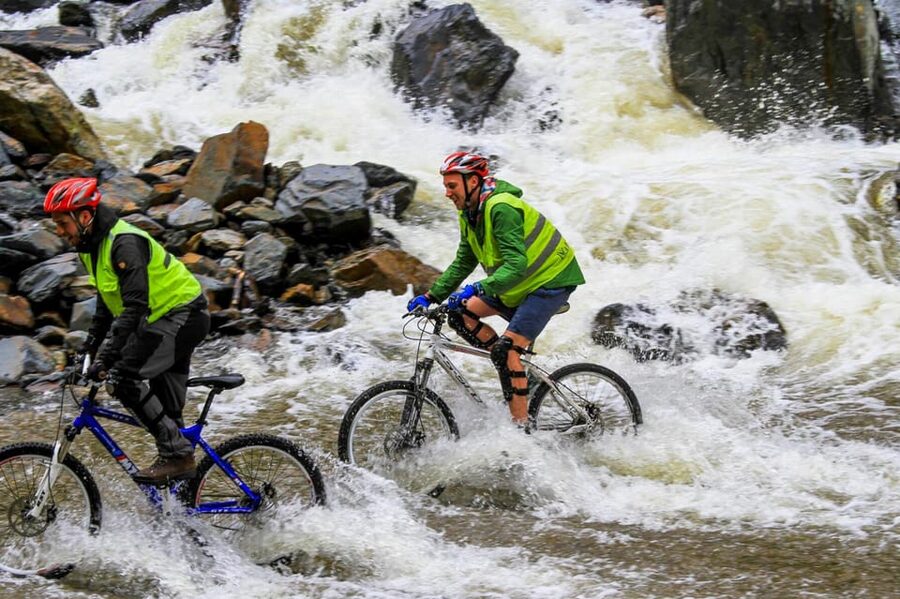
Then comes the signature move: you go up to Abra Malaga at around 4,350 m. From there, you begin a downhill bike ride to Huamanmarca. This is where the trip earns its name. The ride is not just about adrenaline. It is also a controlled way to experience altitude-adjacent views. Downhill biking can feel easier than you think at first, mostly because gravity does the work, but the day still demands focus. You get mountain bikes and protective gear like helmets and knee pads, which matters on a long descent where one mistake is all it takes.
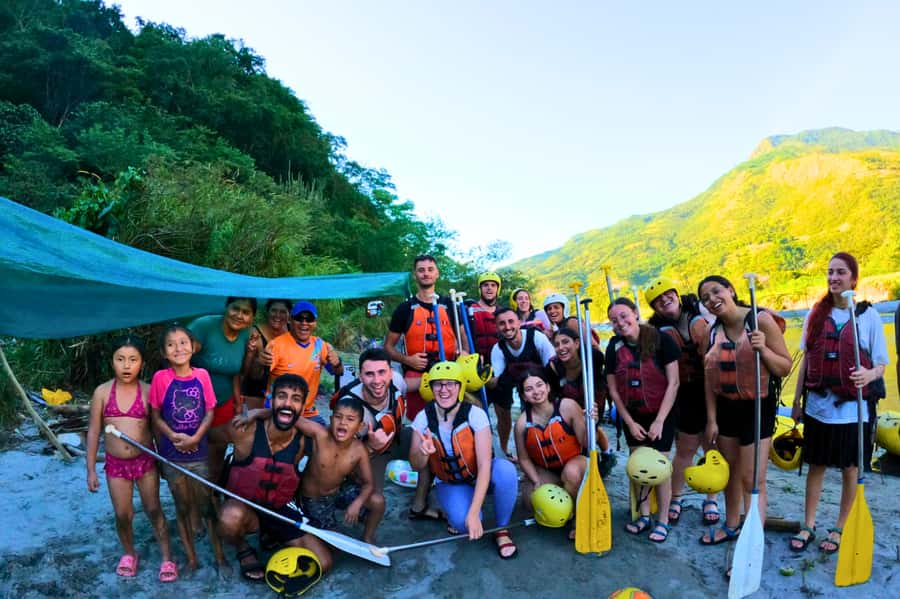
After biking, you transfer toward Santa Maria. This is also where the optional fun appears: you can choose raft time on the Vilcanota River. If you do it, you are trading the bike adrenaline for river energy. If you skip it, the day still includes transport plus time to settle in.
You end by settling into a hostel for lunch, dinner, and overnight. That matters because your day ends with calories in and gear handled, not with you staying out late and trying to be a hero.
Practical tip: pack for layers. Even if Cusco feels sunny, the pass areas can shift quickly. A light rain layer can save you from a wet day that messes with your comfort for the next hikes.
Day 2: Cloud forest trails, family stops, monkey bridge, and Cocalmayo hot springs
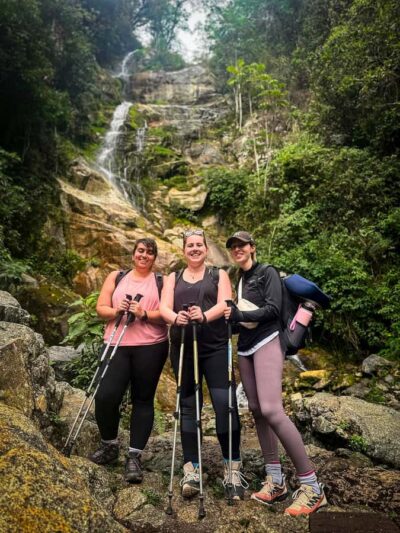
Day 2 starts early, with a 6:30 am departure after breakfast. This is the walking day, and it is where the scenery turns from Andean views into more humid, plant-heavy cloud forest vibes. As you hike, you pass areas tied to local agriculture, including coca, coffee, cacao, and native fruit plantations. That sounds like a list, but on the trail it becomes context: you start to see how people live with the land, not just how it looks from above.
You rest at the Pispitayoq family house. This type of stop is a good pause. You are changing energy levels from “bike and move” to “steady hike,” and you need that moment before the longer stretches.
Then you follow an ancient Inca path to Qellomayu village for lunch. This is one of the days where the guide work is especially helpful. Machu Picchu is the headline, but the route gives you a sense that Inca engineering and living patterns were built for movement through different zones, from higher ground into forest and river corridors.
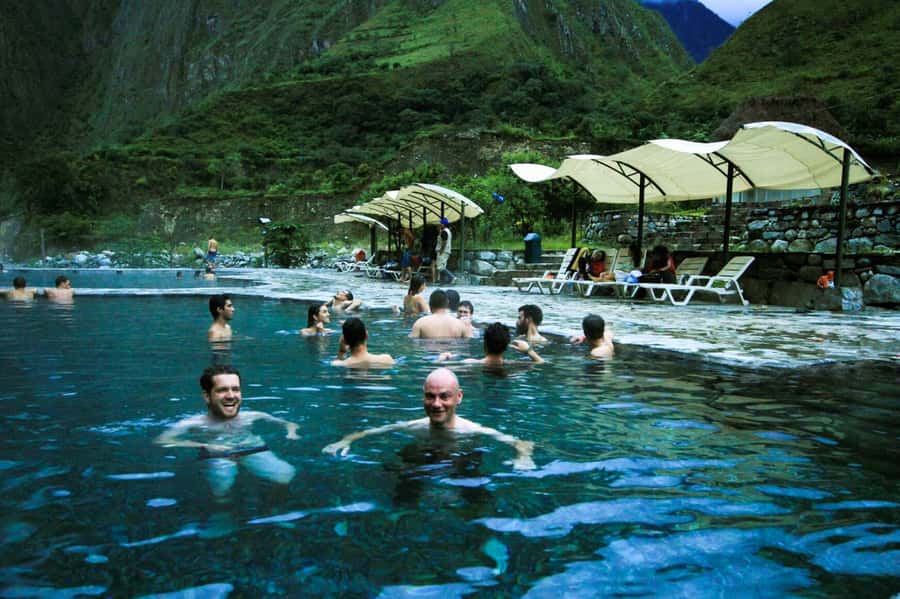
After lunch, the hike continues for about 3 more hours to the Vilcanota River. You cross a monkey bridge, then it is time to soak: Cocalmayo hot springs. The hot springs fee is not included, but you get the chance to use the baths as a recovery tool, and that is a big deal on day 2. By the time you reach Santa Teresa, your body knows it worked, and your legs will love the reset.
You sleep in a hostel again in Santa Teresa. Reviews describe the accommodations as basic but friendly, and your best move here is the same as always on active trips: keep your bag small and use what you pack.
Day 3: Zip-line option, the Hydroelectric walk, and arriving in Aguas Calientes
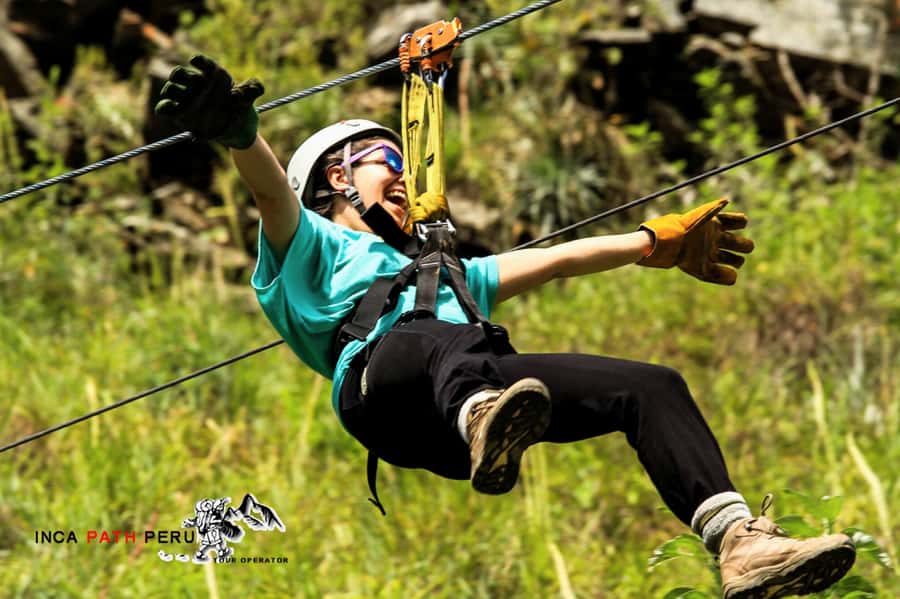
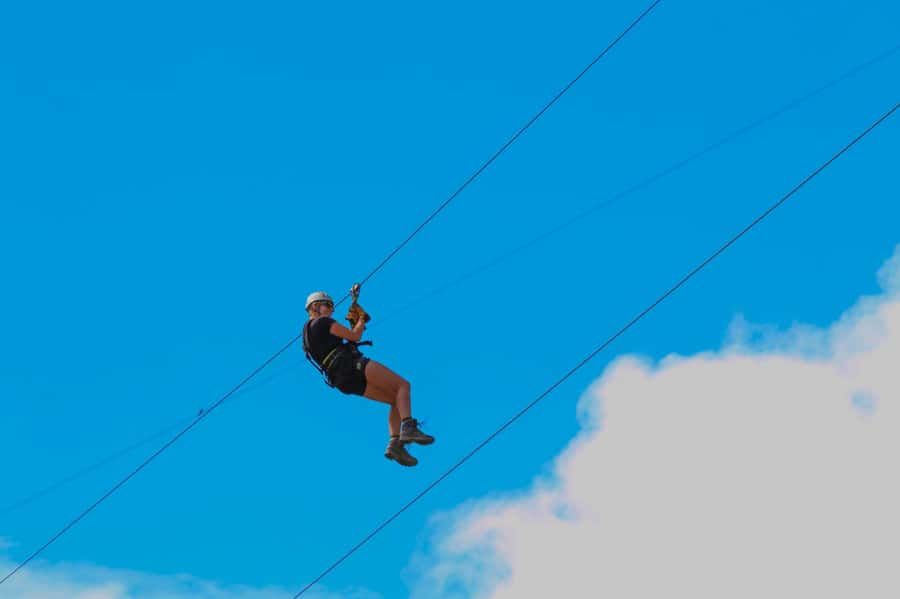
Day 3 begins with a 7:00 am breakfast. Depending on your energy level and nerves, you might add optional zip-lining. If you do it, take it for what it is: an extra adrenaline hit inserted into an already full schedule. If you prefer steadier exertion, you can skip it and keep your focus on the walk.
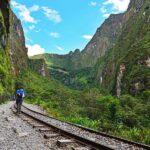
From there, you go on foot to the Hydroelectric Central Station for lunch. This walking leg is part of how you experience the region around Machu Picchu without taking a direct, fast lane. As you continue along the railroad toward Aguas Calientes, you get repeated views of Machu Picchu Mountain. That “approach” feeling builds fast on this route. Even before you reach the ruins, you start recognizing the geometry of the place.
You arrive around 5:00 pm and check into a hostel with a private bathroom and hot showers. That detail matters. After two hiking-heavy days, hot showers are not a luxury, they are a small psychological win. It also helps you sleep better when day 4 starts at 4:00 am.
The Inca Jungle route, other versions
Day 4: Sunrise Machu Picchu with a guided tour, then choices for Huayna Picchu
Day 4 is the big payoff. You wake up at 4:00 am to meet your guide and head for Machu Picchu at sunrise. You can either hike or take a bus, and the bus has an extra cost. Hiking tends to feel more adventurous, but the choice is personal. If you are sensitive to early mornings, the bus can be a smart way to preserve energy for the full ruin day.
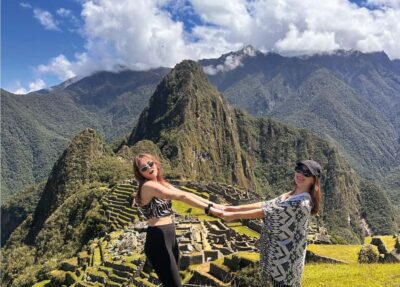
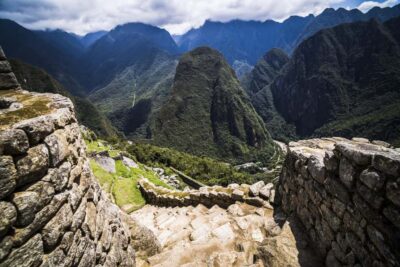
Once you arrive, you get about a 2-hour guided tour. This is where you should lean in and listen. Machu Picchu can look like one stunning view after another, but the real value is understanding what you are looking at: the way terraces function, how people moved through the site, and why certain areas feel more ritual than residential.
Then you explore on your own. You also have optional climb choices: Huayna Picchu or Machu Picchu Mountain. These options have an extra fee and require early booking. If you want one of them, plan ahead. Start by deciding your comfort level, not your ambition. Climbing adds time and steep walking, and you will feel it if you have pushed hard on the earlier days.
After exploring, you return to Aguas Calientes by midday.
To get back to Cusco, you have two options. One is walking back to the Hydroelectric Station, then taking a car for about 7 hours, which is cheaper. The other is taking a train to Ollantaytambo, then a car for about 5 hours, which is more convenient but more expensive. Either way, you end at your hotel in Cusco.
Real-life advice: if you want the most rest for Machu Picchu day memories, choose the option that feels easier on your body. Day 3 and day 4 already deliver plenty of steps, and Cusco transfer time is not the moment to prove toughness.
Price and value: what $439 buys you, and what costs extra
At $439 per person for 4 days, this is priced like a structured, active package. The value is strongest when you add up what is included:
- Pickup and drop-off in Cusco
- Private transport for the long legs between Cusco and starting points
- Mountain bike plus protective gear
- 3 nights in hostel accommodations
- Most meals: 3 breakfasts, lunches, and dinners (with specific items excluded)
- A bilingual guide and Machu Picchu entrance fees
- Optional rafting and optional zip-lining
What you should budget separately:
- Cocalmayo hot springs entrance fee (listed at $3 USD)
- Bus to Machu Picchu (listed at $15 USD each way, noted as double for round trip)
- Breakfast on the first day, and lunch at Machu Picchu day
For readers comparing tours, the key is that you are not just paying for transport and a guide. You are paying for the logistics of multiple activities, gear, and the Machu Picchu entry component. If you tried to book these pieces separately, you would spend time coordinating timing, permits, and transport between zones, and it would likely cost more in your own stress.
My take: at this price, it is a fair deal if you want the full action combo. If you only care about Machu Picchu and would skip biking, hot springs, and river time, you might find a simpler route that costs less.
Accommodation and food: basic on purpose, then nicer where it counts
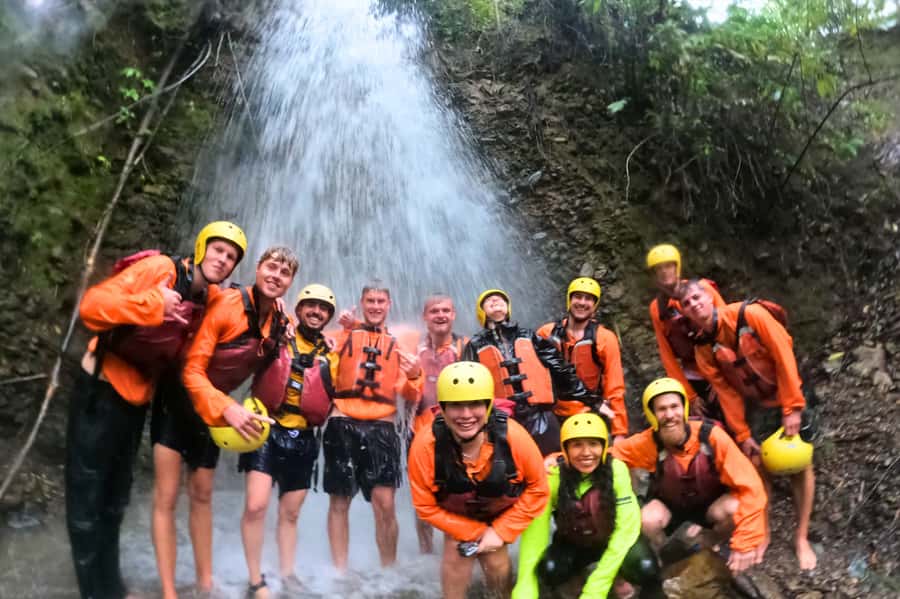
This is hostel-style lodging for 3 nights. That can sound like a downgrade until you remember why: the trip is built around active days and early mornings, and hostels keep you near the next transport and trail start points.
In Aguas Calientes, the lodging is described as having a private bathroom and hot showers, which is a big improvement over simple dorm setups. It is also your staging point for a 4:00 am Machu Picchu morning, so comfort there helps.
Food is included across multiple meals. The big practical note: you do not get breakfast on day 1, and you are responsible for lunch at Machu Picchu. Plan small flexibility. Bring a snack if you know you get hungry between meals, even though snacks are listed as not included.
Also, pack less than you think. One theme from the experience is that a smaller bag makes life easier when you are transferring between vehicles, storing gear, and using a hostel in jungle zones.
Pace, difficulty, and what to watch for
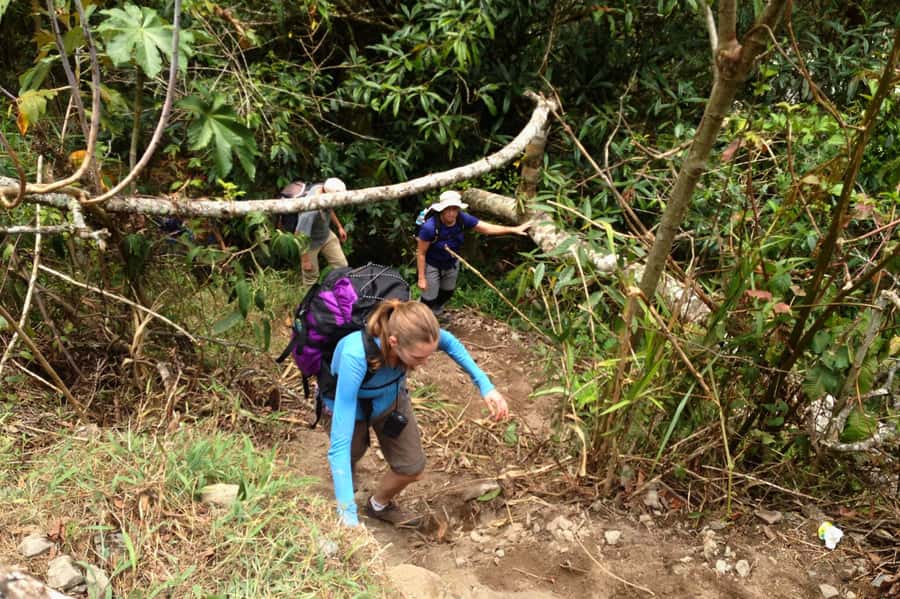
This is an active tour. You should expect biking downhill on day 1, a longer hiking day 2 with a monkey bridge, and then a walking day 3 that reaches Aguas Calientes around 5:00 pm. The hardest part for many people is not just the hiking minutes, it is the early starts stacking up with altitude and fatigue.
The tour is also not suitable for people with altitude sickness. This is not a moral question. It is a safety and comfort question. Your best move is to take altitude seriously and choose an itinerary that matches your body.
Biking experience helps, especially on mountain-bike descents. Protective gear is included, but comfort on a bike still makes a difference. If you have never ridden a mountain bike, practice before you come, or be ready to take it slow and follow your guide’s pace.
As for guides, names that come up include Andy and Carlitos. Both are described as energetic and focused on keeping people moving while adding history and meaning during the trek. With a small group, your guide’s personality matters more than you might think because you will be together through many parts of the day.
Practical packing and behavior tips that actually matter
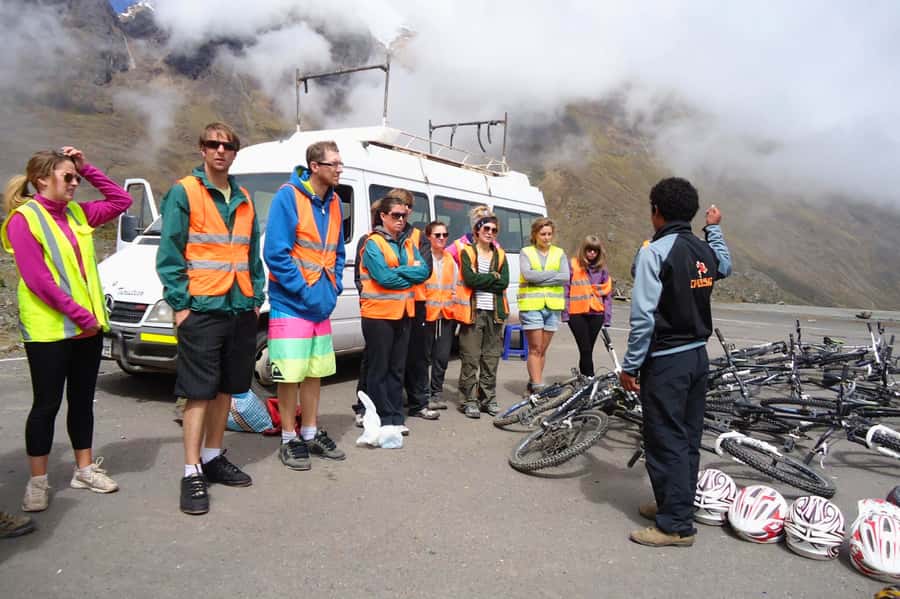
This kind of trip is easier when you travel light and travel prepared. You only have one hard requirement: bring your passport. Since you start early and switch activities, I recommend treating your gear like a system:
- Bring a small day bag for snacks, water, and layers.
- Wear hiking shoes you trust for rocky trail days and river-crossing approaches.
- Keep a rain layer handy, because weather can change around pass elevations.
- Pack enough for cool mornings. Sunrise mornings feel colder.
Behavior-wise, the rules are simple: feeding animals is not allowed.
Who should book this and who should skip it
You should book if:
- You want a mix of adventure activities rather than just walking to Machu Picchu.
- You like guided context at the ruins, but also want independent time to explore.
- You enjoy early starts and you recover well after active days.
- You are comfortable with a small group pace and want your guide to keep you organized.
You should skip if:
- You have altitude sickness or you know you tend to react poorly to high elevations.
- You want a low-effort day with fewer transitions.
- You dislike activities like biking and hiking and would rather spend the time more quietly.
If you are unsure, be honest about your comfort with day 2 hiking and day 4 sunrise timing. Those two pieces decide whether the trip feels exciting or exhausting.
Should you book this 4-day Inca Jungle Adventure to Machu Picchu?
Yes, if you want the “how you get there” to matter as much as Machu Picchu itself. The combination of Abra Malaga biking, cloud forest walking, Cocalmayo hot springs, and an organized sunrise Machu Picchu day is a strong match for people who like movement and meaningful guide explanations.
I would think twice if altitude is a concern or if you prefer a calmer itinerary. This route is active from the first morning, and it rewards people who show up ready to work.
If your plan is to come to Peru for Machu Picchu and also want real variety during the approach, this is a solid, practical pick at $439, with clear add-ons and a schedule that is built to keep you moving without feeling lost.
FAQ
What is the duration of the Machu Picchu Inca Jungle Adventure?
The tour lasts 4 days.
Where does the tour take place?
It is in the Cusco region of Peru, with activities centered around the Sacred Valley area and Machu Picchu.
How much does it cost?
The price listed is $439 per person.
What is included in the tour?
Included items are hotel pickup and drop-off in Cusco, private transport from Cusco to Malaga Pass/Santa Maria, a mountain bike and protective gear, 3 nights in hostel accommodations, meals (3 breakfasts, lunches, and dinners), a bilingual professional guide, Machu Picchu entrance fees, and optional rafting and optional zip-lining.
What costs extra besides the tour price?
You should budget for Cocalmayo hot springs entrance fee ($3 USD) and the bus to Machu Picchu ($15 USD). Lunch at Machu Picchu and breakfast on the first day are not included, and snacks are not included.
How early do you start on the Machu Picchu day?
You wake up at 4:00 am to meet your guide for the sunrise plan, either hiking or taking the bus (extra cost).
Is the Machu Picchu tour guided?
Yes. You receive a guided tour of Machu Picchu for about 2 hours, and then you explore on your own.
Can you climb Huayna Picchu or Machu Picchu Mountain?
Yes, those are optional add-ons with extra fees, and they require early booking.
What kind of group size is it?
It is a small group, limited to 10 participants.
Who should not take this tour?
The tour is not suitable for people with altitude sickness.
More Tour Reviews in Aguas Calientes
- From Aguas Calientes: Machu Picchu guided tour with tickets
★ 4.9 · 72 reviews - From Cusco: Machu Picchu 2 days
★ 3.6 · 29 reviews - Cusco: Machu Picchu Day Trip with Train + Entrance ticket
★ 4.5 · 17 reviews - Rainbow Mountain tour and Machu Picchu tour by train
★ 4.8 · 13 reviews - From Cusco: One-Day Round Trip to Machu Picchu by Train
★ 4.7 · 10 reviews
More of the Inca Jungle Route
- Inka Jungle trek to Machu Picchu 3 D/ 2 N
★ 4.8 · 4 reviews
Machu Picchu, Three More Ways
- From Aguas Calientes: Machu Picchu guided tour with tickets
★ 4.9 · 72 reviews - From Cusco: Machu Picchu 2 days
★ 3.6 · 29 reviews - Cusco: Machu Picchu Day Trip with Train + Entrance ticket
★ 4.5 · 17 reviews - Rainbow Mountain tour and Machu Picchu tour by train
★ 4.8 · 13 reviews - From Cusco: One-Day Round Trip to Machu Picchu by Train
★ 4.7 · 10 reviews
Fresh in from Aguas Calientes
Machu Picchu & Aguas Calientes Tours, compared.
 ★ 4.7Full-Day Group Tour of Machu PicchuFrom $3211,767 reviews
 ★ 4.5Machu Picchu Day Trip from CuscoFrom $3361,644 reviews
 ★ 4.6Machu Picchu: Full-Day Tour from Cusco with Optional LunchFrom $283927 reviews
 ★ 4.84-Day Inca Trail to Machu Picchu with AccommodationFrom $470432 reviews
 ★ 4.62-Day Trip to the Sacred Valley and Machu PicchuFrom $370265 reviews
 ★ 4.9Machu Picchu 2-Day Inca Trail with Panoramic TrainFrom $582260 reviews
 ★ 4.22-Day Inca Trail to Machu PicchuFrom $290244 reviews
 ★ 4.9Machu Picchu: Inca Trail 2-Day Overnight Guided TourFrom $585203 reviews
Browse the lists this tour appears in