
REVIEW · CITY TOURS
Cusco: Half-Day Historic City Tour
Cusco hits you fast, then keeps going. This Cusco historic city tour packs the Cathedral of Cusco and Qoricancha into the afternoon, then sends you by air-conditioned coach to the outer Inca sites like Sacsayhuaman and Qenqo. I love the big-picture sweep for the time, and I also like that the tour mixes indoor history with outdoor ruins, instead of only doing one type of stop. One drawback to keep in mind is that the pacing can feel tight, and you may run into some sales pitches during the day.
If you want to get your bearings in Cusco without spending hours planning buses, pickup, and ticket math, this format works well. It is also designed for a small group, so you can ask questions as you go, even when the itinerary moves.
Key things I’d plan for on this Cusco tour
- Cathedral + Qoricancha first, before you head outward to the ruins
- Air-conditioned coach for the travel between clustered Cusco sites
- Bring cash for entry fees, since multiple tickets are required
- A quick craft-center stop focused on identifying real vicuña garments
- Expect some time pressure, so wear shoes that handle uneven ground
More that leaves from a Cusco hotel door
- Cusco: Humantay Lake Tour with Breakfast and Buffet Lunch★ 4.9 · 2,976 reviews
- From Cusco: Moray, Maras Salt Mines & Chinchero Weavers Tour★ 4.8 · 1,925 reviews
- From Cusco: Full-Day Group Tour of Machu Picchu★ 4.7 · 1,767 reviews
- Machu Picchu Day Trip from Cusco★ 4.5 · 1,644 reviews
Price and tickets: the real cost of seeing everything
This tour looks budget-friendly at $18 per person, but the entry fees are on you. The trip includes pickup in central Cusco, transportation, and a local guide, yet you still need to pay for three separate items in local currency: the Cathedral entrance ticket (25 soles), the Qoricancha Museum entrance ticket (15 soles), and a tourist ticket (70 soles).
That means the “total day cost” is more like the tour price plus those site fees. Still, it is often good value in Cusco because the tourist ticket tends to cover access to the key archaeological areas in this route, and the guide saves you time figuring out the logistics.
My practical tip: bring cash in small bills so you are not stuck at the front of the line. Also, keep your tourist ticket secure because it is the key to the ruins part of the day.
The schedule that shapes the whole experience (1 PM to 7:30 PM)
The tour starts at 1:00 PM with pickup from your hotel in central Cusco. If your hotel is outside the city center, pickup is arranged from the Inka Ahy statue in the main square, which is useful to know so you can plan where to meet.
You are out exploring for about 7 hours, and the coach returns around 7:30 PM to Santa Catalina Street, near the main square. The timing matters because this is not a slow museum day. You will get explanations, see key parts of each site, and then move on, so it suits travelers who like action and context more than long free roaming.
One more detail that affects your comfort: the tour runs rain or shine, so bring weather-appropriate layers even if the morning looks sunny.
Cathedral of Cusco and Qoricancha: the Inca-turned-colonial start
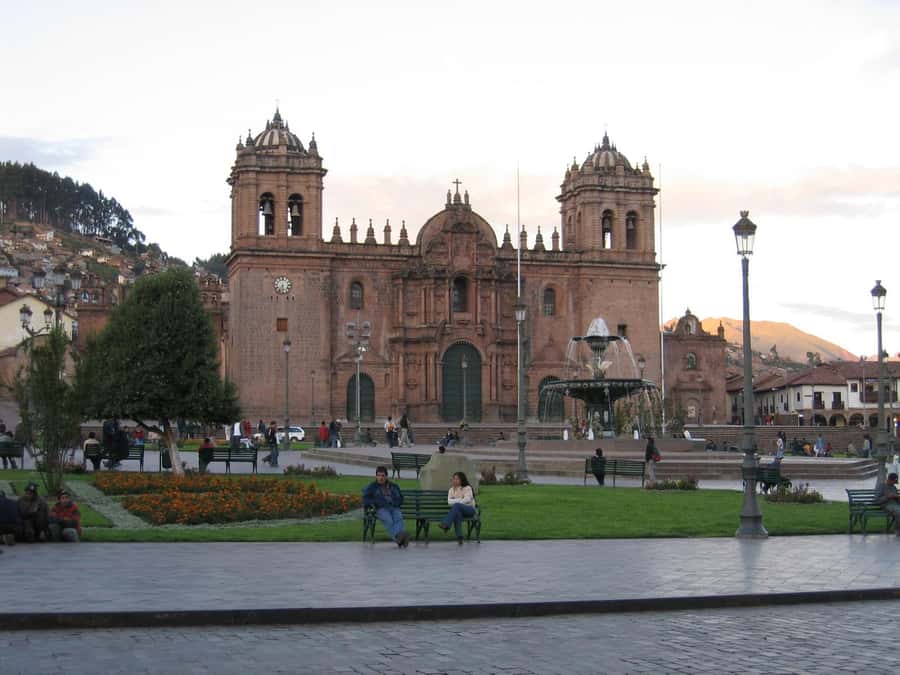
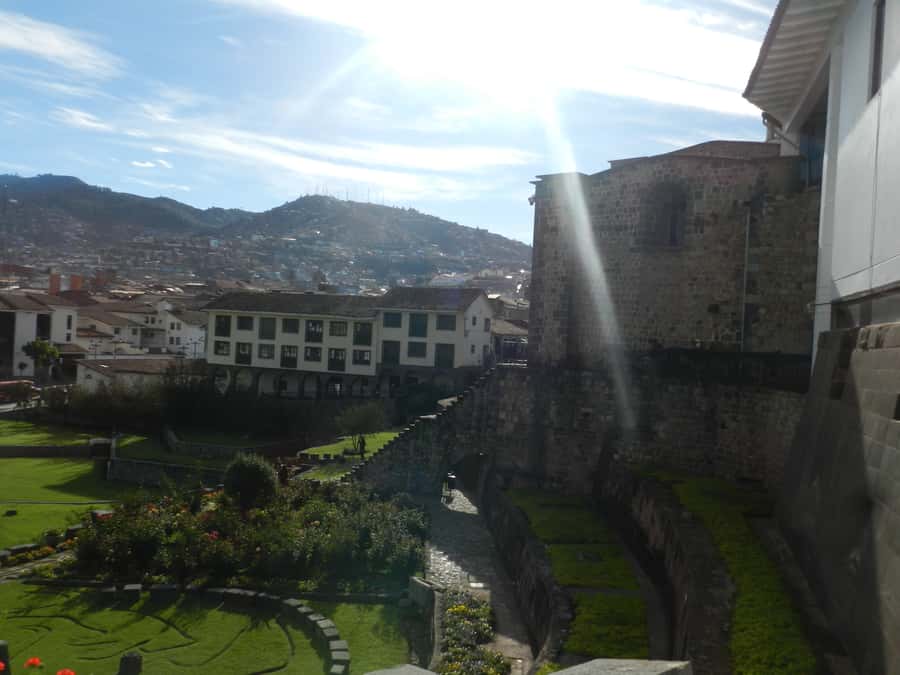
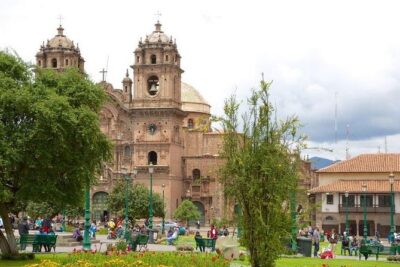
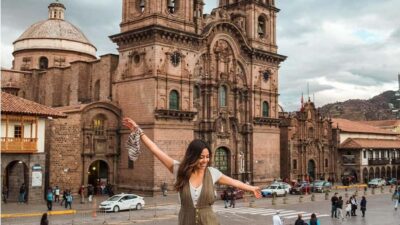
The day begins indoors, which is a smart way to get the narrative rolling. You first visit the Cathedral of Cusco, a UNESCO World Heritage Site, and the focus is on its paintings, carvings, and sculptures. Even if you are not a church superfan, this stop helps you understand why Cusco’s story changed hands over centuries, without pretending the past was simple.
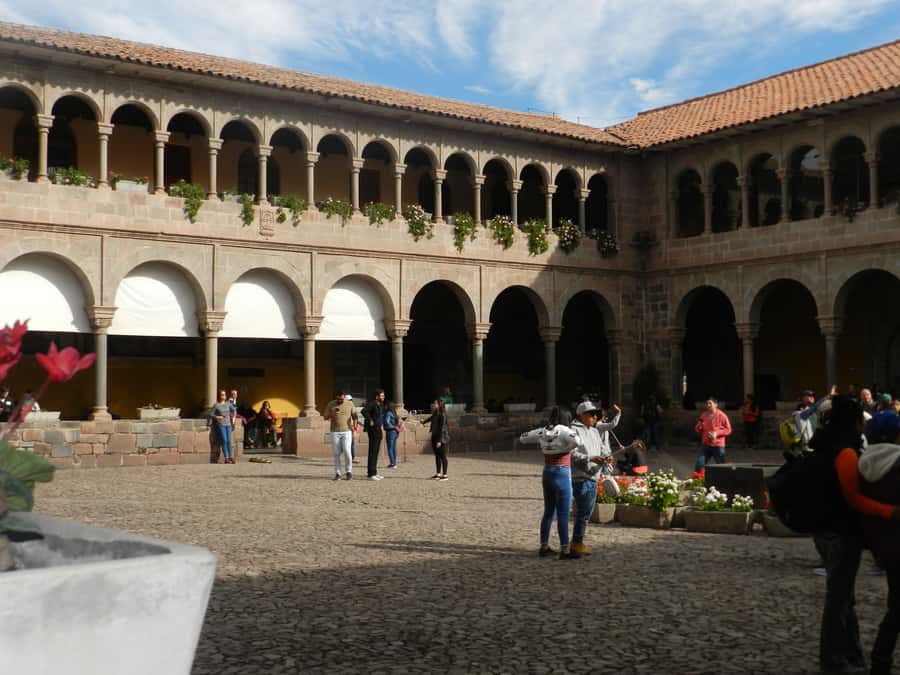
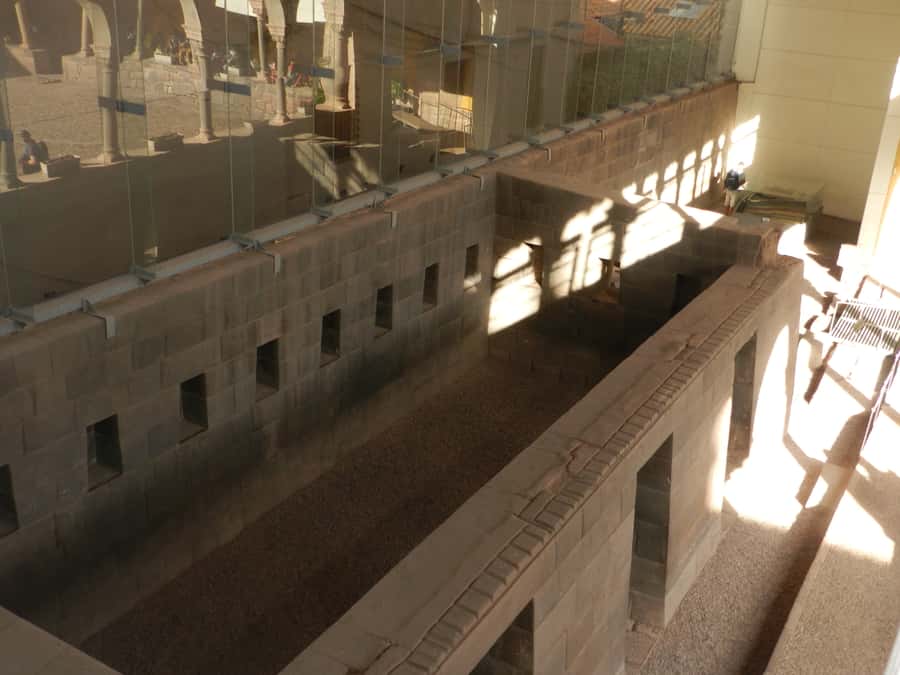
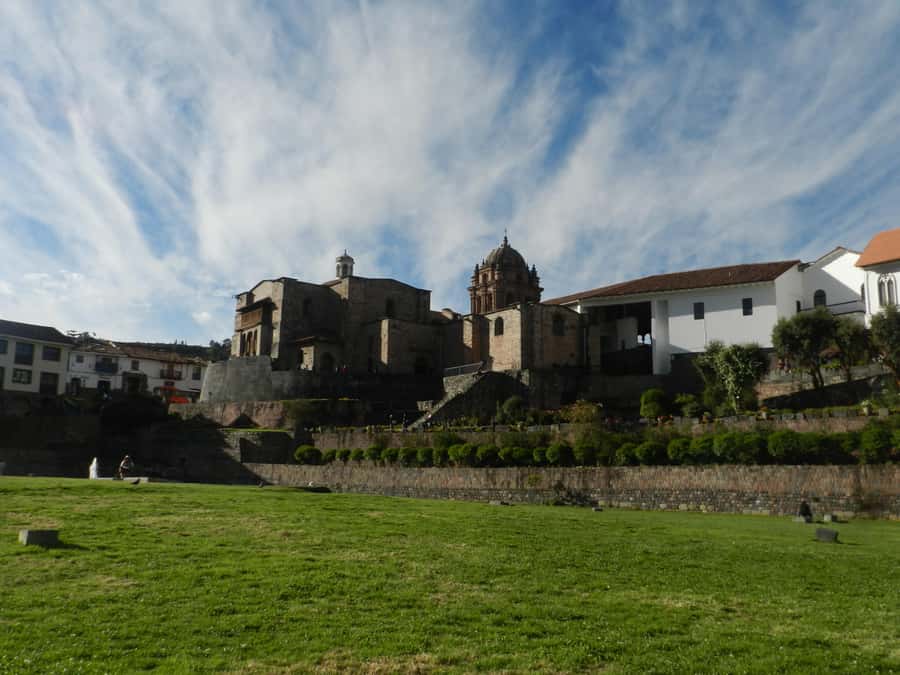
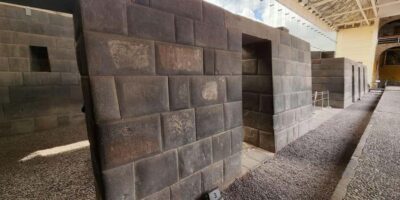
Next comes Qoricancha, also known as the Temple of the Sun. The tour frames it as an Inca-era temple originally built for worship of the Sun, and you get to see how that spiritual center became layered with later history. This pairing, Cathedral then Qoricancha, is a strong “before and after” lesson in one afternoon.
What I like about starting here is that you are learning the symbolism and cultural shifts before the day gets physically outdoors.
Practical note: the Cathedral and Qoricancha entrance tickets are not included, so plan that money early so you do not scramble.
Sacsayhuaman: the massive stone site you can’t really speed through
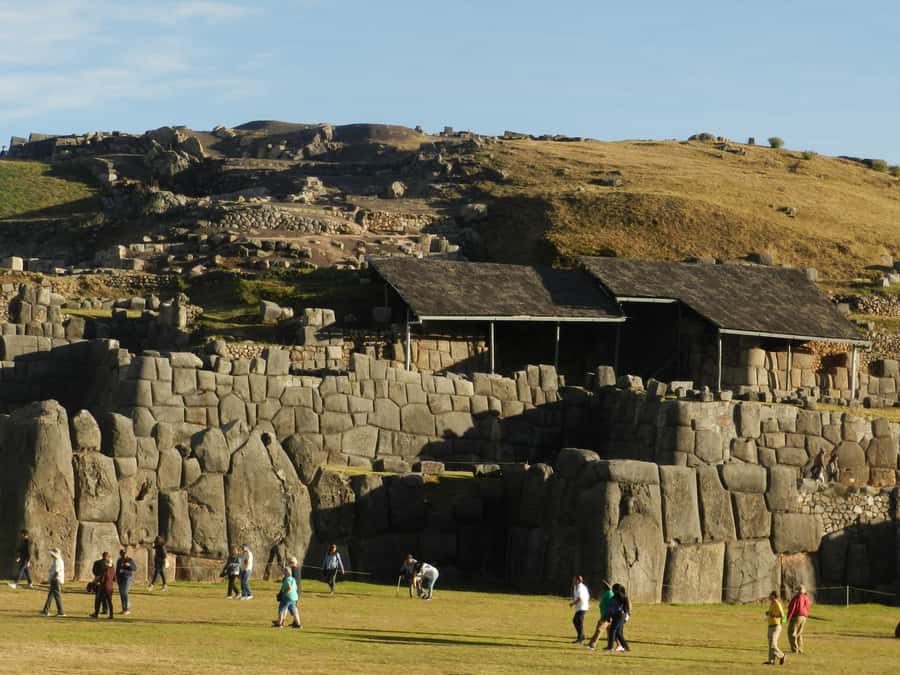
After the museum stops, the coach takes the group about 2 km from the city center to Sacsayhuaman. This is described as a vast complex made up of 33 archaeological sites, and it is believed to have been built for military purposes.
Here is why this stop is worth it: Sacsayhuaman is not just “another ruin.” The scale and stonework make it easy to feel how intentional the site was. In a longer stay you could look longer, but even in a timed visit, you still walk away with a clear sense of the area’s power and planning.
If you are someone who likes photos, bring your camera ready. The angles and stone shapes give you plenty of viewpoints, and your guide’s explanation helps you know what you are looking at.
More of the city on foot and by open-top bus
Qenqo and the sacred geometry of ceremonies
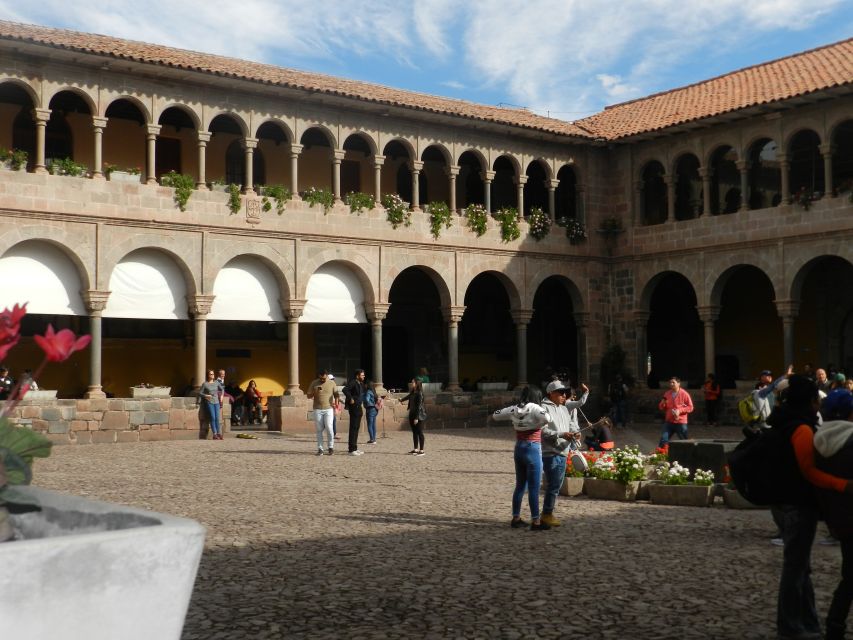
Next you head to Qenqo, sometimes translated as labyrinth. The tour notes it as a sacred place where ceremonies were performed honoring the Sun, Moon, and stars.
This is one of the stops where the guide makes a big difference. Even if you are not ready to memorize every detail, you will usually come away with the idea that this place was used for ritual observation and meaning, not random gathering.
If you like astronomy themes, Qenqo is a satisfying connection to how Inca people linked space, time, and spirituality.
Puca Pucara: plazas, watchtowers, and the “food storage” angle
From the city center, the route goes about 7 km to Puca Pucara. This complex is described as having halls, inner plazas, aqueducts, watchtowers, and paths, and it is believed to have served as a military complex and a place for food storage.
This is a useful counterbalance to the more ceremonial vibe of Qenqo. Puca Pucara pushes you toward practical questions: where did people stay, how did supplies move, and how were defenses managed.
The tour format gives you enough guided context to spot the different features, but it still feels like you are watching a whole system, not only ruins in isolation.
Tambomachay and the fresh water spring stop
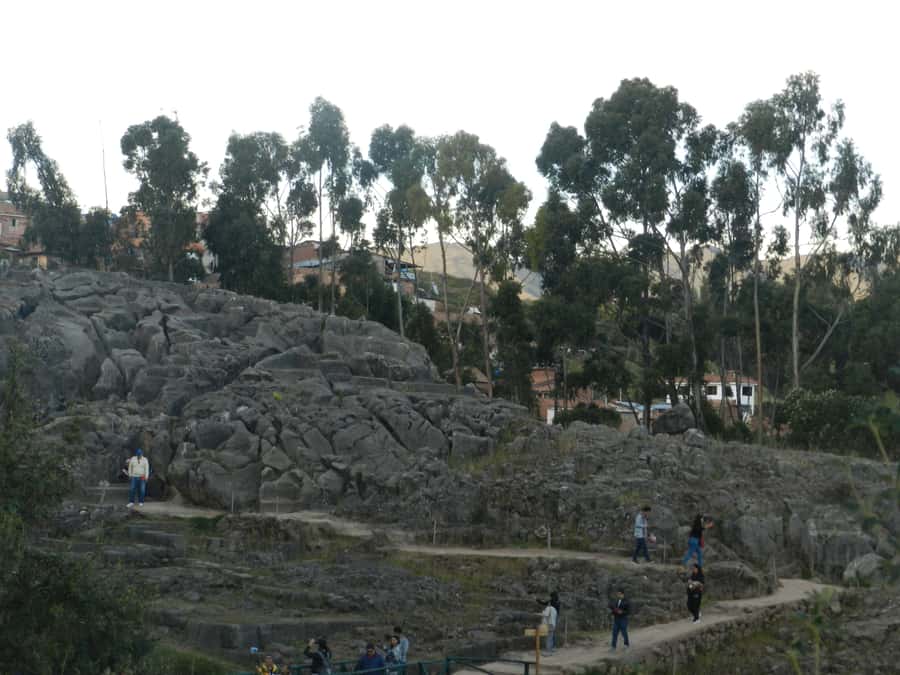
Then you visit Tambomachay and its fresh water spring. The tour treats it as a key part of the route because water in Inca design was never just utility.
If you have been walking in the afternoon heat, this stop can feel like a reset. Even if you only spend a short time here, the change of pace helps the day avoid becoming one long blur of stone.
Craft center: learning how to spot real vicuña wool
The final activity is a craft-center stop where a local guide explains ancient Incan crafts. You also get instruction on how to identify traditional garments made from vicuña wool.
This is the part of the day that feels most practical if you are shopping. Cusco is full of textiles, and it helps to know what to look for beyond price tags and marketing. The guide’s explanations can make you a smarter buyer, or at least a less stressed browser.
A note for expectations: you might see a bit of sales pressure at various points. Some days include vendors stepping onto the bus to sell small items, like snacks or books, and the vibe can turn a little more commercial than pure sightseeing. If that annoys you, keep your mindset set to a quick stop, not a disruption of the tour’s core value.
Group size, language, and how to get the most out of a timed tour
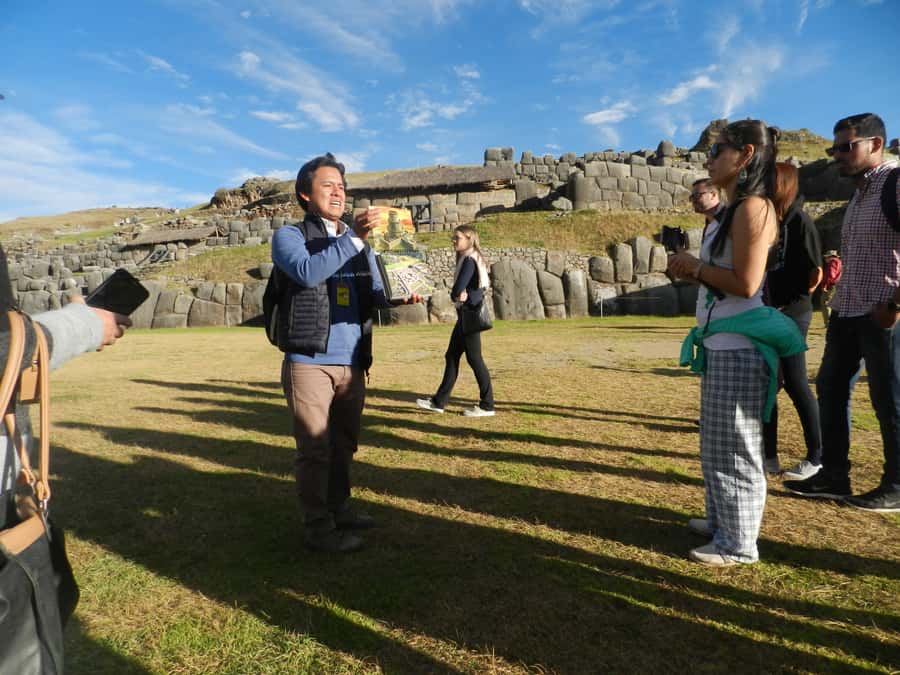
The tour is marketed as small group, and the details list up to 12 participants. At the same time, the tour description also says group tours can be up to 20, so in practice you may see more people on some departures.
Either way, this is not a huge bus tour. You should still feel like your guide can steer the group and answer questions, though time limits are real. A couple of practical tips:
- Wear hiking shoes that work on uneven ground.
- Bring sunscreen and a sun hat, because you will be outside.
- Plan to move with the group rather than expecting endless detours.
Language is another thing to consider. The tour is listed as English, but if your group makeup changes, you could hear additional languages in the same vehicle. If you need strictly English interpretation the whole time, it is worth confirming at booking or asking the operator what the guide setup looks like for your specific date.
What’s included, what’s not, and what to pack
Included in the tour: pickup from central hotels, transportation, and a local guide. Not included: entrance fees for the Cathedral, Qoricancha Museum, and the tourist ticket (70 soles) required for the archaeological areas.
For what to bring, follow the list closely:
- Passport or ID card
- Sun hat
- Hiking shoes
- Sunscreen
- Cash for tickets and any optional purchases
- Weather-appropriate clothing, because the tour runs rain or shine
One more practical detail: pets are not allowed, though assistance dogs are.
Who this Cusco half-day historic tour fits best
This tour fits you best if you want:
- A clear Cusco overview with both museums and major ruins
- Guided context that helps you understand what each site was for
- A structured afternoon that gets you back near the main square by evening
It may be less ideal if you:
- Want a slow, linger-and-stare pace
- Prefer zero shopping energy and zero sales pitches
- Need wheelchair-accessible or mobility-friendly sightseeing, since the tour is not suitable for mobility impairments or wheelchair users
Should you book this Cusco tour?
I would book it if you like your sightseeing organized and your history explained in manageable chunks. Starting with the Cathedral and Qoricancha gives you the cultural backbone, then the outer sites like Sacsayhuaman, Qenqo, Puca Pucara, and Tambomachay deliver the Inca-era outdoor payoff. The craft-center textiles add a smart practical angle, especially if you are tempted to buy clothing while in Cusco.
Skip or shop around if you strongly dislike rushed itineraries, long repetitive explanations, or any sales interruptions during the trip. Also, if you are trying to keep costs down, do the simple math upfront so those entry fees do not surprise you.
FAQ
What time does the Cusco historic city tour start?
Pickup begins at 1:00 PM from your Cusco hotel.
How long is the tour?
The experience runs for about 7 hours.
What time does the coach return to Cusco?
The coach returns at approximately 7:30 PM to Santa Catalina Street near the main square.
Is hotel pickup included?
Yes. Pickup is included for hotels in the city center. If your hotel is outside the city center, pickup is arranged from the Inka Ahy statue in the main square.
What sites are included in the route?
You visit the Cathedral of Cusco and Qoricancha Museum, then the Sacsayhuaman, Qenqo, Puca Pucara, and Tambomachay sites. The tour ends with a craft center visit.
Are tickets to the Cathedral and Qoricancha included?
No. The Cathedral entrance ticket (25 soles) and Qoricancha entrance ticket (15 soles) are not included.
Is the tourist ticket included?
No. A tourist ticket is required, listed as 70 soles, and it is not included in the tour price.
What is the group size?
The tour is described as small group and limited to 12 participants, while the tour description also notes group tours of up to 20 people.
What language is the tour guide?
The live tour guide provides English.
What should I bring, and is the tour rain or shine?
Bring your passport or ID, a sun hat, hiking shoes, sunscreen, and cash, plus weather-appropriate clothing. The tour runs rain or shine.
More Tour Reviews in Cusco
- Cusco: Humantay Lake Tour with Breakfast and Buffet Lunch
★ 4.9 · 2,976 reviews - From Cusco: Moray, Maras Salt Mines & Chinchero Weavers Tour
★ 4.8 · 1,925 reviews - From Cusco: Full-Day Group Tour of Machu Picchu
★ 4.7 · 1,767 reviews - Machu Picchu Day Trip from Cusco
★ 4.5 · 1,644 reviews - Cusco: Half-Day City Tour with Sacsayhuaman and Q’enco
★ 4.6 · 1,129 reviews
Still in the City? Keep Going
- Cusco: Half-Day City Tour with Sacsayhuaman and Q’enco
★ 4.6 · 1,129 reviews - City Tour Cusco Qoricancha Sacsayhuaman y Tambomachay
★ 4.7 · 617 reviews - Cusco: Sightseeing Tour of the City on an Open-Top Bus
★ 4.0 · 481 reviews - Open Bus Cusco City Tour
★ 4.5 · 219 reviews - Cusco: City Tour | Half-Day Tour to 4 Archaeological Sites
★ 4.6 · 206 reviews
More Leaving From Cusco
- Cusco: Humantay Lake Tour with Breakfast and Buffet Lunch
★ 4.9 · 2,976 reviews - From Cusco: Moray, Maras Salt Mines & Chinchero Weavers Tour
★ 4.8 · 1,925 reviews - From Cusco: Full-Day Group Tour of Machu Picchu
★ 4.7 · 1,767 reviews - Machu Picchu Day Trip from Cusco
★ 4.5 · 1,644 reviews - Cusco: Half-Day City Tour with Sacsayhuaman and Q’enco
★ 4.6 · 1,129 reviews
Fresh in from Cusco


City Tours, compared.
 ★ 4.6Half-Day City Tour with Sacsayhuaman and Q’encoFrom $131,129 reviews
 ★ 4.7City Tour Cusco Qoricancha Sacsayhuaman y TambomachayFrom $13617 reviews
 ★ 4.0Sightseeing Tour of the City on an Open-Top BusFrom $12481 reviews
 ★ 4.5Open Bus Cusco City TourFrom $14219 reviews
 ★ 4.6City Tour | Half-Day Tour to 4 Archaeological SitesFrom $29206 reviews
 ★ 5.0City Tour in Cusco & visit Museum South American Camelid Private.From $49147 reviews
 ★ 4.5Cusco City Sightseeing, San Pedro Market, Cathedral and Qorikancha TempleFrom $59139 reviews
 ★ 4.2Half-Day City TourFrom $17129 reviews
Browse the lists this tour appears in