
REVIEW · CITY TOURS
Cusco: Half-Day City and Nearby Archaeological Sites Tour
In Cusco, the Inca story starts uphill. This half-day tour links the city center to major Inca-era sites, with stops that explain what you are looking at as you walk.
I especially like two things. First, you get a clear, efficient first-timer route through some of Cusco’s most important locations. Second, the tour handles key entry tickets, including Coricancha and the Cusco Cathedral, so you are not juggling as much paperwork mid-trip.
One thing to plan around: you still need the Cusco Tourist Ticket (BTC) for the archaeological sites, and pickup is limited to hotels in the Historic Center, not private Airbnb addresses.
Key things you will notice on this tour
- Coricancha’s big reveal: Temple of the Sun roots, then a Spanish-era convent built on top
- Sacsayhuaman’s stone mystery: massive blocks and the enduring question of how they were moved
- Inti Raymi context: you visit the ceremonial fortress where the June 24 reenactment happens
- Quenqo’s religious layout: a site built for mainly spiritual purposes
- Puka Pucara’s complex design: plazas, baths, aqueducts, walls, and towers, with an Inca rest stop connection
- Guides who teach in plain language: multilingual support (and guides such as Fred or Jose are specifically noted for helpful explanations)
More that leaves from a Cusco hotel door
- Cusco: Humantay Lake Tour with Breakfast and Buffet Lunch★ 4.9 · 2,976 reviews
- From Cusco: Moray, Maras Salt Mines & Chinchero Weavers Tour★ 4.8 · 1,925 reviews
- From Cusco: Full-Day Group Tour of Machu Picchu★ 4.7 · 1,767 reviews
- Machu Picchu Day Trip from Cusco★ 4.5 · 1,644 reviews
Why this Cusco half-day circuit is a smart start
This is the kind of tour that helps you stop seeing Cusco as one big blur of streets. In just five hours, you move from the main square area to uphill archaeology, with enough structure that the sites start making sense.
If you are new to the city, I like that the route is compact but not random. You are not just ticking off names. You are matching places to eras, starting with Inca religious power, then shifting to Spanish layers, then returning to Inca engineering and ceremony outside the city.
There is also a practical upside to half-day pacing. You can do this early in your trip, then use what you learned as a mental map for everything else you choose later, whether that is markets, viewpoints, or deeper archaeology.
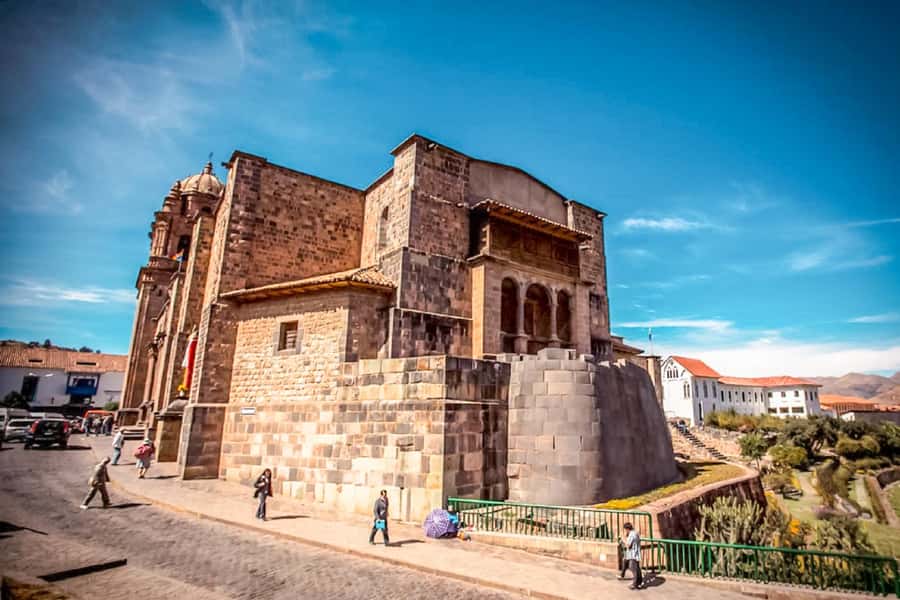
Starting at Coricancha, Temple of the Sun to Santo Domingo Convent
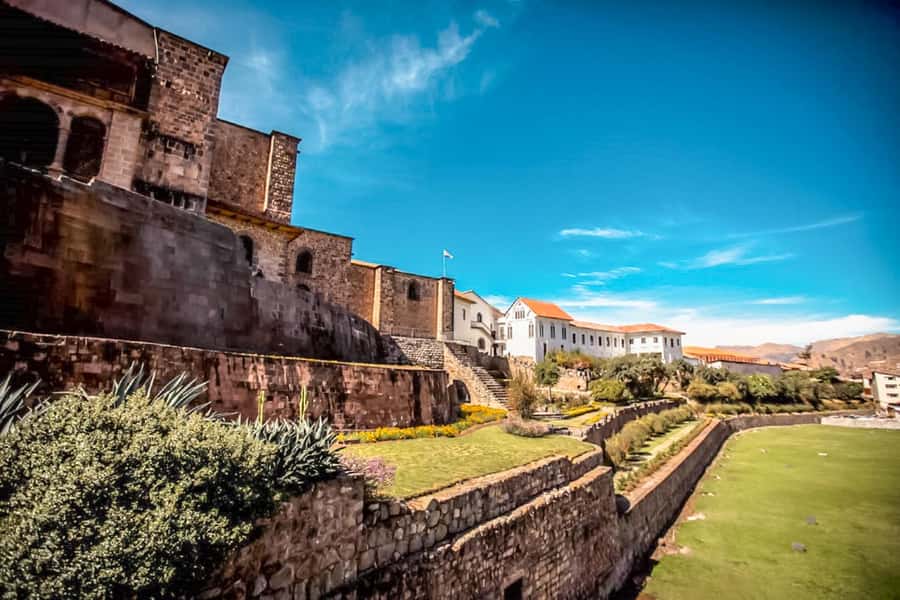
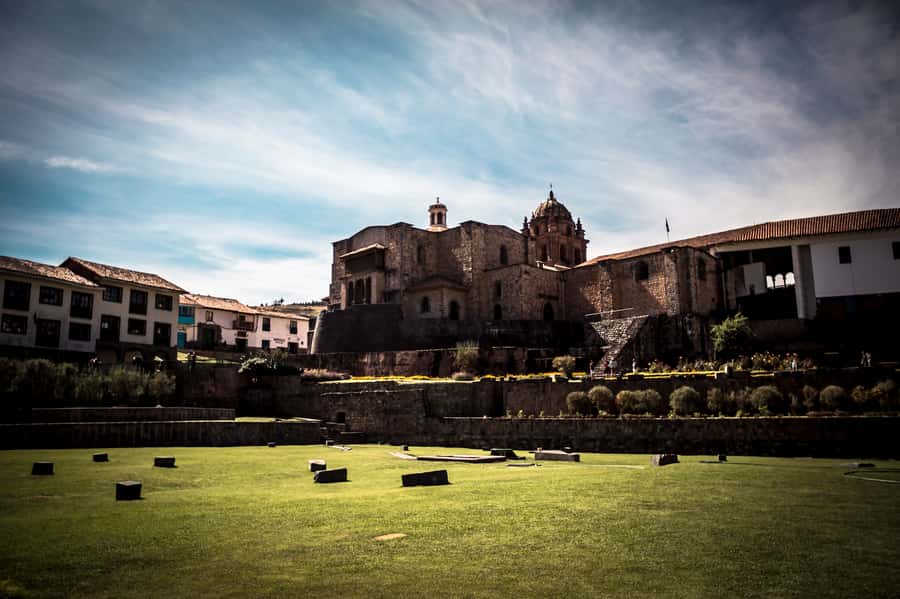
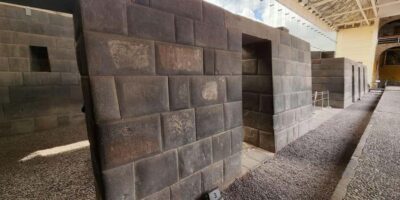
Coricancha is where the tour makes its first major point: power, religion, and architecture were tied together in Inca Cusco. You start at the complex also known as the Temple of the Sun, linked to Inca Pachacutec. That connection matters because it frames Coricancha as more than a pretty ruin. It was part of how the Inca organized sacred space.
Then you get the key historical “layer” that Cusco is famous for. When the Spanish arrived, Coricancha became the base for the Santo Domingo Convent. That means you are not looking at a single timeline. You are looking at adaptation, reuse, and how conquest played out in stone and daily life.
What I like here for your experience is the built-in way the guide can connect details. When you understand that one site can represent both Inca devotion and Spanish construction, the rest of the day clicks faster.
Practical note: bring sunscreen and comfortable clothes. Even in a short tour, you will likely have bright sun and short periods of standing and walking.
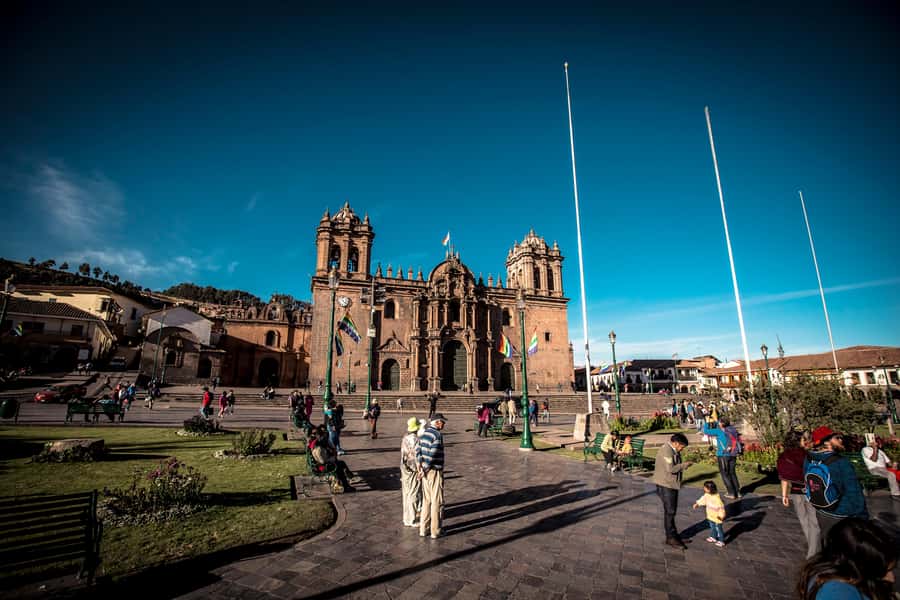
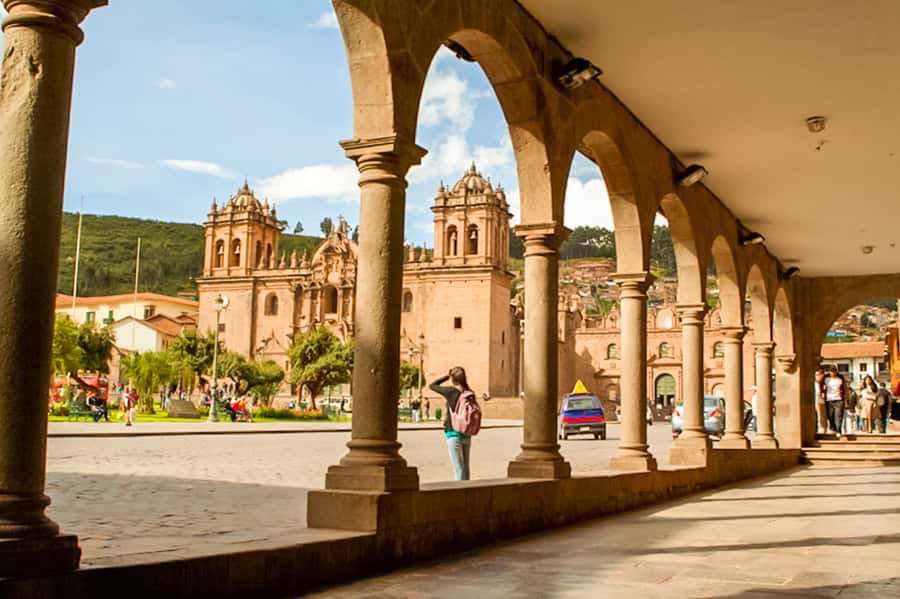
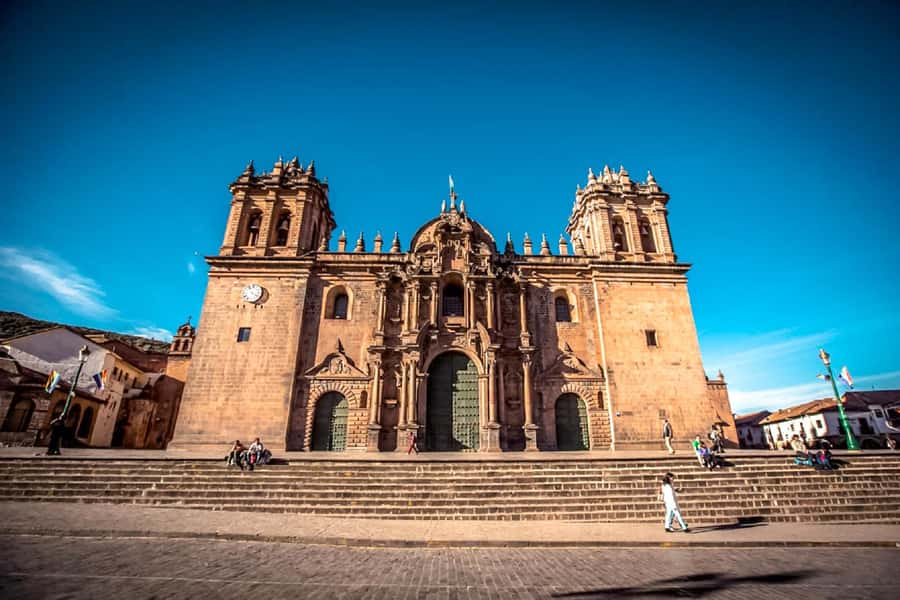
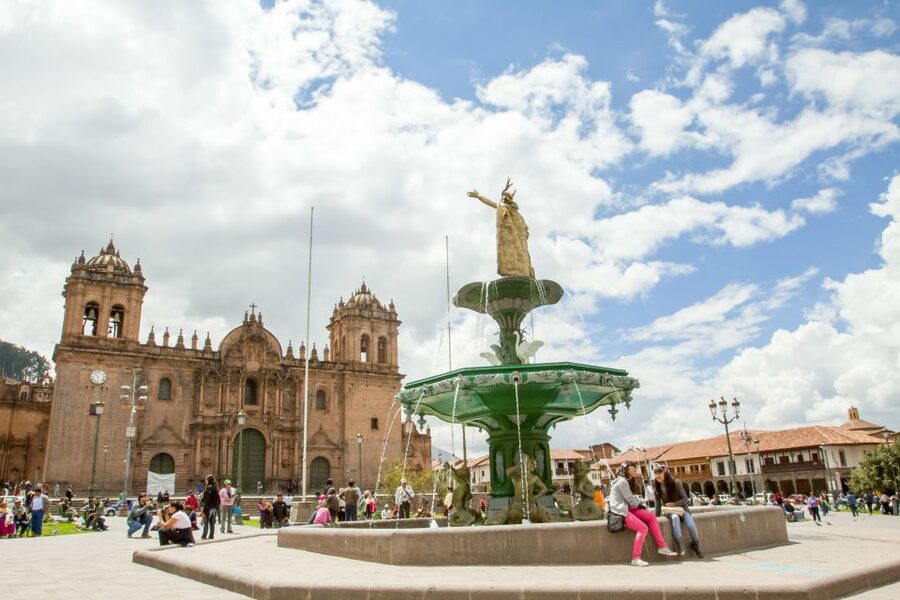
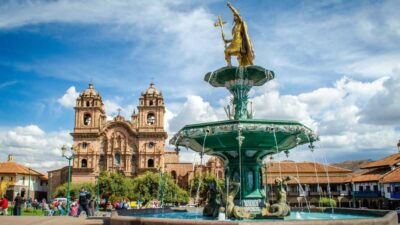
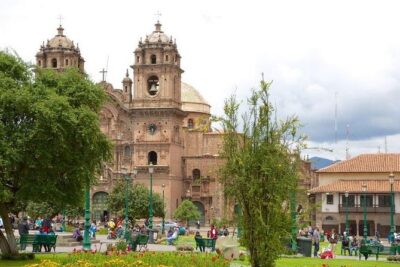
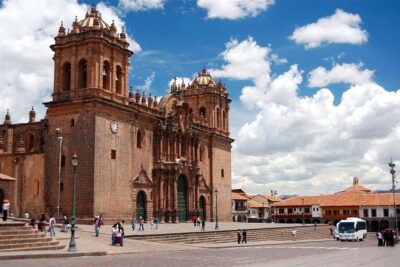
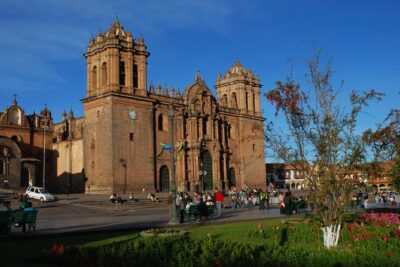
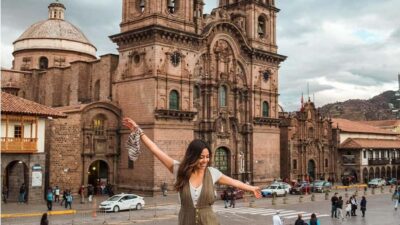
Cathedral of Cusco in the Main Square, the city’s most imposing monument
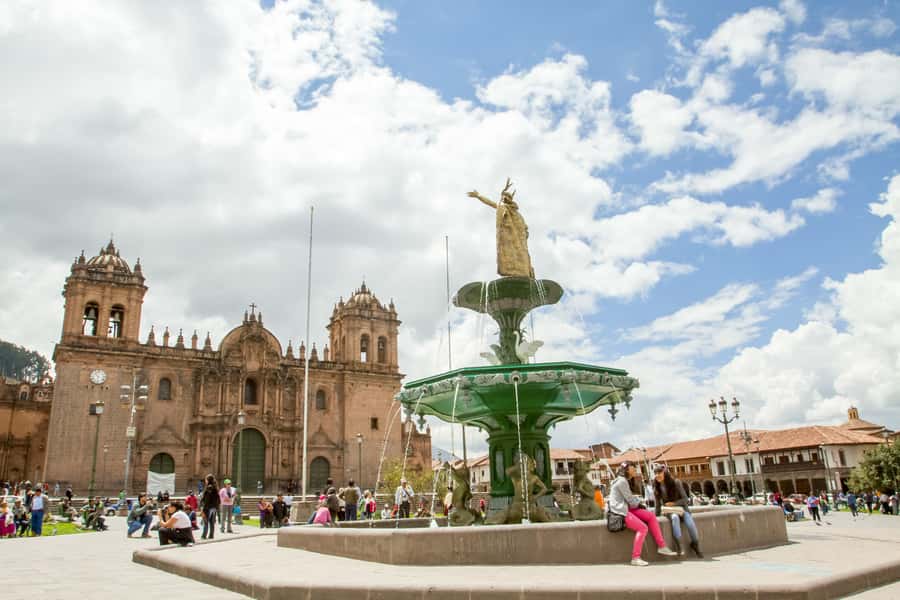
After Coricancha, you head to the Cathedral of Cusco, described as the most imposing monument in the Main Square. This stop is not only about churches. It is about how Cusco’s center functioned after the Spanish period, when religious influence moved into a new architectural focus.
Because the cathedral entry is included, you are not paying an extra ticket just to keep moving. That saves time and reduces friction. You can focus on listening, looking, and connecting what you see to the day’s earlier story about changing sacred spaces.
If your instinct is to rush through major buildings, slow down for the cathedral. Even a quick look with a guide can help you understand why this square area became the nerve center for visitors and locals alike.
Sacsayhuaman, the fortress of giant stones and June 24 Inti Raymi
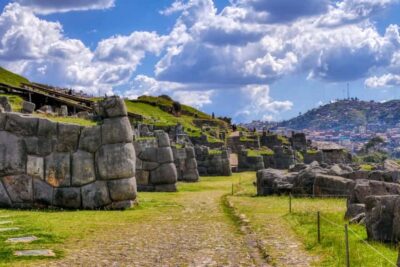
Next comes the uphill climb to Sacsayhuaman, one of the most emblematic Inca fortresses associated with Pachacutec in the 15th century. This is where the tour shifts from “religion inside Cusco” to “fortress outside Cusco,” and it does it with a very physical cue: heading uphill.
Sacsayhuaman is famous for its large stone blocks, and the tour highlights a detail that keeps people thinking long after the walk. The transportation of those stones remains a mystery. Even if you know modern answers exist for how it could have been done, the question is still part of the site’s power. It forces you to respect how massive planning and labor were.
The tour also ties the site to a living tradition. On June 24, the Inti Raymi feast is recreated here, and the sun is worshipped. That doesn’t mean you will see the reenactment during your tour, but it helps you imagine what this place was for. It was not only military structure. It was also a stage for ceremony.
For you, the big takeaway is clarity. Standing at Sacsayhuaman, you can start to see why Cusco’s Inca-era sites were both practical and symbolic. The fortress feels like control of space, but it is also tied to cosmic meaning through sunlight and timing.
More of the city on foot and by open-top bus
Quenqo, a mostly religious archaeological complex
After Sacsayhuaman, the route brings you to Quenqo, an archaeological complex used mainly for religious purposes. This is an important change of pace from fortress energy. Quenqo is not about huge walls built to dominate distance. It is about sacred function and the design of ritual space.
The tour’s value here is that Quenqo is often less famous than the headline sites, so it can feel like filler if you do not get context. With a guide, you can look at the site as a place shaped for ceremony rather than a random scatter of stones.
If you are trying to understand Inca “logic” in architecture, this stop helps. It shows that Inca planning was not one style. They built different kinds of sacred and ceremonial spaces for different needs.
Puka Pucara, the Red Fortress and its alleged military role
The last archaeological stop is Puka Pucara, which literally means Red Fortress. The tour frames it as an architectural complex with alleged military use, built with multiple spaces and planned features: plazas, baths, aqueducts, walls, and towers.
This is where Cusco archaeology feels like a whole system rather than separate monuments. Puka Pucara also connects to the idea of Inca travel and resting points. The tour notes that it is believed the entourage of the Inca used it while resting in Tambomachay.
Even if you are not a history expert, that link is useful. It gives you a sense that leaders and groups moved through networks of planned stops, not just one impressive capital.
What to watch for as you look around: the layout cues. When a site includes baths, aqueducts, and organized plazas, it suggests more than a defensive spot. It reads like a complex intended for living, routine, and controlled space.
Price and logistics, what $49 really covers
At $49 per person for about five hours, this is aiming at strong value for a “get your bearings fast” introduction. You are paying for more than sightseeing names. You are paying for:
- Pickup and drop-off (from hotels in the Historic Center)
- A professional guide in English, Spanish, French, and Portuguese
- Admission to Coricancha and the Cusco Cathedral
Not included items matter here. You will still need to sort out the Cusco Tourist Ticket (BTC) for the four archaeological sites, and food and drinks are not provided. That means your real cost depends on your BTC situation and whether you snack during the day.
My practical advice: treat the tour price as the “guided circuit fee,” then budget separately for the BTC and whatever you want to eat. If you already have a plan for tickets, this becomes a good deal. If you do not, the price can feel lower than your total day spending.
One more detail to keep in mind: pickup is included only for hotels in the Historic Center of Cusco. If you are staying at a private residence or Airbnb, you must contact the operator a few days ahead to coordinate a meeting point.
The walking and timing reality, dress like you mean it
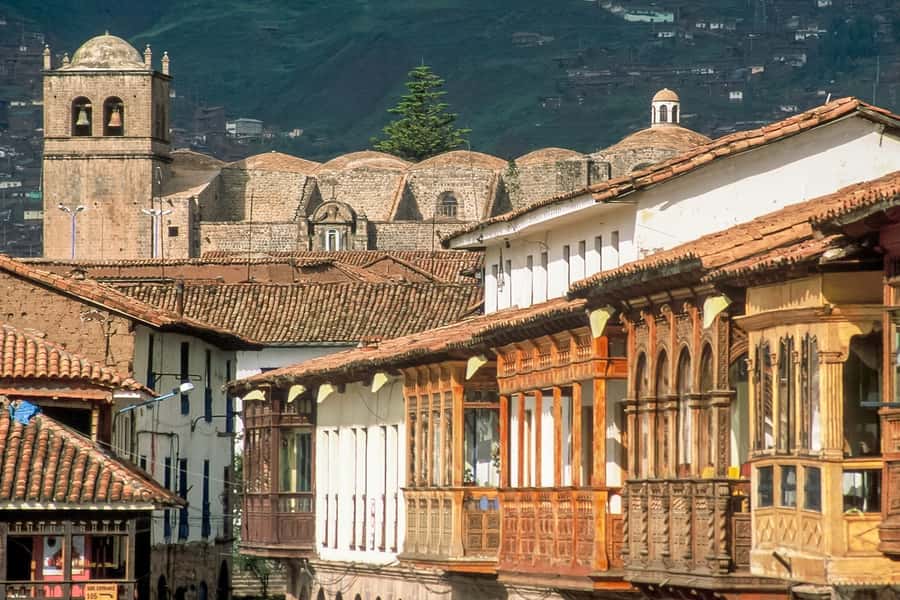
Even though it is “half-day,” this tour still has meaningful movement. The route includes an uphill segment to Sacsayhuaman, and archaeological sites are not smooth floors. Plan on comfortable shoes because you will be stepping on uneven stone and walking between viewpoints.
Bring sunscreen. Cusco sun can be strong, and you will be outside during multiple stops. Also bring comfortable clothes because you might be in and out of shade while the group keeps moving.
One small but important rule: the tour does not allow luggage or large bags, and it is also not set up for pets. If you pack like you are going on a long trek, trim down. This is a city-and-sites day, so a small daypack is the most sensible approach.
Your guide experience, and what good teaching changes
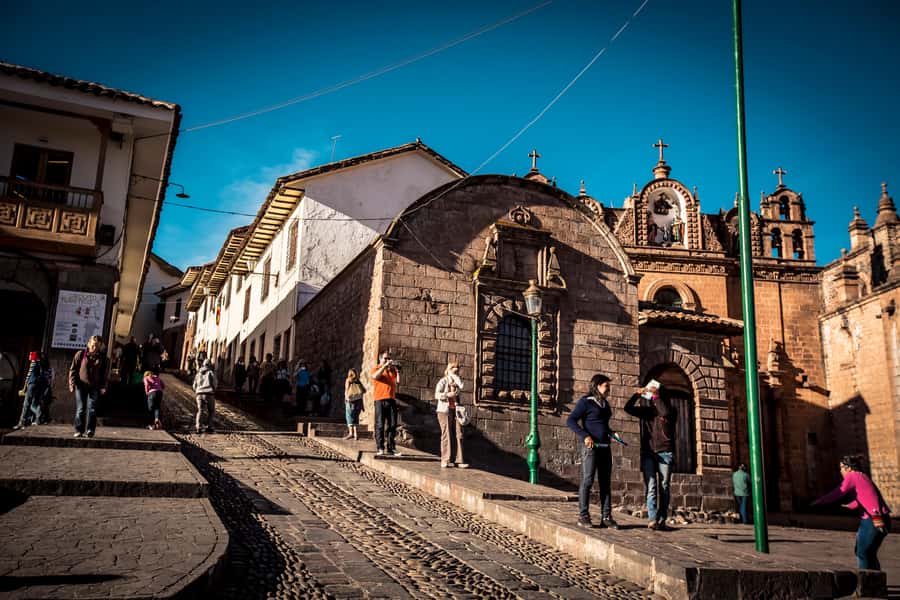
A tour guide is not just someone who points. In Cusco, it is the difference between seeing stone and understanding why it was arranged that way.
The tour’s included guide is professional, and the language options are broad: English, Spanish, Portuguese, and French. That matters if you want explanations without awkward translation.
From the quality signals tied to this operator, I would pay attention to guides who teach clearly. Names like Fred and Jose show up with praise for being attentive and willing to help when questions came up. That lines up with what you want on a tight route: clear timing, smooth transitions, and explanations that help you connect the stops.
If you get a guide who keeps it simple, you will notice how the sites start speaking to each other. Coricancha sets the religious foundation, the cathedral shows the Spanish shift, Sacsayhuaman shows Inca power and ceremony, and Quenqo and Puka Pucara add more layers of sacred and functional planning.
Who should book this tour, and who might want a different plan
This tour is best for you if:
- You want a first-time Cusco introduction that still feels substantial
- You like walking and learning in a structured route
- You plan to do other activities later and want a mental map first
- You prefer guided explanations over reading alone
It might not be your best fit if:
- You have trouble with uphill walking. The route includes climbing to Sacsayhuaman.
- You need wheelchair access. The tour is not wheelchair accessible.
- You are traveling with a lot of bulky gear. The tour disallows luggage or large bags.
- You are hoping for food included. It is not.
If you are with kids, note that children must be accompanied by an adult.
Should you book Cusco Half-Day City and Nearby Archaeological Sites?
I think you should book this tour if you want an efficient Cusco overview where the main sites are connected by theme. You start with Coricancha and its Inca-to-Spanish transformation, you get the main square context at the cathedral, then you climb to Sacsayhuaman with the Inti Raymi connection, and you finish with Quenqo and Puka Pucara so you are not left with only headline archaeology.
Before you go, do two things. First, make sure you have your Cusco Tourist Ticket (BTC) plan for the archaeological stops. Second, confirm pickup details based on where you are actually staying, especially if you are in an Airbnb or outside the Historic Center.
If you line those up, this feels like a solid way to spend five hours in Cusco. You get meaningful variety, a clear storyline, and just enough context to make your next day in Peru’s old capital much easier.
FAQ
How long is the Cusco half-day city and archaeological sites tour?
The tour duration is listed as 5 hours.
Is pickup and drop-off included, and where does pickup happen?
Pickup and drop-off are included from hotels located in the Historic Center of Cusco. Pickup is not included from private residences like Airbnbs, so you need to coordinate a meeting point with the local tour operator a few days before.
What is included in the price?
Included items are pickup and drop-off, a professional guide (English, Spanish, French, and Portuguese), and admission to Coricancha and the Cusco Cathedral.
Do I need the Cusco Tourist Ticket (BTC)?
Yes. To visit the four archaeological sites on the tour, it is important that you acquire your Cusco Tourist Ticket (BTC).
What should I bring to the tour?
You should bring comfortable shoes, sunscreen, and comfortable clothes.
Is the tour wheelchair accessible?
No. The tour is not wheelchair accessible.
More Tour Reviews in Cusco
- Cusco: Humantay Lake Tour with Breakfast and Buffet Lunch
★ 4.9 · 2,976 reviews - From Cusco: Moray, Maras Salt Mines & Chinchero Weavers Tour
★ 4.8 · 1,925 reviews - From Cusco: Full-Day Group Tour of Machu Picchu
★ 4.7 · 1,767 reviews - Machu Picchu Day Trip from Cusco
★ 4.5 · 1,644 reviews - Cusco: Half-Day City Tour with Sacsayhuaman and Q’enco
★ 4.6 · 1,129 reviews
Still in the City? Keep Going
- Cusco: Half-Day City Tour with Sacsayhuaman and Q’enco
★ 4.6 · 1,129 reviews - City Tour Cusco Qoricancha Sacsayhuaman y Tambomachay
★ 4.7 · 617 reviews - Cusco: Sightseeing Tour of the City on an Open-Top Bus
★ 4.0 · 481 reviews - Open Bus Cusco City Tour
★ 4.5 · 219 reviews - Cusco: City Tour | Half-Day Tour to 4 Archaeological Sites
★ 4.6 · 206 reviews
More Leaving From Cusco
- Cusco: Humantay Lake Tour with Breakfast and Buffet Lunch
★ 4.9 · 2,976 reviews - From Cusco: Moray, Maras Salt Mines & Chinchero Weavers Tour
★ 4.8 · 1,925 reviews - From Cusco: Full-Day Group Tour of Machu Picchu
★ 4.7 · 1,767 reviews - Machu Picchu Day Trip from Cusco
★ 4.5 · 1,644 reviews - Cusco: Half-Day City Tour with Sacsayhuaman and Q’enco
★ 4.6 · 1,129 reviews
Fresh in from Cusco


City Tours, compared.
 ★ 4.6Half-Day City Tour with Sacsayhuaman and Q’encoFrom $131,129 reviews
 ★ 4.7City Tour Cusco Qoricancha Sacsayhuaman y TambomachayFrom $13617 reviews
 ★ 4.0Sightseeing Tour of the City on an Open-Top BusFrom $12481 reviews
 ★ 4.5Open Bus Cusco City TourFrom $14219 reviews
 ★ 4.6City Tour | Half-Day Tour to 4 Archaeological SitesFrom $29206 reviews
 ★ 5.0City Tour in Cusco & visit Museum South American Camelid Private.From $49147 reviews
 ★ 4.5Cusco City Sightseeing, San Pedro Market, Cathedral and Qorikancha TempleFrom $59139 reviews
 ★ 4.2Half-Day City TourFrom $17129 reviews
Browse the lists this tour appears in