
REVIEW · CITY TOURS
Cusco City Tour with Sacsayhuaman & Inca Sites – Small Group
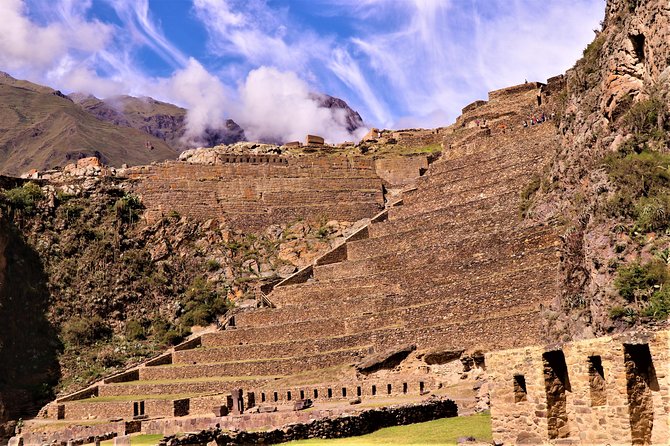
Cusco makes sense fast with a good route. This small-group tour strings together the city’s Inca and colonial highlights, from Plaza de Armas to Coricancha, then up to Sacsayhuaman. I especially love how the guide keeps you oriented while you walk the tight historic center, and I love the order of stops, because it turns the big names into a clear story of ceremony, power, and daily life.
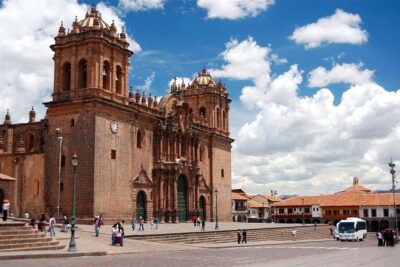
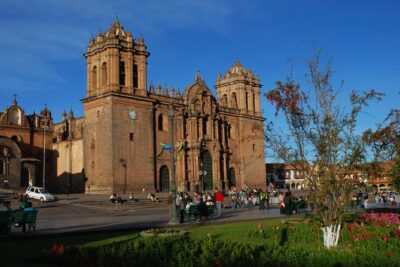
One catch to plan around: the cathedral entrance is not included, so if you want to go inside, you’ll need a separate ticket. You also cover several sites in a half-day window, so wear comfortable shoes and expect a moderate walking pace.
Key things I’d focus on
- Small group (max 16): easier questions, less waiting, more personal pacing.
- Guide-led contrast: you see Inca stonework and Spanish overlays in the same breath at Coricancha.
- Sacsayhuaman viewpoints: the fortress sits above Cusco for serious panorama time.
- Circuit I coverage: the partial tourist ticket includes Sacsayhuaman, Qenqo, Puka Pucara and Tambomachay.
- Half-day timing: a practical way to pack major sights without a full day commitment.
More that leaves from a Cusco hotel door
- Cusco: Humantay Lake Tour with Breakfast and Buffet Lunch★ 4.9 · 2,976 reviews
- From Cusco: Moray, Maras Salt Mines & Chinchero Weavers Tour★ 4.8 · 1,925 reviews
- From Cusco: Full-Day Group Tour of Machu Picchu★ 4.7 · 1,767 reviews
- Machu Picchu Day Trip from Cusco★ 4.5 · 1,644 reviews
Cusco in a half-day: why this tour works
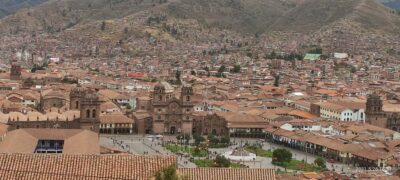
Cusco can feel like a maze at first. Streets curve, levels change, and every corner looks important. This tour fixes that by starting you at Plaza de Armas and then guiding you through the most meaningful pieces of the Inca and colonial puzzle, in a logical order.
The key value here is time. For a fixed 4 to 5 hour window, you still get the headline sites that people come to see, plus enough context to understand what you are looking at. You are not just ticking boxes. You are learning how these places connect: ceremonial center in the city, then major fortress and ritual sites outside town, then back to Cusco with a clearer mental map.
Also, this is a small group. That matters more than it sounds. You can ask questions without competing with a crowd, and the guide can adjust explanations to what your group actually needs, especially if someone wants time for photos at a viewpoint.
Meeting at Plaza de Armas and getting your bearings
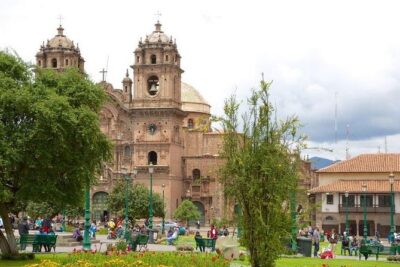
You start at Plaza de Armas in central Cusco, with a typical start time of 1:00 pm. If you are staying in the historic center, hotel pickup and drop-off is included, which makes the whole thing feel smoother right from the first minute.
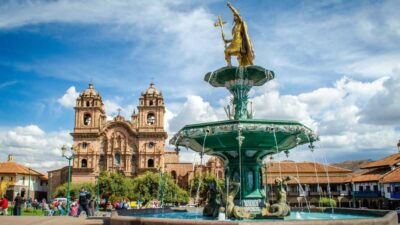
From the plaza, your guide walks you through what makes this area the heart of the city. The focus is not only on colonial buildings, but also on the Inca-era role of the space as a ceremonial center. Then you move toward two very specific landmarks that help you connect the present to the old city:
- The 12 Angled Stone: set into an ancient Inca wall, it is one of those details that instantly changes how you look at Cusco architecture.
- Loreto Street and its Inca urban design: the original stone walls on both sides give you a concrete example of how Inca planners shaped real streets, not just temples.
This first stretch is ideal if you arrive in Cusco feeling jet-lagged or altitude-wobbly. The walking is close to the start point, and it gives you a foundation before you head outward to the big ruins.
Tip for your photos: the 12 Angled Stone area can be busy, so don’t rush. If you wait a moment, you usually get a cleaner shot without people blocking the angles.
Coricancha: where the Sun Temple story overlaps with Spanish Cusco
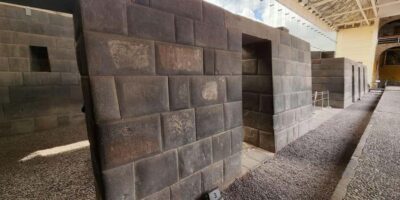
Next up is Coricancha, which is included. This site matters because it was once the most important Inca temple in the empire, dedicated to the Sun. You are not just standing in ruins. You are seeing the layers of time.
One of the most fascinating aspects here is the Spanish construction on top of Inca foundations. The Santo Domingo convent sits over the original temple structure, and inside you can compare:
- the precision of Inca stonework below
- the colonial architecture above
Coricancha is also where the guide can explain the temple’s role in ceremony and astronomy, and how it functioned as a worship space. Even if you have seen photos, the connection between the two periods feels different in person. The stone alignment and the way the buildings sit together make the past feel less like a separate chapter and more like the base layer of Cusco itself.
Practical note: because entrance is included here, you can spend your mental energy on learning, not on ticket logistics.
Sacsayhuaman: zigzag walls, fortress energy, and festival context
After Coricancha, you travel by vehicle to Sacsayhuaman, one of the most impressive Inca sites overlooking Cusco. This is a major reason the tour is worth it. Many day plans stop at one ruin. This one gives you multiple, but Sacsayhuaman is the anchor.
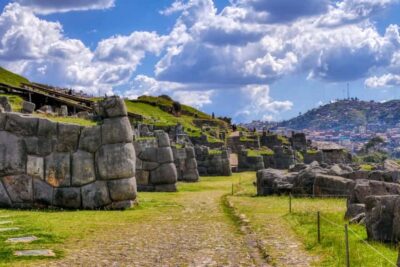
What you will notice first is the giant zigzag stone walls. The stones are fitted so tightly that you cannot slide a piece of paper between them. It is hard to overstate how that detail lands in person, because it changes the conversation from, the ruins are old, to, the builders had insane control.
As you walk through the site, your guide shares stories tied to battles and ceremonies, plus how Sacsayhuaman still connects to the Inti Raymi festival. That continuity helps. It turns the site from a static monument into a living reference point for local tradition.
And then there are the views. The fortress sits high enough that you get some of the best panoramas of Cusco and the surrounding mountains. This stop is where I’d slow down, because the visual payoff is big, and you want time to look without constantly thinking about the next location.
More of the city on foot and by open-top bus
Q’enqo: carved rock rituals and the meaning behind the name
After Sacsayhuaman, you head to Q’enqo (spelled Qenqo on some schedules), another included stop. This site is less about big structures and more about feeling the shape of ritual spaces carved directly into rock.
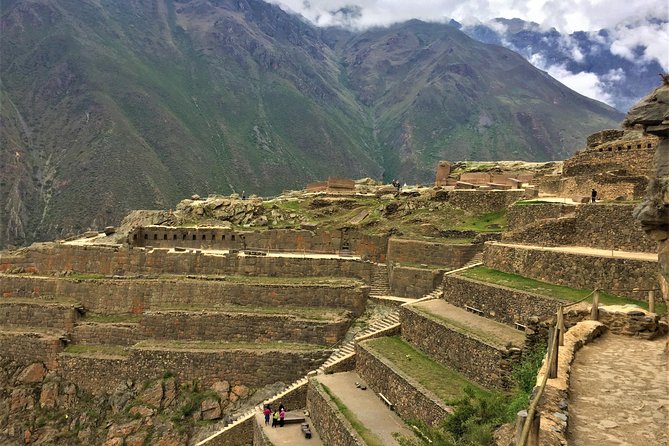
Q’enqo is described as a mysterious Inca ceremonial center, with winding passages, carved channels, and hidden altars. The name Qenqo means zigzag in Quechua, and once you are inside, the name makes sense. The pathways and forms follow patterns that feel intentional, like they are guiding movement and attention.
What is useful here is not one definitive answer to what the Incas did at every carved feature. The guide explains multiple theories, and that helps you interpret what you are seeing. You come away with a sense of how people might have moved through the space, not just where things are located.
If you like “why this place looks the way it does,” Q’enqo is the stop that rewards you most.
Puka Pukara: the red fortress as a strategic checkpoint
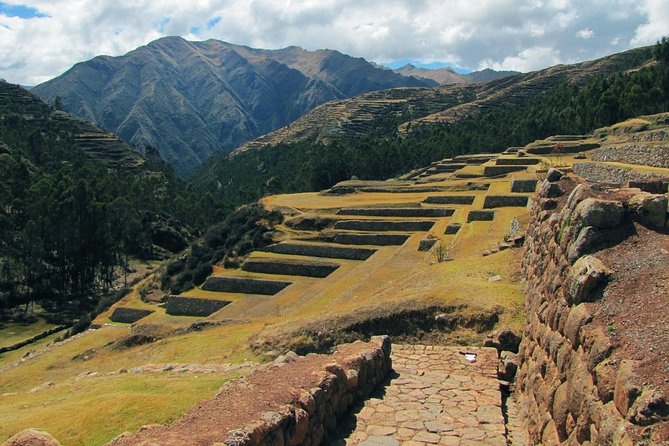
Next is Puka Pukara, which means Red Fortress in Quechua. Compared with the big showpiece of Sacsayhuaman, Puka Pukara feels smaller, but that is exactly why it’s valuable. It gives you a different angle on Inca planning.
This site likely served as a military checkpoint and resting area along the road connecting Cusco with the Sacred Valley and the jungle. When you look at the terraces, stone walls, and rooms, the story becomes about movement and control: messengers, travelers, and the need to protect routes feeding the capital.
From here, you get open views of the landscape and a clearer sense of how far-reaching those paths really were. It is a nice contrast stop, especially if your first impression is that all ruins are grand temples. This one suggests practical security and logistics.
Tambomachay: water worship, aqueducts that still work, and a calmer pace
Finally, you visit Tambomachay, often called the Inca Baths. This is the most peaceful-feeling stop on the circuit.
The site is known for clear water fountains and elegant stonework. The guide explains the idea of water worship or rest, potentially tied to water rituals for Inca nobility. The standout details are the aqueducts and canals that still carry water after hundreds of years.
After several more dramatic sites, Tambomachay is where you can breathe. The route gives you the chance to take photos, pause, and appreciate the fact that Inca engineering wasn’t only for ceremonial show. It was built to function.
This stop also helps you absorb the big picture. Ceremonial spaces, defensive walls, carved rock rituals, checkpoint infrastructure, and then a water-centered sanctuary. The theme isn’t just ruins, it’s how the Inca system connected people to place, power, and nature.
Price and value: what $98 gets you in real terms
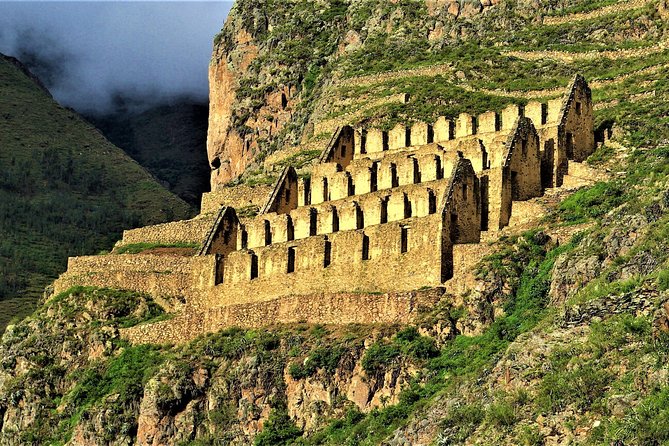
At $98 per person, this tour is aiming at a specific kind of value: major sights, guided interpretation, and key entrances included, all in a half-day window.
Here’s what is included:
- Hotel pickup and drop-off in the Cusco Historic Center
- Entrance to Coricancha
- Partial Tourist Ticket, Circuit I, covering Sacsayhuaman, Qenqo, Puca Pucara and Tambomachay
- A professional guide
What is not included:
- Cathedral entrance and visit
- Meals and snacks
- Travel insurance
So the value math is less about whether you want all the sites, and more about whether you want them in one clean package with a guide. If you have limited time and you also want explanations that help you understand why each site matters, $98 stops feeling like a splurge and starts feeling like the cheapest way to turn confusion into clarity.
If you already plan to self-guide everything and you are comfortable figuring out ticketing and routes, you might spend less. But you’ll also lose the guiding thread that connects each stop.
Small group, vehicle transfers, and the timing you’ll feel
This is designed for up to 16 travelers, and that size tends to make the whole day run smoother. You’re not stuck waiting in a giant knot. You can hear the guide, and it is easier to keep the group moving without feeling rushed.
There are vehicle transfers between stops after Plaza de Armas. That is important in Cusco, because it saves energy for the parts where you actually need it: the walks inside the sites and the time at viewpoints.
Each stop is roughly 30 minutes in the schedule. That means you get real time at multiple sites, but you do not get so much time that you lose momentum. If you are the type who wants to linger for 90 minutes in one ruin, this format may feel fast. If you want to see a lot and still understand it, the pacing is strong.
Also, you can choose a morning or afternoon departure option. This itinerary you have starts at 1:00 pm, so you can align it with your acclimation plan and the rest of your Cusco schedule.
Who should book this Cusco tour (and who might pass)
This is a good fit if:
- you want big Inca names plus the key Cusco context in one session
- you are short on time and want a smart route rather than lots of stops with guesswork
- you prefer a guided explanation over self-reading stone by stone
- you like panoramas and want viewpoint time at Sacsayhuaman
You might consider passing or pairing it with something else if:
- you really care about the Cathedral visit and want to go inside as part of the same tour
- you prefer slow travel and deep focus at only one or two sites
- you have very limited walking tolerance, since you move through multiple stops and the schedule assumes moderate effort
Should you book? My practical take
Book it if you want Cusco’s biggest highlights with direction, and you like the idea of turning a half-day into a connected story. The strongest reasons to say yes are the guided pacing, the mix of Inca and colonial layers at Coricancha, and the fact that the circuit ticket covers several major ruins in one go.
Before you book, do two quick checks:
- Confirm whether you also plan to visit the cathedral separately, since it is not included.
- Choose the departure time that best matches your energy level, especially if you are new to Cusco.
If you want a straightforward, high-value introduction to the area without spending your limited time in planning mode, this is the kind of tour that makes Cusco click quickly.
FAQ
What time does the tour start?
This tour starts at 1:00 pm.
How long is the Cusco City Tour with Sacsayhuaman and Inca sites?
It runs about 4 to 5 hours.
Where do we meet for the tour?
You meet at Plaza de Armas, Cusco.
Does the tour include hotel pickup and drop-off?
Yes. Pickup and drop-off are included for hotels in the Cusco Historic Center.
Which entrances are included?
Coricancha entrance is included, and a partial tourist ticket for Circuit I is included for Sacsayhuaman, Qenqo, Puca Pucara, and Tambomachay.
Is the cathedral included?
No. Cathedral entrance and visit are not included.
Is there walking involved?
Yes. The tour includes walking at stops like Plaza de Armas, and it is noted that you should have a moderate physical fitness level.
What is included in the price?
The price includes the guide, hotel pickup and drop-off in the historic center, Coricancha entrance, and the partial Circuit I ticket.
FAQ
Is meals included?
No. Meals and snacks are not included.
Is travel insurance included?
No. Travel insurance is not included.
More Tour Reviews in Cusco
- Cusco: Humantay Lake Tour with Breakfast and Buffet Lunch
★ 4.9 · 2,976 reviews - From Cusco: Moray, Maras Salt Mines & Chinchero Weavers Tour
★ 4.8 · 1,925 reviews - From Cusco: Full-Day Group Tour of Machu Picchu
★ 4.7 · 1,767 reviews - Machu Picchu Day Trip from Cusco
★ 4.5 · 1,644 reviews - Cusco: Half-Day City Tour with Sacsayhuaman and Q’enco
★ 4.6 · 1,129 reviews
Still in the City? Keep Going
- Cusco: Half-Day City Tour with Sacsayhuaman and Q’enco
★ 4.6 · 1,129 reviews - City Tour Cusco Qoricancha Sacsayhuaman y Tambomachay
★ 4.7 · 617 reviews - Cusco: Sightseeing Tour of the City on an Open-Top Bus
★ 4.0 · 481 reviews - Open Bus Cusco City Tour
★ 4.5 · 219 reviews - Cusco: City Tour | Half-Day Tour to 4 Archaeological Sites
★ 4.6 · 206 reviews
More Leaving From Cusco
- Cusco: Humantay Lake Tour with Breakfast and Buffet Lunch
★ 4.9 · 2,976 reviews - From Cusco: Moray, Maras Salt Mines & Chinchero Weavers Tour
★ 4.8 · 1,925 reviews - From Cusco: Full-Day Group Tour of Machu Picchu
★ 4.7 · 1,767 reviews - Machu Picchu Day Trip from Cusco
★ 4.5 · 1,644 reviews - Cusco: Half-Day City Tour with Sacsayhuaman and Q’enco
★ 4.6 · 1,129 reviews
Fresh in from Cusco

City Tours, compared.
 ★ 4.6Half-Day City Tour with Sacsayhuaman and Q’encoFrom $131,129 reviews
 ★ 4.7City Tour Cusco Qoricancha Sacsayhuaman y TambomachayFrom $13617 reviews
 ★ 4.0Sightseeing Tour of the City on an Open-Top BusFrom $12481 reviews
 ★ 4.5Open Bus Cusco City TourFrom $14219 reviews
 ★ 4.6City Tour | Half-Day Tour to 4 Archaeological SitesFrom $29206 reviews
 ★ 5.0City Tour in Cusco & visit Museum South American Camelid Private.From $49147 reviews
 ★ 4.5Cusco City Sightseeing, San Pedro Market, Cathedral and Qorikancha TempleFrom $59139 reviews
 ★ 4.2Half-Day City TourFrom $17129 reviews
Browse the lists this tour appears in