
REVIEW · CITY TOURS
Cusco : City Tour of 4 Ruins and Sun Temple
Stone blocks and sacred water in five hours. This Cusco tour strings together Coricancha and the Sacsayhuamán fortress in a tight run, so you get big Inca energy and serious panoramic rewards without spending the whole day on the road. I especially like how the sites show Inca engineering in multiple moods, from sun-focused temple spaces to fortress walls built from massive carved stone.
My second favorite part is the theme of water and purification. Qenqo and Tambomachay focus on carved rock forms and stone channels where water runs through ritual-style spaces. One thing to consider: depending on the day, the tour may feel more sales-oriented at some stops, and language pacing can vary between Spanish and English.
Key highlights worth your attention
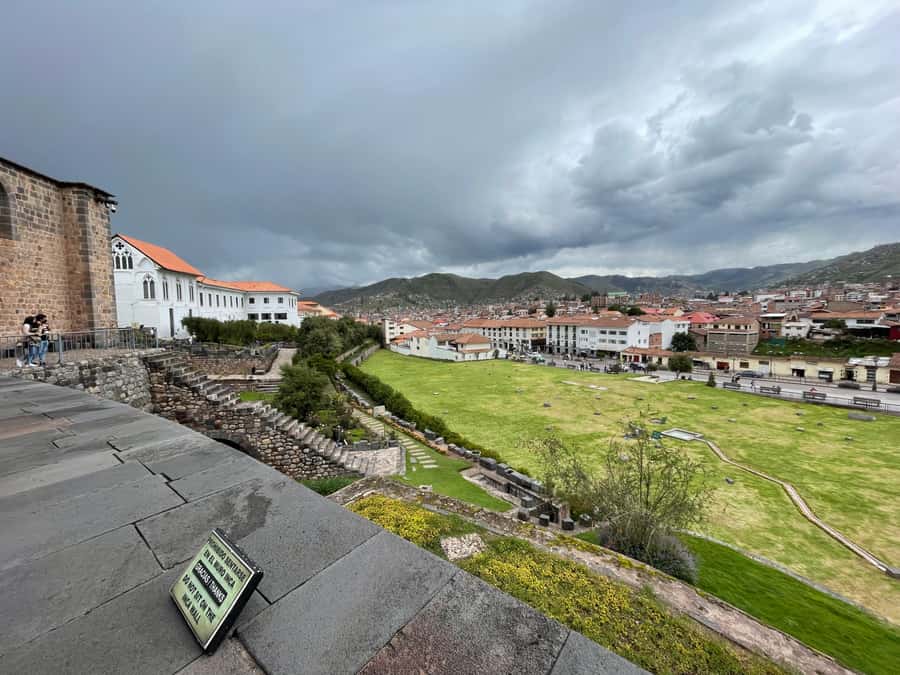
- Coricancha (Temple of the Sun): the Inca sacred core layered with Spanish colonial architecture
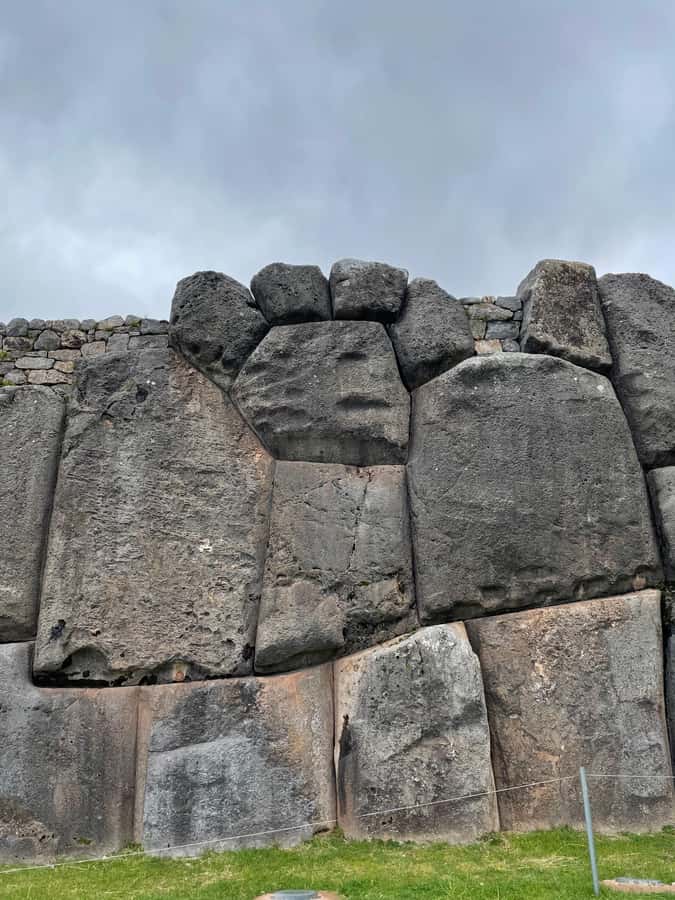
- Sacsayhuamán: fortress views of Cusco paired with famous massive carved stone blocks
- Qenqo: ceremonial rock mazes plus stone-lined water channels
- Tambomachay: water sources and Inca ritual baths, with water flowing through carved channels
- Puca Pucara: a military fortress viewpoint over Cusco
More that leaves from a Cusco hotel door
- Cusco: Humantay Lake Tour with Breakfast and Buffet Lunch★ 4.9 · 2,976 reviews
- From Cusco: Moray, Maras Salt Mines & Chinchero Weavers Tour★ 4.8 · 1,925 reviews
- From Cusco: Full-Day Group Tour of Machu Picchu★ 4.7 · 1,767 reviews
- Machu Picchu Day Trip from Cusco★ 4.5 · 1,644 reviews
A fast Cusco route that hits the Inca big themes
This is a 5-hour tour built to connect several signature sites in one go. You’ll move on foot for short stretches and use van between stops, which keeps the pace manageable if you are not trying to hike all day.
The “why it works” is that the ruins are not just random stops. You get three repeating ideas across the day: sacred architecture tied to the sun, engineering on a dramatic scale, and ritual water systems used for purification and ceremony.
Also, you get pickup near the historic center of Cusco, plus a professional bilingual guide in English and Spanish. That combination matters here because the best parts of these sites are the details, like why the blocks and channels were shaped the way they were.
Coricancha Temple of the Sun: Inca sacred space meets Spanish walls
Your tour starts with a visit and photo stop at Coricancha, also known as the Temple of the Sun. This is one of those places where you see the Inca layer and the Spanish layer at the same time, and that contrast is the whole point.
I like how this stop sets the tone for the rest of the day. Coricancha gives you the sun-and-sacred-space feeling first, so when you later see fortress walls and ritual sites, you understand the bigger theme instead of treating each ruin like a separate postcard.
Plan for time to walk around and absorb the mix of architecture. Even if you only spend the guided portion absorbing the main story, you’ll still want a few extra minutes for the sightlines and textures.
One practical note: admission for Qoricancha is not included, so you will need soles ready at the site entrance (prices listed as 15 soles for Qoricancha).
Sacsayhuamán: fortress engineering and the views that make it click
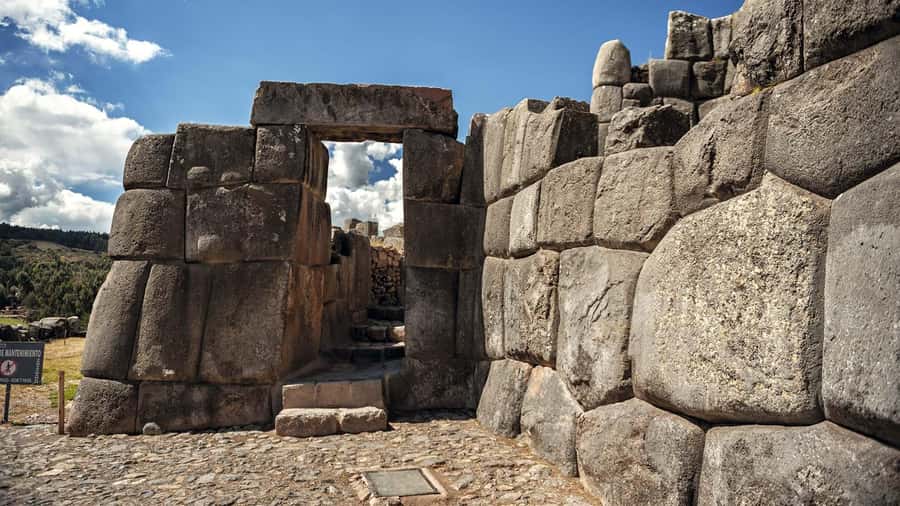
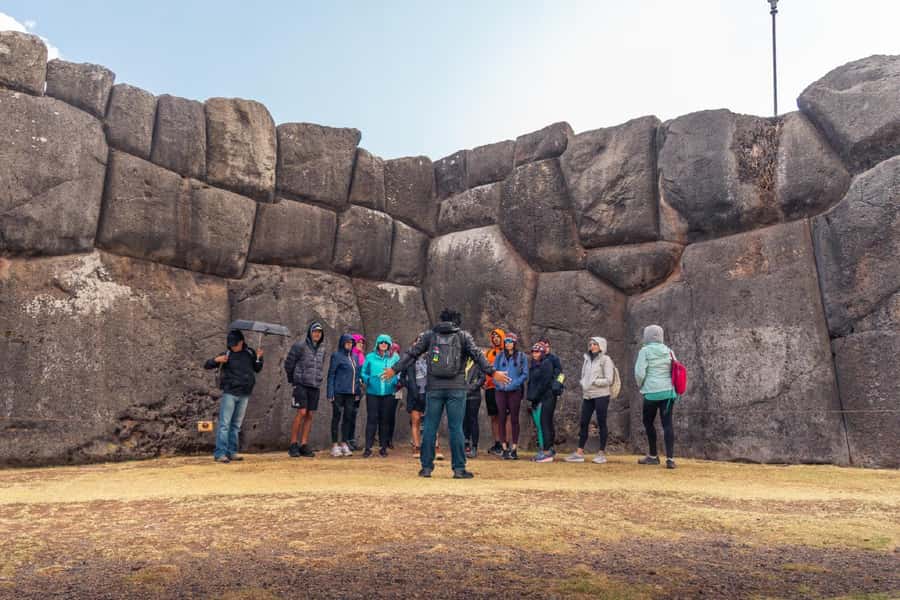
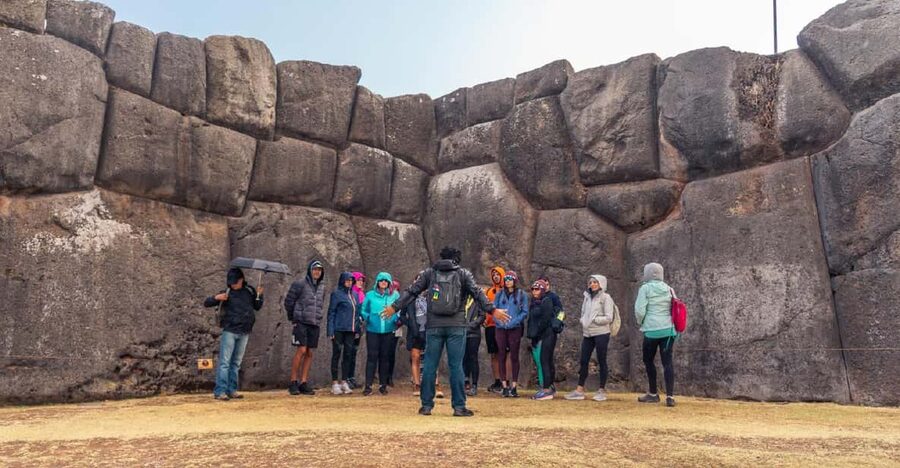
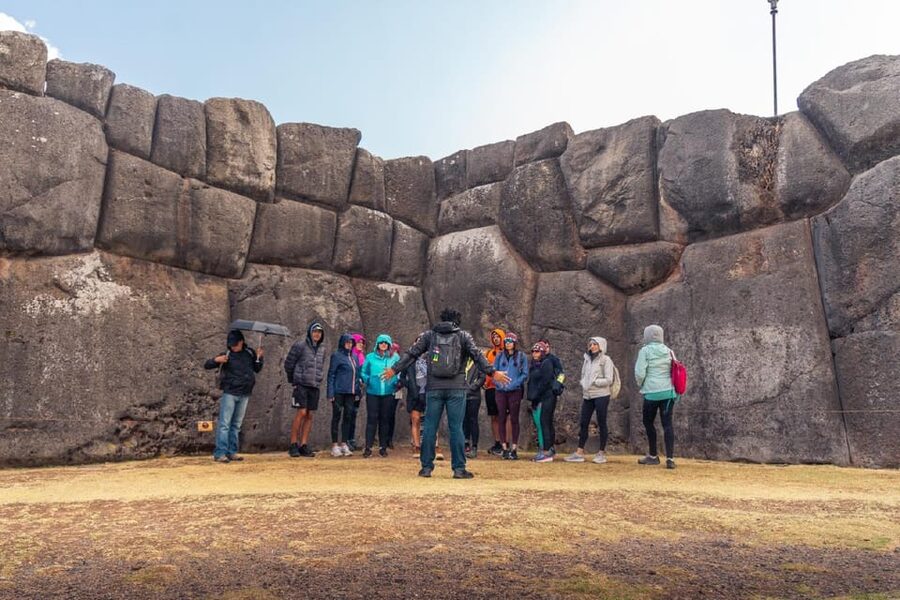
Next up is Saksayhuamán (spelled Sacsayhuamán on many signs), one of Cusco’s most impressive archaeological complexes. This is the big fortress moment, known for massive carved stone blocks and sweeping views back over Cusco.
What makes this stop feel worthwhile is scale. The stones are not just “old rocks,” they are a statement of engineering and planning, and you can actually see why the site was useful as a control point from the viewpoints around the complex.
You’ll get a photo stop and guided time, plus free time on site. That free time is important, because the best angles for those fortress walls often come when you pause and let your eyes adjust, rather than when you are rushing with the group.
If you are sensitive to timing, keep expectations flexible. Some departures can run faster than the ideal schedule at this kind of stop, so you may want to prioritize your favorite view angles first, then rejoin the guide.
Qenqo’s carved rock maze and water channels
Q’enco (often written Qenqo) shifts the vibe from fortress power to ceremonial symbolism. This site is known for carved rock structures, and it also includes water channels that play into purification and ritual use.
The “maze” aspect is what you’ll feel most when you’re there. The stone forms create paths and angles that make you slow down, look down, and then look back up. Even if you are not an archaeology person, it’s visually engaging because the design seems made to direct movement and attention.
The water channels add another layer. Instead of water being just a background feature, it’s part of the site’s function in a purification-style setting. That makes the site connect to Tambomachay later in the tour, so the day feels cohesive.
You should plan on a shorter guided visit here, plus photo stops. Bring your camera ready, but also give yourself one moment to just stand and watch the way the stone shapes the space.
More of the city on foot and by open-top bus
Tambomachay and the Inca ritual baths with flowing stone channels
Tambomachay is where the day leans harder into the water theme. It’s known for water sources and Inca ritual baths, with water flowing through stone channels.
This is one of the stops where the practical details matter. The channels and water flow are easier to appreciate if you have comfortable shoes, and if you’re prepared for uneven ground around the stones.
I like Tambomachay because it feels less like a single monument and more like a designed system. You can understand the logic without needing advanced technical knowledge, because the water route through the carved channels does the explaining for you.
You’ll usually have guided time plus free time. Use that free time to step away from the group for a minute, then come back. It’s one of those places where a quick change in viewpoint makes a difference.
In the rainy season, you might want extra water protection. The tour info suggests waterproof clothing or purchasing a poncho in the plaza if conditions are wet.
Puca Pucara: the military fortress viewpoint over Cusco
Puca Pucara brings you to the end-of-route viewpoint, and it’s tied to a military fortress purpose. This site is known as a strategic control point, with panoramic views over Cusco.
The value here is perspective. Earlier stops show you architecture and ritual spaces, but Puca Pucara is about location and control. When you stand looking out, you can better imagine why someone would want to hold this spot.
You’ll typically get guided time plus photo opportunities, with time to take in the views before heading back. If you are short on energy, this is still a good stop to focus on because the scenery payoff is immediate.
If you are planning your day around photos, aim to use your best light at this point. Sunset is not guaranteed in a short half-day tour, but late morning and afternoon light can still make those viewpoints more dramatic.
Price and what you really get for $16 plus site tickets
The tour price is listed at $16 per person, and it includes hotel pickup near the historic center of Cusco, tourist transportation, a professional bilingual guide, and permanent assistance.
That matters because in Cusco, transportation and guide context are not small line items. If you try to do this route on your own, you’ll still need transport between sites, and you’ll either pay for separate guides or spend a lot of time figuring out what you are looking at.
What is not included is where your costs can shift:
- Qoricancha admission is listed as 15 soles.
- A partial tourist ticket is listed as 70 soles.
You can purchase your ticket at the entrance of any archaeological site, and payments are made in soles. So if you want a smooth visit, bring cash in soles ready before you reach the site entrances.
So is it good value? For many people, yes, because you are paying for a guided, multi-stop route that would be annoying to stitch together independently. But if you already plan to buy tickets and want maximum time at just one or two ruins, this format might feel a bit compressed.
This is also where you should watch your expectations about pace and extra stops. Some departures can include time in shops to sell goods like alpaca-related items, plus other quick offers. If that kind of thing annoys you, plan to keep your questions short and your time preferences clear.
Timing, pickup points, and how to wear the right shoes
The schedule runs for about 5 hours, with departures shown at two different times during the day. One listed start is around 9:00 a.m., and another is around 1:00 p.m., each with multiple stops and a return to departure points.
On the ground, you’ll do short walks and photo stops, plus van rides between sites. You will feel the total walking, but it’s not an all-day grind. Still, you should wear shoes that handle stone and uneven ground comfortably, because several of these sites involve walking over surfaces that are not flat and polished.
The tour info is clear on what to bring:
- passport or ID card
- comfortable shoes and hiking shoes
- camera and a charged smartphone
- biodegradable sunscreen
- long-sleeved shirt and breathable clothing
- long pants and clothes that can get dirty
If you can’t do long-sleeve layers, at least bring something light that covers your arms, because Cusco sun can still bite even when you think it feels mild.
Language and guide style, including when it gets salesy
The guide is listed as bilingual, English and Spanish. In practice, the rhythm can vary. One issue to watch for is that the tour may run Spanish first and then English, and the English portion may end up shorter depending on how the timing lands.
I also think it’s smart to be ready for sales pressure. At least some runs can include extra time at shops, and the guide may encourage buying items. If you don’t want that, you can still enjoy the ruins, but you’ll want to guard your time and keep your boundaries.
If you end up with a guide named Yako, the tone is described as caring and attentive, so that can soften the experience even if the pace tightens.
Who this tour suits best, and who should think twice
This tour is a strong pick if you want a structured snapshot of Cusco’s major Inca sites in a single half-day block. It’s especially good for first-time visitors who want to connect themes: sun worship at Coricancha, fortress power at Sacsayhuamán, ceremonial rock design at Qenqo, ritual water at Tambomachay, and strategic control at Puca Pucara.
It’s not a great match if you have altitude issues. The info states it is not suitable for people with altitude sickness. Also not suitable for children under 3 years old and babies under 1 year, and it lists a maximum age of 95 years.
If you’re traveling with toddlers, this one won’t work due to restrictions on strollers and baby carriages. If you’re traveling with older kids who can handle short walks, you’ll need to check the age rule, since the cutoff is explicit.
Should you book Cusco city tour of 4 ruins and Sun Temple?
Book it if you want a guide-led route with Coricancha, Sacsayhuamán, Qenqo, Tambomachay, and Puca Pucara all in one day, and you like the idea of tying sun, stone engineering, and ritual water together.
Skip or reconsider if you strongly dislike shopping pressure or time losses. This tour can include detours that feel sales-driven on some departures, and timing at the biggest stops can tighten if the day runs ahead or gets slowed down.
My practical call: if your goal is first-pass orientation to Cusco’s most famous Inca sites, this is a solid use of a half-day. If your goal is deep, slow exploration of one or two sites, you may get more satisfaction hiring a private guide for fewer stops.
FAQ
How long is the Cusco City Tour of 4 Ruins and Sun Temple?
It lasts 5 hours.
How much does the tour cost?
The price is listed at $16 per person.
What is included in the price?
Pickup from a hotel near the historic center of Cusco, tourist transportation, a professional bilingual guide (English and Spanish), and permanent assistance.
What tickets or admissions are not included?
Admission to Coricancha is listed as 15 soles, and a partial tourist ticket is listed as 70 soles.
Can I buy tickets at the sites?
Yes. You can purchase your ticket at the entrance of any archaeological site, and payments are made in soles.
Where does the tour start and end?
Pickup is at your hotel near the historic center of Cusco, and the finish is listed at Calle Plateros.
What should I bring for the tour?
Bring passport or ID, comfortable shoes, hiking shoes, a camera, biodegradable sunscreen, a long-sleeved shirt, breathable clothing, long pants, cash in soles, and a charged smartphone.
Is this tour suitable for altitude sickness?
No. The tour is listed as not suitable for people with altitude sickness.
More Tour Reviews in Cusco
- Cusco: Humantay Lake Tour with Breakfast and Buffet Lunch
★ 4.9 · 2,976 reviews - From Cusco: Moray, Maras Salt Mines & Chinchero Weavers Tour
★ 4.8 · 1,925 reviews - From Cusco: Full-Day Group Tour of Machu Picchu
★ 4.7 · 1,767 reviews - Machu Picchu Day Trip from Cusco
★ 4.5 · 1,644 reviews - Cusco: Half-Day City Tour with Sacsayhuaman and Q’enco
★ 4.6 · 1,129 reviews
Still in the City? Keep Going
- Cusco: Half-Day City Tour with Sacsayhuaman and Q’enco
★ 4.6 · 1,129 reviews - City Tour Cusco Qoricancha Sacsayhuaman y Tambomachay
★ 4.7 · 617 reviews - Cusco: Sightseeing Tour of the City on an Open-Top Bus
★ 4.0 · 481 reviews - Open Bus Cusco City Tour
★ 4.5 · 219 reviews - Cusco: City Tour | Half-Day Tour to 4 Archaeological Sites
★ 4.6 · 206 reviews
More Leaving From Cusco
- Cusco: Humantay Lake Tour with Breakfast and Buffet Lunch
★ 4.9 · 2,976 reviews - From Cusco: Moray, Maras Salt Mines & Chinchero Weavers Tour
★ 4.8 · 1,925 reviews - From Cusco: Full-Day Group Tour of Machu Picchu
★ 4.7 · 1,767 reviews - Machu Picchu Day Trip from Cusco
★ 4.5 · 1,644 reviews - Cusco: Half-Day City Tour with Sacsayhuaman and Q’enco
★ 4.6 · 1,129 reviews
Fresh in from Cusco

City Tours, compared.
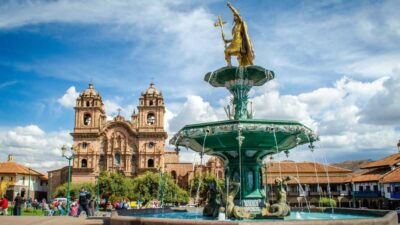 ★ 4.6Half-Day City Tour with Sacsayhuaman and Q’encoFrom $131,129 reviews
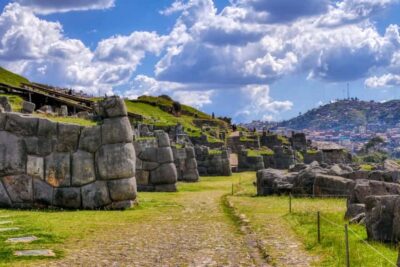 ★ 4.7City Tour Cusco Qoricancha Sacsayhuaman y TambomachayFrom $13617 reviews
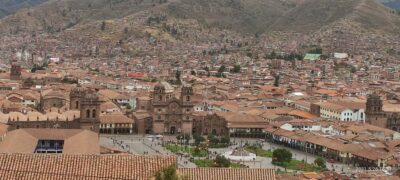 ★ 4.0Sightseeing Tour of the City on an Open-Top BusFrom $12481 reviews
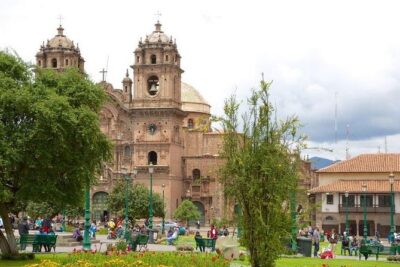 ★ 4.5Open Bus Cusco City TourFrom $14219 reviews
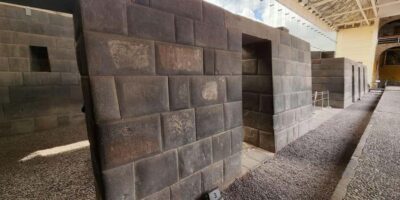 ★ 4.6City Tour | Half-Day Tour to 4 Archaeological SitesFrom $29206 reviews
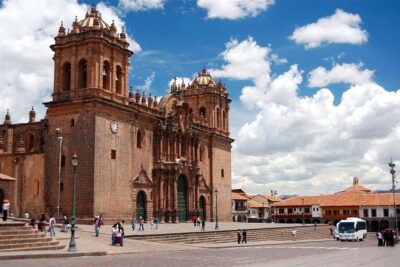 ★ 5.0City Tour in Cusco & visit Museum South American Camelid Private.From $49147 reviews
 ★ 4.5Cusco City Sightseeing, San Pedro Market, Cathedral and Qorikancha TempleFrom $59139 reviews
 ★ 4.2Half-Day City TourFrom $17129 reviews
Browse the lists this tour appears in