
REVIEW · CITY TOURS
Cusco: City and Nearby Ruins 5-Hour Guided Tour
In five hours, Cusco turns into an Inca lesson. This guided loop gives you Coricancha Sun Temple and Sacsayhuaman in one smooth afternoon, with a guide who ties the sites together so they feel connected, not random. The big thing to keep in mind is that there may be a textile or souvenir stop that can slow you down if you are not in shopping mode.
I also like the mix of city walking plus driving out to the northern ruins. In practice, that helps you see more without spending your whole day on the road, and a small-group pace makes it easier to ask questions. When the guide is dialed in, it is the kind of tour where the details actually stick, like hearing why Qenqo is famous for its subterranean passages.
Key highlights at a glance
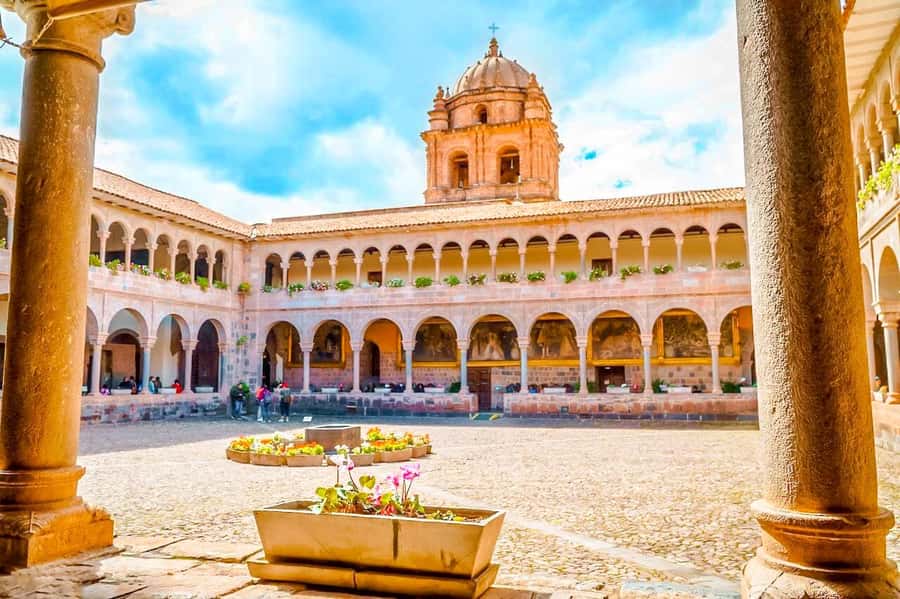
- Coricancha Sun Temple sets the tone with a ceremonial Inca construction you can still feel today
- Sacsayhuaman’s massive stonework shows the Inca approach to fitting giant rocks with precision
- Qenqo’s zigzag site plan includes carved stone spaces and hidden passageways
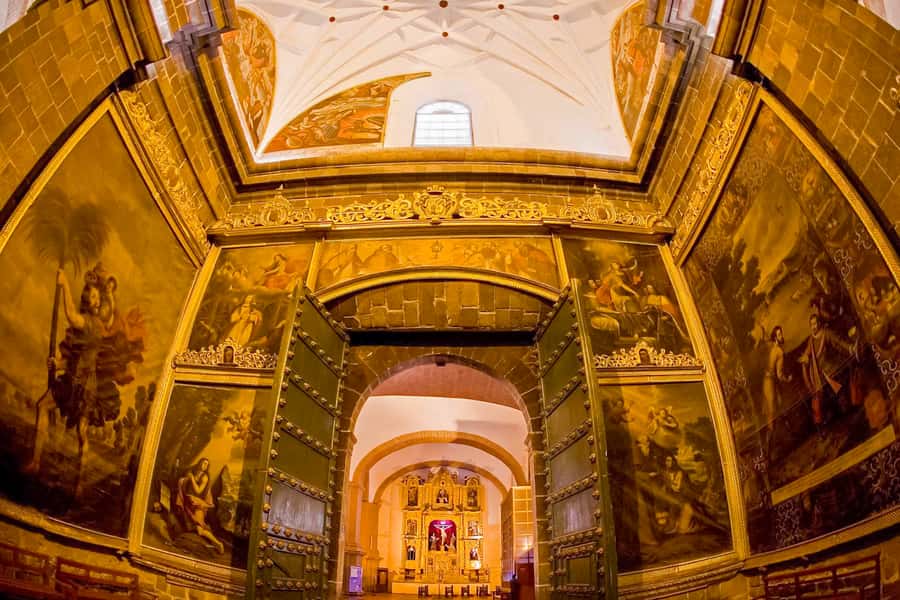
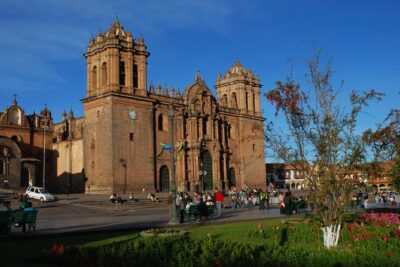
- Cathedral interiors on Plaza de Armas connect colonial Cusco to earlier Inca building foundations
- Tambomachay and Puka Pukara round out the afternoon with baths and a military lookout
- Small-group format keeps the schedule moving while still leaving room for questions
More that leaves from a Cusco hotel door
- Cusco: Humantay Lake Tour with Breakfast and Buffet Lunch★ 4.9 · 2,976 reviews
- From Cusco: Moray, Maras Salt Mines & Chinchero Weavers Tour★ 4.8 · 1,925 reviews
- From Cusco: Full-Day Group Tour of Machu Picchu★ 4.7 · 1,767 reviews
- Machu Picchu Day Trip from Cusco★ 4.5 · 1,644 reviews
A tight 5-hour Cusco loop with real payoff
This half-day tour is built for travelers who want meaningful Inca sights without committing to a full day trip. You start with an early afternoon pickup from your accommodation in downtown Cusco, then spend the next five hours moving through the city center and out to the northern outskirts, returning you back to Cusco when you are done.
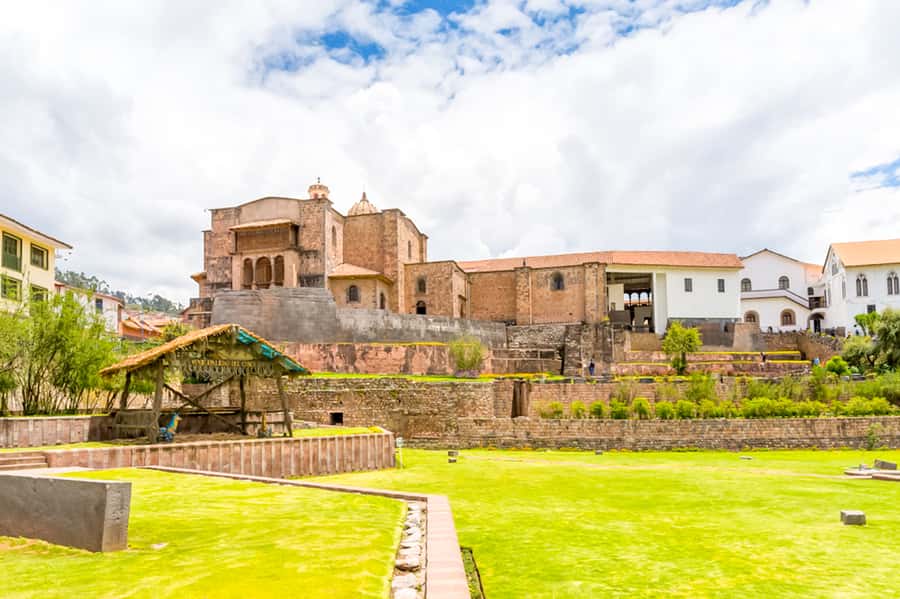
The value is in how the stops reinforce each other. Coricancha sets up the sacred, ceremonial side of Inca Cusco. Plaza de Armas and the Cathedral add the next layer, explaining how colonial construction was built over older Inca buildings. Then you shift into the northern complexes, where the Incas flexed their engineering and ritual planning at Sacsayhuaman, Qenqo, Tambomachay, and Puka Pukara.
One practical note: because you are working on a tight timeline, timing matters. If you are prone to rushing or you hate being on a schedule, you will want to approach this tour with a flexible mindset. That said, the structure is straightforward enough that you should feel the day is moving with purpose rather than feeling chaotic.
Coricancha Sun Temple: the sacred start that pulls you in
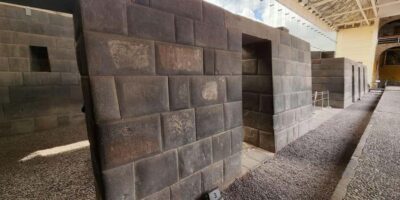
The tour opens at Coricancha Sun Temple, described as a ceremonial construction from the height of the Inca period. Even if you have only been studying Cusco for a day or two, this stop acts like orientation. It is the place where you learn that Inca power was not just about forts and walls. It was also about religious space, meaning, and processions.
Your guide walks you through what makes Coricancha special, and the experience is less about sprinting for photos and more about seeing how the construction fits the idea of a ceremonial site. If you like historical sites that reward attention to detail, this is where you will feel most engaged from minute one.
A small tip for getting more out of it: slow down for a minute and take in the layout before you try to match it to what you have seen in photos. On tours like this, the guide keeps moving, so your best photos usually come from pausing at the spots that feel most “important” rather than trying to capture everything at once.
Plaza de Armas and the Cathedral built over Inca bones
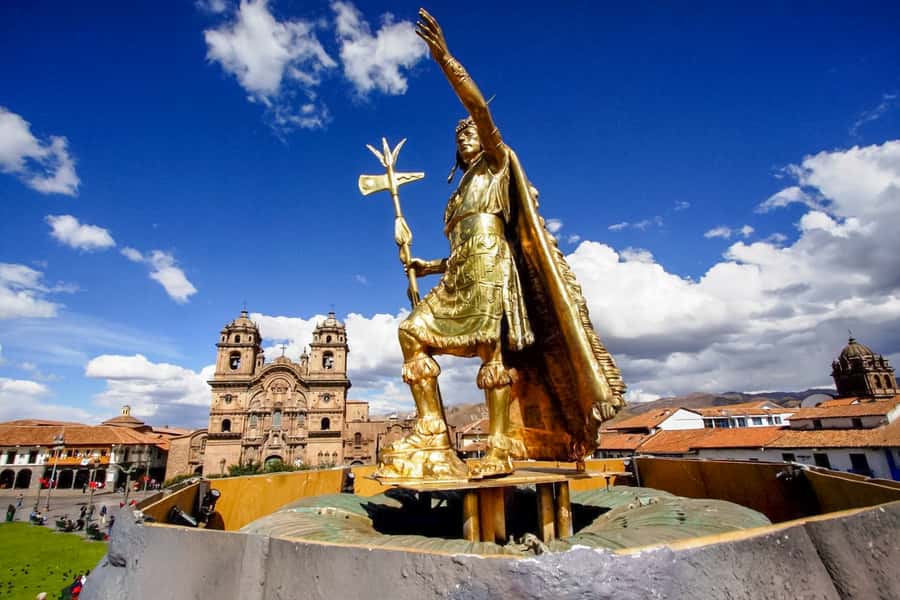
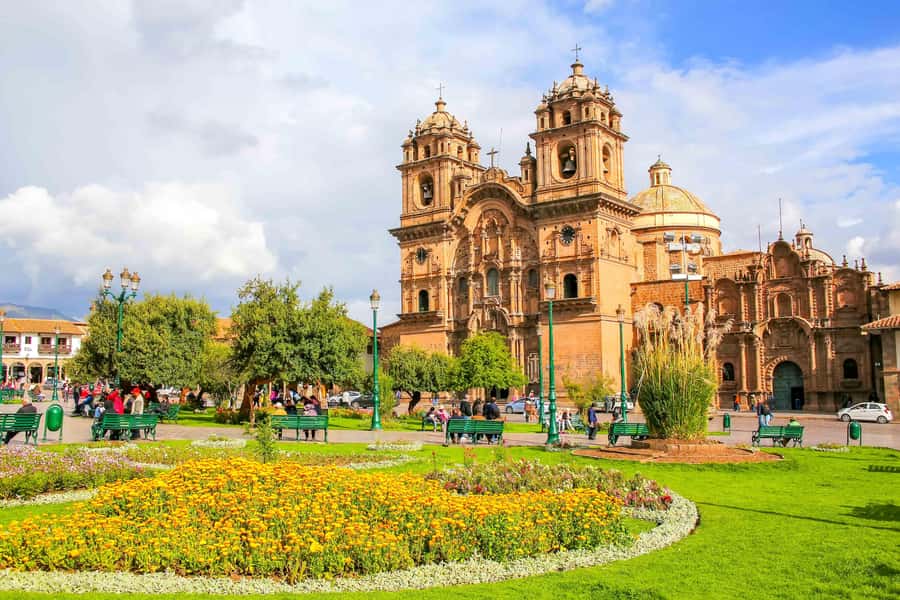
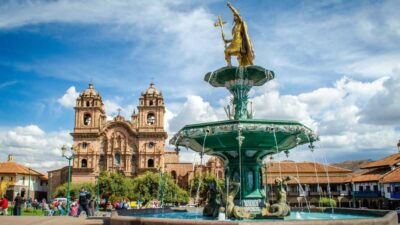
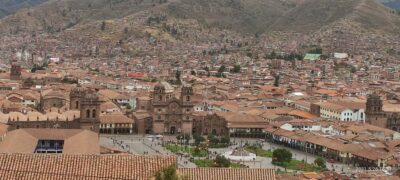
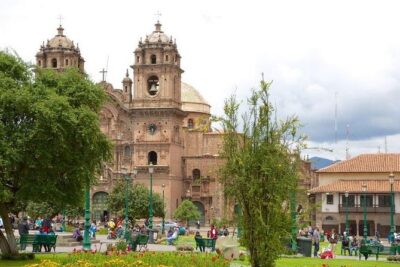
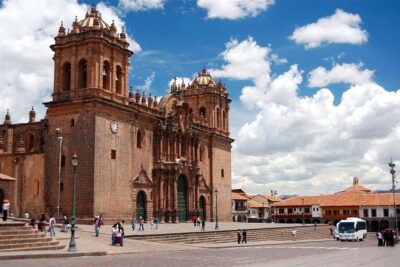
After Coricancha, you roll into Plaza de Armas, Cusco’s main square. This is not a throwaway stop. It is where your guide can explain how the city’s story overlaps. You then admire the interior of the Cathedral as your guide explains it was built on top of Inca buildings.
This is one of the reasons I like doing this part as part of a guided loop. Stand-alone, the Cathedral can feel like just another impressive church. Paired with Coricancha and the Inca ruins later in the afternoon, it becomes a lesson in layers, how Cusco absorbed new eras while earlier structures shaped what came next.
If you care about architecture and want to understand why Cusco looks the way it does, this stop is a key bridge. You come in seeing Inca stonework. You leave with a clearer sense of why colonial Cusco did not land on a blank canvas.
Sacsayhuaman’s huge stones and the confidence of precision
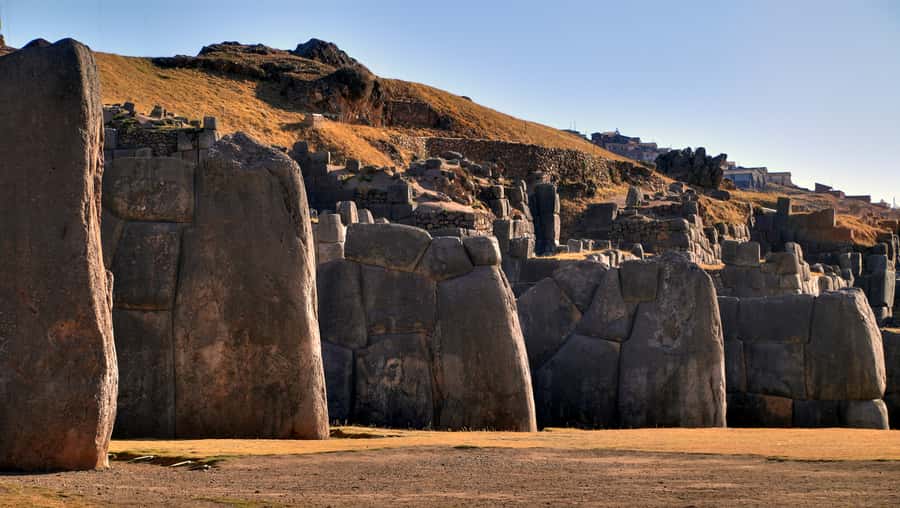
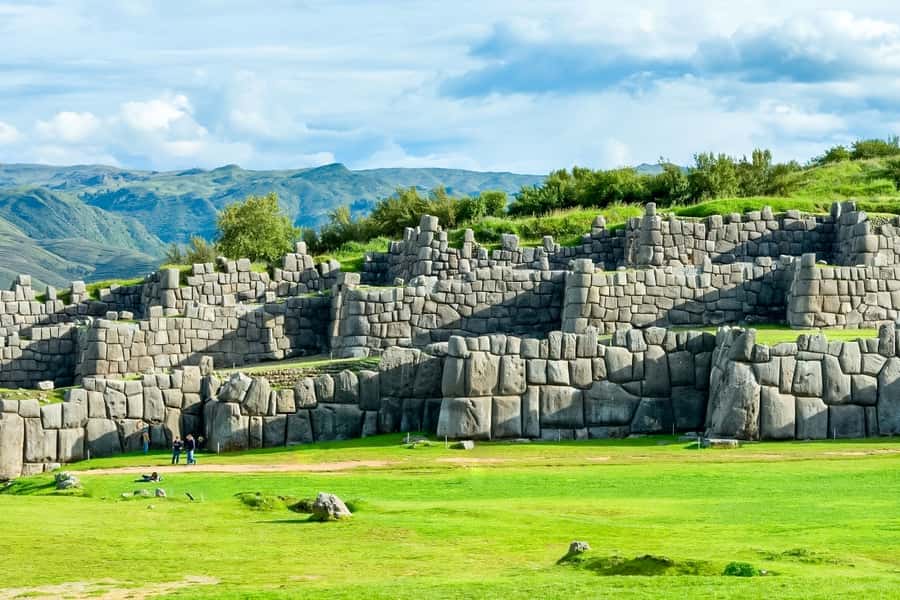
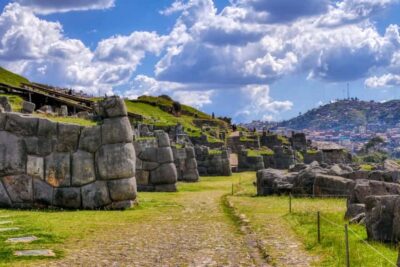
Next up is Sacsayhuaman, set on the northern outskirts of Cusco. You drive out there, then pass through openings in the huge Inca walls. The tour highlights the scale, with massive rocks weighing up to 180 tons and fitted with absolute perfection.
That detail matters because it changes how you interpret the site. You are not just looking at ruins. You are trying to picture an Inca workforce moving and placing extraordinarily heavy stones, then adjusting them so the final fit reads as intentional rather than random collapse.
This is also where you start noticing a rhythm shift. In the city, you have a mix of short walking sections and compact views. At Sacsayhuaman, space and angles matter more. You will likely spend time at viewpoints where you can see the wall lines and understand why the Inca complex became a symbol of power. Even if you are not an architecture nerd, the size alone makes the place feel imposing.
One practical thing: bring a little patience for time at the site. Stops like this are popular, and you will want to let the guide finish the explanation before you drift off for photos. If you rush ahead, you risk missing the key points that make the engineering story click.
More of the city on foot and by open-top bus
Qenqo, the zigzag site with underground passages
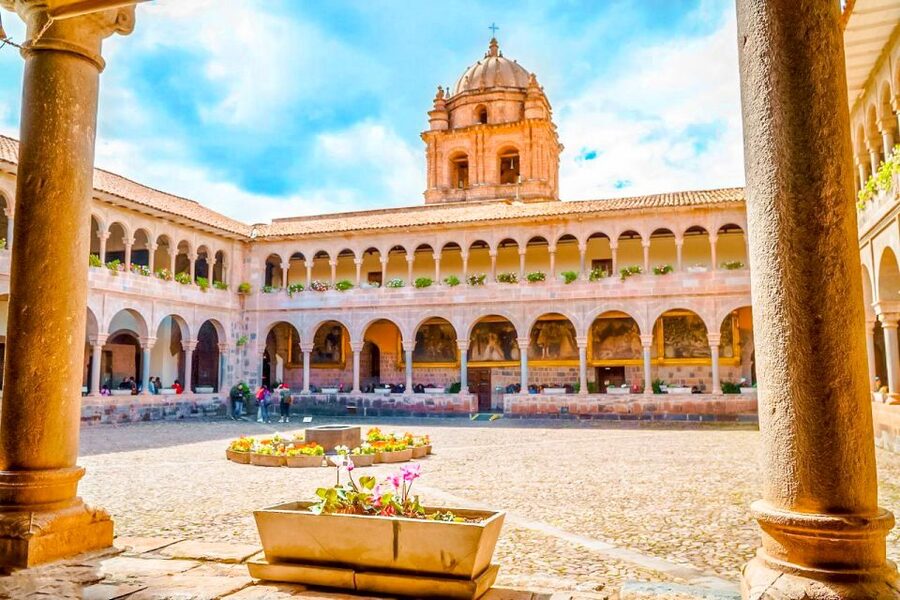
Then comes Qenqo, also known as zigzag. This stop has a different feel than Sacsayhuaman. Instead of focusing on huge outer walls, Qenqo draws attention to carved stone and hidden interior spaces.
The tour description points out that Qenqo has subterranean passages hidden in its perfectly carved stone interior. It also notes that it is likely the Incas used this area for mummification of their dead.
I like Qenqo because it forces you to think about purpose. This is not just a lookout or a fortress-like complex. It feels built for ritual, for a sequence of actions that were private, controlled, and tied to beliefs about the afterlife. The subterranean passages make the place feel eerie in a calm way, like the site is designed to protect what went on inside.
If you enjoy unusual sites rather than the most obvious ones, you will appreciate Qenqo’s odd layout and the way the stonework forms a kind of inner world. Keep an eye on your footing where you are walking, but try not to treat the site like a quick photo stop. It works better when you listen, then look again with the explanation in your head.
Tambomachay and Puka Pukara: baths and a military lookout
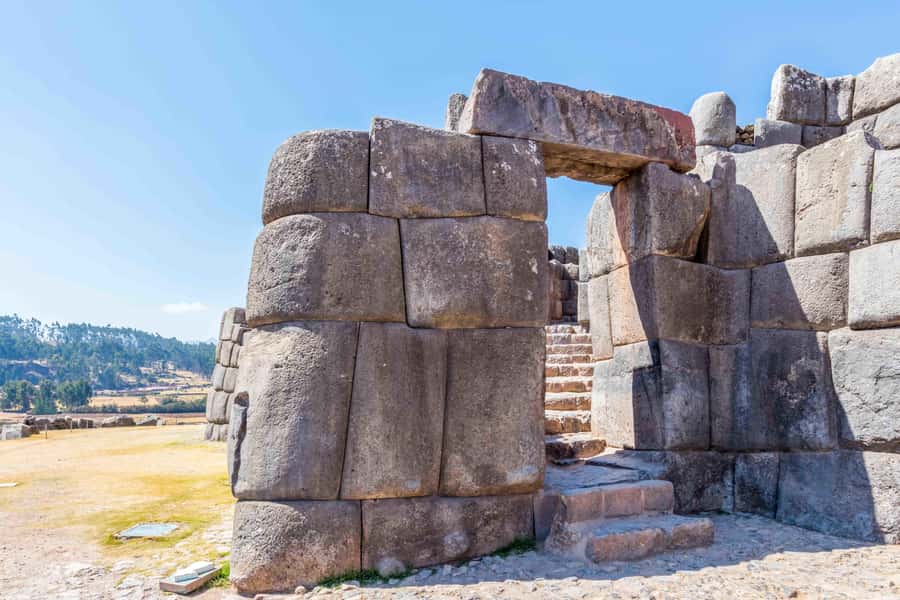
After Qenqo, the tour moves to Tambomachay, where you visit the Inca baths. Baths sounds simple, but here it becomes another piece of the Incas’ practical and ritual side. The name alone is enough to signal a place designed for water and use, not just display.
Then you finish with Puka Pukara, described as a military lookout point. This is where the afternoon feels complete. You start with ceremonial space (Coricancha), see colonial overlap (Cathedral and Plaza de Armas), encounter monumental engineering (Sacsayhuaman), shift into ritual and passages (Qenqo), then end with functional water use (Tambomachay) and surveillance or defense logic (Puka Pukara).
This pairing is smart because it keeps you from thinking of the Inca as only builders of temples or only builders of fortresses. Their systems touched worship, daily life, and strategic planning.
How the transport and timing affect the experience
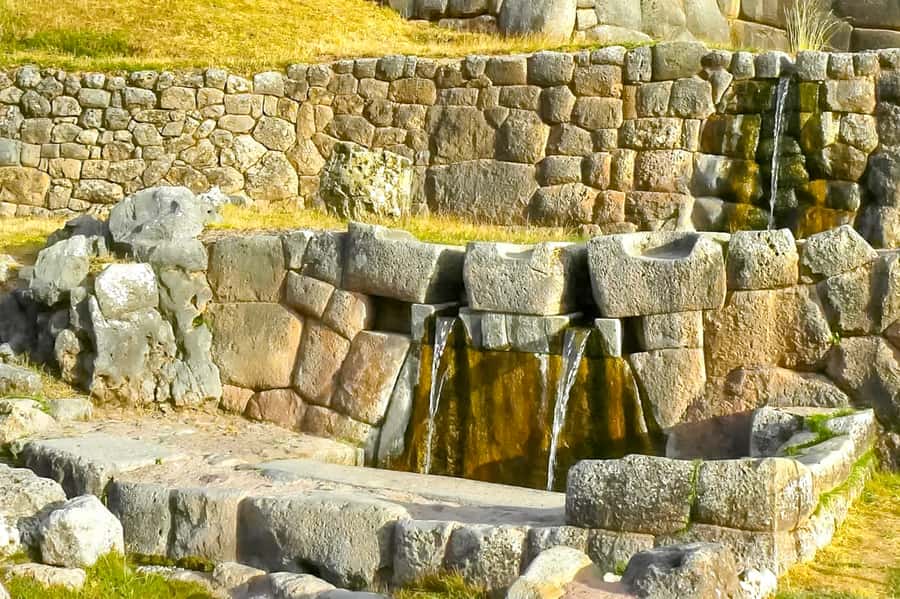
This is a small-group tour that includes transportation, and the format matters. You will do some walking in Cusco for the central stops, and then you will take a small vehicle for the northern complexes outside town. In other words, you do not spend the whole five hours stuck in a seat, but you also do not try to turn it into a marathon hike.
Because Cusco sits high in the Andes, short drives between sites can help you keep energy for actually seeing things. And because the tour is early afternoon to early evening-ish timing, it can be a good compromise if you already visited the main Cusco sights earlier in your trip.
One timing note to plan around: cathedral timing. The tour includes Cathedral interior time as part of the afternoon flow, and the note you get is that the Cathedral visit is not included on the morning tour. If you are comparing different options, that detail matters.
Price and value at $22, plus the real cost of entry tickets
At $22 per person, the big question is what you actually get for your money. Your price includes a professional guide and transportation. Entrance fees are not included, so you will need to budget a bit extra for tickets.
Still, I think this is good value if you want a guided route that covers multiple major Inca sites in one afternoon. Paying for transportation plus a guided interpretation is usually where these tours justify themselves, especially in Cusco where you can otherwise spend time figuring out how to connect each ruin efficiently.
A practical tip that can save you stress: you can buy entrance tickets on the spot without much trouble. That means you do not have to pre-plan every single fee ahead of time just to keep the day moving. You will still want to carry some cash or be ready to pay as the operators require at the moment.
Language expectations: Spanish and English can still vary
The tour runs with a live guide in Spanish and English. That is great on paper, and when your guide matches your language preference, you will get a smooth experience.
But here is the caution I would take seriously: if you specifically booked for English, verify language at pickup. In some cases, language coordination can be messy when groups mix, and you might find you are getting more Spanish than you expected. If you speak even a little Spanish, it can help you catch key points when translation is limited.
In the best versions of this tour, the explanations are clear and detailed. In one standout case, the guide is named Peto, and the difference shows in the way the information feels connected instead of listed. If you get a guide like that, the language issue matters less because you get more from tone and pacing too.
The one stop you may or may not love, textile or souvenir shopping
Not every stop will match your ideal. The tour can include a visit to a textile place, and it can start to feel like a shopping event, with tour time spent while people browse or buy.
This is not unusual in Peru, but it is still a deal-breaker for some people. If you want to see ruins only, you will likely prefer a tour that minimizes shopping. If you do want a chance to buy high-quality alpaca items and you know how to separate value from street-level impulse, this can be a practical moment.
My advice: go in with a strategy. Decide ahead of time whether you want to shop, and if not, treat it as a rest break and keep your eyes on the clock so the later ruins still get the attention you came for.
Who should book this Cusco City and Nearby Ruins tour
This tour fits you best if you:
- Want a compact introduction to Inca Cusco without adding extra days
- Like guided context, especially on how sites connect across time
- Are short on time but still want real stops like Coricancha, Sacsayhuaman, Qenqo, and Tambomachay
- Prefer small-group pacing over large buses
You might want to skip it or choose a different format if you:
- Hate shopping stops and do not want any time diverted
- Need strict English throughout and cannot tolerate language gaps
- Want the Cathedral or other central sights at a much slower pace than a five-hour loop allows
Should you book it or choose another option?
I would book this tour if your goal is a well-paced afternoon that hits the big Cusco Inca highlights, plus the Plaza de Armas context that explains how the Cathedral relates to Inca construction. The $22 price, including guide and transport, is a sensible way to cover multiple major sites without turning the day into logistics.
I would hesitate only if your priority is to avoid any textile or souvenir stops, or if you know you are sensitive to language inconsistencies. If you can handle that, this is a strong way to understand Cusco in one afternoon, especially if you want the ceremonial, engineering, and ritual sides of the Inca world in the same route.
FAQ
How long is the Cusco City and Nearby Ruins guided tour?
The tour lasts 5 hours.
Where do you get picked up?
You are picked up at your accommodation in downtown Cusco.
What are the main sights on the tour?
You visit Coricancha Sun Temple, Plaza de Armas and the Cathedral interiors, Sacsayhuaman, Qenqo, Tambomachay, and Puka Pukara.
Are entrance fees included in the price?
No, entrance fees are not included.
What languages are available for the live guide?
The live tour guide can be Spanish or English.
Is this tour private or small group?
The tour is a small-group experience, with options for private or small groups available.
Is the Cathedral of Cusco included?
The Cathedral of Cusco is included for this afternoon tour flow, and there is a note that it is not included on the morning tour.
How does transportation work during the tour?
The tour includes transportation, with drives used to reach sites outside the city center.
Are pets allowed on this tour?
No, pets are not allowed.
Can I get a refund or change my ticket after booking?
The activity is non-refundable, and tickets cannot be modified, exchanged, or refunded once confirmed.
More Tour Reviews in Cusco
- Cusco: Humantay Lake Tour with Breakfast and Buffet Lunch
★ 4.9 · 2,976 reviews - From Cusco: Moray, Maras Salt Mines & Chinchero Weavers Tour
★ 4.8 · 1,925 reviews - From Cusco: Full-Day Group Tour of Machu Picchu
★ 4.7 · 1,767 reviews - Machu Picchu Day Trip from Cusco
★ 4.5 · 1,644 reviews - Cusco: Half-Day City Tour with Sacsayhuaman and Q’enco
★ 4.6 · 1,129 reviews
Still in the City? Keep Going
- Cusco: Half-Day City Tour with Sacsayhuaman and Q’enco
★ 4.6 · 1,129 reviews - City Tour Cusco Qoricancha Sacsayhuaman y Tambomachay
★ 4.7 · 617 reviews - Cusco: Sightseeing Tour of the City on an Open-Top Bus
★ 4.0 · 481 reviews - Open Bus Cusco City Tour
★ 4.5 · 219 reviews - Cusco: City Tour | Half-Day Tour to 4 Archaeological Sites
★ 4.6 · 206 reviews
More Leaving From Cusco
- Cusco: Humantay Lake Tour with Breakfast and Buffet Lunch
★ 4.9 · 2,976 reviews - From Cusco: Moray, Maras Salt Mines & Chinchero Weavers Tour
★ 4.8 · 1,925 reviews - From Cusco: Full-Day Group Tour of Machu Picchu
★ 4.7 · 1,767 reviews - Machu Picchu Day Trip from Cusco
★ 4.5 · 1,644 reviews - Cusco: Half-Day City Tour with Sacsayhuaman and Q’enco
★ 4.6 · 1,129 reviews
Fresh in from Cusco

City Tours, compared.
 ★ 4.6Half-Day City Tour with Sacsayhuaman and Q’encoFrom $131,129 reviews
 ★ 4.7City Tour Cusco Qoricancha Sacsayhuaman y TambomachayFrom $13617 reviews
 ★ 4.0Sightseeing Tour of the City on an Open-Top BusFrom $12481 reviews
 ★ 4.5Open Bus Cusco City TourFrom $14219 reviews
 ★ 4.6City Tour | Half-Day Tour to 4 Archaeological SitesFrom $29206 reviews
 ★ 5.0City Tour in Cusco & visit Museum South American Camelid Private.From $49147 reviews
 ★ 4.5Cusco City Sightseeing, San Pedro Market, Cathedral and Qorikancha TempleFrom $59139 reviews
 ★ 4.2Half-Day City TourFrom $17129 reviews
Browse the lists this tour appears in