
REVIEW · MACHU PICCHU & AGUAS CALIENTES TOURS
Cusco: 5-Day Salkantay Ultimate Trek to Machu Picchu
This trek feels earned the moment you step up from Cusco into thin air. You get two standout days for scenery, including the climb to the Salkantay Pass and the turquoise burn of Humantay Lake, plus a guided Machu Picchu visit that helps you actually understand what you are looking at. I especially liked the mix of big-mountain drama and real down-valley jungle contrast, and I also liked that the support team handles much of the heavy lifting with horses and a strong cook setup. One thing to consider up front: altitude is serious on this route, and the tour is not suitable if you have a history of altitude sickness.
The pacing is built for people who want a true trek, not a bus with snacks, and the final day is timed to get you into Machu Picchu with a guide rather than rushing it alone. I like that the group stays small, with a maximum of 10, so you are not constantly negotiating crowded trails. The only real drawback is that you still need to be physically ready for long days, and you will need to plan for extra costs like a Huayna Picchu add-on if you want it.
Key Things That Make This Salkantay Trek Different
- Salkantay Pass day gives you the highest, toughest moment with huge panorama payoffs.
- Humantay Lake delivers that iconic turquoise glacial look early enough to enjoy it slowly.
- Lucmabamba family coffee farm connection turns your trip from scenery-only into something more local.
- Llactapata ruins approach gives you your first major Machu Picchu perspective from terraces, not straight from town.
- Support that reduces your load includes horses for equipment and only about 7 kg of personal items on your side.
Other ways into the citadel, side by side
- Machu Picchu Day Trip from Cusco★ 4.5 · 1,644 reviews
- Machu Picchu: Full-Day Tour from Cusco with Optional Lunch★ 4.6 · 927 reviews
- Cusco: 4-Day Inca Trail to Machu Picchu with Accommodation★ 4.8 · 432 reviews
- From Cusco: 2-Day Trip to the Sacred Valley and Machu Picchu★ 4.6 · 265 reviews
Your Base in Cusco, Then Straight Into High Andes Reality
Cusco is not just a pretty starting point here. It sets the stage for how quickly your body will have to adapt, because you are trekking from the Cusco region right away, with early climbs into higher elevations. On the day before you depart, you will have a tour briefing where you meet your guide and group in the office. You will also get duffle bags that travel with you, carried by horse during the trek, which matters because it lets you focus on your footing and breathing instead of hauling gear uphill.
The group setup is a private group with a maximum of 10 people. That size feels right on a trek like this, where trails can get narrow and the schedule is tight. If you are the kind of traveler who likes space to stop, look, and take photos without constantly sliding around strangers, this is a good fit.
Day 1: Soraypampa As You Meet Salkantay and Humantay
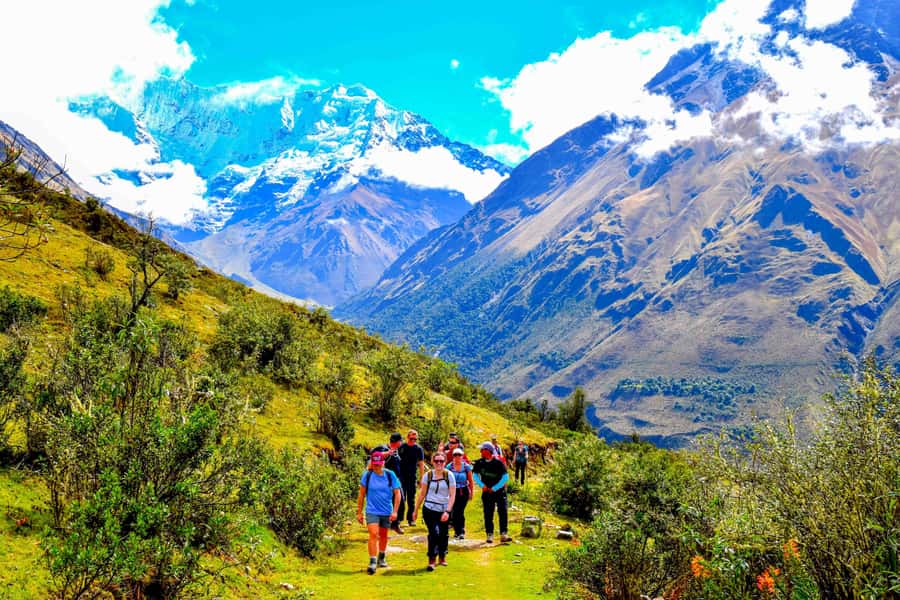
Day 1 is your big introduction day. You start hiking toward Soraypampa at 3,800 m, and the mountains around you start to look less like distant shapes and more like towering neighbors. Salkantay (6,271 m) and Humantay dominate the skyline, and as you ascend you feel the crisp air in your lungs. Even if you are a confident hiker, this day is more about rhythm than speed.
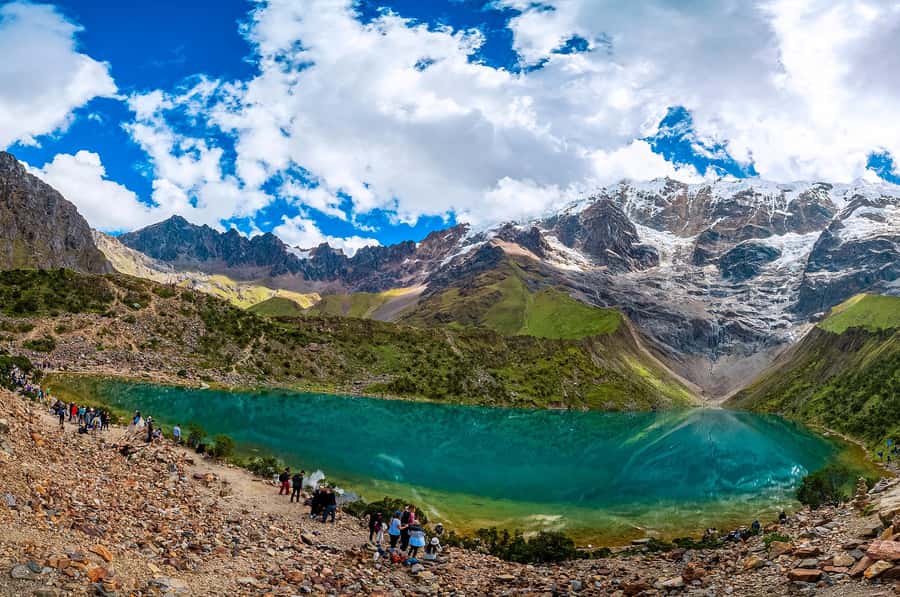
At midday, you stop for a classic Peruvian lunch made from fresh local ingredients. It is the kind of meal break that does more than fill you up, it resets you before you move again at altitude. Then you continue toward Humantay Lake at about 4,200 m. The lake is described as a turquoise glacial lagoon, and the real value here is the timing and viewpoint. You get to see those reflections and intense color while you are still high enough to feel the scale of the peaks above.
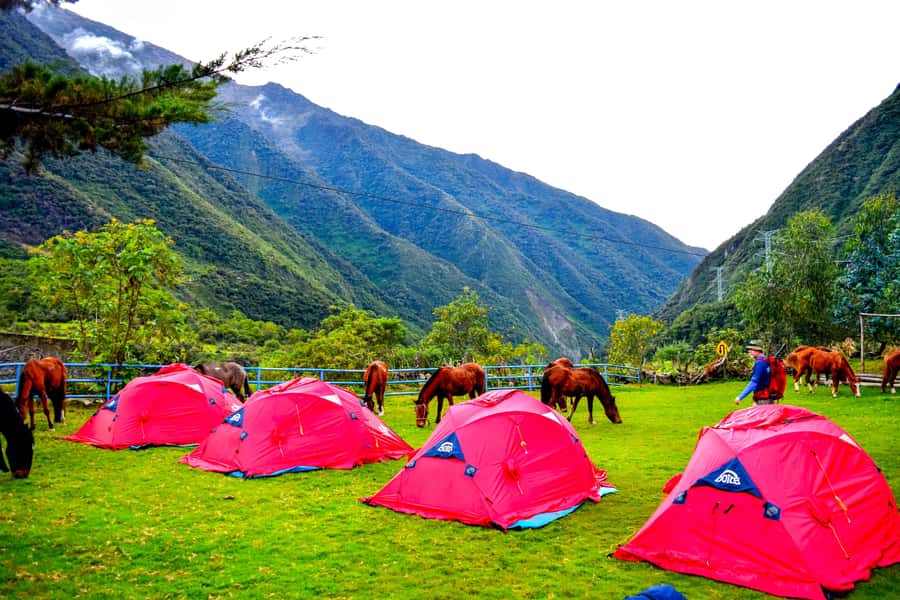
Afterward you head back to camp for dinner and a star-lit Andean night. That night part is not a marketing line. When you are at elevation, the sky can feel close, and having a warm meal after a first hard climb makes the day feel complete.
Day 1 Practical Notes: Bring Water and Protect Your Skin
Water is included during the trek, except the first 4 hours. That means you should plan to carry enough early on to avoid that scramble when your energy is already being spent on climbing. You also want rain gear and sun protection on day 1. At altitude, sun can feel strong even when air is cold, and weather can change fast.
Day 2: The Salkantay Pass Push and the Drop Into High Jungle
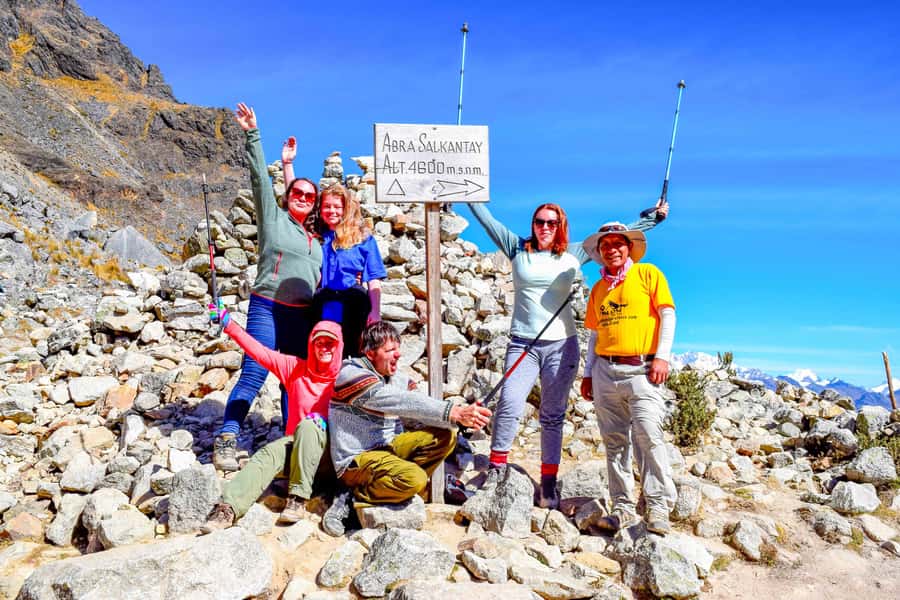
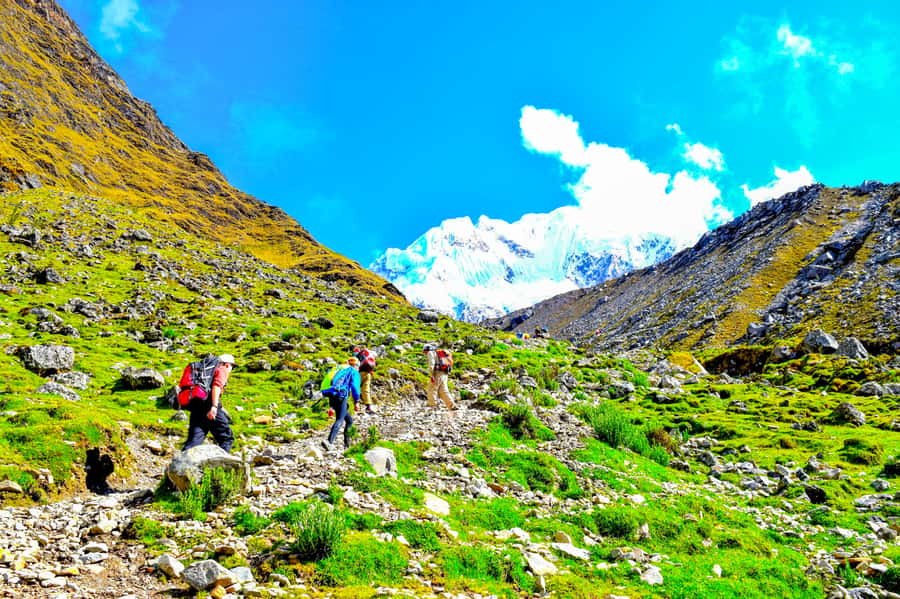
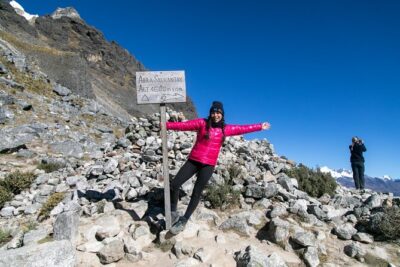
Day 2 is the heart of the trek. After an early breakfast, you climb toward the Salkantay Pass at 4,630 m, the highest and most challenging point on the itinerary. This is where the air thins and your effort level becomes very personal. Some days you feel strong at altitude, and other days you move slower and focus on steady breathing. Either way, the reward is the view: snow-capped peaks, jagged ridges, and deep valleys stretching out like layers.
Once you have your pass moment, you descend into a lush, high-altitude jungle. This transition is one of the best things about the route. You go from icy summit drama to vegetation that feels alive and close, and your senses have to adjust again. After a long but rewarding day, you settle into camp with nature sounds around you.
The Salkantay route, run by other outfits
Day 2 Practical Notes: You Cannot Rush Altitude
There is an oxygen bottle and a first aid kit included, which is a comfort for safety planning. Still, you should treat altitude as a real factor, not something you will simply out-hike. The tour is not suitable if you have altitude sickness, so if you are on the edge health-wise, take that seriously.
Day 3: Cloud Forest Descent, Waterfalls, and the Lucmabamba Finish
Day 3 wakes you up in a very different biome. You begin the descent into the cloud forest, with misty paths, cascading waterfalls, and fruit-laden trees. If you like variety in a trek, this is where it shows up. You are not just moving downhill, you are entering a different world, with exotic flora and fauna you might spot if you slow down and look around instead of only watching your feet.
After about five hours, you reach Playa Sahuayaco at around 2,200 m. Then you go into what is described as the eyebrow of the Amazon, a region full of life. You keep moving until you reach Lucmabamba at about 2,000 m, which is your final campsite and also your connection point to the ancient Inca Trail leading to Llactapata ruins.
This is the day that often turns a tough trek into a memorable one. When the air warms and the scenery starts changing by the hour, the effort feels more meaningful.
Day 3 Plus: The Local Coffee Farm Connection
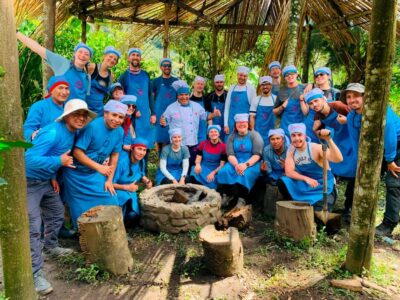
One of the highlights is staying with a family in Lucmabamba to learn about their local coffee farm. Even without getting overly specific about farming techniques, the value here is human. You get beyond the viewpoint and into how people live at these elevations, how they grow and process coffee, and how their routines work with the mountain environment. If you want cultural contact that still feels real, this is one of the strongest parts of the overall trip.
Day 4: Llactapata Ruins, Your First Real Machu Picchu Angle
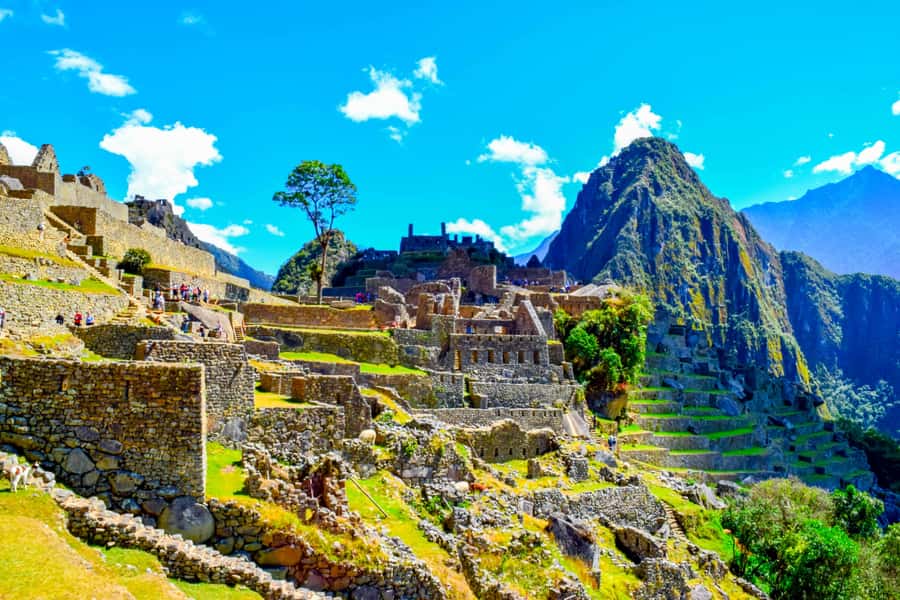
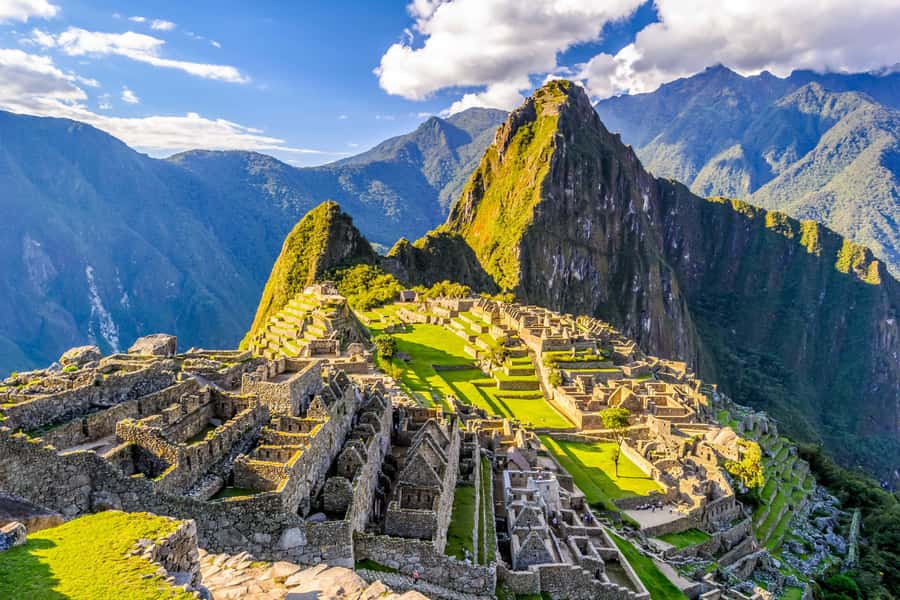
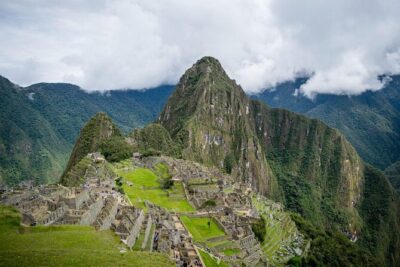
Day 4 starts with a breakfast that helps you reset before the climb. You hike uphill for about two hours along an original Inca trail to Llactapata ruins at roughly 2,840 m. These terraces are less visited, and that matters. You get a stunning first view of Machu Picchu from an angle that many people do not experience. This is not just a photo stop. It helps you begin to understand the geography and layout before you step into the main citadel.
After exploring Llactapata, you descend through lush cloud forest to the Hydroelectric Station at about 1,890 m. Then it is about a 1.5-hour trek to Aguas Calientes at around 2,040 m. You arrive for a comfortable evening, which is a big deal on day 4 because you are coming off a high, emotional high of viewpoints. Having a real hotel bed and a chance to breathe before the Machu Picchu day helps you enjoy the finale.
Day 5: Guided Machu Picchu, Then Optional Mountain Views
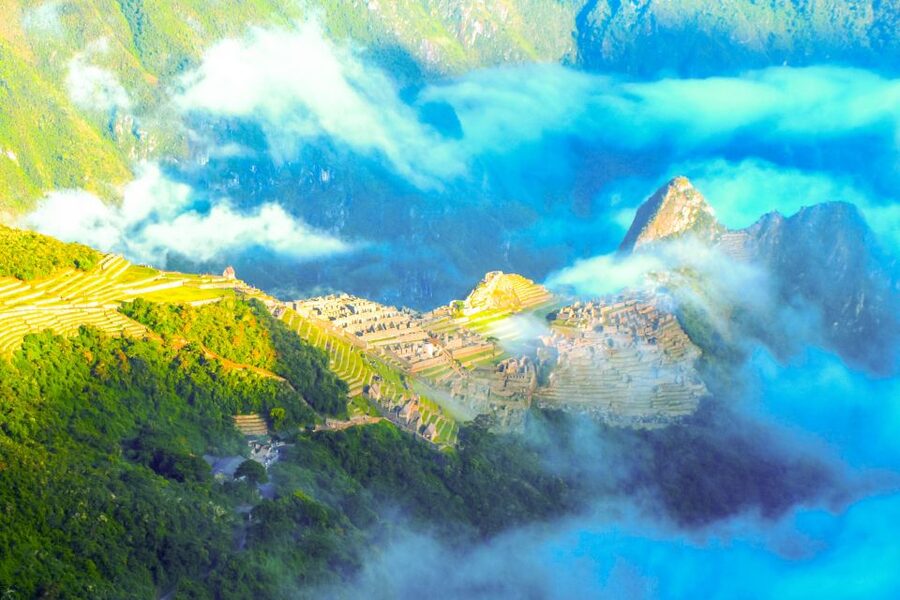
Day 5 begins early with breakfast, then a morning bus ride to Machu Picchu at about 2,430 m. The key here is that you arrive with your expert guide for a detailed tour. The guide explains the site’s history and points out important structures including temples, ceremonial areas, terraces, and storage buildings.
That guidance is the difference between seeing ruins and understanding them. Machu Picchu can be stunning even when you know nothing, but it becomes more satisfying when you can connect structures to function and setting. You will walk through the citadel with context, which makes the time feel less like a checklist and more like a story you can follow.
After the citadel tour, you have options. You can hike Huayna Picchu or Machu Picchu Mountain for even bigger views. Huayna Picchu has an additional entrance fee of US$85, so if you want that, plan the extra budget. If you prefer not to do the optional hike, you still get a full citadel experience with your guide.
Then you return to Aguas Calientes for a short rest and lunch. In the afternoon, you take a train to Ollantaytambo, and a van brings you back to Cusco.
Support and Comfort: What the Included Gear Does For You
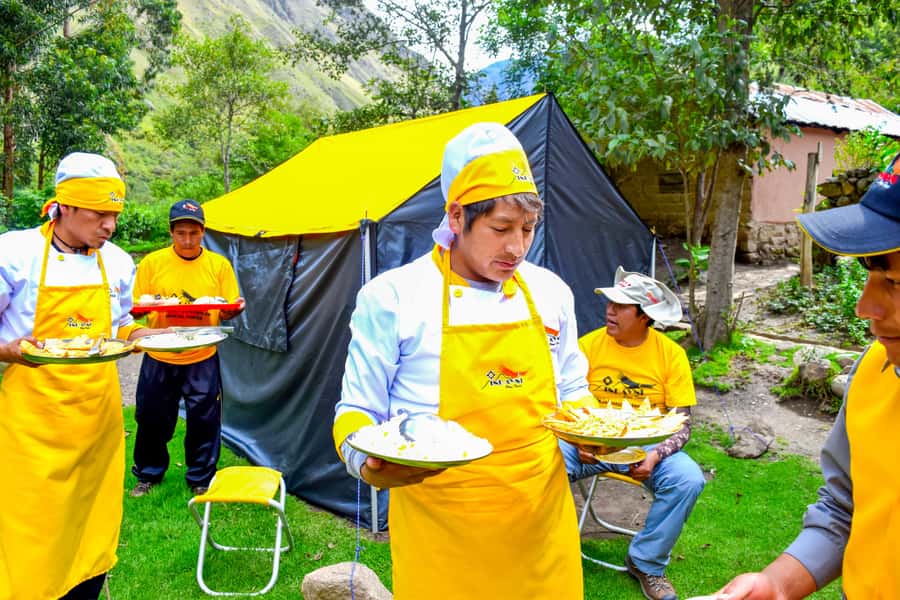
This trek runs with a professional cook, a professional English-speaking tour guide, and an assistant guide for groups of 9 or more. That matters because bigger days on steep terrain can get messy if the team is stretched. Having support people also means meal timing is more consistent and you are less likely to feel stranded when something takes longer.
Your gear handling is also part of the comfort equation. Horses carry all equipment and up to 7 kg of your personal items. You are not hauling everything yourself, which is exactly what you want when altitude and steep grades are already doing the work.
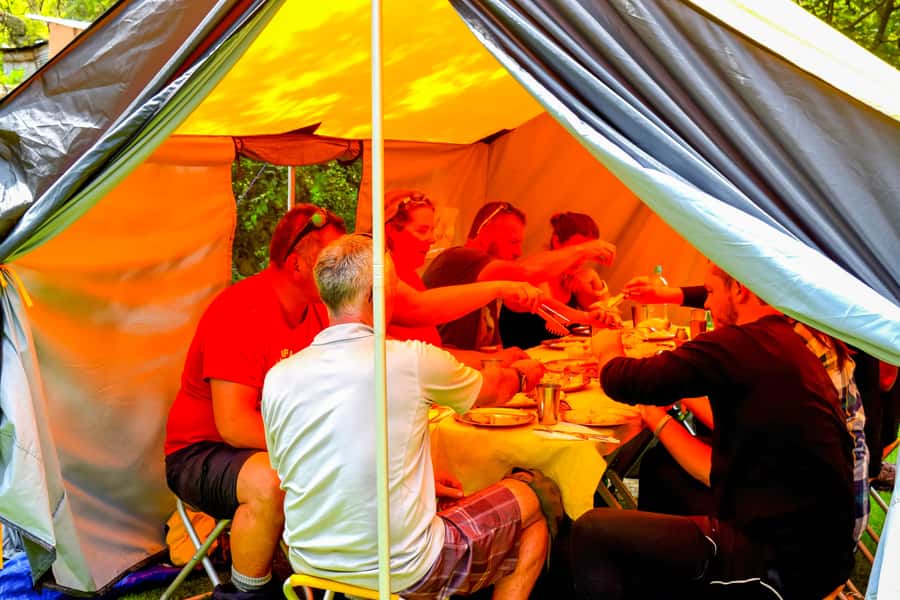
Sleep is a mix: camping tents during the trek and a hotel in Aguas Calientes. The tents are 4-man tents for every 2 trekkers, with a double thickness foam sleeping mattress, plus wake up tea every morning brought to your tent. Those details sound small, but they add up to better recovery. When you are dealing with fatigue from multiple days, the difference between rough sleep and even decent sleep changes how you feel on day 4 and day 5.
You also get bottled oxygen and a first aid kit. You still need to pace yourself, but it is a reassurance that safety planning is part of the operation.
Food on the Trail: Enough Fuel, Simple Rhythm
Meals included are detailed, and it is worth paying attention to what is missing. You get 4 breakfasts, 4 lunches, 4 afternoon snacks, and 4 dinners. Day 1 breakfast is not included, and day 5 includes breakfast but not lunch and dinner. Water is included after the first 4 hours each trekking day, so you should treat day 1 as the day to double-check your carry.
If you have dietary requests like vegetarian, vegan, or gluten-free, you need to tell the supplier during booking and re-confirm day-of at the briefing. That is a fair process, but it means you should plan ahead rather than hoping it will be sorted last minute.
Price and Value: Is $669 a Good Deal?
At $669 per person for a 5-day trek plus Machu Picchu access, this price can be good value, as long as you compare like for like.
Here is what is built into the cost:
- Professional guide and cook, plus assistant guide support for larger groups
- Horses for equipment and portion of your personal load
- Multiple meals and snacks throughout the trek
- Camping gear setup, including tents and foam mattresses
- Aguas Calientes hotel stay
- Oxygen bottle and first aid kit
- Machu Picchu entrance and bus
- Train included back from Aguas Calientes to Ollantaytambo, plus van to Cusco
What is not included is also important:
- Sleeping bag (you can hire one)
- Trekking poles (you can hire them)
- Huayna Picchu entrance (US$85 extra)
- Travel insurance, which is strongly recommended for your entire trip
My practical take: you are paying for a guided, supported, gear-managed experience that takes stress out of a physically demanding trek. If you try to replicate this without a solid operator, your time and logistics load can climb fast. The best way to judge value for you is whether you want to focus on hiking and views instead of troubleshooting trains, permits, and trail logistics on your own.
Who Should Book This Trek, and Who Should Skip It
This trip fits best if you:
- Want a real trek with mountain drama, not just sightseeing
- Like the idea of learning from a guide at Machu Picchu
- Are okay camping during the trek, with support and mattresses provided
- Can handle long hiking days and a serious altitude moment at Salkantay Pass
You should skip it if:
- You have back problems
- You have altitude sickness
- You are over 70
And if you are new to hiking, you can still consider it, but be honest about your fitness. Day 2, especially, is the kind of challenge that punishes guessing.
What to Bring So You Do Not Suffer More Than Necessary
Your checklist is straightforward, and the big themes are protection and comfort:
- Passport or ID card
- Sun hat and sunscreen
- Rain gear
- Comfortable clothes
Add your own common sense items: layers you can adjust for cold nights and cool mornings, plus anything you need to stay dry. Sleeping bags are not included, but you can hire one, so decide early whether you will pack your own or hire.
Also note what is not allowed: pets, weapons or sharp objects, and alcohol or drugs. Keep it simple.
Should You Book the Cusco 5-Day Salkantay Ultimate Trek?
If you want a trek that earns its finale, I think this is a strong choice. The combination of Salkantay Pass panoramas, Humantay Lake views, and a guided Machu Picchu tour makes the 5 days feel purposeful instead of random. Add in the support system, horses for equipment, and the Lucmabamba family coffee farm connection, and you get both nature and something more human.
Book it if your body can handle altitude and long days, and if you are excited about learning rather than just taking pictures. Skip it if altitude is already a known problem for you, or if your health makes long hikes a bad idea.
In short: this is for hikers who want meaning, not just motion, and who will appreciate being looked after while they chase some of Peru’s most dramatic views.
FAQ
What is the duration of this trek?
This is a 5-day trek to Machu Picchu.
How much does it cost per person?
The price listed is $669 per person.
What group size should I expect?
It is a small group tour with a maximum of 10 people per group, in a private group format.
Is Machu Picchu entrance included?
Yes, entrance to Machu Picchu is included. Huayna Picchu entrance is an extra US$85.
What meals are included?
You get 4 breakfasts, 4 lunches, 4 afternoon snacks, and 4 dinners. Breakfast on Day 1 and lunch and dinner on Day 5 are not included.
Is water included during the trek?
Water is included, except for the first 4 hours of the trek when you need to bring your own.
Do they provide sleeping gear?
You get tents and a double thickness foam sleeping mattress. A sleeping bag is not included, but you can hire one.
How do you return to Cusco after Machu Picchu?
After Machu Picchu, you rest and eat in Aguas Calientes, then you take a train to Ollantaytambo. A van takes you back to Cusco.
More Leaving From Cusco
- Cusco: Humantay Lake Tour with Breakfast and Buffet Lunch
★ 4.9 · 2,976 reviews - From Cusco: Moray, Maras Salt Mines & Chinchero Weavers Tour
★ 4.8 · 1,925 reviews - From Cusco: Full-Day Group Tour of Machu Picchu
★ 4.7 · 1,767 reviews - Machu Picchu Day Trip from Cusco
★ 4.5 · 1,644 reviews - Cusco: Half-Day City Tour with Sacsayhuaman and Q’enco
★ 4.6 · 1,129 reviews
Salkantay, Other Operators
- Salkantay Trek Challenge – 3 Days / 2 Nights
★ 5.0 · 101 reviews - Small Group 5 Days Salkantay and Machu Picchu by Llactapata Tour
★ 5.0 · 88 reviews - Machu Picchu: 5-Day Salkantay Trek with Panoramic Train
★ 5.0 · 79 reviews - Salkantay Trek 4 Days to Machu Picchu by Glamping Sky Lodge Dome
★ 5.0 · 68 reviews - Salkantay Trek to Machu Picchu in 4 days
★ 4.5 · 50 reviews
Machu Picchu, Three More Ways
- From Cusco: Full-Day Group Tour of Machu Picchu
★ 4.7 · 1,767 reviews - Machu Picchu Day Trip from Cusco
★ 4.5 · 1,644 reviews - Machu Picchu: Full-Day Tour from Cusco with Optional Lunch
★ 4.6 · 927 reviews - Cusco: 4-Day Inca Trail to Machu Picchu with Accommodation
★ 4.8 · 432 reviews - From Cusco: 2-Day Trip to the Sacred Valley and Machu Picchu
★ 4.6 · 265 reviews
Fresh in from Cusco

Machu Picchu & Aguas Calientes Tours, compared.
 ★ 4.7Full-Day Group Tour of Machu PicchuFrom $3211,767 reviews
 ★ 4.5Machu Picchu Day Trip from CuscoFrom $3361,644 reviews
 ★ 4.6Machu Picchu: Full-Day Tour from Cusco with Optional LunchFrom $283927 reviews
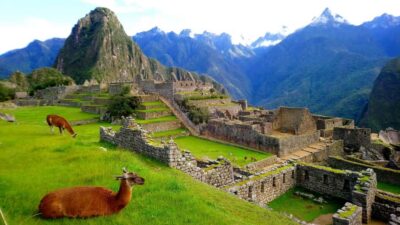 ★ 4.84-Day Inca Trail to Machu Picchu with AccommodationFrom $470432 reviews
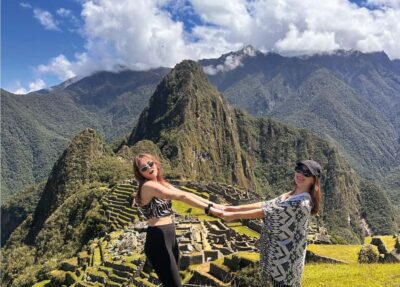 ★ 4.62-Day Trip to the Sacred Valley and Machu PicchuFrom $370265 reviews
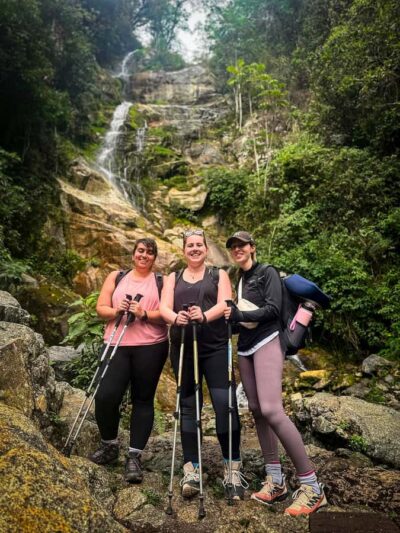 ★ 4.9Machu Picchu 2-Day Inca Trail with Panoramic TrainFrom $582260 reviews
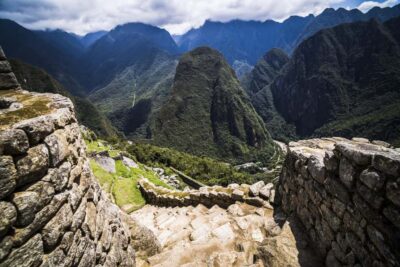 ★ 4.22-Day Inca Trail to Machu PicchuFrom $290244 reviews
 ★ 4.9Machu Picchu: Inca Trail 2-Day Overnight Guided TourFrom $585203 reviews
Browse the lists this tour appears in