
REVIEW · CITY TOURS
City Tour in Cusco & visit Museum South American Camelid
Four hours in Cusco, with context. This half-day city tour connects Inca and Spanish influence through major archaeological stops, starting at Plaza de Armas.
I like that you get a professional bilingual guide plus an air-conditioned vehicle, so you spend less time figuring logistics and more time understanding what you are seeing. I also appreciate the stop-by-stop pacing, with time set aside at Qorikancha, Sacsayhuaman, and the other nearby sites, which makes it a practical way to learn Cusco fast.
One possible drawback: the experience depends on smooth timing and clear English. A few people noted last-minute time changes, difficulty finding everyone, and uneven English clarity, so I’d keep a close eye on the meeting time and be ready to switch to Spanish if needed.
Key points to know before you go
- Small group size (max 15) helps keep questions from getting lost
- Bilingual guiding means you can follow in English or Spanish, depending on the guide
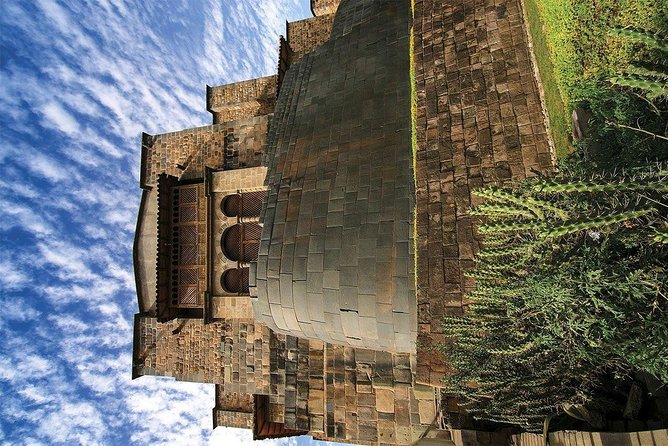
- Built-in site variety covers Qorikancha (museum and archaeological site) plus major nearby Inca areas
- Bus-heavy format with short foot time makes it easier on days you are still adjusting to altitude
- Entrance tickets are not included, so plan your site ticket choice and budget ahead of time
- Guide quality seems to matter, and names like Luis (Lucho), Edwin, Regina, and Pavel show up in standout accounts
More that leaves from a Cusco hotel door
- Cusco: Humantay Lake Tour with Breakfast and Buffet Lunch★ 4.9 · 2,976 reviews
- From Cusco: Moray, Maras Salt Mines & Chinchero Weavers Tour★ 4.8 · 1,925 reviews
- From Cusco: Full-Day Group Tour of Machu Picchu★ 4.7 · 1,767 reviews
- Machu Picchu Day Trip from Cusco★ 4.5 · 1,644 reviews
Plaza de Armas pickup: your Cusco anchor point
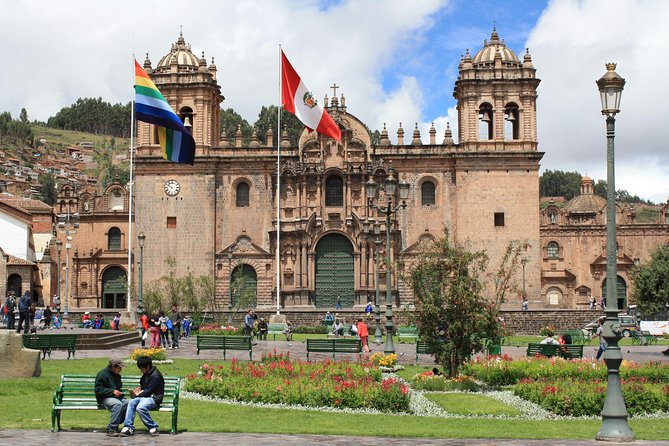
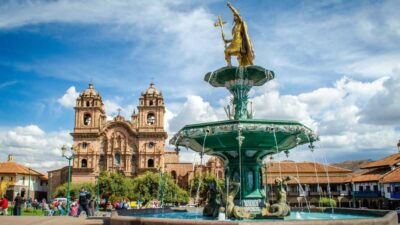
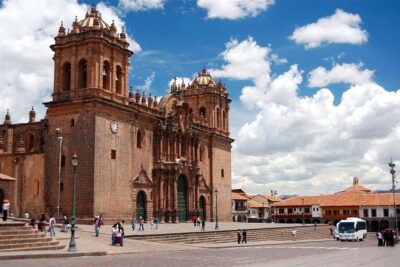
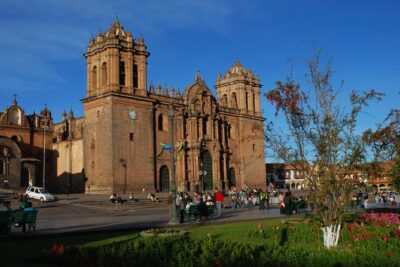
Your day begins at Plaza de Armas de Cusco, right where most first-time wandering naturally starts. That matters more than it sounds. When you are acclimating, having a clear start location reduces stress and helps you get oriented quickly, especially if you are planning other activities later.
The tour also returns back to the same meeting point. That is a big plus when you do not want to think about transport at the end. Cusco days can stack up fast, so “back where you started” keeps your afternoon flexible.
Qorikancha and the Temple of the Sun: a museum stop with real context
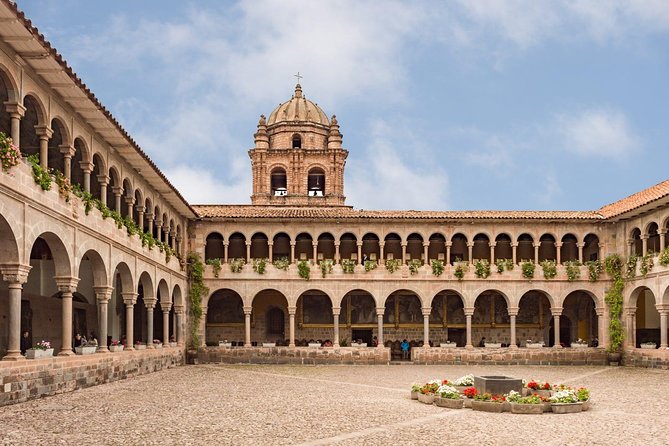
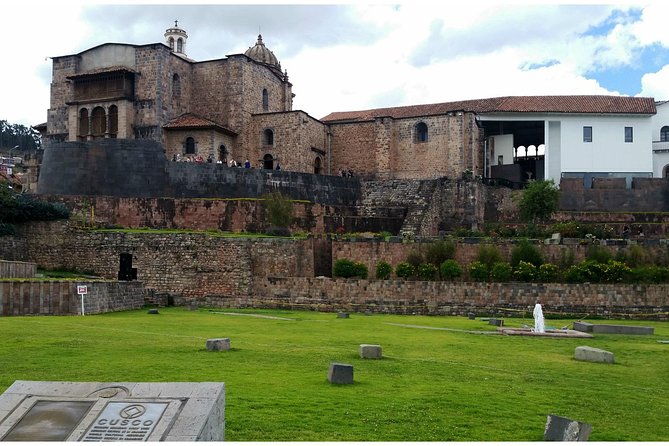
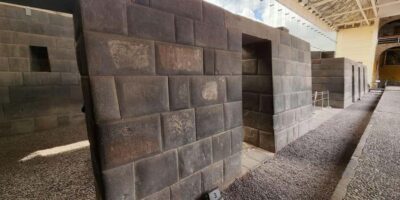
Next up is Qorikancha, listed as both a museum and an archaeological site, with 45 minutes on the schedule. This stop is a strong pick for two reasons.
First, Qorikancha is an ideal place to connect themes. The tour is explicitly about the influence of both the Inca and the Spanish on Cusco, and starting with Qorikancha helps set that story early rather than leaving you with disconnected ruins.
Second, the museum format means you are not only looking at outdoor stones. You get a more “learn as you go” rhythm, which is helpful if you are tired from travel or just want something with guidance and structure.
Possible downside to keep in mind: entrance is not included, so you will need your ticket plan. If you show up without it, you might lose part of that 45-minute window waiting or sorting access.
Sacsayhuaman to Q’enqo: the fast way to see big Inca landmarks
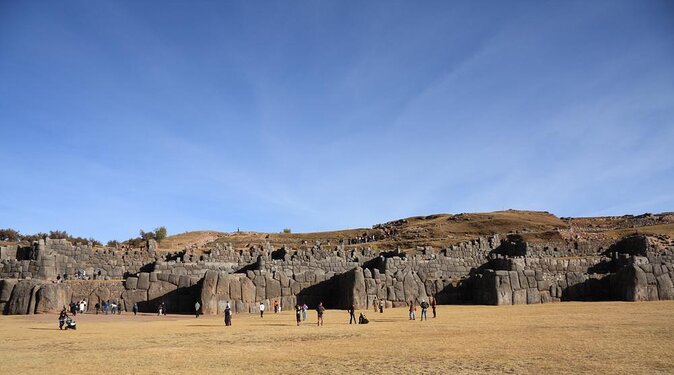
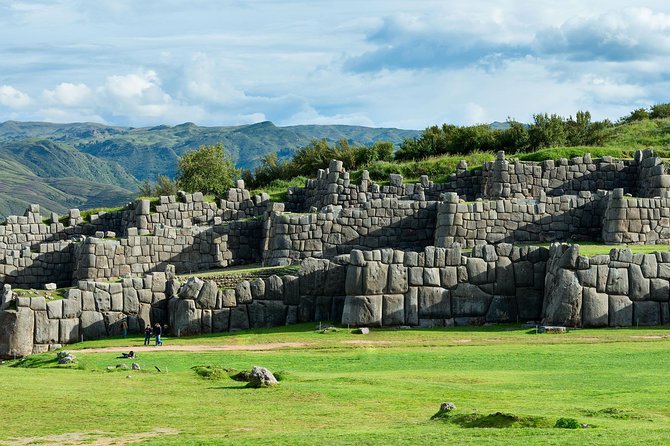
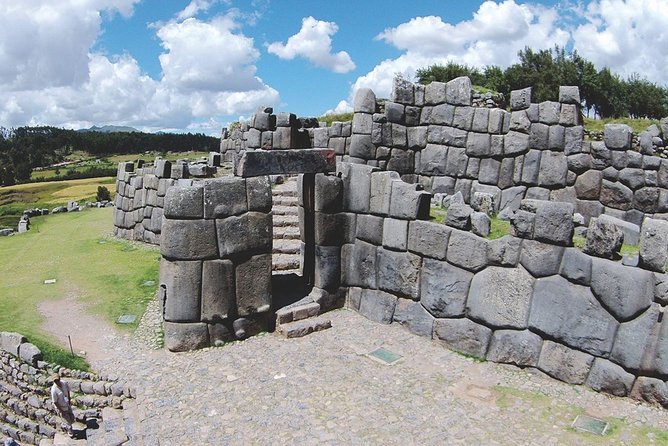
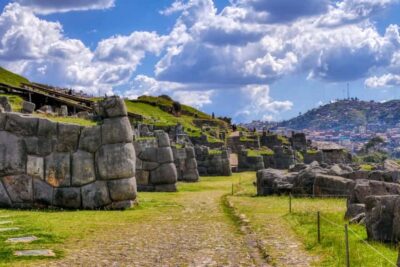
Then you move to Sacsayhuaman for 45 minutes. This is one of those “you came to Cusco for this” locations, and the time block is designed so you get context rather than just a quick look.
After that comes Q’enqo for 30 minutes. These two stops work together. Sacsayhuaman gives you a larger sense of scale, while Q’enqo keeps the flow moving at a steady pace.
What I like about this design is that it respects attention spans. Half-day tours can feel like being herded, but here each site has a stated visit length, so you are not sprinting from place to place with no idea why you’re there.
Drawback: these are still archaeological sites, and one comment from a group experience pointed out the walking and climbing can be a factor when you are still adjusting to Cusco altitude. If you are even a little sore or lightheaded, wear grippy shoes and pace yourself.
Puka Pukara and Tambomachay: two quieter stops to balance the day
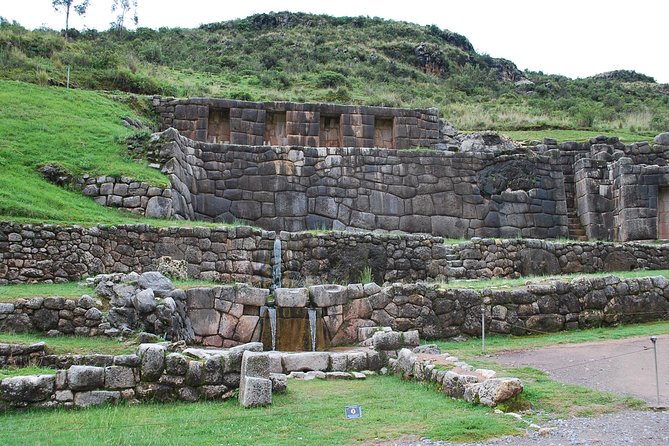
After the bus-and-site rhythm ramps up, the schedule slows slightly with Puka Pukara for 30 minutes, then Tambomachay for 30 minutes.
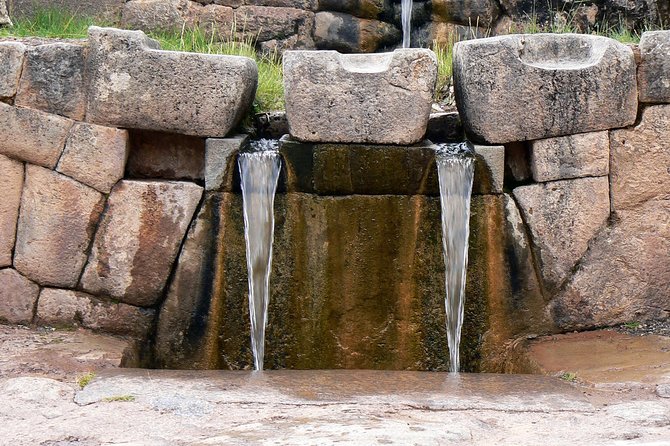
Puka Pukara is another archaeological site on the circuit, and Tambomachay is specifically listed as the water temple, so this is a nice contrast to the other stops. Even if you only catch parts of the explanation, having a theme shift helps the day feel less repetitive.
These middle-to-later stops are also where I think the tour earns its “half-day” value. By the time you reach Tambomachay, you have enough information from earlier sites to follow the guide’s connections, and you are close enough to the end that you do not feel trapped for hours.
More of the city on foot and by open-top bus
The real deal: what the “bus tour” format means for your comfort
One useful thing to know is that this is not a walking tour that slowly wanders neighborhood by neighborhood. It is a bus tour. You spend most of your time between sites in an air-conditioned vehicle, then you step out for shorter guided periods.
In practical terms, that means:
- You will likely do one site area on foot and then hop back on the bus for the next stop.
- The pace is efficient, and you can manage the day even if you have limited time.
- It can be a smart choice on days you do not want a long active schedule.
That said, bus-based tours can be uneven if the pickup timing or group coordination goes sideways. Some experiences were described as disorganized, with time changes and trouble gathering everyone. I cannot predict your exact timing, but you can protect yourself by showing up a few minutes early and keeping close track of the group once you meet your guide.
Bilingual guide clarity: why it can make or break the experience
The tour includes a professional bilingual guide, and that sounds great on paper. In real life, guide communication quality matters a lot, especially when you want to understand the Inca story and how Spanish influence fits into it.
When it goes well, the impact is obvious. Names like Luis (Lucho) show up attached to praise for being incredibly knowledgeable and clear. Other guides such as Edwin and Regina were described as excellent, with explanations in both Spanish and English and careful attention to the group’s needs. Pavel was mentioned for punctual timing at each archaeological site and for being a helpful option for adjusting to Cusco’s altitude.
When it goes poorly, the issues tend to be the opposite. One account criticized the English ability and said the guide focused more on Spanish-speaking participants. Another described English and Spanish being offered, yet difficulty understanding the English portion.
My advice: if English clarity is important to you, go into this with realistic expectations and a friendly attitude. You can also help yourself by asking questions in Spanish basics if you know any, or by preparing to get the gist even if every word is not perfect.
Entrance tickets and budget: a simple strategy before you spend
Entrance tickets are listed as not included, so the tour price mainly covers guiding and transportation. That is normal for Cusco tours, but it is worth planning around because entrance fees are the part that can surprise people.
A practical tip that comes up in real-world planning is ticket choice:
- You can expect around 70 soles for a partial set of sites.
- A general ticket mentioned was about 130 soles, and it can be worth it if you plan to do Sacred Valley the same week.
One specific set of sites aligned with that advice includes Sacsayhuaman, Q’enqo, Pucapucara, and Tambomachay. Since these appear on the tour schedule, it suggests the partial option may fit well if this is your main Cusco archaeology day.
If you are doing Sacred Valley next, it can be smarter to aim for the general ticket once, instead of paying for separate pieces. The simplest way to decide is to ask yourself: am I only doing this Cusco circuit, or am I stacking major ruins over multiple days?
Who this tour suits best
This tour is a good fit when you want:
- A half-day structure with key Cusco archaeological areas
- Guided explanations about Inca and Spanish influence
- An easier physical schedule compared with long day hikes, since the format is bus-led and time at each site is capped
It also makes sense if you are going to major ruins later. One comment described this as a strong stop before Machu Picchu, because it helps you learn Inca and pre-Inca culture first. Even if you do not have Machu Picchu on your calendar, the approach of learning context before you look at bigger sights can make everything feel more connected.
I would especially recommend it to:
- First-timers who want an efficient overview
- People planning a rest day between heavier travel days
- Anyone who values a guide’s narration more than wandering alone
Price and value: what you are really paying for
At $11.70 per person, this is priced like a bargain, but you need to look at what is included.
What you get:
- Professional bilingual guide
- Air-conditioned vehicle
- All information for the tour content
What you pay separately:
- Entrance tickets
- Meals (also not included)
So the value is not just “cheap.” It is that the base price buys you transportation and structured learning across multiple major sites, without you having to manage a route and timing yourself.
The tradeoff is that your overall “total cost” depends on entrance tickets. If you are going to pay for tickets anyway, the tour price can feel extremely fair, especially with a small group size of up to 15.
Should you book this Cusco city tour?
Yes, I think you should book it if you want a guided, efficient introduction to Cusco’s major archaeological highlights in a 4 to 5 hour block. It is a smart use of time, particularly if you are still adjusting to the altitude or you need a day that is active but not exhausting.
I would hesitate only if you rely heavily on perfect English narration and you are sensitive to timing mishaps. In that case, do two things: confirm the language you expect on your specific departure and plan your entrance tickets so you do not lose time once you arrive.
If you want Cusco context fast, this is the kind of tour that can make your next days easier to understand.
FAQ
How long is the Cusco city tour?
It runs about 4 to 5 hours.
What is included in the tour price?
You get a professional bilingual guide, an air-conditioned vehicle, and all tour information.
Are entrance tickets included for the sites?
No, entrance tickets are not included.
Where does the tour start and end?
It starts at Plaza de Armas de Cusco (Del Medio 123) and ends back at the same meeting point.
How large is the group?
The tour has a maximum of 15 travelers.
What is the cancellation policy?
You can cancel for free up to 24 hours in advance for a full refund, and changes made less than 24 hours before the start time are not accepted.
More Tour Reviews in Cusco
- Cusco: Humantay Lake Tour with Breakfast and Buffet Lunch
★ 4.9 · 2,976 reviews - From Cusco: Moray, Maras Salt Mines & Chinchero Weavers Tour
★ 4.8 · 1,925 reviews - From Cusco: Full-Day Group Tour of Machu Picchu
★ 4.7 · 1,767 reviews - Machu Picchu Day Trip from Cusco
★ 4.5 · 1,644 reviews - Cusco: Half-Day City Tour with Sacsayhuaman and Q’enco
★ 4.6 · 1,129 reviews
Still in the City? Keep Going
- Cusco: Half-Day City Tour with Sacsayhuaman and Q’enco
★ 4.6 · 1,129 reviews - City Tour Cusco Qoricancha Sacsayhuaman y Tambomachay
★ 4.7 · 617 reviews - Cusco: Sightseeing Tour of the City on an Open-Top Bus
★ 4.0 · 481 reviews - Open Bus Cusco City Tour
★ 4.5 · 219 reviews - Cusco: City Tour | Half-Day Tour to 4 Archaeological Sites
★ 4.6 · 206 reviews
More Leaving From Cusco
- Cusco: Humantay Lake Tour with Breakfast and Buffet Lunch
★ 4.9 · 2,976 reviews - From Cusco: Moray, Maras Salt Mines & Chinchero Weavers Tour
★ 4.8 · 1,925 reviews - From Cusco: Full-Day Group Tour of Machu Picchu
★ 4.7 · 1,767 reviews - Machu Picchu Day Trip from Cusco
★ 4.5 · 1,644 reviews - Cusco: Half-Day City Tour with Sacsayhuaman and Q’enco
★ 4.6 · 1,129 reviews
Fresh in from Cusco


City Tours, compared.
 ★ 4.6Half-Day City Tour with Sacsayhuaman and Q’encoFrom $131,129 reviews
 ★ 4.7City Tour Cusco Qoricancha Sacsayhuaman y TambomachayFrom $13617 reviews
 ★ 4.0Sightseeing Tour of the City on an Open-Top BusFrom $12481 reviews
 ★ 4.5Open Bus Cusco City TourFrom $14219 reviews
 ★ 4.6City Tour | Half-Day Tour to 4 Archaeological SitesFrom $29206 reviews
 ★ 5.0City Tour in Cusco & visit Museum South American Camelid Private.From $49147 reviews
 ★ 4.5Cusco City Sightseeing, San Pedro Market, Cathedral and Qorikancha TempleFrom $59139 reviews
 ★ 4.2Half-Day City TourFrom $17129 reviews
Browse the lists this tour appears in