
REVIEW · CITY TOURS
City Tour Cusco
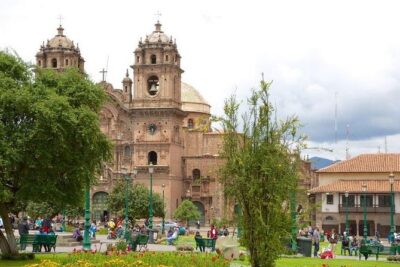
Five hours, five ancient corners of Cusco. This half-day tour is built for orientation, with an official tourism guide and a small group (up to 12) that helps you move from site to site without feeling rushed. You start right at Plaza de Armas, so the tour feels like a clean first step into Cusco.
I especially like the pacing, each stop gets its own guided block, and the tour includes an oxygen ball for that altitude-weird moment. The main drawback: the tour price does not include archaeological admissions, so you’ll want to budget for a $25 tourist entrance ticket (partial ticket for all archaeological centers) plus the $7 Qorikancha entrance.
Key things I’d mark on your mental map
- Up to 12 people, so questions stay easy and you hear the guide
- Oxygen ball included, useful if you feel lightheaded at high altitude
- Inca-Spanish mix at Qorikancha, one site that tells two stories
- A clear run of Inca sacred, then ceremonial, then military, then water-worship
- Private transportation between stops, with short in-vehicle refresh breaks
- Guided time blocks at each location, so you don’t just “stand and look”
More that leaves from a Cusco hotel door
- Cusco: Humantay Lake Tour with Breakfast and Buffet Lunch★ 4.9 · 2,976 reviews
- From Cusco: Moray, Maras Salt Mines & Chinchero Weavers Tour★ 4.8 · 1,925 reviews
- From Cusco: Full-Day Group Tour of Machu Picchu★ 4.7 · 1,767 reviews
- Machu Picchu Day Trip from Cusco★ 4.5 · 1,644 reviews
Start at Plaza de Armas, Then Let Cusco Unspool in 5 Hours
This tour starts and ends in the same place, Plaza de Armas, which is exactly what you want on a first trip to Cusco. You’re set up with private transportation, so you’re not spending your limited time negotiating routes or waiting around.
The whole experience runs about 5 hours, and it moves in a simple rhythm. You visit five archaeological sites, each with a guided tour time around an hour (with Qorikancha slightly shorter at about 45 minutes). You also get short travel breaks between locations, including about 20 minutes to the next stop after Qorikancha, and about 15 minutes before Puka Pucara.
That “just right” timing matters more than people think. In Cusco, your first day can be a mash-up of altitude, jet lag, and excitement. A tour like this helps you manage all three by keeping you grounded in a plan, while still giving you time to pause and take in what you’re seeing.
One practical note: this tour is designed around guided interpretation. If you’re the type who loves to understand what you’re looking at, you’ll get more from the experience. If you only want photos and zero explanations, you might feel guided tours are a bit structured. Either way, group size and transport are doing heavy lifting to keep the day comfortable.
Qorikancha Temple of the Sun: Where Inca Stone Meets Spanish History
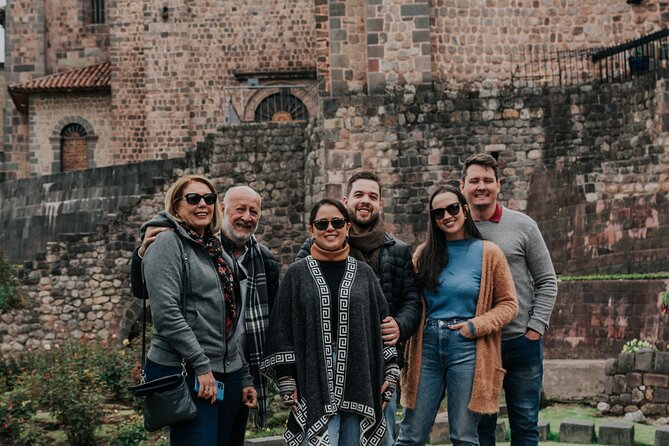
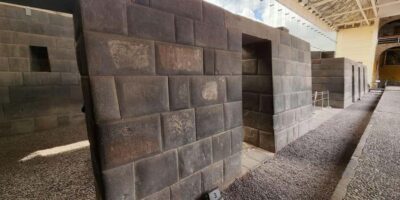
Qorikancha is the tour’s opening act, starting right after pickup in Plaza de Armas. Expect about a 45-minute guided visit, and pay attention to the way the site reads like an architectural conversation between eras.
You’ll see the famous fusion of Inca and Spanish colonial architecture. That’s not just trivia. It changes how you interpret the space. Inca Cusco was built around sacred relationships between people, the sun, and the landscape. Later Spanish influence layered a new religious framework on top, and the result is a site where the stonework tells two timelines at once.
What you’ll likely appreciate most here is the guide’s storytelling. This stop is described as important religious ground, so your guide ties the physical features to cultural meaning. If you like having context before you move on, start strong. Qorikancha gives you a base layer for everything else you’ll see.
Two cost items to keep in mind. Admission to Qorikancha is not included, and the tour lists $7 for Qorikancha entrance. Also, archaeological admission is generally extra, through the $25 tourist entrance option for archaeological centers. Plan this ahead so you’re not scrambling at the last minute.
Is there any downside? Since Qorikancha is your first stop, it can be your “wake-up” moment. If you’re arriving early in the day and still adjusting to altitude, go slow in the first minutes and let your breathing settle. The good news is the tour includes an oxygen ball, so you’re not left entirely to luck.
Saqsayhuamán’s Carved Stones: Fortress Energy With Real Explanations
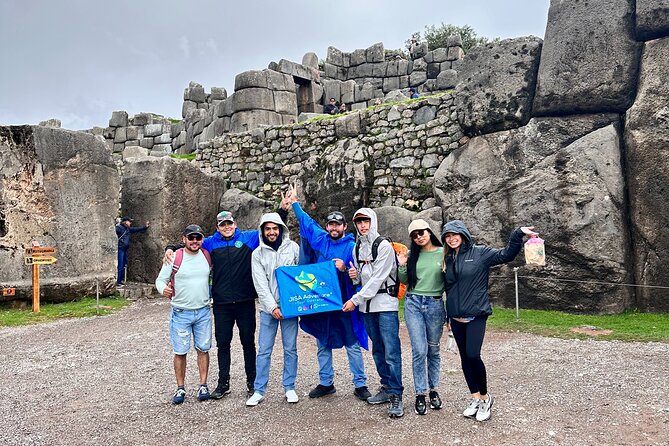
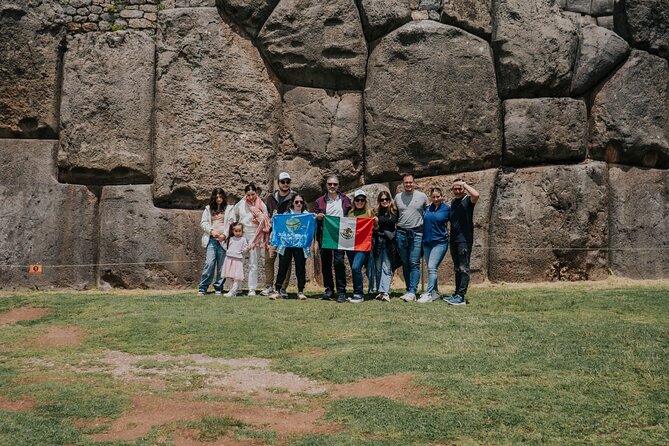
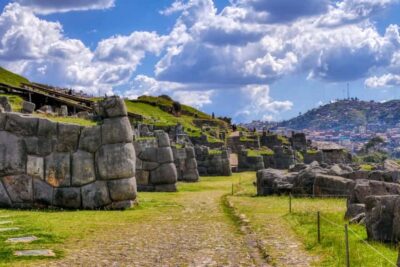
After a short vehicle ride, you reach Saqsayhuamán, an Inca fortress. Here you get about one hour of guided exploring, focused on the site’s massive carved stones and imposing walls.
This is one of those locations where the scale hits you quickly. The tour description emphasizes the enormous stones and the construction techniques. That’s exactly what helps if you’ve ever wondered how the Inca built like this without modern tools.
The guide’s job at Saqsayhuamán isn’t just to name features. It’s to explain the historical and ceremonial importance of the fortress. You’ll get a clearer sense of how a defensive site also functioned within Inca ceremonial life. That double role is part of why Saqsayhuamán is so compelling: it’s not “just ruins,” it’s architecture tied to meaning.
A practical drawback to consider: Saqsayhuamán is a fortress site, which means you’ll likely walk and move around on uneven archaeological terrain. Bring patience for uneven ground and take your time at viewpoints. If you push too fast, you’ll miss what the guide is pointing out about construction.
Also remember admissions are not included. Your ticket planning should already be sorted by the time you reach this stop, but keep your budget in mind. The tour route hits multiple centers, so having your entrance situation handled early helps the day feel smooth.
Q’enqo’s Underground Chambers: Ritual Spaces Carved Into Rock
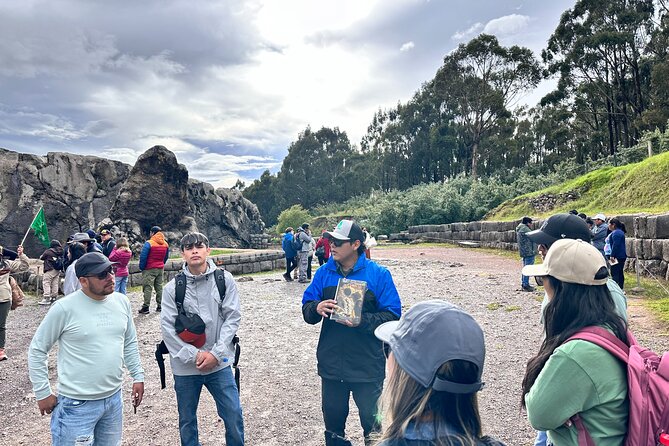
Next comes Q’enqo, described as a ritual center on a rocky outcrop. You’ll get about one hour here, with the standout feature being the underground chambers and altars carved directly into the rock.
This stop is the opposite vibe from a fortress. Instead of walls and defensive energy, you get rock-cut spaces shaped for Inca rituals. The tour frames Q’enqo’s mysticism through what the site was used for and the worldview it represented.
When a guide explains a sacred space like this, I think the best approach is to look for patterns. Notice how the design shapes movement, attention, and where you naturally pause. Even without being able to read every symbol, you can feel the intent of the place. The tour notes that you’ll learn about Inca rituals and the worldview manifested there, which is a big reason Q’enqo works as a mid-tour “meaning stop.”
Cost wise, admissions at archaeological centers are not included. The tour again lists admission tickets as not included for stops like this, so your $25 tourist entrance option is something to consider as part of the full-day math.
Is Q’enqo a perfect stop for everyone? If you crave only wide panoramic views, you might find this more “structural and symbolic” than “photogenic scenery.” If you like understanding how ancient people interacted with ritual space, Q’enqo is a strong match.
More of the city on foot and by open-top bus
Puka Pucara Red Military Fortress: A Defensive Stop With a Color Theme
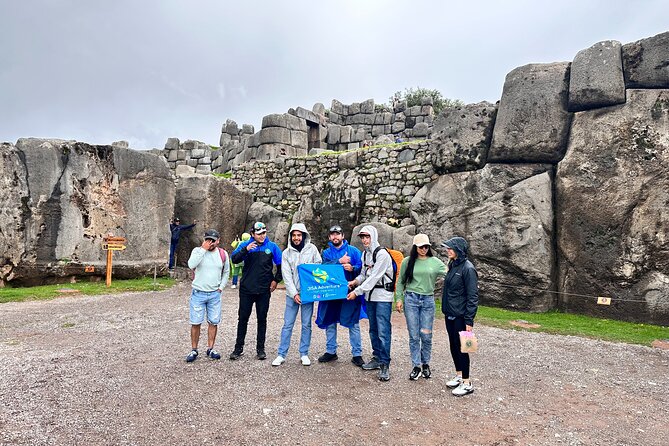
Puka Pucara is where the tour adds a military layer. You drive about 15 minutes to reach the site, then enjoy roughly one hour exploring with a guide.
The headline detail is the red construction, and the guide focuses on Puka Pucara as a military fortress. This stop is about defensive and strategic function during the Inca Empire, which gives you a new way to interpret what you saw at Saqsayhuamán.
If Saqsayhuamán taught you “scale,” Puka Pucara can teach you “function.” The color theme also helps you remember the site. In a day full of stone, a clear visual cue is a gift.
The main consideration here is attention span and energy. You’ve already hit three sites by this point. If altitude or tired legs start catching up, slow down and don’t try to speed-run the hour. The point is to understand what you’re looking at. The guide’s explanations are built into the time you’re there.
Tickets are again not included, so your best move is to keep your entrance planning simple and consistent across stops. The tour lists a tourist entrance ticket option and indicates admission is extra.
Tambomachay Baño del Inca: Water Worship and Hydraulic Engineering
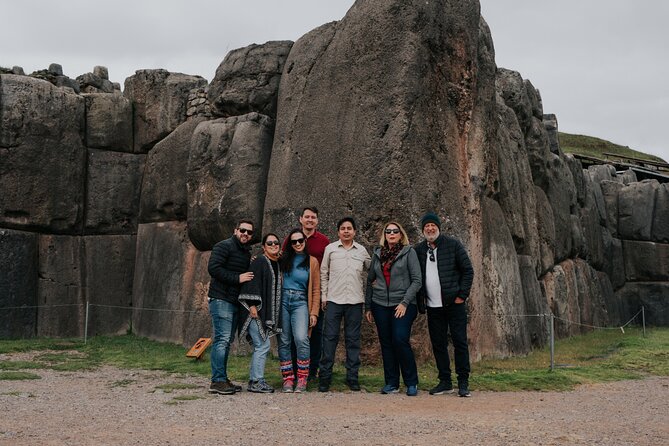
Your final stop is Tambomachay, known as the Baño del Inca, and it’s a great closer because it shifts from stone-in-motion to water-in-design. You’ll spend about one hour here with a guided visit.
This site is described as used for ceremonies and water worship. And the physical features matter: you’ll appreciate the stone fountains and canals that show advanced Inca hydraulic engineering.
This is one of the reasons this tour can feel satisfying even if you’re not an “archaeology person.” You get practical engineering to go with spiritual meaning. The tour isn’t asking you to pick one angle. It gives you both: ritual purpose and technical capability.
A practical pacing benefit: since this is the last stop, you’re not rushing to “finish strong.” After the guided visit, you return by transportation back to Cusco and back to the meeting point. That reduces stress and helps you plan the rest of your day without needing to figure out transit.
Admissions are not included, so, again, your ticket plan matters. But if you’re budgeting anyway, this ending stop can feel like a payoff. Water engineering is memorable, and it helps the day’s theme stick.
Price and Tickets: The Real Value of the $32 Half-Day
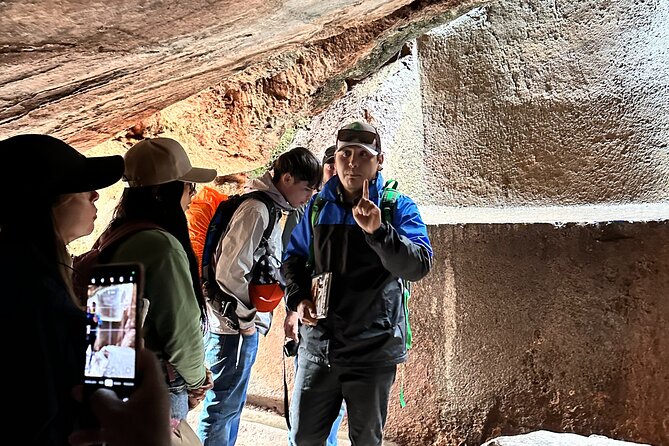
The headline price is $32 per person for about 5 hours, which already signals good value for Cusco. That price includes private transportation, an official tourism guide, and an oxygen ball.
For me, the value isn’t just the sites. It’s the structure. In a city like Cusco, you can burn time trying to line things up on your own. This tour turns multiple sites into a planned route, with guided interpretation at every stop and transport between them.
Now the important part: the tour price does not include entrance fees. You’re told to plan for $25 for a tourist entrance ticket that covers archaeological centers (described as partial ticket, all archaeological centers). On top of that, Qorikancha entrance is listed separately at $7. Tips are also not included.
So the honest math is this. You can treat the $32 as the “service and guide” fee, then add the entrances on top. If you like guided context and you want a first-day overview, that trade-off often works out well.
If you’re the type who already has all tickets and hates paying for guides, you might decide to self-explore. But if you want someone to connect Inca sacred spaces, fortresses, military sites, and water worship into one understandable day, you’re paying for convenience plus clarity.
Guides Set the Mood, and This One Has a Pattern
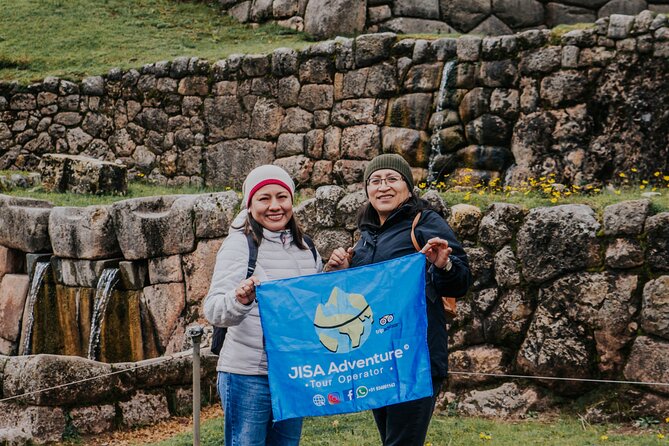
The reviews linked to this tour emphasize energy and explanation. Guides like Jhonny, Victor, Saul, and Jorge show up by name, and the theme is consistent: they’re attentive, they explain well, and they keep the pace feeling right.
One review highlights Jhonny as informative, with great energy and a fun, memorable vibe. Another gives credit to Victor for being extremely knowledgeable and making sure there was time for photos. Saul is praised for being amazing and keeping guests taken care of. Jorge gets mentioned as accommodated and highly recommended.
There’s also a small human touch worth noting. One group had an inside joke, where Richard said hi to Johnny Walker. It sounds minor, but it points to something practical: a good guide helps the day feel easy, not stiff.
You can also read a clue in the tour length. At about an hour per site, with shorter time at Qorikancha, the guide has room to talk without turning it into a lecture. That kind of pacing tends to work best when you’re trying to understand a lot in a limited time window.
Who This Cusco City Tour Fits Best (And Who Should Skip It)
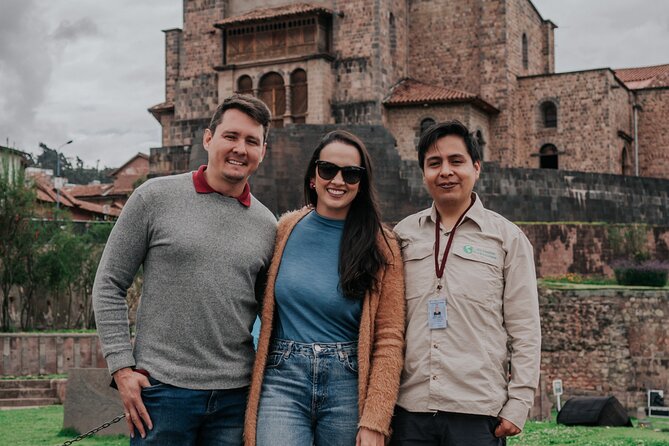
This tour is a solid fit for most people, because the listing says most travelers can participate, and the day is paced for a half-day block of sightseeing. It’s especially good if you’re visiting Cusco for the first time and want a guided orientation through major Inca and Inca-related sites.
It’s also a good option if you want a clear sequence: sun temple, fortress, ritual center, military fortress, then water-worship site. That order helps you compare different functions of Inca architecture instead of seeing each stop as a random pile of stones.
Who might not love it? If you’re visiting Cusco but only want one or two locations, five stops in five hours might feel like a “checklist day.” Also, if you dislike paying separate entrance fees, the excluded admissions can annoy you, especially when you see multiple sites labeled as admission-not-included.
My practical advice: bring your energy plan. Eat before you go, take it slow at the first site, and use the oxygen ball if you need it. And set expectations that this is guided. You’re not just looking at ruins, you’re learning how to read them.
Should You Book City Tour Cusco?
If you want a first-day overview that strings together the big Cusco Inca sites with private transport and an official guide, this is a strong booking choice. The $32 fee is reasonable for the service side, and the maximum 12-person group helps keep it personal.
Just budget for entrances. With $25 for the tourist entrance ticket plus $7 for Qorikancha, you’ll likely pay more than the base price. If that’s fine for your travel style, book it.
If you’re on a tight schedule or you want structure without having to plan every transfer, I’d say go for it. This tour is built to get you oriented fast, and it ends with a solid, memorable last stop at Tambomachay.
FAQ
Where does the tour start and where does it end?
The tour starts at Plaza de Armas, Cusco, and it ends back at the same meeting point.
How long is the City Tour Cusco?
It runs for about 5 hours (approx.).
What is included in the $32 price?
The price includes oxygen ball, an official tourism guide, and private transportation.
Are entrance fees included for the archaeological sites?
No. Tourist entrance fees are not included, and the tour notes admission tickets are not included for the stops.
Do I need to pay for Qorikancha separately?
Yes. The tour lists entrance to Qorikancha for $7, and it is not included.
What is the maximum group size?
The tour has a maximum of 12 travelers.
What are the tour operating hours?
It is listed as available Monday through Sunday from 12:00 AM to 6:00 PM.
Is an oxygen ball provided?
Yes. An oxygen ball is included.
Is the booking refundable if I cancel?
No. The experience is non-refundable and cannot be changed for any reason.
More Tour Reviews in Cusco
- Cusco: Humantay Lake Tour with Breakfast and Buffet Lunch
★ 4.9 · 2,976 reviews - From Cusco: Moray, Maras Salt Mines & Chinchero Weavers Tour
★ 4.8 · 1,925 reviews - From Cusco: Full-Day Group Tour of Machu Picchu
★ 4.7 · 1,767 reviews - Machu Picchu Day Trip from Cusco
★ 4.5 · 1,644 reviews - Cusco: Half-Day City Tour with Sacsayhuaman and Q’enco
★ 4.6 · 1,129 reviews
Still in the City? Keep Going
- Cusco: Half-Day City Tour with Sacsayhuaman and Q’enco
★ 4.6 · 1,129 reviews - City Tour Cusco Qoricancha Sacsayhuaman y Tambomachay
★ 4.7 · 617 reviews - Cusco: Sightseeing Tour of the City on an Open-Top Bus
★ 4.0 · 481 reviews - Open Bus Cusco City Tour
★ 4.5 · 219 reviews - Cusco: City Tour | Half-Day Tour to 4 Archaeological Sites
★ 4.6 · 206 reviews
More Leaving From Cusco
- Cusco: Humantay Lake Tour with Breakfast and Buffet Lunch
★ 4.9 · 2,976 reviews - From Cusco: Moray, Maras Salt Mines & Chinchero Weavers Tour
★ 4.8 · 1,925 reviews - From Cusco: Full-Day Group Tour of Machu Picchu
★ 4.7 · 1,767 reviews - Machu Picchu Day Trip from Cusco
★ 4.5 · 1,644 reviews - Cusco: Half-Day City Tour with Sacsayhuaman and Q’enco
★ 4.6 · 1,129 reviews
Fresh in from Cusco

City Tours, compared.
 ★ 4.6Half-Day City Tour with Sacsayhuaman and Q’encoFrom $131,129 reviews
 ★ 4.7City Tour Cusco Qoricancha Sacsayhuaman y TambomachayFrom $13617 reviews
 ★ 4.0Sightseeing Tour of the City on an Open-Top BusFrom $12481 reviews
 ★ 4.5Open Bus Cusco City TourFrom $14219 reviews
 ★ 4.6City Tour | Half-Day Tour to 4 Archaeological SitesFrom $29206 reviews
 ★ 5.0City Tour in Cusco & visit Museum South American Camelid Private.From $49147 reviews
 ★ 4.5Cusco City Sightseeing, San Pedro Market, Cathedral and Qorikancha TempleFrom $59139 reviews
 ★ 4.2Half-Day City TourFrom $17129 reviews
Browse the lists this tour appears in