
REVIEW · MACHU PICCHU & AGUAS CALIENTES TOURS
5-Day Salkantay Trek to Machupicchu Sky Lodge Dome
The Salkantay trek hits you fast. It is a high-altitude hike that drops you from snow views into cloud forest, coffee country, and finally sunrise Machu Picchu. I love the luxury dome camps with private bathrooms and hot showers, and I also love how smoothly the trip connects to Machu Picchu with included tickets and a guided visit. One real consideration: nights can get very cold, and the trek reaches a 4,650 m pass where you need solid acclimatization.
This is not a casual stroll. You are in a small group (up to 10), moving day after day with a professional bilingual guide and a cook who runs the food. The payoff is big: you do the work first, then Machu Picchu feels earned, not purchased.
Key things to know before you go
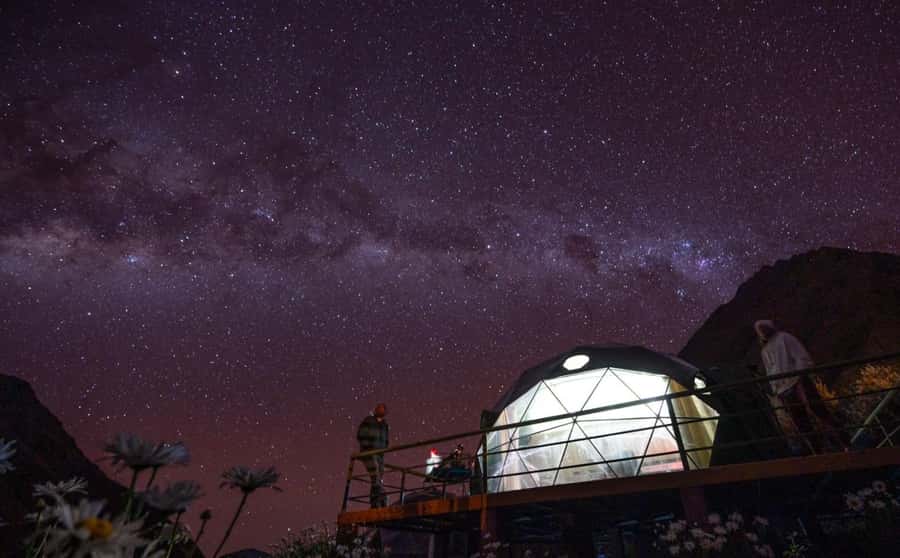
- Luxury domes with private bathroom and hot shower make camp life much more comfortable than most Salkantay trips
- A 4,650 m highest pass means real altitude breathing, possible snow, and a need to pace yourself
- Coffee plantation camp at Playa gives you a hands-on coffee experience, not just a photo stop
- Your Machu Picchu day is built around an early bus at 5:30 am for sunrise timing
- Small group size (max 10) usually means less waiting and more guide attention
- Luggage limits and carry days matter, especially from day 4 onward
Other ways into the citadel, side by side
- Machu Picchu Day Trip from Cusco★ 4.5 · 1,644 reviews
- Machu Picchu: Full-Day Tour from Cusco with Optional Lunch★ 4.6 · 927 reviews
- Cusco: 4-Day Inca Trail to Machu Picchu with Accommodation★ 4.8 · 432 reviews
- From Cusco: 2-Day Trip to the Sacred Valley and Machu Picchu★ 4.6 · 265 reviews
Why the Salkantay trek feels like a full Peru sampler
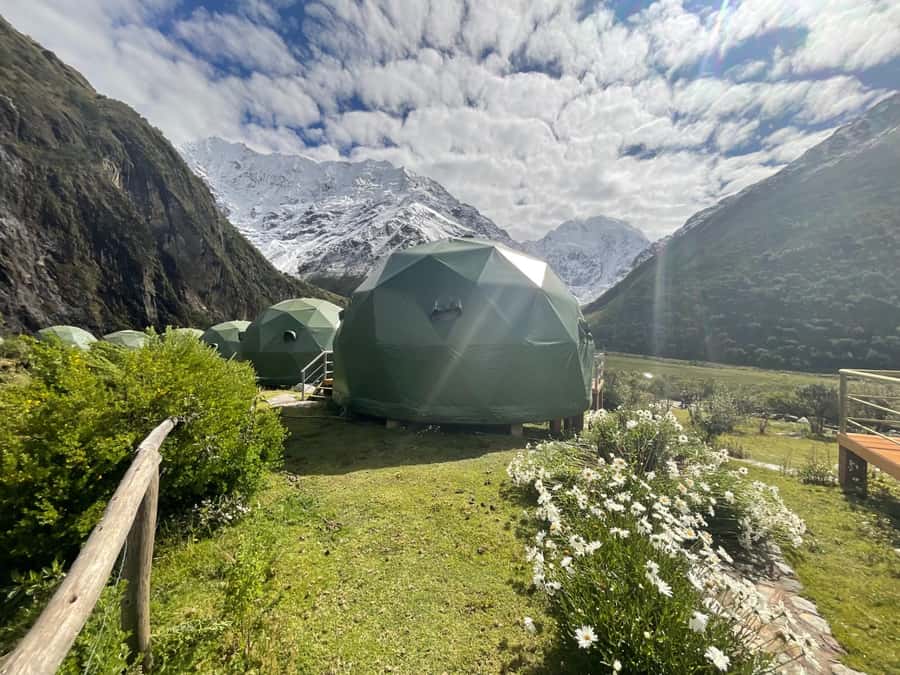
If you only come to Peru for Machu Picchu, you miss the point. The Salkantay route is a vertical story, not just a route. You start near glacier country, cross high passes, then descend into a warmer, greener zone where rivers and jungle-feeling trails show up. You will also pass farms and crops along the way, and on day 4 you even walk part of the old Inca route near Llaqtapata.
The best part for me is that this trek gives you multiple kinds of scenery in a single trip. One day you are staring at snow-capped peaks at altitude. Another day you are in a coffee plantation setting, learning how the crop becomes your morning cup.
And yes, the destination is still the destination. Machu Picchu is the headline, but the trek is what makes it hit harder.
Cusco to Challacancha, with Humantay Lagoon on deck
Your trip begins with an early pickup in Cusco, around 4:30 to 5:00 am. From there, you drive about 2 hours to Mollepata for breakfast. Then it is another 40 minutes to Challacancha, where your hike starts.
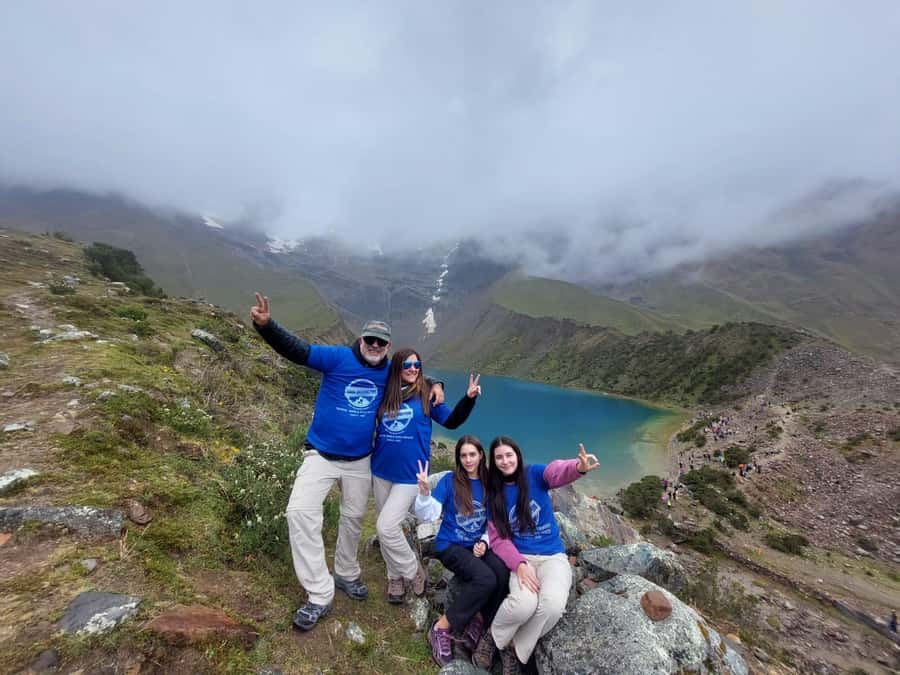
This first day is a helpful on-ramp. You are not thrown into the steepest section right away, and you get time to adjust to the high-Andes rhythm. You also visit Humantay Lagoon, which adds a classic Andean wow factor without turning day 1 into a full endurance test.
You sleep that night in geodesic domes, and this is where you should read the fine print in your own expectations. The domes include private bathroom and hot shower, which is a big comfort upgrade. Still, one verified booking noted that night 1 was very cold. So pack warm layers like you mean it. A warm jacket, hat, and gloves can make the difference between a relaxing night and a shivering one.
You will also take part in an Andean ceremony on day 1, with an offering to Mother Earth. Even if you are not a ceremony person, I think this is one of the best ways to understand why the mountains are treated differently here.
The 4,650 m Salkantay pass: pace yourself or pay for it
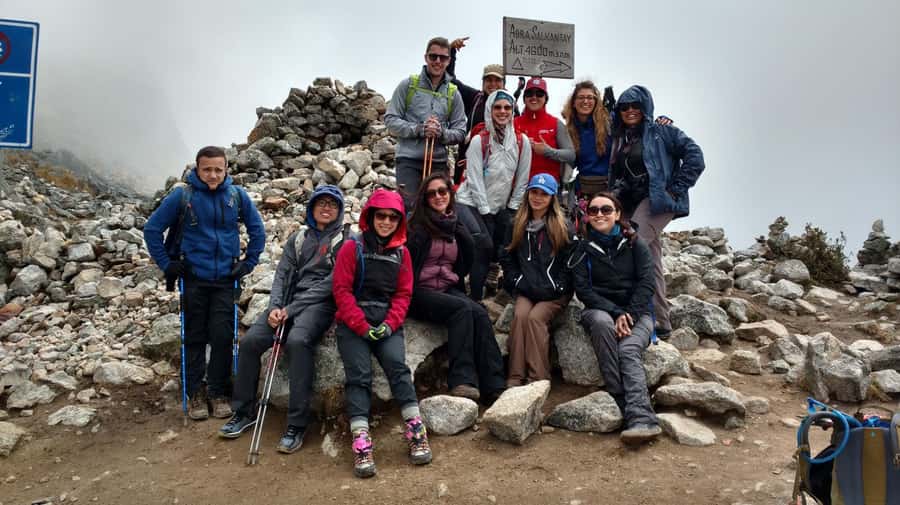
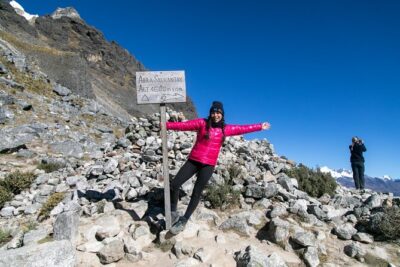
Day 2 is the heart of the trek. After breakfast around 5:30 am, you hike toward the highest pass of the route, at 4,650 m / 15,200 ft. The pass sits between Salkantay on the right and Tucarhuay on the left, and the views from there can be unreal.
This is also where the trek shifts from impressive to demanding. If the air feels thin, that is normal. If you try to walk fast anyway, you will feel it fast too. Your best strategy is simple: slow steps, steady breathing, and frequent glances at the ground so you do not trip when your body gets tired.
There is also a possibility of snow up here, so dress for cold even if Cusco feels mild that morning. The domes continue on day 2, so you get that hot shower rhythm again.
A small note that matters: the route uses a guided team and includes horses and mules for equipment and food. That helps keep you focused on your legs, not your backpack weight.
Coffee plantation camp at La Playa, and why this day is more than a break
On day 3, breakfast is around 6:30 am, and you start hiking through high jungle terrain. You cross the Lluskamayo River and hike through a mix of streams on the way to Playa, which takes about 4 hours on foot.
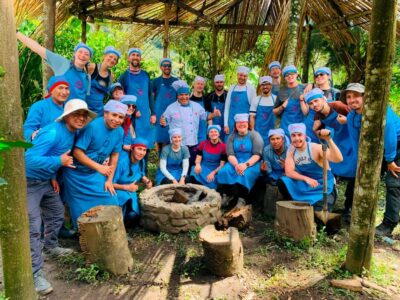
This is not just a transfer day. You camp in geodesic domes in a coffee plantation, and the schedule is built around learning the coffee process. You may get hands-on time that can include harvesting, roasting, and grinding coffee. It is a real change of pace after high passes and cold mornings.
Why I like this stop: it gives you a grounded, everyday Peru angle. Not only do you reach a new elevation, you also reach a new way of life. You will be surrounded by agriculture instead of glaciers, and your brain gets a rest from pure altitude stress.
One practical thing: day 3 is when your energy management really starts to show. If you treat it like a random middle day, you might miss how special the coffee camp is.
The Salkantay route, run by other outfits
Llaqtapata to Hydroelectrica to Aguas Calientes, walking the old rail line
Day 4 is long, active, and scenic. After breakfast around 6:30 am, you aim to reach Llaqtapata early. Here you walk a portion of the original Inca trail, which adds texture to the experience right before you hit Machu Picchu itself.
You also get a chance to interact with locals in the area, including harvesting fruits and seeing daily life around the Urubamba Valley. If you are the kind of traveler who likes context, this day gives it.
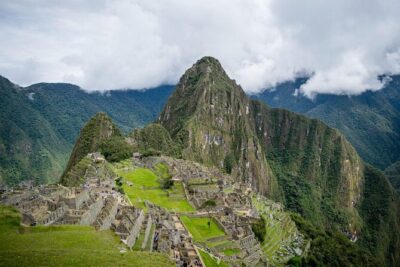
Then you press onward toward views of the valley and your first big glimpse of Machu Picchu in the distance, with Salkantay in the background. That visual moment can feel like the trek finally makes sense.
Lunch happens after you arrive at Hydroelectrica. After that, you walk about 2.5 hours along the train track to Aguas Calientes, where you spend the night in a hostel.
You can also use the town’s hot springs. The entrance is listed as 10 soles, and it is exactly the kind of reward your legs are begging for after day 4.
One logistical detail you should plan for: you are told that from day 4 onward you will have to carry your own bags. There is also an option to send luggage by car from Playa to Hydroelectrica, then onward by train to Aguas Calientes, for about 20 soles. If you want less weight on your back for this big walking day, consider taking that option.
Sunrise Machu Picchu, then Huayna Picchu if you have the ticket timing
You start day 5 very early, around 5:00 am, with breakfast and then the ride to Machu Picchu. The bus you take leaves at 5:30 am and the ride lasts about 25 minutes.
This is set up for a sunrise visit. From there, your guide gives you a 2-hour tour, and then you can explore on your own. That split matters. You get the structure and history framing from the guide, then you can wander and choose what to linger on.
If you still have energy, there is an optional climb to Huayna Picchu at 2,720 m / 8,890 ft. It takes about 1 hour 45 minutes to reach the top, and availability matters. You are told it is optional but should be booked in advance if you want it.
After Machu Picchu, you return to the lower level and take the train to Ollantaytambo. The train runs either around 2:00 pm to 4:00 pm or at 6:20 pm, depending on availability. Then a private transport brings you back to Cusco, which takes about 2 hours.
This is the part where patience pays. You do the big climb early, you get your time on site, then you settle into the train rhythm and get back to civilization with less stress.
Dome comfort, meals, and the luggage math that makes or breaks your trip
This trek is one of those rare cases where comfort is not just a marketing word. The camp includes luxury domes with private bathroom and hot shower. That is huge on a trek, especially if you have ever done one where camp washing means a quick splash and wishful thinking.
Still, do not ignore the cold factor. One verified booking flagged that the first night was very cold, which is believable at high altitude. Warm clothing is listed as a must, and I agree. Bring real layers, not just a light jacket you hope will work.
The food program is also built in. You get 4 breakfasts, 4 lunches, 4 dinners, and 4 snacks. The first breakfast and last dinner are not included, so plan to eat those outside or according to whatever your operator arranges.
A cook prepares the meals, and you also get equipment like a dining tent and kitchen setup. In a good trek, you want consistent meals so your energy stays predictable. This includes a snack buffer too, which helps on long stretches when you might not feel hungry but your legs need fuel.
Vegetarian and vegan meals are available on request with no extra charge. If you have dietary needs, ask clearly in advance so your cook can plan.
Now, luggage. You get horse and mule support for equipment, food, and personal luggage up to 7 kilos per person. You also need to think about when you must carry your own bags. You are told your duffel bag gets carried until the third day, then from day 4 onward you carry your own bags. For that reason, pack smart, keep your duffel light, and use daypacks for what you truly need while hiking.
What is not included matters too. You are not provided a sleeping bag or trekking sticks. If you do not already have trekking sticks, it is worth buying or renting before you come. They make steep, slippery sections safer and easier. And for warmth in the domes, a sleeping bag or at least a very warm liner can help you sleep instead of endure.
Price and what you really get for $700
At $700 per person for five days, you should judge value by what is included, not by what is missing. This package is doing a lot of heavy lifting for you.
Included costs that add up:
- Professional bilingual guide (Spanish and English)
- Hotel pickup in Cusco, plus transport to and from key points
- Train from Aguas Calientes to Ollantaytambo
- Machupicchu tickets and the bus up from Aguas Calientes
- Domes with private bathroom and hot showers, plus one night in Aguas Calientes (hotel accommodation is listed)
- Meals across most of the trek days, cooked on-site
- Horses and mules to transport gear and food, plus a first aid kit
- Andean ceremony on day 1
Not included:
- First breakfast and last dinner
- Sleeping bag
- Trekking sticks
So where does the value feel strongest? The dome comfort and the included Machu Picchu logistics are doing a lot. They also reduce stress, and stress is often the real hidden cost of trekking.
One caution comes from a booking experience that complained about Machu Picchu ticket communication. The trek itself and two staff members were highly praised, but the ticket info situation caused last-minute changes. You can reduce that risk by doing one simple thing before you walk: during your briefing, ask what Machu Picchu ticket slot you have and what bus timing you are booked for. Then you know you are not guessing.
Who this trek suits, and who should skip it
This is a challenging trekking route, built around high altitude and multiple long walking days. It is small group, limited to 10 participants, which usually makes the pace feel more controlled and gives you access to your guide.
Best fit:
- You are comfortable hiking long days and handling altitude
- You want a structured trek with camp comfort upgrades
- You like a mix of big scenery, local culture, and practical logistics
Not suitable for:
- People with back problems
- People with mobility impairments
- People with heart problems
- Pregnant women
Also, you are strongly advised to arrive in Cusco at least 2 days before the trek to acclimatize. That is not optional advice if you want the experience to feel rewarding instead of miserable.
One more practical match: if you are the type who hates carrying a heavy pack, this route helps early because your duffel is carried until day 3. But you still need to be ready to carry from day 4 onward.
Should you book the 5-day Salkantay Trek to Machu Picchu Sky Lodge Dome?
I would book it if you want the full Salkantay story and you care about comfort. The dome setup with hot showers is a game changer, and the trek is structured to lead you into Machu Picchu with minimal last-minute scrambling. If you are excited by sunrise timing and the chance to add Huayna Picchu when available, this schedule fits that mindset.
Before you pay, I would do three things:
- Confirm your Machu Picchu ticket slot and early bus plan during the briefing, so you are not surprised later
- Pack for cold dome nights, not just daytime hiking, based on that one cold-night experience
- Bring a real plan for the bag carry shift on day 4, and consider the optional luggage send during the Playa to Hydroelectrica stretch
If you are dealing with back or heart issues, or you are pregnant, or mobility is limited, skip this one. The route is not built for those needs, even if wheelchair access is listed on the activity page.
If you are generally healthy, can hike consistently, and want an authentic route that earns Machu Picchu rather than simply visits it, this is a strong choice.
FAQ
Is pick up from Cusco included?
Yes. Hotel pickup in Cusco is included, and the pickup is described as available for hotels within the monumental center area.
What is the highest point on the trek?
The highest pass is 4,650 m / 15,200 ft on day 2.
What is included for Machu Picchu entry?
Your ticket to Machu Picchu is included, and you also have bus up from Aguas Calientes to Machu Picchu. You take the first bus that leaves at 5:30 am.
Where do you sleep during the trek?
You sleep in luxury domes with private bathroom and hot shower during the trek, and you spend one night in a hotel in Aguas Calientes.
Are meals included?
Yes. Meals include 4 breakfasts, 4 lunches, 4 dinners, and 4 snacks. The first breakfast and last dinner are not included.
Can I request vegetarian or vegan meals?
Yes. Vegetarian and vegan food are available on request at no extra charge.
Do I need to bring a sleeping bag or trekking sticks?
Sleeping bag and trekking sticks are not included, so plan to bring your own.
How much luggage can be carried by horses and mules?
Horses and mules transport equipment, food, and personal luggage up to 7 kilos per person. Your duffel is carried until the third day, and from day 4 you carry your own bags.
Is Huayna Picchu included?
Huayna Picchu is optional. If you want to climb it, availability matters and it should be booked in advance.
More Tour Reviews in Cusco
- Cusco: Humantay Lake Tour with Breakfast and Buffet Lunch
★ 4.9 · 2,976 reviews - From Cusco: Moray, Maras Salt Mines & Chinchero Weavers Tour
★ 4.8 · 1,925 reviews - From Cusco: Full-Day Group Tour of Machu Picchu
★ 4.7 · 1,767 reviews - Machu Picchu Day Trip from Cusco
★ 4.5 · 1,644 reviews - Cusco: Half-Day City Tour with Sacsayhuaman and Q’enco
★ 4.6 · 1,129 reviews
Salkantay, Other Operators
- Salkantay Trek Challenge – 3 Days / 2 Nights
★ 5.0 · 101 reviews - Small Group 5 Days Salkantay and Machu Picchu by Llactapata Tour
★ 5.0 · 88 reviews - Machu Picchu: 5-Day Salkantay Trek with Panoramic Train
★ 5.0 · 79 reviews - Salkantay Trek 4 Days to Machu Picchu by Glamping Sky Lodge Dome
★ 5.0 · 68 reviews - Salkantay Trek to Machu Picchu in 4 days
★ 4.5 · 50 reviews
Machu Picchu, Three More Ways
- From Cusco: Full-Day Group Tour of Machu Picchu
★ 4.7 · 1,767 reviews - Machu Picchu Day Trip from Cusco
★ 4.5 · 1,644 reviews - Machu Picchu: Full-Day Tour from Cusco with Optional Lunch
★ 4.6 · 927 reviews - Cusco: 4-Day Inca Trail to Machu Picchu with Accommodation
★ 4.8 · 432 reviews - From Cusco: 2-Day Trip to the Sacred Valley and Machu Picchu
★ 4.6 · 265 reviews
Fresh in from Cusco

Machu Picchu & Aguas Calientes Tours, compared.
 ★ 4.7Full-Day Group Tour of Machu PicchuFrom $3211,767 reviews
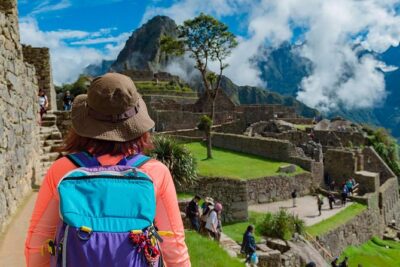 ★ 4.5Machu Picchu Day Trip from CuscoFrom $3361,644 reviews
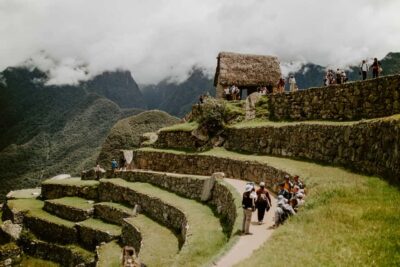 ★ 4.6Machu Picchu: Full-Day Tour from Cusco with Optional LunchFrom $283927 reviews
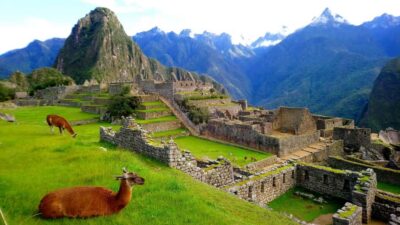 ★ 4.84-Day Inca Trail to Machu Picchu with AccommodationFrom $470432 reviews
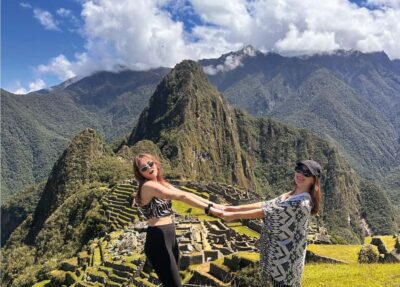 ★ 4.62-Day Trip to the Sacred Valley and Machu PicchuFrom $370265 reviews
 ★ 4.9Machu Picchu 2-Day Inca Trail with Panoramic TrainFrom $582260 reviews
 ★ 4.22-Day Inca Trail to Machu PicchuFrom $290244 reviews
 ★ 4.9Machu Picchu: Inca Trail 2-Day Overnight Guided TourFrom $585203 reviews
Browse the lists this tour appears in