
REVIEW · MACHU PICCHU & AGUAS CALIENTES TOURS
5 Day – Salkantay trek to Machu Picchu – Group Service
Five days to Machu Picchu, on foot. This Salkantay trek mixes snowy peaks, cloud forest, and jungle before a sunrise visit to Machu Picchu, often led by guides like Aldo who bring the route to life.
I also love that this is built for real logistics, not just hiking, with a guided tour inside the citadel plus transfers that get you from high camps down to Aguas Calientes without you babysitting schedules.
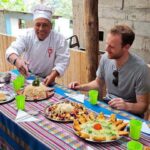
The second big win for me is the food setup. You camp with a dining tent, tables, and a cook, and guides like Cirilo and Gregorio have a reputation for strong, filling meals after hard days. The one caution: the camping grounds on days 2 and 3 may be less comfortable than you picture, so go in with a flexible mind and you will be happier.
Key things to know before you go
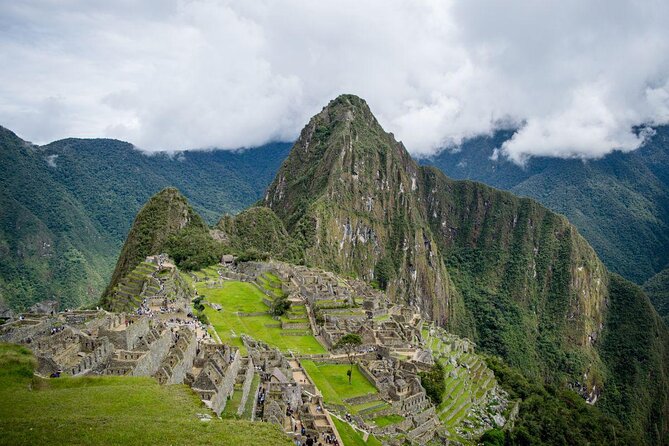
- Sunrise entry at Machu Picchu, then about a two-hour guided walkthrough
- Small group size with a maximum of 16 people
- Real altitude moment at the highest pass around 15,200 ft (4,650 m), with possible snow
- Camping with support, including tents, sleeping mattresses, and mule or porter gear help
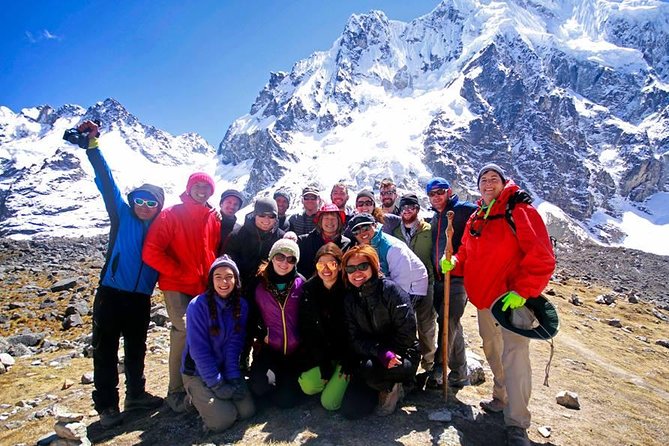
- Inca and culture talk on the trail, with guides such as Victor, Lenin, Oscar, Claudio, and Aldo mentioned for storytelling and humor
- Hot springs are optional, with day 4 entrance listed as 10 soles
Other ways into the citadel, side by side
- Machu Picchu Day Trip from Cusco★ 4.5 · 1,644 reviews
- Machu Picchu: Full-Day Tour from Cusco with Optional Lunch★ 4.6 · 927 reviews
- Cusco: 4-Day Inca Trail to Machu Picchu with Accommodation★ 4.8 · 432 reviews
- From Cusco: 2-Day Trip to the Sacred Valley and Machu Picchu★ 4.6 · 265 reviews
What this Salkantay-Machu Picchu trek feels like in real life
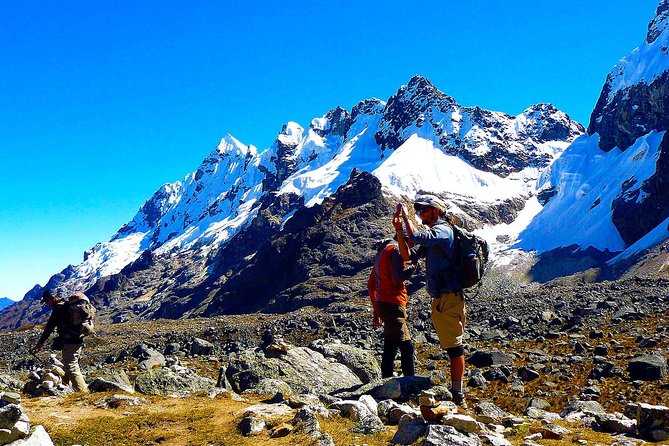
This is not a casual walk. It is a 5-day, 4-night mountain-to-jungle mission that intentionally throws you from high altitude to much lower terrain, so you feel Peru’s climate shifts in a way a day trip cannot touch.
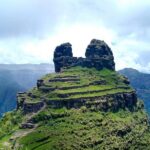
On this route, day 1 starts with big views over Humantay and Salkantay, then day 2 pushes to the highest pass. Day 3 eases you into warmer jungle country and even includes an optional hot springs stop. Day 4 is your payoff day with Llactapata, an Incan fort viewpoint where you can see Machu Picchu from a distance. Then day 5 is sunrise, gates, and the guided citadel experience.
If you want an easy vacation, this is not it. But if you want a meaningful trek with built-in support, it is hard to beat.
Day 1: Mollepata, Cruzpata views, and your first camp at Soraypampa
Your day begins early, with pickup at 5:00 am from your hotel, then a bus ride to Mollepata. The day has two built-in “why we’re here” moments.
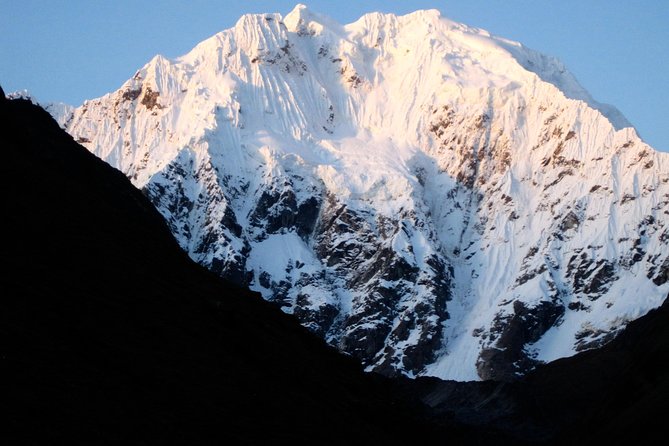
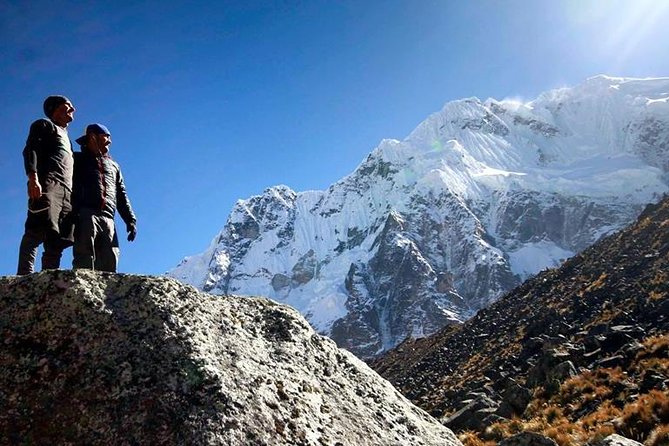
First, you hike to Cruzpata for about 3 hours. The lunch stop is the payoff: panoramic mountain views, with Humantay (4,120 m) and Salkantay (6,271 m) mentioned right in the experience. You are getting high-altitude scenery while the day is still manageable.
Second, you head toward your first campsite at Soraypampa, with an additional stop at Clínica Medical Cusco described on the schedule. I take that as an added safety and support measure for altitude trekking, especially since extra oxygen and a first-aid kit are included for the overall trip.
By the time you sleep at Soraypampa, you should feel the “training wheels” mindset kick in. You are not carrying everything alone, and you’re starting to get used to trekking at altitude.
Day 2: Huayracpunco, the 15,200-foot pass, and the cloud forest descent to Colcapampa
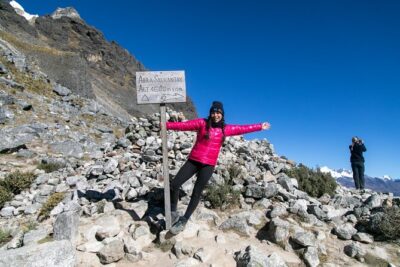
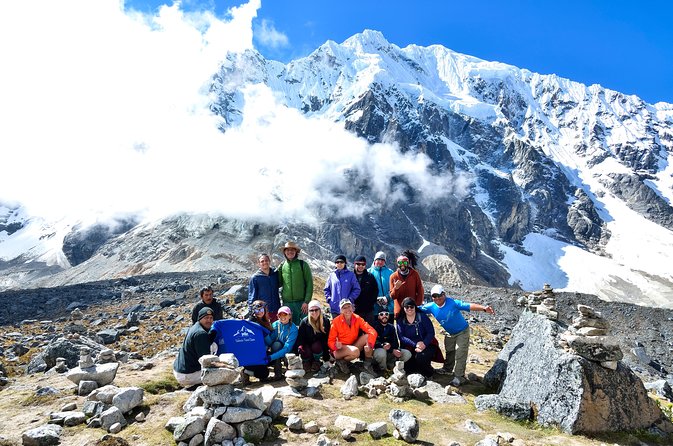
Day 2 is the hardest chapter, mainly because of the height. After breakfast around 5:30 am, you hike up to the highest pass at about 15,200 ft (4,650 m), at Huayracpunco. The route puts you between two big massifs, Salkantay on one side and Tucarhuay on the other, which is why the views are described as incredible from the pass.
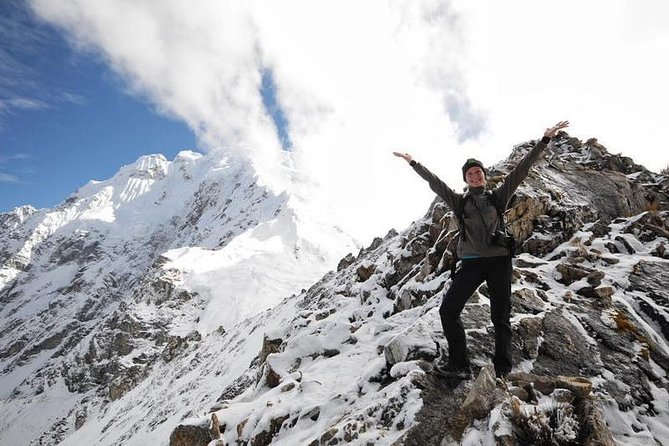
There is also a real chance of snow at this elevation. That matters for what you pack and for your pacing. Plan for cool air, wet cold, and the kind of wind that makes your breathing feel heavier.
After a rest at the pass, you hike downhill through cloud forest toward Huayracpunku, where lunch is served. Then you continue further to the jungle zone and reach your second campsite at Colcapampa (3,000 m). The schedule notes that you might camp at other nearby sites like Challway or Andenes depending on group pace.
This is also where the “camp reality” comes in. Even with tents and mattresses, you are sleeping outdoors, and the day is long. If you set expectations early, the day stays fun instead of frustrating.
Day 3: Upper jungle trekking to La Playa, plus optional hot springs
Day 3 is where the trek changes tone. You start after breakfast and begin around 6:30 am, trekking through upper jungle country and crossing the Lluskamayo River via small brooks and creeks.
The schedule specifically mentions valleys, waterfalls, and tropical plants and fruits. This is the day you often remember later, because your senses shift from “mountain altitude” to “warmth and water sounds,” and it feels like you dropped into a different Peru.
You camp at La Playa (about 2,500 m). The plan then includes time to rest and an optional hot springs soak. That hot soak is not a small detail. It is a legit recovery tool after days of going uphill, then stepping down for hours.
If you are the type to skip “optional” things, consider this one. A 20 to 30 minute soak can make day 4 feel less like a punishment.
The Salkantay route, run by other outfits
Day 4: Llactapata fort viewpoint, coca plantations, Hydroelectric, and Aguas Calientes
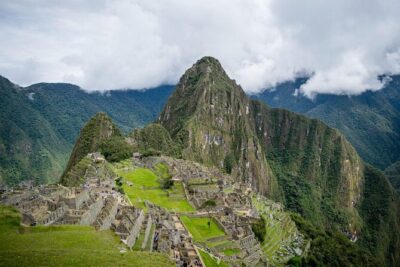
Day 4 is your Machu Picchu strategy day. You wake up around 6:30 am, then climb to Llactapata, a viewpoint tied to an Incan fort. The hike is described as about 3 hours and steady. The reward is clear: you can see Machu Picchu from here before you actually enter the site.
Then you take photos and rest at Llactapata, and start the descent. The schedule says a 2-hour downhill walk that passes plantations producing coca, bananas, and more before reaching the Hydroelectric dam for lunch. After lunch, you hike a couple more hours to Aguas Calientes, where you sleep.
You also have an optional hot springs option in Aguas Calientes, with entrance listed at 10 soles.
This day can feel like a long transition from trekking mode into town mode. The upside is that you arrive at Aguas Calientes ready for an early morning, not still tired from pushing another big climb.
Day 5: Sunrise at the Machu Picchu gates and a guided citadel walkthrough
Day 5 is shorter on paper, but it is intense in energy. Your hotel pickup is scheduled for 5:40 am, followed by a short bus ride to the gates of Machu Picchu, where you watch the sunrise.
Then you enter the citadel and meet your guide for a guided walking tour of about 2 hours. After that, you get free time to explore the site at your own pace.
Two details matter here.
First, the sunrise timing means you need to sleep well on the night before, and you cannot rely on a late-night wander in town.
Second, the guided tour makes it easier to “read” what you are seeing, especially if your guide talks about Inca culture and how the site connects to the surrounding mountains.
It is the kind of finish that makes the earlier tough days feel worth it.
How the gear, mules, and meals make this trek realistic
This trek is designed so you are not dead from logistics before you even start hiking.
You camp with a system that includes:
- Tents for groups (listed as 4-man tents, with 2 people per tent)
- Sleeping mattresses
- A dining tent with tables and chairs
- A cook, plus 4 days of meals and snacks
You also get horsemen and mules to carry camping equipment and gear, with limits listed for what you personally hand off, including a 7 kg personal porter and an 8 kg allotment for tourists’ belongings carried by mules.
That weight limit affects how you pack. If you bring a heavy jacket, giant camera kit, and an extra day bag, you will pay for it. Keep your bag tight and your priorities clear.
On top of that, extra oxygen and a first-aid kit are included. That does not mean you should ignore altitude, but it does mean your operator has planned for the reality of trekking high.
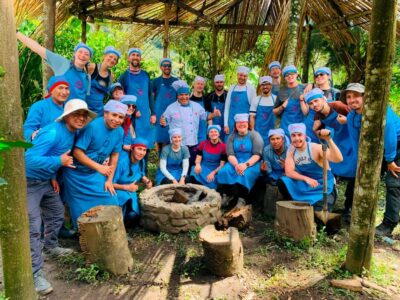
Meal quality is a huge part of this. Guides and cooks such as Cirilo, Gregorio, and others are repeatedly credited for delicious food, which matters because appetite often drops at altitude. Strong meals help you keep going.
Transfers and train rides: what’s included and what to plan around
Getting to and from Machu Picchu is where treks can get messy without a plan. Here, you get included transfers:
- Bus transportation to the start of the trail
- Tourist train back to Ollantaytambo
Train times are noted as subject to change based on timetables and availability. That is normal. It is why you should keep expectations flexible on departure moments.
You can also upgrade the train to Vistadome for an extra cost. The schedule notes Vistadome has larger windows compared to the Expedition train, so if you care about views from the rails, it is worth asking about.
Price and value: what $650 is buying you
The listed price is $650 per person, and that number matters less than what you are actually getting for it.
In this package, you are paying for:
- A professional bilingual tour guide plus an assistant guide
- Hotel pickup in Cusco
- Trail-day support with camp setup, tents, and sleeping mattresses
- A cook and included meals and snacks
- Horsemen and mules, plus porter support with weight limits
- Extra oxygen and a first-aid kit
- Entrance fees
- One night accommodation in Aguas Calientes (3-star superior category)
- Bus and train logistics around Machu Picchu timing
What is not included is also important:
- The single supplement is listed as $112
- International or domestic flights and insurance
- Some meals are missing: breakfast on day 1, and lunch and dinner in Aguas Calientes
- Huayna Picchu tickets are not included
If you compare this to booking everything separately, the biggest value is that you are not coordinating camping gear, meals, porters, and ticket timing yourself. You trade some flexibility for fewer headaches.
Who should book this trek, and who should rethink it
You should book if:
- You want the classic Salkantay-to-Machu Picchu story, not the Inca Trail only
- You like structure, especially early mornings and clear handoffs between trail and town
- You can handle altitude and you have a strong physical fitness level (this is explicitly stated)
You might rethink it if:
- Camping in basic conditions would annoy you. Even with tents and mattresses, day 2 and day 3 campgrounds may feel off from your ideal picture.
- You expect total solitude. The route is described as wilderness in spirit, but there are points where locals live along the way. You are in Peru, not a film set.
This trek also works well for small groups that want a shared experience without going large.
Should you book this Salkantay to Machu Picchu group trek?
I would book if your goal is a guided, well-supported trek that gets you to Machu Picchu at sunrise, with food, camping gear, and transfers handled.
I would think twice if camping comfort is your top priority, or if you need an itinerary you can change on the fly. This trek is built around set hiking blocks, and the early timing is part of the deal.
If you want to maximize your enjoyment, do two things before you go.
First, train for long days with altitude. Second, pack light, and trust the support team for the heavy stuff.
FAQ
What time does pickup happen for day 1?
Day 1 starts with pickup at 5:00 am.
What time do you leave on day 5 for sunrise at Machu Picchu?
On day 5, your guide picks you up from your hotel at 5:40 am to begin the trip to the Machu Picchu gates for sunrise.
How fit do I need to be?
You should have a strong physical fitness level. The route includes a highest pass around 15,200 ft (4,650 m), plus multiple long hiking days.
Is a vegetarian option available?
Yes. Vegetarian options are available if you advise at the time of booking.
Where do you sleep during the trek?
You sleep in camping on three nights, and you get one night of accommodation in Aguas Calientes (3-star superior category).
What meals are included, and what is not?
The tour includes meals and snacks for four days. Breakfast on day 1 is not included, and lunch and dinner in Aguas Calientes are not included.
What support is included for camping and safety?
Camping equipment is included (tents and sleeping mattresses), and there is also extra oxygen and a first-aid kit. Horsemen and mules carry camping equipment and listed baggage limits.
Can I upgrade the train ride to Vistadome?
Yes. Train times can change based on timetables and availability, and you can upgrade to Vistadome for an additional cost.
Is this trek refundable if I cancel?
No. It is non-refundable and cannot be changed for any reason.
More Tour Reviews in Cusco
- Cusco: Humantay Lake Tour with Breakfast and Buffet Lunch
★ 4.9 · 2,976 reviews - From Cusco: Moray, Maras Salt Mines & Chinchero Weavers Tour
★ 4.8 · 1,925 reviews - From Cusco: Full-Day Group Tour of Machu Picchu
★ 4.7 · 1,767 reviews - Machu Picchu Day Trip from Cusco
★ 4.5 · 1,644 reviews - Cusco: Half-Day City Tour with Sacsayhuaman and Q’enco
★ 4.6 · 1,129 reviews
Salkantay, Other Operators
- Salkantay Trek Challenge – 3 Days / 2 Nights
★ 5.0 · 101 reviews - Small Group 5 Days Salkantay and Machu Picchu by Llactapata Tour
★ 5.0 · 88 reviews - Machu Picchu: 5-Day Salkantay Trek with Panoramic Train
★ 5.0 · 79 reviews - Salkantay Trek 4 Days to Machu Picchu by Glamping Sky Lodge Dome
★ 5.0 · 68 reviews - Salkantay Trek to Machu Picchu in 4 days
★ 4.5 · 50 reviews
Machu Picchu, Three More Ways
- From Cusco: Full-Day Group Tour of Machu Picchu
★ 4.7 · 1,767 reviews - Machu Picchu Day Trip from Cusco
★ 4.5 · 1,644 reviews - Machu Picchu: Full-Day Tour from Cusco with Optional Lunch
★ 4.6 · 927 reviews - Cusco: 4-Day Inca Trail to Machu Picchu with Accommodation
★ 4.8 · 432 reviews - From Cusco: 2-Day Trip to the Sacred Valley and Machu Picchu
★ 4.6 · 265 reviews
Fresh in from Cusco
Machu Picchu & Aguas Calientes Tours, compared.
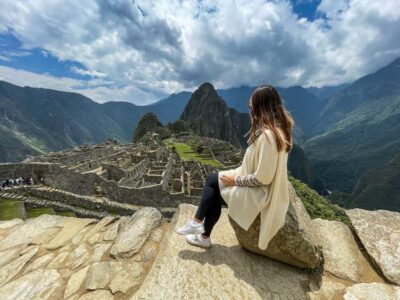 ★ 4.7Full-Day Group Tour of Machu PicchuFrom $3211,767 reviews
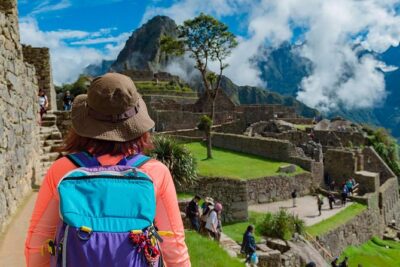 ★ 4.5Machu Picchu Day Trip from CuscoFrom $3361,644 reviews
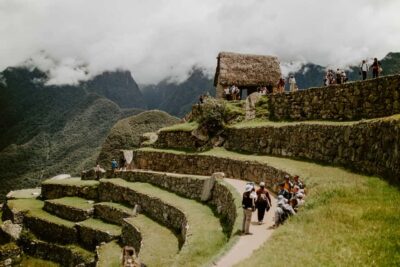 ★ 4.6Machu Picchu: Full-Day Tour from Cusco with Optional LunchFrom $283927 reviews
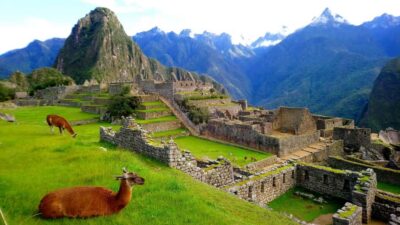 ★ 4.84-Day Inca Trail to Machu Picchu with AccommodationFrom $470432 reviews
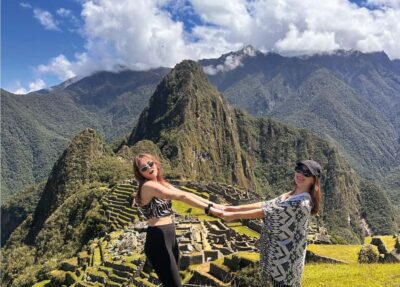 ★ 4.62-Day Trip to the Sacred Valley and Machu PicchuFrom $370265 reviews
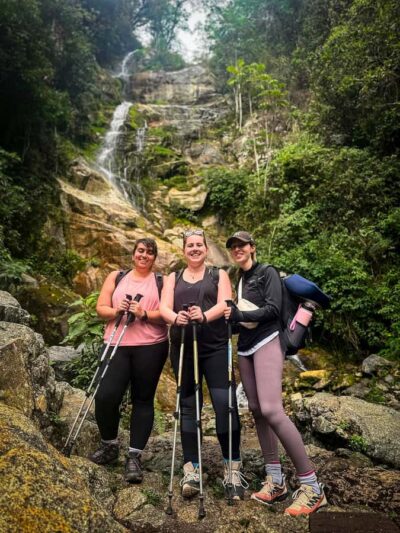 ★ 4.9Machu Picchu 2-Day Inca Trail with Panoramic TrainFrom $582260 reviews
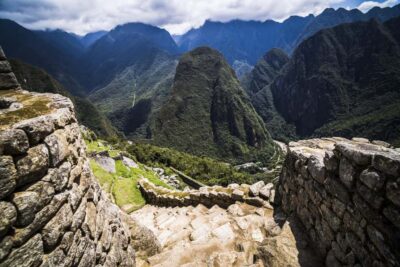 ★ 4.22-Day Inca Trail to Machu PicchuFrom $290244 reviews
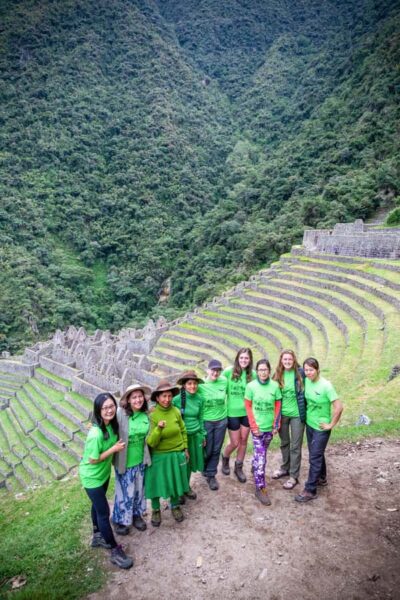 ★ 4.9Machu Picchu: Inca Trail 2-Day Overnight Guided TourFrom $585203 reviews
Browse the lists this tour appears in