
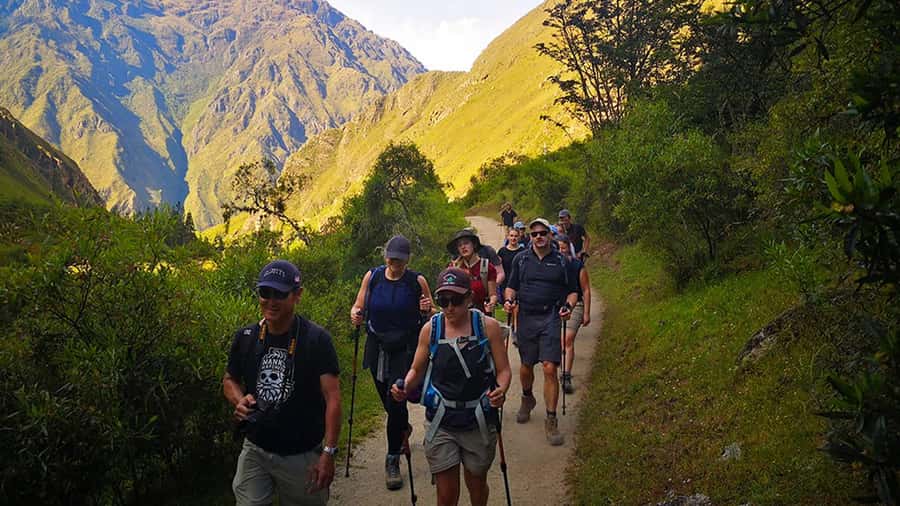
REVIEW · MACHU PICCHU & AGUAS CALIENTES TOURS
4 days/3 nights: Inka Jungle Trek to Machu Picchu
You get Machu Picchu with sweat and jungle air. This 4-day Inka Jungle Trek mixes bike descent, Inca road walking, and a Machu Picchu morning aimed at hitting the site early. You’ll also ride the Cusco-to-the-valley temperature swing that makes the whole route feel like a different world in every day.
What I like most is how varied the days are, without feeling random. I especially love the first-day bike descent plus Huamanmarca archaeology stop, and I really enjoyed the day with Cocalmayo hot springs after a long Urubamba River walk.
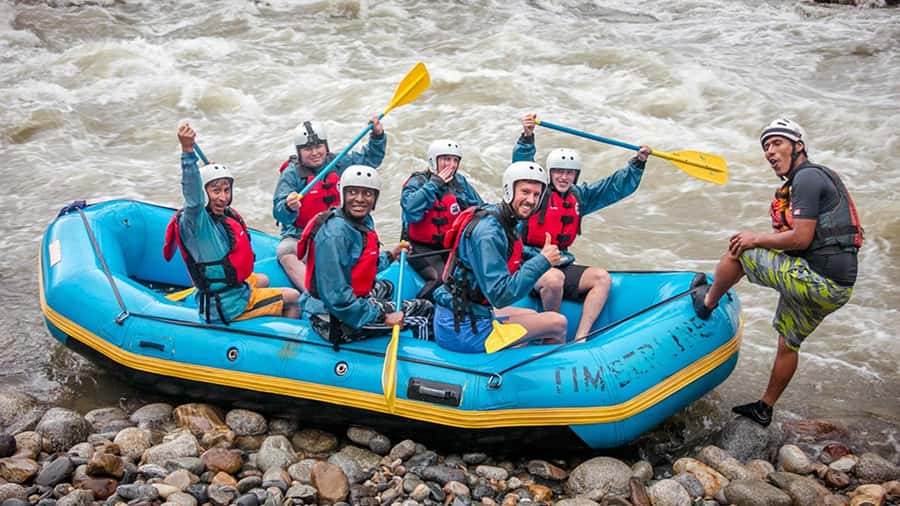
The main drawback to consider is that parts of the adventure are weather dependent. Rafting can be canceled if the river is high, and in some cases there is no replacement activity or refund, so you’ll want a plan B mindset.
Key highlights worth knowing
- Abra Málaga to San Luis starts with a big vertical change that sets the tone right away
- Huamanmarca gives you an archaeology hit early, before the jungle trekking begins
- Urubamba River walking includes a stretch on a preserved ancient Inca road
- Cocalmayo hot springs in Santa Teresa are a welcome reset after serious hiking hours
- Cola de Mono zip line and optional pacing means you can dial intensity up or down
- Early sunrise entry at Machu Picchu is built into the schedule, then you ride the train to Ollantaytambo
Other ways into the citadel, side by side
- Machu Picchu: Group Guided Tour★ 4.7 · 102 reviews
- Machu Picchu: Tour Guide Service & Entrance Ticket Circuit-2★ 4.6 · 90 reviews
- Cusco: One Day Tour to Machu Picchu with Train Transfers★ 4.8 · 28 reviews
- Machu Picchu: historical and photographic guided tour★ 4.9 · 27 reviews
Why this trek feels like more than a hike
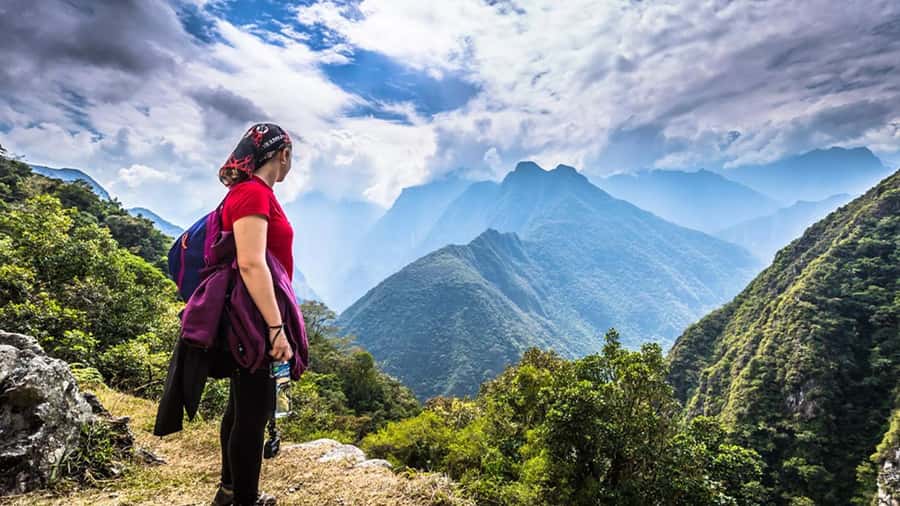
The Inka Jungle Trek to Machu Picchu is built around the idea that you should arrive at the famous ruins from an earned, lived-in path. You start high in the Cusco region, then you move down through pass country, rivers, and then into the warmer Urubamba valley vibe. That matters, because the trek is not only about covering distance. It’s about watching the environment shift under your feet.
You also get a good balance of “action” and “meaning.” The route includes biking, a possible rafting day, long river walking, and hot springs, but it’s not just tourism for adrenaline. You spend time on an old Inca route, and you end with a guided Machu Picchu visit focused on the key structures.
The small group size, capped at 15, also changes how the days feel. You’re not swallowed by a huge crowd, so you’ll usually move with more attention and less waiting around.
Day 1: Abra Málaga pass biking, Huamanmarca, and possible Urubamba rafting
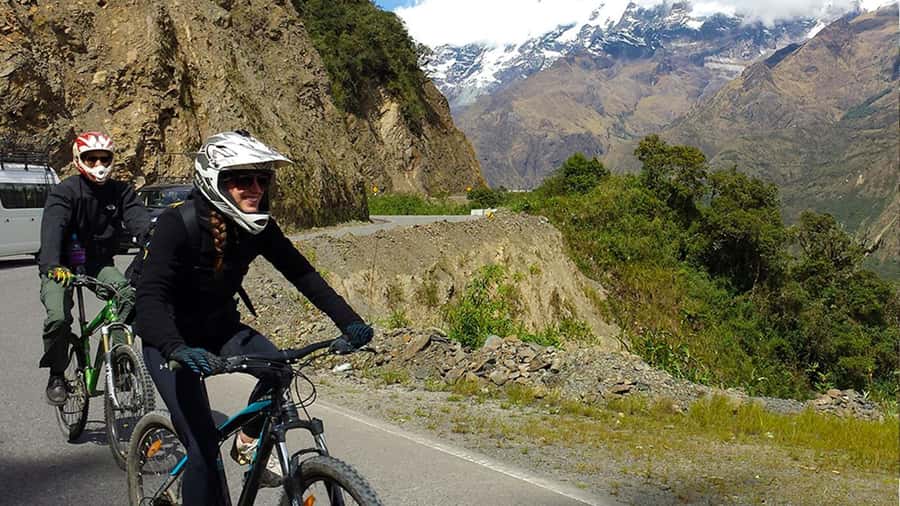
Day 1 is intense in a good way, because it starts early and wastes no time on momentum. You’re picked up from your hotel at 06:30 and ride in private transport for about four hours to reach San Luis, the adventure start point. Then comes the signature move: a descent by bicycle for roughly 3 to 4 hours until you reach Santa María.
That long bike segment is not just fun, it’s a useful warm-up for the rest of the journey. It gets your legs working and your brain focused on riding safely, which helps once you shift into hiking mode later.
On the way, you’ll appreciate the archaeological center of Huamanmarca. It’s a nice early reminder that you’re traveling through Inca-linked terrain, not only across scenery.
In the afternoon, you may have the optional rafting activity on the Urubamba/Vilcanota river section. The rapids are described as level III to IV when conditions allow. But here’s the practical catch: between January 1 and March 31, rafting is subject to river conditions, and if the river is high, it won’t run. The important part is that there may be no refund, so I’d treat rafting as a bonus, not a guarantee.
You’ll sleep night one in a hostel in Santa María, with meals provided from that point onward on the trek schedule.
Day 2: The preserved Inca road walk, river crossing, and Cocalmayo hot springs
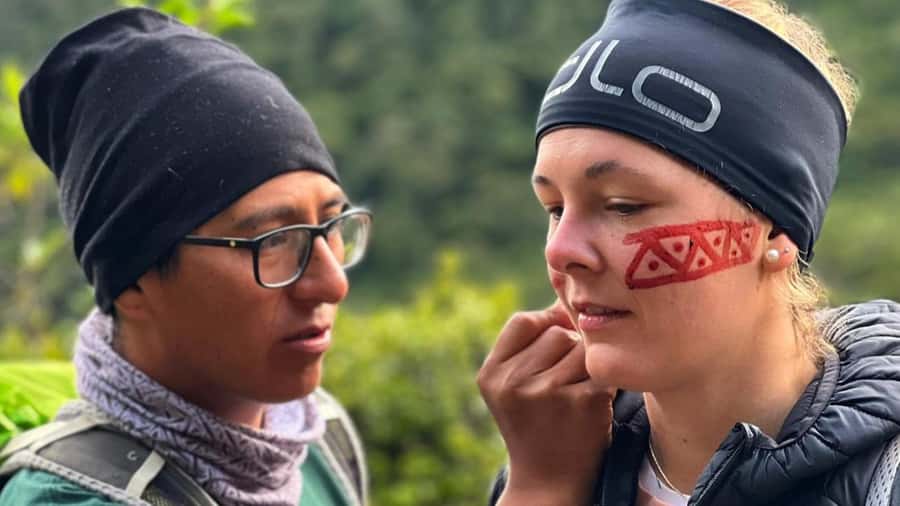
Day 2 is the long hiking day, and it’s where the trek earns its name. After early breakfast, you walk along the Urubamba River for about 7 to 8 hours, with ascents and descents. You’ll also walk along part of a preserved ancient Inca road, which is the kind of detail that makes the day feel grounded, not touristy.
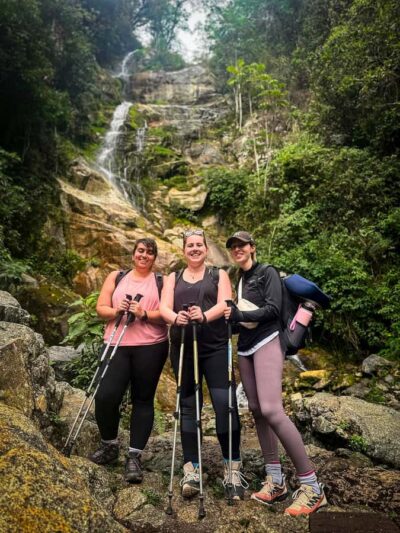
This is also a day for your eyes and your senses. You’ll see fruit and medicinal plants used by local people, and you’ll likely spot birds such as parrots. Wildlife sightings can be random, but the point is that the region’s living systems are part of the trek.
At some point, you cross the Urubamba River through Oroya to reach the Cocalmayo hot springs in Santa Teresa. That transition is more than a route change. It’s your reward, and it’s practical too, since soaking helps your legs after a long day on uneven ground.
Dinner and lodging are included at Santa Teresa. Note: the hot springs entrance itself is not included, so you should budget extra if you plan to use the facilities fully.
Day 3: Cola de Mono zip line option, Hidroeléctrica lunch, and the 3-hour train-track walk
Day 3 starts with a choice. After breakfast, you can do the zip line at Cola de Mono. Since it’s included in the trek package, it’s often the easiest way to add fun without changing your schedule too much.
Then the walk begins toward Hidroeléctrica, passing through a narrow canyon where the climate is described as pleasantly comfortable. You’ll also get views of the mountain of Machu Picchu from this area, which helps the day feel like it’s steering toward the big finale instead of being another transit day.
Lunch is at Hidroeléctrica, and then comes a classic approach to Aguas Calientes: you continue along train tracks for about 3 hours to reach town. This section is not technically complicated, but it can feel long, especially after two prior hiking-heavy days. It’s also where footwear comfort matters, because you’ll likely spend a chunk of time on repetitive surfaces.
You’ll sleep in Aguas Calientes that night. This is also where you’ll want to be mindful of how you manage your energy. Day 4 starts early.
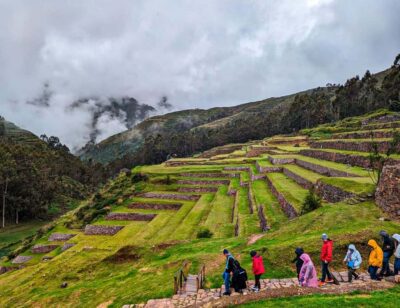
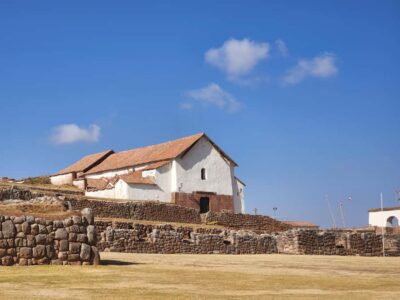
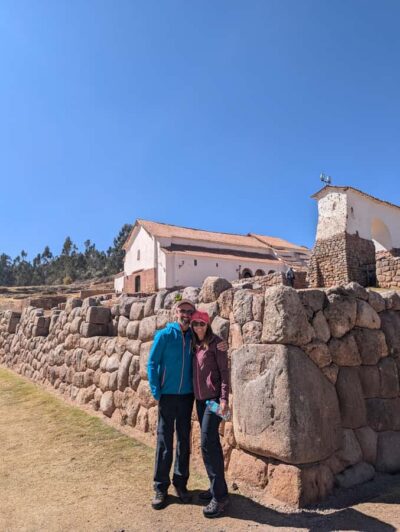
Day 4: Sunrise at Machu Picchu plus guided highlights, then train to Cusco
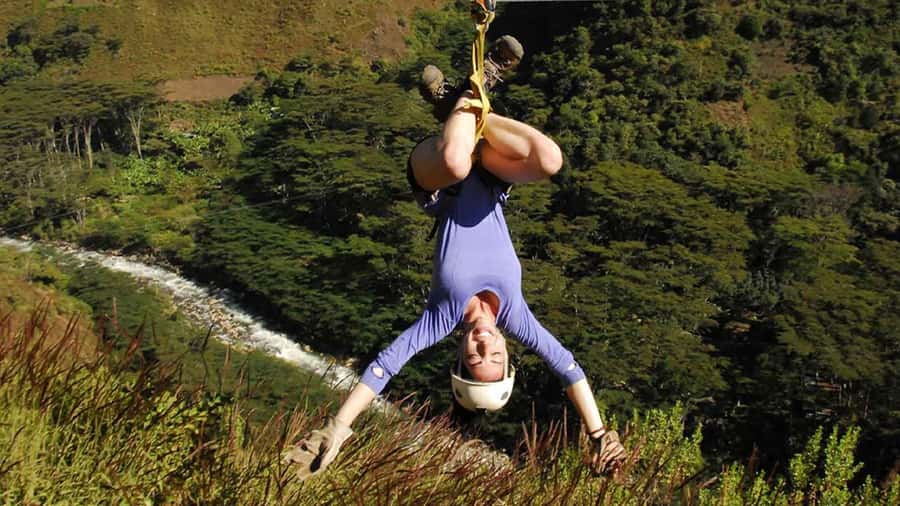
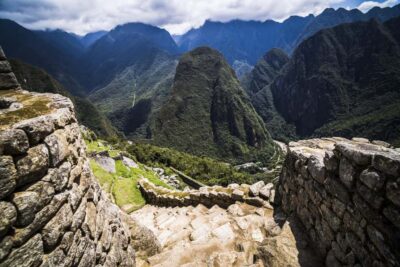
On Day 4, you walk from Aguas Calientes to Machu Picchu. The schedule is designed so you can go in among the first groups, which is the best way to chase sunrise light and quieter ruins.
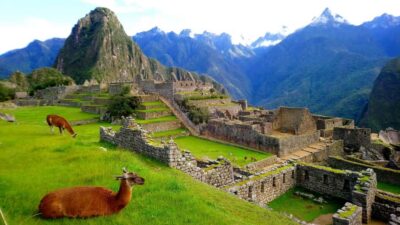
Once inside, you’ll get a guided tour that covers important stops like Inti Watana, the Temple of the Condor, sacred rock, and other major areas. This guided approach is part of the value. Machu Picchu looks stunning, but it’s easy to miss what you’re looking at unless someone points out the meanings behind the structures and sightlines.
After your time at Machu Picchu, you head back down to Aguas Calientes in time to board the tourist train to Ollantaytambo. From there, transportation takes you back to Cusco by vehicle to your hotel.
One note to keep you calm: Machu Picchu ticket categories can affect what routes feel available, and one participant reported ticket category differences on their day. My advice is simple: double-check your ticket type and included route details the morning of, so you’re not surprised when you’re standing at the entry gates.
Small group logistics and the role of your guide
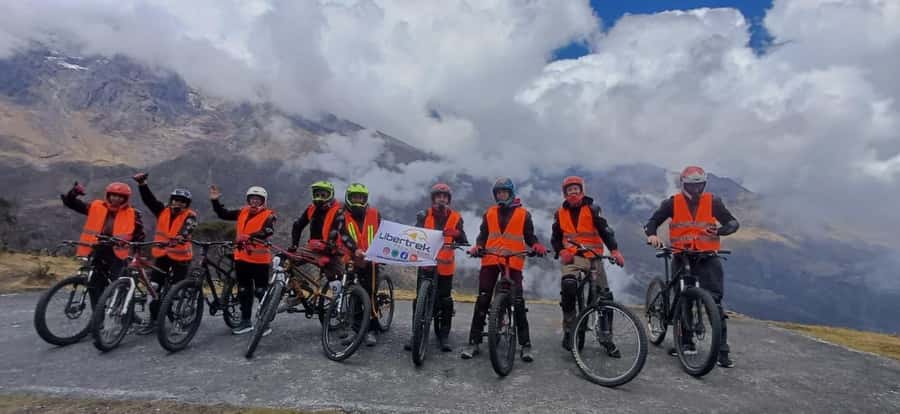
This trek runs with a small group, limited to 15 participants. In practice, that usually means fewer bottlenecks on the trail, more room for questions, and better flow during transitions like rafting timing, river crossings, and arrival at Machu Picchu.
Guide quality matters a lot on this route because the days are active and you’re dealing with moving parts. In the feedback I saw, a guide named Gustavo Candia was specifically praised for being prepared, attentive, and strong in English communication. That lines up with what I’d want: clear safety talk, solid pace management, and explanation that makes the Inca elements click.
At the same time, I also saw a warning sign in the feedback about communication around what to carry and whether support stays close on the toughest segments. So go in prepared: keep a small daypack, keep your essentials accessible, and don’t assume you’ll have phone signal if something goes wrong. Having a good first-aid kit helps, but your best insurance is being organized.
Price and what you truly get for $420
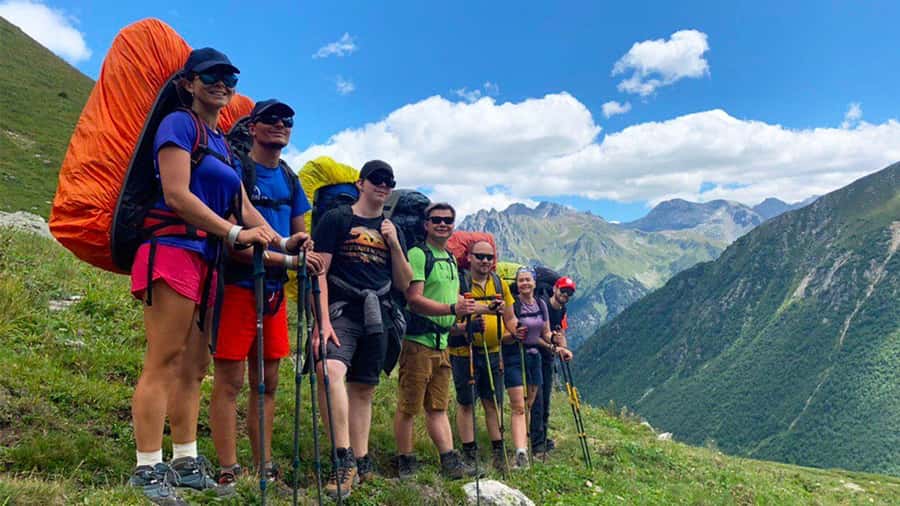
At $420 per person for 4 days, 3 nights, this trek can feel like strong value when you compare what’s included. You’re not just buying a hike. You’re getting:
- Qualified adventure tour guidance
- Meals on the trek schedule (3 breakfasts, 3 lunches, 3 dinners)
- Entrance to Machu Picchu
- Train from Aguas Calientes to Ollantaytambo
- Ground transport back to Cusco
- Nightly hostel accommodations
- Biking equipment
- Zip line
- First aid kit
- The planned rafting activity as an optional add-on that depends on river conditions
What is not included is also important to understand so you don’t get surprised. Breakfast on day 1 and lunch in Aguas Calientes are not included. Hot spring entrance in Santa Teresa is not included. Optional extras can add up too: Wayna Picchu is listed at USD 65, and bus tickets up and down to Machu Picchu are listed at USD 24.
My take: the price makes sense if you want an all-in-one program that handles transport, timing, and entry logistics. If you only want the Machu Picchu part and don’t care about biking, jungle walking, and hot springs, then you should compare against more basic hikes or independent arrangements.
Packing like a smart trekker (not a panic packer)
This is the trek where “what you carry” affects the whole experience. Bring comfortable shoes and hiking shoes, and plan to have clothing ready for sun and insects. The provided checklist is solid, and I’d follow it closely:
- Passport
- Sunglasses, hat, sunscreen
- Insect repellent
- Hiking pants and comfortable clothes
- Sunscreen and a camera
- Swimwear, towel (because hot springs and recovery are part of the plan)
- Towel, towel again if you tend to forget these things
- Personal medication
- Cash
Also, learn from the tough-day feedback: be ready to carry only what you need for the day. If you show up with an overly heavy pack, you’ll feel it on the long walking hours and the later track-walk. Pack a small backpack for daily use and keep extra weight minimal.
Who should book, and who should think twice
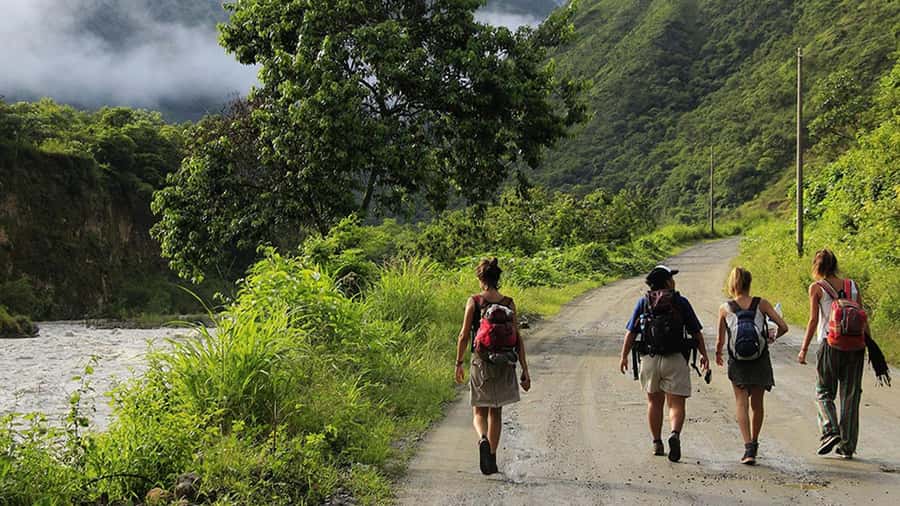
This trek fits you if you want adventure with structure. You’re comfortable hiking 7 to 8 hours on day 2, and you enjoy multi-activity days where biking, walking, and optional zip line are part of the plan. You’ll also like it if you want a guided Machu Picchu experience that points you to the major features like Inti Watana and the Temple of the Condor.
You might think twice if:
- You are counting on rafting and would be unhappy with a no-show due to river conditions
- You have knee or mobility issues and need a super predictable, flat route
- You require constant, close-on-demand assistance, since the trek involves long stretches of travel and hiking where you’re moving with the group
If you’re a “plan my days carefully” person, you’ll still enjoy it, just go in organized, with the right shoes and a realistic view of how active these 4 days are.
Should you book the Inka Jungle Trek to Machu Picchu?
Book it if you want a meaningful way to reach Machu Picchu that includes bike descent, preserved Inca-road walking, hot springs recovery, and sunrise timing with a guide. The $420 price feels fair because so much is handled for you, including Machu Picchu entrance and the train back.
Pass or compare if rafting is your one must-do and you would struggle emotionally or practically if it cancels during high-water periods. Also, if you dislike long walking days, especially the combination of canyon walking and the train-track section to Aguas Calientes, you should look for a lighter option.
If you do book, do three things: pack a small daypack, keep your rain and insect basics covered, and double-check your Machu Picchu ticket details the day you arrive.
FAQ
How long is the Inka Jungle Trek to Machu Picchu?
It runs 4 days and 3 nights.
How many people are in the group?
The group is limited to 15 participants.
Is Machu Picchu entrance included?
Yes, Machu Picchu entrance is included.
Are meals included?
Yes. The trek includes 3 breakfasts, 3 lunches, and 3 dinners. Breakfast on day 1 and lunch in Aguas Calientes are not included.
Is rafting included?
Rafting is offered as an activity on day 1 and is subject to weather conditions between January 1 and March 31. If the river is high, it will not take place and there is no refund.
Is the zip line included?
Yes. You have an option to do the zip line in Cola de Mono, and it is included.
What optional costs might come up?
Wayna Picchu is optional for USD 65. Bus tickets up and down to Machu Picchu are optional for USD 24. Hot springs entrance in Santa Teresa is also not included.
What language is the tour guide?
The guide is available in English and Spanish.
More Tour Reviews in Urubamba
- Cusco:Sacred Valley Pisaq,Ollantaytambo,Chinchero with Lunch
★ 4.8 · 183 reviews - Machu Picchu: Group Guided Tour
★ 4.7 · 102 reviews - Machu Picchu: Tour Guide Service & Entrance Ticket Circuit-2
★ 4.6 · 90 reviews - From Cusco: Chinchero, Moray, Maras and Ollantaytambo
★ 4.5 · 83 reviews - from Urubamba & Ollantaytambo:Sacred Valley Full-Day Private
★ 4.9 · 31 reviews
Machu Picchu, Three More Ways
- Machu Picchu: Group Guided Tour
★ 4.7 · 102 reviews - Machu Picchu: Tour Guide Service & Entrance Ticket Circuit-2
★ 4.6 · 90 reviews - Cusco: One Day Tour to Machu Picchu with Train Transfers
★ 4.8 · 28 reviews - Machu Picchu: historical and photographic guided tour
★ 4.9 · 27 reviews - Private Guide in Machu Picchu for 3 Hours
★ 4.2 · 17 reviews
Fresh in from Urubamba
Machu Picchu & Aguas Calientes Tours, compared.
 ★ 4.7Full-Day Group Tour of Machu PicchuFrom $3211,767 reviews
 ★ 4.5Machu Picchu Day Trip from CuscoFrom $3361,644 reviews
 ★ 4.6Machu Picchu: Full-Day Tour from Cusco with Optional LunchFrom $283927 reviews
 ★ 4.84-Day Inca Trail to Machu Picchu with AccommodationFrom $470432 reviews
 ★ 4.62-Day Trip to the Sacred Valley and Machu PicchuFrom $370265 reviews
 ★ 4.9Machu Picchu 2-Day Inca Trail with Panoramic TrainFrom $582260 reviews
 ★ 4.22-Day Inca Trail to Machu PicchuFrom $290244 reviews
 ★ 4.9Machu Picchu: Inca Trail 2-Day Overnight Guided TourFrom $585203 reviews
Browse the lists this tour appears in