
REVIEW · MACHU PICCHU & AGUAS CALIENTES TOURS
4-Day Salkantay Trek to Machu Picchu
Four days to Machu Picchu, through real altitude. This Salkantay trek is interesting because you sleep at high Andean camps, then ride the temperature roller coaster into warmer valleys before ending with an early visit to Machu Picchu. I especially like the small-group feel (max 16, often far fewer) and the local, bilingual guide who helps you understand what you are walking through.
I also love how the trip keeps things practical and human, with proper meals (including a vegetarian option) and a setup that includes equipment support like foam mats and mules for camp gear. The main drawback is also the point of the route: you are dealing with altitude and cold, especially on the highest, coldest camp night around 3,920m, plus a demanding high pass day.
Key things that make this trek work
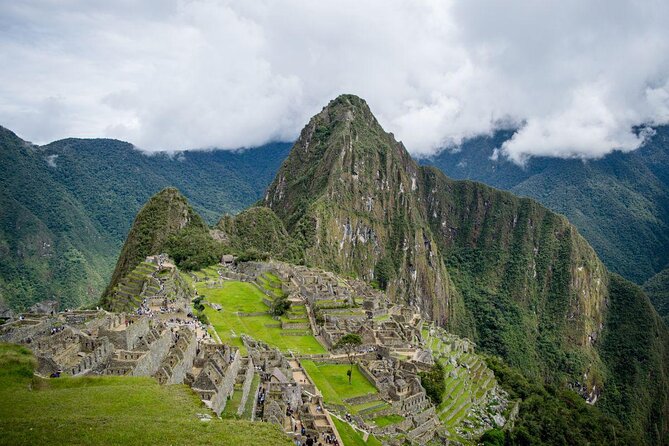
- Early starts that protect your day, including a 05:30am Machu Picchu bus so you see the site before crowds build.
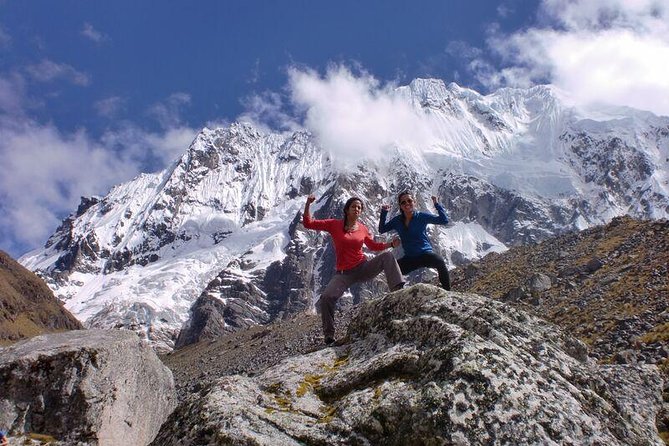
- A real high pass moment, crossing the 4,650m Salkantay high point with big mountain views and possible snow.
- You get multiple climate zones, from glacier country to upper jungle valleys and warmer Santa Teresa.
- Small-group pacing, with an average group size around 4, so your guide can adjust the hike.
- Camp plus hotel, not just camping-only, since you finish with a 1-night 3 hotel in Aguas Calientes.
- Optional help is available, like renting a horse to reach the high pass for 100 to 120 soles.
Other ways into the citadel, side by side
- Machu Picchu Day Trip from Cusco★ 4.5 · 1,644 reviews
- Machu Picchu: Full-Day Tour from Cusco with Optional Lunch★ 4.6 · 927 reviews
- Cusco: 4-Day Inca Trail to Machu Picchu with Accommodation★ 4.8 · 432 reviews
- From Cusco: 2-Day Trip to the Sacred Valley and Machu Picchu★ 4.6 · 265 reviews
Cusco to Machu Picchu, but with the hard parts included
This trek is for people who want Machu Picchu, yes, but also want the in-between story. You get a route that starts near glacier country, then crosses a famous high pass, and finally transitions toward the “high jungle” vibe before you pop out in Aguas Calientes and go for the ruins.
Value-wise, this tour covers the big moving pieces: transport from Cusco to the trailhead, a guided Machu Picchu visit, and the train and bus connections back toward Cusco. That matters because the Salkantay-to-Machu Picchu puzzle can be confusing if you try to DIY it.
Also, you are not just walking alone. You are joining a team that includes a trekking guide plus chef and mule support. In feedback for this same program, guide names like Cesar, Percy, Junior (Jr.), Francisco, and Chino show up again and again, and the common thread is clear communication and on-the-ground encouragement. It is the difference between trudging and actually understanding what you are seeing.
Still, keep your expectations realistic: you are on a multi-day hike, with camping nights and long walking days. If you want a comfortable, scenic drive, you would probably prefer a lighter itinerary.
Day 1: Humantay Lake, a glacier-view warm-up, and a cold camp night
Day 1 begins with a 05:30am pickup from Cusco. You ride to Mollepata first (around 2,900m) for a stretch and snacks, then continue toward Challacancha where you double-check equipment and get ready.
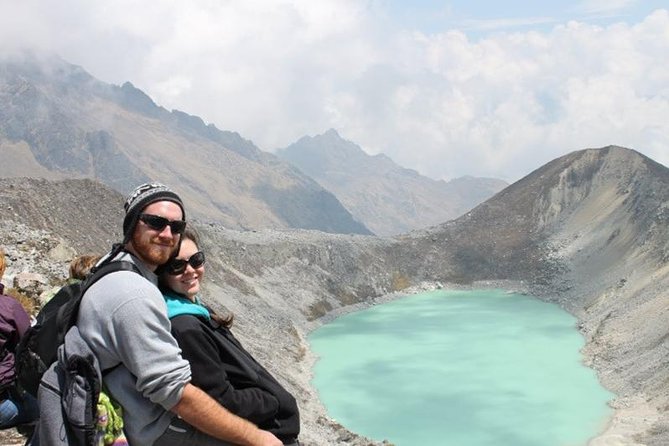
Then comes the hike to Soraypampa (about 3,920m). The pacing is long enough to feel like a trek day, but it also works as a big visual introduction. You hike about 3 hours to reach lunch with panoramic mountain views, and then you go up to Laguna de Humantay for about 1.5 hours each way. That out-and-back is where the lake earns its reputation: you are in prime Andes country, and the views are the reward for climbing.
The part I would plan for mentally is the camp altitude. Your first campsite is at 3,920m, and it is described as the highest and coldest campsite of the trip. That means nights can feel sharp fast. The tour includes camping accommodation with a basic sleeping pad and tent setup, plus a first aid kit and emergency oxygen bottle, which is reassuring when weather turns.
Practical tip: treat Day 1 as the day to get your breathing and layering routine right. Start slow, keep moving steady up to Humantay Lake, and then switch to rest mode early after dinner.
Day 2: The 4,650m Salkantay high pass, downhill lunch, and jungle-direction trekking
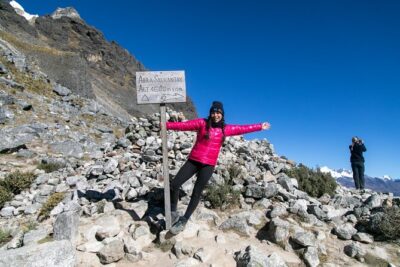
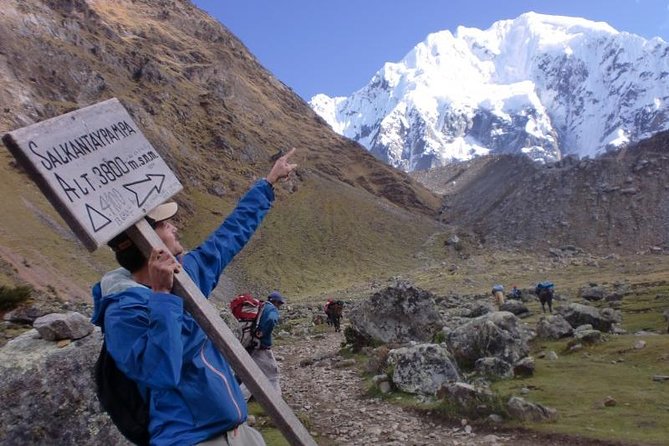
Breakfast is around 6:00am, then you start walking toward the highest point on this trek: the Salkantay high pass at 4,650m. This is halfway between Salkantay on one side and Humantay on the other. The key moment here is the pass itself: views are described as incredible, and there is a possibility of snow at that altitude.
You walk roughly 4 hours to reach the pass, then you tackle the hardest emotional math of the day: you are high up, looking at huge mountains, and you still need to keep moving. After the pass, you hike downhill for about 2 hours, then lunch is served at Huayracpampa.
After that, you continue for another 3 hours to your campsite near the start of the high jungle region, down around 2,900m. That downhill shift is one of the smartest parts of the itinerary. You feel the altitude change in your body, and you also start seeing different vegetation and valley patterns as you drop in elevation.
Want an optional safety valve? Horse rental is listed as available to reach the high pass for 100 to 120 soles. If you are fit but worried about the summit-like altitude effort, this can be a smart compromise. You still get the trail experience while easing the most punishing part.
Given the mixed effort (high pass plus long walking distances), this is the day most people feel in their legs. You can do it with the right pace. That is exactly where a good guide matters. Multiple guide names in feedback, like Junior and Francisco, are credited with keeping groups motivated and adjusting pace to match ability.
Day 3: Upper jungle crossings, Santa Teresa warmth, and the Aguas Calientes reset
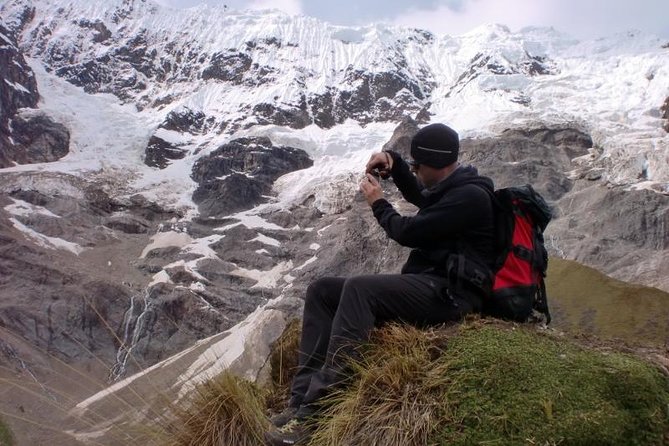
Day 3 starts with breakfast around 6:30am, and the day changes character right away. You trek through the upper jungle crossing the Santa Teresa River and passing smaller brooks. This is the shift from Andean glacier scenery toward valley life.
You will pass through valleys with views of waterfalls and tropical fruits and plants. Lunch is at La Playa around 2,200m, then you transition by car to Santa Teresa town at 1,700m. Santa Teresa is where the “warmth” you came for finally shows up. From there, another car ride takes you to Hydroelectric Station, around 40 minutes.
Then it is a 3-hour walk to Aguas Calientes. This walking segment is still part of the journey, but it is more like a winding finish line than another dramatic climb.
Once you arrive in Aguas Calientes, the tour is realistic about downtime. You get access to internet cafes, places to eat, and shops where you can relax. There is also an optional train transfer from Hydroelectric Station to Aguas Calientes for an extra cost of $30, if you want to conserve energy for Machu Picchu Day 4.
You sleep in a 1-night 3 hotel in Aguas Calientes. That hotel night is not luxury for the sake of luxury. It is how you survive a sunrise visit to Machu Picchu without feeling cooked before you even start walking the ruins.
Practical tip: use the evening to set out what you need for early bus time, and keep hydration simple. Bottled water is listed as not included, so plan to buy what you need.
The Salkantay route, run by other outfits
Day 4: The first bus to Machu Picchu and how to structure your time
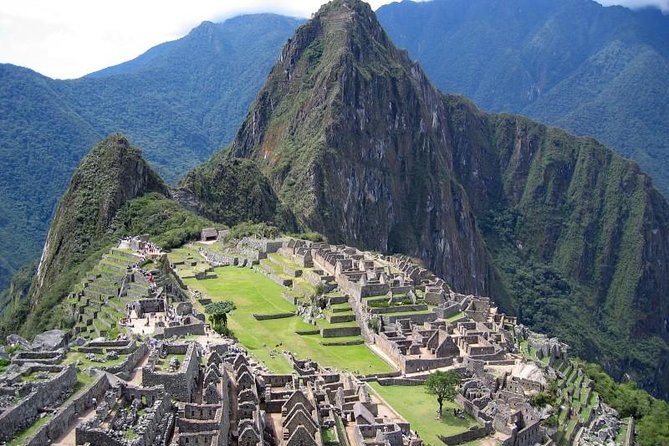
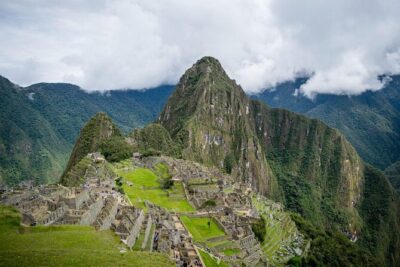
On Machu Picchu day, the tour pushes you to catch one of the first buses at 05:30am. The payoff is early light, plus mist that can dissipate to reveal views. You then get a guided walking tour of about 2 hours.
That guided time is important because Machu Picchu is not just photos. You need context, and the tour includes a guided visit. This is where guides in the feedback stood out: Cesar, Percy, and Francisco were specifically praised for English and for answering questions beyond simple points of interest, including geology and Inca culture and history.
After the 2-hour tour, you explore on your own. If you have energy, there are optional mountain climbs, including Huayna Picchu. Booking details matter here: it is described as extra cost, with 400 people allowed up per day, and you have to request it in advance via email with the tour provider.
Getting back down is also spelled out. You can return to Aguas Calientes by bus (every 15 minutes from the entrance), or you can take a walking trail down taking about 1 hour.
Then comes the travel home. You take the train from Aguas Calientes to Ollantaytambo, and a bus from Ollantaytambo to Cusco. You are dropped off late in the day at Plaza San Francisco, and you will handle your own ride to your accommodation.
Practical tip: if Huayna Picchu is on your wishlist, decide before the trek ends. That extra demand is the kind of thing that can slip if you wait until arrival.
Guide and team: why the best part is often not the scenery
This trek is rated very highly, and in the details, the guide quality shows up again and again. Across feedback, I see a pattern: guides like Percy, Junior (Jr.), Francisco, and Chino are described as encouraging, funny, and patient, and they do more than recite facts. They guide pacing on steep climbs, point out less obvious viewpoints, and explain what you are seeing in clear English.
The chef and horse-care support also matter because they keep the trek functional. In feedback, chefs like Bennie and Geraldo are credited with delicious Peruvian food during the trek, and horse caretakers like Florian are recognized for taking care of equipment and the system that keeps people walking.
This is one of those travel values that is hard to quantify until you feel it on the trail. When the team is strong, you stop thinking about logistics and start thinking about where you are standing.
Also, group size is kept small: maximum 16, average about 4. That helps for two reasons. First, you move as a unit without chaos. Second, your guide can adjust timing when someone needs a slower rhythm.
Food, camping gear, and the comfort level you should expect
You will get meals daily, but not every day includes breakfast. Day 1 includes 1 lunch and 1 dinner (no Day 1 breakfast). Day 2 includes breakfast, lunch, and dinner. Day 3 includes breakfast, lunch, and dinner. Day 4 includes breakfast.
Vegetarian meals are listed as available, and you should request this at booking. If you eat flexibly normally, it is still worth confirming ahead of time. The better you communicate your needs early, the smoother the kitchen side will be.
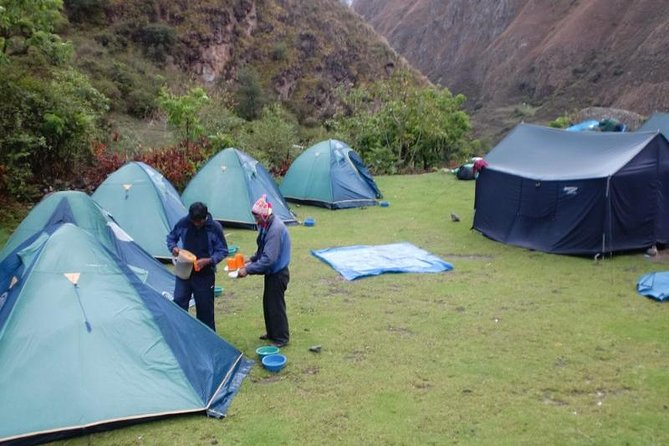
Camping includes a tent for two people and a basic sleeping pad. There is also a foam sleeping mat provided. Single travelers will share a tent or room with another traveler, while couples get a tent or room to themselves. That is a helpful detail for packing comfort and privacy expectations.
You should also take the provided safety items seriously. The tour includes a first aid kit and an emergency oxygen bottle. Oxygen is not a guarantee against altitude issues, but it is a sign the operation is prepared.
What about bottled water? It is explicitly listed as not included. So plan for that cost, and avoid assuming you can buy everything easily at every stop.
Price and value: where the $810 goes, and what to budget extra
The base price is $810 per person, for about 4 days. That is not “cheap,” but it is covering a lot that would cost you time and brainpower to arrange yourself.
What you are paying for includes:
- Guided trekking and guided Machu Picchu visit
- Small group support
- Camp accommodation during the trek
- A 1-night 3 hotel in Aguas Calientes
- Major transport legs, including the tourist bus to Machu Picchu, plus train and bus connections back toward Cusco
- Chef and mule support, including carrying cooking and camping equipment plus a limited amount of trekkers’ personal items
However, budget extra for items that are listed as not included:
- Salkantay trail trekking permit: PEN133 per person
- Machu Picchu entrance fee: PEN48 per person
- Optional Huayna Picchu entrance: PEN200 per person
- Optional Machu Picchu mountain hike entrance: PEN200 per person
- Optional train transfer from Hydroelectric Station to Aguas Calientes: $30 per person
- Optional sleeping bag rental: $15 per person
- Bottled water
If you like predictable planning, make a simple checklist before you go: base $810 plus permits and Machu Picchu entrance, then decide on Huayna Picchu and the Hydro-electric shortcut based on your energy.
And yes, tipping is optional. If you want to tip, the guide and assistant guide amounts are listed in the info, along with guidance for horsemen and the cook. Even if you tip modestly, doing it after the trek usually feels best.
Fitness, altitude, and packing choices that can save your trip
This is a demanding hike. The tour is clear about it, and the route itself explains why: you climb up to around 4,650m, then you drop down to roughly 2,900m on Day 2, and you continue down toward warmer towns. That altitude swing means temperature changes, and it also means your body needs time to adapt.
Minimum age is 7, but the bigger factor is fitness. This is not a casual stroll. You are walking for many hours across multiple days, and Day 2 is the biggest physical test.
A smart approach:
- Start slower than you think you need to on the big climbs.
- Keep your layers ready because it can be warm during walking and cold once you stop.
- Plan to protect your head, hands, and feet. The information you have does not list gear, so you will need to pack smart on your own.
If you are worried about the high pass, remember the optional horse to reach the high pass for 100 to 120 soles. That option can reduce stress without removing the core experience.
One more thing that is easy to forget: the tour requires personal passport details for booking. You must provide full name, date of birth, nationality, passport number, and passport expiration date.
Also note the COVID-19 vaccination requirement listed for travelers over 18 and specific rules for ages 12 to 17, or proof of negative RT-PCR in certain cases. Check current entry rules close to your travel date, since health policy has a way of changing.
Should you book this Salkantay trek to Machu Picchu?
If you want Machu Picchu and you also want the trail that gets you there, this is a strong choice. I like that it is structured, not vague. You get a guided Machu Picchu experience, a team that handles the day-to-day trek logistics, and small-group pacing that can actually feel personal.
Book it if:
- you are ready for a real physical challenge and altitude changes
- you want sunrise timing with the first bus
- you like good food and a real team, not just a ticket
Consider skipping or switching to something easier if:
- you get knocked out by cold or you know altitude is a problem for you
- you want a more comfortable, low-effort itinerary
One quick reality check: the tour is non-refundable and cannot be changed for any reason. That is not unique to this trek, but it is the kind of rule you should think about before you pay.
If you are prepared mentally and physically, this trek has the right mix: big Andean views, a memorable high pass day, a change of scenery into warmer valleys, and then a well-timed Machu Picchu morning with a guide to help the ruins make sense.
FAQ
What time is the meeting point for the trek?
The start time is listed as 5:30 am.
How big is the group on this tour?
The maximum group size is 16 travelers, with an average group size around 4.
Is there a vegetarian meal option?
Yes. A vegetarian option is available, and you should advise the provider at the time of booking.
What accommodations are included during the trip?
You camp during the trek nights (with a tent for two people, plus basic sleeping pad and foam sleeping mat), and you stay 1 night in a 3 hotel in Aguas Calientes.
Are permits and entrance fees included in the price?
Not all of them. The Salkantay trail trekking permit (PEN133) and Machu Picchu entrance fee (PEN48) are listed as not included.
Is Huayna Picchu included?
No, Huayna Picchu is optional and requires an extra ticket. The information also notes that you must request it in advance.
What if I need help reaching the high pass?
Horse rental is listed as optional to reach the high pass for 100 to 120 soles.
More Tour Reviews in Cusco
- Cusco: Humantay Lake Tour with Breakfast and Buffet Lunch
★ 4.9 · 2,976 reviews - From Cusco: Moray, Maras Salt Mines & Chinchero Weavers Tour
★ 4.8 · 1,925 reviews - From Cusco: Full-Day Group Tour of Machu Picchu
★ 4.7 · 1,767 reviews - Machu Picchu Day Trip from Cusco
★ 4.5 · 1,644 reviews - Cusco: Half-Day City Tour with Sacsayhuaman and Q’enco
★ 4.6 · 1,129 reviews
Salkantay, Other Operators
- Salkantay Trek Challenge – 3 Days / 2 Nights
★ 5.0 · 101 reviews - Small Group 5 Days Salkantay and Machu Picchu by Llactapata Tour
★ 5.0 · 88 reviews - Machu Picchu: 5-Day Salkantay Trek with Panoramic Train
★ 5.0 · 79 reviews - Salkantay Trek 4 Days to Machu Picchu by Glamping Sky Lodge Dome
★ 5.0 · 68 reviews - Salkantay Trek to Machu Picchu in 4 days
★ 4.5 · 50 reviews
Machu Picchu, Three More Ways
- From Cusco: Full-Day Group Tour of Machu Picchu
★ 4.7 · 1,767 reviews - Machu Picchu Day Trip from Cusco
★ 4.5 · 1,644 reviews - Machu Picchu: Full-Day Tour from Cusco with Optional Lunch
★ 4.6 · 927 reviews - Cusco: 4-Day Inca Trail to Machu Picchu with Accommodation
★ 4.8 · 432 reviews - From Cusco: 2-Day Trip to the Sacred Valley and Machu Picchu
★ 4.6 · 265 reviews
Fresh in from Cusco
Machu Picchu & Aguas Calientes Tours, compared.
 ★ 4.7Full-Day Group Tour of Machu PicchuFrom $3211,767 reviews
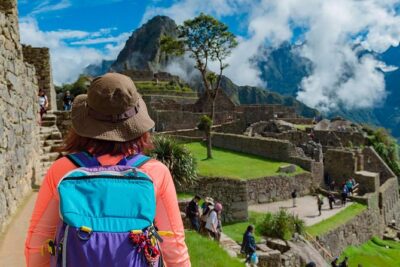 ★ 4.5Machu Picchu Day Trip from CuscoFrom $3361,644 reviews
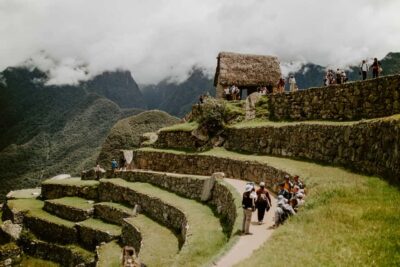 ★ 4.6Machu Picchu: Full-Day Tour from Cusco with Optional LunchFrom $283927 reviews
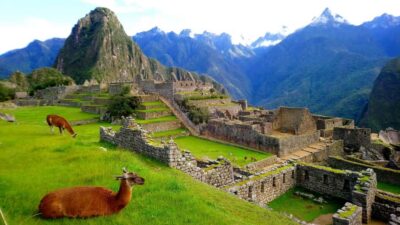 ★ 4.84-Day Inca Trail to Machu Picchu with AccommodationFrom $470432 reviews
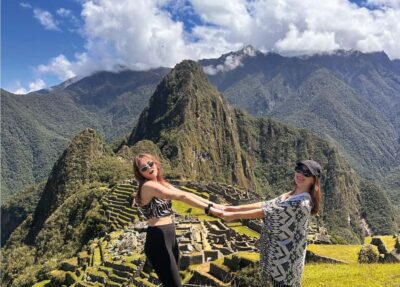 ★ 4.62-Day Trip to the Sacred Valley and Machu PicchuFrom $370265 reviews
 ★ 4.9Machu Picchu 2-Day Inca Trail with Panoramic TrainFrom $582260 reviews
 ★ 4.22-Day Inca Trail to Machu PicchuFrom $290244 reviews
 ★ 4.9Machu Picchu: Inca Trail 2-Day Overnight Guided TourFrom $585203 reviews
Browse the lists this tour appears in