
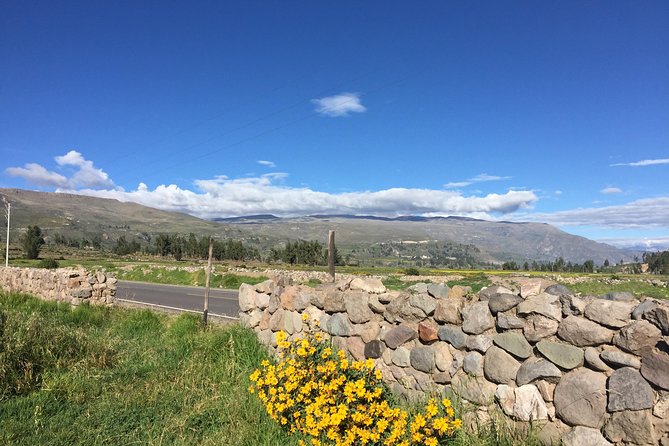
REVIEW · PUNO & LAKE TITICACA TOURS
2 Day Trek Including Transfer to Puno / Colca Canyon
That early wake-up hits fast. This 2-day Colca Canyon trek strings together condor spotting, a serious canyon hike, and the practical payoff of a one-way transfer to Puno.
I like how the schedule front-loads the best viewpoints, from Plaza de Armas de Chivay to Condor’s Cross, so you’re not stuck searching for birds all day. I also like the small-group size (max 12), because the guide can spot who needs a slower pace and help keep the trek feeling organized.
One possible drawback: day 2 is not a walk in the park. You’re climbing uphill early with torch lights, and the effort can feel steep even if you’re reasonably fit.
Quick hits: Colca Canyon in 2 days
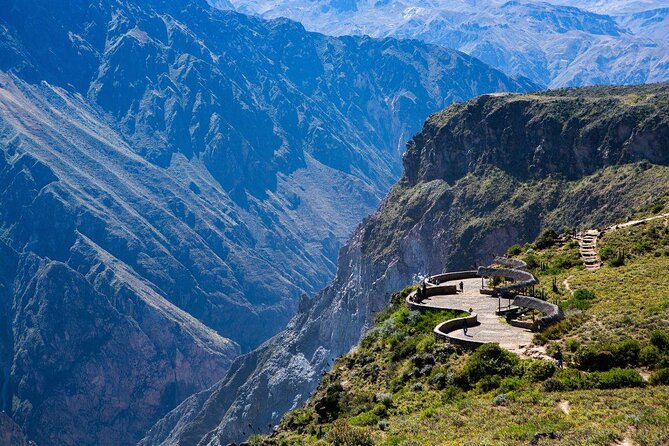
- Condor’s Cross timing gives you one of the better chances to see Andean condors in flight
- A real canyon hike, including a full downhill on day 1 and a demanding uphill on day 2
- Sangalle bungalows with a warm pool, so you actually get to recover
- One-way transfer to Puno takes the stress out of planning the second half of your trip
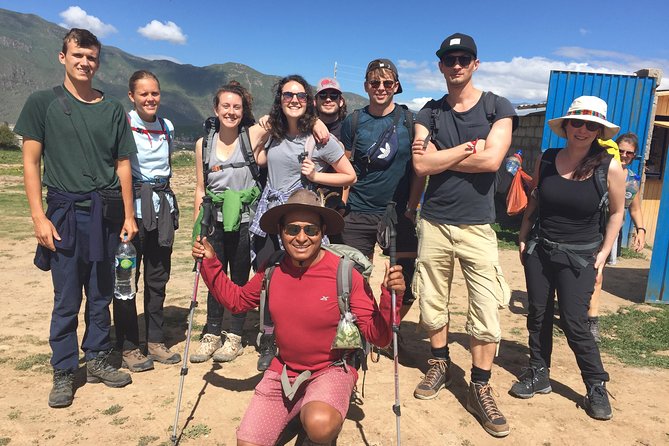
- Small group (up to 12) means you’re not lost in the shuffle
- Meals are included, but expect simple, not gourmet
More of the lake, the reeds and the islands
- Colca Canyon: 2-Day Tour from Arequipa to Puno★ 4.7 · 45 reviews
- 2 Day Trek Including Transfer to Puno / Colca Canyon★ 4.5 · 38 reviews
- From Arequipa: 2-Day Colca Canyon Tour with Transfer to Puno★ 4.2 · 17 reviews
From Arequipa to Chivay, then into Colca’s world
This tour is built around an early start, with pickup in Arequipa at about 3:00 am. The upside is simple: you reach the key stops while the light is good and the roads are calmer. The downside is also simple: you’ll need to be ready for a long morning, not a slow one.
You travel directly to Chivay first, and you arrive around 7:30 am for breakfast. Chivay’s Plaza de Armas is the kind of town square where you can warm up, grab a bite, and get a feel for the Andes vibe before the canyon work begins. Then you shift gears to the viewpoint that makes Colca famous: Condor’s Cross.
Condor’s Cross and the Chivay break you’ll be glad you took
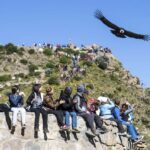
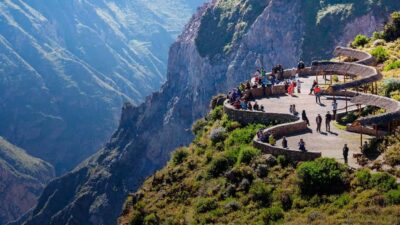
You get around 30 minutes at Condor’s Cross. The operator frames this as one of the best places in South America for spotting Andean condors, and the reason is the viewpoint setup. You’re in a good position to watch the thermals and the birds riding the air, not just looking at a mountain and hoping.
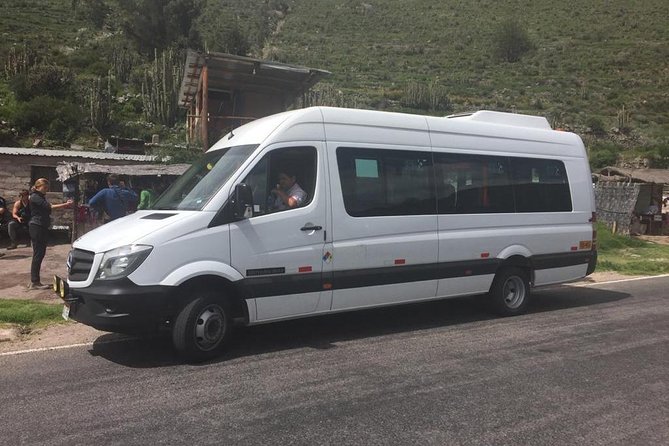
After that, the day moves quickly. You continue by bus for about 20 minutes to the trail start point, and then you begin your downhill trek. This sequence matters: you’re not trekking fatigued before you even see the main show.
A practical tip from the kind of trekking rhythm this route follows: if you’re even slightly prone to altitude headaches, keep your pace easy early and don’t treat the first views as a sprint. The canyon part is where the real exertion lives.
Day 1 downhill: Cabanaconde down into the deepest stretch
Day 1 is the downhill day, and it’s a big deal because it sets your legs up for the next day. You start from around 3300 m and trek down toward 2100 m for about 3 hours. Expect a steady descent, more work than you might think on paper, and a lot of attention to footing.
Along the way, you get a sense of how Colca communities sit in layers of altitude. The route brings you to San Juan de Chuccho, then onward toward smaller towns including Cosñirhua and Malata. These aren’t just dots on a map. You pass through spots with vegetation and fruit trees, a reminder that this canyon isn’t only rock and emptiness.
You also get lunch and time to rest after the first major descent. That break is what keeps day 1 from feeling like nonstop fatigue.
Then comes the final push to Sangalle at about 1900 m. You arrive around 17:00. That timing is helpful, because it gives you daylight for the walk, then enough evening energy for dinner and recovery.
Sangalle at 1900 m: warm pool time and bungalow reality
Sangalle is where the trek stops feeling like a test and starts feeling like a trip. You arrive by late afternoon, and your overnight stay is in bungalows with dinner included. The big comfort benefit here is the warm swimming pool at Sangalle, which the itinerary calls out clearly as part of the relaxation plan.
Now, the part you should know before you go: this is not a luxury lodge stop. From what I’ve seen travelers describe on similar Colca overnights, hot water can be limited or absent, and the facilities can feel simple. The good news is the setting plus the schedule still work. After a long descent, even basic lodging feels like a win.
If you’re the type who hates sleeping in plain conditions, pack a little personal comfort. Bring something to manage cold nights, and don’t expect spa-level bathroom setups.
Meals: included food, and what to expect
The tour includes lunch and dinner on day 1, plus breakfast on both days. That’s a major value point because Colca treks can get expensive if you’re forced to buy every meal.
Still, meals here are best seen as fuel, not foodie tourism. People describe the food as okay rather than memorable in a wow way. That said, the lunch component in a local setting is often described as tasty, with fresh juices that make the day feel more human.
My practical advice: keep breakfast and lunch as “get me through the hike” meals. Bring snacks for between stops if you know you burn energy fast, especially on day 1 under the sun.
Day 2 torchlight climb: the hard part starts early
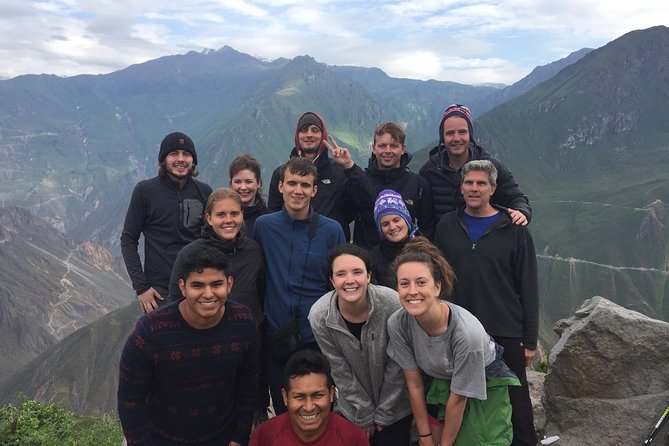
Day 2 begins with a very early uphill trek, starting around 05:00 from Sangalle back toward Cabanaconde, with torch lights. This is the part you should respect. The itinerary notes about 3 hours of hiking uphill, and the effort can feel steep enough that you’ll notice it in your calves and lungs, even when you pace well.
This is also where you get the best “why am I doing this?” views. Hiking during sunrise tends to make the effort feel worth it, because the canyon and terraces look different at low light. You’re moving uphill, but you’re also earning it.
Also keep this in mind: the uphill is what makes or breaks the day for many people. One of the strongest pieces of feedback tied to this route is that day 2 can feel demanding, with roughly 1200 m of altitude gain mentioned by travelers. Even if your number varies, the key is the same: plan for an uphill grind.
After you reach Cabanaconde, you have breakfast and then switch from hiking mode to travel mode.
Hot Springs Chacapi, then a reserve stop before Puno
Once you’re back in the Cabanaconde area, you go to Hot Springs Chacapi. This part is optional, and the entrance fee is PEN 15 not included. It’s near Chivay, and the pools range from about 30°C up to 60°C.
Should you pay for it? If your muscles feel cooked, yes. The hot springs are one of the best ways to reset after a steep climb. If you’re already feeling okay and you’re trying to keep costs tight, you can skip it without ruining the tour.
From there, the itinerary includes a stop in Salinas y Aguada Blanca National Reserve, at a place called Pampa Cañahuas. The point is animals and geology: you’ll look for alpacas, llamas, vicuñas, and guanacos, with volcano views in the same area. The stop is listed as short, but the time spent spotting camelids can stretch longer than you’d expect because these animals don’t pose on a schedule.
The transfer to Puno: fast route, big altitude change
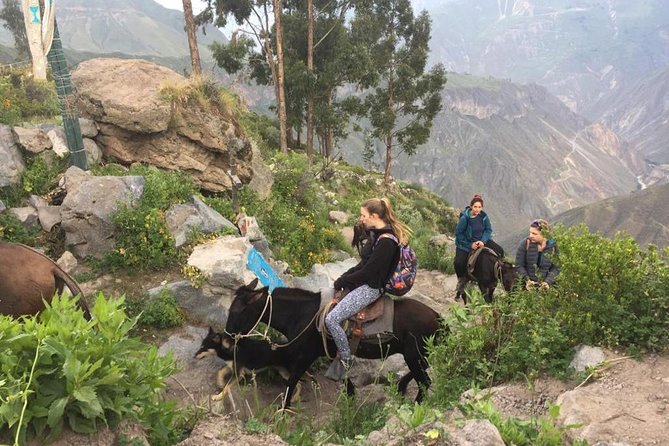
The best practical part of this tour is that you don’t have to figure out the second half. After the canyon and the day’s stops, you take a transfer to Puno. You descend from about 4830 m down to 2325 m during the drive, and you arrive around 18:30, dropped off at your hotel or hostel in central Puno.
Real-world logistics note: some people report needing to change buses on the way. That’s common in South American intercity travel, and it’s not a deal-breaker, but it’s good to be mentally ready for it.
Price and value: what $179 covers, and where costs can pop up
At $179 per person for about 2 days, the price is basically paying for four things: guided canyon time, included meals, an overnight stay in Sangalle-style lodging, and the one-way travel connection to Puno.
But you do need to budget for add-ons:
- Colca Canyon entrance: PEN 70 per person, not included
- Hot Springs Chacapi: PEN 15, optional, not included
- A lunch in Chivay later on can cost PEN 30 if you choose it, not included
Here’s how I think about value: if you want a hassle-free, timed trek that ends in Puno without planning transport, this price can make sense. If you’re trying to squeeze every sol, you should compare with what you can arrange locally in Arequipa. I’ve heard of people paying much less by booking directly rather than using international online platforms. So if you’re price-sensitive, do a quick check before you lock it in.
Who should book this 2-day Colca trek
This trek fits best if you:
- Want a guided, structured canyon experience without planning logistics
- Are comfortable with altitude and physical effort, especially the uphill day 2
- Like getting value out of a schedule, because you’ll do viewpoints, hiking, relaxation, and then move on to Puno
It may not be the best fit if you:
- Struggle with steep uphill treks, or you’re hoping for mostly flat walking
- Expect a high-end hotel experience in Sangalle, because the overnight is basic bungalow-style
- Get annoyed by early departures, because the start is very early
What to pack (so the trek stays enjoyable)
The tour data says moderate physical fitness is needed. To make that work in real life, plan for the sun, the cold nights in the Andes, and the fact you’ll be moving a lot.
Bring:
- A day pack that’s small enough to feel easy on your shoulders
- Layers for early morning and after-dark torchlight hiking
- Something for rain or wind, because canyon weather can shift fast
- Sunscreen and a hat, since the hike can be under strong daylight
- Water, plus a few snacks for extra energy if you’re a frequent snacker
One more practical point: some people note that the trek organization includes help with luggage logistics, which means you’re not necessarily carrying everything the whole time. Still, follow the operator’s guidance on what to keep with you for the hike.
Should you book this trek?
I’d book this tour if you want a classic Colca experience done the practical way: viewpoints first, guided downhill day, Sangalle recovery, then the tough torchlight climb that makes Colca feel real. The one-way transfer to Puno is a strong bonus when you’re stitching together a bigger Peru itinerary.
I wouldn’t book it if you’re chasing comfort or you’re very price-sensitive, because extra costs like the Colca Canyon entrance and optional hot springs add up, and some accommodations are described as very basic.
If you’re excited by condors, canyon views, and the satisfaction of earning your sleep in Sangalle, this is a solid pick. Just go in knowing day 2 is the workout, not the sightseeing.
FAQ
What time does the tour start in Arequipa?
The meeting time is listed as 3:00 am, with pickup at your hotel or hostel in Arequipa.
How many people are in the group?
The group size is limited to a maximum of 12 travelers.
What is included in the $179 price?
Included are dinner, lunch, transfer from Chivay to Puno, and two breakfasts.
Do I pay extra for the Colca Canyon entrance?
Yes. The Colca Canyon entrance is listed as PEN 70 per person, and it is not included.
Is the Hot Springs Chacapi stop included?
No, it is optional. The entrance fee is PEN 15 per person, and it is not included.
How demanding is the second day?
Day 2 includes an uphill trek that starts around 05:00 and takes about 3 hours. It can feel steep, and the climb is described as challenging by travelers.
What time do you arrive in Puno?
You arrive in Puno at about 18:30 and get dropped off at your hotel or hostel in the center of the city.
What happens if the tour can’t run due to poor weather?
The experience requires good weather. If it is canceled due to poor weather, you are offered a different date or a full refund.
Is the tour refundable if I cancel?
No. The experience is non-refundable and cannot be changed for any reason.
More Tour Reviews in Arequipa
- From Arequipa: Colca Canyon Day Trip with Transfer to Puno
★ 4.6 · 90 reviews - Colca Canyon: 2-Day Tour from Arequipa to Puno
★ 4.7 · 45 reviews - From Arequipa: 2-Day Colca Canyon Tour with Transfer to Puno
★ 4.2 · 17 reviews
More Condor Mornings
- From Arequipa: Colca Canyon Day Trip with Transfer to Puno
★ 4.6 · 90 reviews - Colca Canyon: 2-Day Tour from Arequipa to Puno
★ 4.7 · 45 reviews - From Arequipa: 2-Day Colca Canyon Tour with Transfer to Puno
★ 4.2 · 17 reviews
More of Lake Titicaca
- From Arequipa: Colca Canyon Day Trip with Transfer to Puno
★ 4.6 · 90 reviews - Colca Canyon: 2-Day Tour from Arequipa to Puno
★ 4.7 · 45 reviews - From Arequipa: 2-Day Colca Canyon Tour with Transfer to Puno
★ 4.2 · 17 reviews
Fresh in from Arequipa
Puno & Lake Titicaca Tours, compared.
 ★ 4.5From Puno: Uros, Amantaní & Taquile Islands 2-Day TourFrom $59452 reviews
 ★ 4.4From Puno: Floating Islands of the Uros Half-Day TourFrom $10394 reviews
 ★ 4.62-Day Tour Colca Canyon in Arequipa with end in PunoFrom $78248 reviews
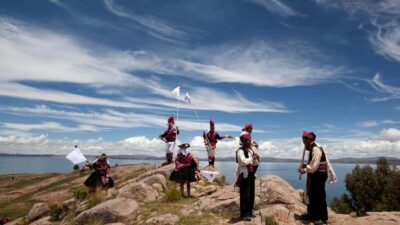 ★ 4.4Lake Titicaca 2-Day Tour to Uros, Amantani and TaquileFrom $69199 reviews
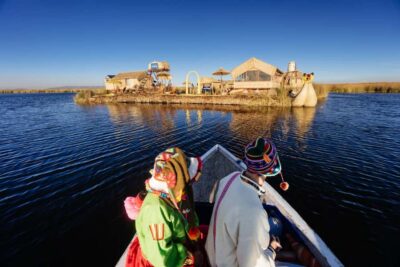 ★ 4.4Puno: Full-Day Tour of Lake Titicaca and Uros & TaquileFrom $33178 reviews
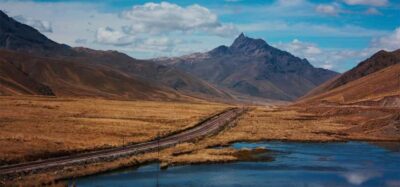 ★ 4.7Puno: Full-Day Route of the Sun Tour to Cusco with LunchFrom $44131 reviews
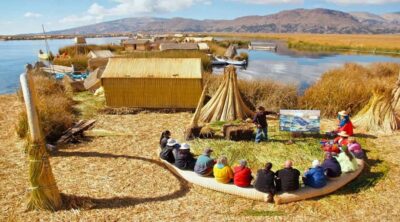 ★ 4.2Floating Islands of the UrosFrom $7101 reviews
 ★ 4.8Scenic Route of the Sun to Puno with Buffet LunchFrom $44101 reviews
Browse the lists this tour appears in