
REVIEW · SACRED VALLEY TOURS
Super Sacred Valley with Transfer to Ollantaytambo
A one-day Sacred Valley hit. You’ll stitch together Inca ruins, high-altitude Andean culture, and working salt production into a day that feels like time travel without needing extra days. I love how the route moves from market life to engineered Inca agriculture, then lands you in a real fortress town. I also like that it ends close to Ollantaytambo train area, so it can fit neatly into a Machu Picchu plan.
My favorite part is the variety at each stop. Chinchero brings you art and textiles in the same breath, Moray shows Inca experimentation, and Maras lets you see how people still harvest salt in thousands of small wells. The only real drawback to watch is pacing and shopping time at the stops, plus luggage logistics if you’re carrying bags for onward travel.
If you want pure ruin time with minimal stops for purchases, pick this tour thoughtfully. And if you’re traveling with a larger suitcase, plan for where your bag will go during the vehicle changes and transfers.
Key Things You Should Know Before You Go
- Chinchero at 3,780 meters gives you thin-air views plus a church and a market where Andean textiles still matter.
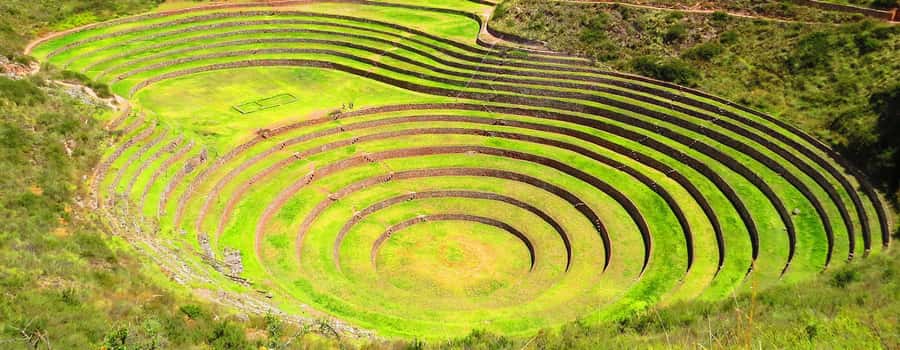
- Moray’s circular terraces are not just pretty, they hint at how the Incas tested crops in different microclimates.
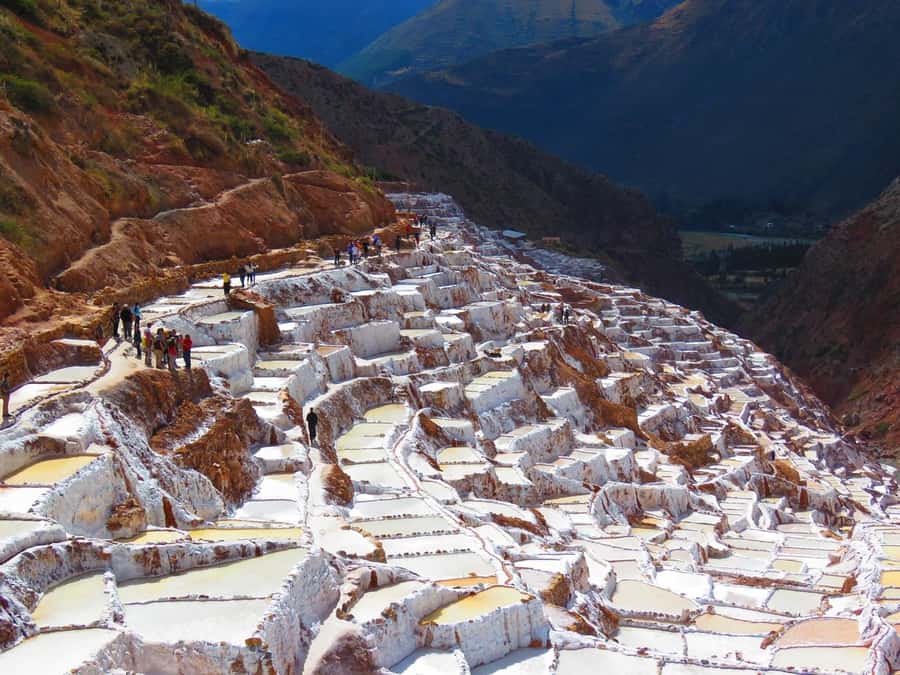
- Maras Salt Mines are a working salt landscape, with more than 4,000 wells you can actually observe up close.
- Lunch in Urubamba breaks up the day in a practical way, so you’re not trying to power through ruins on snacks.
- Ends near Ollantaytambo train area, which can save you time if your next move is by rail.
More of the valley floor, from Pisac to Ollantaytambo
- Cusco: Sacred Valley, Pisac, Ollantaytambo, Salt Mines Moray★ 4.6 · 1,058 reviews
- Cusco:Chinchero,Moray & Salt Mines drop-off in Ollantaytambo★ 4.8 · 793 reviews
- Sacred Valley: Chinchero, Moray, Ollantaytambo & Pisac+Lunch★ 4.8 · 501 reviews
- Sacred Valley: Maras & Moray by Quad Bike from Cusco★ 4.6 · 418 reviews
Super Sacred Valley: How This One Day Strings Together the Good Stuff
This is the kind of day trip that works because it keeps your brain busy. You start in Cusco, drive into the Sacred Valley, and by the time you reach Ollantaytambo you’ve seen three different faces of the region: Andean community life, Inca engineering, and a living (and strategically important) Inca city.
I like tours like this when they feel efficient, not rushed. Here, the stops are spaced so you get time to wander, look closely, and still make it to the next place before the light shifts too much. The day also avoids the worst trap of many Sacred Valley tours: spending hours in a vehicle without giving you enough to look forward to.
What you should expect most is contrast. You’ll go from markets and colonial art in Chinchero to the science-like logic of Moray’s terraces, then to the very human sight of people working salt at Maras. Finally, you’ll end with Ollantaytambo, where you can feel why the Incas built fortresses where they did.
Pickup and the Cusco to Sacred Valley Drive: Views You Actually Remember
The tour begins with pickup from your hotel in central Cusco. From there, you head into the Sacred Valley of the Incas, with views of fields, picturesque villages, and mountains that were revered long before the Incas.
This drive matters more than it sounds. It’s your early chance to orient yourself in the region’s geography. You start to see how the valley system and the surrounding slopes would influence farming, transport, and where settlements made sense.
Also, because the itinerary later climbs and moves between sites, the morning drive helps you mentally switch modes. You go from Cusco city pace to valley pace, with a day that alternates between short walking stretches and viewpoints.
Practical note: if you’re sensitive to altitude, you’ll want to pace yourself once you reach the higher-elevation stop in the plan.
Chinchero at 3,780 Meters: A Market, a Church, and Textiles With Real Purpose
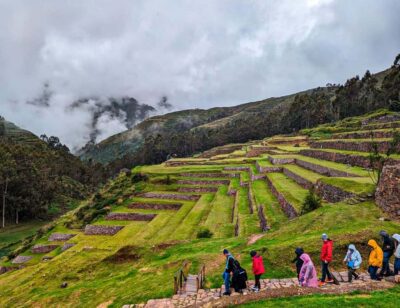
Chinchero is the first major cultural stop, and it sits at 3,780 meters. That elevation alone makes the visit feel special, since you’re stepping into the thin-air version of Andean daily life, not just sightseeing.
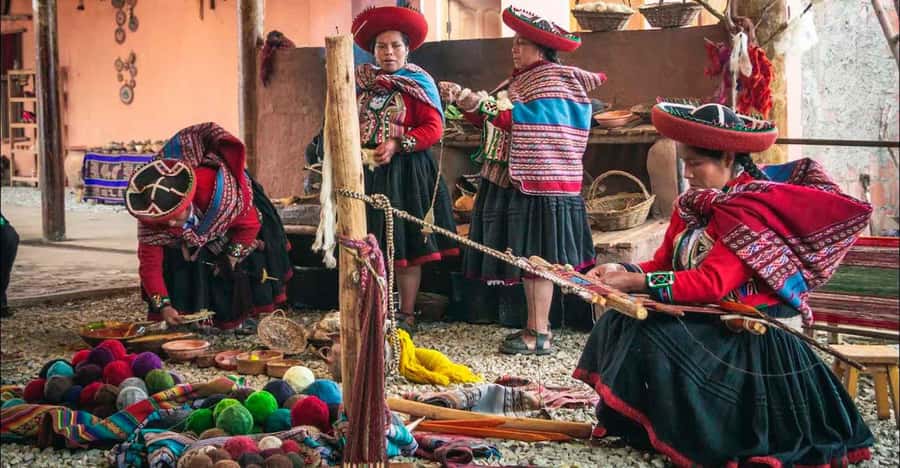
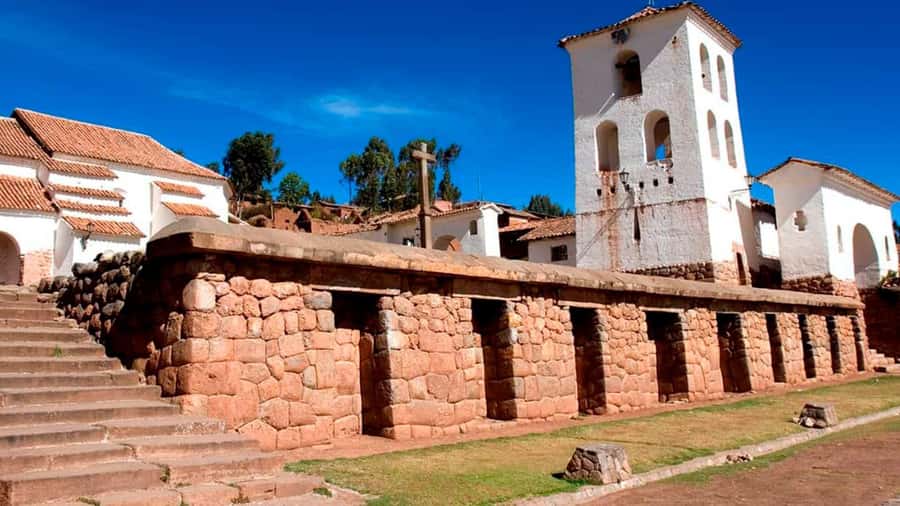
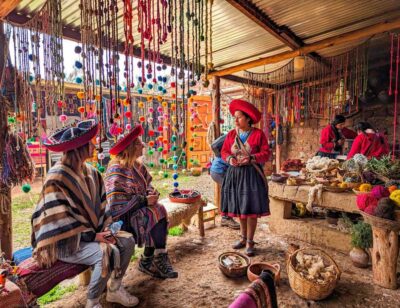
What makes Chinchero work is that it’s not only ruins. You’ll explore archaeological sites in town, visit a 17th century colonial church featuring canvases from the Cusco School, and then spend time in a typical market where traditional exchange of products still happens. You’ll also see and purchase Andean fabrics, which are famous for their patterns, dye work, and regional styles.
Why this is valuable: Chinchero gives you the “why” behind the Sacred Valley. The Incas shaped landscapes for agriculture, but communities around them kept developing culture, crafts, and trade. The market is a reminder that you’re not just looking at artifacts, you’re seeing a living economy.
What to watch for: markets can turn into a time sink if you’re not sure what you want to do. If your priority is the historical sites, keep your eyes on time and steer your curiosity toward the church art and the archaeological areas first. Then, if you still want crafts, enjoy them without feeling like you missed the main points.
Moray Circular Terraces: Inca Agriculture Testing, Not Just a Photo Stop
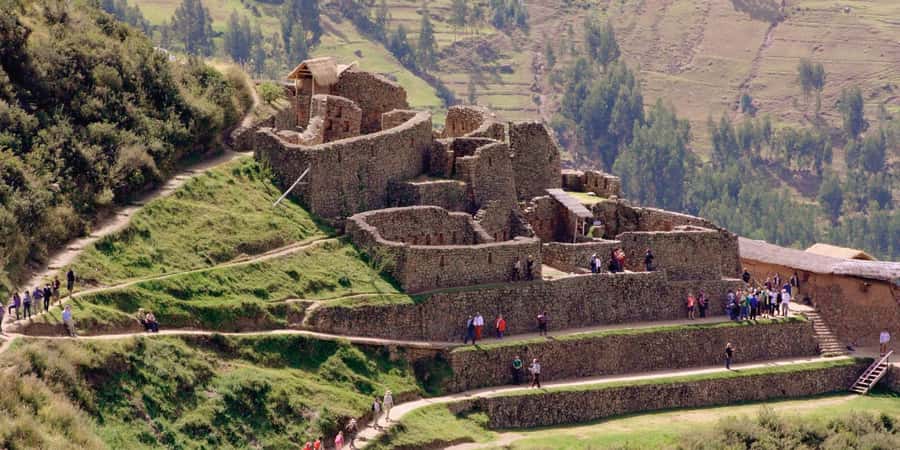
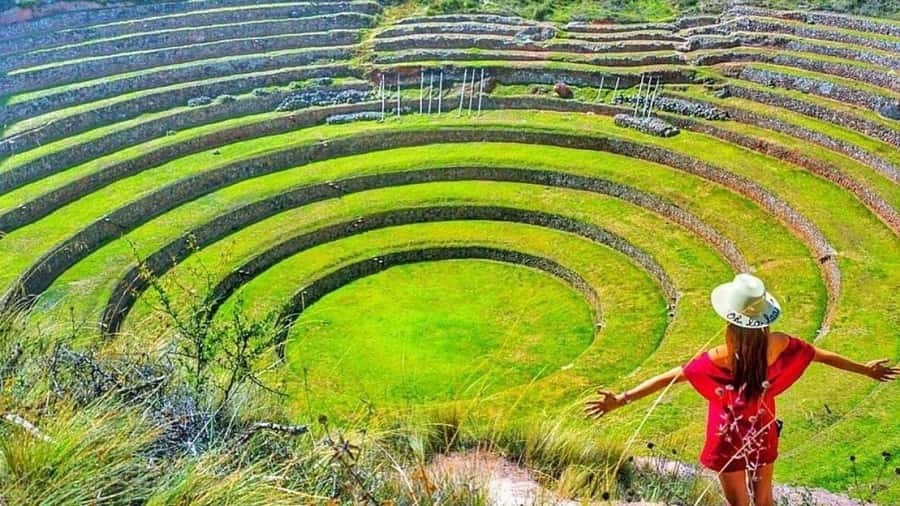
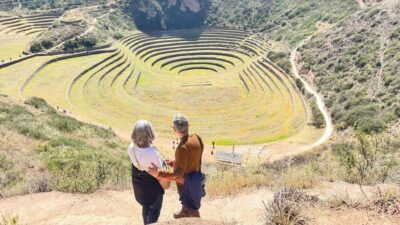
Next comes Moray, with its circular agricultural terraces. This site served as an ancient agricultural research center, basically a place where experimentation happened.
The design is the clue. These terraced rings are different heights and exposures, so they create varied conditions within a compact area. That means the Incas could test how crops behaved across microclimates instead of relying on one general environment. You’re looking at engineering aimed at learning, and that changes the way you see the ruins.
What I like about Moray is how it rewards slow attention. If you stand and look around, you start noticing the logic of the terraces. They are not randomly built shapes for decoration. They feel like a lab made of stone.
Possible drawback: it’s easy to treat Moray like a quick stop because it looks straightforward at first glance. Give yourself a little extra time to walk around and look at the terrace structure from different angles. If you rush, you might miss the “research” part of the story.
More days with a driver of your own

Maras Salt Mines: More Than a View, a Still-Working Salt Landscape
Then you go to Maras Salt Mines, famous for containing more than 4,000 wells. The site sits in one of the highest salt flats in the world, and it produces salt that is highly valued in gastronomy.
Here’s the thing: Maras feels different from most ruins because it isn’t finished or abandoned. It’s active. You’re not just looking at a past industry, you’re witnessing a present one, where salt harvesting is still a real livelihood.
Why it’s worth your time: it ties together the Sacred Valley’s natural resources and human know-how. The salt isn’t a magic story, it’s a physical product created by water and evaporation patterns in that harsh setting. Standing among the wells, you get a clearer sense of why people would invest labor here.
What to consider: the tour notes that entrance fees to archaeological sites and to the Maras salt mines are not included. Plan for extra cost on top of the base price. It’s common for these sites to require separate tickets, so budget a bit before you go.
Also, if you’re trying to photograph, be ready for bright reflections. The salt can glare, so sunglasses help and a quick test shot can save you time.
Urubamba Lunch: A Needed Break Between Sacred Valley Stops
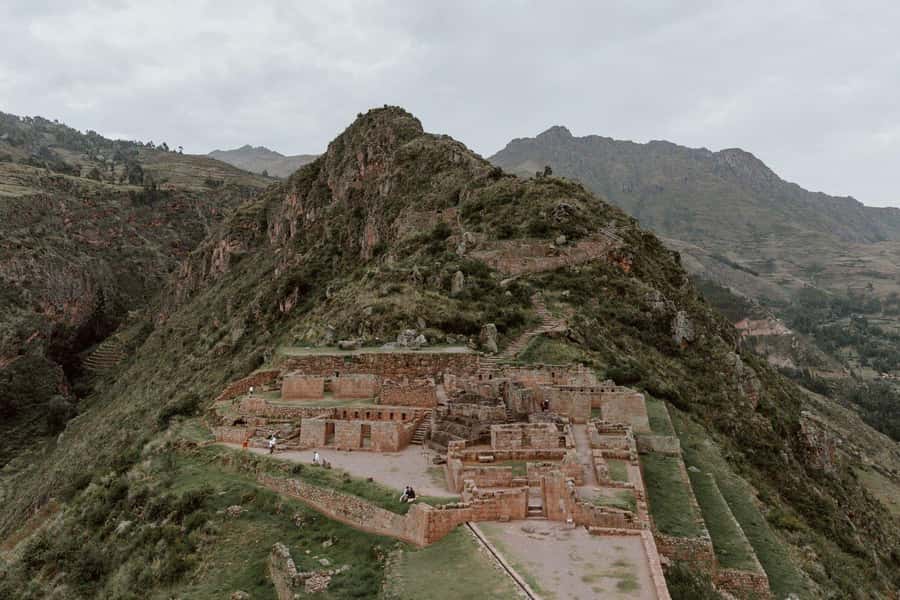
You’ll head to Urubamba for lunch at a typical restaurant. Lunch is included, and that’s a big deal on tours like this because it keeps you from making tough decisions at the wrong time.
This stop is also a reset for your energy. After Chinchero and Moray, you likely want a comfortable meal rather than scavenging for snacks while you worry about meeting the next departure. In a one-day schedule, that matters.
The tour doesn’t promise a specific menu, but it does promise typical flavors of the region. Expect a solid lunch designed for visitors moving through the Sacred Valley circuit.
If you have a sensitive stomach or you’re cautious with altitude, keep it simple. Eat enough to fuel the walk at Ollantaytambo, but don’t go so heavy that you feel sluggish on arrival.
Ollantaytambo: Fortress City Life and Inca Strategic Power
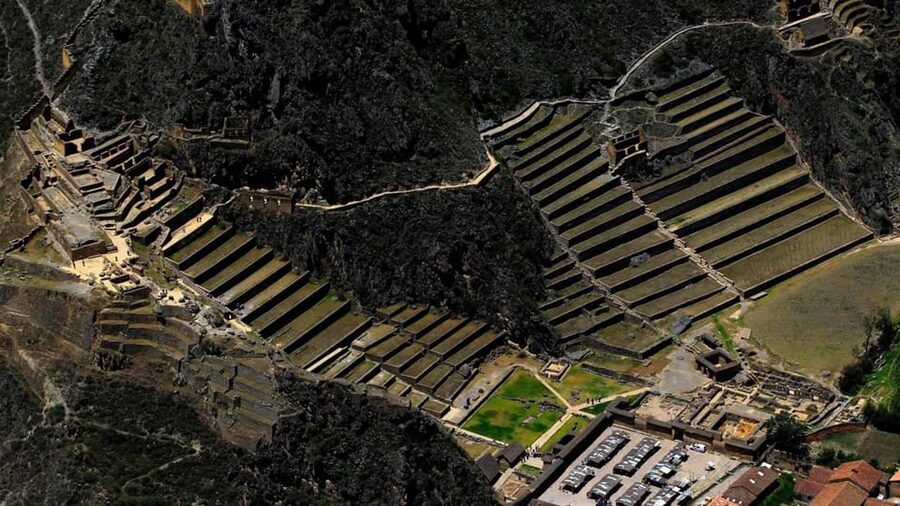
Your final major stop is Ollantaytambo, a living Inca city in the Sacred Valley. You’ll admire its splendor and the way it functioned as a strategic military, religious, and administrative fortress.
This is where the day comes together. After seeing how the Incas shaped agriculture and used natural resources, Ollantaytambo shows the human side of organization and defense. The site’s layout and fortification feel purposeful, like the stones were placed to control movement and protect the settlement.
What I love here is the contrast with the earlier stops. In Chinchero and the markets, you’re dealing with craft, trade, and colonial layers over older traditions. At Maras, you’re watching working production. At Ollantaytambo, you’re in a built system meant to last and hold power.
Logistics note from real-world experience: because the tour ends near the Ollantaytambo train station, you may have onward travel plans. If you’re carrying luggage, keep it minimal and manageable. One problem that can happen on these kinds of routes is cramped vehicle space and rushed transfers. You do not want to be wrestling a heavy bag while trying to keep up with the walking route.
Price and Value: What $35 Really Buys You (and What It Does Not)
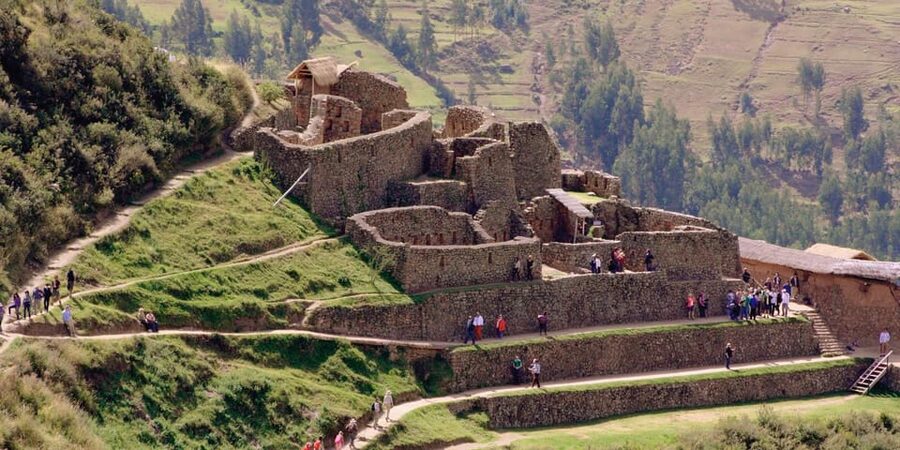
At about $35 per person for a one-day Sacred Valley plan, this is strong value in the “included time” sense. You get hotel pickup in central Cusco, transport between multiple major sites, a guided day in English or Spanish, and lunch in Urubamba.
What’s not included is also important. You’ll pay entrance fees to archaeological sites, and Maras salt mines entrance is not included. So your real total cost will depend on ticket prices at each stop.
To judge value honestly, look at what the base price covers:
- Transport across a big geographic arc of the valley
- A guide for the key sites
- Lunch
- Time-efficient sequencing
So, if you’re trying to stitch these stops together on your own, the “you don’t have to plan it” piece is likely worth the price.
Guide Quality and the One-Day Timing Reality
The difference between a great Sacred Valley day and a frustrating one is often the guide’s energy and the group pacing. When the guide is strong, the history clicks, the day feels coherent, and you spend more time understanding what you see.
There’s also a real-world caution: if you care deeply about monuments over shopping, keep expectations clear. Some itineraries can devote more time to craft selling and souvenir browsing than you hoped, and that can crowd out ruin time.
My practical advice: go in with a plan for your priorities. If you’re mainly here for ruins and landscapes, treat markets as a quick cultural stop and focus on the specific craft you want. If you love shopping, set aside that time and don’t apologize for enjoying it.
And if you’re traveling with luggage for onward rail connections, keep your bag light and easy to carry. The tour is designed to move people efficiently, but physical transfers and vehicle space can become a problem with bulky suitcases.
Who This Tour Suits Best (and Who Might Want Another Option)
This tour fits you best if you want:
- A full Sacred Valley day with multiple anchor sites
- A route that ends near Ollantaytambo for easy onward travel
- A mix of culture, engineering, and working industry
- English or Spanish guiding with a live guide
You might choose a different format if:
- You want lots of free time at each ruin with no market stops
- You have heavy luggage and prefer a more private, flexible transfer plan
- You prefer fewer stops and more time per location
In other words, this is for travelers who like structure and want to cover the essentials without spending extra days coordinating transportation.
Should You Book This Super Sacred Valley Tour?
Yes, if you want one day that hits the major Sacred Valley stories and you like the idea of seeing Inca power and everyday Andean life in the same schedule. The value for the price is solid because transport and lunch are included, and the ending near Ollantaytambo helps you keep momentum for the next part of your trip.
Book with two smart expectations. First, budget extra for entrance fees at archaeological sites and Maras salt mines. Second, keep your luggage simple and be ready for some time spent in markets and craft areas, because the day is built as a cultural route, not only a ruin marathon.
If that sounds like your kind of day, you’ll likely walk away feeling like you understood the Sacred Valley instead of just collecting stamps.
FAQ
How long is the Super Sacred Valley tour?
It’s a 1-day experience.
Where does the tour start and where does it end?
You’re picked up from your hotel in central Cusco, and you’re dropped off near the Ollantaytambo train station.
What stops are included during the day?
The tour includes visits to Chinchero, Moray, the Maras Salt Mines, and Ollantaytambo, with lunch in Urubamba.
What is included in the price?
Included are hotel pickup from the city center, visits to the listed sites, lunch in Urubamba, a live tour guide (English or Spanish), and transport.
What is not included?
Entrance fees to archaeological sites are not included, and entrance to the Maras salt mines is also not included.
What languages is the live guide offered in?
The live tour guide is available in English and Spanish.
Can I cancel or pay later?
You can cancel up to 24 hours in advance for a full refund. You can also reserve now and pay later.
More Days With a Driver
- Cusco: Alpaca and Llama Farm Tour w/ Transfer & Weaving Demo
★ 4.9 · 151 reviews - Cusco Airport Pickup and Private Transfer
★ 5.0 · 82 reviews - Cusco Private Airport Transfer: Fast, Reliable Hotel Drop-Off
★ 5.0 · 80 reviews - CUSCO MAGICAL 4D Transfer, Hotel, City Tour, Sacred Valley and Machu picchu
★ 5.0 · 42 reviews - Transfer from Cusco to Ollantaytambo
★ 5.0 · 30 reviews
More Tour Reviews in Cusco
- Cusco: Humantay Lake Tour with Breakfast and Buffet Lunch
★ 4.9 · 2,976 reviews - From Cusco: Moray, Maras Salt Mines & Chinchero Weavers Tour
★ 4.8 · 1,925 reviews - From Cusco: Full-Day Group Tour of Machu Picchu
★ 4.7 · 1,767 reviews - Machu Picchu Day Trip from Cusco
★ 4.5 · 1,644 reviews - Cusco: Half-Day City Tour with Sacsayhuaman and Q’enco
★ 4.6 · 1,129 reviews
Keep Going Down the Valley
- Cusco: Sacred Valley, Pisac, Ollantaytambo, Salt Mines Moray
★ 4.6 · 1,058 reviews - Cusco:Chinchero,Moray & Salt Mines drop-off in Ollantaytambo
★ 4.8 · 793 reviews - Sacred Valley: Chinchero, Moray, Ollantaytambo & Pisac+Lunch
★ 4.8 · 501 reviews - Sacred Valley: Maras & Moray by Quad Bike from Cusco
★ 4.6 · 418 reviews - Pisac Indian Market and Ollantaytambo Fortress with Lunch
★ 4.5 · 395 reviews
Fresh in from Cusco


Sacred Valley Tours, compared.
 ★ 4.8Sacred Valley & Maras Salt Mines Tour with LunchFrom $282,227 reviews
 ★ 4.6Sacred Valley, Pisac, Ollantaytambo, Salt Mines MorayFrom $281,058 reviews
 ★ 4.8Chinchero,Moray & Salt Mines drop-off in OllantaytamboFrom $27793 reviews
 ★ 4.8Sacred Valley: Chinchero, Moray, Ollantaytambo & Pisac+LunchFrom $25501 reviews
 ★ 4.6Sacred Valley: Maras & Moray by Quad Bike from CuscoFrom $39418 reviews
 ★ 4.5Pisac Indian Market and Ollantaytambo Fortress with LunchFrom $84395 reviews
 ★ 4.62-Day Trip to the Sacred Valley and Machu PicchuFrom $370265 reviews
 ★ 4.8Sacred Valley Pisaq,Ollantaytambo,Chinchero with LunchFrom $28183 reviews
Browse the lists this tour appears in