
REVIEW · PRIVATE DRIVERS
Cusco: Alpaca and Llama Farm Tour w/ Transfer & Weaving Demo
Alpacas beat Cusco traffic for a change. This 150-minute farm tour takes you about 20 minutes from the historic center, where you trade city noise for camelid viewing and weaving culture explained in plain terms. I especially like how the day ties animals to the story of the Incas without turning into a textbook.
Two things I really like: you get close up time with different alpaca and llama varieties plus their relatives like vicuñas and huanacos, and you get a real weaving demonstration that connects fiber to everyday life. In multiple guide experiences, names like Marileth and Holger pop up, and their style is simple, friendly, and question friendly.
One thing to consider: the experience can feel a bit time tight, so if you want to linger for ages with every animal, you might feel a quick pace. Also, the end stop with products can be a bit commercial, and one guest noted pricing that felt high compared to other shops nearby.
Key highlights you should care about
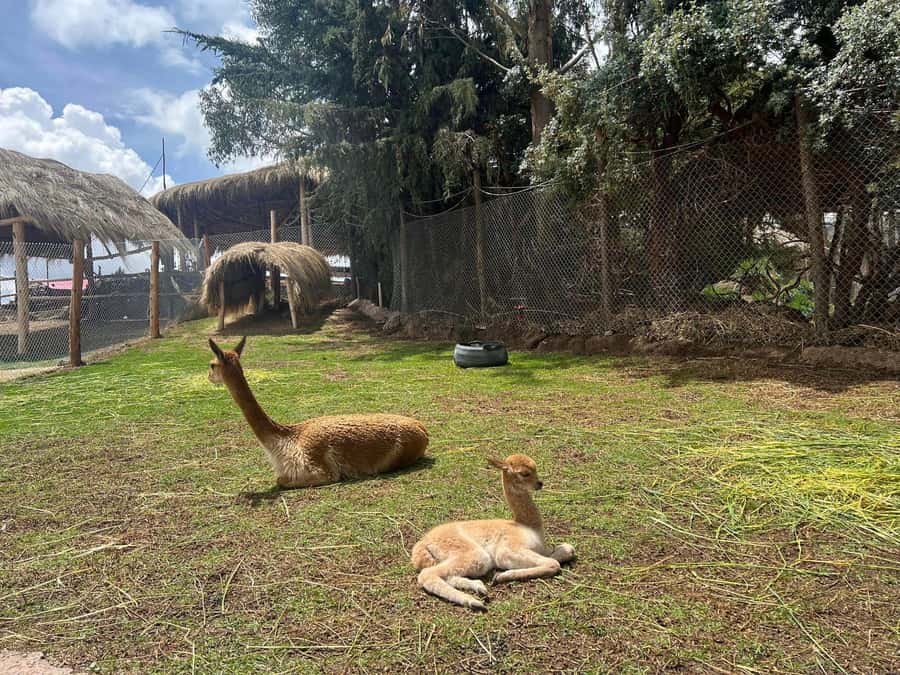
- Up-close camelid time: meet alpacas, llamas, vicuñas, and huanacos, with photo opportunities.
- Inca-era context: learn how the Incas developed camelid domestication, not just animal facts.
- Weaving demo with practical takeaways: watch how textiles are made and how skills are passed on.
- Boutique cultural stop energy: the tour centers on Manos de la Comunidad, not a rushed city drive-by.
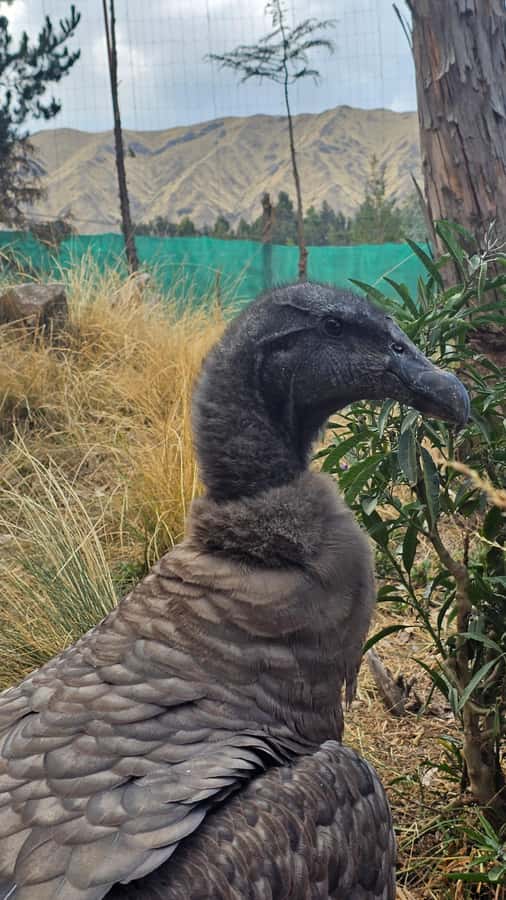
- Conservation extras: some visits include rescued condors and other small animal exhibits.
- Hotel pickup and drop-off: you skip the hassle of finding transport on your own.
More that leaves from a Cusco hotel door
- Cusco: Humantay Lake Tour with Breakfast and Buffet Lunch★ 4.9 · 2,976 reviews
- From Cusco: Moray, Maras Salt Mines & Chinchero Weavers Tour★ 4.8 · 1,925 reviews
- From Cusco: Full-Day Group Tour of Machu Picchu★ 4.7 · 1,767 reviews
- Machu Picchu Day Trip from Cusco★ 4.5 · 1,644 reviews
From Cusco to Manos de la Comunidad in about 20 minutes
Your day starts with hotel pickup in Cusco, then a short ride out to the farm area in the Cusco Region. The distance matters here. Because the transfer is only around 20 minutes from the historic center, the trip feels manageable even if you are still getting used to the altitude.
The tour includes a live guide, and you’ll join the guided farm portion at Manos de la Comunidad. In practice, this is the part that turns a simple animal visit into a story you can remember. It also helps you get questions answered right away, especially if you like learning names and details instead of just taking photos.
One small but useful perk is the separate entrance, which helps you avoid typical line chaos. And yes, water is included, which sounds basic until you’re standing around waiting for your guide to finish a good explanation. (A dry throat is the quickest way to lose your patience.)
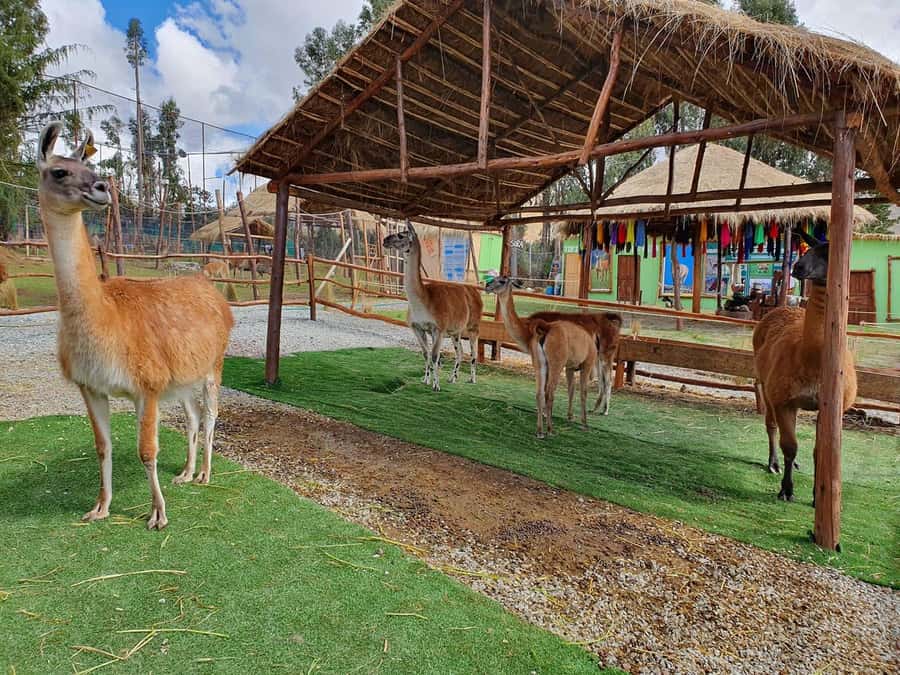
Meeting alpacas, llamas, vicuñas, and huanacos up close
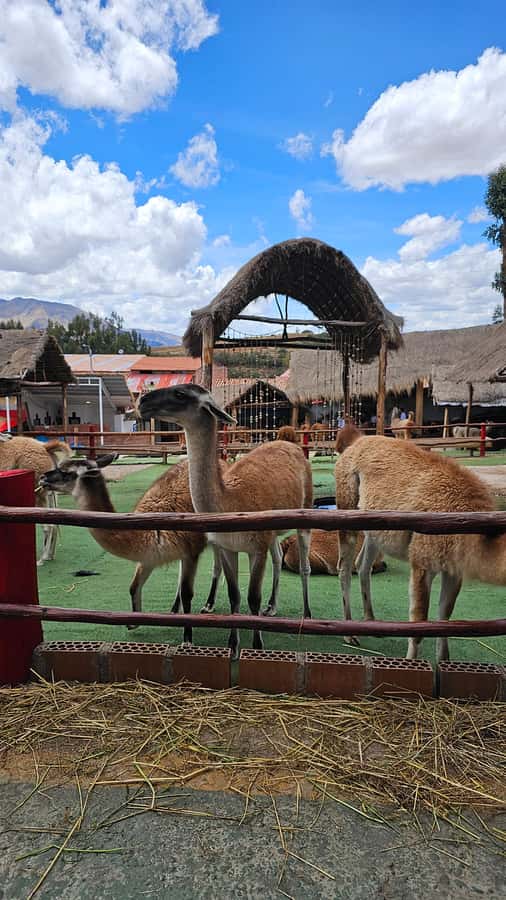
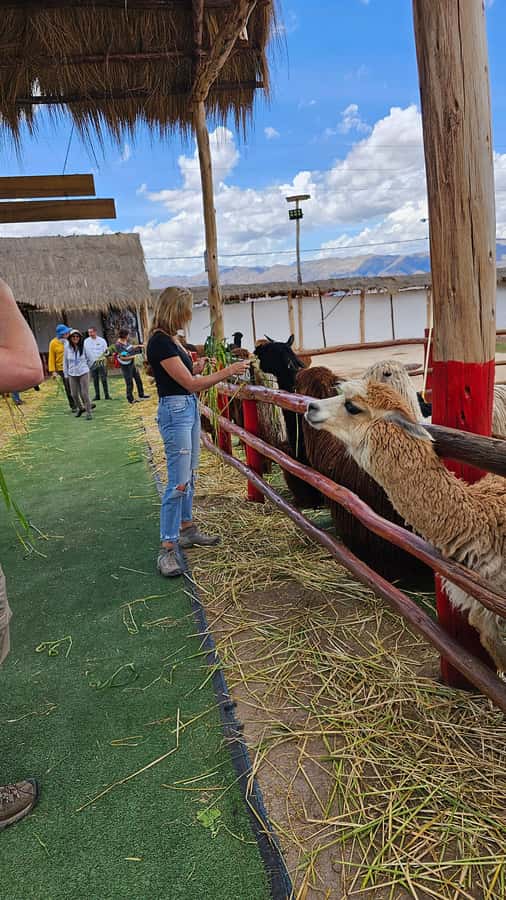
This is the core of the experience, and the best part is that you are not looking at animals from far away. You’re meant to see different types of alpacas and llamas up close, snap photos, and observe how each one looks and behaves.
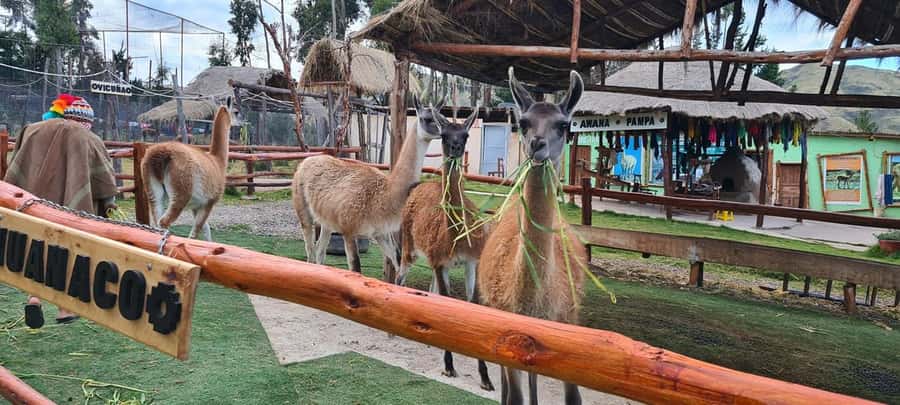
What I found helpful is that you don’t just get a single “cute alpaca” moment. The tour focuses on variety and relationships. You’ll learn about the species the Incas developed, along with the animals they drew from over time. That’s where you hear names like huanacos and vicuñas, which are often described with extra importance in Andean culture.
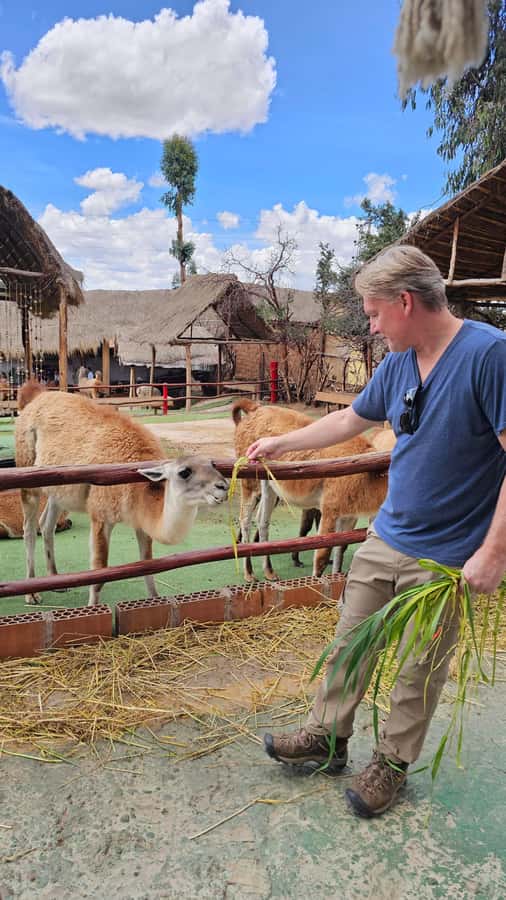
A few review details add extra confidence. People specifically mention seeing vicuñas, and they also mention petting and hand feeding as part of the visit. If you care about interaction, this is exactly the type of tour where you might get that chance, as long as your group schedule allows it.
Also, expect that personalities vary. Some animals may be curious, some may be calm, and some may want nothing to do with your outstretched hands. The good guides keep it respectful and safe while still letting you feel close to the animals.
If you’re thinking about photos, bring a plan. Keep your phone camera ready, but also watch what your guide is doing, because they often time explanations around the best moments to observe (and not just chase animals around).
The Inca-era camelid story, explained without the lecture vibe
The tour includes history, but it’s not the stiff kind. You start with the ancient South American camelids and the process of domestication, then you connect it to what the Incas developed.
Why that matters for you: without context, alpacas and llamas are just animals. With context, they become part of how people lived, worked, and traded. You start to understand why weaving and animal care are tied together, and why certain fibers were treated as valuable.
You’ll also hear about why vicuñas are treated like the gold of the Andes. Even if you already knew that nickname, the tour helps translate it into everyday meaning: fiber, rarity, and traditional systems.
And because the guide is with you through the animal portion, the story lands in the right place. You’re hearing why these animals matter while you can still look at their bodies, coats, and overall temperament. That is when information sticks.
Weaving demonstration: textiles, fibers, and what to look for
After the camelid time, the tour shifts to culture through weaving. You watch a weaving demonstration focused on traditional techniques and the skills used to produce textiles.
If you’ve ever stared at an Andean scarf and wondered why some pieces look smoother, more even, or more richly dyed, this part helps. You learn how fiber becomes cloth, and you get a sense of how careful the process is. Even if you don’t plan to become a weaving hobbyist, you’ll walk away with more respect for the work behind what you see in markets.
There are also mentions of dyeing being part of the demonstration in some experiences. That checks out with the idea that weaving in Peru is not only about turning wool into yarn, but also about color, finishing, and quality.
Here’s what I’d pay attention to during the demo:
- The steps your guide highlights, especially anything tied to preparation and spinning.
- How yarn quality is described, since it often explains why some products cost more.
- Any tips your guide shares for spotting what is real versus lookalikes, since people specifically mention guidance on identifying authentic baby alpaca fabric versus fakes.
This is one of the highest-value parts of the tour for me because it converts “cool culture” into something you can actually interpret while shopping later.
More around Cusco, if this one is not quite the fit
Photos, petting, feeding, and the conservation extras
Animal tours can go two ways. Either you spend most of the time herding people past pens, or you actually get time to look, listen, and interact. The vibe here is aimed at letting you get closer.
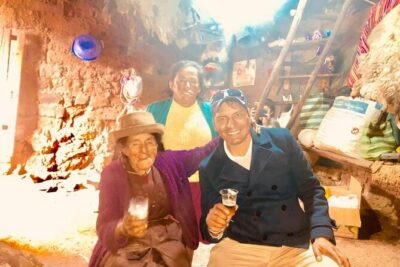
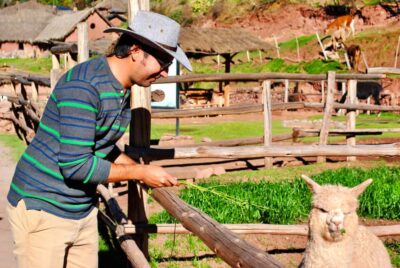
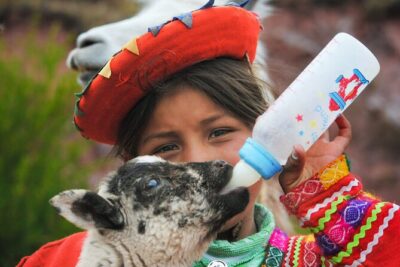
In real-world experiences, guests describe being able to feed and pet the alpacas and llamas by hand. That kind of interaction can feel like the whole point, especially if you came for the animals. Just remember, the animals set the pace, and your guide will keep the visit controlled so nobody gets stressed.
You may also get conservation extras. One guest described rescued condors being part of the bonus museum, and other animals like deer and guinea pigs. If this gets added to your specific visit schedule, it’s a nice reminder that these places often do more than sell experiences. It turns the visit into a blend of education, care, and respect.
For your comfort, wear layers. You’re outside, and Cusco weather can change quickly. Bring shoes with grip, since farm paths can be uneven. And keep your hands free for photos until the guide indicates feeding time, so you’re not juggling your phone and a snack.
Pace, timing, and how to make 150 minutes feel worth it
The total duration is listed as 150 minutes, and you’ll spend about 80 minutes on the guided farm portion. That leaves time for pickup, travel, and the weaving and shop stretch at the end.
In practice, one drawback that can show up is the pace. One guest felt the tour was rushed and not as long as expected. If you’re the type who loves slow, lingering animal watching, plan to focus on what matters most to you:
- Do you want the broad animal lineup and the weaving story? Great, this fits well.
- Do you want to stay with one alpaca for 30 minutes until it becomes your new best friend? You might wish you had more time.
The good news is that many people describe the tour as fun, educational, and not hurried by their guides. You also have choices based on timing. A shorter, daytime outing can be a smart way to acclimate. Some guests describe doing this early in their Cusco stay for that reason, because you’re not stuck on a long bus ride.
If you’re traveling with limited time, this tour is also efficient. It gives you animals plus weaving culture in a half-day format with included water and hotel transfers.
Price at $34: what you get, and when it’s a smart deal
At $34 per person, you are paying for more than “seeing animals.” The included value is what makes the math work:
- Hotel pickup and drop-off
- A live guide
- Farm visit
- Weaving demonstration
- Water
For many travelers, that combination is the main win. You don’t need to organize transport or figure out where to go, and you don’t end up paying extra for the weaving portion, which is often the part that takes time and staff.
Is it worth it? For me, the answer is yes if you like hands-on learning. The tour is built around both camelid knowledge and textiles, so you leave with more than a photo set. One guest called it good value, and another described it as worthwhile for the money.
The one cost-related caution is what happens at the end. There’s a retail outlet, and some guests felt it was overpriced. One person compared the price of yarn between the farm shop and another shop, with a big difference. Another mentioned feeling stalked while browsing, even though they did not feel pressured to buy.
So if you plan to shop, treat it like a museum shop, not a bargain basement. Look for quality, ask questions, compare prices if you have time, and only buy what you truly want.
Should you book the Cusco alpaca and llama farm tour?
I’d book this tour if you want a straightforward Cusco outing with two real interests covered at once: camelids and weaving. It’s also a great fit if you’re arriving in Cusco and want a low-stress activity that includes hotel pickup, guided explanations, and time outdoors.
Skip it or think twice if you know you hate time limits. Some experiences can feel a little rushed, and the pacing is built around fitting in animals, the weaving demo, and the end shop. Also, if you’re allergic to gift-shop energy, plan to visit, learn, and leave your wallet closed until you’ve fully decided.
If you do book, I’d suggest choosing shoes you can walk in, bringing a water bottle on top of the included water if you run thirsty, and going in with one goal for the weaving demo, like understanding how fiber becomes textiles or how to spot quality.
In short: for $34, this is a good value when you want meaning behind the cute animals, not just the selfie.
FAQ
How far is the farm from Cusco’s historic center?
The farm is about 20 minutes away from the historic center, and you’re picked up from your Cusco hotel.
How long is the tour?
The tour lasts about 150 minutes.
What’s included in the price?
It includes hotel pickup and drop-off, a guide, the farm visit, a weaving demonstration, and water.
What animals will I see?
You can expect to see alpacas and llamas, and also vicuñas and huanacos. Some visits include additional exhibits such as rescued condors.
Will I get weaving demonstration time?
Yes. Part of the tour is a weaving demonstration where you learn traditional weaving techniques and related textile skills.
Is the tour available in English or Spanish?
Yes. The live tour guide offers English and Spanish.
Is there time to take photos or interact with the animals?
You’ll see the animals up close and have time to snap photos. Some experiences also include hand feeding and petting.
Can I cancel for a full refund, and can I pay later?
You can cancel up to 24 hours in advance for a full refund. You also have a reserve now, pay later option.
Is the tour wheelchair accessible, and will I skip any lines?
Yes, it’s wheelchair accessible, and you enter through a separate entrance to skip the line.
More Tours in Cusco
- Cusco: Humantay Lake Tour with Breakfast and Buffet Lunch
★ 4.9 · 2,976 reviews - From Cusco: Moray, Maras Salt Mines & Chinchero Weavers Tour
★ 4.8 · 1,925 reviews - From Cusco: Full-Day Group Tour of Machu Picchu
★ 4.7 · 1,767 reviews - Cusco: Half-Day City Tour with Sacsayhuaman and Q’enco
★ 4.6 · 1,129 reviews - Machu Picchu: Full-Day Tour from Cusco with Optional Lunch
★ 4.6 · 927 reviews
More Tour Reviews in Cusco
- Cusco: Humantay Lake Tour with Breakfast and Buffet Lunch
★ 4.9 · 2,976 reviews - From Cusco: Moray, Maras Salt Mines & Chinchero Weavers Tour
★ 4.8 · 1,925 reviews - From Cusco: Full-Day Group Tour of Machu Picchu
★ 4.7 · 1,767 reviews - Machu Picchu Day Trip from Cusco
★ 4.5 · 1,644 reviews - Cusco: Half-Day City Tour with Sacsayhuaman and Q’enco
★ 4.6 · 1,129 reviews
More Leaving From Cusco
- Cusco: Humantay Lake Tour with Breakfast and Buffet Lunch
★ 4.9 · 2,976 reviews - From Cusco: Moray, Maras Salt Mines & Chinchero Weavers Tour
★ 4.8 · 1,925 reviews - From Cusco: Full-Day Group Tour of Machu Picchu
★ 4.7 · 1,767 reviews - Machu Picchu Day Trip from Cusco
★ 4.5 · 1,644 reviews - Cusco: Half-Day City Tour with Sacsayhuaman and Q’enco
★ 4.6 · 1,129 reviews
Fresh in from Cusco



Private Drivers, compared.
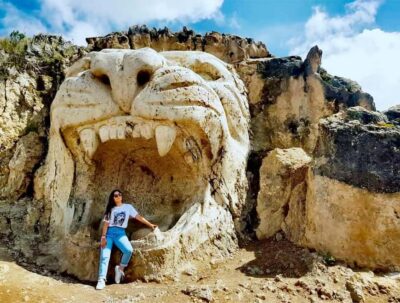 ★ 4.5Abode of the Gods ATV Tour with TransferFrom $30118 reviews
 ★ 4.6From Arequipa: Colca Canyon Day Trip with Transfer to PunoFrom $6590 reviews
 ★ 5.0Cusco Airport Pickup and Private TransferFrom $1482 reviews
 ★ 5.0Cusco Private Airport Transfer: Fast, Reliable Hotel Drop-OffFrom $1980 reviews
 ★ 5.0CUSCO MAGICAL 4D Transfer, Hotel, City Tour, Sacred Valley and Machu picchuFrom $64142 reviews
 ★ 4.52 Day Trek Including Transfer to Puno / Colca CanyonFrom $17938 reviews
 ★ 5.0Transfer from Cusco to OllantaytamboFrom $4030 reviews
 ★ 4.4From Arequipa: Fullday Tour Colca Canyon + Transfer To PunoFrom $5617 reviews
Browse the lists this tour appears in